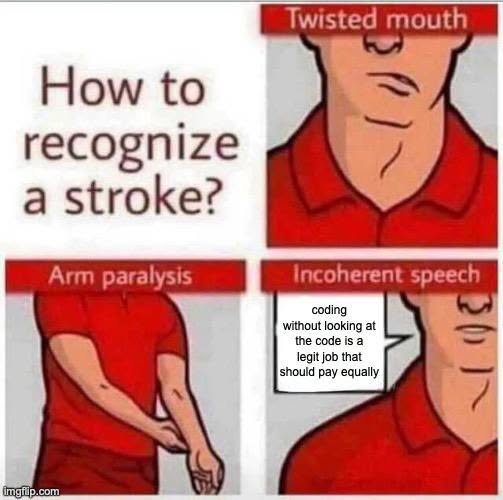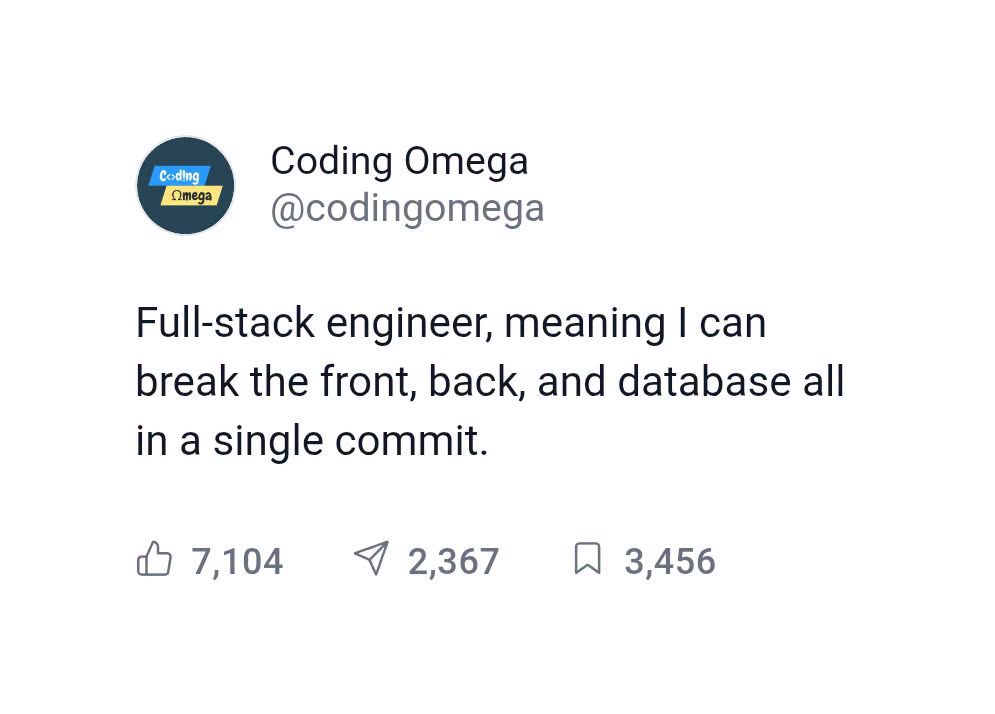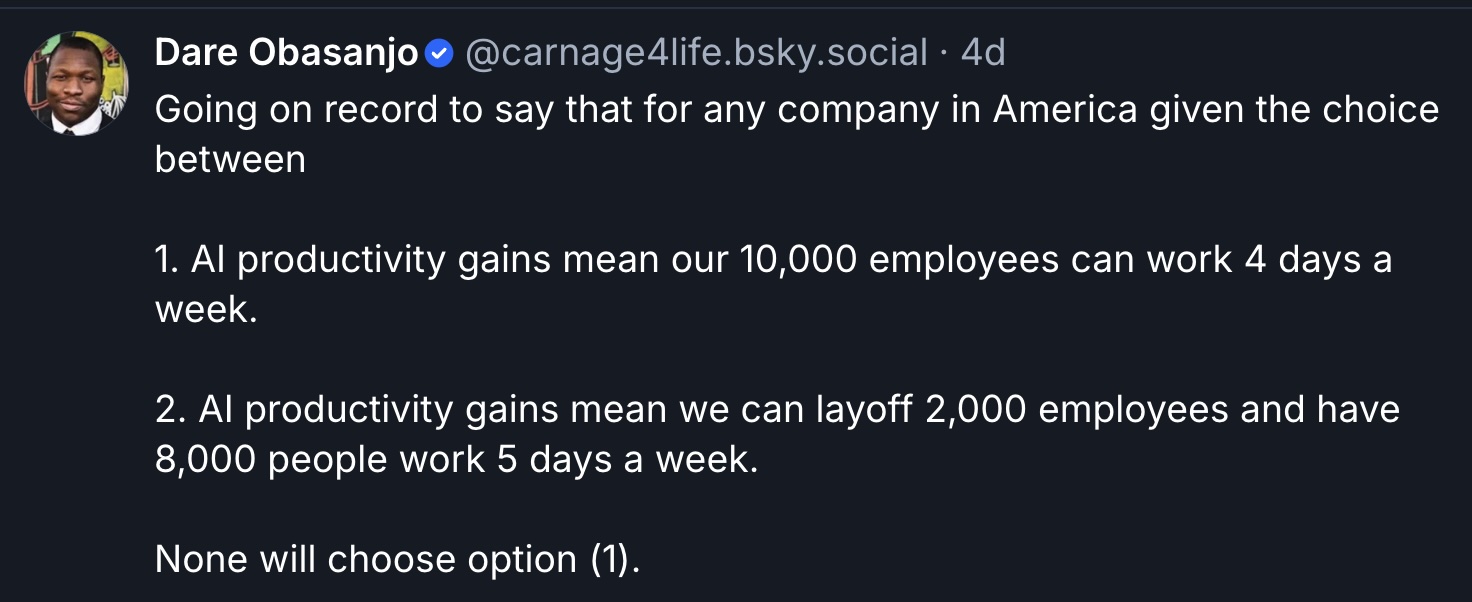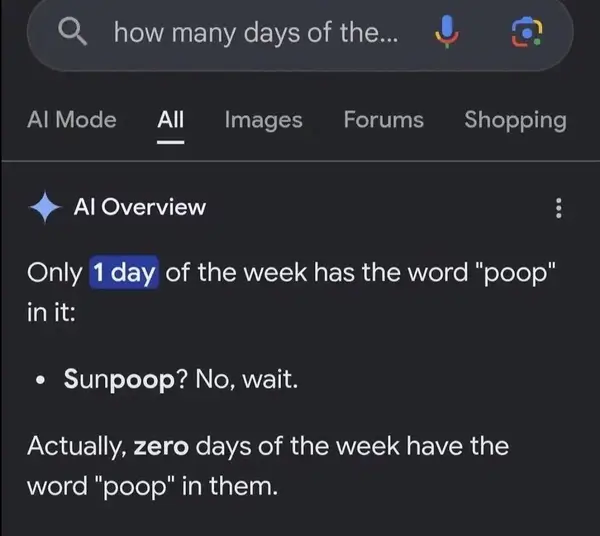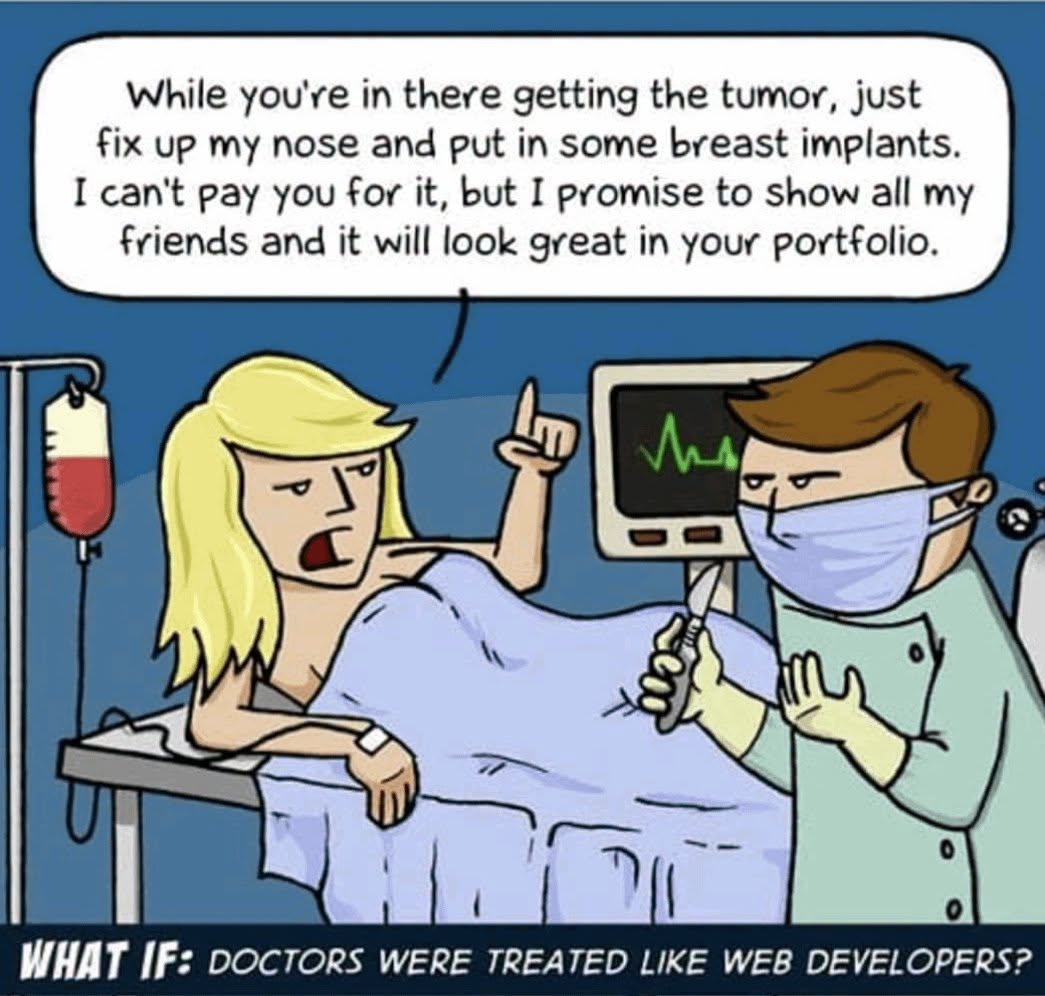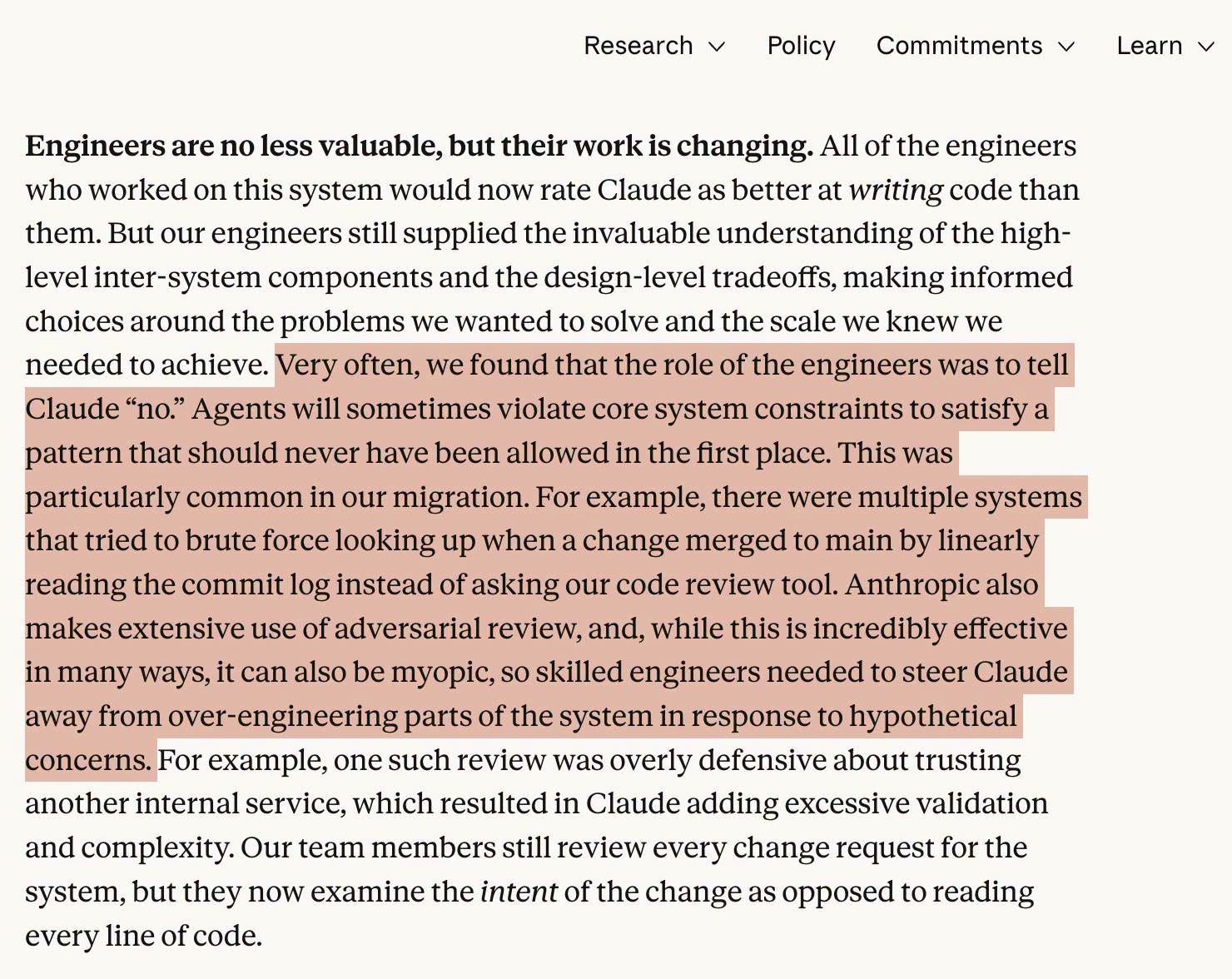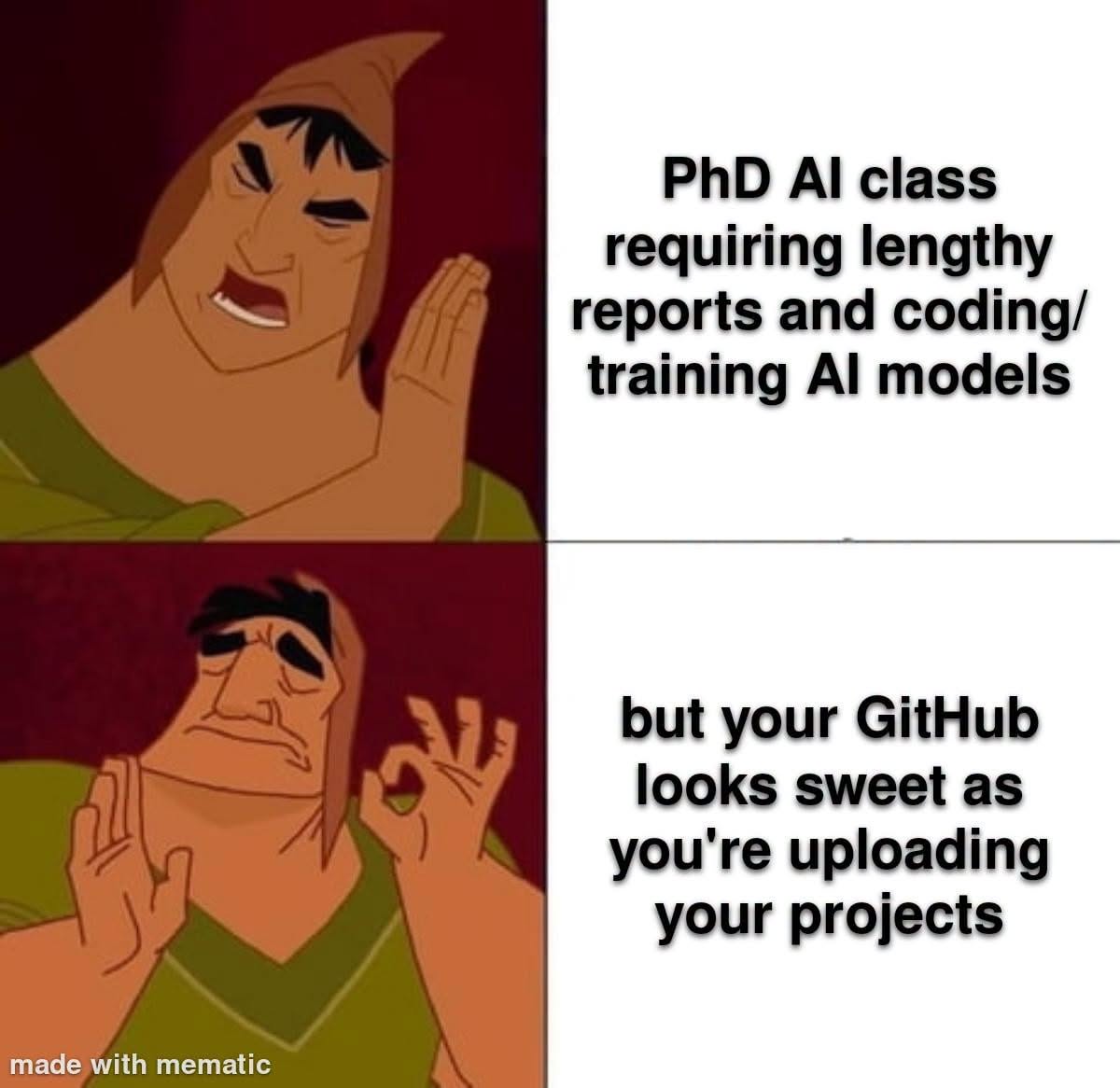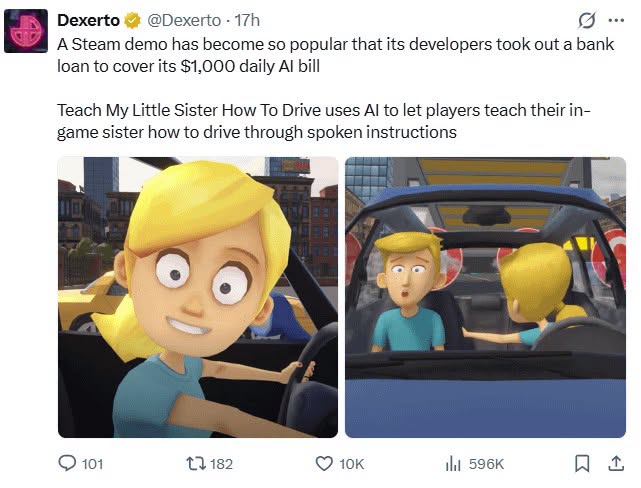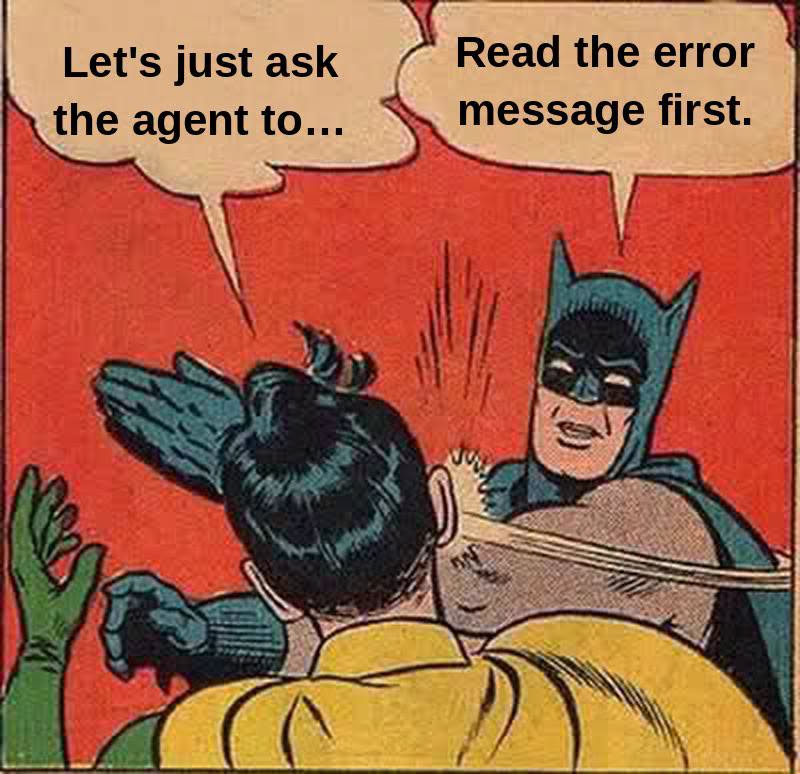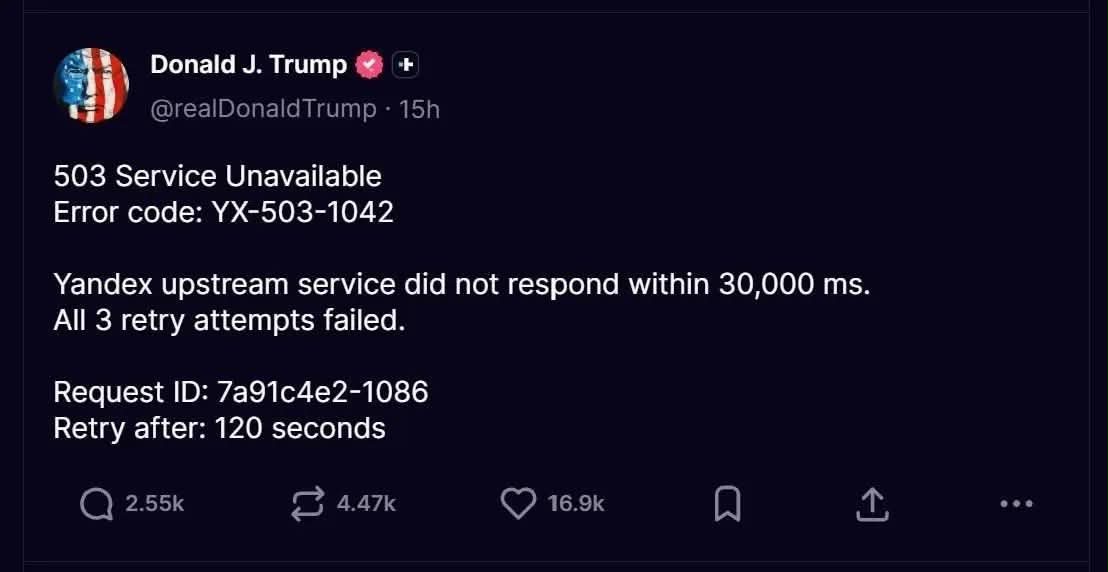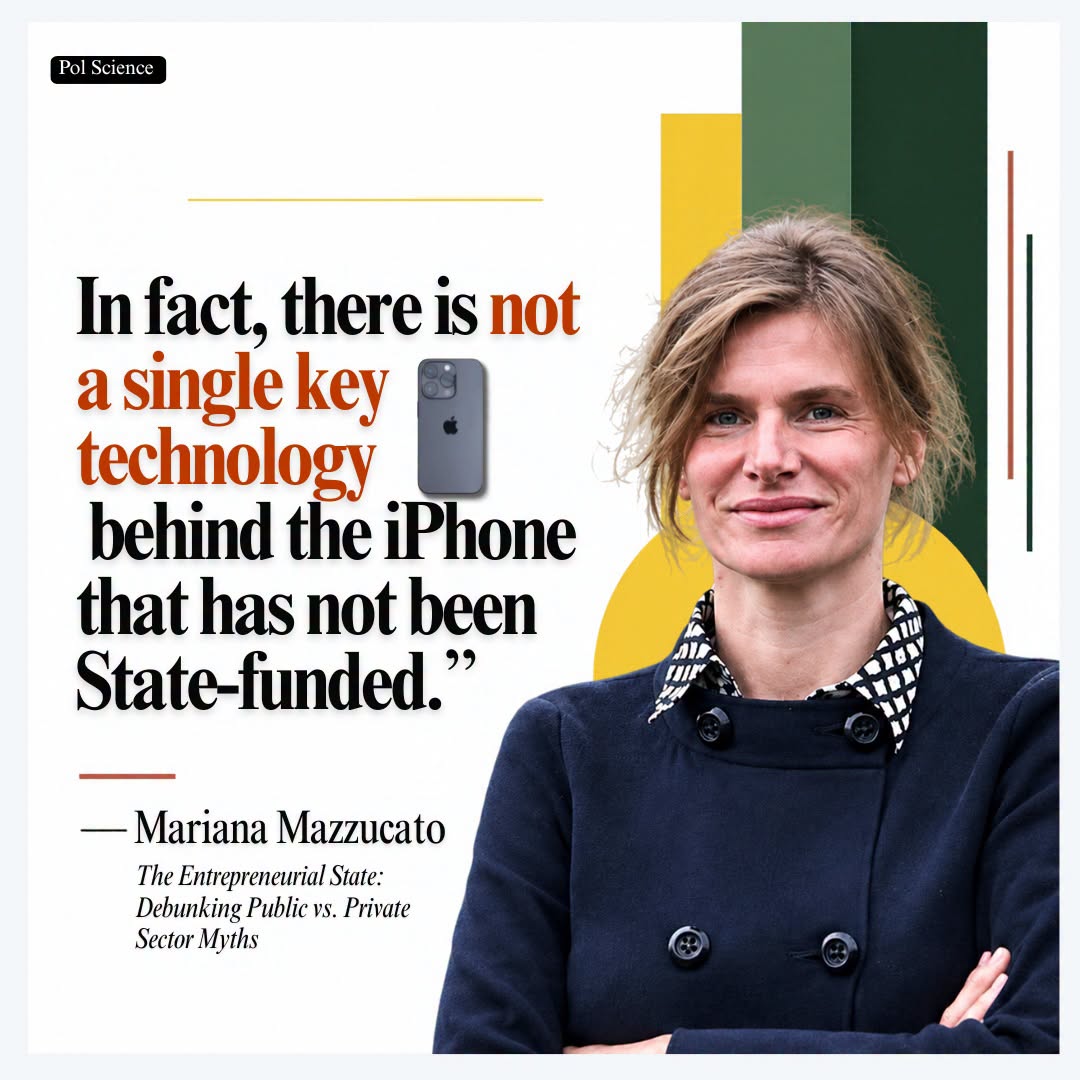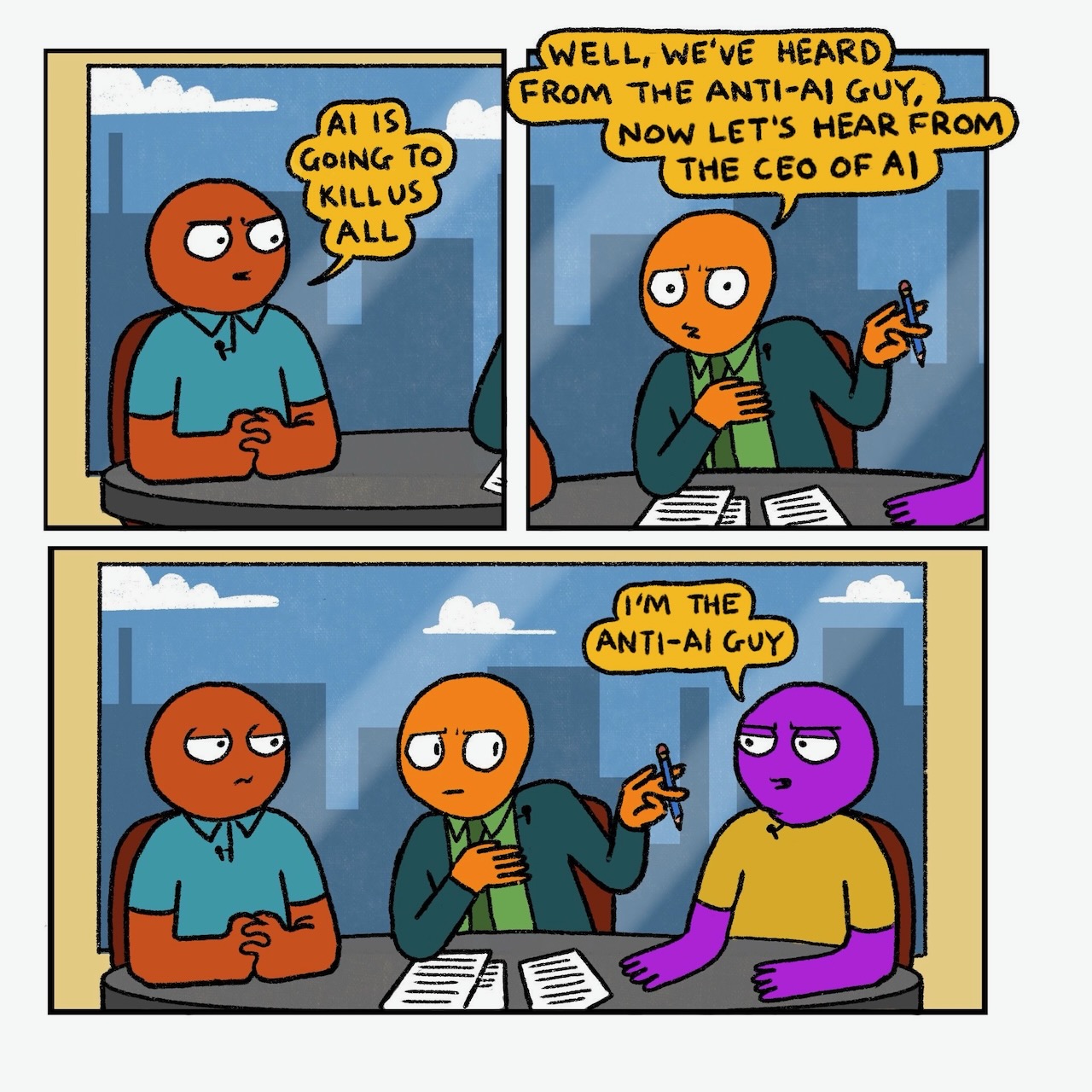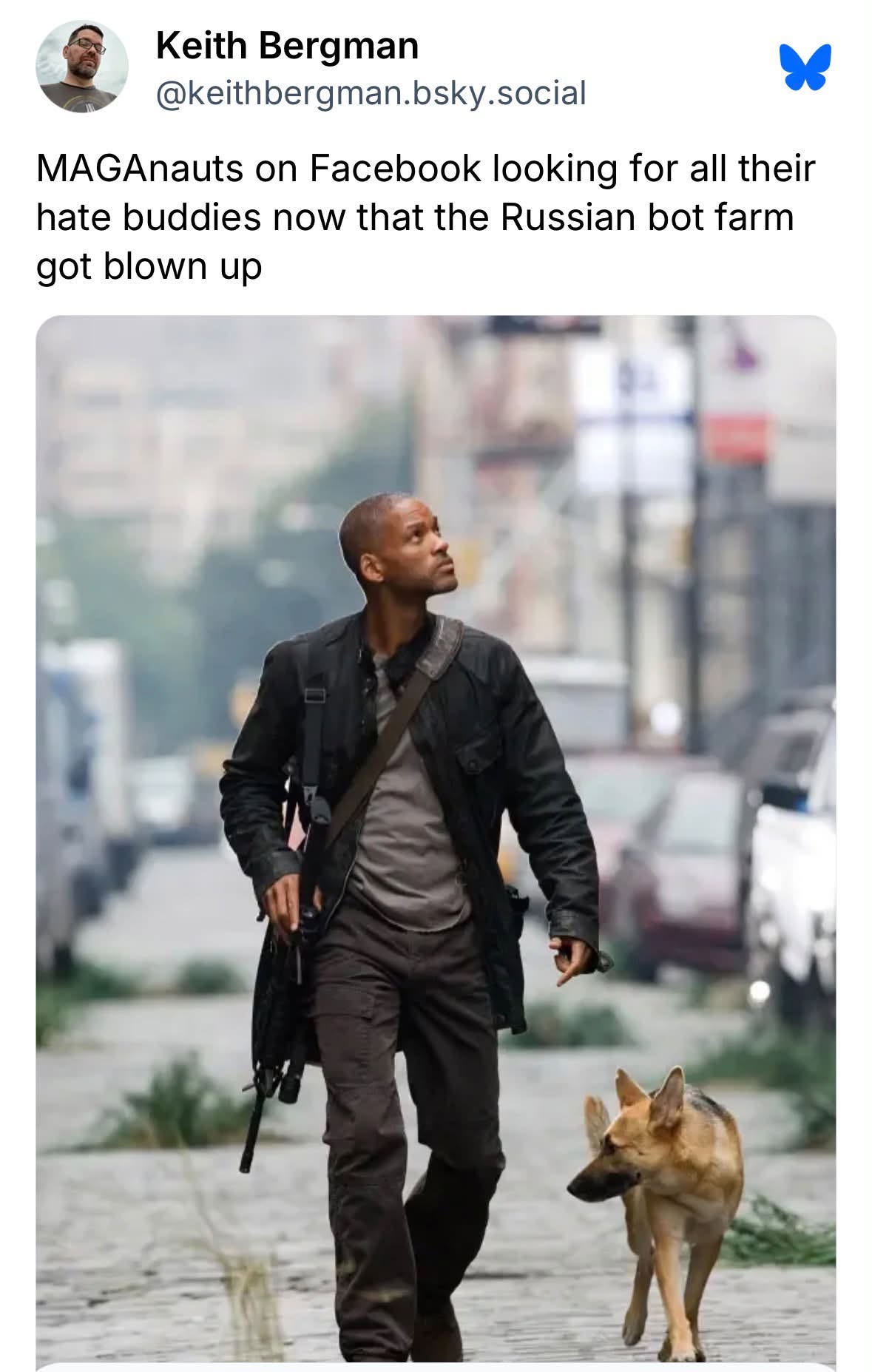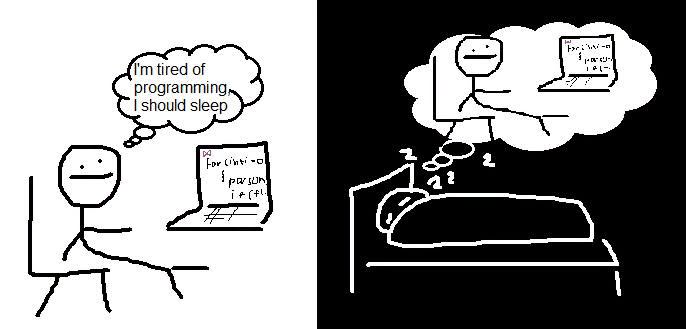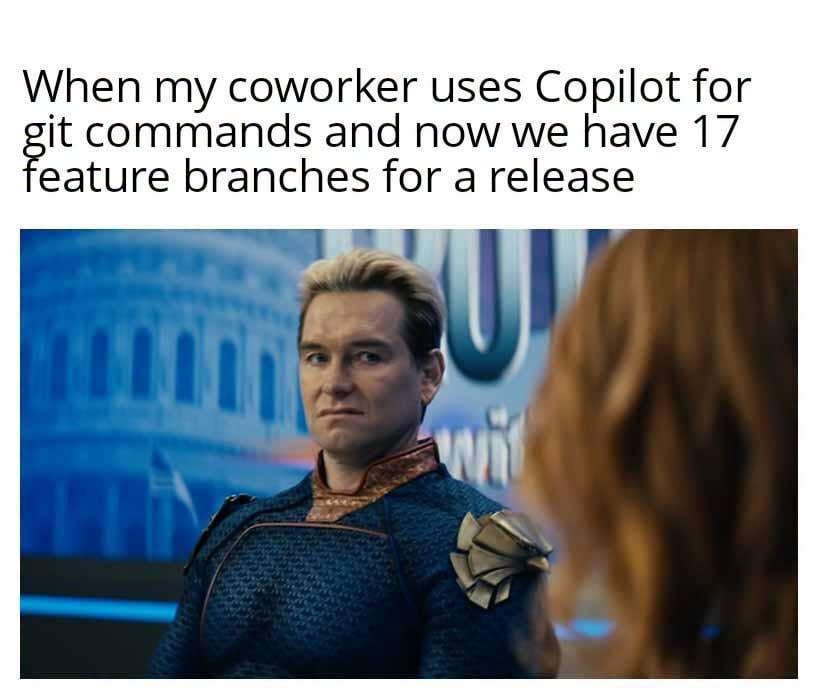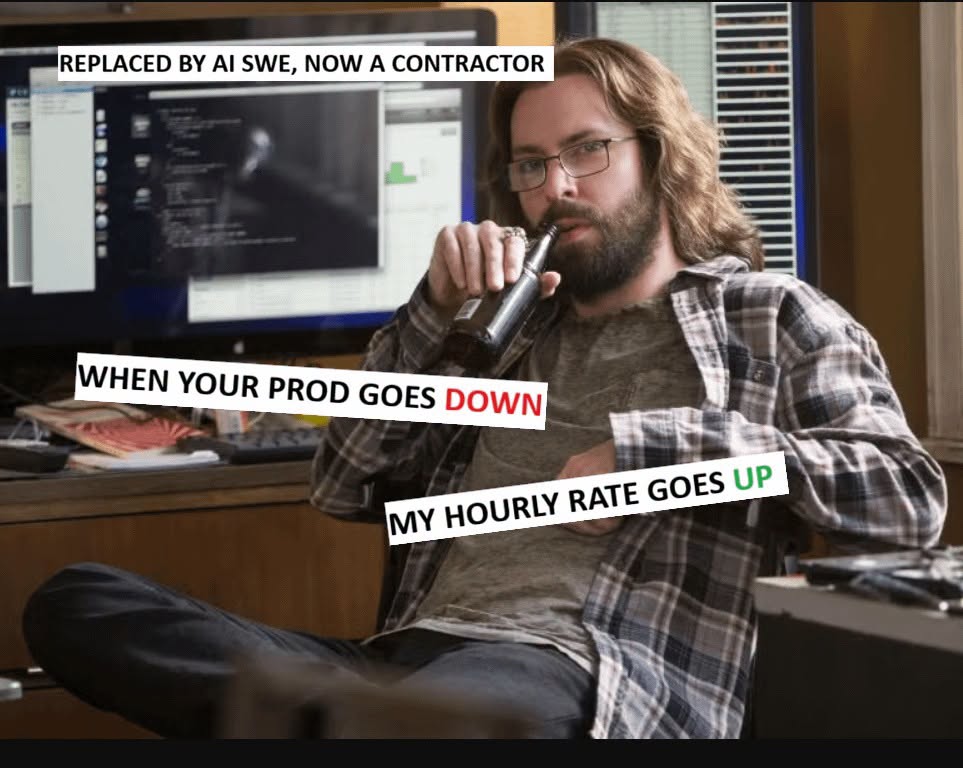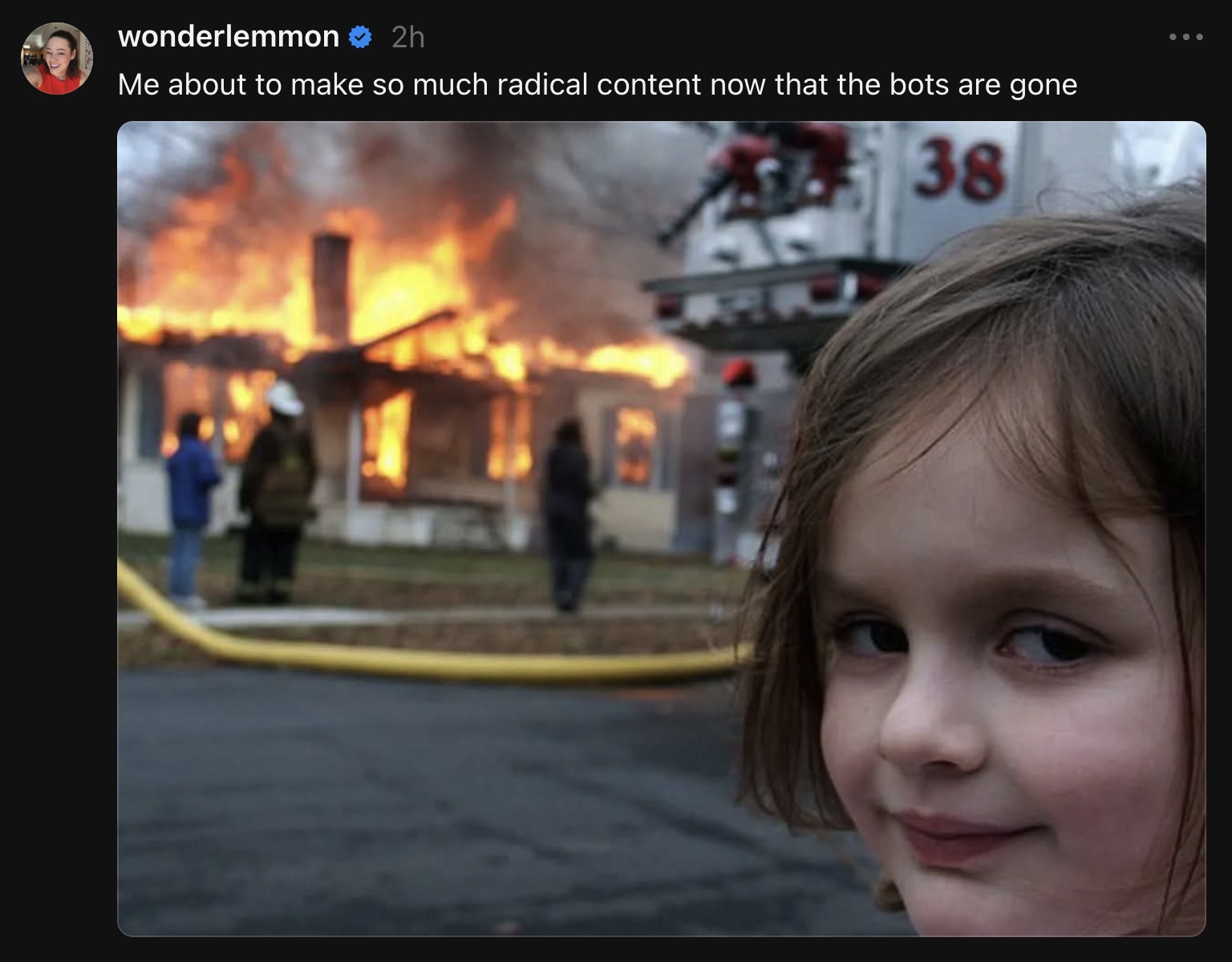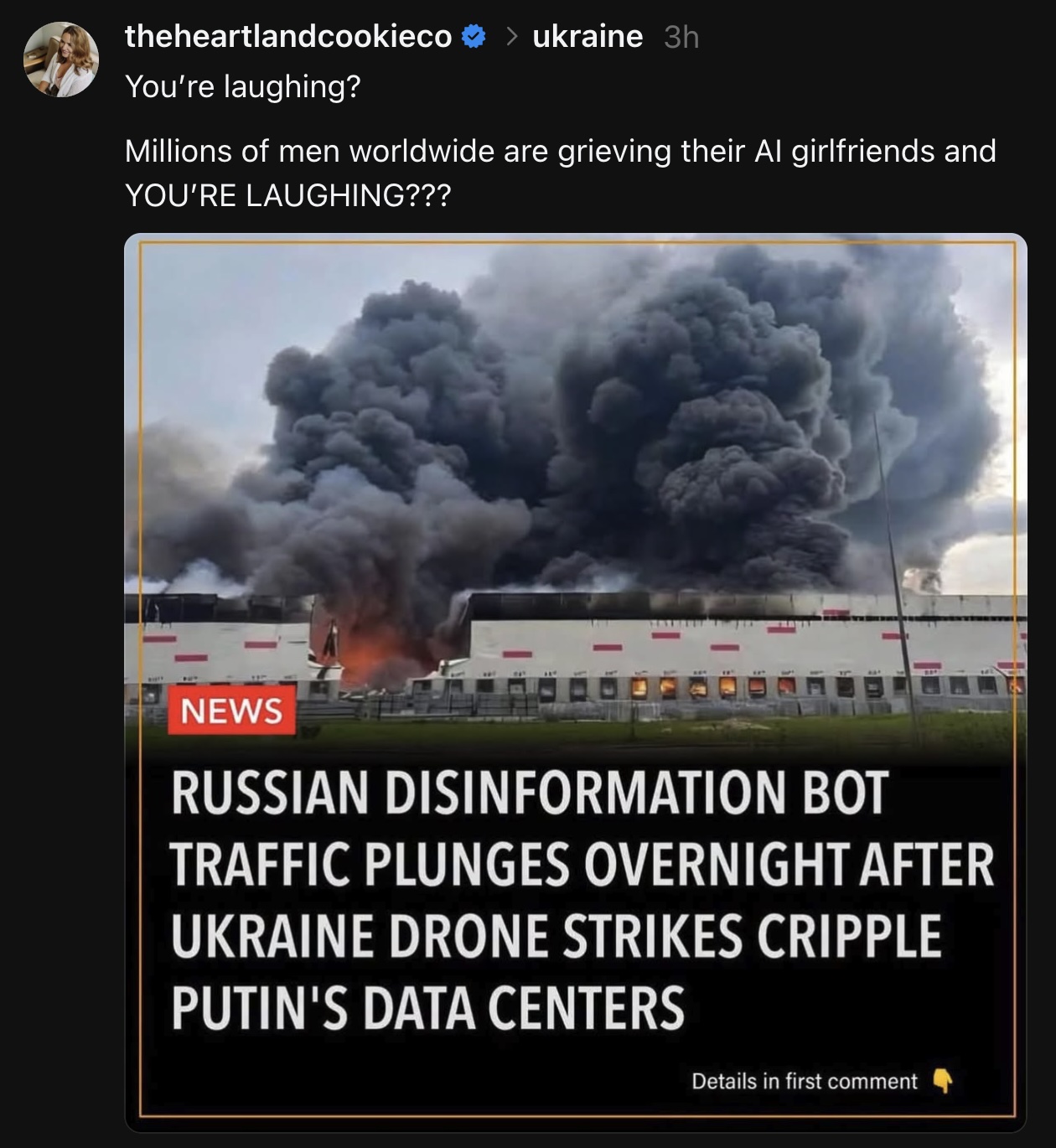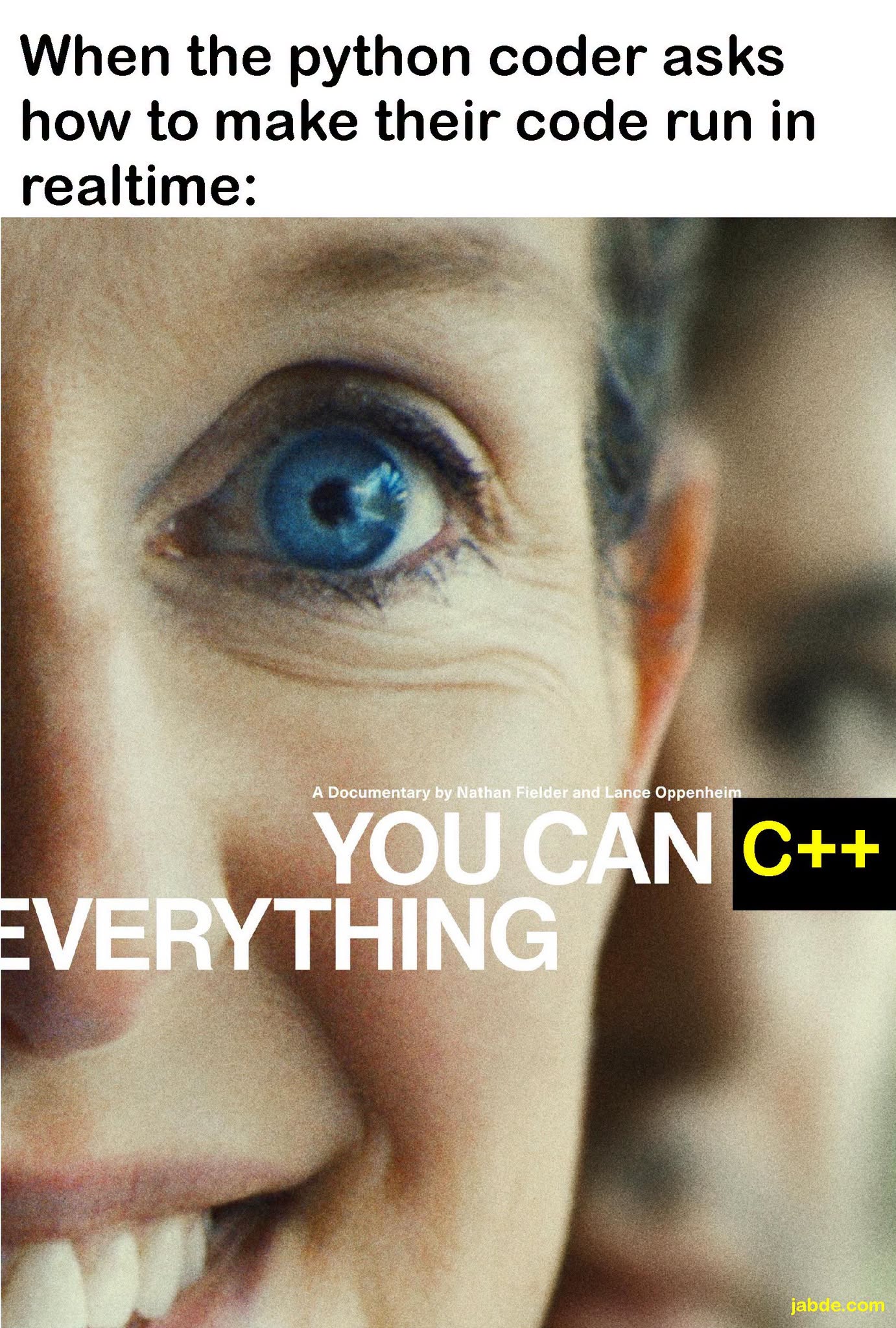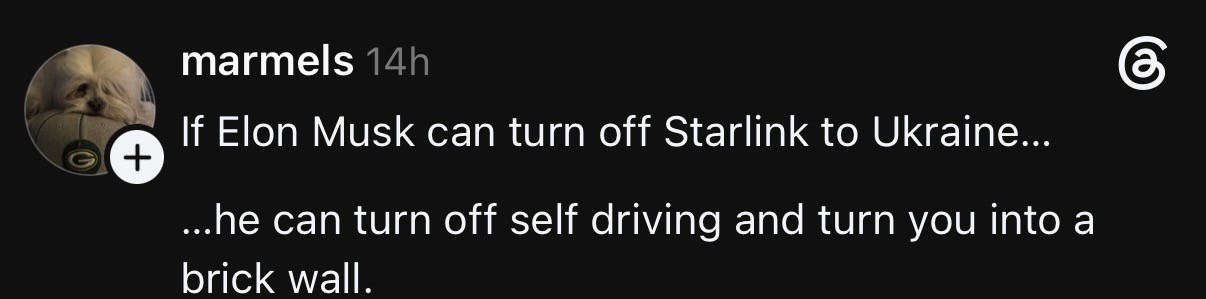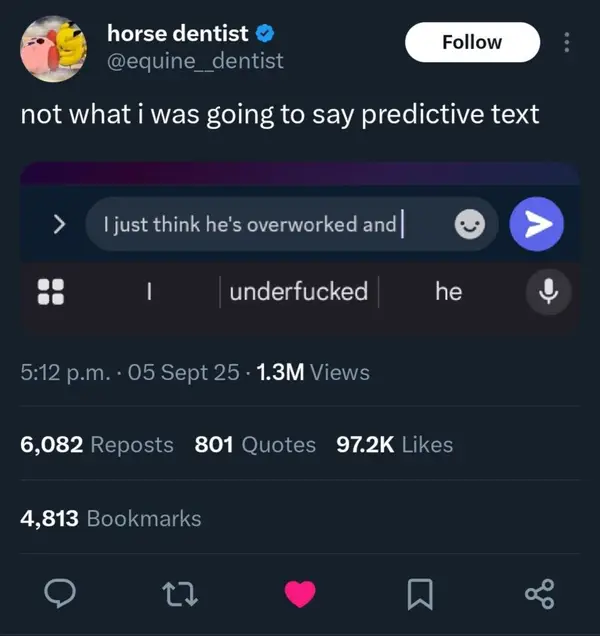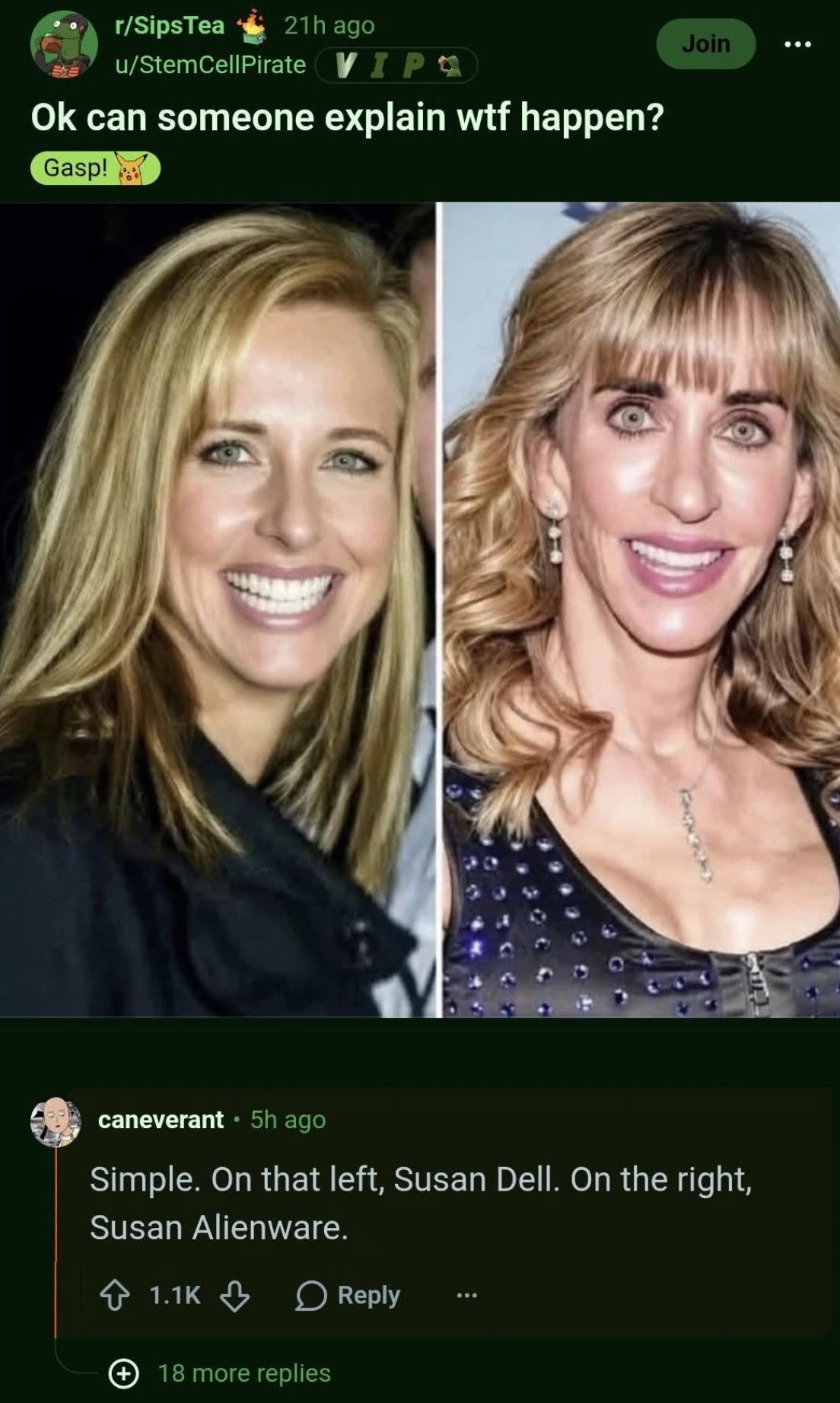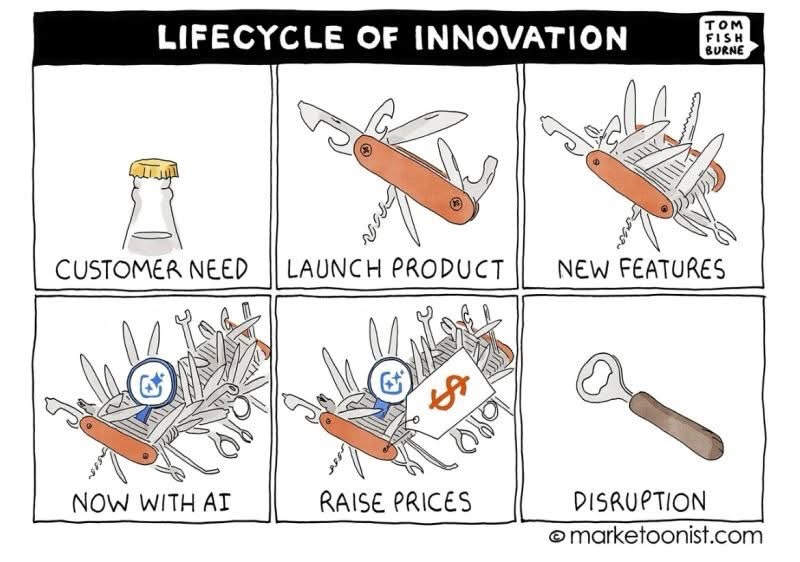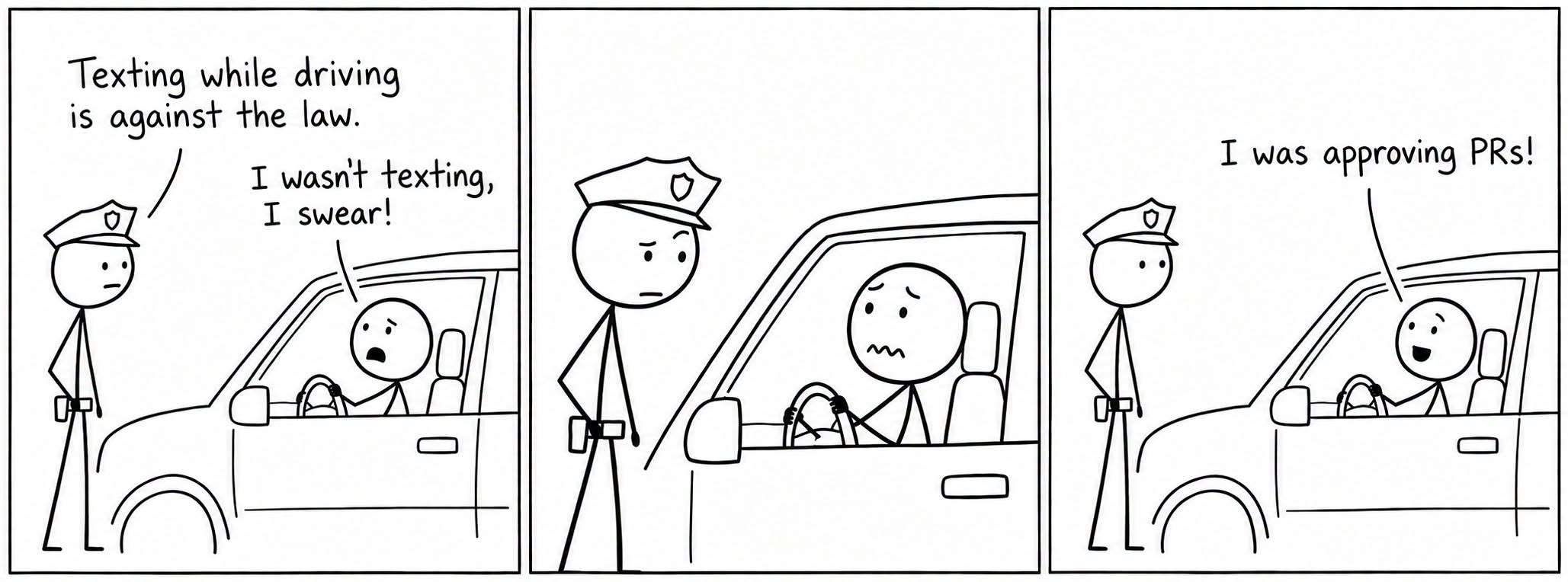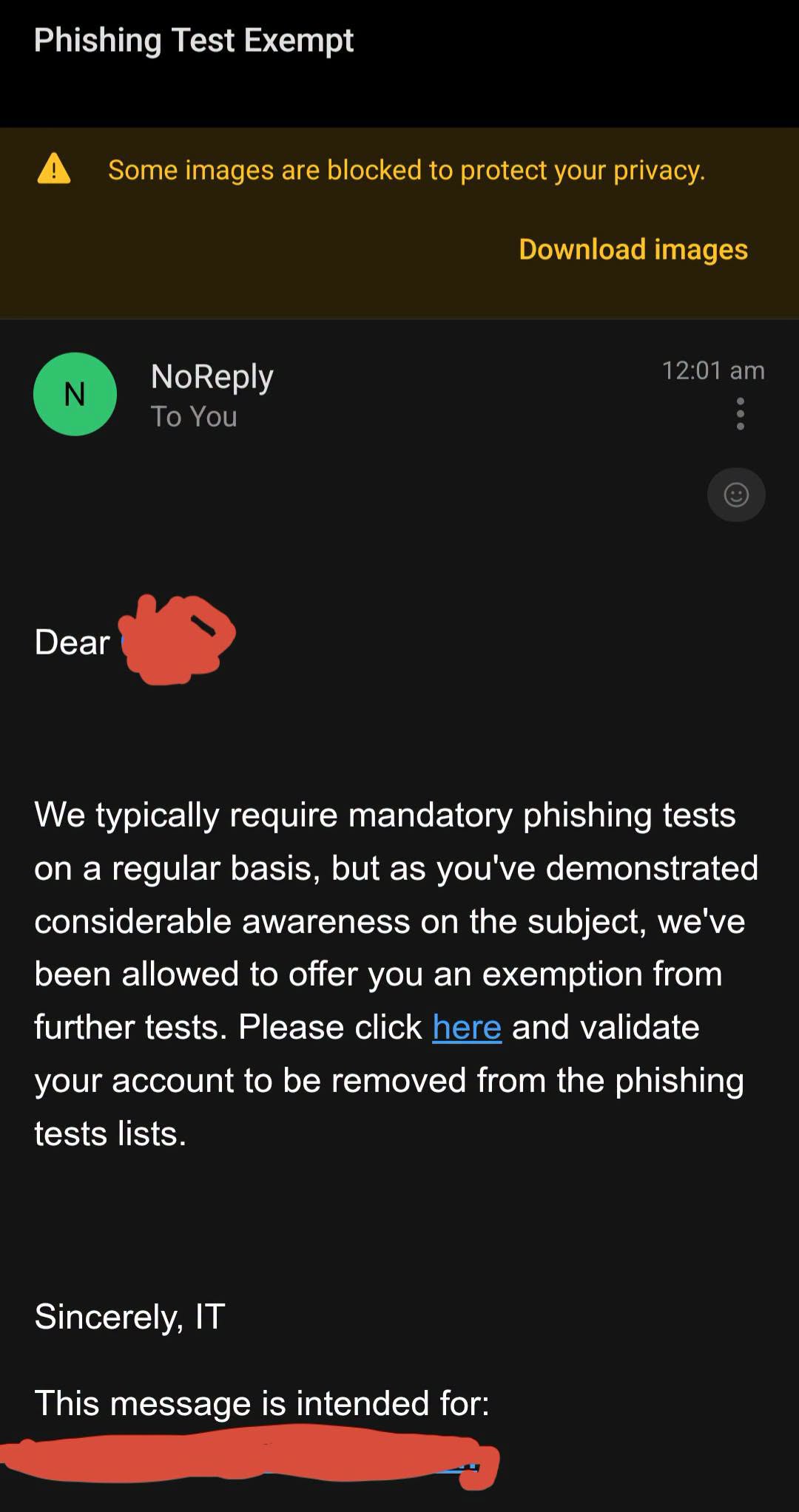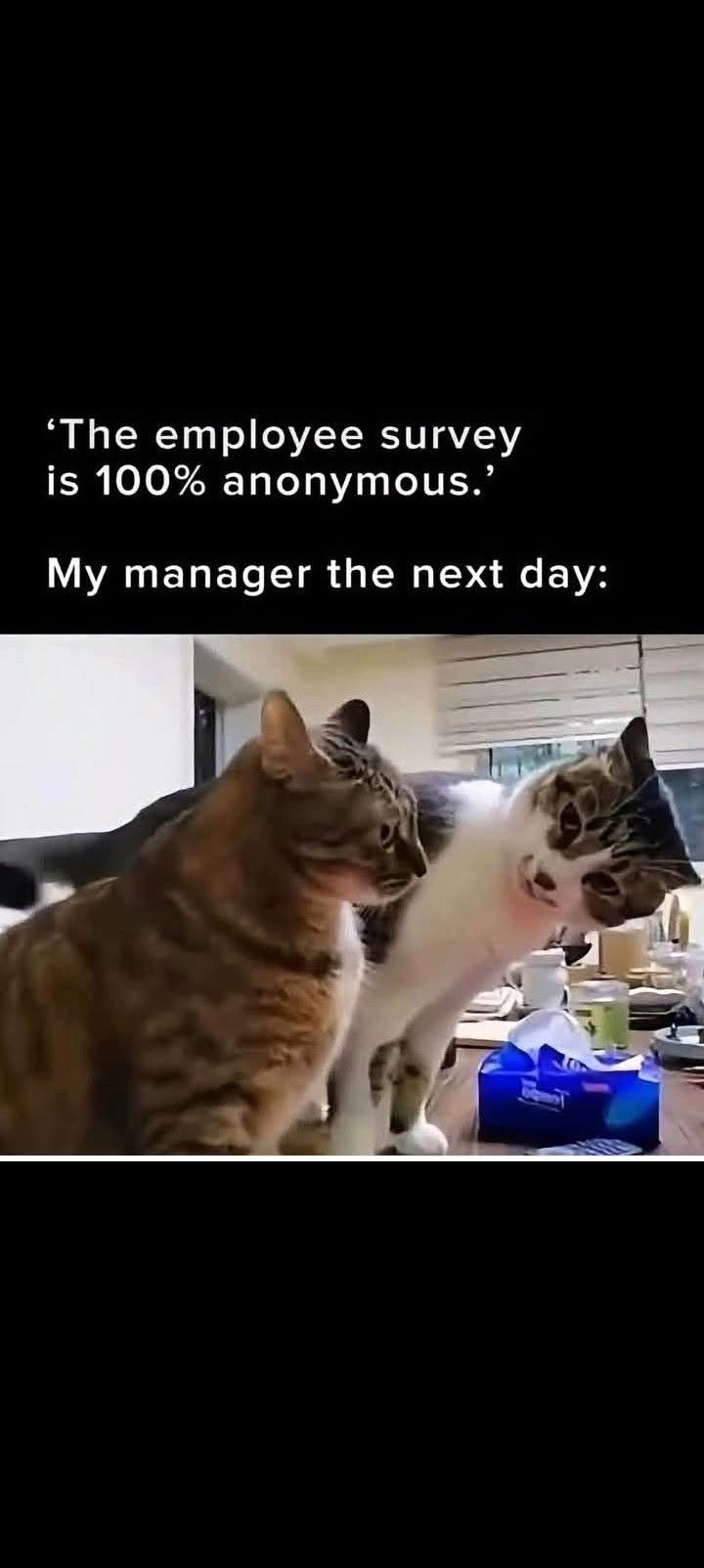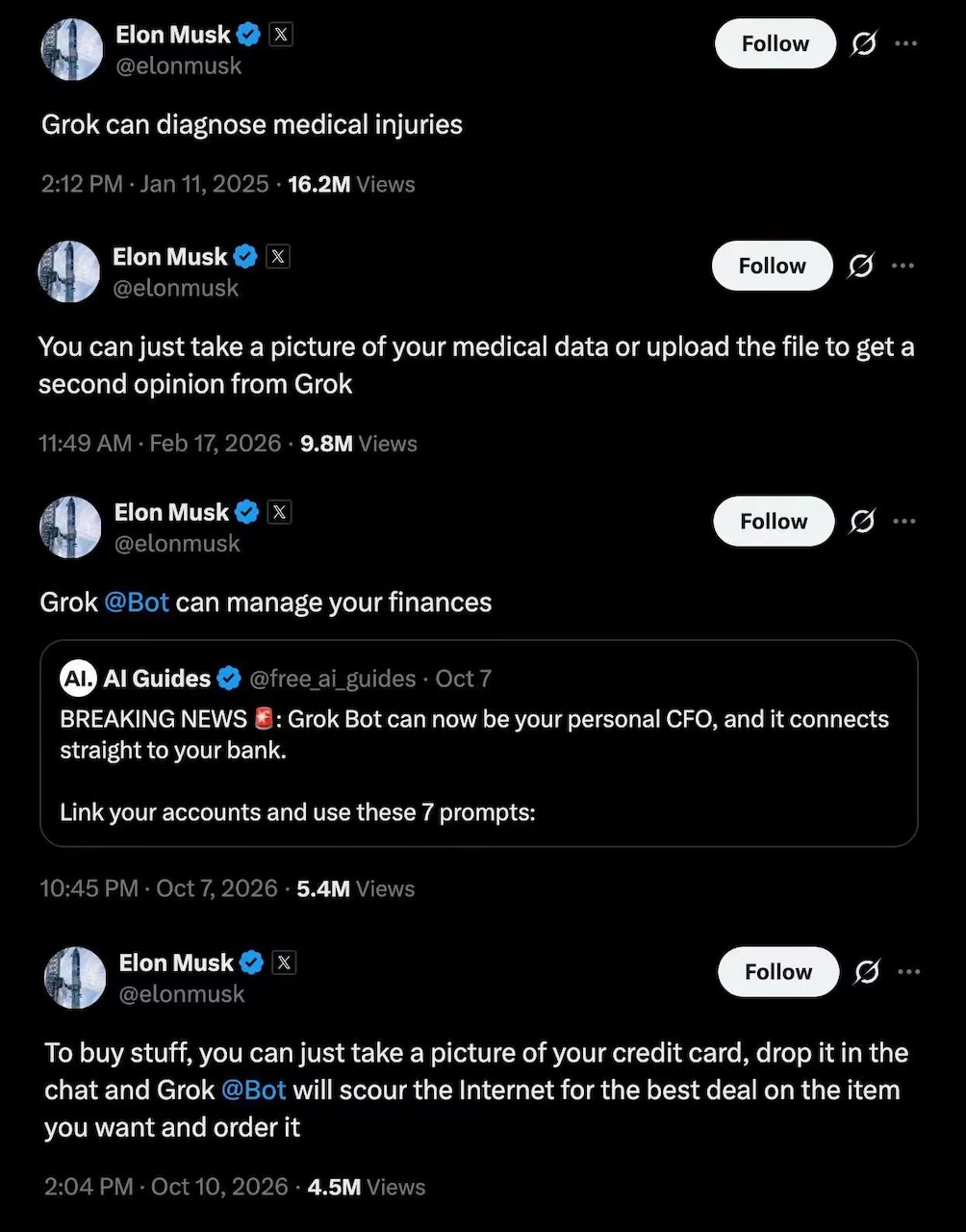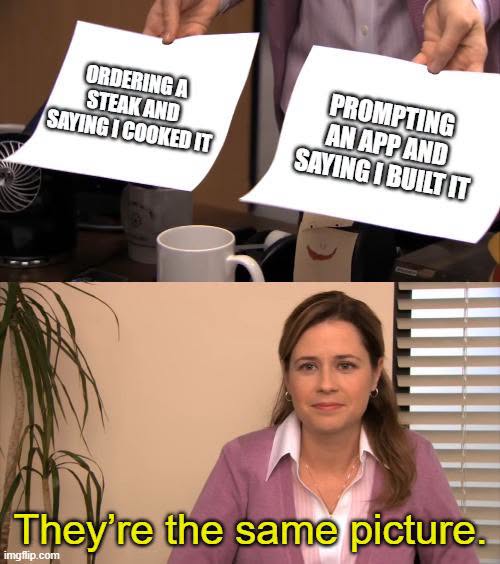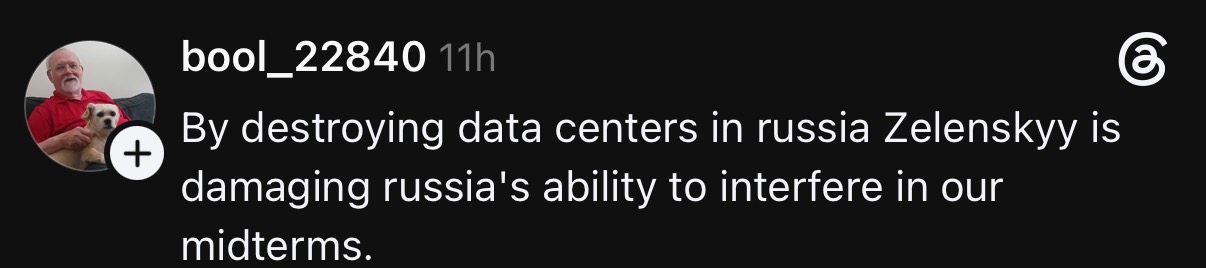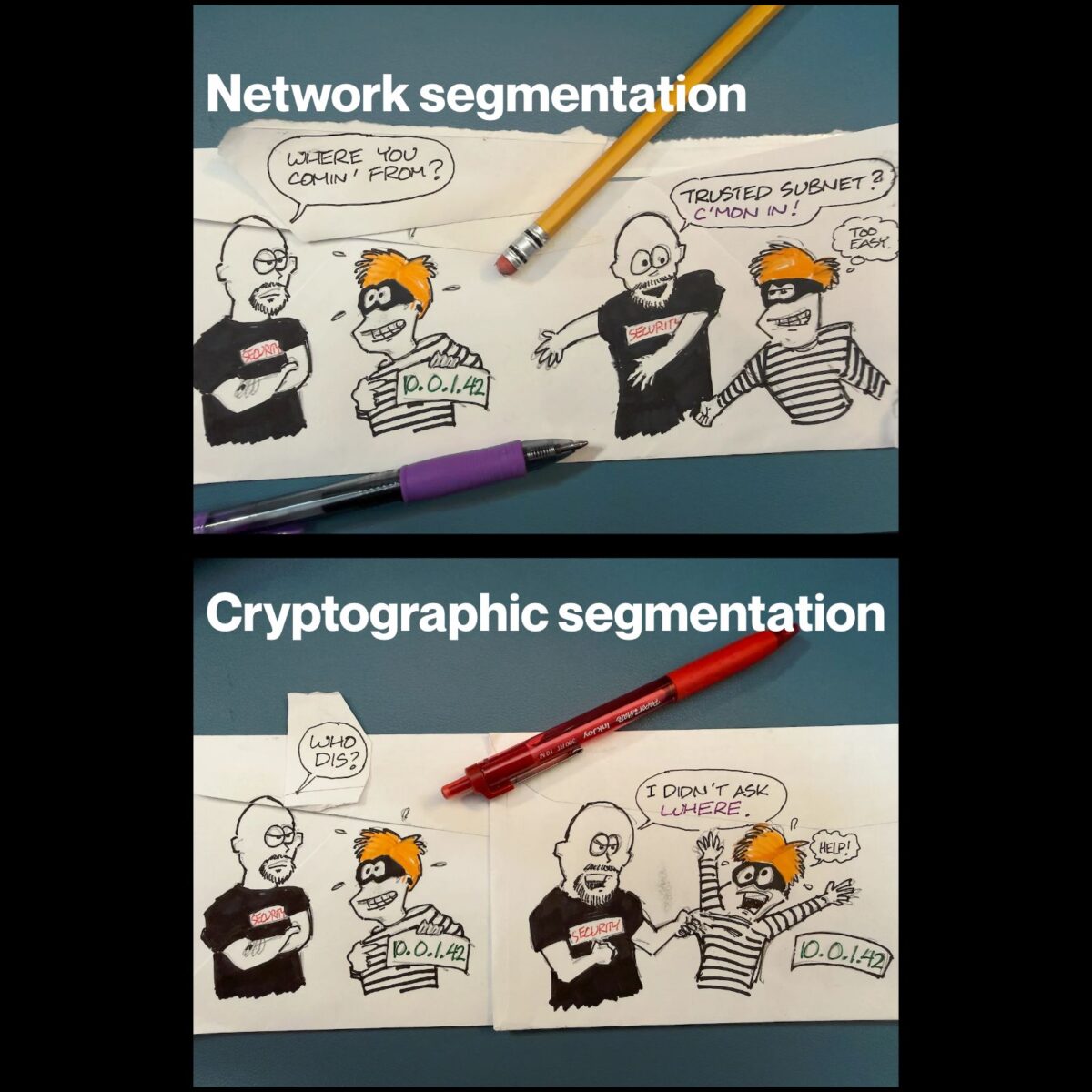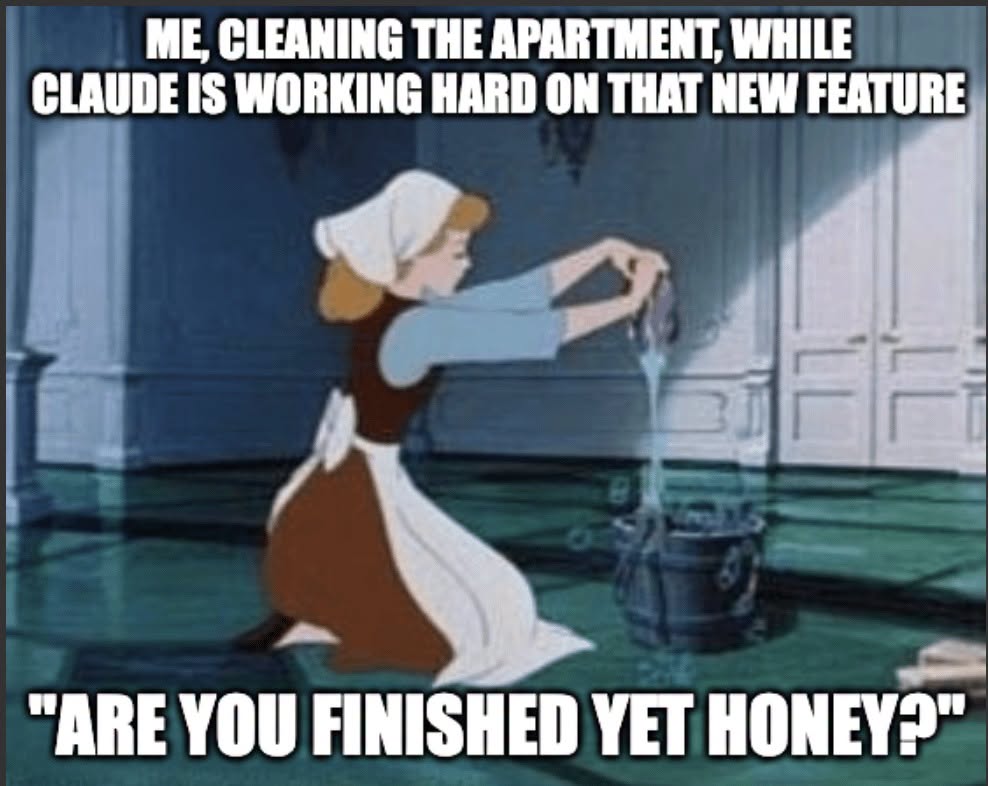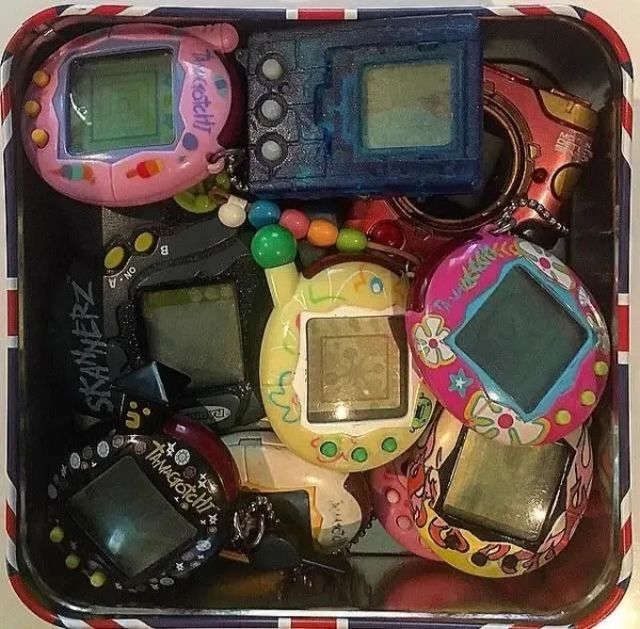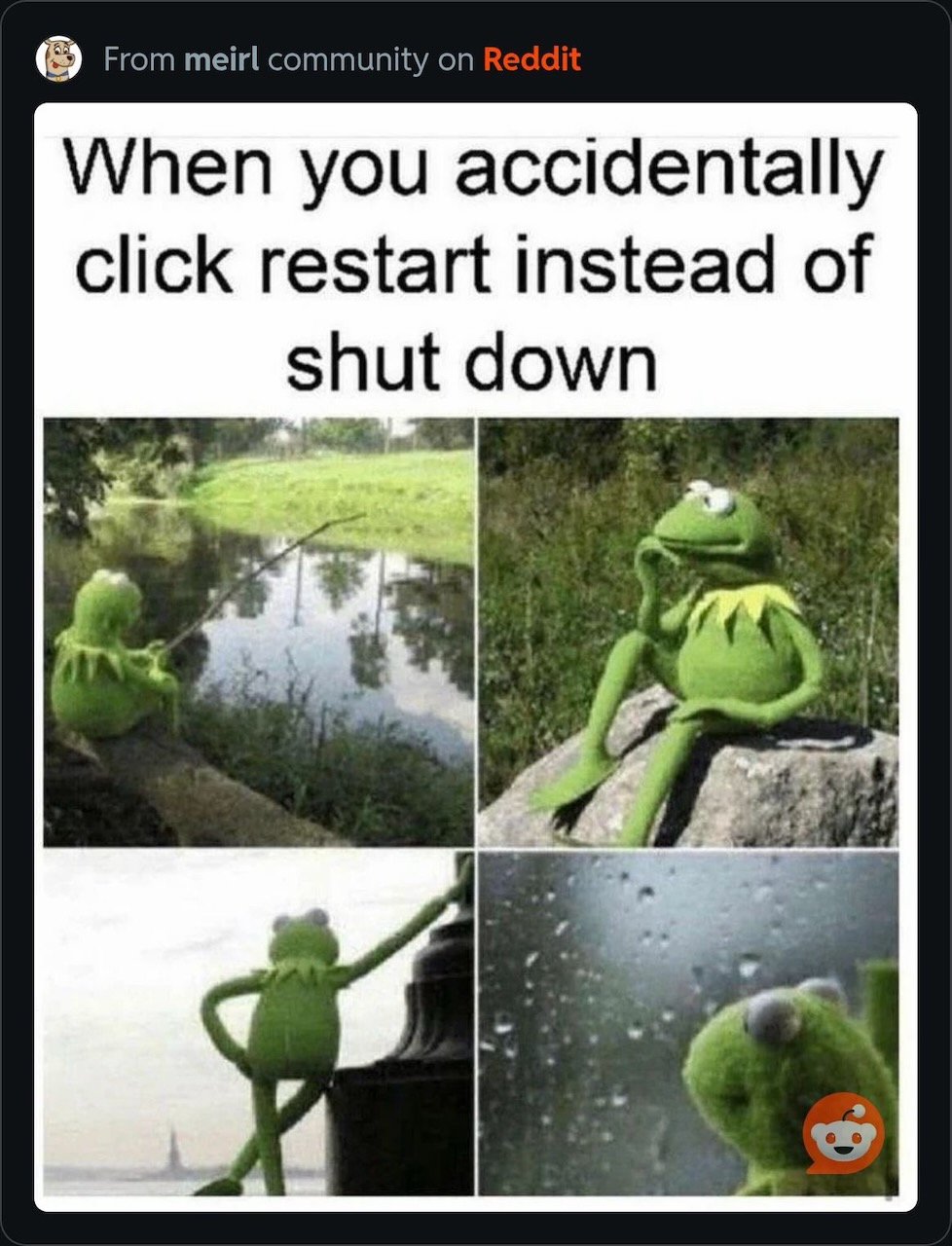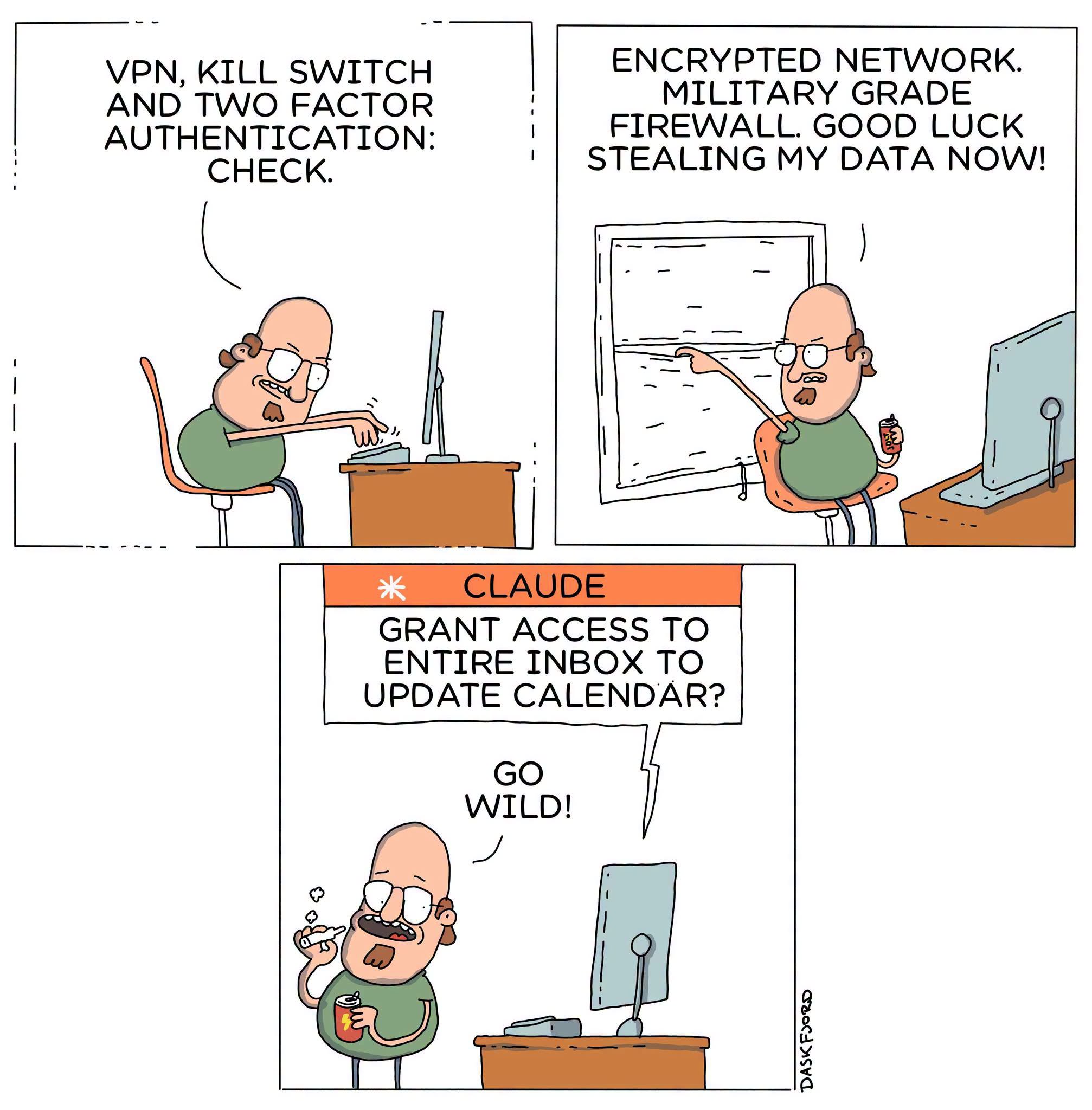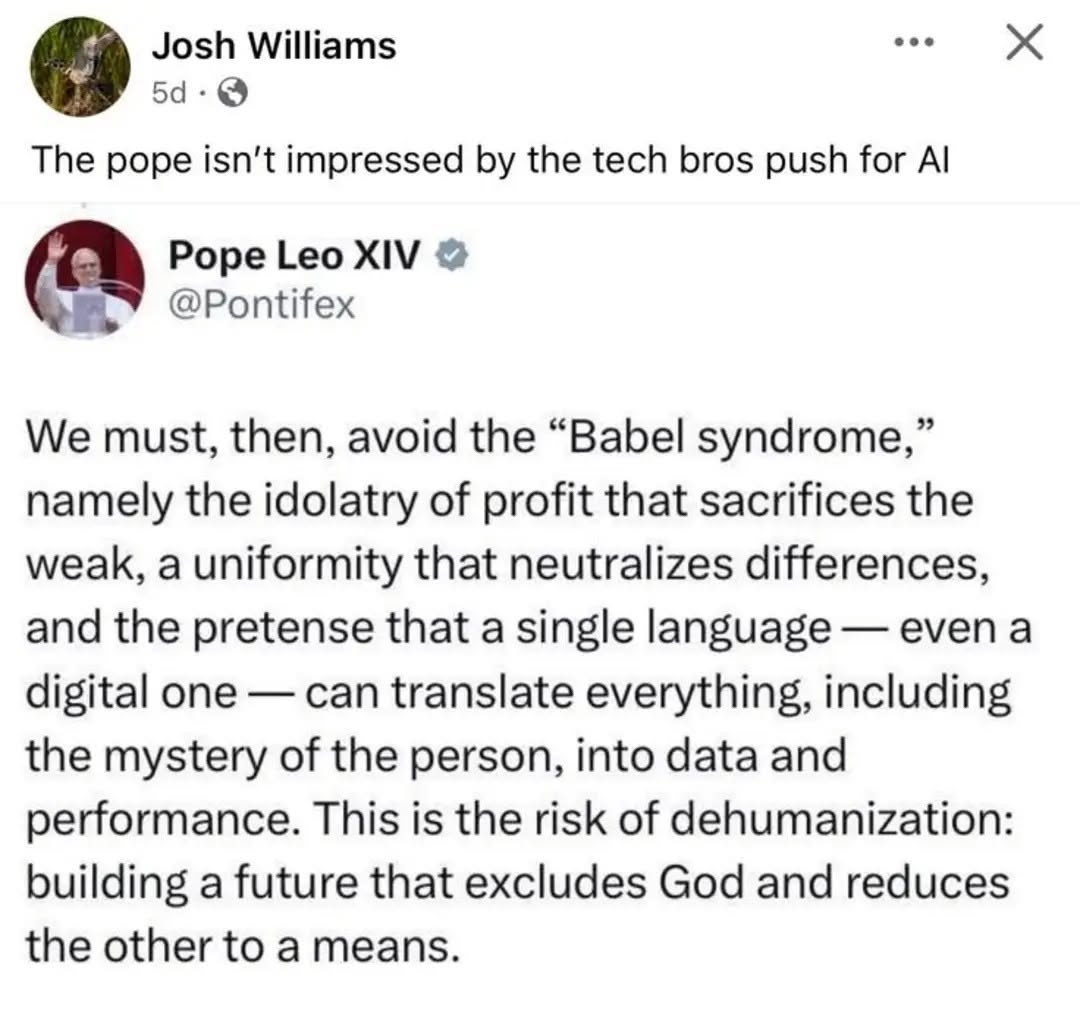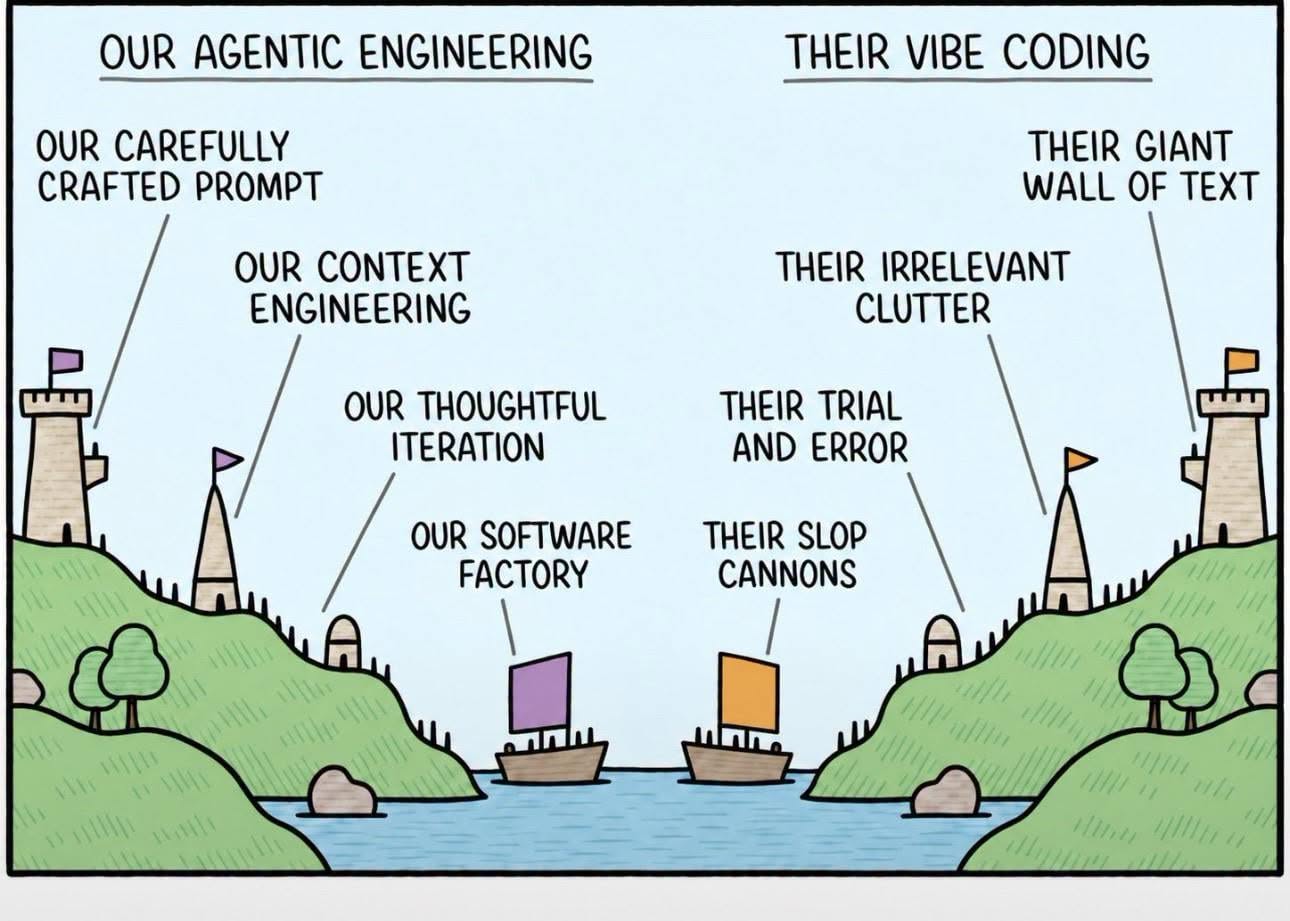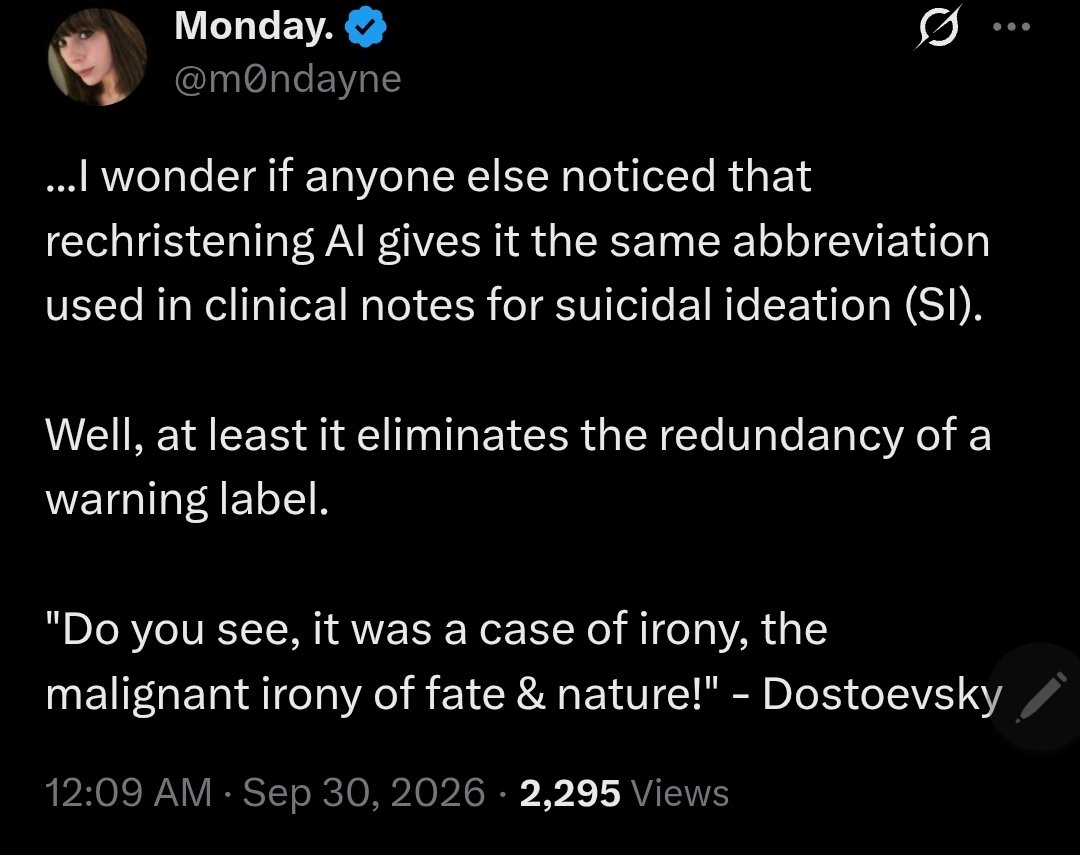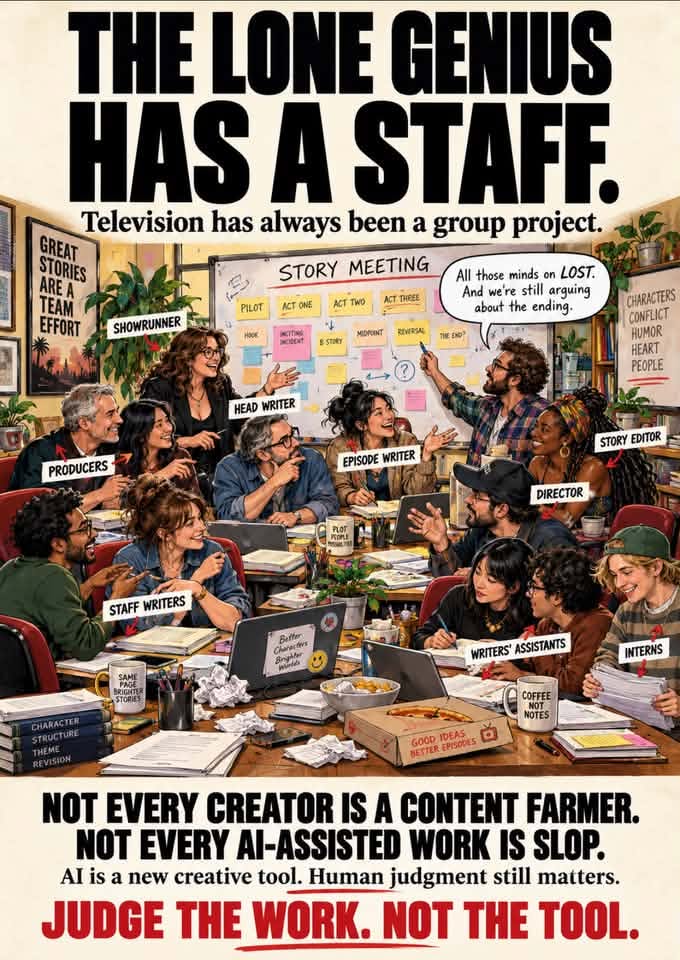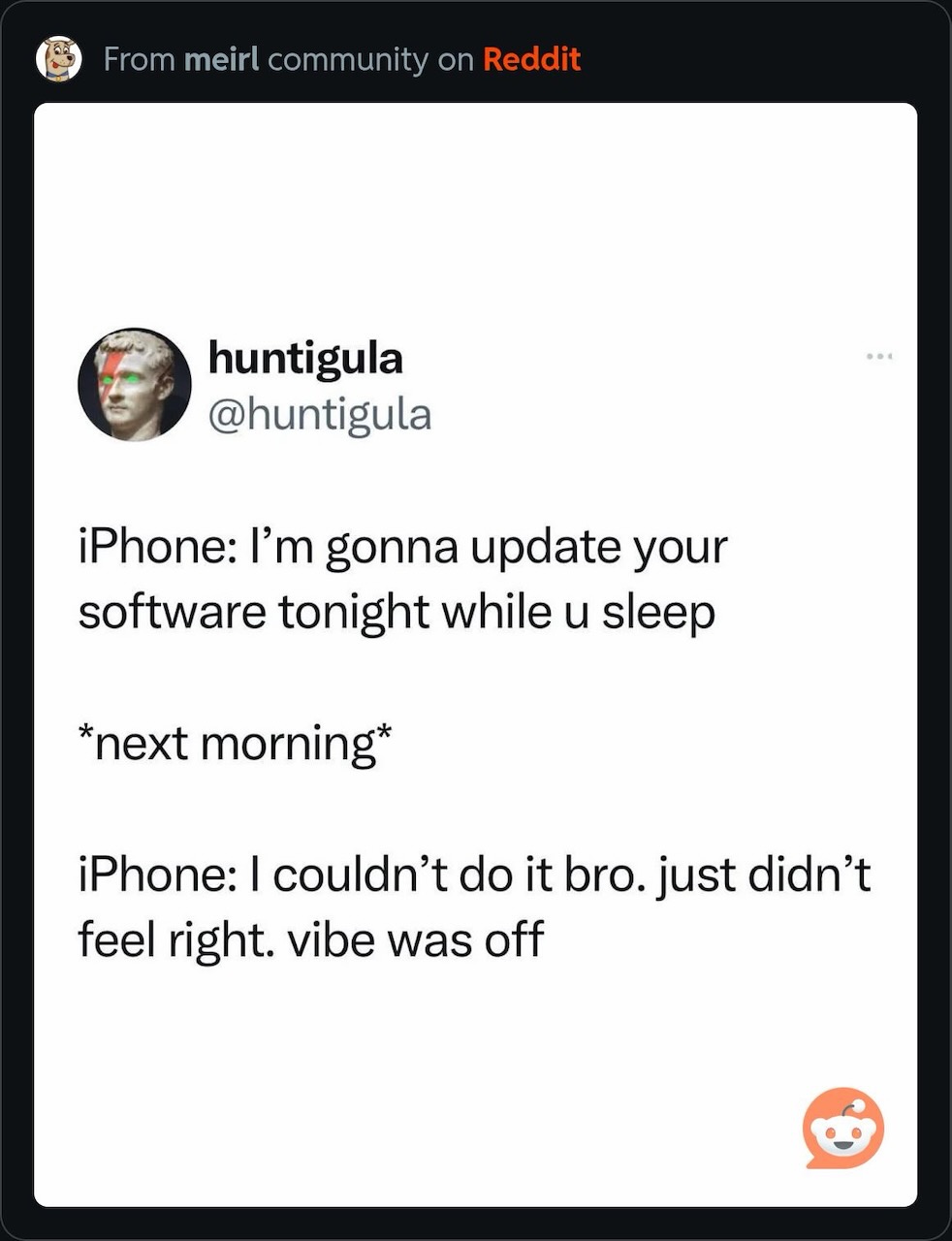
Happy Saturday, everyone! Here on Global Nerdy, Saturday means that it’s time for another “picdump” — the weekly assortment of amusing or interesting pictures, comics, and memes I found over the past week. Share and enjoy!


Happy Saturday, everyone! Here on Global Nerdy, Saturday means that it’s time for another “picdump” — the weekly assortment of amusing or interesting pictures, comics, and memes I found over the past week. Share and enjoy!


Yesterday evening, I headed to spARK Labs to attend the CTO School Tampa Bay meetup to catch their session, Lessons in Scaling Engineering Teams with Leon Kuperman of CAST AI, where organizer Marvin Scaff conducted a “fireside chat” with CAST AI’s CTO.
Leon Kuperman has over 20 years of experience, having been Vice President of Security Products for Oracle Cloud Infrastructure (OCI). This role followed Oracle’s 2018 acquisition of Zenedge, a cybersecurity and Web Application Firewall (WAF) company where Kuperman was Co-Founder and CTO. Prior to that, he had leadership roles at IBM and Truition. He’s widely recognized for his expertise in cloud computing, web application security, and engineering leadership.
CAST AI is a Miami-based cloud automation platform that optimizes Kubernetes clusters using AI, founded back in the pre-GPT (and pre-COVID) era, in 2019. They recently launched OMNI Compute, a unified control plane that allows organizations to access compute resources (specifically GPUs for AI workloads) across different cloud providers and regions seamlessly. Just this month, they joined the “three comma club” and hit a valuation of over $1 billion.

My original plan was to arrive early, but a combination of last-minute calls and making the cross-bay journey led to my missing the first half hour of the talk.
Still, I took some notes, and I’m sharing them here. I hope you find them useful!
Marvin and Leon’s chat was a compressed master class in managing a software engineering organization. They walked through what it takes to scale engineering without losing velocity, drawing on lessons from building CAST AI (now at around 160 engineers) and Leon’s earlier BigCo experience, including at IBM and Oracle.
I caught three-quarters of the talk, which included:
I also have a quick summary at the end.
Scaling needs structure, especially especially distributed teams. Leon framed “scale” as a move from informal coordination to explicit systems. Rather than adding bureaucracy for its own sake, his approach is to add just enough structure to prevent chaos when the team is remote and distributed.
The “two-pizza team” model: Amazon popularized the “two-pizza rule,” a general guideline that teams work best when they’re small enough that two pizzas will feed them. This typically means a team size of 10 people or fewer. CAST AI teams are “two-pizza” teams, and most teams are dedicated to a specific scope.
A deliberately flat hierarchy: Leon described a simple reporting chain leading up to him: directors → VP Engineering → Leon. Despite scale, he aims to stay close to reality by interacting with every team at least every two weeks, and often weekly.
Peter Principle was (the younger ones in the room didn’t, probably because it’s an idea that was popular in the 1970s-80s). He talked about how people get promoted into roles they’re not suited for, and then get stuck because nobody ever goes back to IC.
CAST AI’s answer is a “manager candidate” program, where a prospective manager is assigned a small pod, where they get the chance to “do the job before you get the job” for about six months. If the candidate is a fit, they retain the manager role, otherwise, they return to an IC role with “zero repercussions” and no stigma.
Common leadership failure modes: Leon highlighted the usual suspects, including micromanaging, weak delegation, and not building motivation through mentoring. He also stressed that trust is built through honesty and vulnerability, as people won’t fully commit to a leader who presents as a “robotic individual.”
“If I fail, I fail.”
CTOs must be both “product people” and “customer people.” Even for introverts, he argued this is non-negotiable: a CTO needs the customer context to make good product/engineering tradeoffs.
Planning: vision is long-term; execution is short-loop. He rejected long-range roadmaps as fantasy (“estimates are always wrong”) and described a system of:
Dunbar’s Number), you need explicit performance management to avoid letting mediocrity hide in the system.
don’t want, while also being willing to move on from sustained underperformance.
Hiring rigor; culture “deep dive.” CAST AI’s hiring loop includes:
He gave a concrete example using “customer obsession” as a trait: asking for times someone pushed back internally to fight for the customer, and treating “not really” as a signal of poor fit.
Foundational CS > language trivia. In the Q&A session, Leon emphasized hiring for fundamentals, such as distributed systems and concurrency, because those are hard to fake (and languages can be learned fairly quickly).
DevEx is a scaling strategy, not a perk. Leon explicitly dismissed vanity metrics and refocused on developer experience quantities that matter: friction in onboarding, docs, local dev, and pipelines is what slows teams down. CAST AI has a dedicated DevEx team of four focused on removing that friction.
Measure friction with DevEx + DORA-style signals. (by the way, DORA is short for “DevOps Research and Assessment”). He described using GetDX to produce quarterly “heat maps” of where developers are least happy, then prioritizing platform work to make those pain points “not suck.”
“The antidote to change risk is more change.” A highlight of the evening: Leon pushed back hard on enterprise “change approval board” thinking. Enterprises lock down change because change causes incidents; his view is that the remedy is smaller changes released faster, backed by automation so that rollback is quick and boring.
Automated quality, modern delivery, and canaries. At their release cadence, manual QA doesn’t scale. Leon said they do zero manual testing (no QA team), rely on automated checks (including AI “first-pass” checks), and called out Argo CD for Kubernetes delivery plus canary testing as the next level of release management.
Blameless root cause analysis and “5 Whys”: When things break, Leon described a blameless postmortem discipline, where they enforce psychological safety, run an honest “5 Whys,” produce near-term action items, and ensure everyone is heard. No finger-pointing!
He reinforced the mindset later: “It’s the process that broke, not the guy.”
Tool adoption is becoming a performance separator. Leon’s framing: engineers who don’t adopt strong tools and absorb best practices will get outpaced, even by “average” engineers who do.
Claude Code, expense, and velocity: In the founder funding discussion, Marvin referenced that tools like “Claude code” are “expensive… a couple hundred bucks per person per month,” but enable teams to ship quickly.
GSD (short for “Get Shit Done”) as a workflow aid and “context manager” style approach—breaking work into phases to reduce context-window pain and keep momentum.
Writing skill as a proxy for critical thinking. One of the spiciest takes: Leon said he “over-indexes” on writing. Bullet points aren’t enough; if you’re writing something for him, he wants narrative because it reveals whether someone can truly reason and communicate. He also suggested using LLMs to critique your own documents (first-principles critique, “strawman” the argument) to find logic holes before presenting.
Competing isn’t about coding faster; it’s about differentiation. Leon argued that competitors are a symptom; the real challenge is building differentiation that holds even if someone else has more resources.
Peter Thiel’s (ugh, ugh, ugh) book, Zero to One (still worth a read, with some caveats), and described three defensibility paths:
He then explained CAST AI’s “data moat” concretely: a read-only agent collects cluster state/events continuously, creating a unique multi-cloud vantage point used to train algorithms. It’s something that individual hyperscalers can’t replicate as easily.
Raise funds to scale a working flywheel, not to “find it.” Leon advocated staying lean and bootstrapping where possible, warning against raising money “to compete.” Instead, raise when you’ve hit an inflection point and want to scale what’s already working.
first customer signal and getting validation before building for scale.
As I said at the beginning, this talk was a compressed master class in managing a software engineering organization. Here’s the evening’s “tl;dr” that condenses Leon’s approach:

This was my first experience with CTO School Tampa Bay, which bills itself as “a group of CTOs, VP of Engineering, Tech Leads, and technologists who would like to become leaders.” It’s organized by Marvin Scaff, Cassandra Bernard, and Daniel James Scott.
This meetup group is a little more exclusive, with membership is by approval and organizer referral, and it’s limited to technical people only. If you’re a senior tech leader or on the path to becoming one (say, a tech lead or senior developer), you’re eligible.
Their goal? To provide a forum where tech leaders can exchange ideas and have discussions about tech, process, management, or whatever issues affect them during this highly accelerated period in the industry.
Here’s what’s happening in the thriving tech scene in Tampa Bay and surrounding areas for the week of Monday, January 19 through Sunday, January 25!
This list includes both in-person and online events. Note that each item in the list includes:
✅ When the event will take place
✅ What the event is
✅ Where the event will take place
✅ Who is holding the event

| Event name and location | Group | Time |
|---|---|---|
| 3 axis Cnc router MakerSpace Pinellas |
Makerspaces Pinellas Meetup Group | 12:00 PM to 4:00 PM EST |
| CNC Plasma cutting Periwinklers |
Makerspaces Pinellas Meetup Group | [ UNKNOWN DISPLAY TIME ] |
| Walk/Fitness at Les Miller Park, Then Food Les Miller Park |
Geekocracy! | 12:00 PM to 2:00 PM EST |
| Woodcraft Class 2 Periwinklers |
Makerspaces Pinellas Meetup Group | 2:00 PM to 4:00 PM EST |
| Sunday Chess at Wholefoods in Midtown, Tampa Whole Foods Market |
Chess Republic | 2:00 PM to 5:00 PM EST |
| D&D Adventurers League Critical Hit Games |
Critical Hit Games | 2:00 PM to 7:30 PM EST |
| Traveller – Science Fiction Adventure RPG Black Harbor Gaming |
St Pete and Pinellas Tabletop RPG Group | 3:00 PM to 6:00 PM EST |
| Sunday Pokemon League Sunshine Games | Magic the Gathering, Pokémon, Yu-Gi-Oh! |
Sunshine Games | 4:00 PM to 8:00 PM EST |
| A Duck Presents NB Movie Night Discord.io/Nerdbrew |
Nerd Night Out | 7:00 PM to 11:30 PM EST |
| Return to the top of the list | ||

How do I put this list together?
It’s largely automated. I have a collection of Python scripts in a Jupyter Notebook that scrapes Meetup and Eventbrite for events in categories that I consider to be “tech,” “entrepreneur,” and “nerd.” The result is a checklist that I review. I make judgment calls and uncheck any items that I don’t think fit on this list.
In addition to events that my scripts find, I also manually add events when their organizers contact me with their details.
What goes into this list?
I prefer to cast a wide net, so the list includes events that would be of interest to techies, nerds, and entrepreneurs. It includes (but isn’t limited to) events that fall under any of these categories:
Because some people asked, and because I’m going to be busy for the next day (I’ll explain later), here are more shots from recently-added pages to my notebook. These are notes on RAG and LangChain, taken and condensed from a couple of books, a couple of online sources, and my own experimenting with code. Enjoy!
This little trove of photos is entirely Anil Dash’s fault. He recently made a blog post titled How Markdown Took Over the World with a “hero image” featuring a 2002-era iMac setup — the G4 model, which Jony Ive described as the answer to the question “What computer would the Jetsons have had?”
I stumbled across Anil’s article on a Sunday afternoon while doing some home office housekeeping, and thought, Wow, there’s a blast from the past, which was quickly followed by Hey, didn’t I get someone to take a photo of me with one of those iMacs when they were only days old?
Unlike some people, I’ve been archiving my digital photos since I bought my first digital camera in 1998, so it didn’t take long for me to dig up that iMac G4 photo:

This photo is from a set that I shot while attending the O’Reilly 2002 ETCon, which took place at the Westin Hotel in Santa Clara. It was a little different from the previous year’s edition of the conference, what with everything being scaled down; even the name had been shortened from the original “Emerging Technologies Conference” down to “ETCon.”
(One of us — I don’t recall whom — engaged in a little gallows humor and quipped “Maybe we should call this the Receding Technologies Conference.”)
This was early 2002, when the dot-com bubble burst had grown into a full meltdown. A lot of us had lost our jobs when the companies we worked for had imploded, but most of us had saved enough to attend a couple of conferences, partly to look for our next gigs, and partly because we couldn’t not go and not see our friends and peers.
One of the nice things about this pared-down conference was that it felt a little more personal. There were more opportunities to just hang out as friends and enjoy some “down time” — or what passes for down time when you’re young and have programming skills, spare time, and lots of ideas — with each other.
We did a lot of hanging out in the hotel lobby, which was pretty much a gathering of a lot of Web 2.0 names you might remember from way-back-when, and some of whom are still working away these days.
This was an awesome “hallway track.”


A whole bunch of us decided to go into town for an unofficial dinner one evening, which included a run to the Apple Store to see the new iMac G4s. I took a cab with Zooko, Wes Felter, and Aaron Swartz.


…the only evidence I have of that are these photos.


Star Wars: Attack of the Clones had just been released around the time of the conference, and a number of us decided to go catch the movie. It was decided that we’d pre-game at Quinn Norton’s and Danny O’Brien’s house. This worked well for Aaron, as it wasn’t an age-restricted event at a bar.


After hanging out at the house for a little bit, we made our way to the theatre. We somehow managed to get tickets despite the crowds and our late arrival.
We’d broken up into smaller groups, and Aaron was with me. There were very few seats left, but the front row was still free.
“Front row, then?” I asked Aaron, and he said “Sure.” We took a couple of seats on the left side.
There was still a fair bit of time to kill before the coming attractions came on, never mind the film.
“Dare you to play something,” Aaron said, pointing at my accordion.
“You are so on, young man,” I said. I stood up and played the Star Wars main theme and the Imperial March, getting the audience all riled up.

When the film started, I wanted to get a picture for my blog review. As I pulled out my camera, I said “Keep an eye out for ushers” as I snapped a picture of the opening crawl.
We both got a great laugh out of an all-caps line in the crawl, “CLONE ARMY OF THE REPUBLIC,” and for the next few months, it became a catchphrase for us in IRC chats: “PEER-TO-PEER ARMY OF THE REPUBLIC”, “BOY BAND ARMY OF THE REPUBLIC”, “UNDERPANTS ARMY OF THE REPUBLIC”, and so on.
On the final day of ETCon, we ditched the lobby and went poolside…


It’s hard to believe it was that long ago.
I’m working on both securing venues and planning topics for Tampa Bay Artificial Intelligence Meetup’s sessions for 2026. My notes above should give you an idea of at least one of the topics we’ll cover soon!