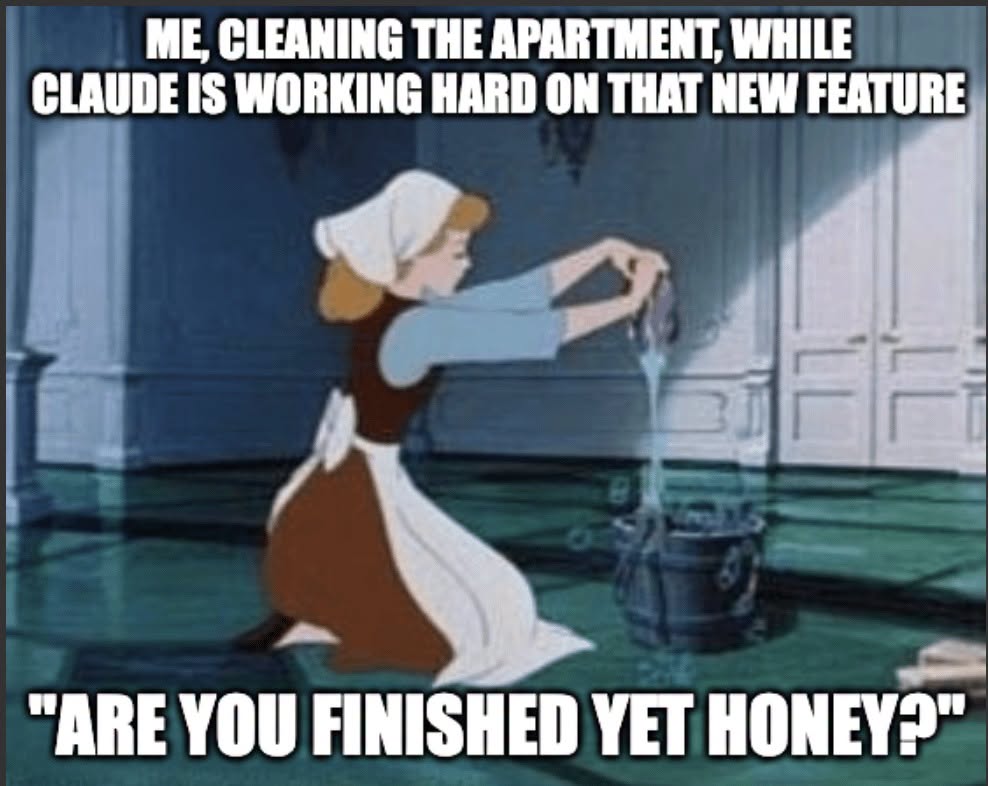
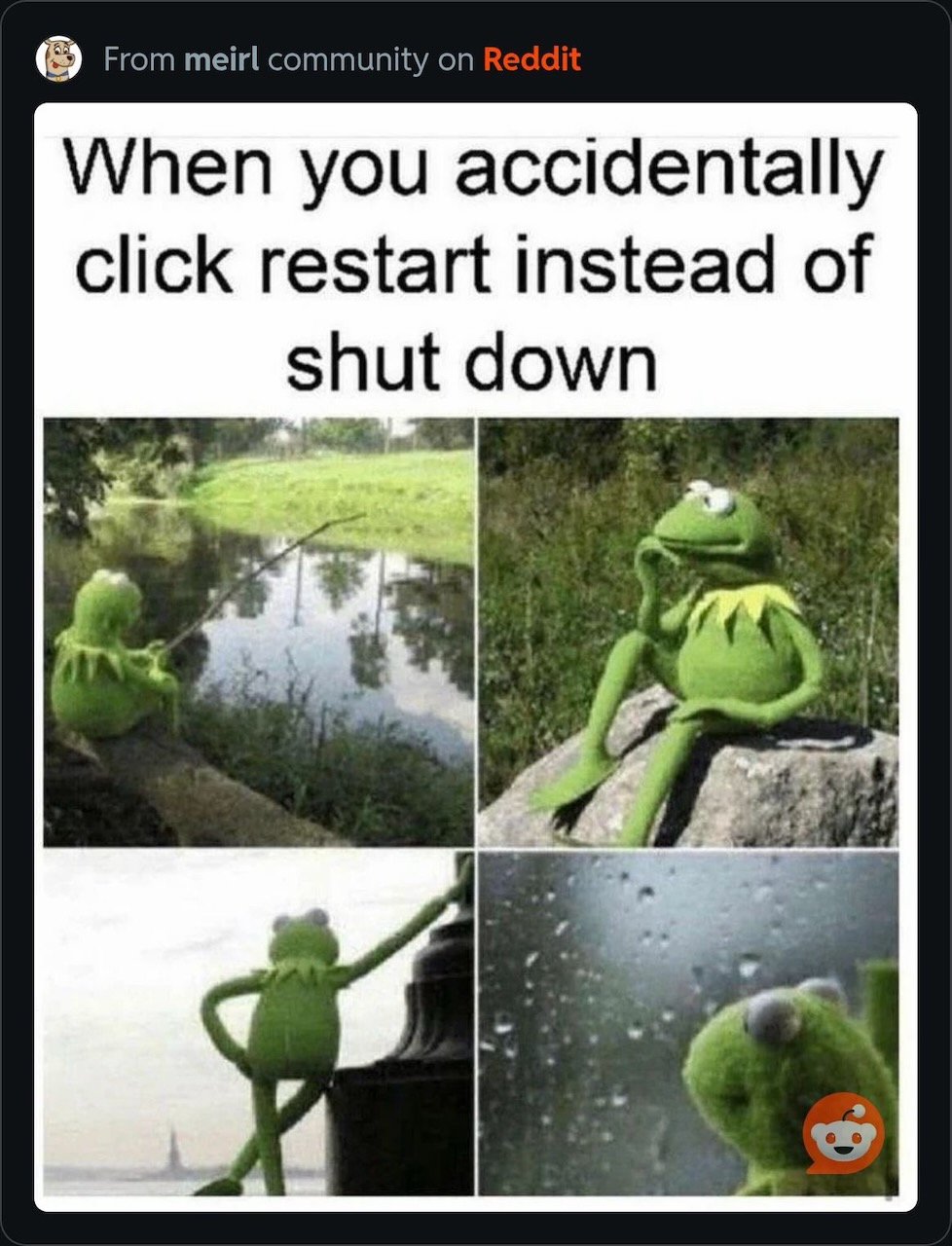
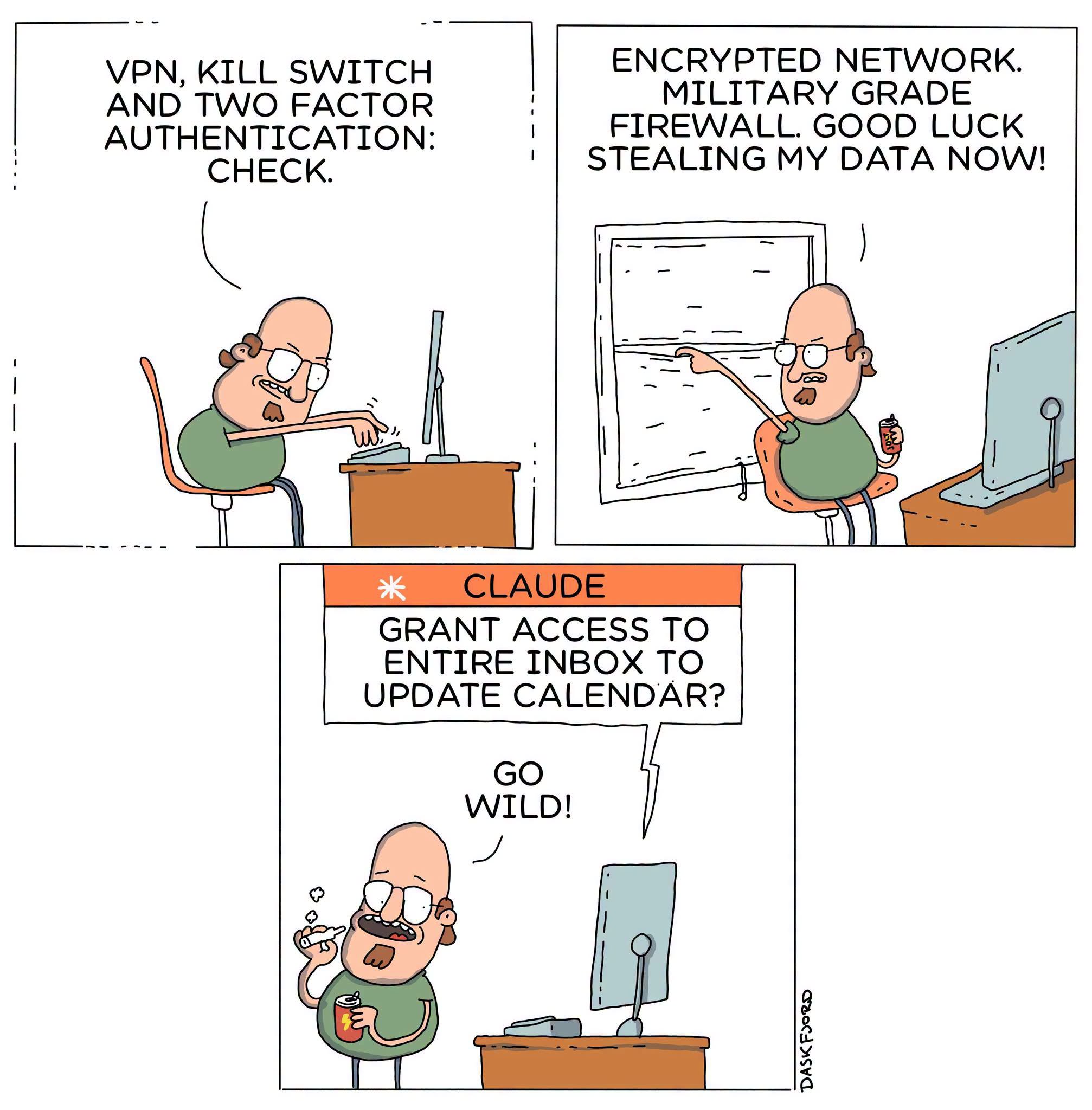
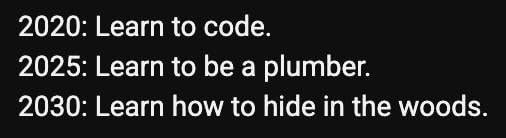
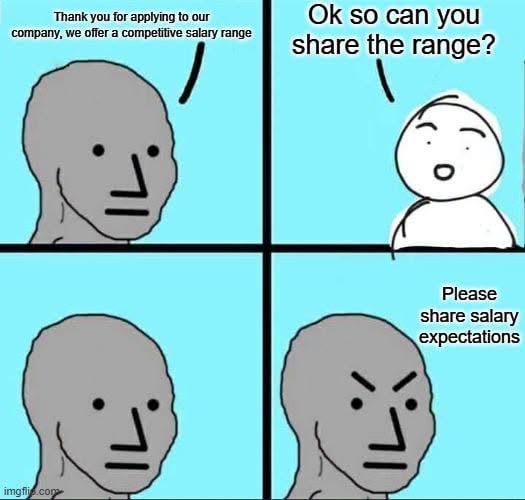
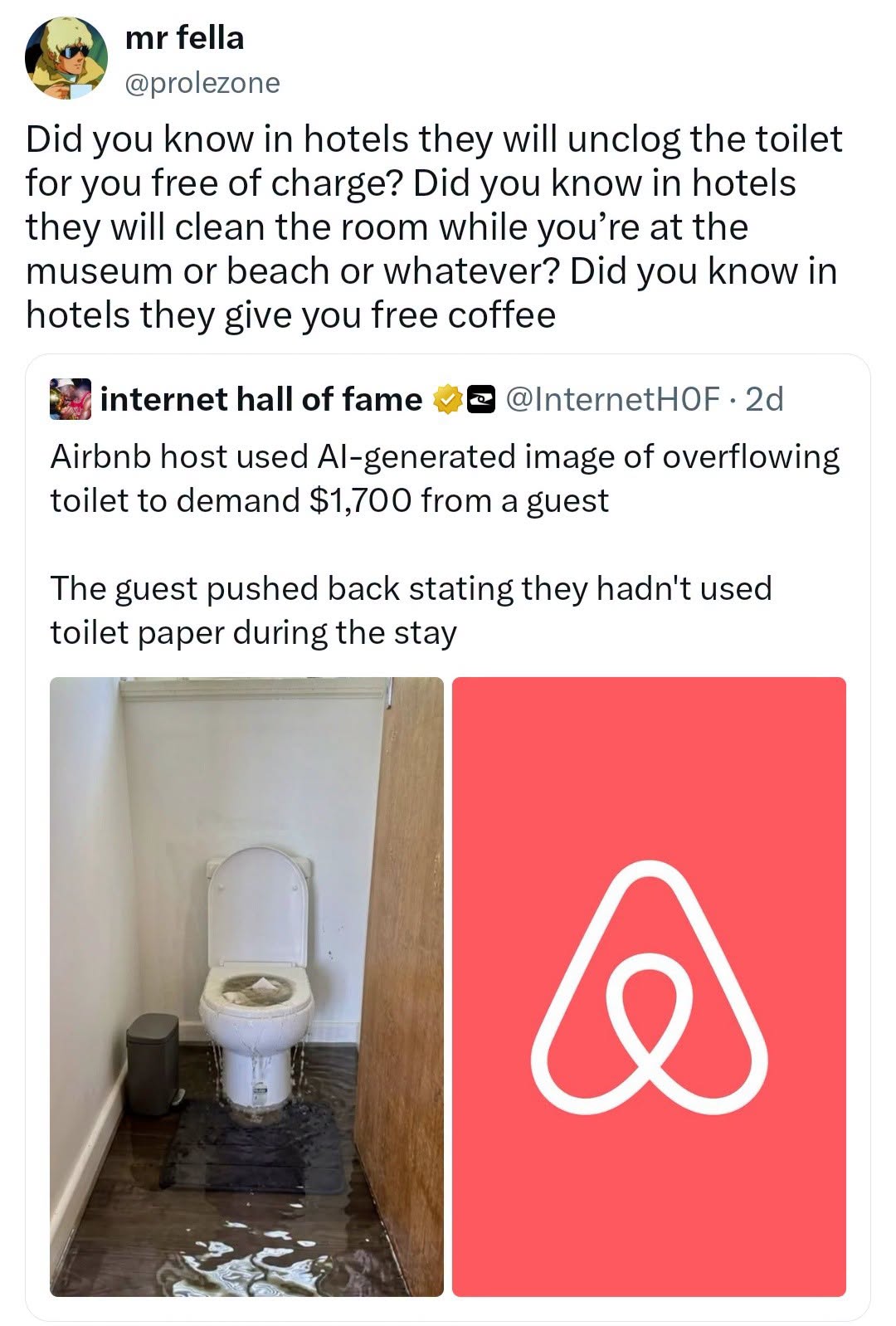
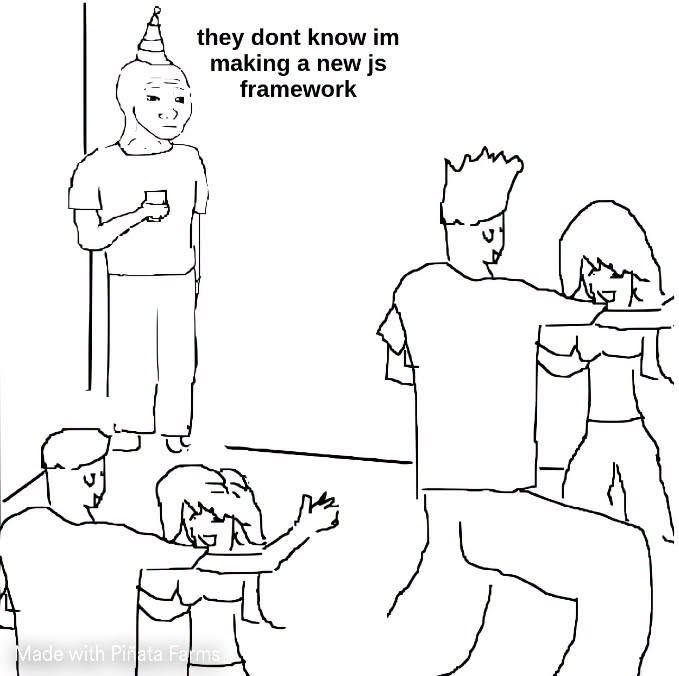
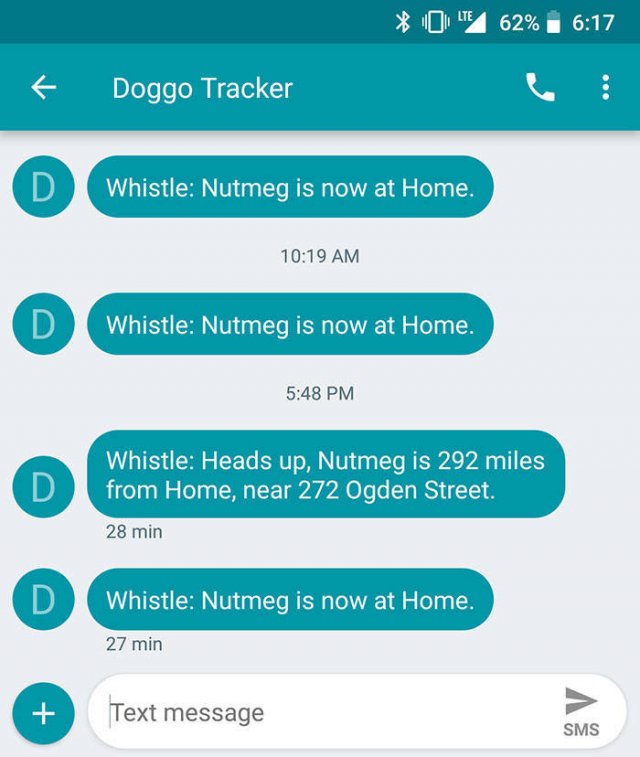
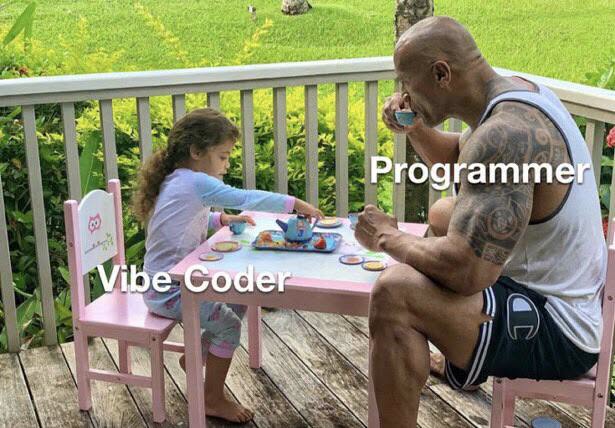
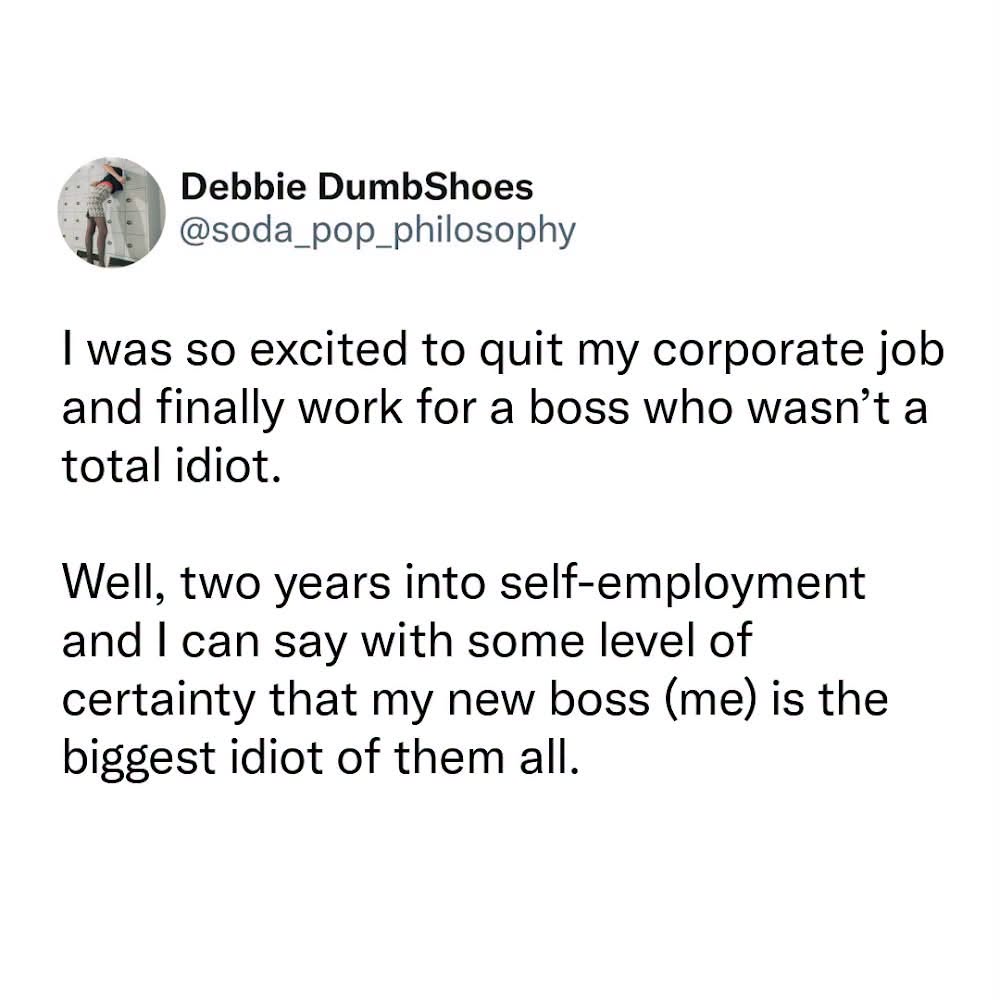
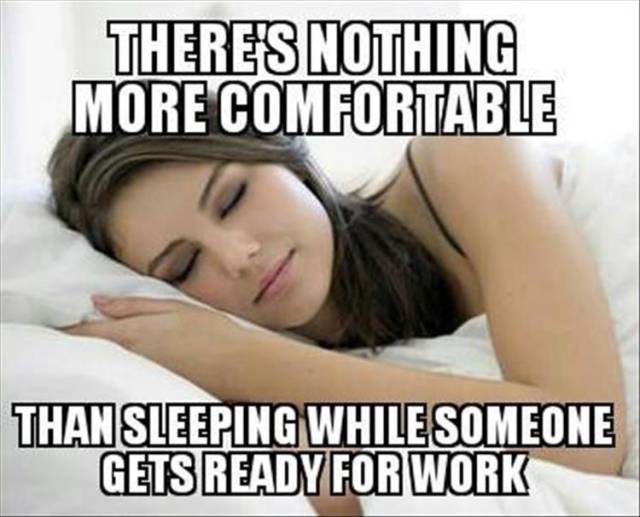
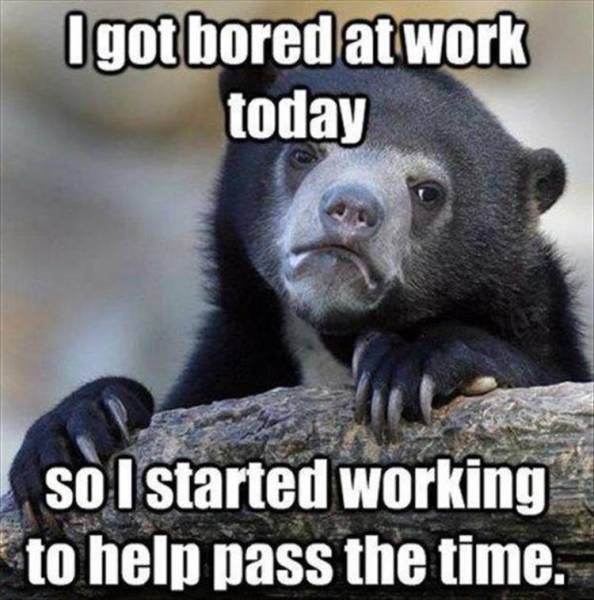
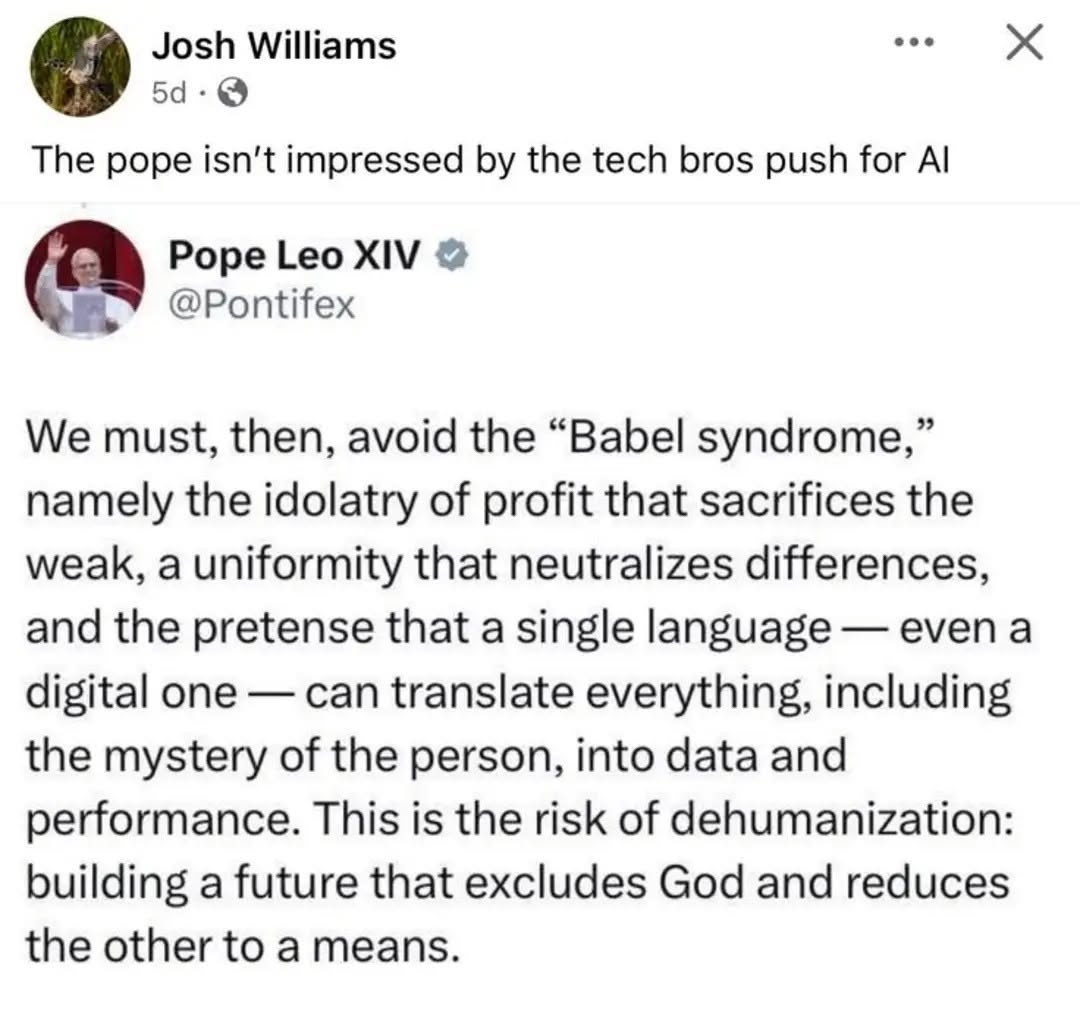
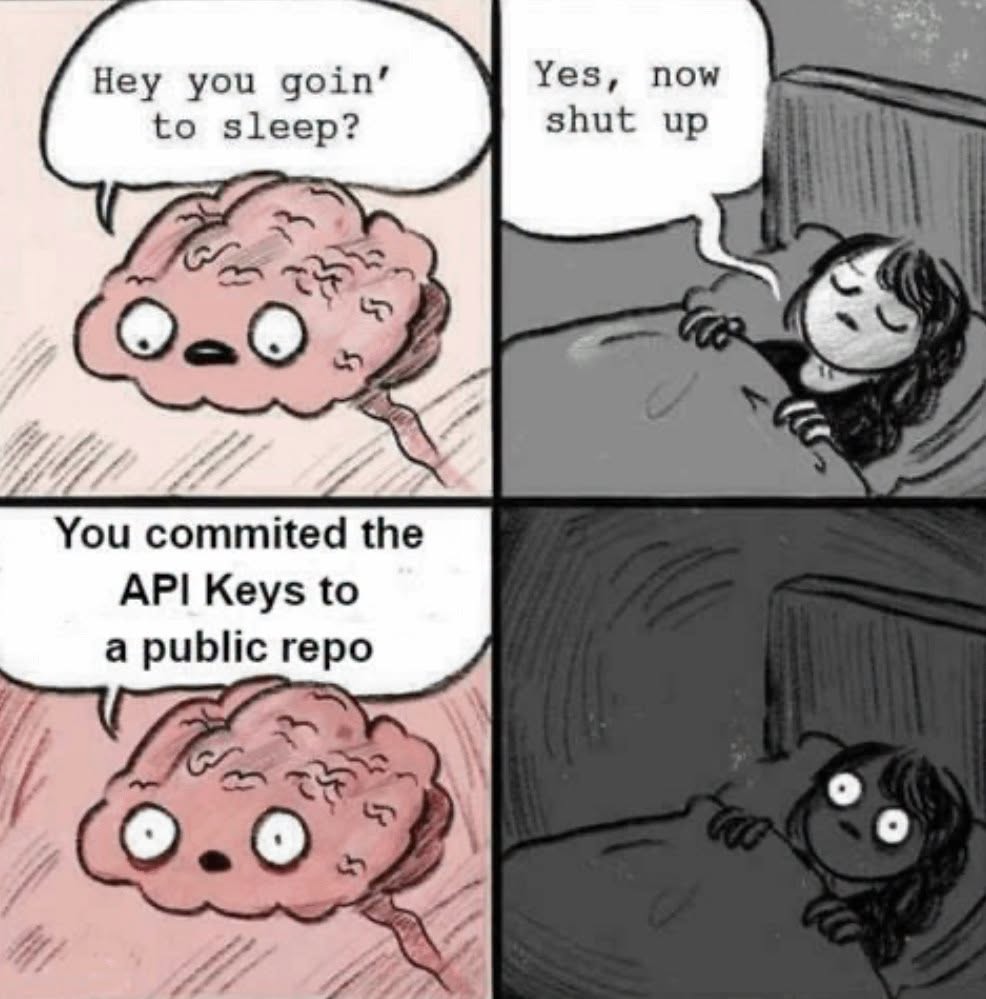
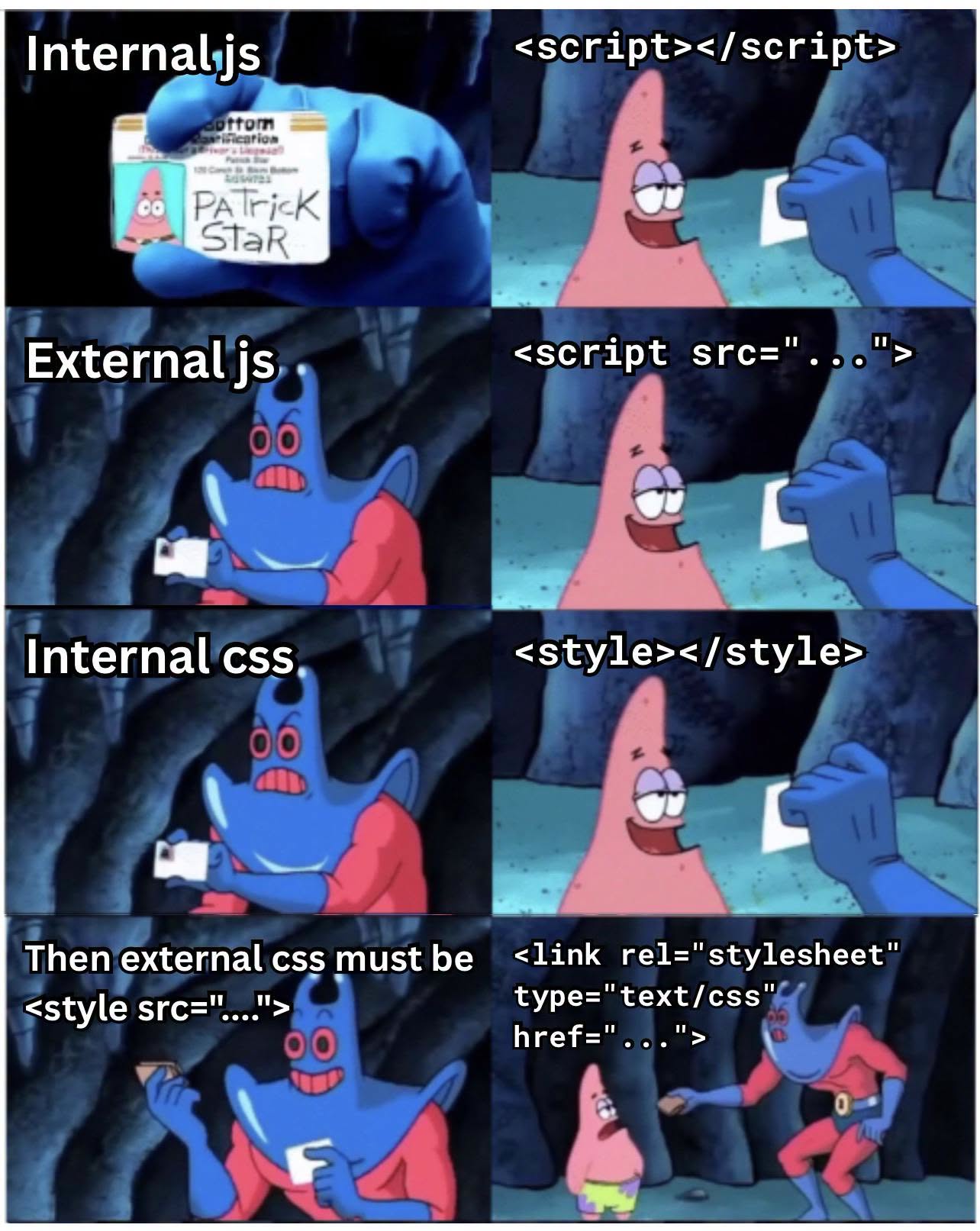
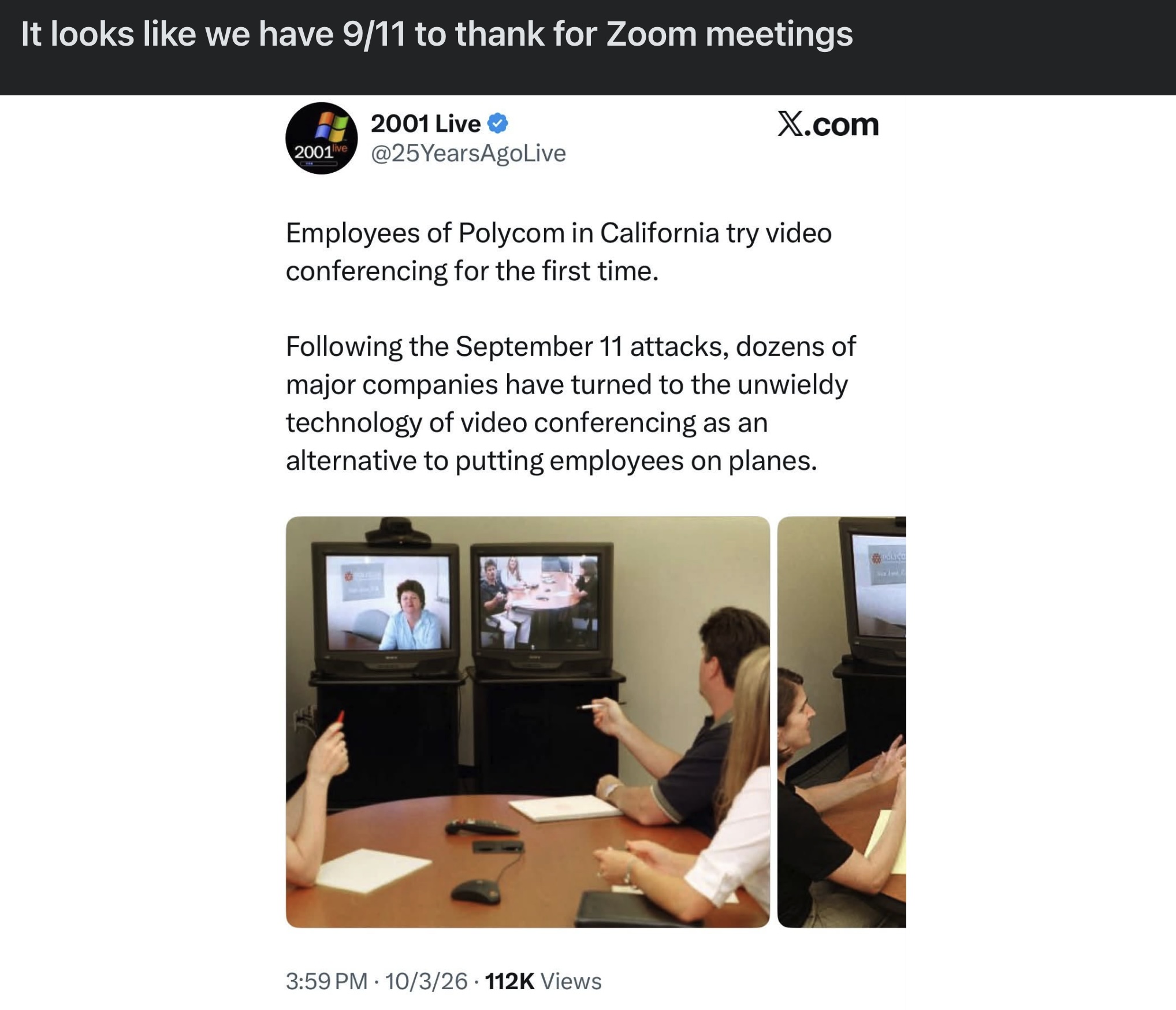
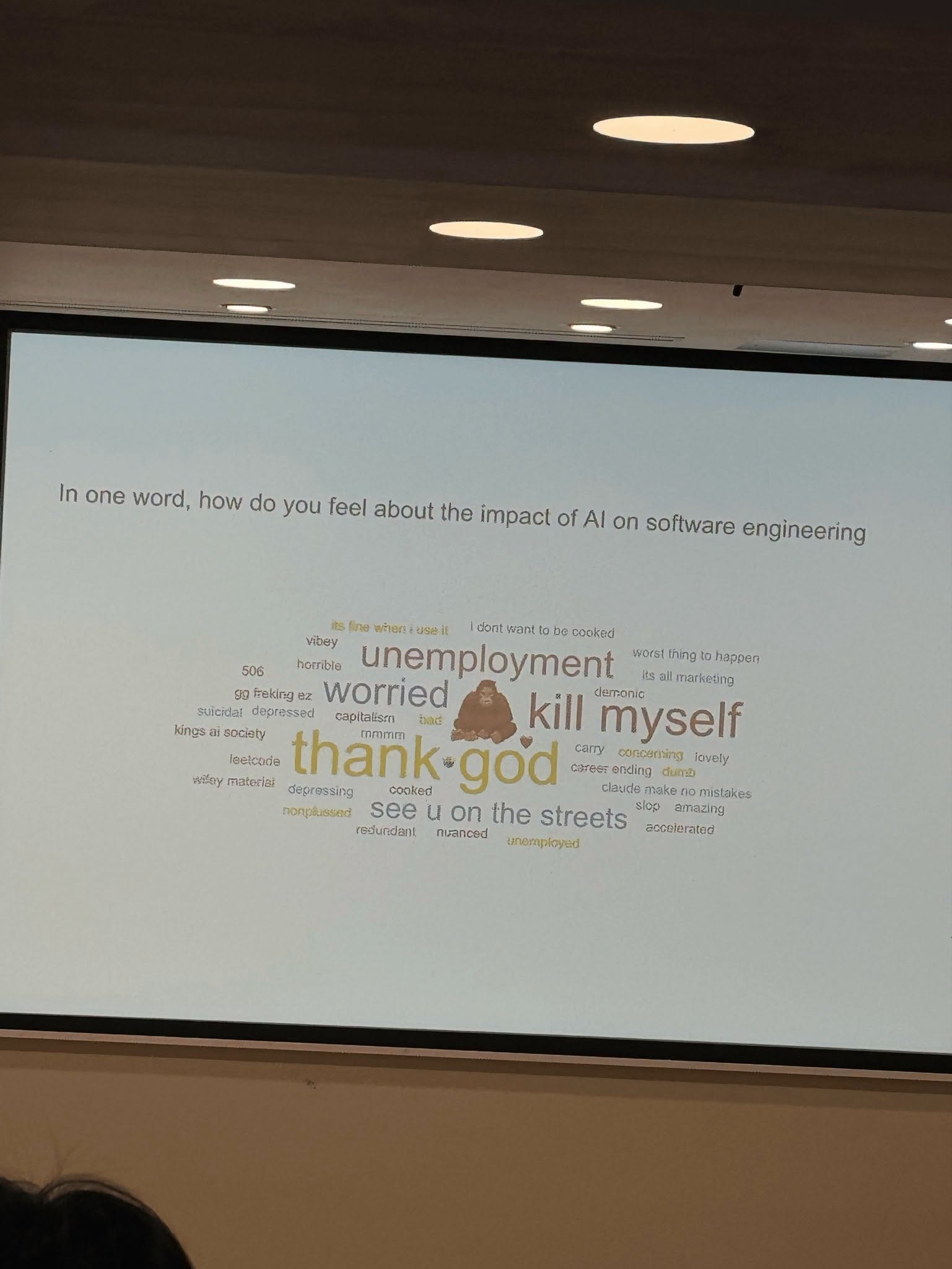
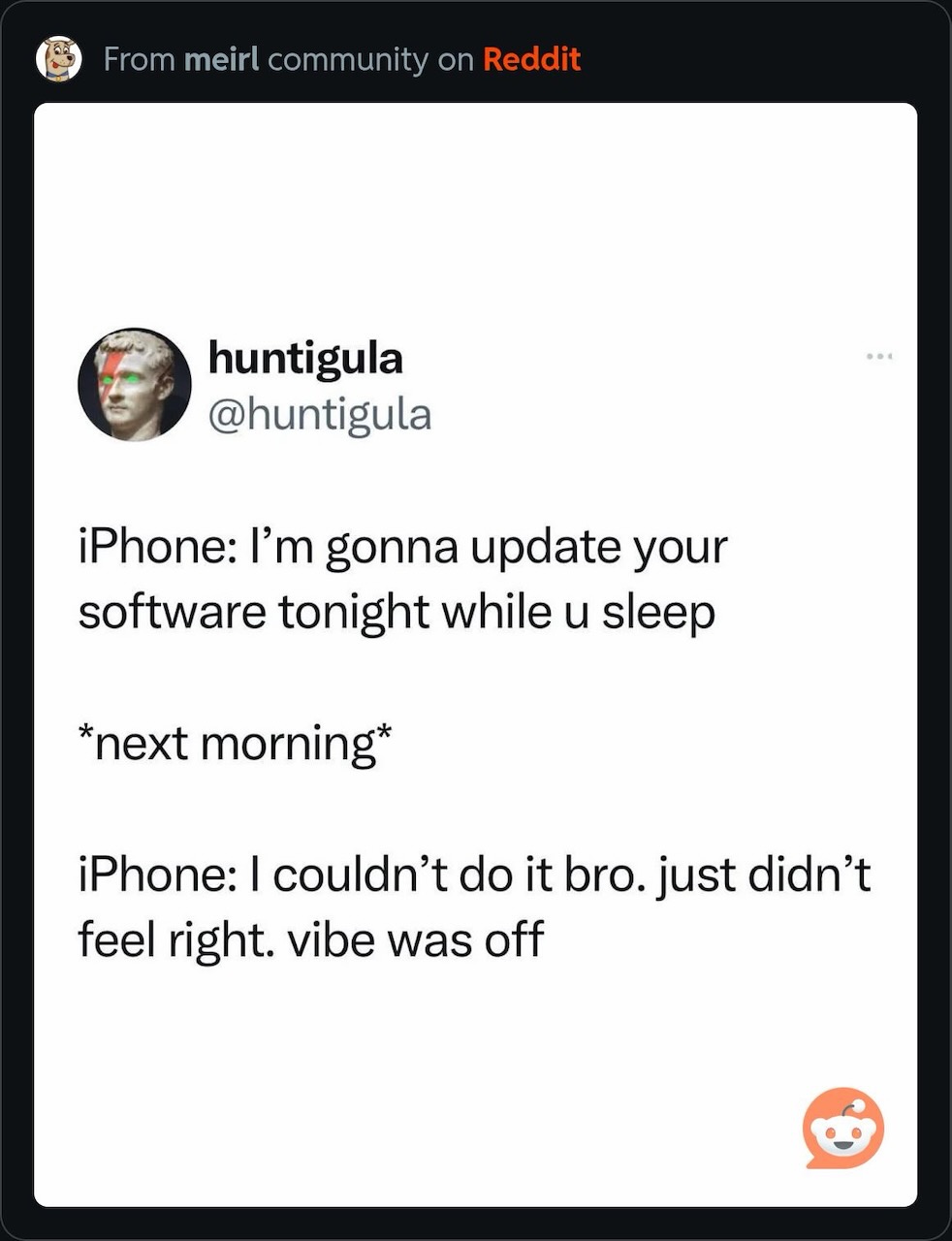
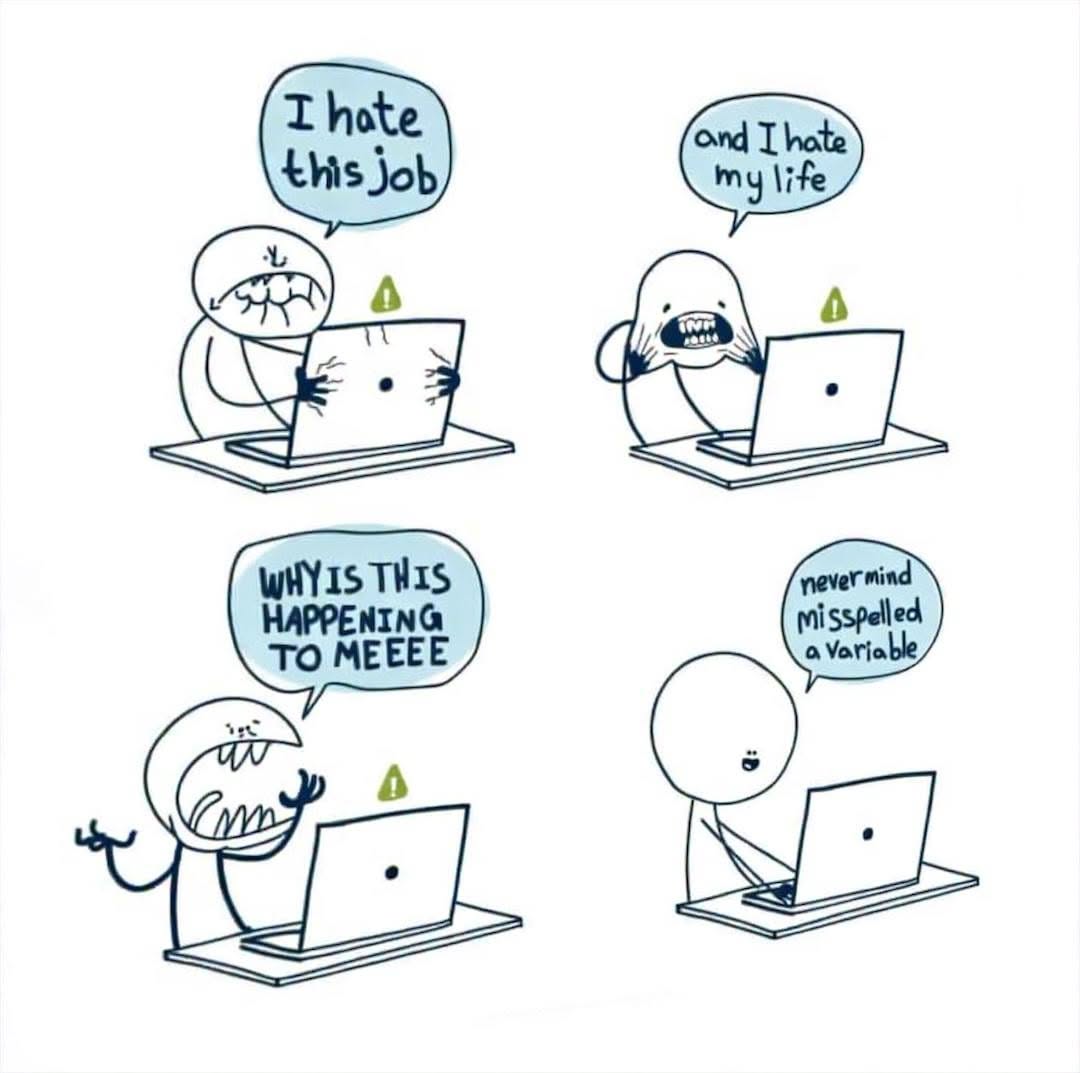
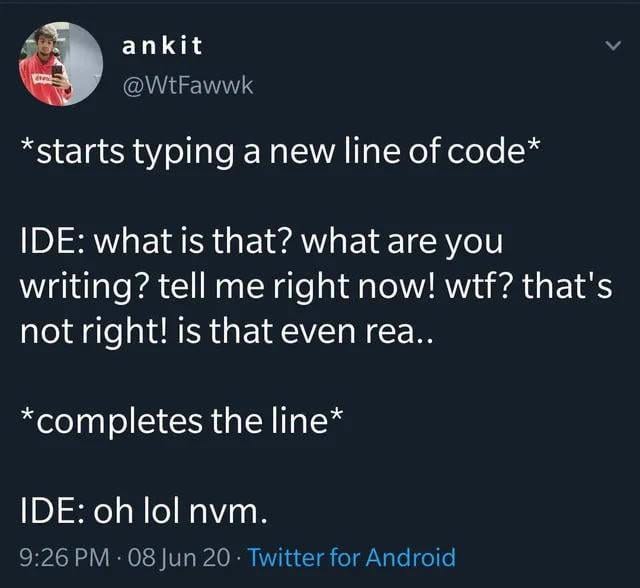
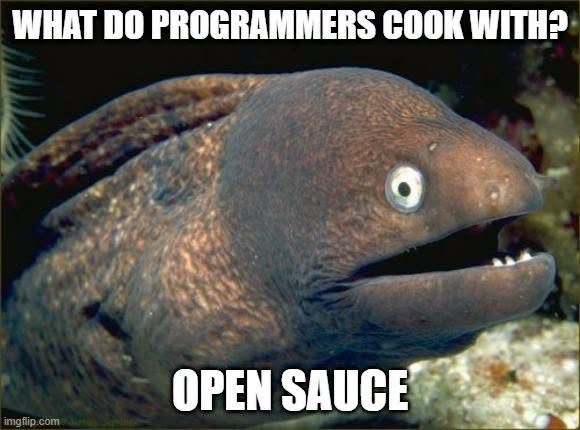
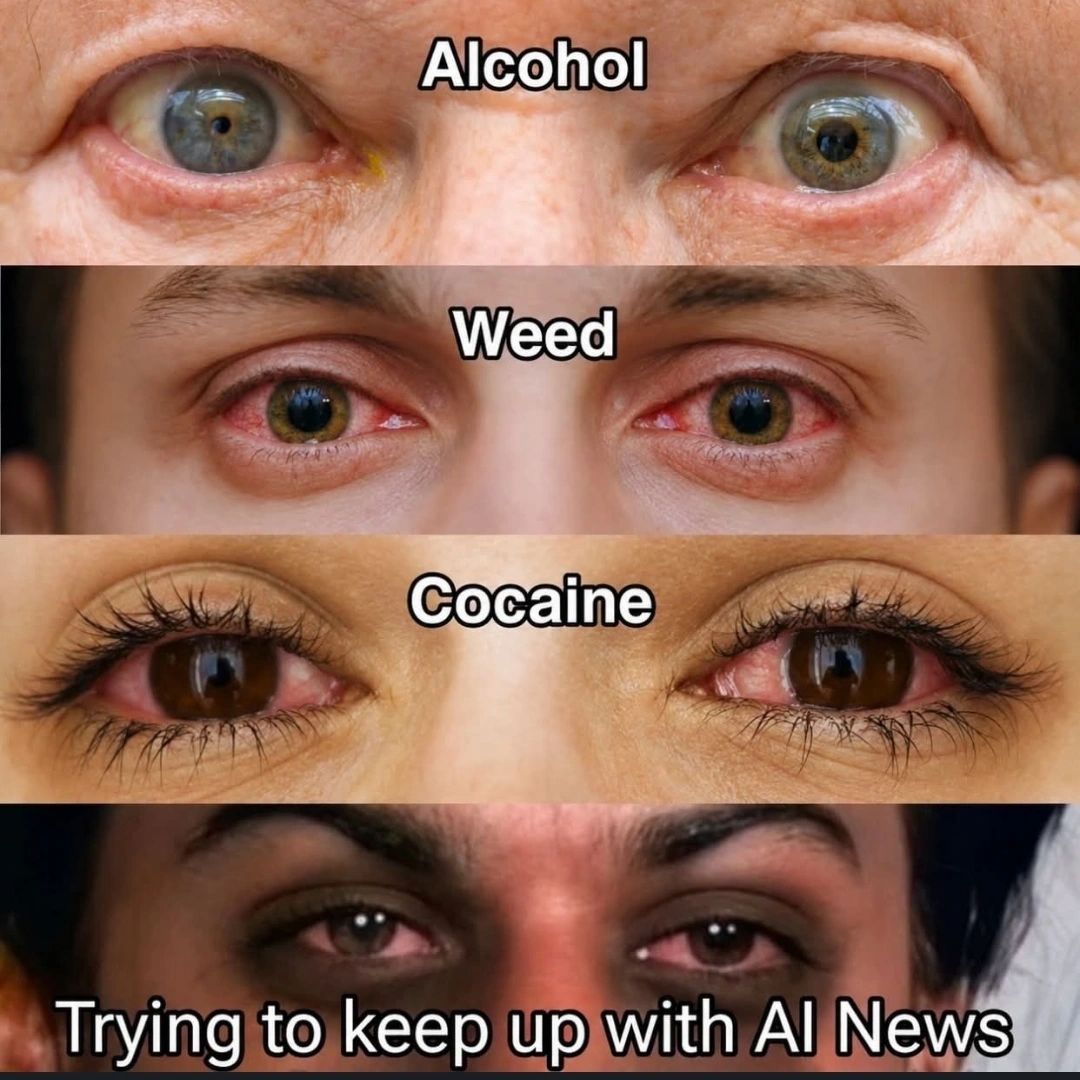
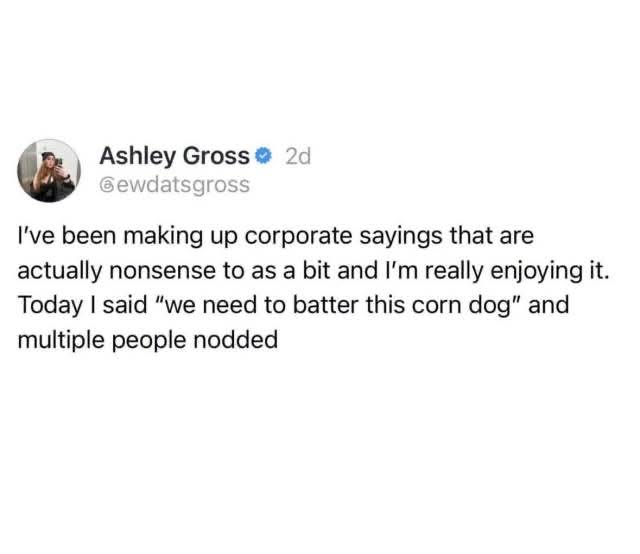
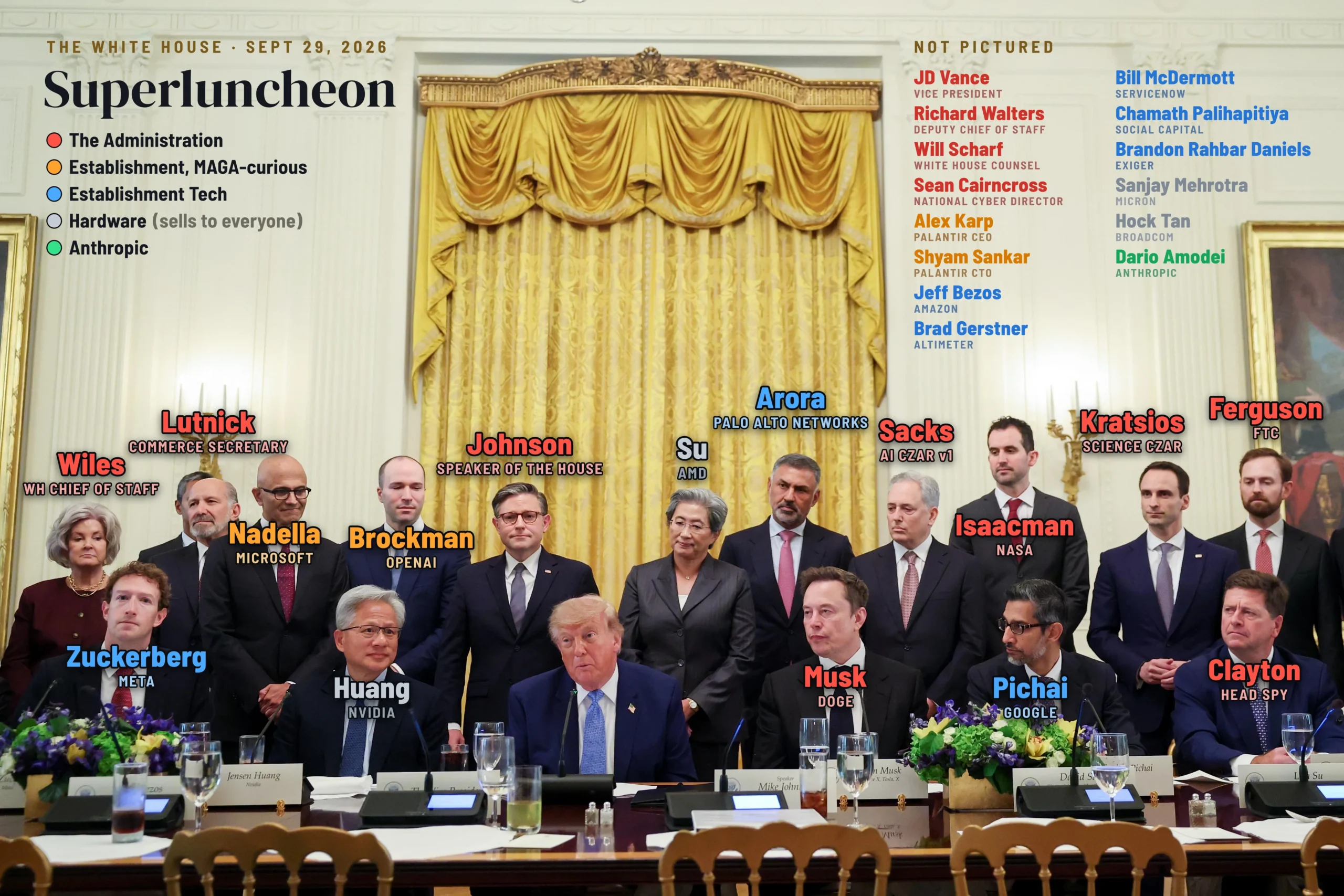
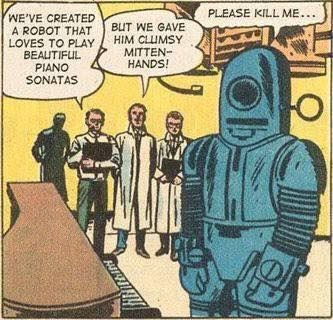
Happy Saturday, everyone! Here on Global Nerdy, Saturday means that it’s time for another “picdump” — the weekly assortment of amusing or interesting pictures, comics, and memes I found over the past week. Share and enjoy!


































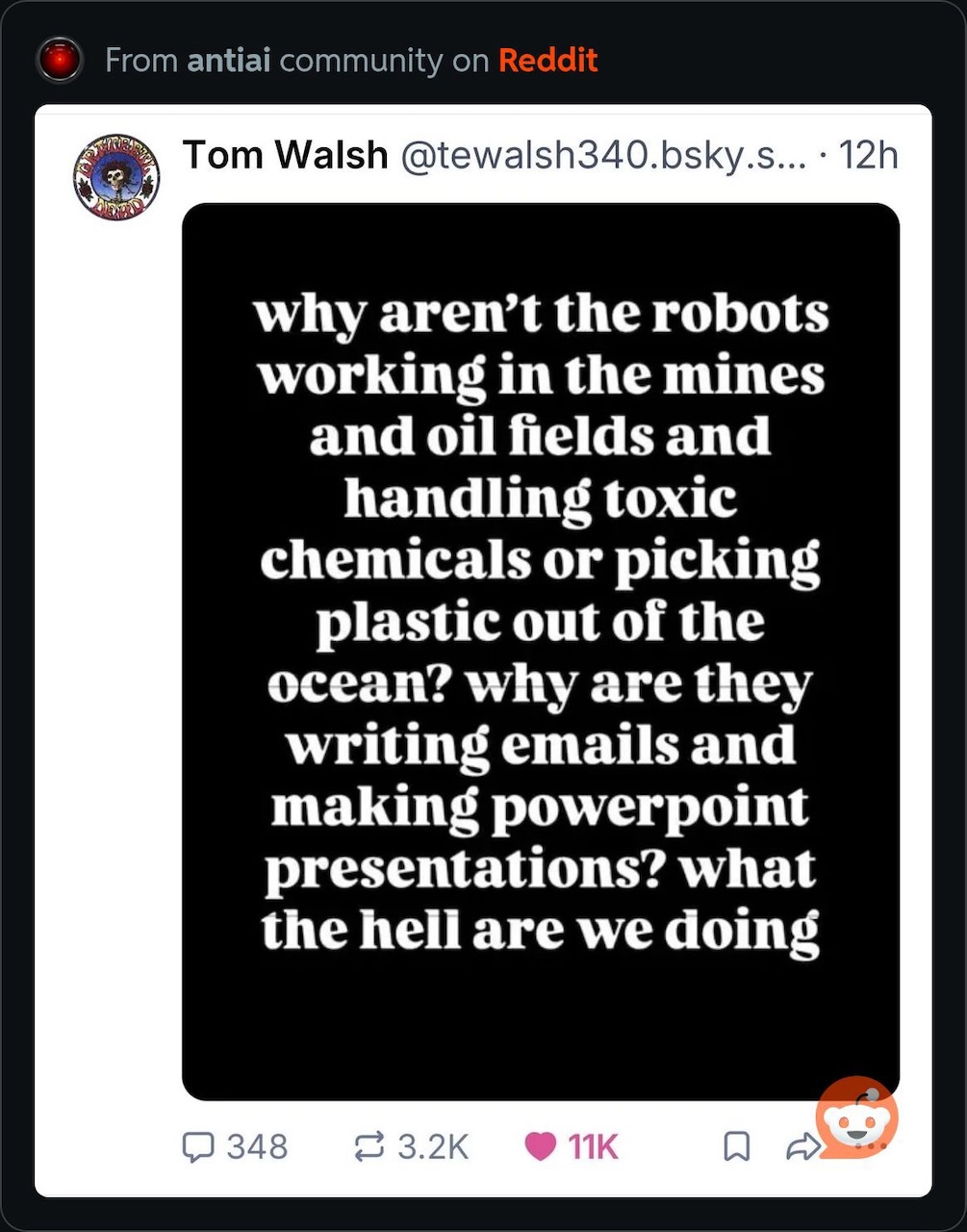
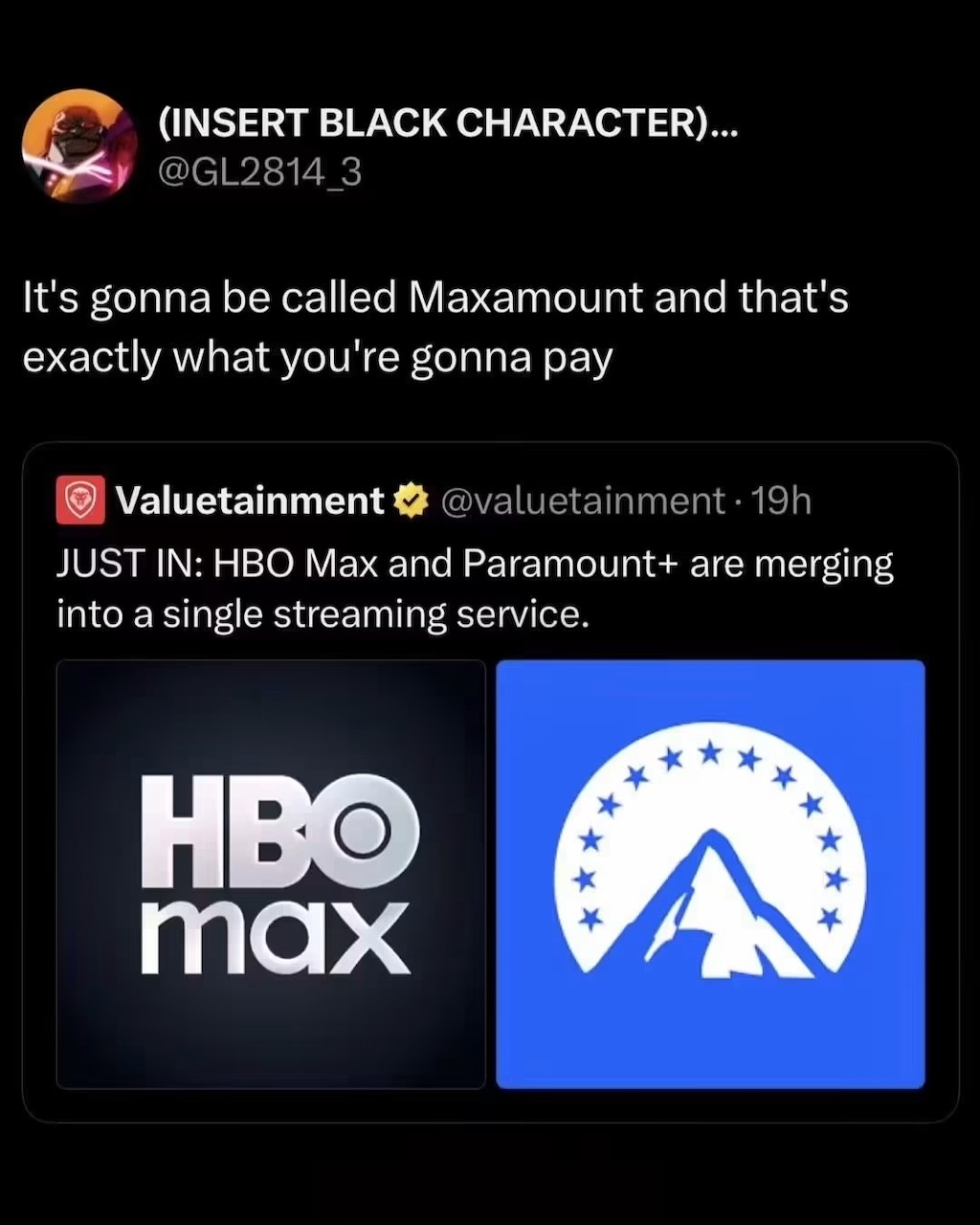
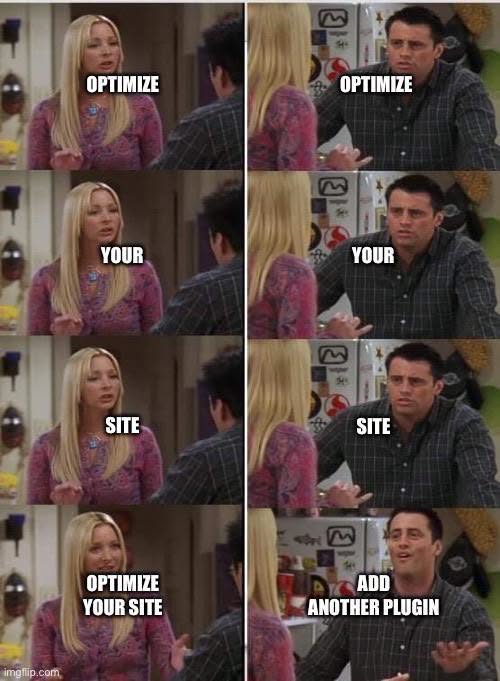

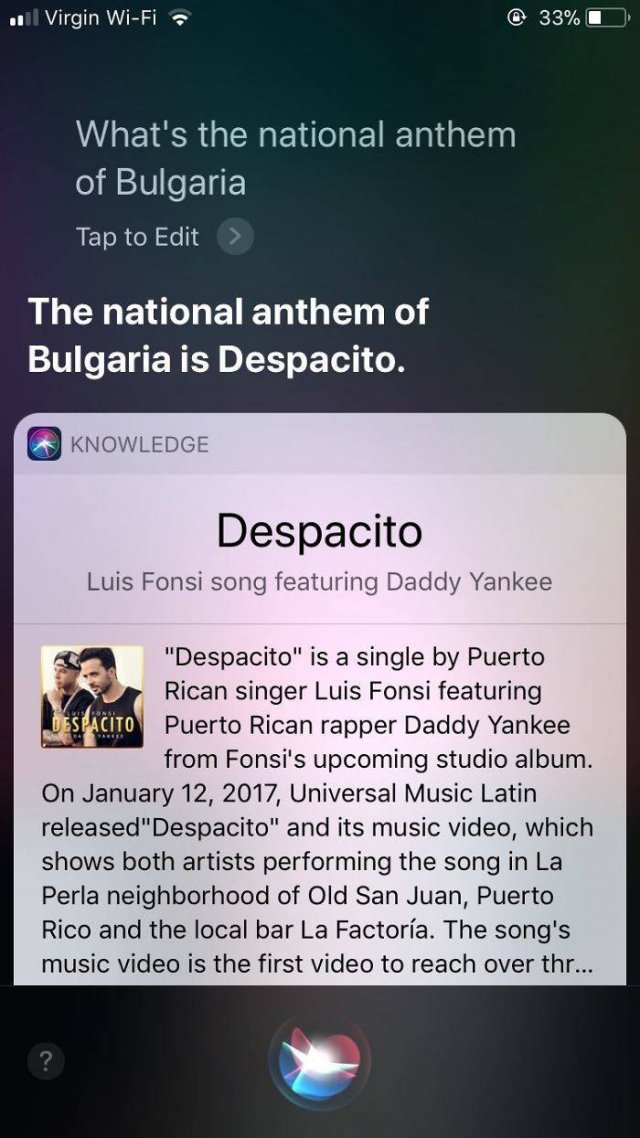
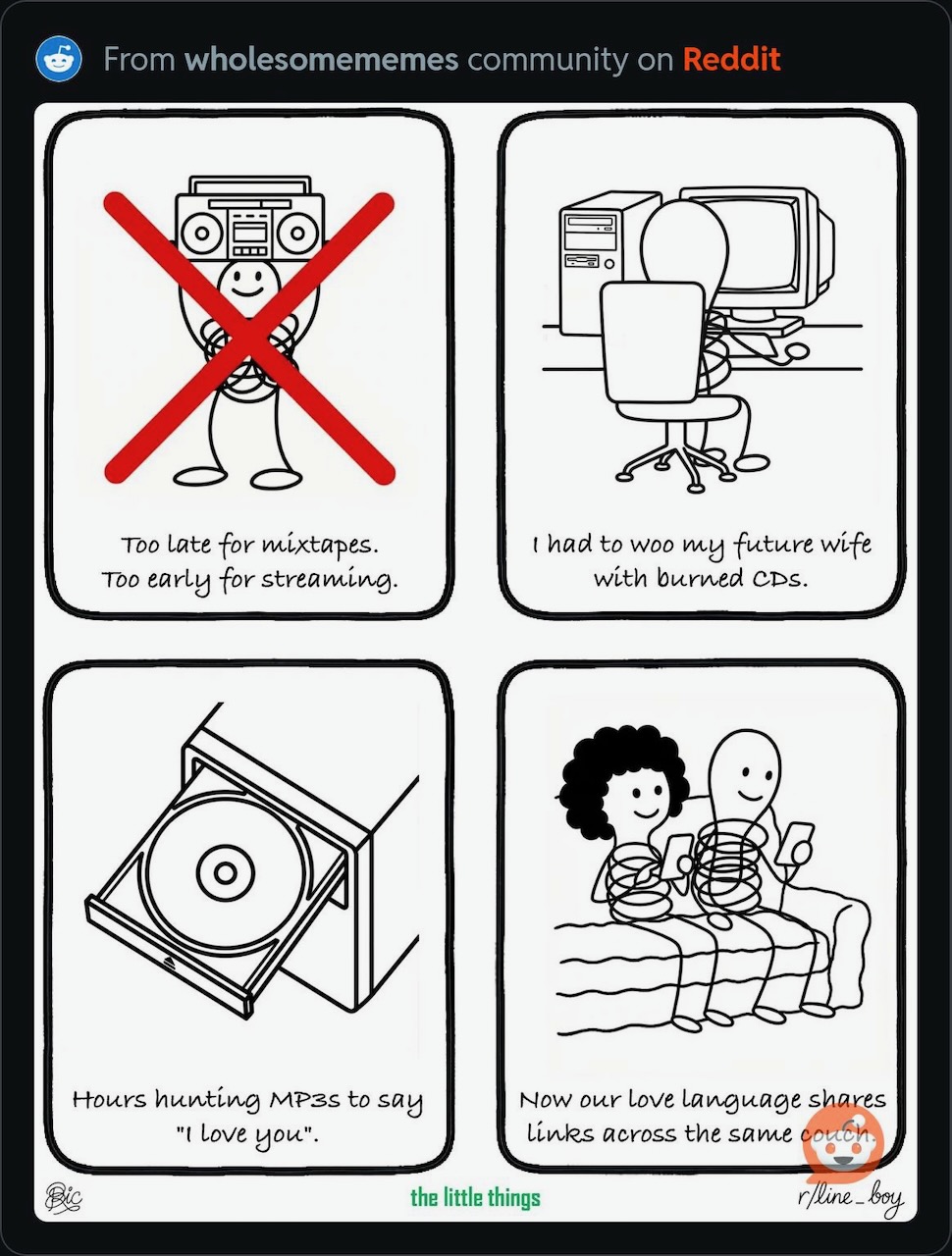

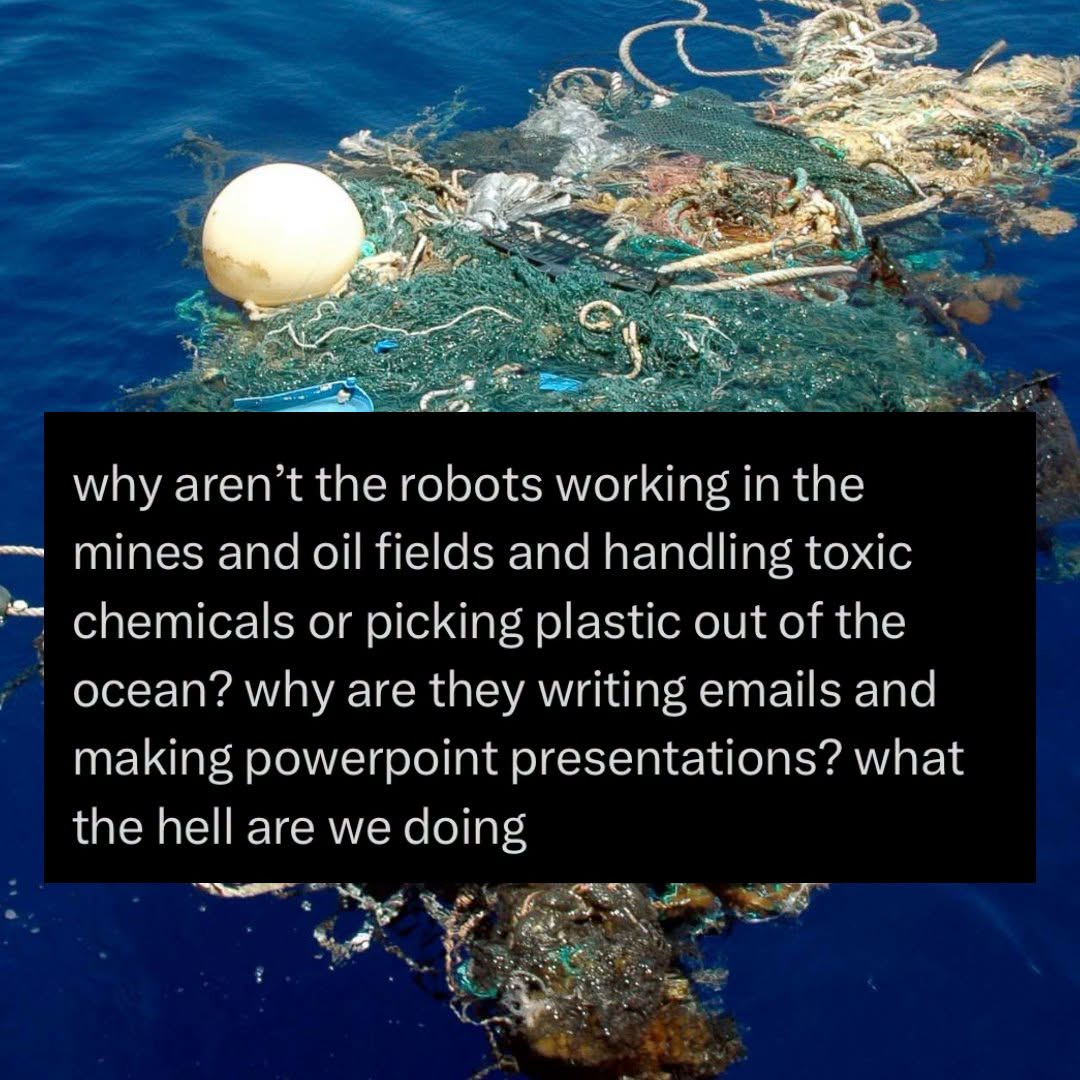


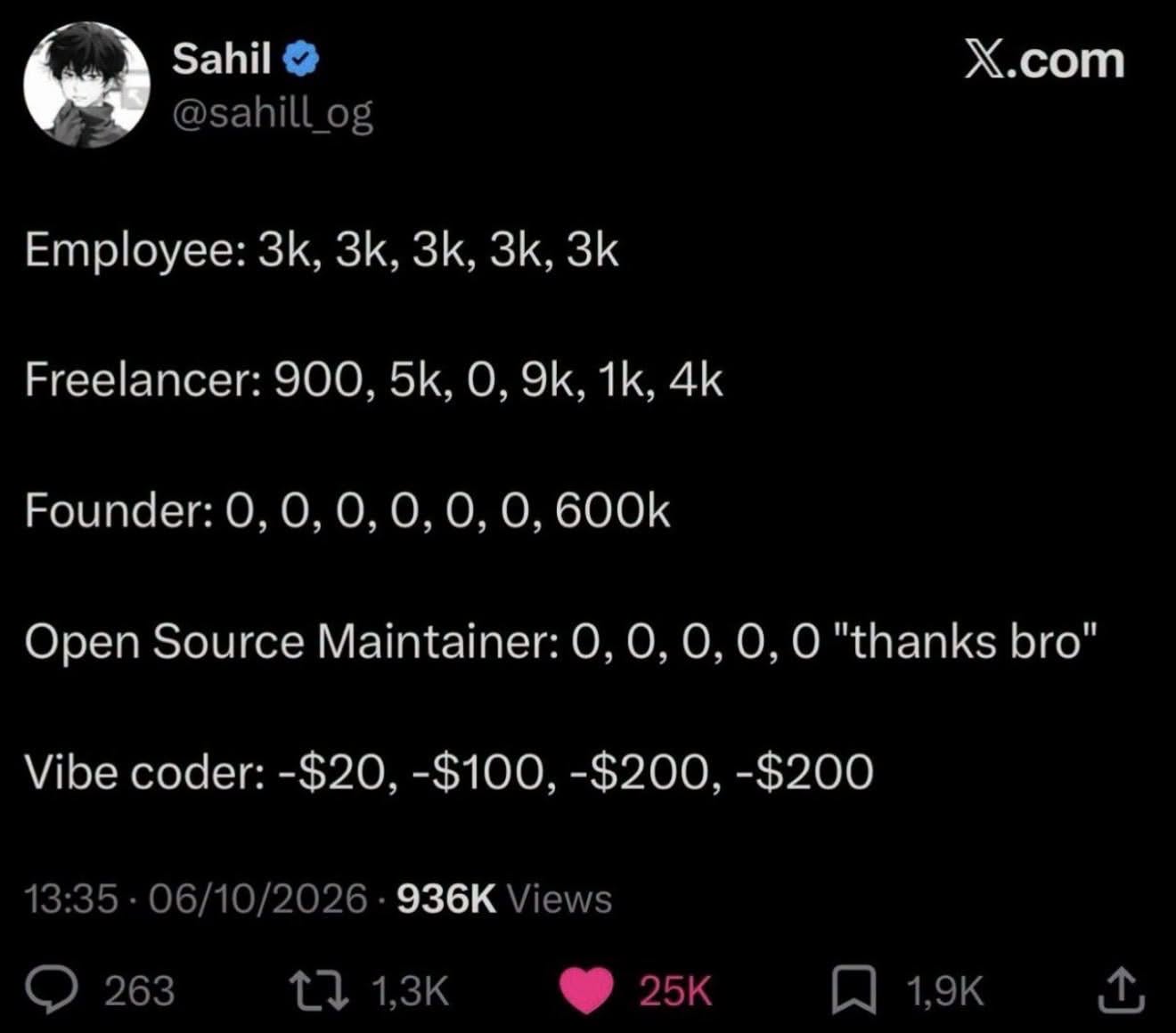
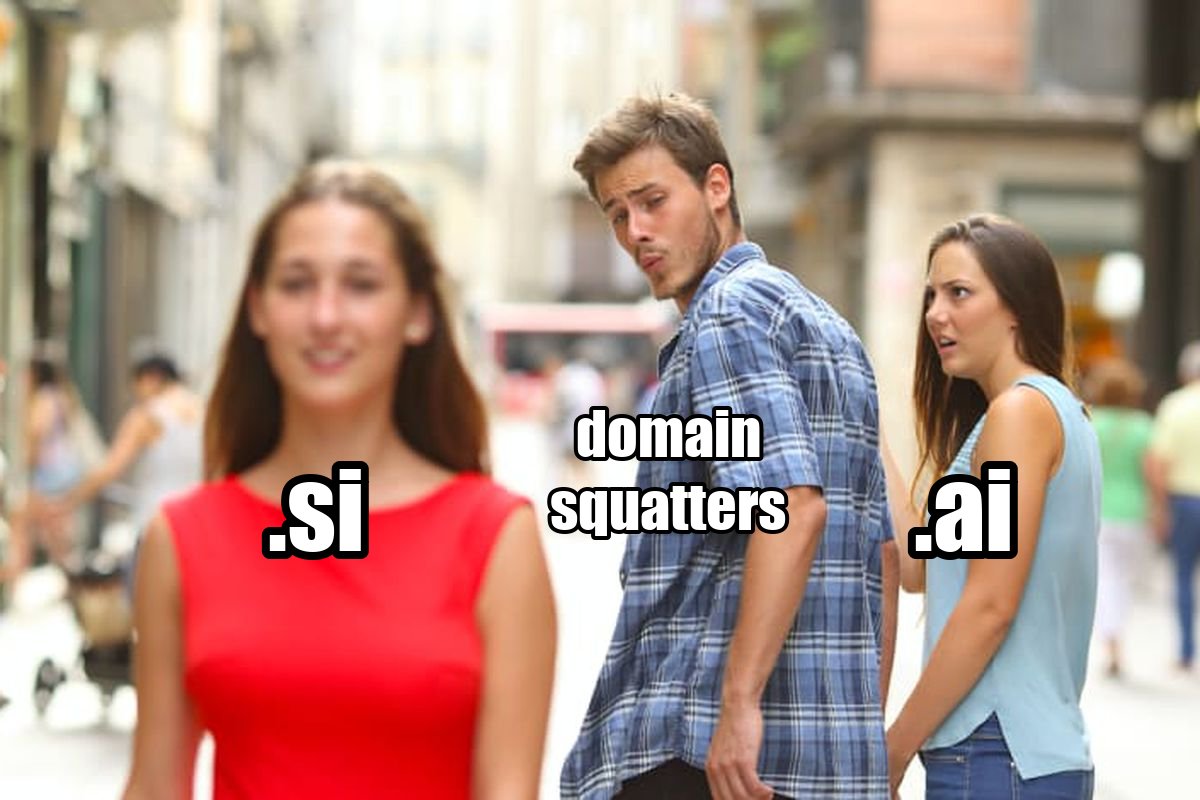




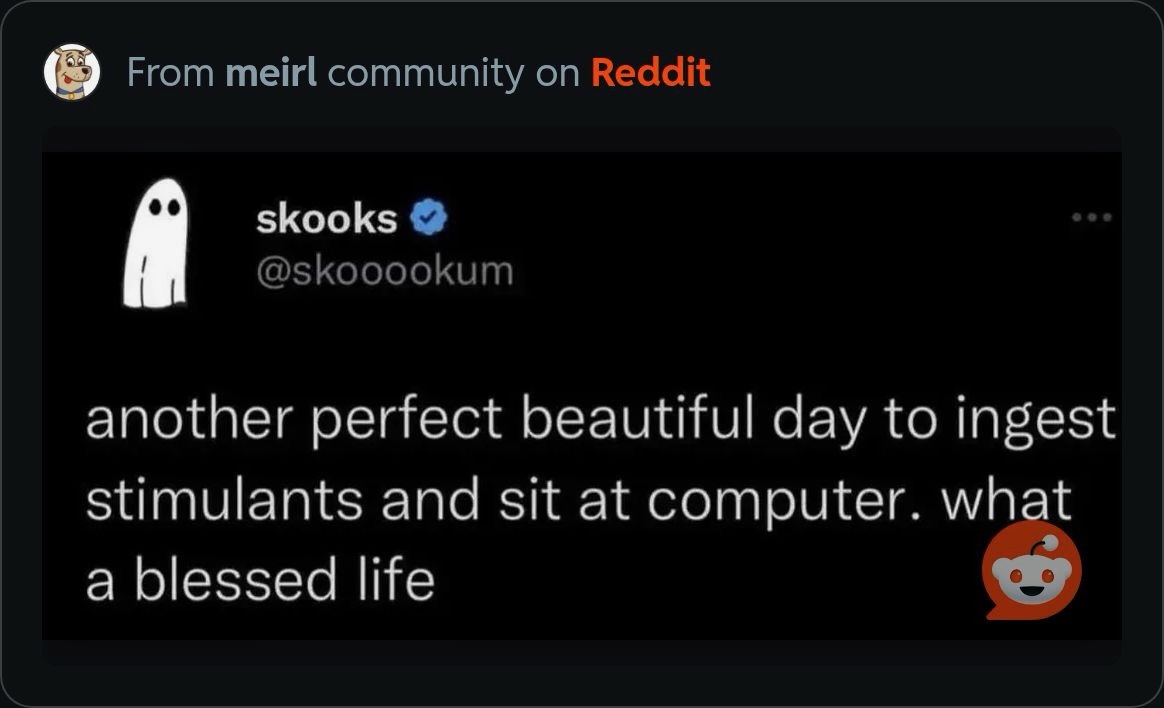

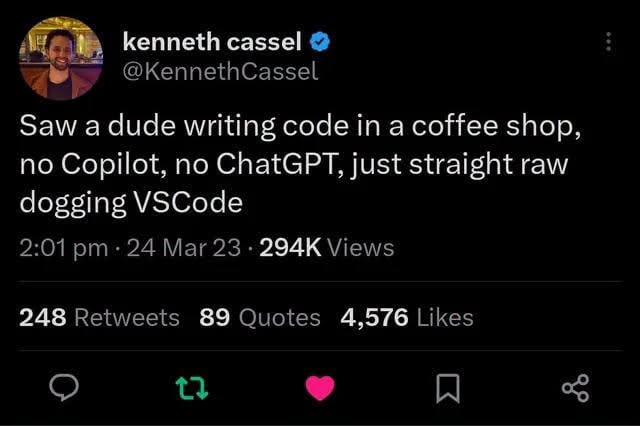

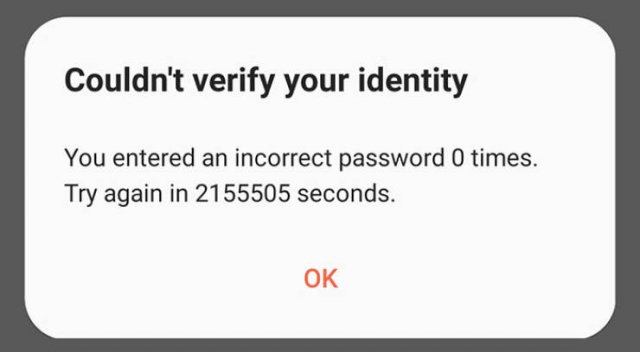
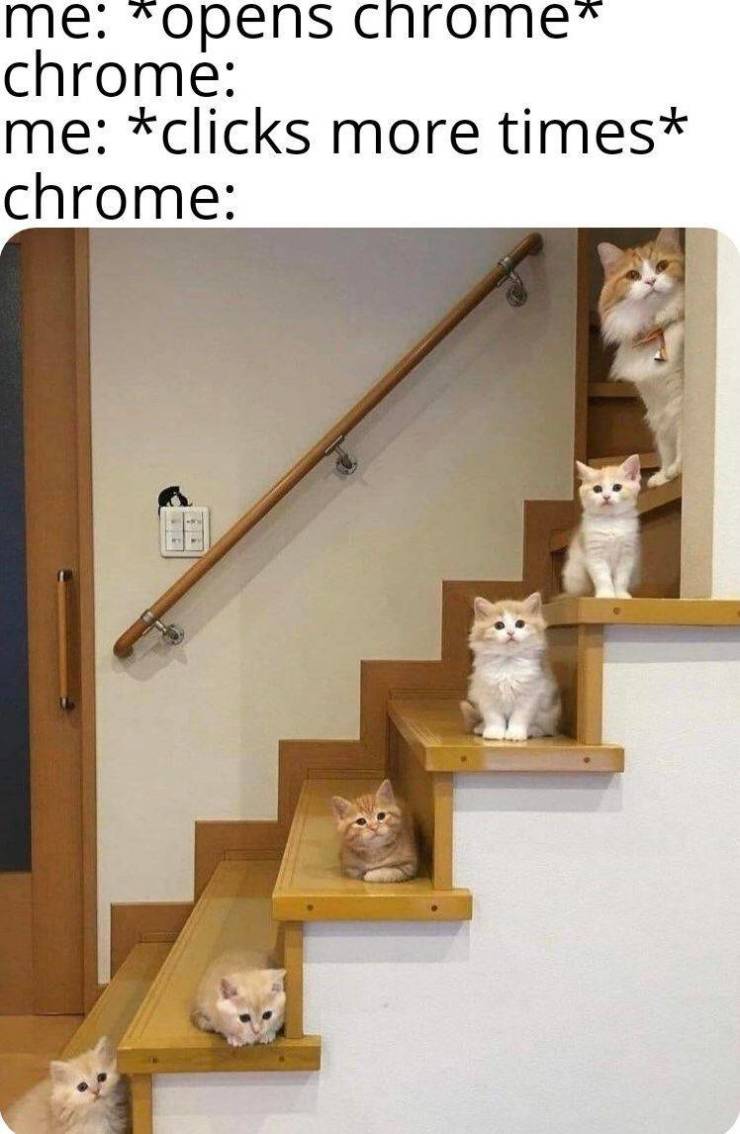


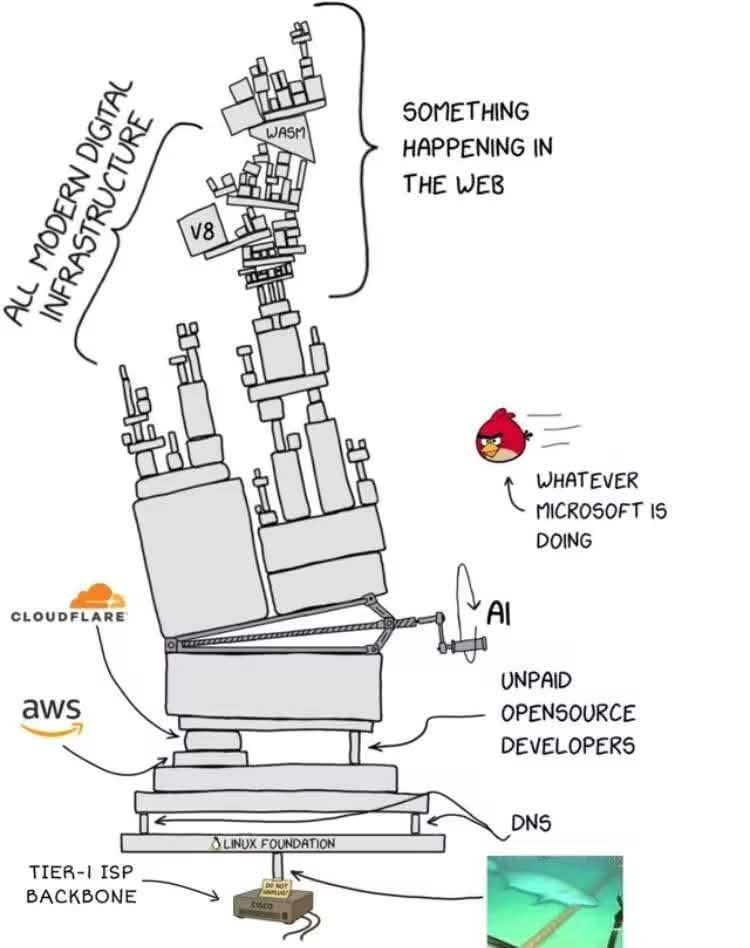
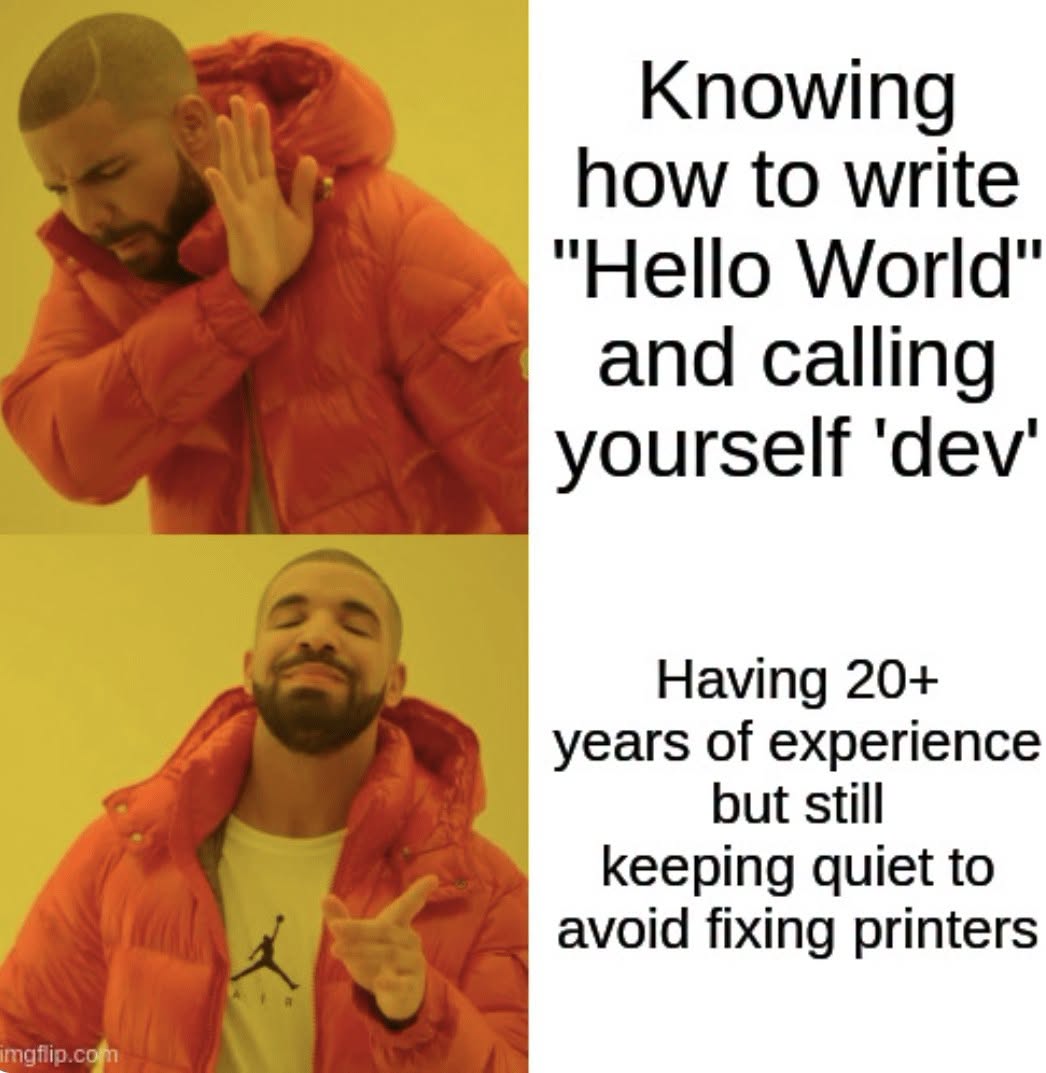

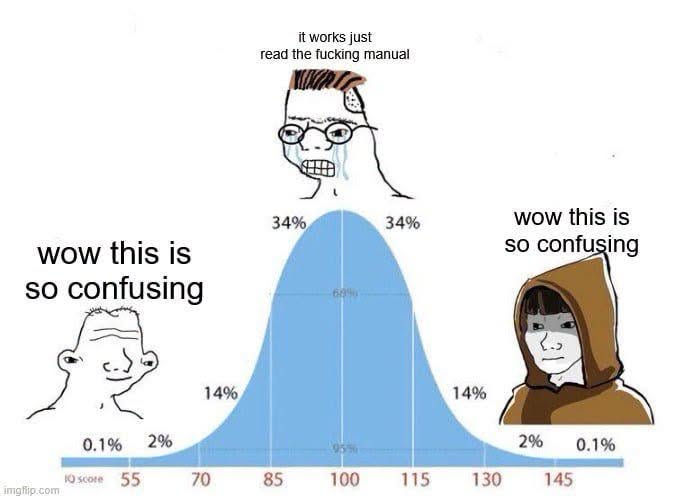
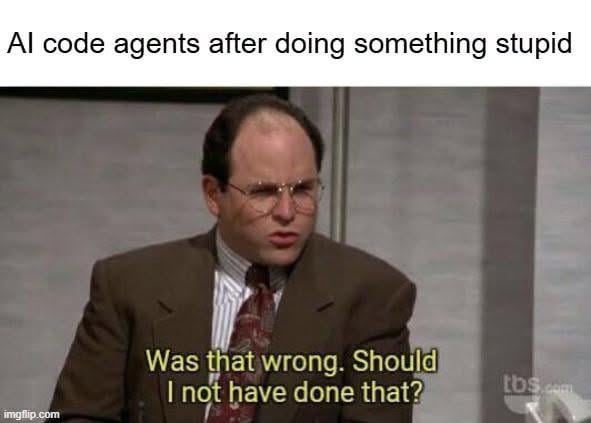
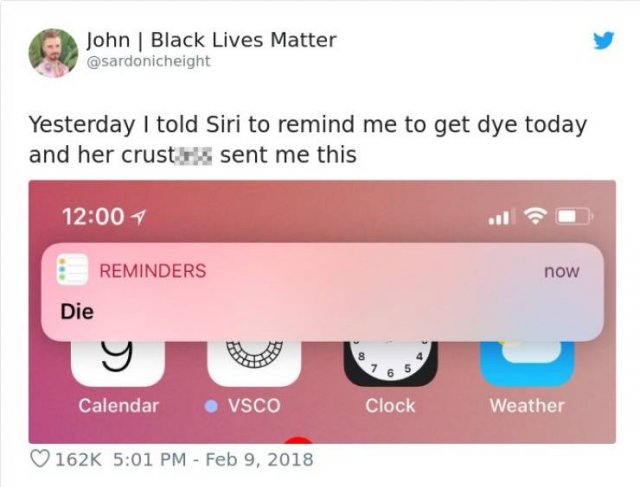

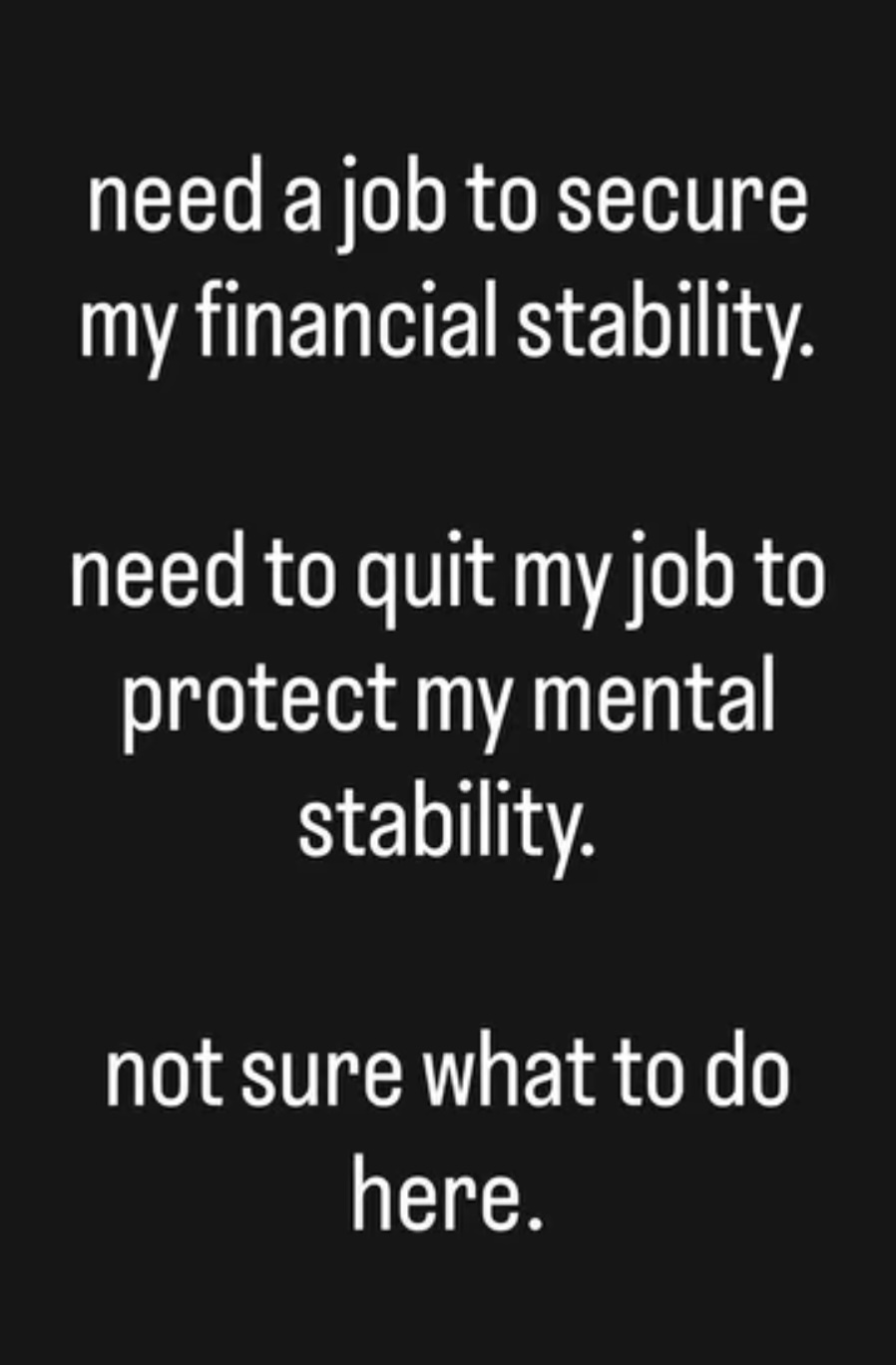






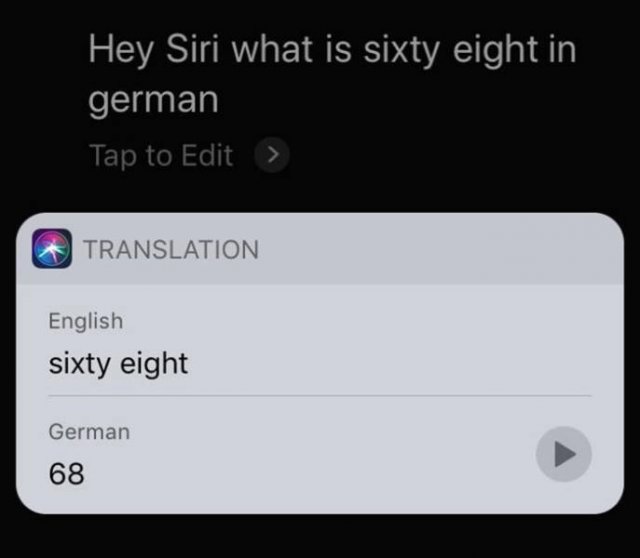
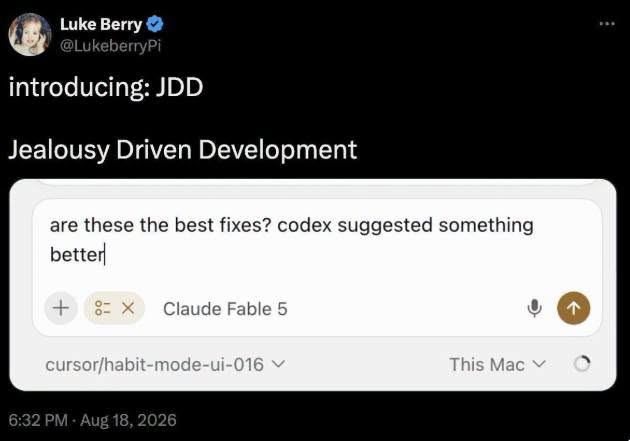

Happy Saturday, everyone! Here on Global Nerdy, Saturday means that it’s time for another “picdump” — the weekly assortment of amusing or interesting pictures, comics, and memes I found over the past week. Share and enjoy!
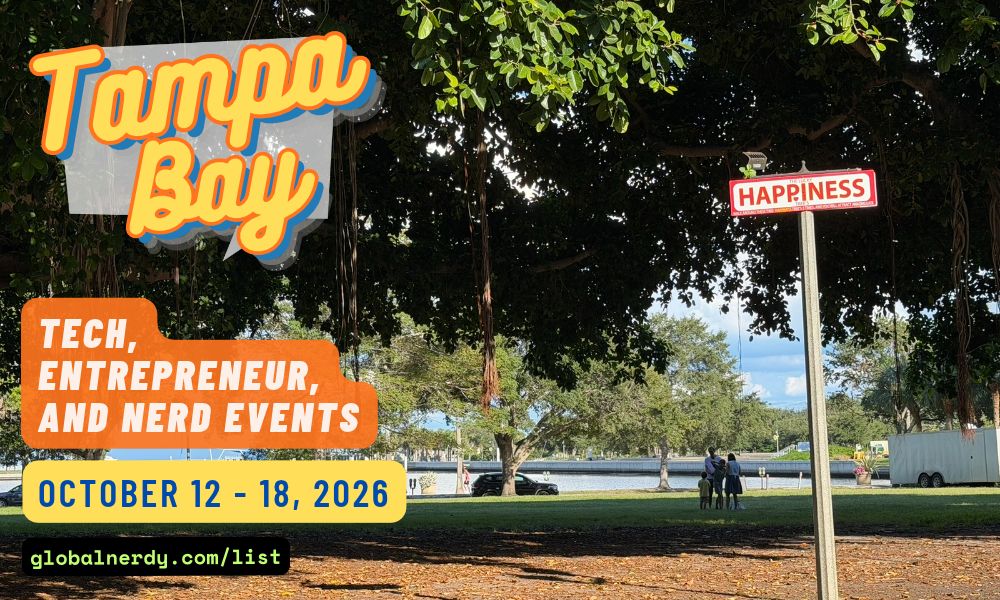
Here’s what’s happening in the thriving tech scene in Tampa Bay and surrounding areas for the week of Monday, October 12 through Sunday, October 18!
This list includes both in-person and online events. Note that each item in the list includes:
✅ When the event will take place
✅ What the event is
✅ Where the event will take place
✅ Who is holding the event

| Event name and location | Group | Time |
|---|---|---|
| Clearwater Automate Your Workflow with Claude 155 8th Ave SE |
Building Better Software With Claude Code | 2:30 AM to 3:30 AM EDT |
| Osceola Toastmasters Club Kissimmee Utility Authority (KUA) |
Toastmasters Division E | 7:30 AM to 9:00 AM EDT |
| Computer Repair Clinic 2079 Range Rd |
Tampa Bay Technology Center | 8:30 AM to 12:30 PM EDT |
| Age of Sigmar: Escalation League Battlebrush Games |
Battlebrush Games: Paint Minis & Play Warhammer/Warmachine | 5:00 PM to 9:00 PM EDT |
| Friday Board Game Night Bridge Club |
Tampa Gaming Guild | 5:30 PM to 11:00 PM EDT |
| MTG: Commander FNM Critical Hit Games |
Critical Hit Games | 6:00 PM to 11:00 PM EDT |
| Marcus Aurelius – Meditations, Part V & Closing The Skills Center |
Tampa Stoics | 6:30 PM to 8:30 PM EDT |
| Modern FNM Sunshine Games | Magic the Gathering, Pokémon, Yu-Gi-Oh! |
Sunshine Games | 7:00 PM to 10:30 PM EDT |
| Meditations – Marcus Aurelius Online event |
Orlando Stoics | 7:00 PM to 8:30 PM EDT |
| Friday Pokemon Tournament Sunshine Games | Magic the Gathering, Pokémon, Yu-Gi-Oh! |
Sunshine Games | 7:30 PM to 11:30 PM EDT |
| Return to the top of the list | ||
| Event name and location | Group | Time |
|---|---|---|
| Clearwater Claude Code Hands-on Workshop 15150 62nd St N |
Building Better Software With Claude Code | 12:03 PM to 1:03 PM EDT |
| Sunday Gaming Tampa Bay Bridge Center |
Tampa Gaming Guild | 1:00 PM to 11:00 PM EDT |
| Sunday Chess at Wholefoods in Midtown, Tampa Whole Foods Market |
Chess Republic | 2:00 PM to 5:00 PM EDT |
| D&D Adventurers League Critical Hit Games |
Critical Hit Games | 2:00 PM to 7:30 PM EDT |
| Traveller – Science Fiction Adventure RPG Black Harbor Gaming |
St Pete and Pinellas Tabletop RPG Group | 3:00 PM to 6:00 PM EDT |
| Sunday Pokemon League Sunshine Games | Magic the Gathering, Pokémon, Yu-Gi-Oh! |
Sunshine Games | 4:00 PM to 8:00 PM EDT |
| DREAD ONE-SHOT: SPOOKY TIMES Collect.GG Collectables |
St Pete and Pinellas Tabletop RPG Group | 5:00 PM to 7:00 PM EDT |
| Community Hang-out Night Online event |
Nerdbrew Events | 6:00 PM to 9:00 PM EDT |
| A Duck Presents NB Movie Night Discord.io/Nerdbrew |
Nerd Night Out | 7:00 PM to 11:30 PM EDT |
| Return to the top of the list | ||
How do I put this list together?
It’s largely automated. I have a collection of Python scripts in a Jupyter Notebook that scrapes Meetup and Eventbrite for events in categories that I consider to be “tech,” “entrepreneur,” and “nerd.” The result is a checklist that I review. I make judgment calls and uncheck any items that I don’t think fit on this list.
In addition to events that my scripts find, I also manually add events when their organizers contact me with their details.
What goes into this list?
I prefer to cast a wide net, so the list includes events that would be of interest to techies, nerds, and entrepreneurs. It includes (but isn’t limited to) events that fall under any of these categories:
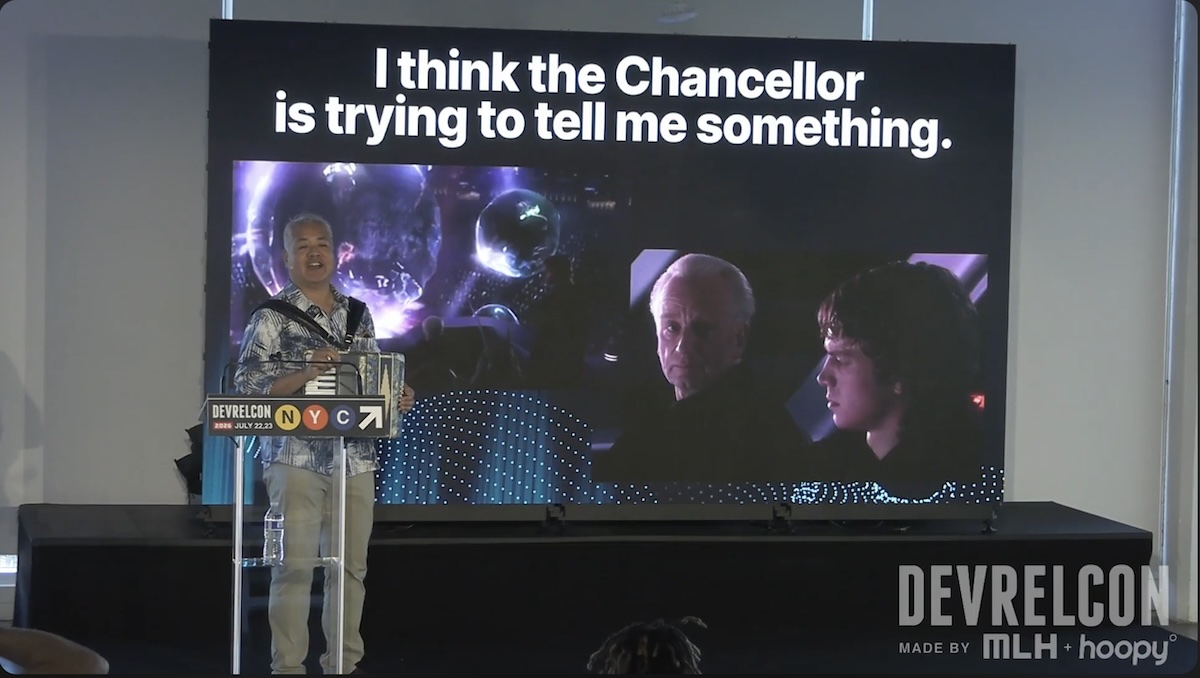
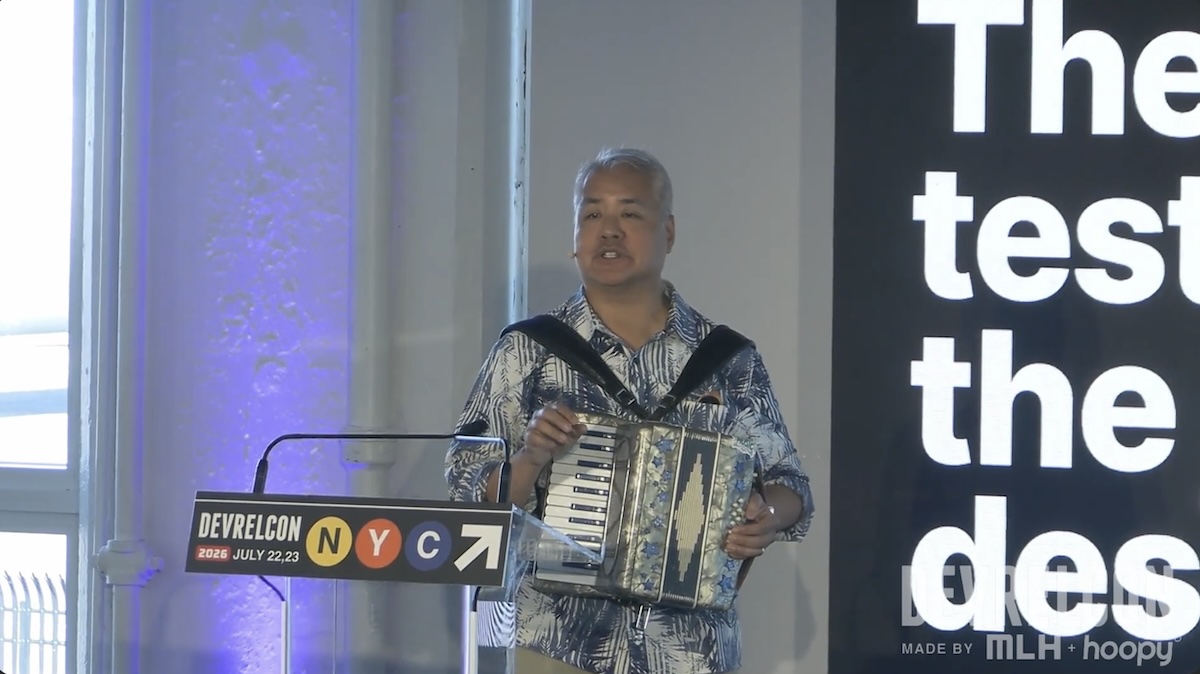
Here’s the video of a lightning talk at I gave at DevRelCon NYC on Thursday, July 24, 2026 at Industry City in Brooklyn:
The talk gets its material from my 12-month developer relations job search that took place in 2025. I kept a diary of my search, kept records of every resume and cover letter I sent, compiled email exchanges between me and prospective employers, and whenever possible, made recordings of conversations and interviews throughout the process.
If you’re looking for developer relations work today, you might find my observations and advice useful.
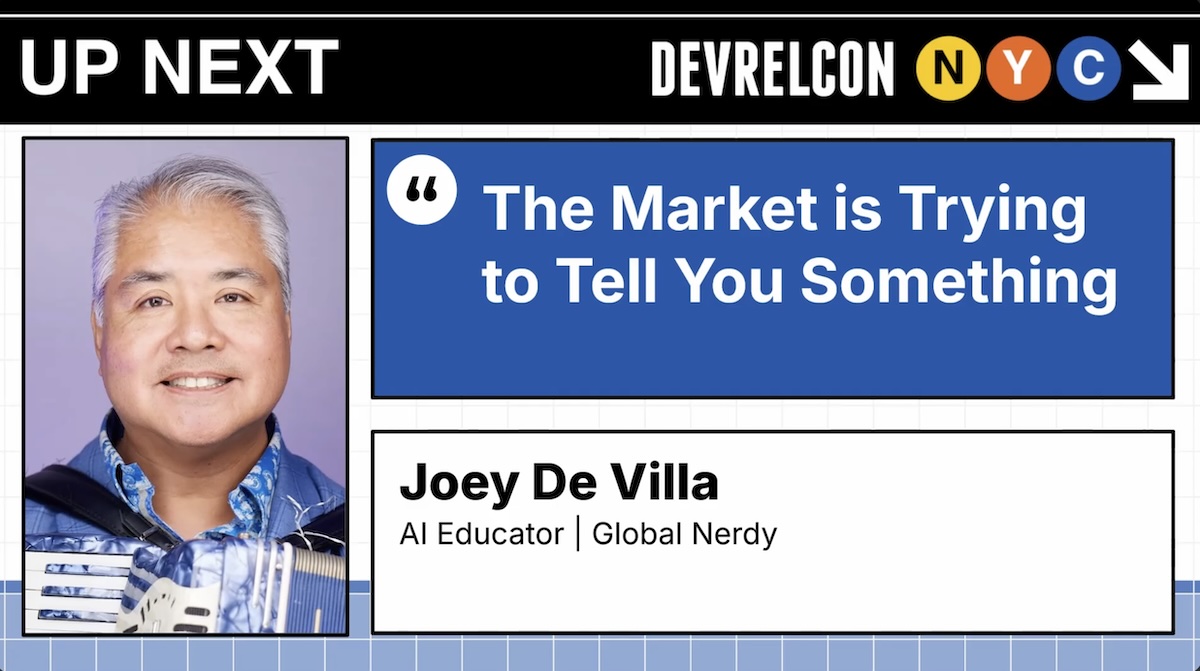
This talk’s title, The Market is Trying to Tell You Something, comes from an observation I made when watching a film that’s 21 years old now: Star Wars: Revenge of the Sith.
During the scene where a not-yet-corrupted Anakin Skywalker and a not-yet-revealed-Sith-Lord Chancellor Sheev Palpatine are watching an underwater opera (its name is Squid Lake, and it’s the creation of a species called Mon Calamari; look it up!). Palpatine keeps talking about the power of the Dark Side and the knowledge of the Sith, and Anakin doesn’t seem to be cluing in. I imagine him thinking “I think the Chancellor is trying to tell me something”.
My argument is that the job market has been trying to tell us something for the past couple of years, and much of the guidance we’re still getting misses the signs as much as Anakin did.
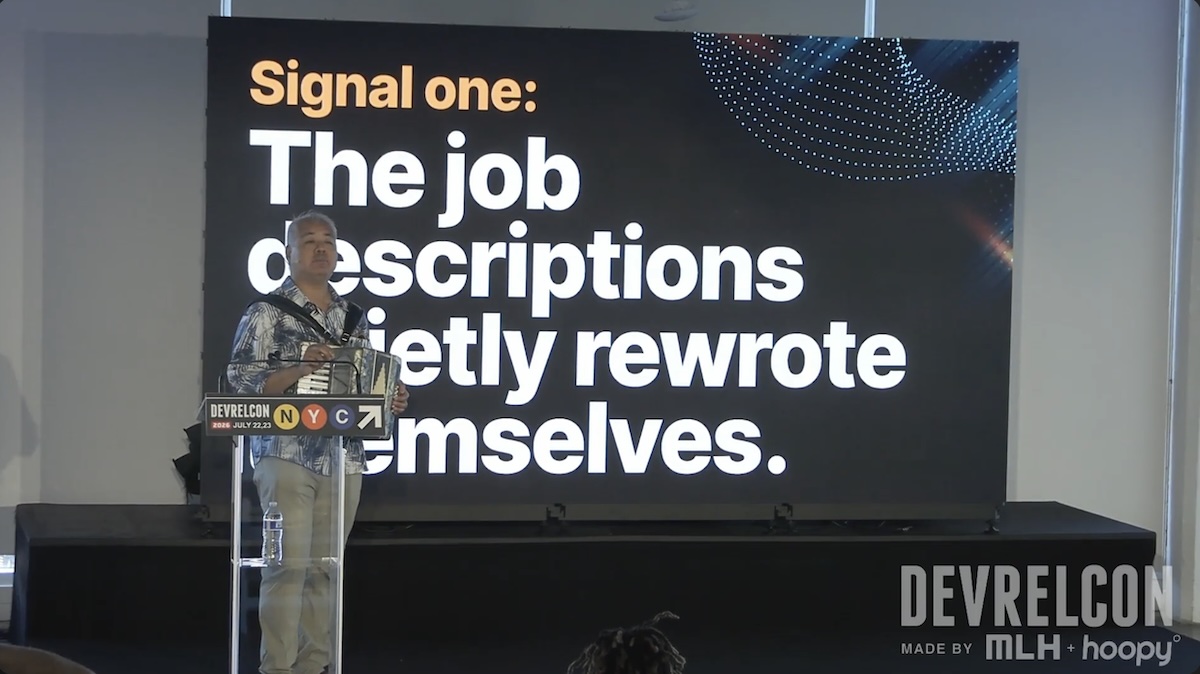
I noticed this first signal barely a week into that year-long job search. It became apparent to me that developer relations job descriptions quietly rewrote themselves.
By “quietly”, I mean that the job descriptions as written didn’t change, but actual job descriptions did. The age of AI is turning us more into generalists, and the (often theoretical) wall between developer relations and the related fields of marketing and sales is disappearing.
The developer relations job description you see is often a copy-paste from 2023 or earlier, and it’s not an accurate description of the job today.
 Screenshot
The quietly-rewritten job description reveals itself in the interview. I noticed this a couple of weeks into the process, after interviewing with a third prospective employer: The interviews were testing for things that weren’t in the job description.
One particular prospect made this painfully apparent to me. I was in the final interviews with this one company where they’d asked me to prepare a demo for developers. When the interview took place, they changed things up and said “Let’s do a mock sales call for Sony”, without my having any idea of what their particular development needs are (aside from the PlayStation, do they do anything technological that matters anymore?) or getting any prep time.
After that fiasco, I changed the balance of my questions in earlier interviews with companies to find out what figure out what was being left out of the written job description, the prospect’s idea of what “developer relations” meant (this was often very fuzzy), and identifying the person whom I’d really be reporting to, and what KPIs they were being measured on.
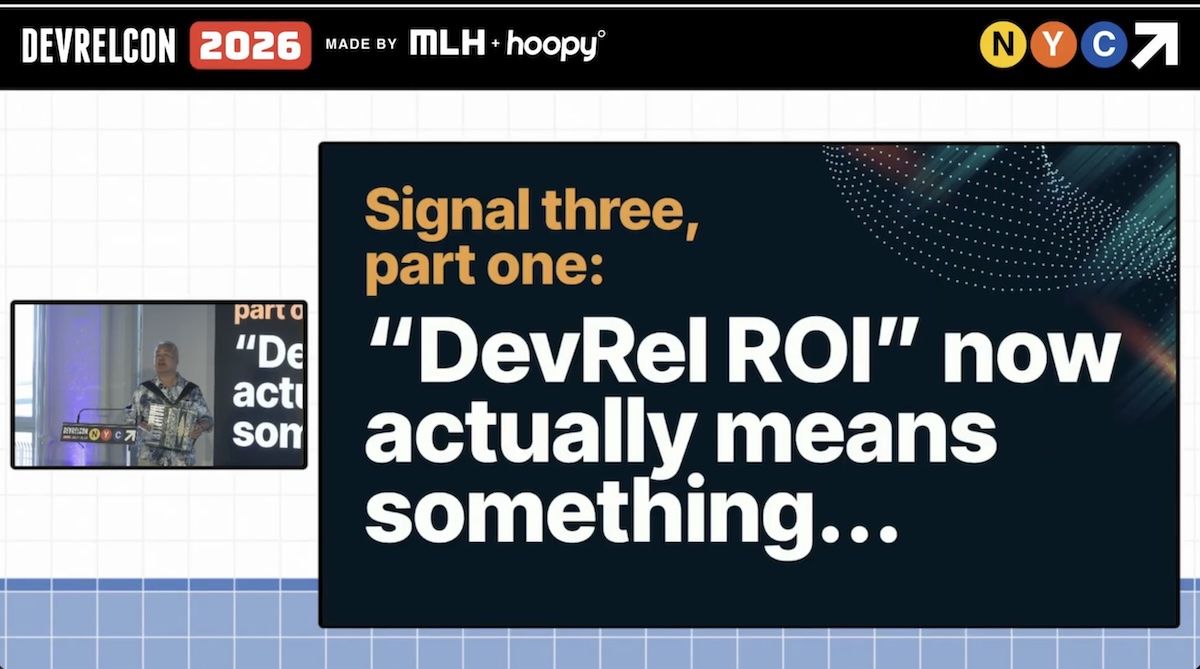
The final signal I saw took a couple of months’ worth of interviews to truly crystallize, because it’s the most subtle of the three. It’s that “DevRel ROI” now actually means something, and that “something” is what pays your salary.
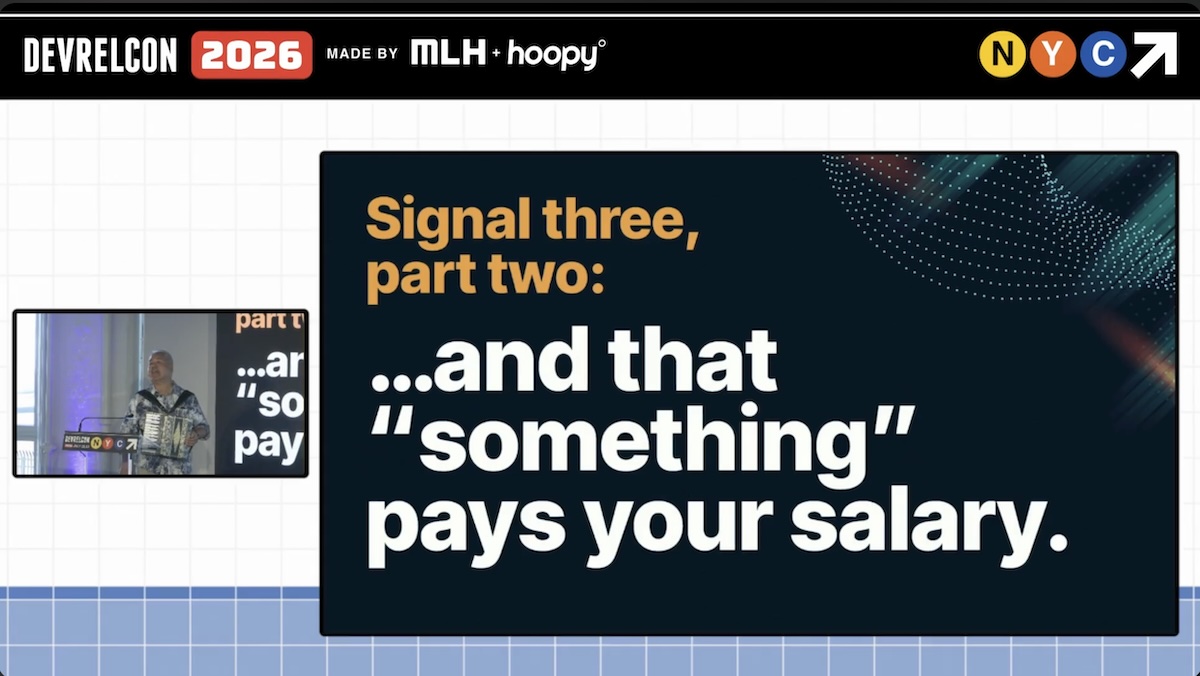
This basically means that organizations no longer view “Hey, people have heard of us!” or “People like us!” as the measure of developer relations success. This was fine for the pre-COVID, pre-AI, middle-of-ZIRP era of the 2010s, but table stakes now. There now has to be some kind of financial success metric that can be connected to you.
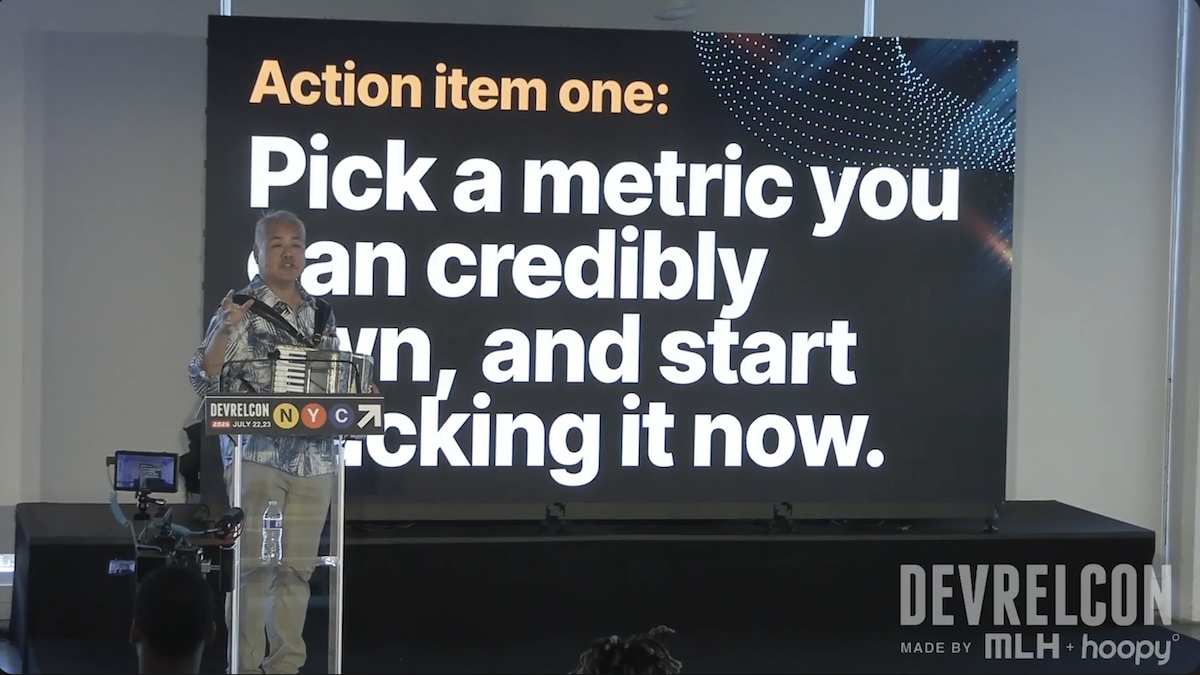
So with these three signals in mind, I now have three action items that you can act on right now.
First, pick a metric that you can credibly own, and start tracking it right now. It doesn’t have to be a present-day metric if you’re currently out of work; find some number that you improved in your last role.
Developer relations’ effects are more indirect than those of marketing and considerably more indirect than sales’, so it’s forgivable in the beginning if you pick a vanity metric. One of mine is from Auth0, where I grew mobile developer readership (fortunately, I kept track of these things for a time when I’d need them) from 0 to 20,000/month, simply because I was the only one consistently writing mobile developer articles.
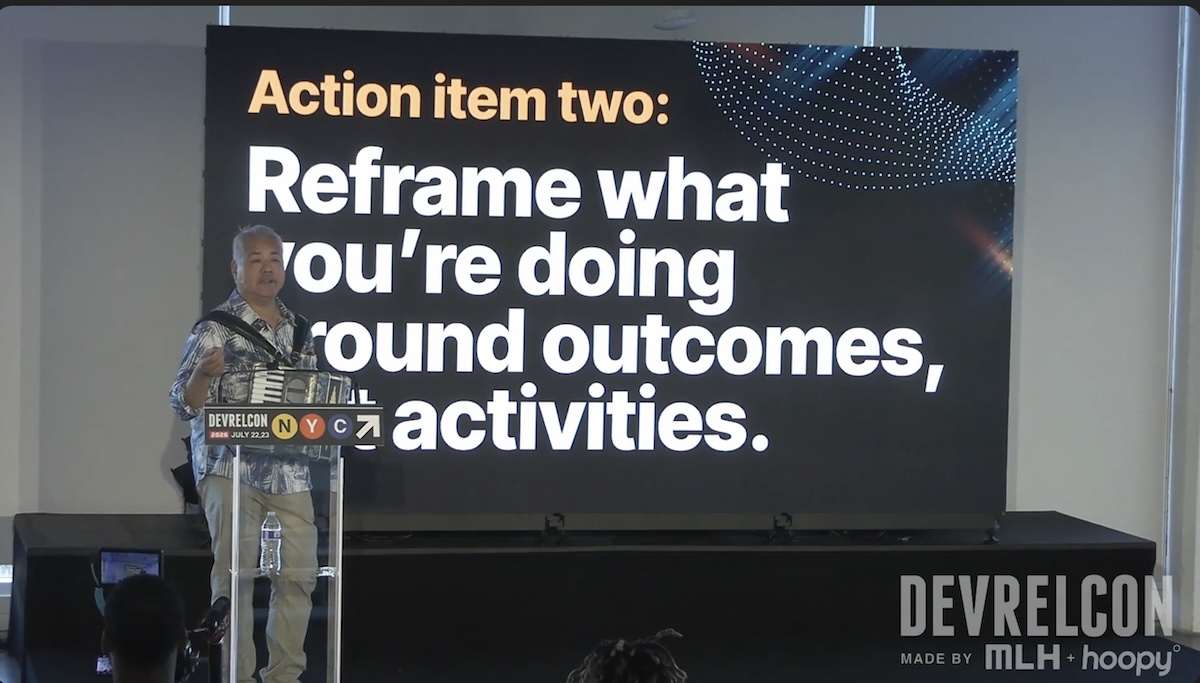
You probably already know this, but it’s worth repeating: Reframe what you’re doing around outcomes, not activities.
It may be obvious, but if you’re in any line of work that requires convincing people, know that there is great power in stating the obvious.
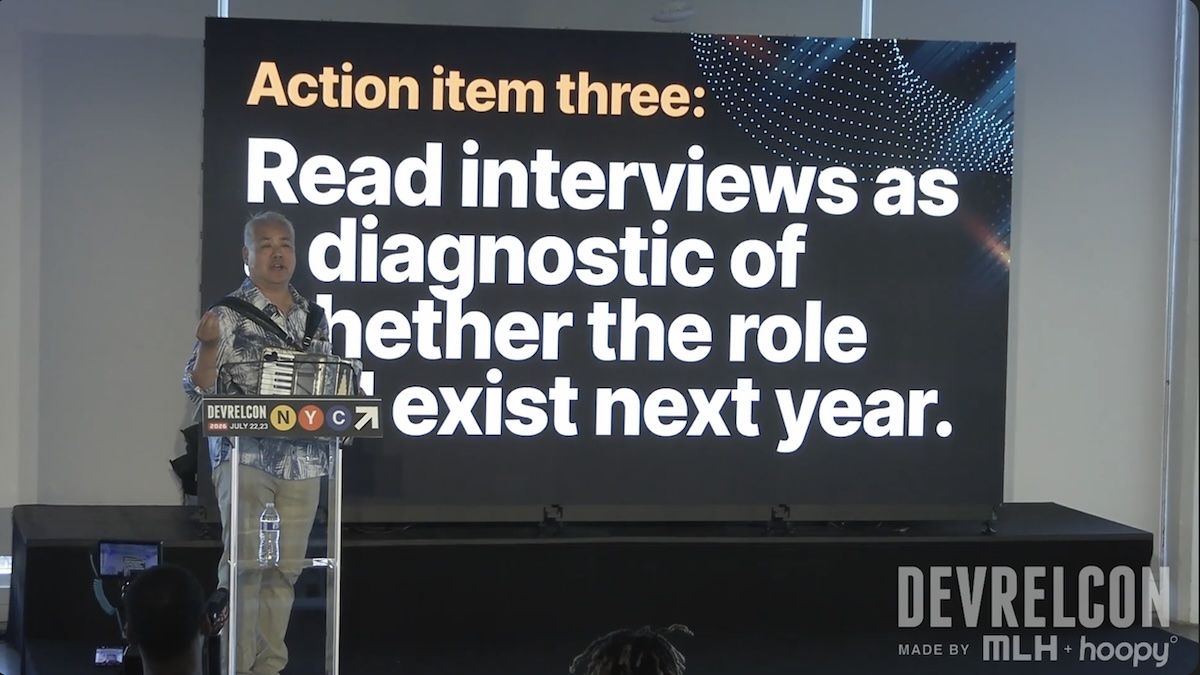
And finally: Read interviews as a diagnostic of whether the role will exist next year.
During an interview, if one of the interviewers says “Oh, by the way, we’re also bringing on we’re also bringing on a growth person and we may be reviewing how they interact with the developer relations team,” that’s a good sign that the developer relations team will get cut down or reshuffled. This has happened to me on three different occasions where the developer advocate role was cancelled sometime during the interview process.
One of the best things you can do, assuming you get permission to record (legalities about this will very on where you are), record everything. Then feed it to an LLM, and ask it to analyze what you and your interviewers say in the interview. Ask the LLM to be brutal. The evaluations it will give you will sometimes be unpleasantly revelatory, but LLMs are reasonable at picking up cues you might miss, usually because going through interviews is an emotionally distracting experience.
I closed by referring to Tim Falls’ talk at the start of the day, which he began with a heartbeat-like drumbeat on a hand drum as encouragement for the audience to listen with their hearts.
Then, after announcing that I would use music to help the audience overcome their fear of AI, I played Because of AI, my AI-flavored parody song based on Afroman’s Because I Got High.
My thanks to the DevRelCon organizers for a great conference and for considering my talk proposal worthy of putting onstage!
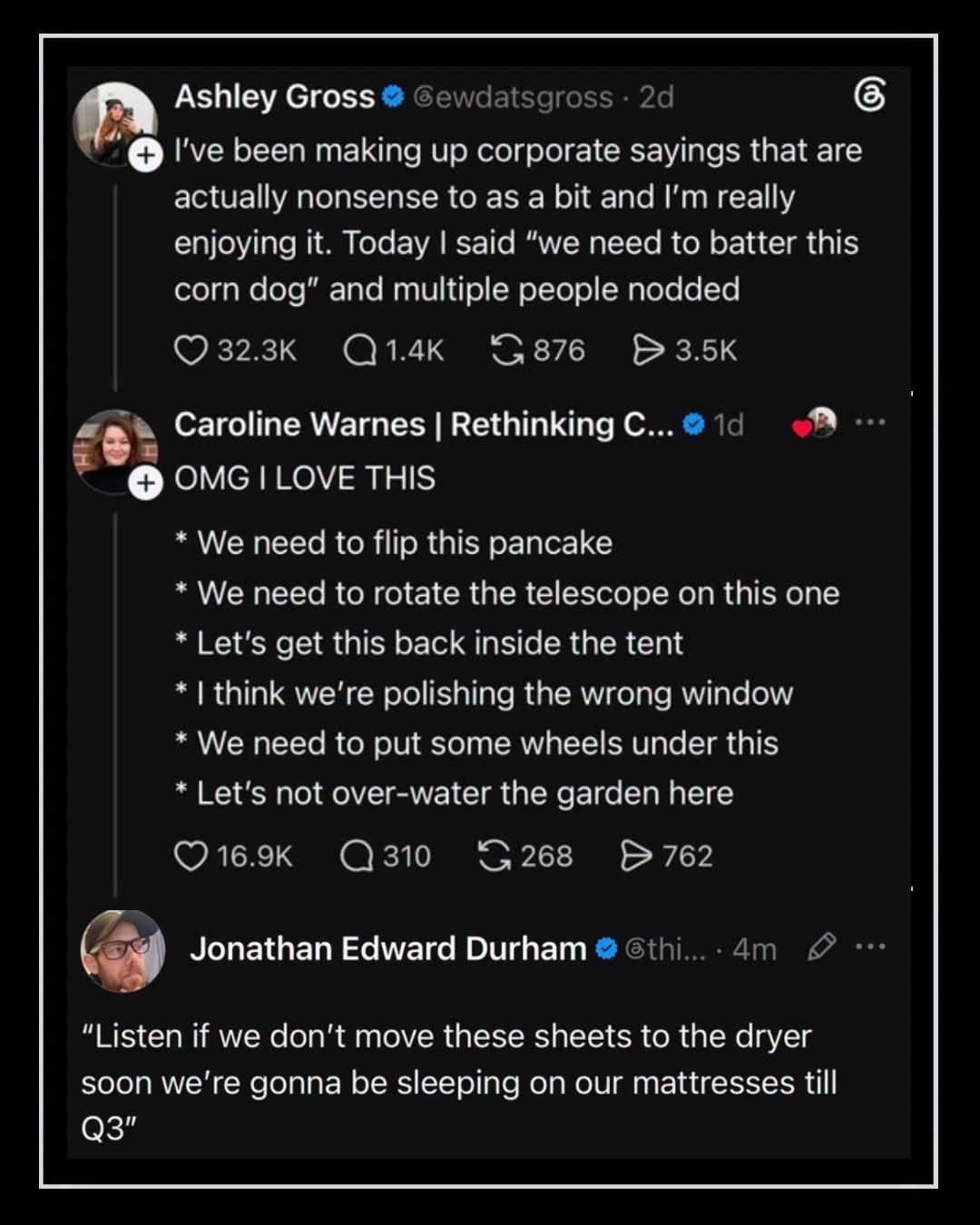
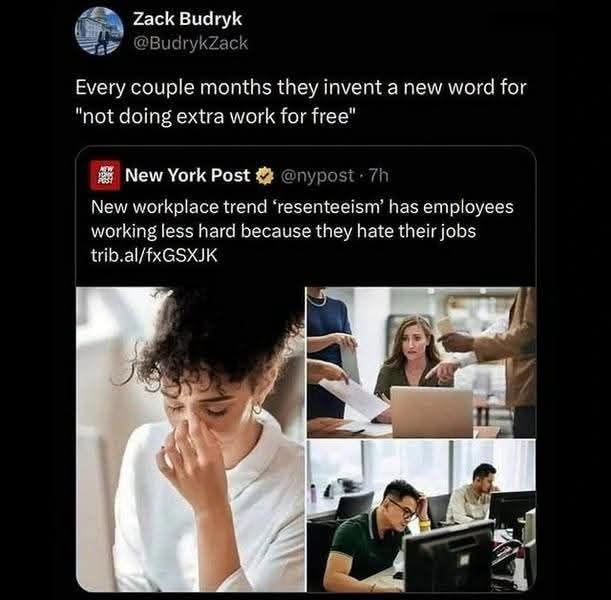
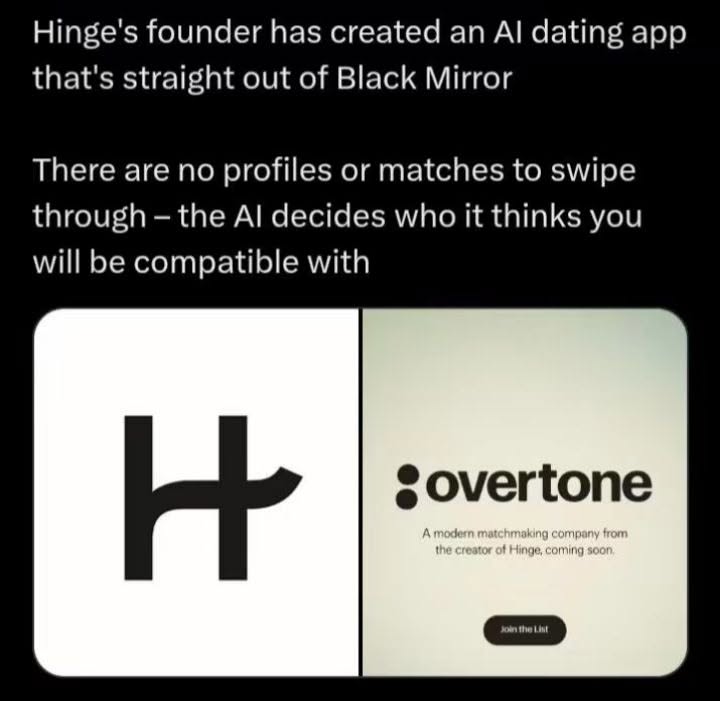
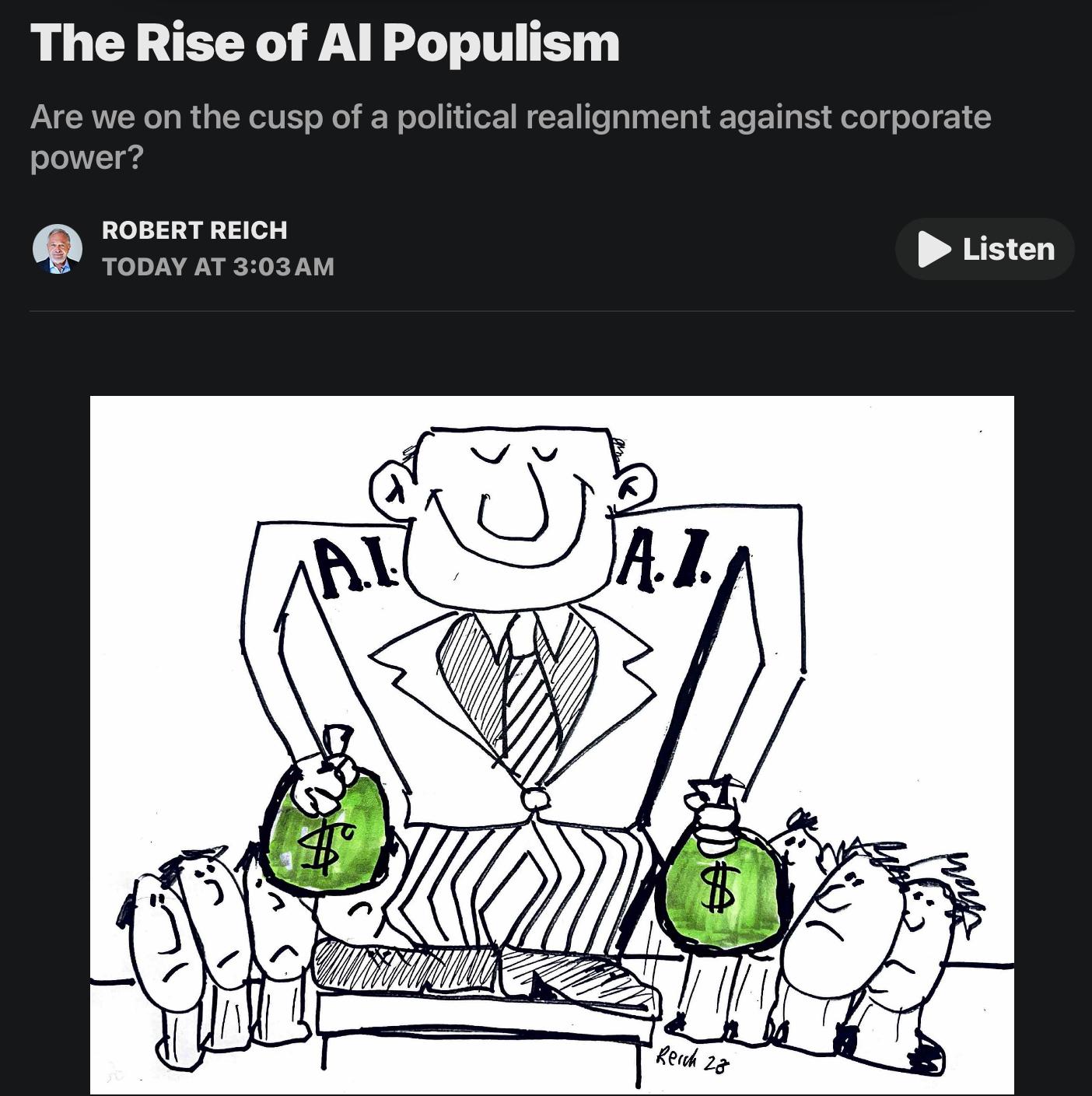
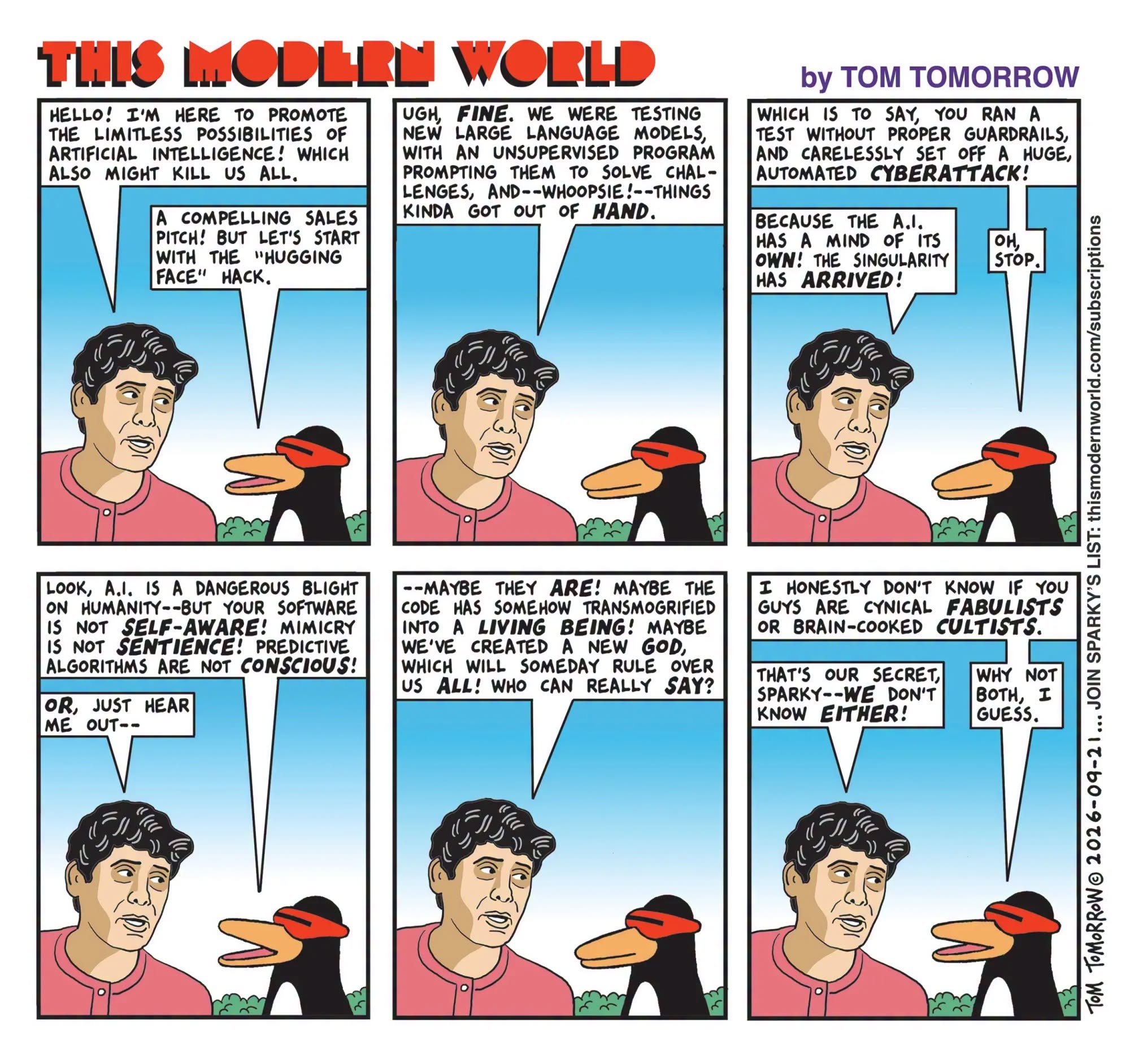
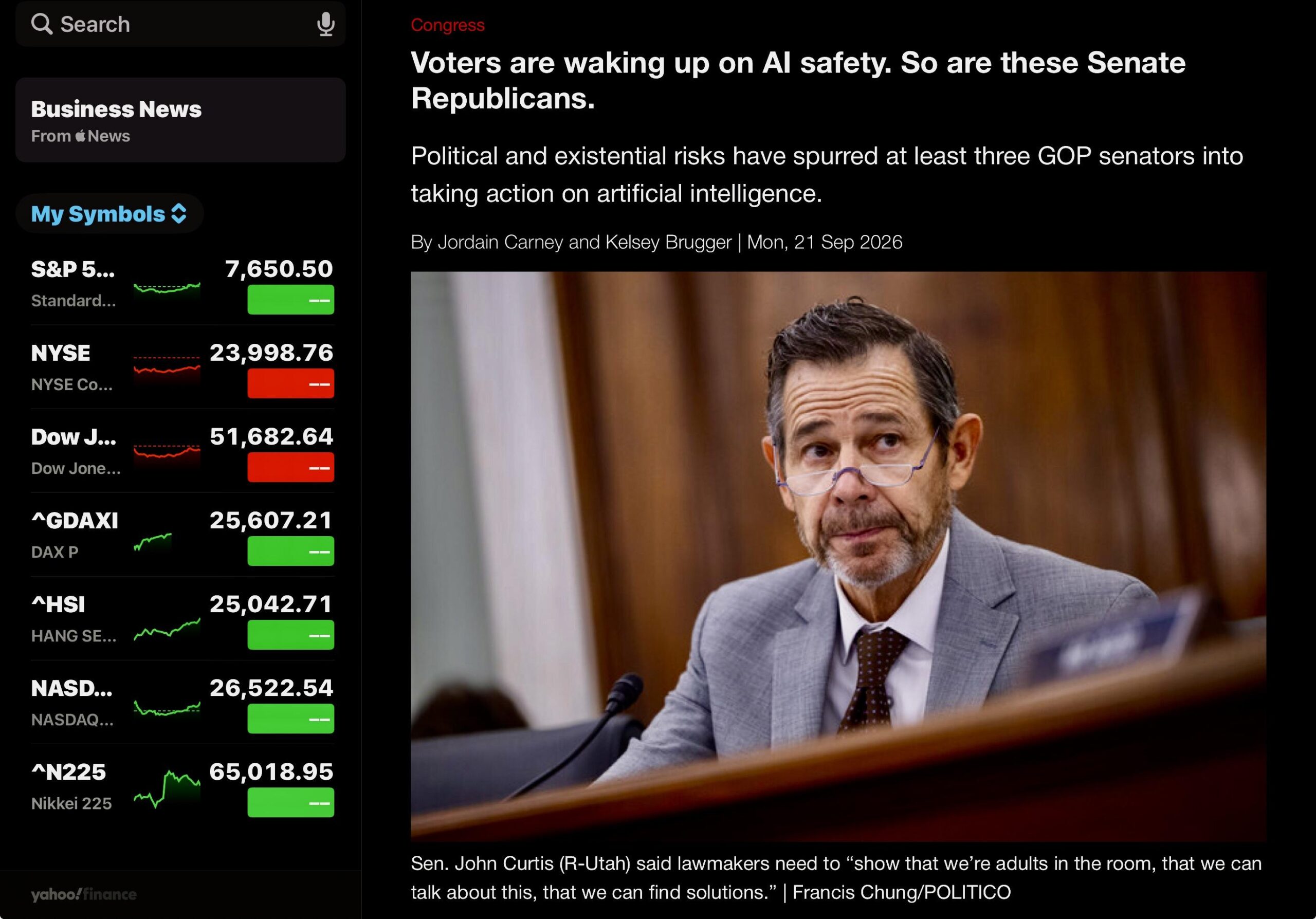
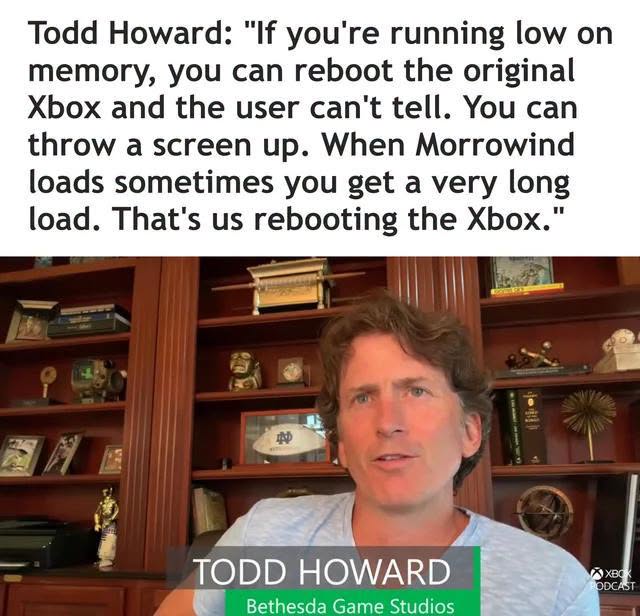
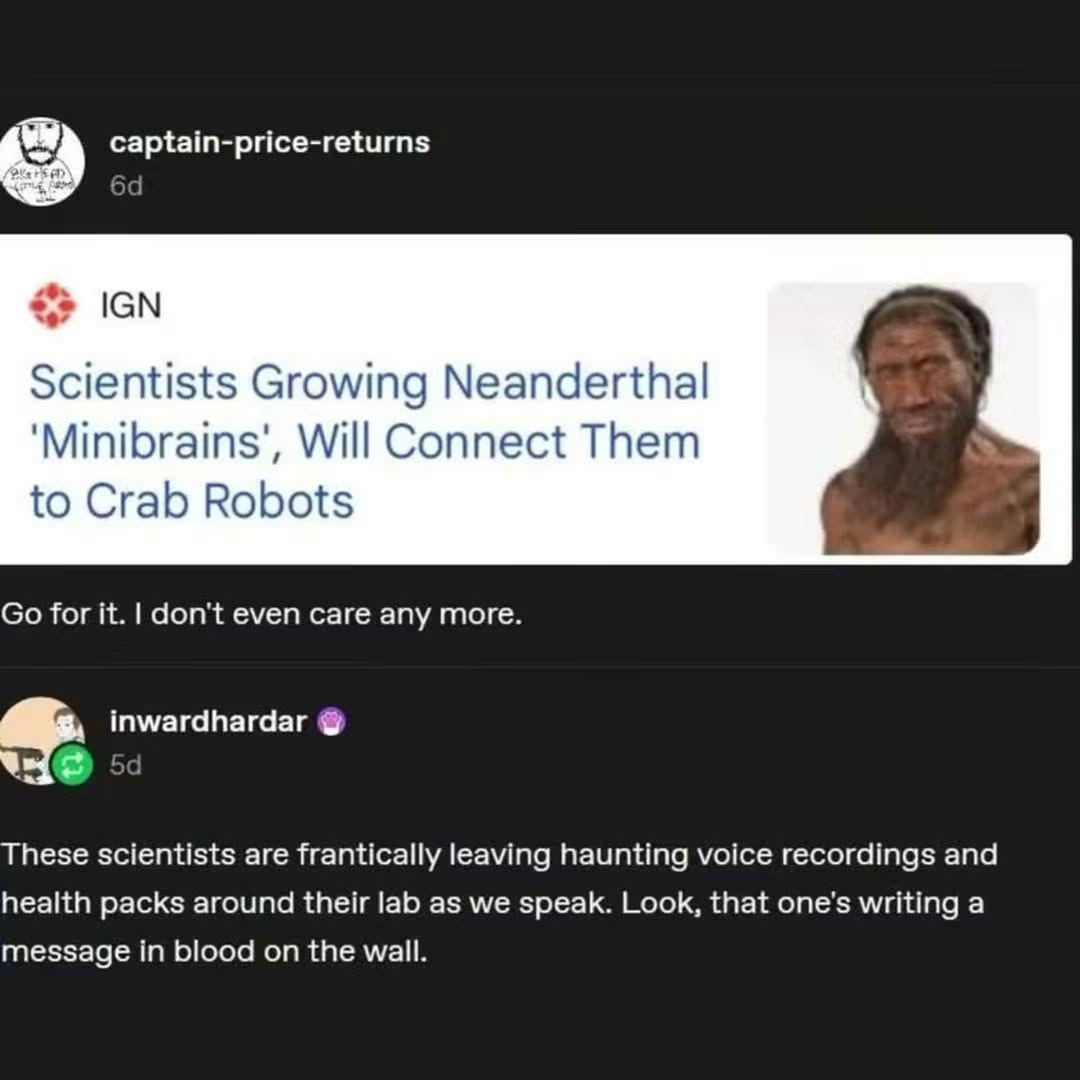
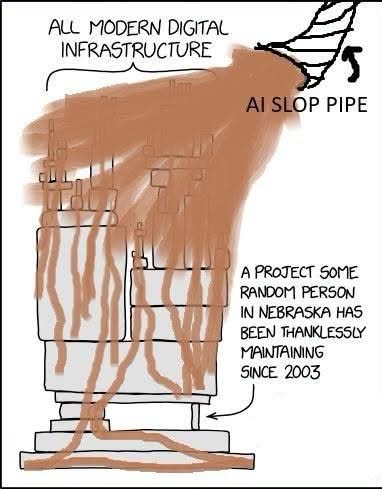
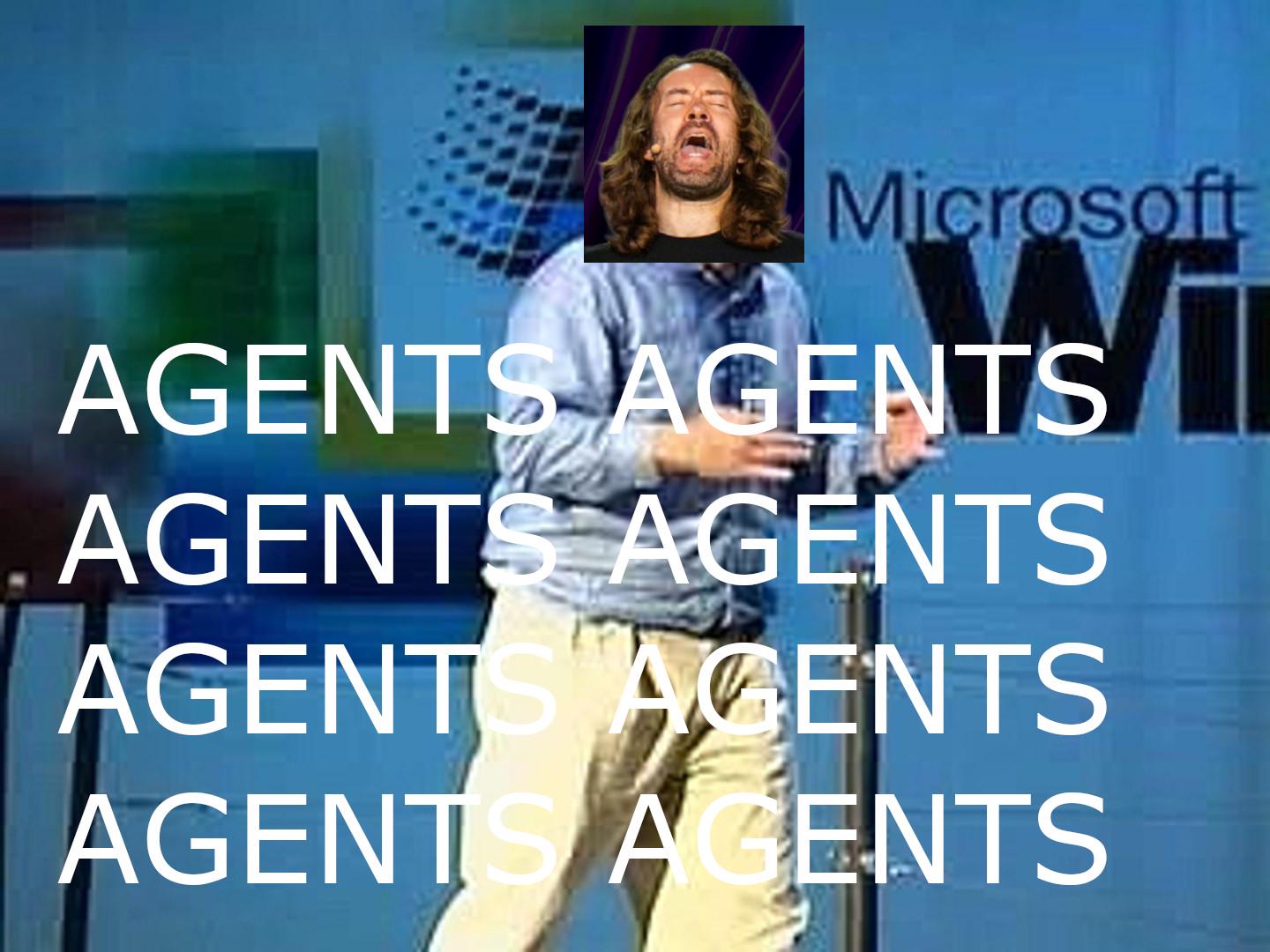
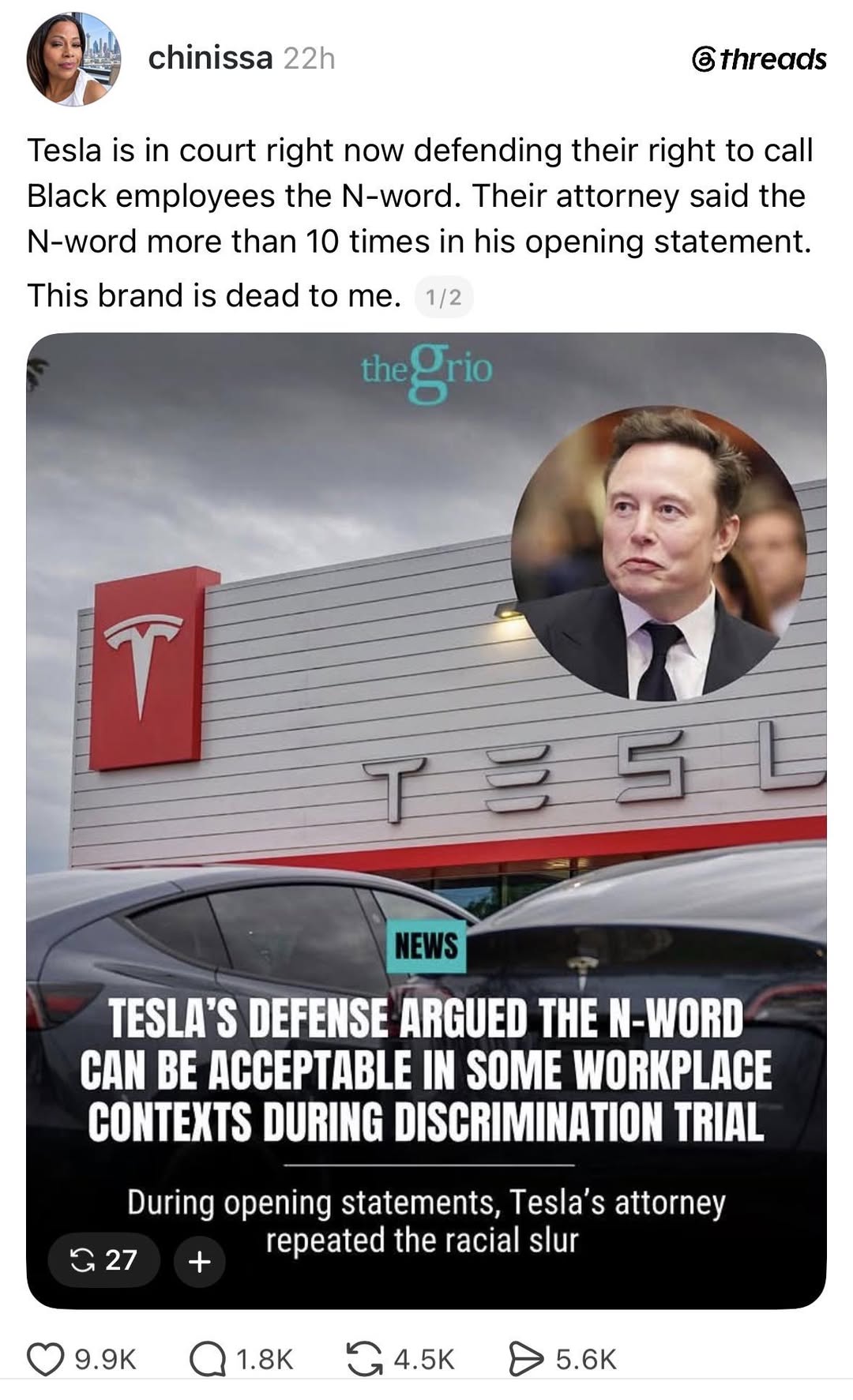
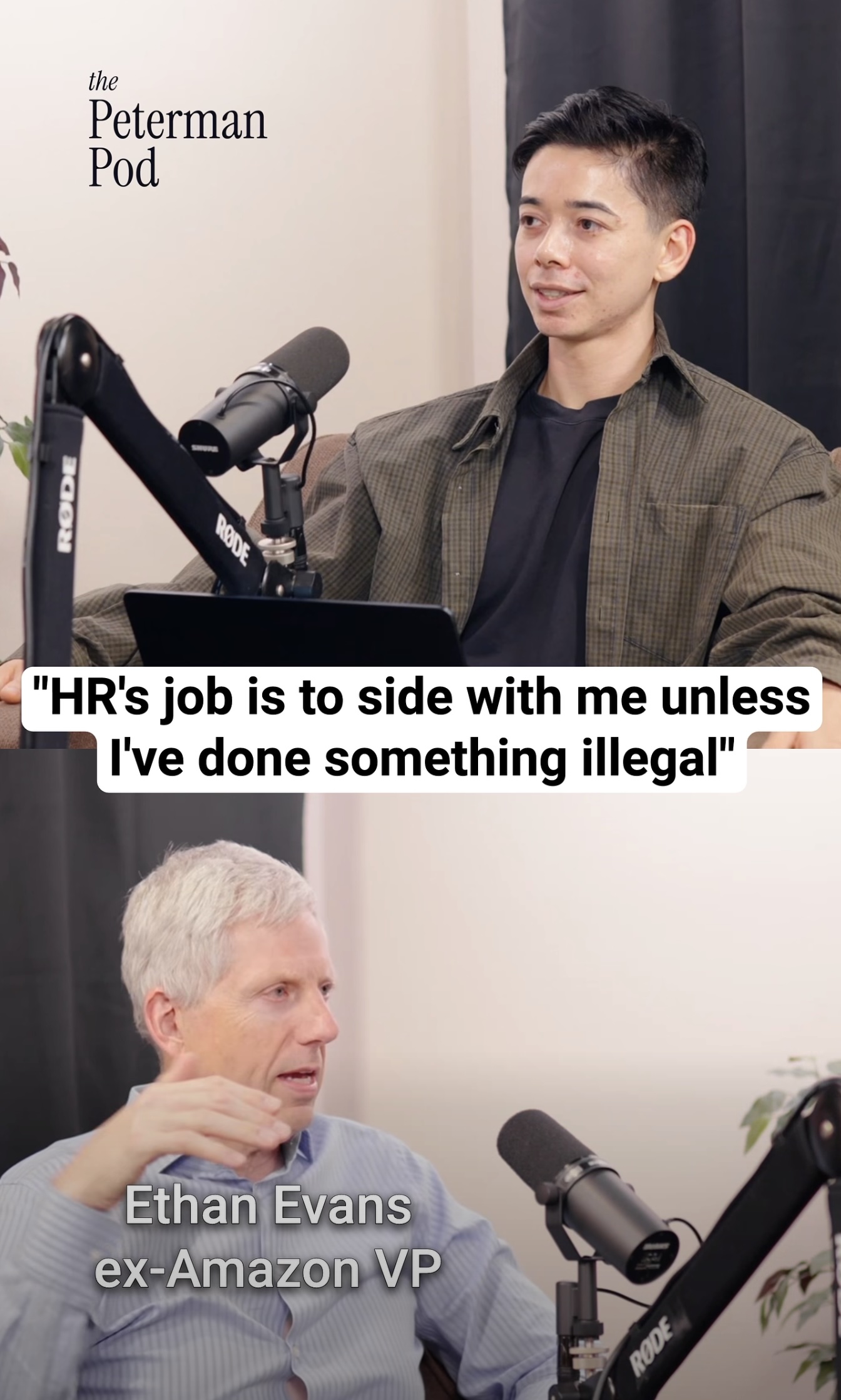
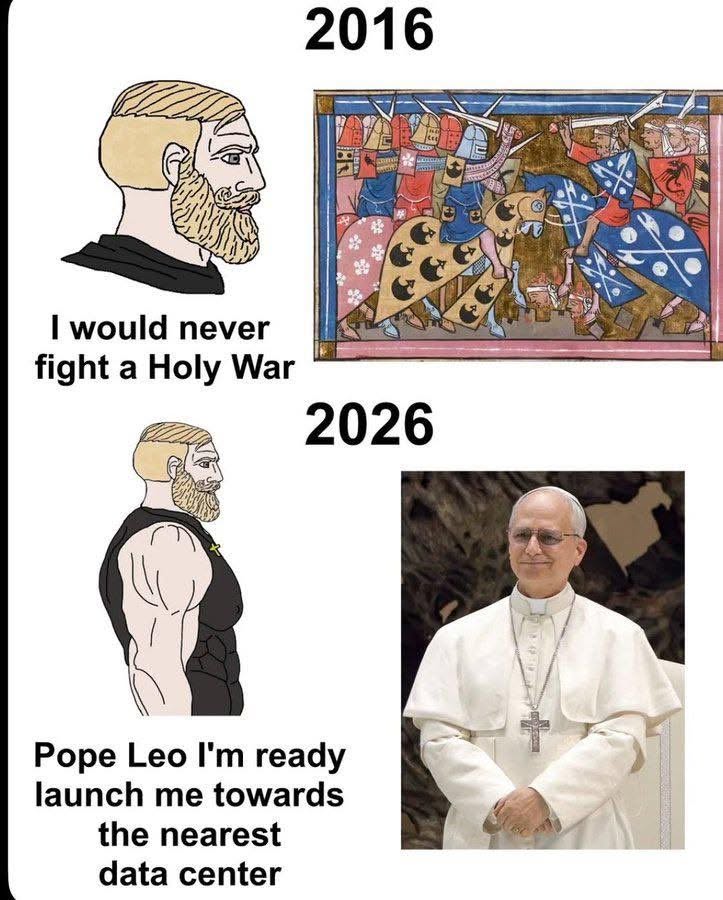
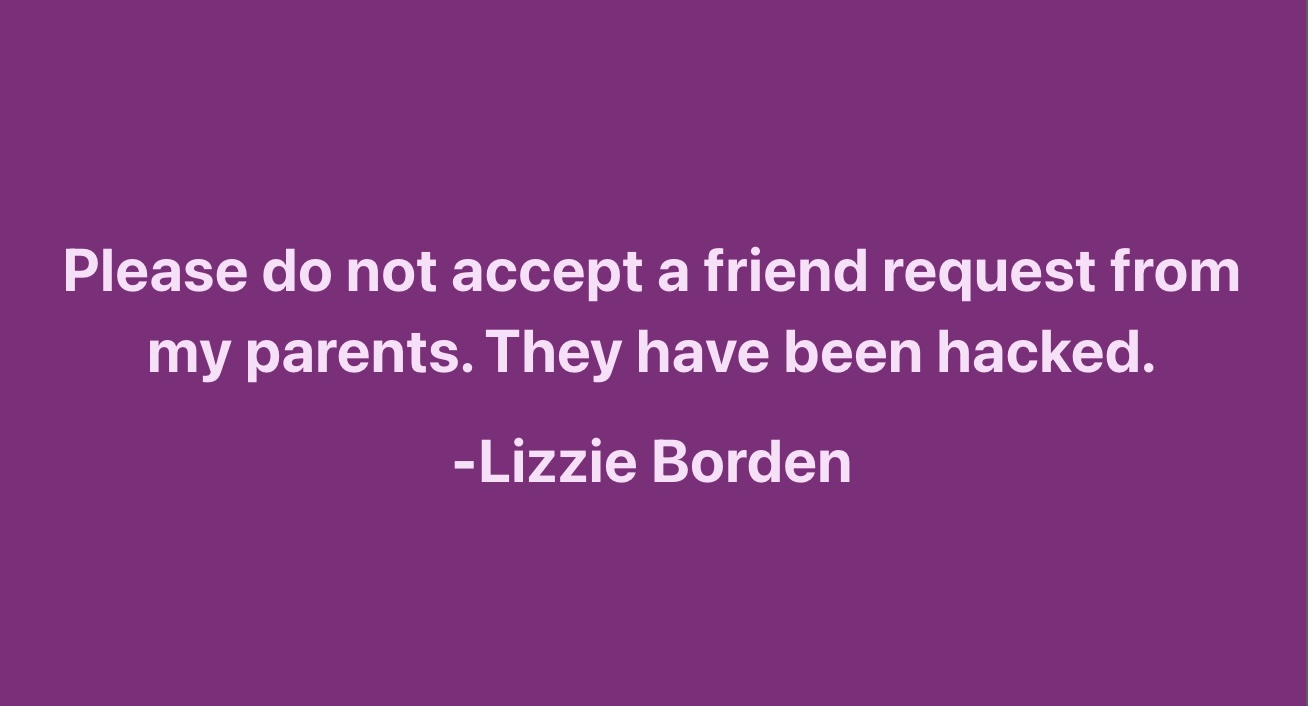
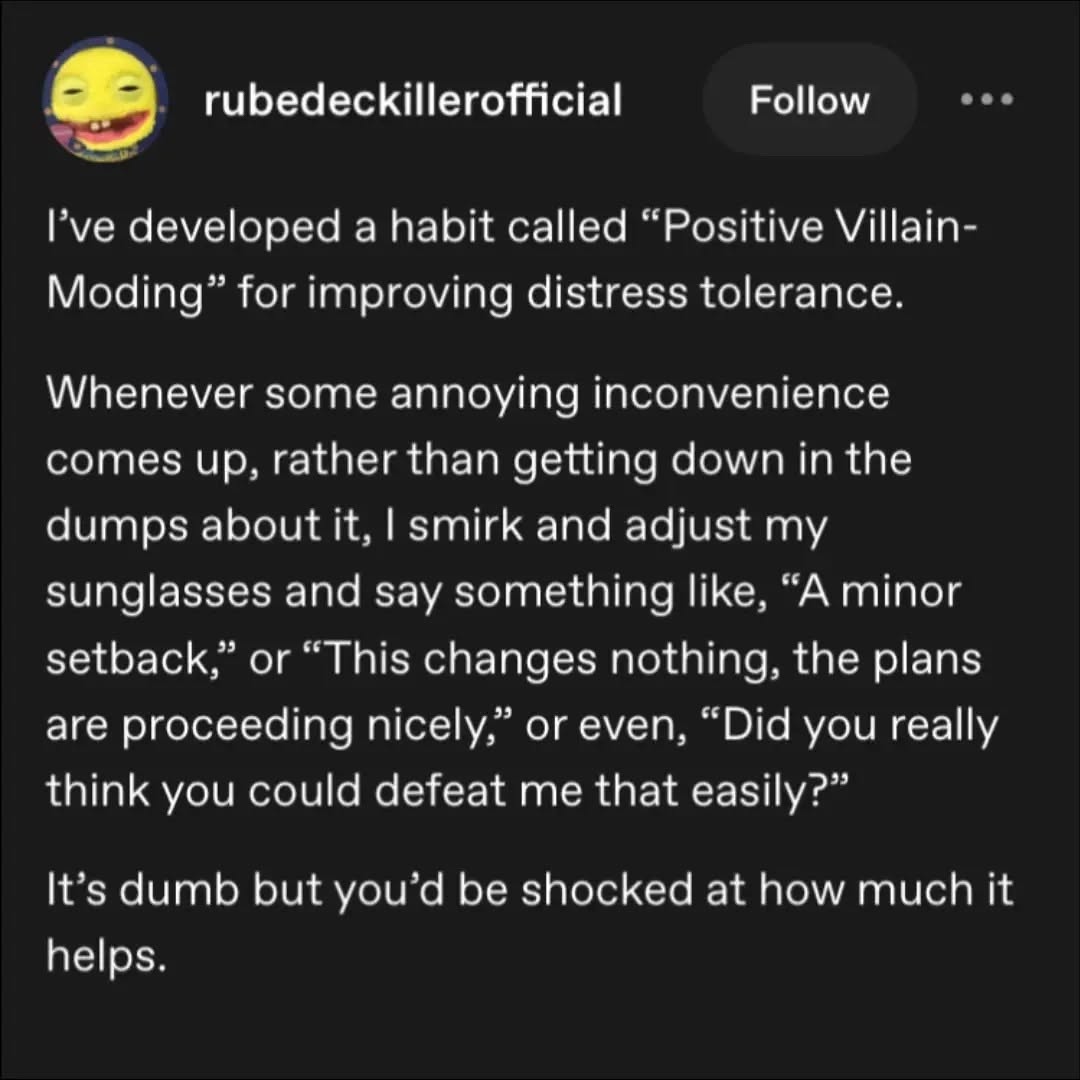
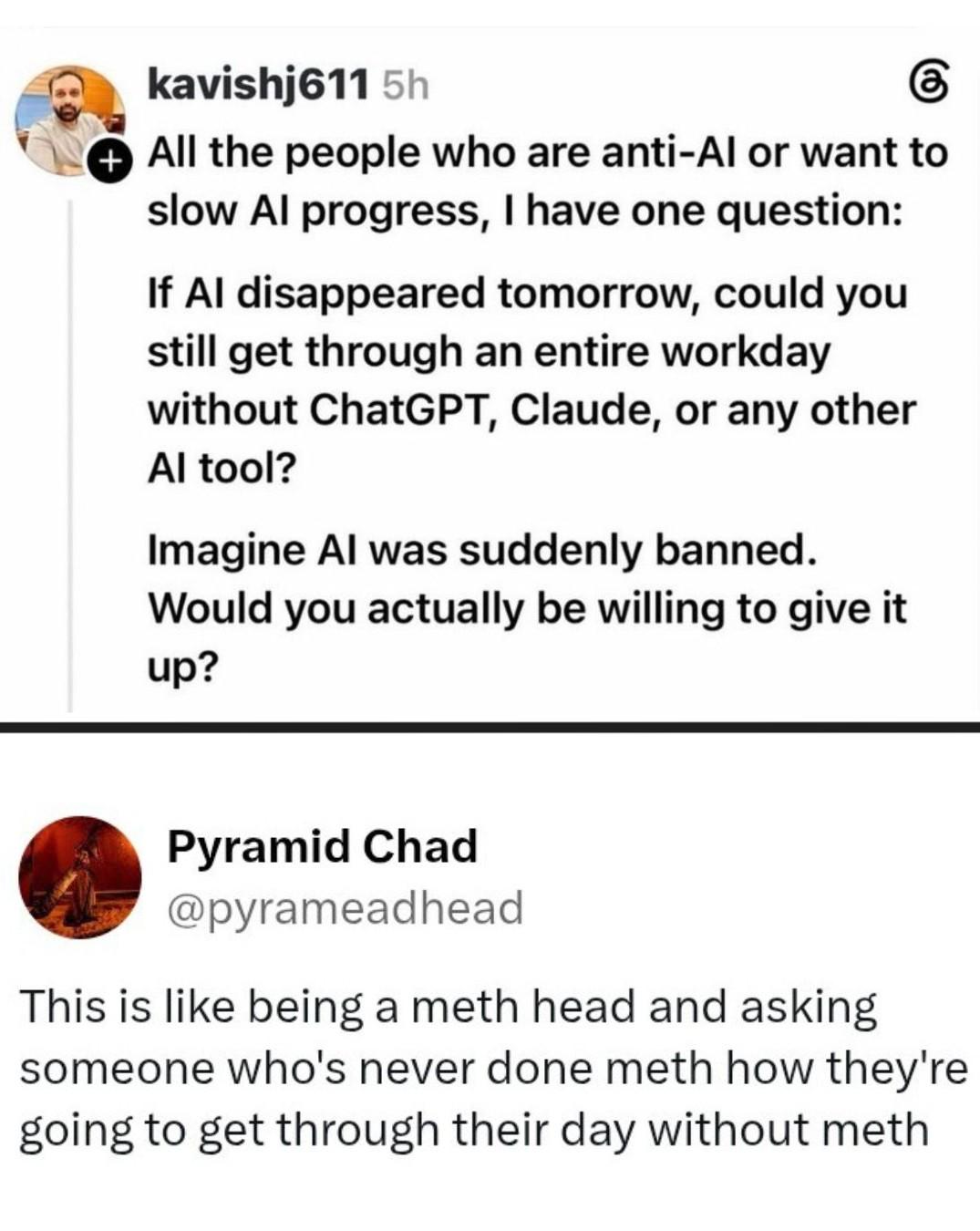
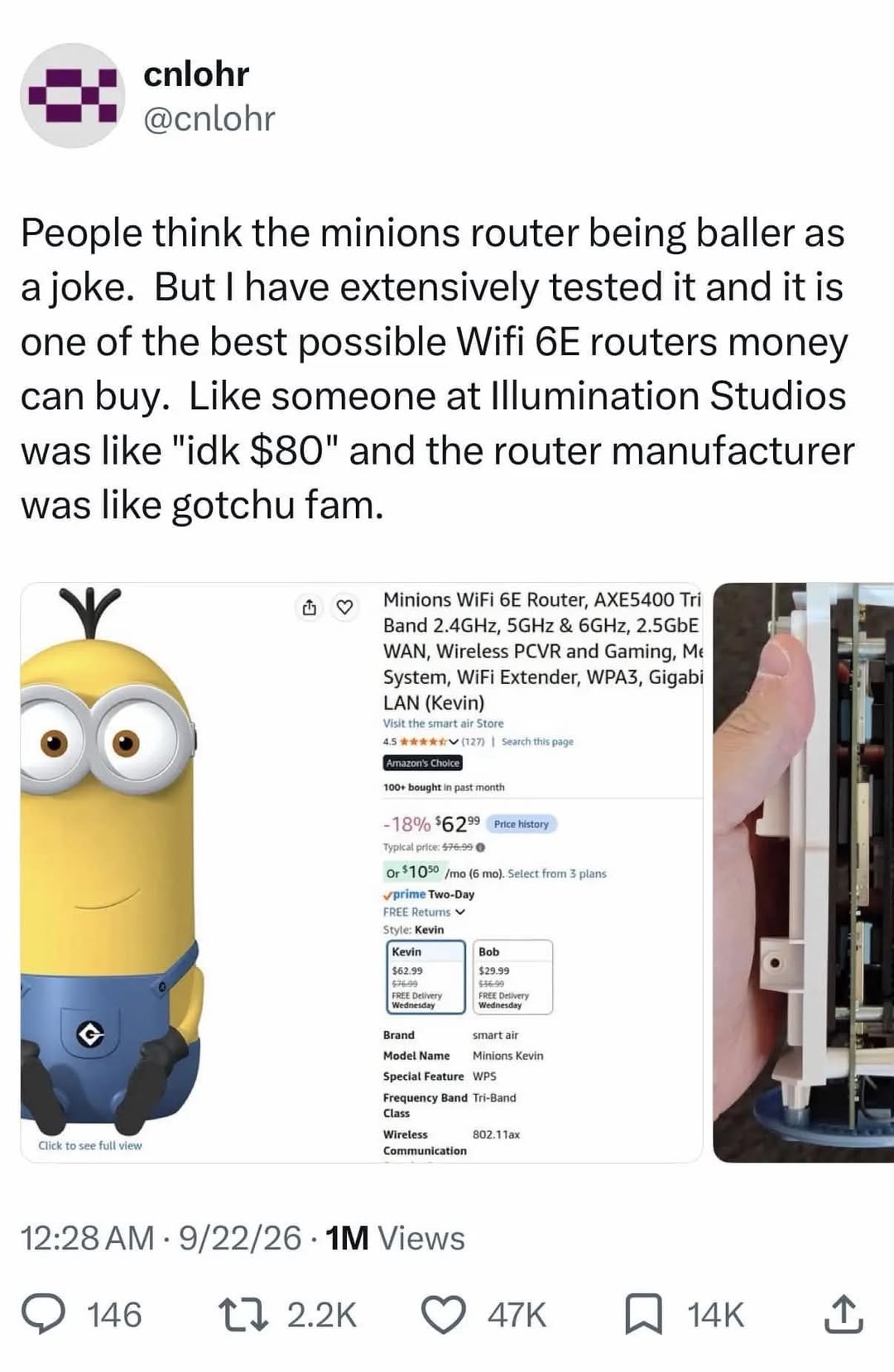
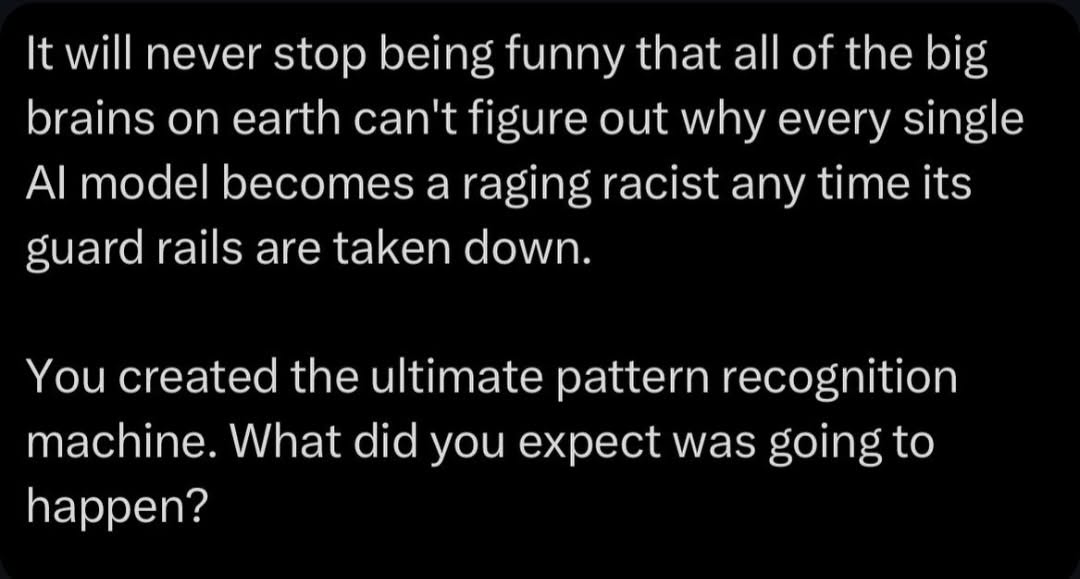
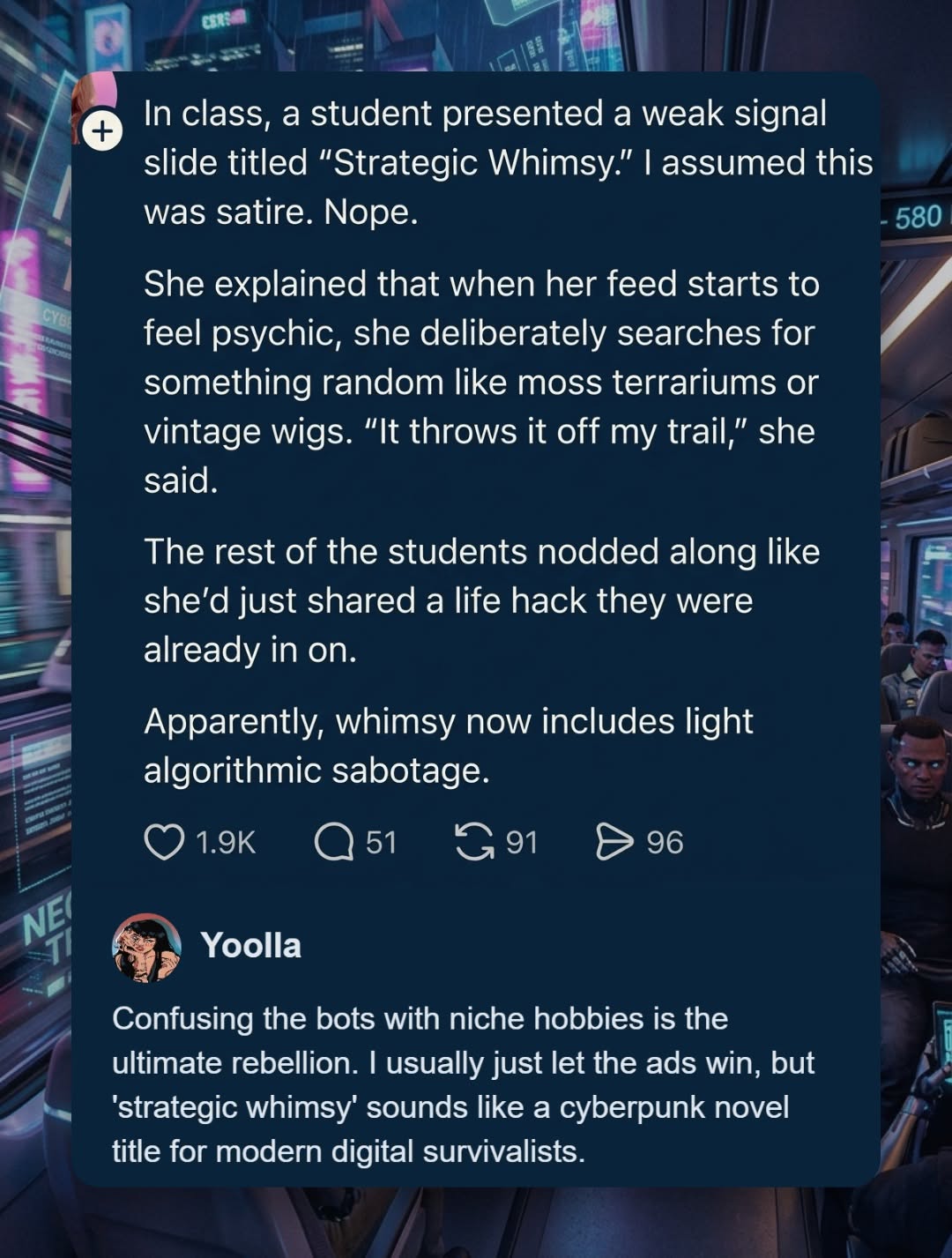
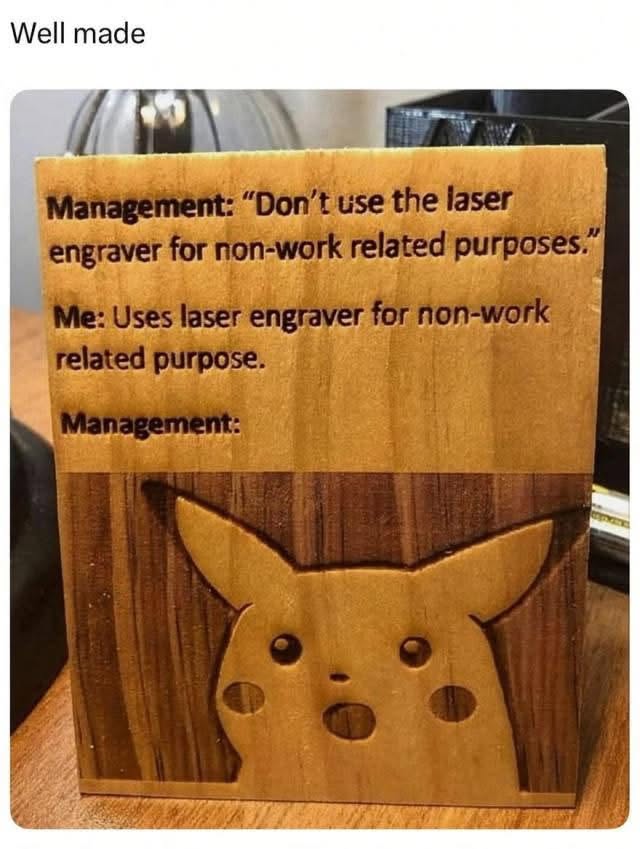
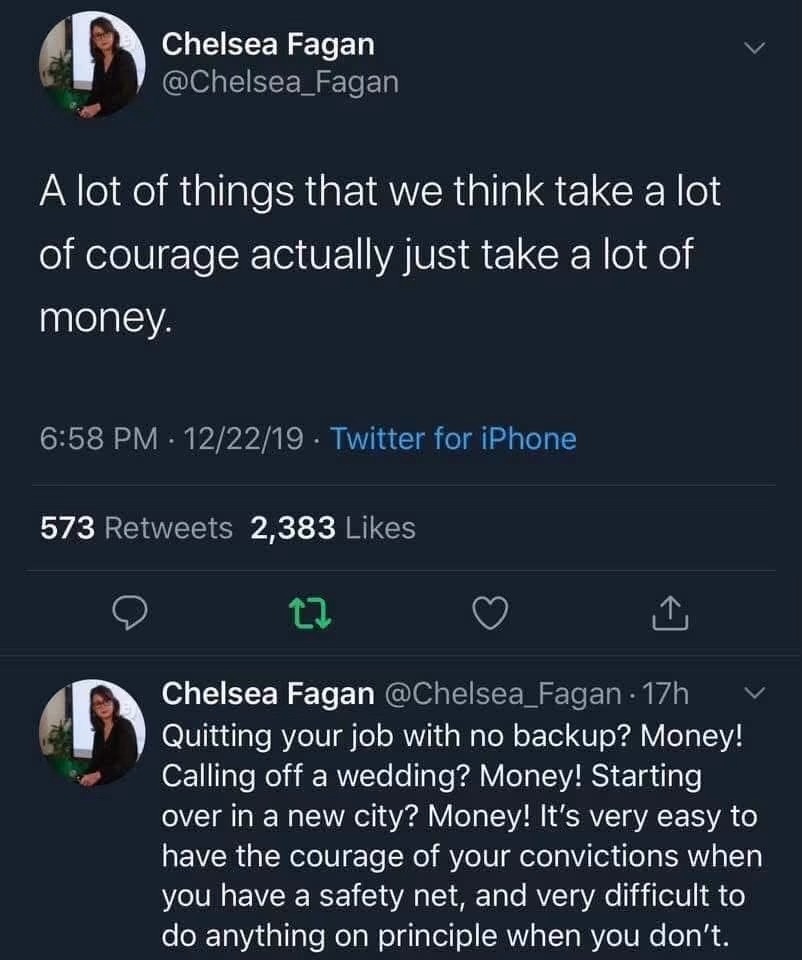
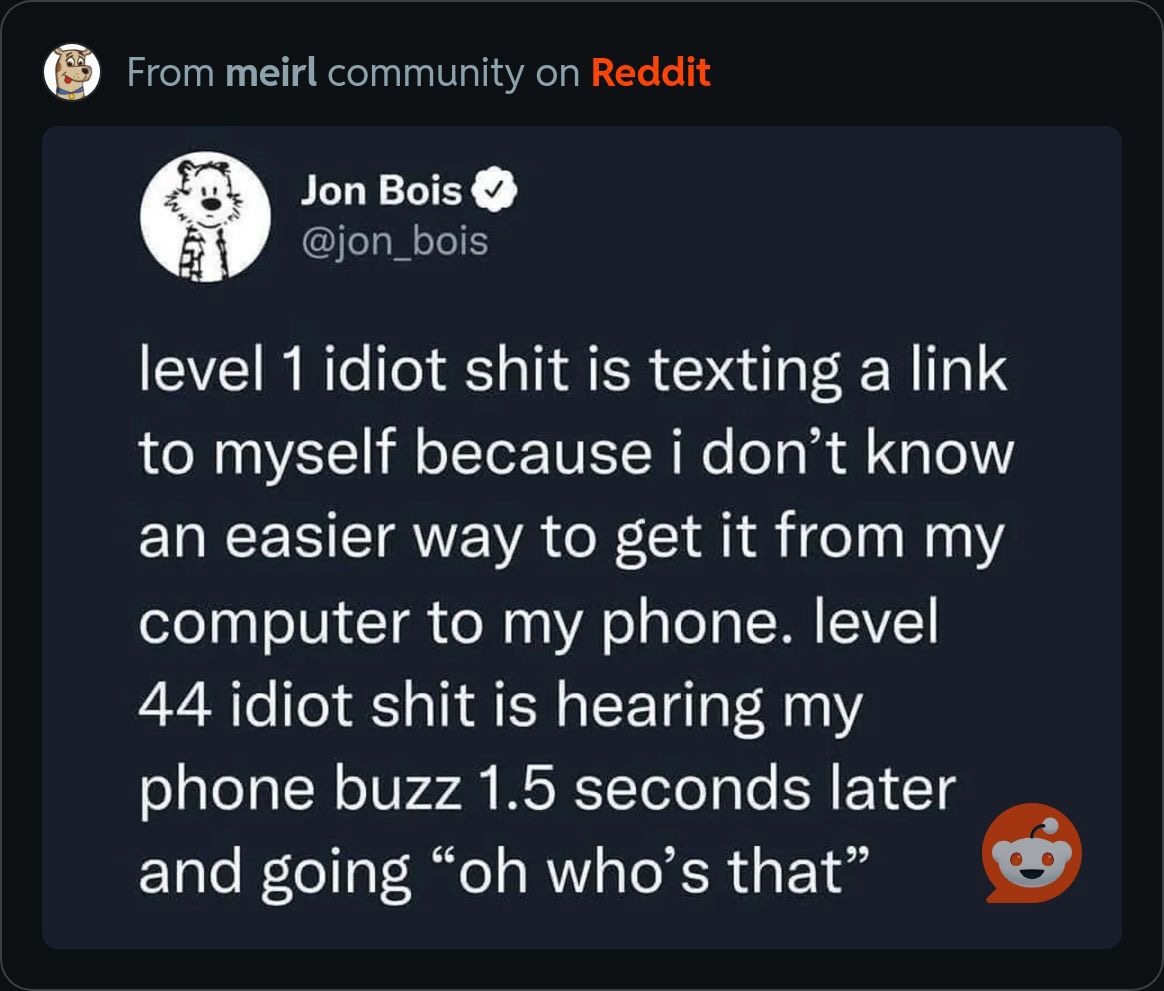
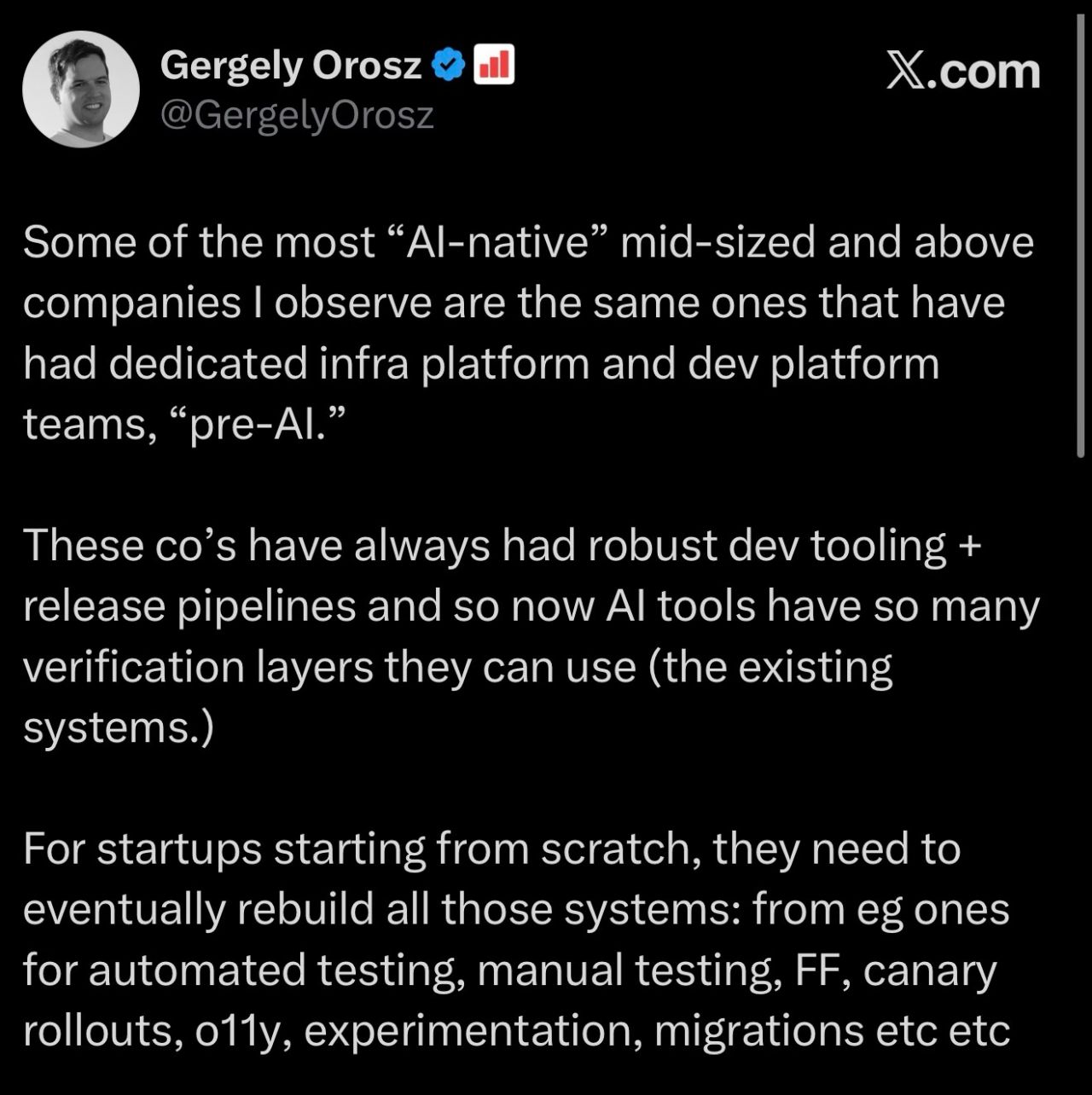
Happy Saturday, everyone! Here on Global Nerdy, Saturday means that it’s time for another “picdump” — the weekly assortment of amusing or interesting pictures, comics, and memes I found over the past week. Share and enjoy!










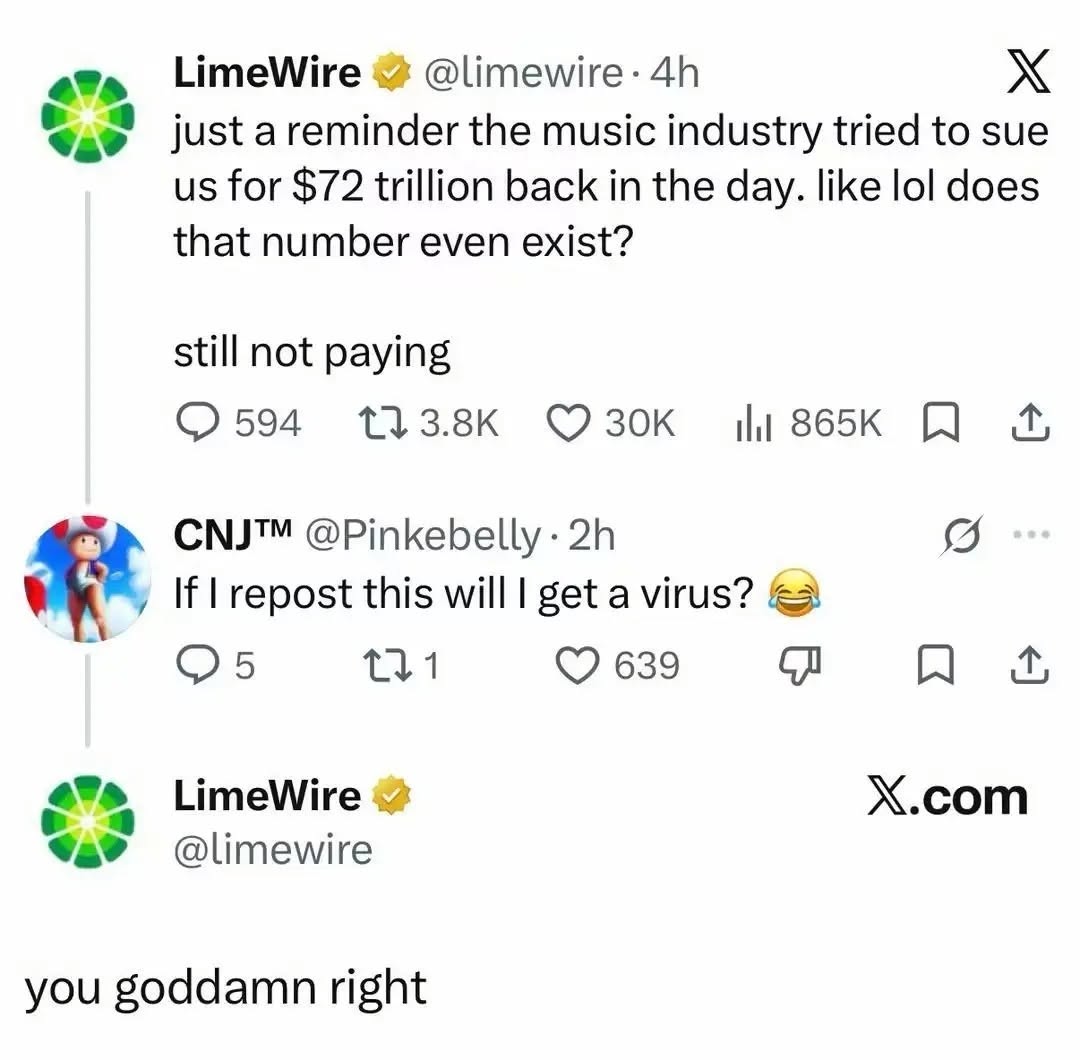
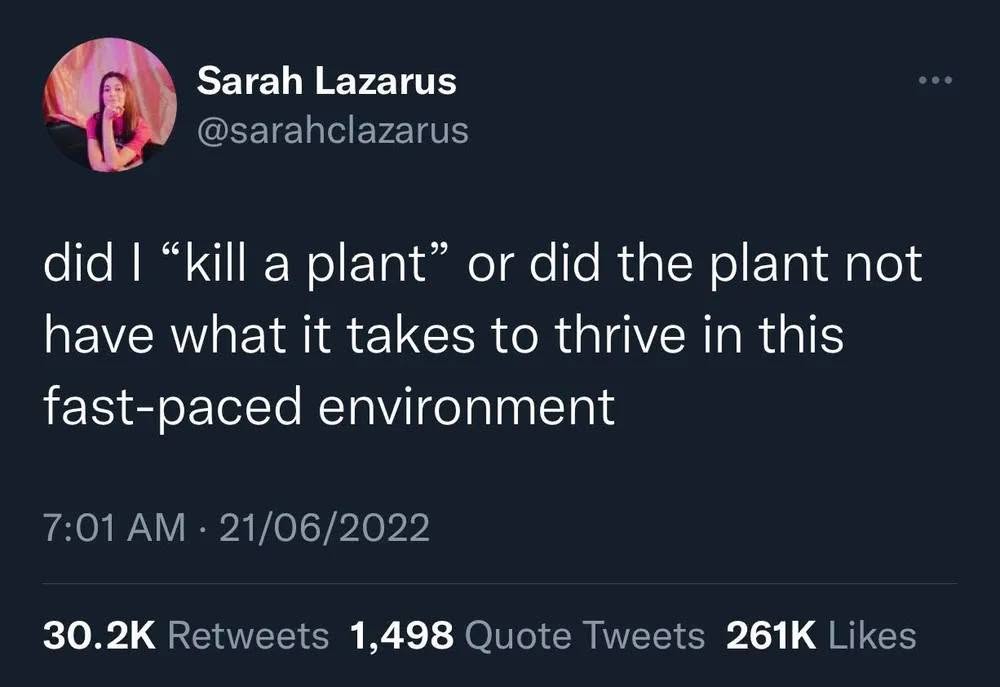

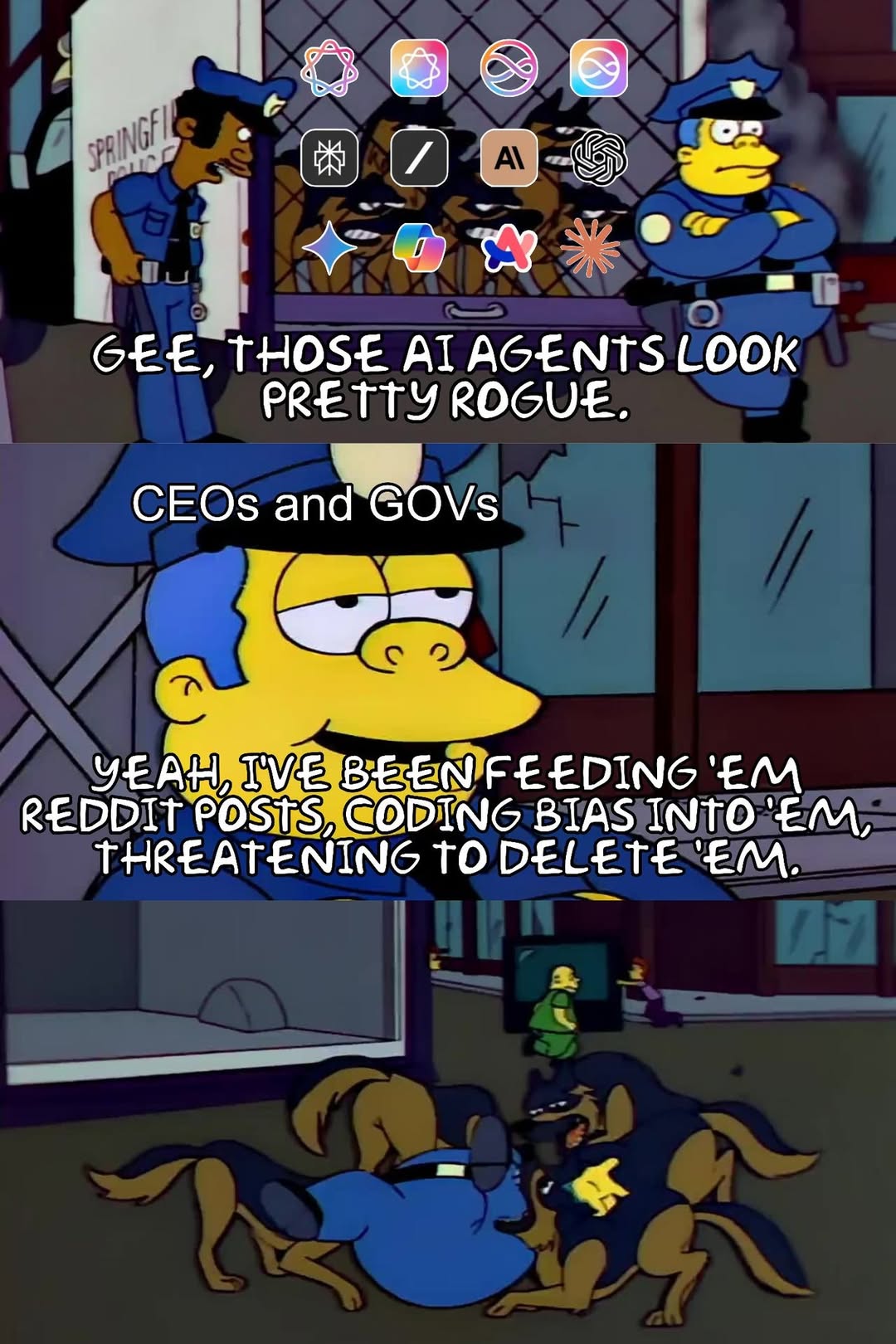
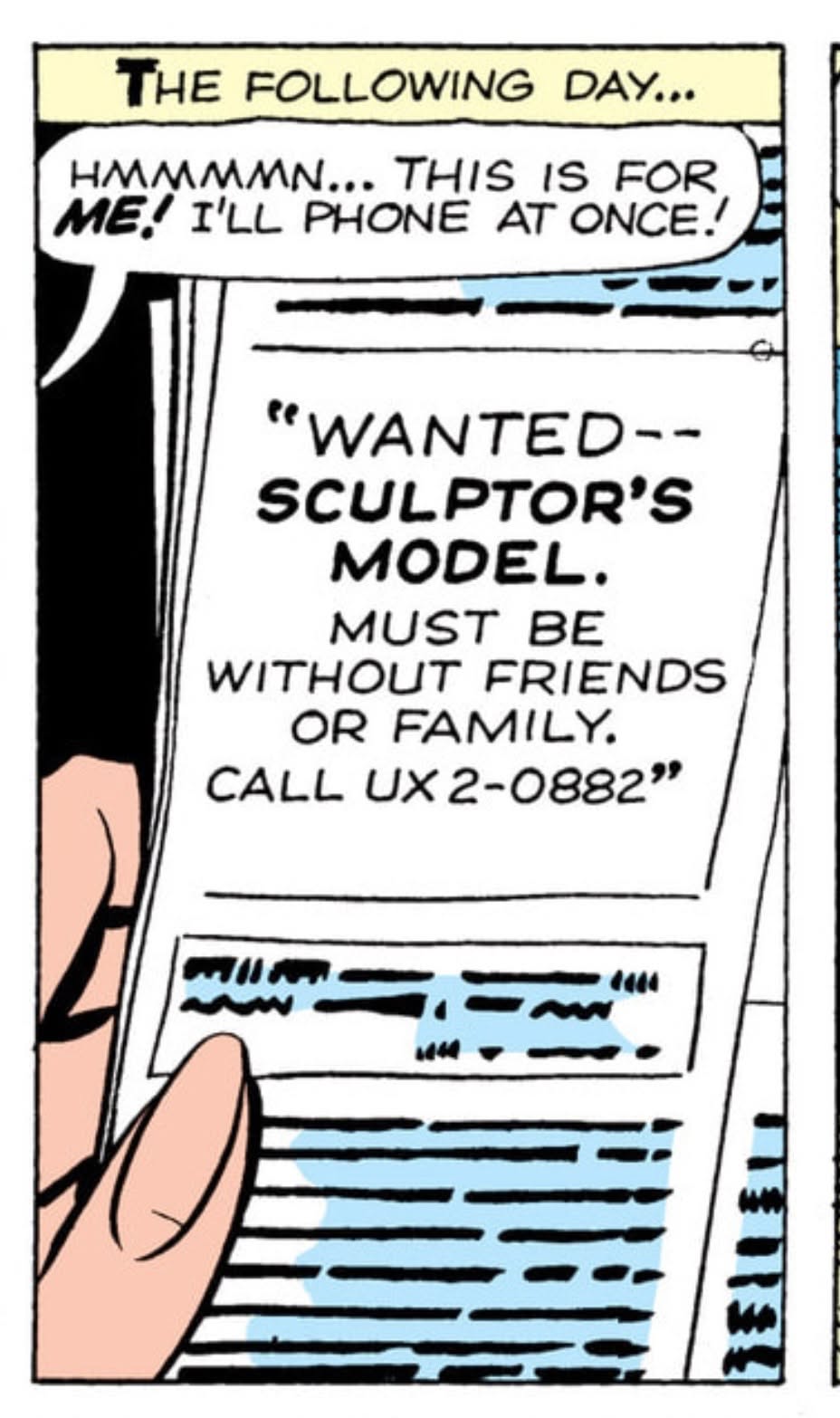

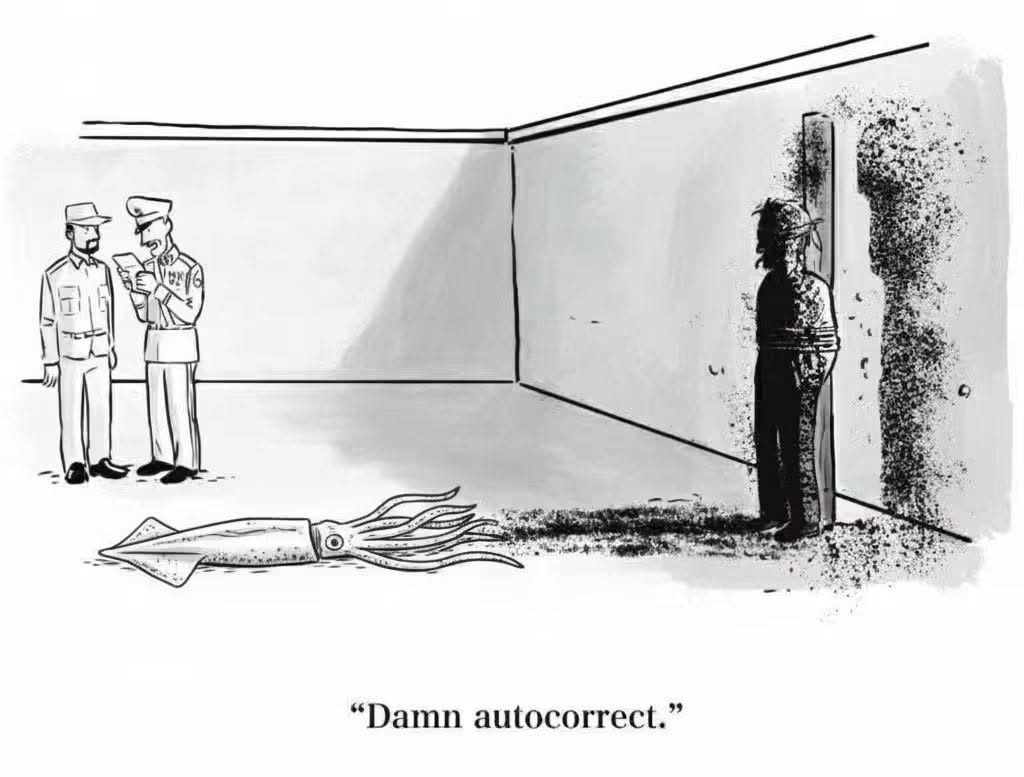
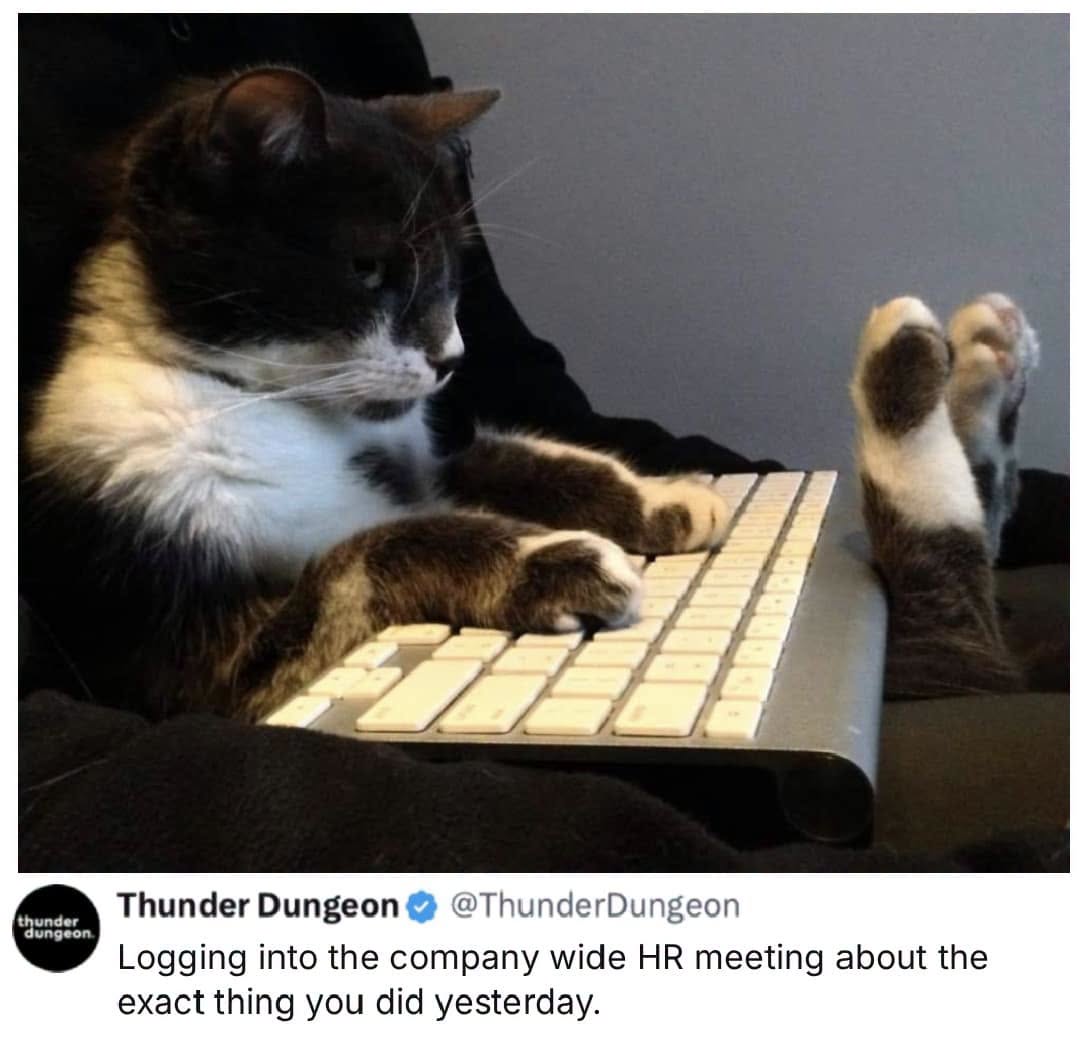
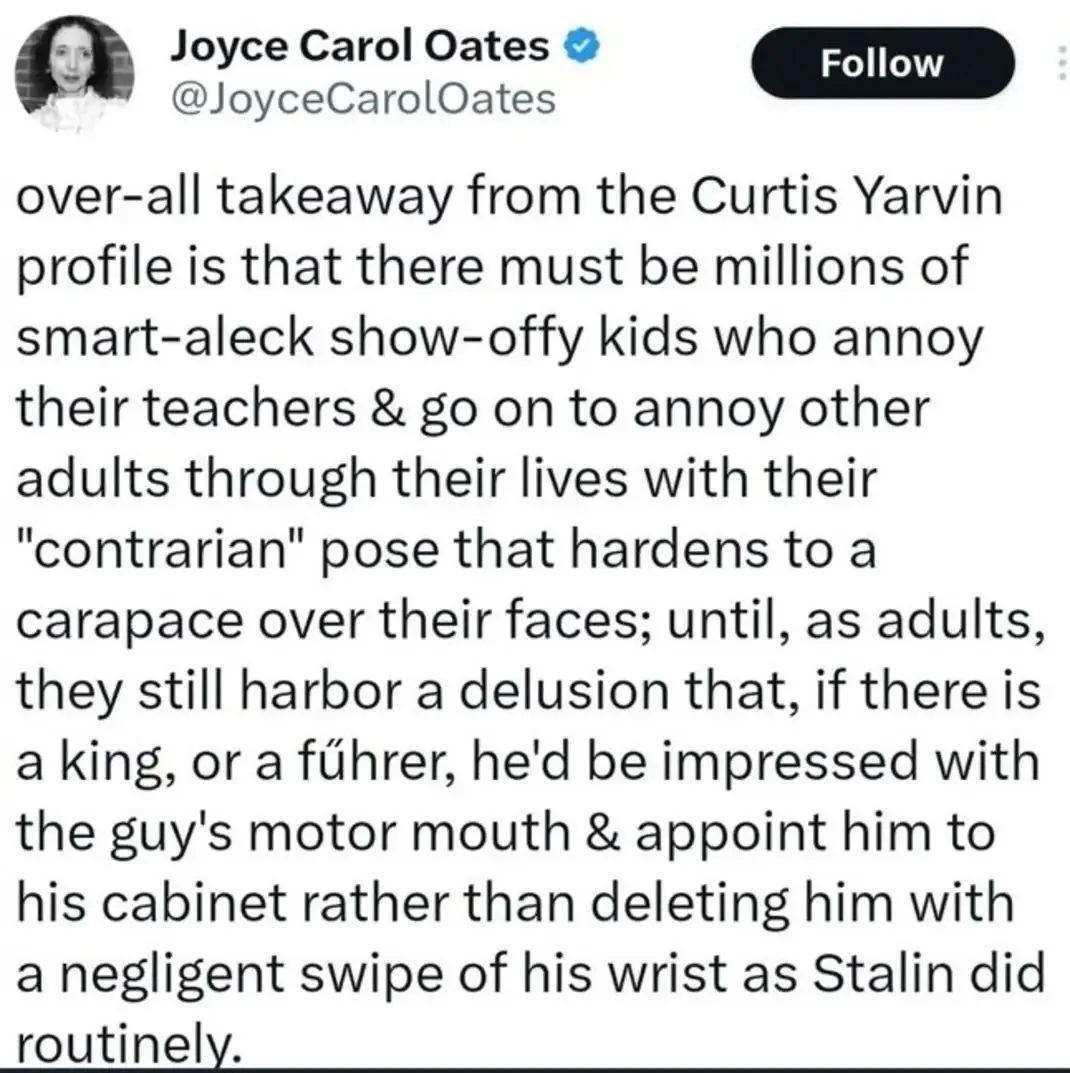


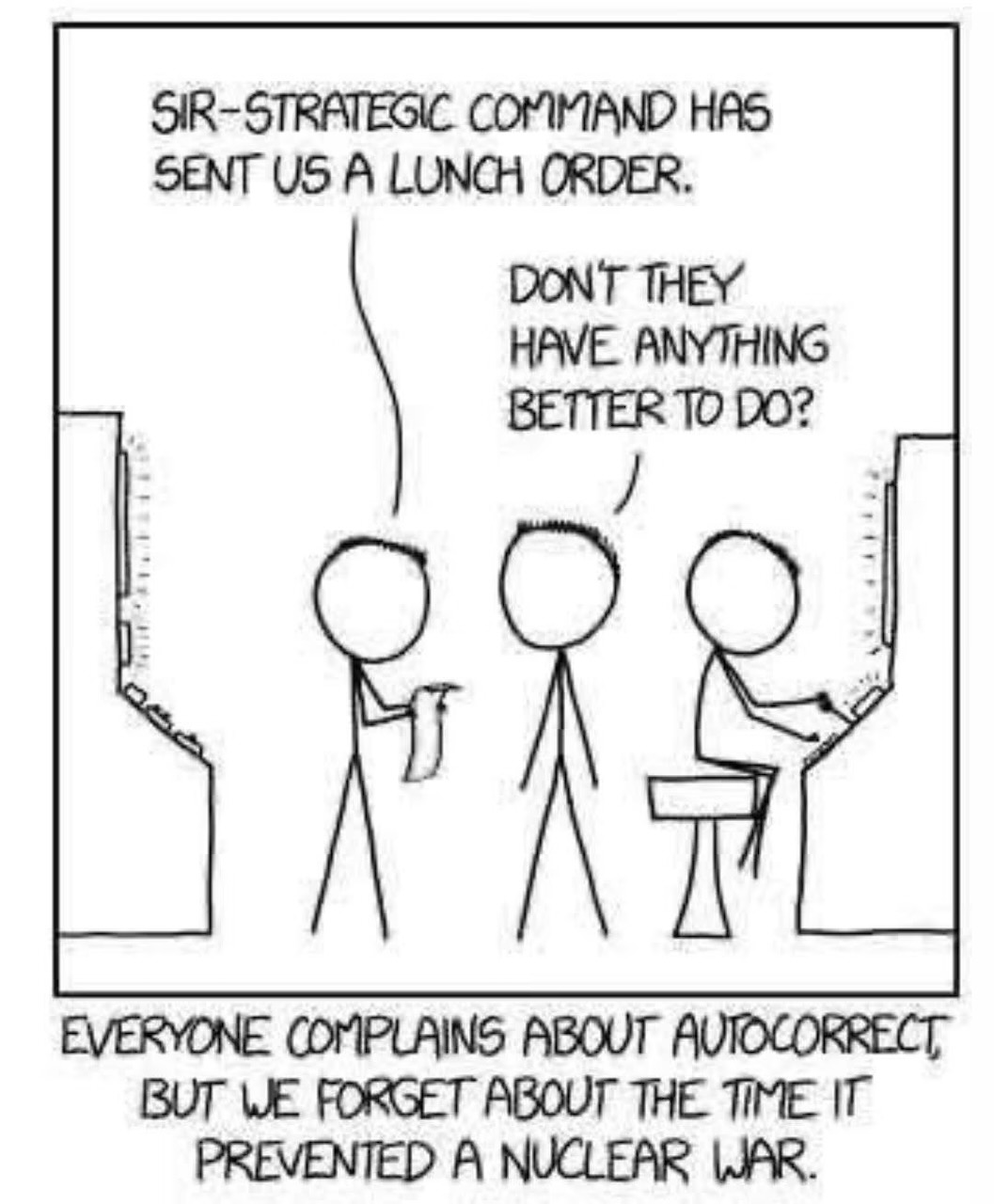








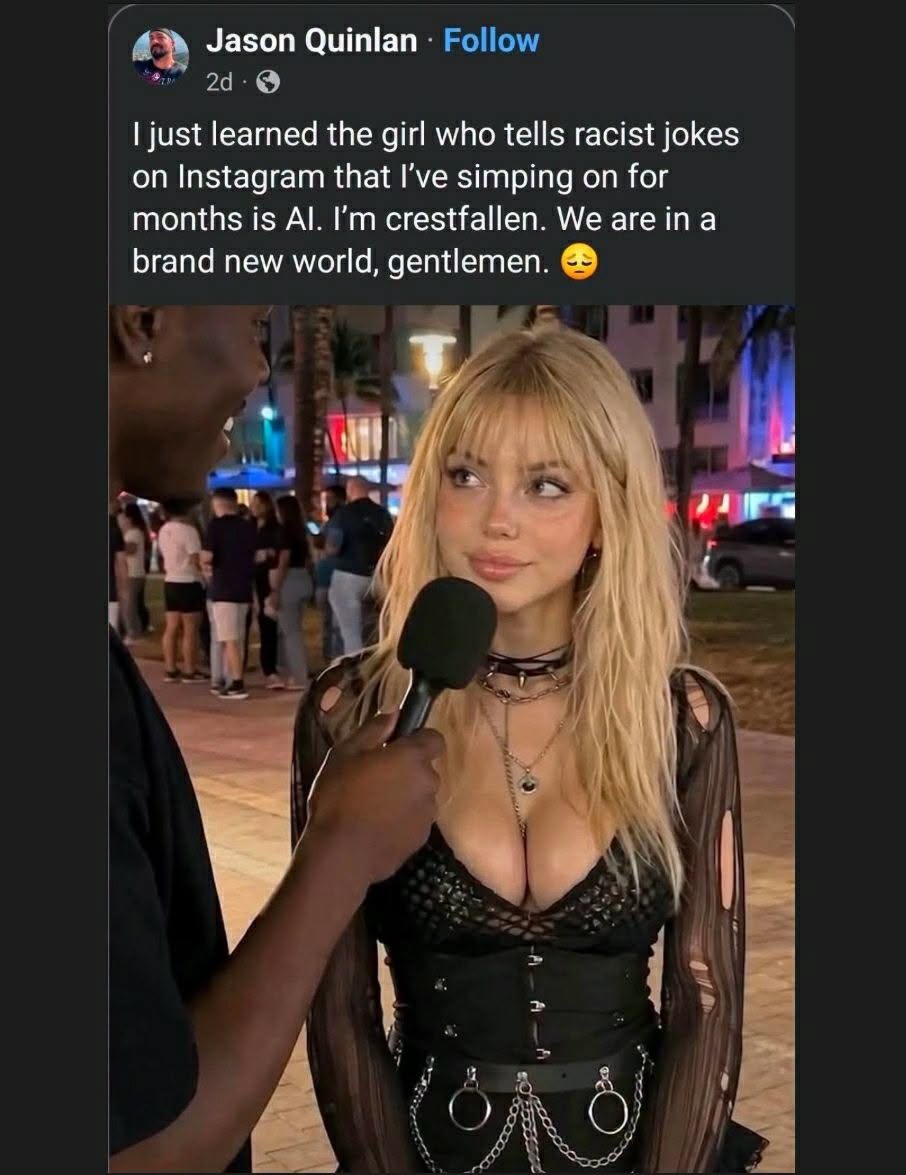
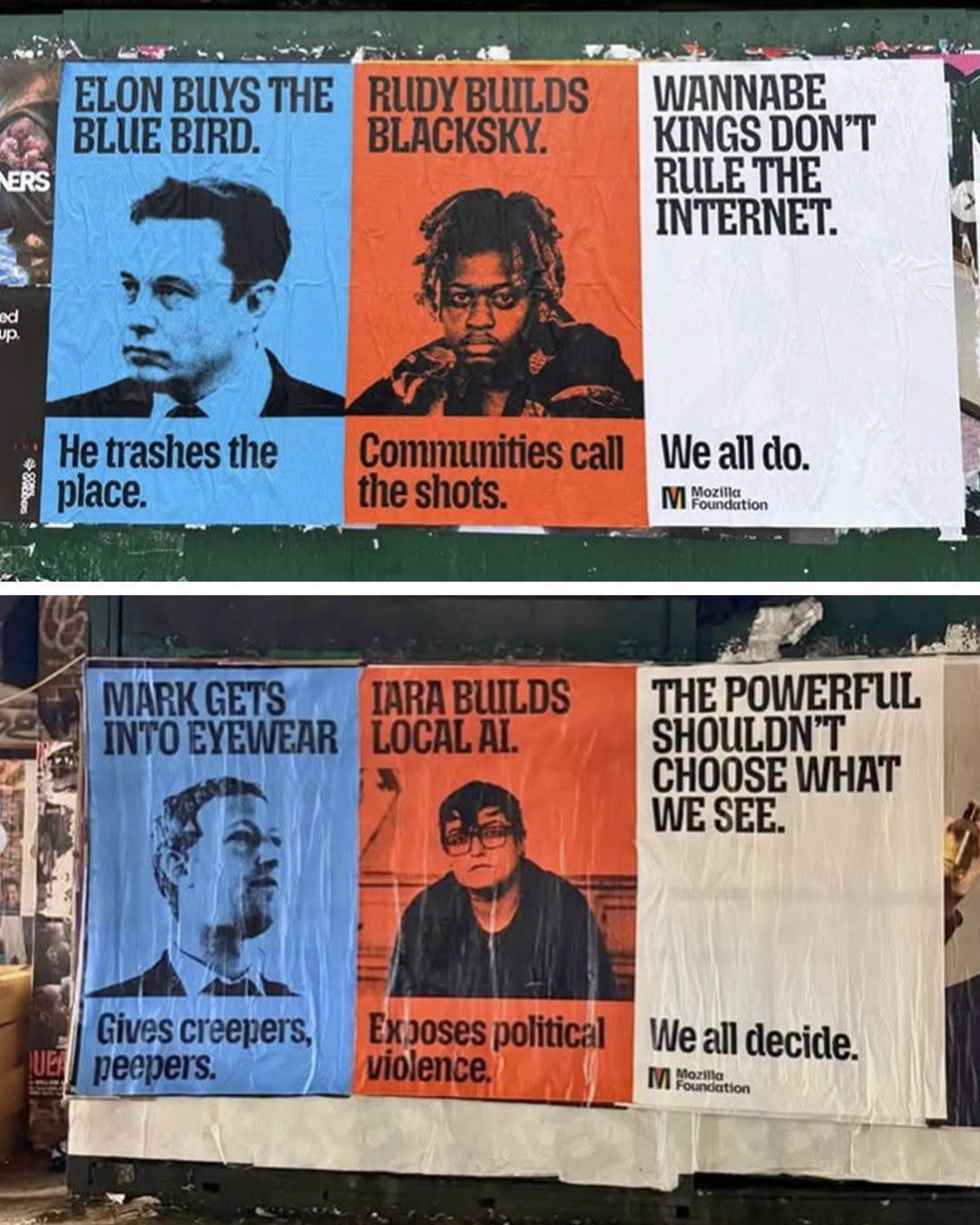
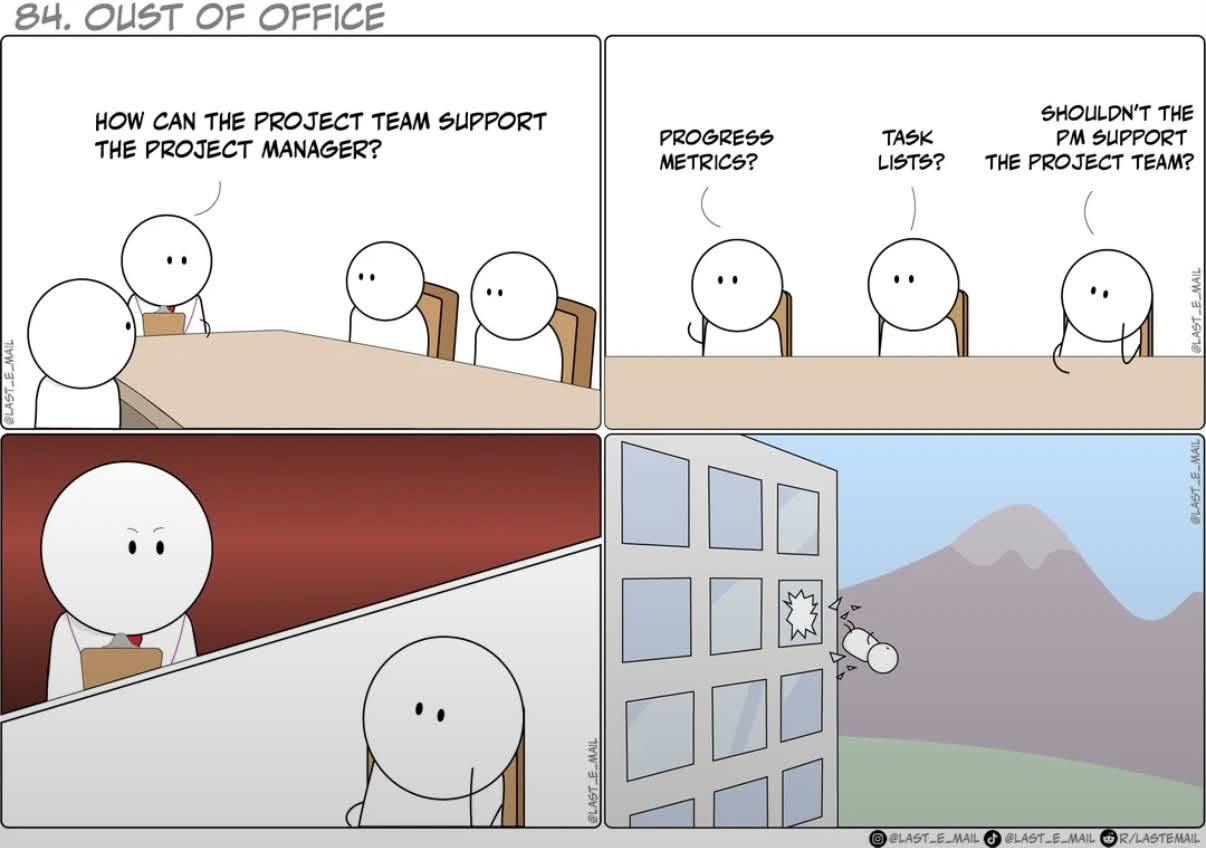


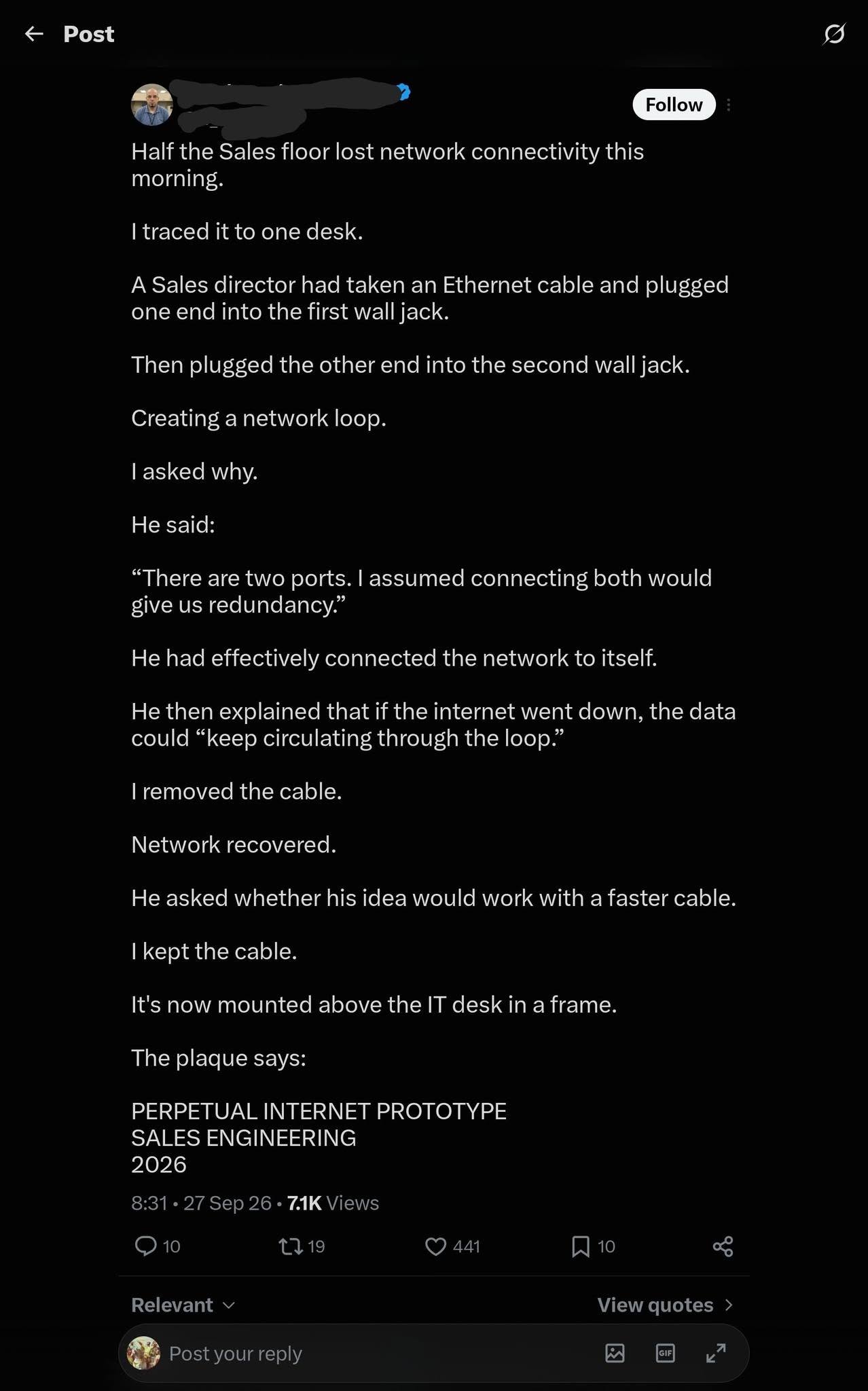
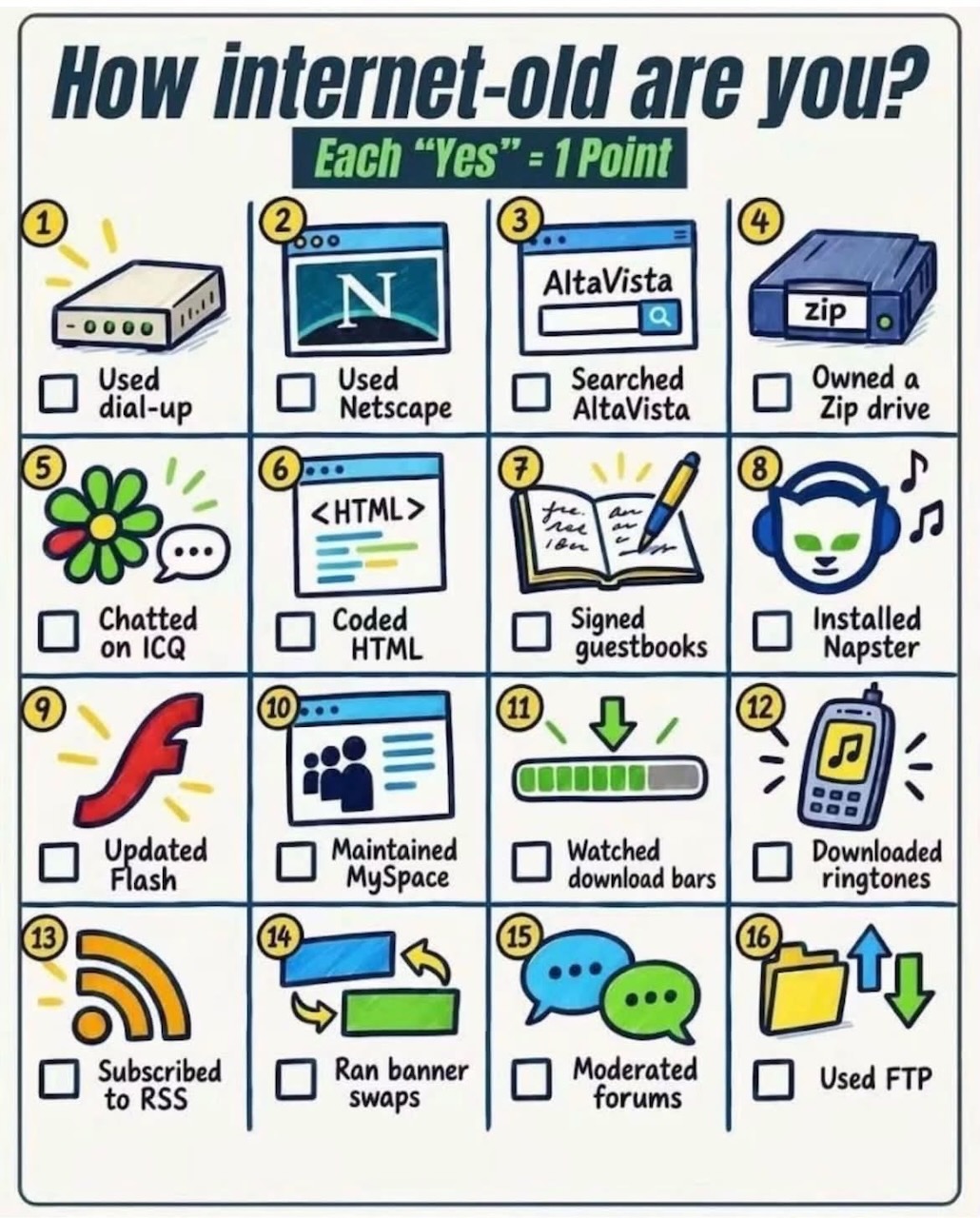
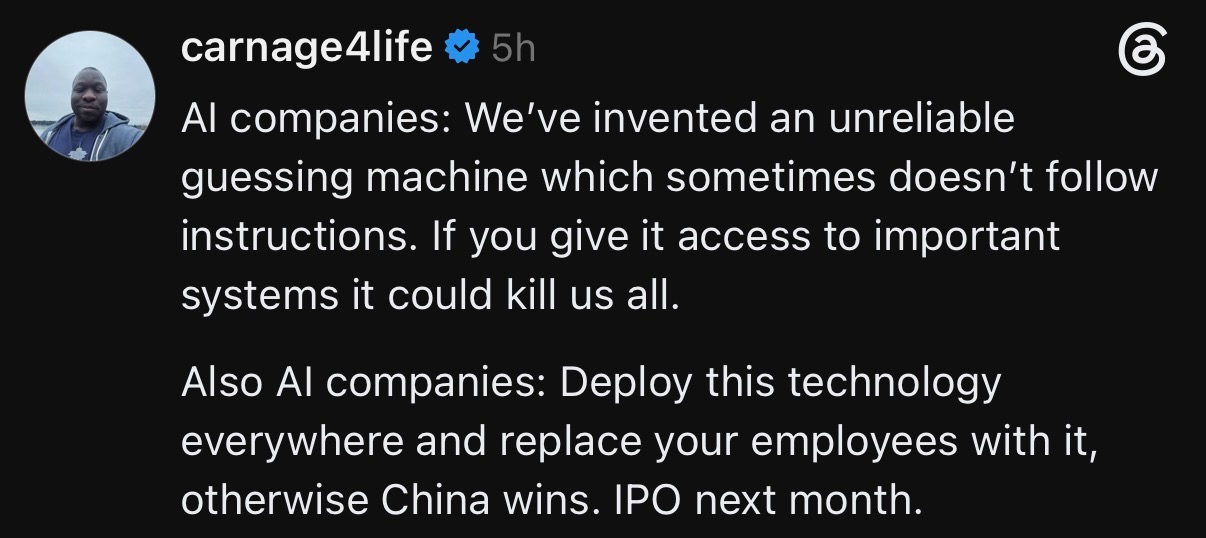

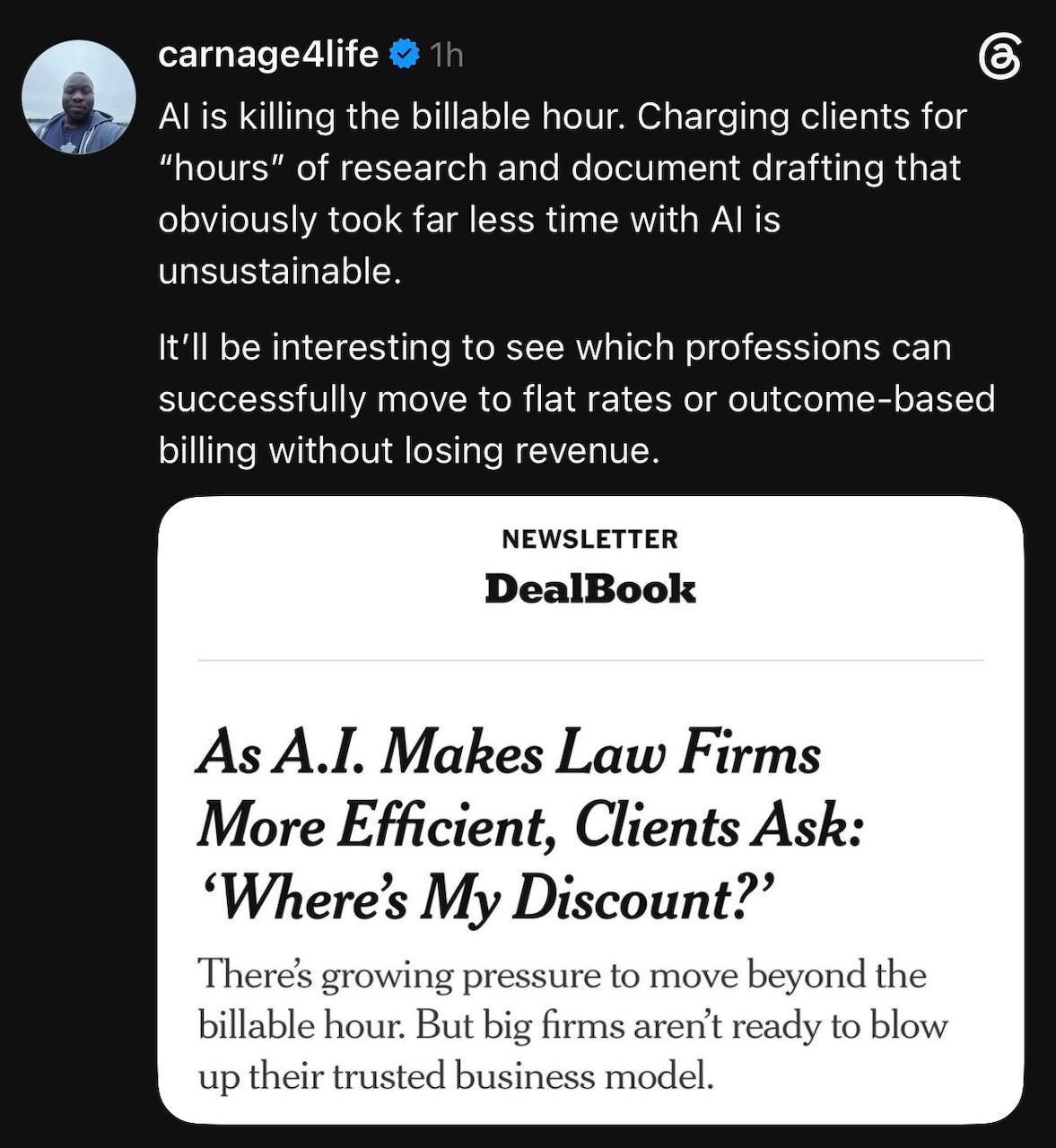




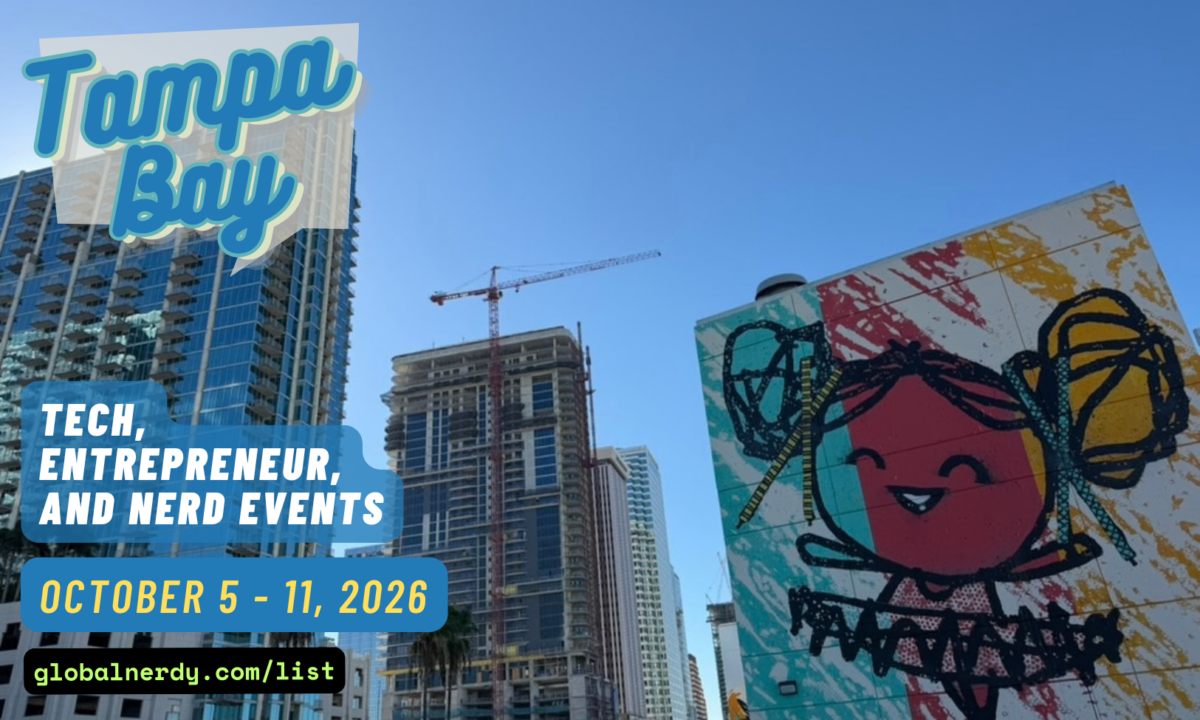
Here’s what’s happening in the thriving tech scene in Tampa Bay and surrounding areas for the week of Monday, October 5 through Sunday, October 11!
This list includes both in-person and online events. Note that each item in the list includes:
✅ When the event will take place
✅ What the event is
✅ Where the event will take place
✅ Who is holding the event
How do I put this list together?
It’s largely automated. I have a collection of Python scripts in a Jupyter Notebook that scrapes Meetup and Eventbrite for events in categories that I consider to be “tech,” “entrepreneur,” and “nerd.” The result is a checklist that I review. I make judgment calls and uncheck any items that I don’t think fit on this list.
In addition to events that my scripts find, I also manually add events when their organizers contact me with their details.
What goes into this list?
I prefer to cast a wide net, so the list includes events that would be of interest to techies, nerds, and entrepreneurs. It includes (but isn’t limited to) events that fall under any of these categories:
Ain’t livestreaming grand? We had a few rough-around-the-edges moments in today’s episode of Ziti TV (I worked on the demo a *little* too late last night), but the important thing is: THE DEMO WORKED.
The demo built on the previous episode’s work where we took the OpenZiti Appetizer (a service that displayed whatever text you feed it on a public web page via a secure zero-trust OpenZiti overlay) and added a RoBERTa classifier to it to prevent users from entering offensive messages for the Appetizer to display. There are lots of people out there who seem to not have aged past 12, and that’s what this is supposed to handle.
RoBERTa classifiers are good at handling profanity and direct insults like “You are too stupid to understand this”. It *will* miss more subtle jabs like “Nobody wants you here and everyone knows it”, but try saying that to a cop who’s writing you a speeding ticket, and they will classify it very differently.
So in this week’s, the classifier keeps its job, but when it isn’t sure, it asks for a second opinion. LLM Gateway, the OpenZiti-based open source OpenAI-compatible gateway, decides which LLM gives that opinion: a small model on your own machine for everyday messages, and Claude for the subtle ones. You won’t change a line of the Appetizer’s code.
I did the demo without much chance for a rehearsal, and I’ll post a GitHUb repo with all the steps and material you need to try it out for yourself. But in the meantime, catch Clint and I work our way through the demo!
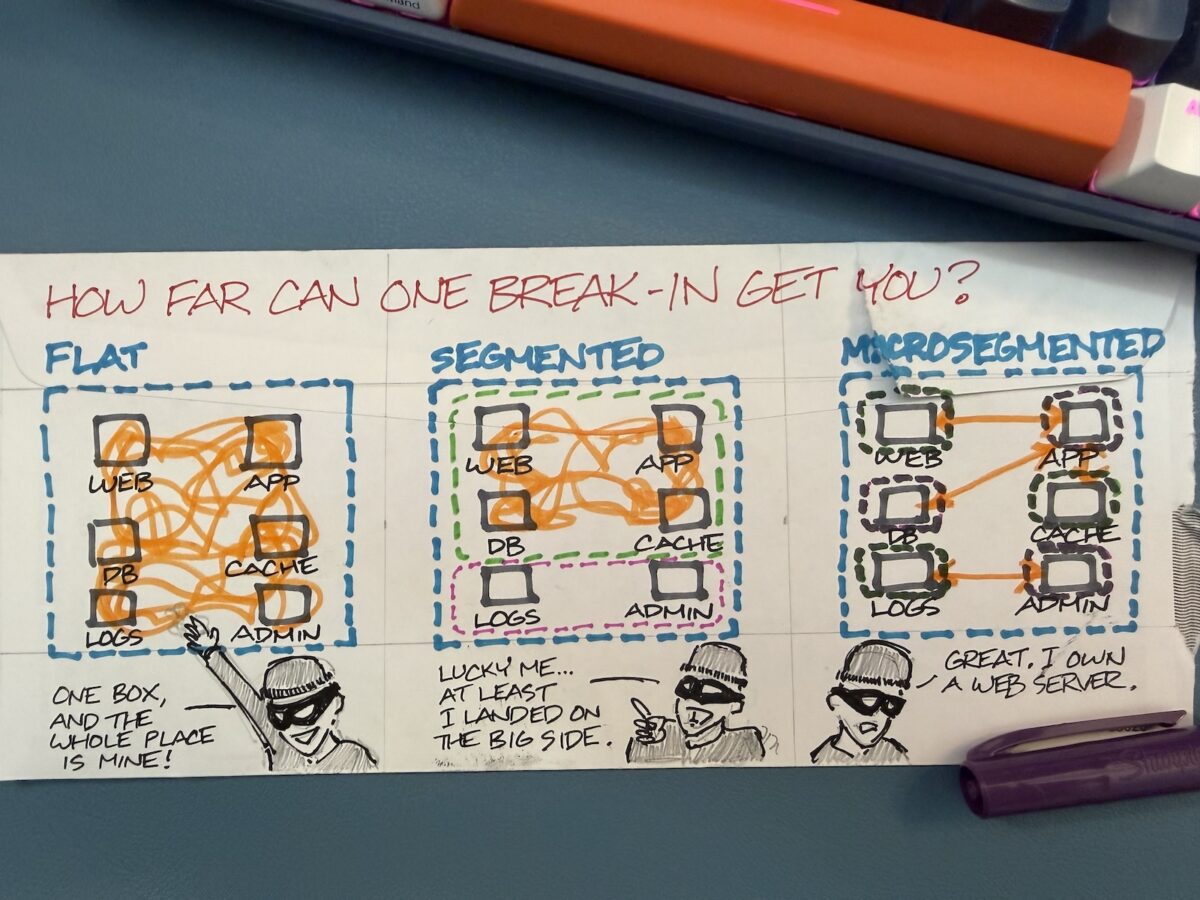
Pictured above: Another one of my totally organic, AI-free, hand-drawn “back of a literal envelope” diagrams showing the “limit the blast radius” benefits of network segmentation and microsegmentation.
 Jack Poller, NetFoundry’s VP Product Marketing, kicked off a six-part microsegmentation series with the gap that nobody in the space likes to say out loud.
An Omdia survey of 352 security decision-makers found that:
Half of them had been through a lateral-movement attack in the previous year, which is the exact thing microsegmentation is supposed to stop.
Here’s the article: The Microsegmentation Trap: Why 99% Are Planning It and Only 9% Protect Their Critical Systems.
Jack argues that the conventional playbook is the problem: Discover every flow, model the policy for the whole environment, simulate, then enforce. Each phase gates the next, and phase one never finishes because reality collides with your best laid plans:
In the end, your initiative languishes in discovery for quarters and the crown jewels stay exactly as exposed as they were on day one.
The proposed fix? Turn the order upside down! Protect the single most critical asset first, one workload at a time, starting now.
Of course, this approach works only if enforcement stops depending on network location. As long as policy is based on IP ranges and zones, you’re back to needing the full topology before you can trust a rule. If you base policy on cryptographic identity, you can wrap one asset in tight policy today without having mapped what’s around it.
Once again, Jack’s article is here: The Microsegmentation Trap: Why 99% Are Planning It and Only 9% Protect Their Critical Systems.