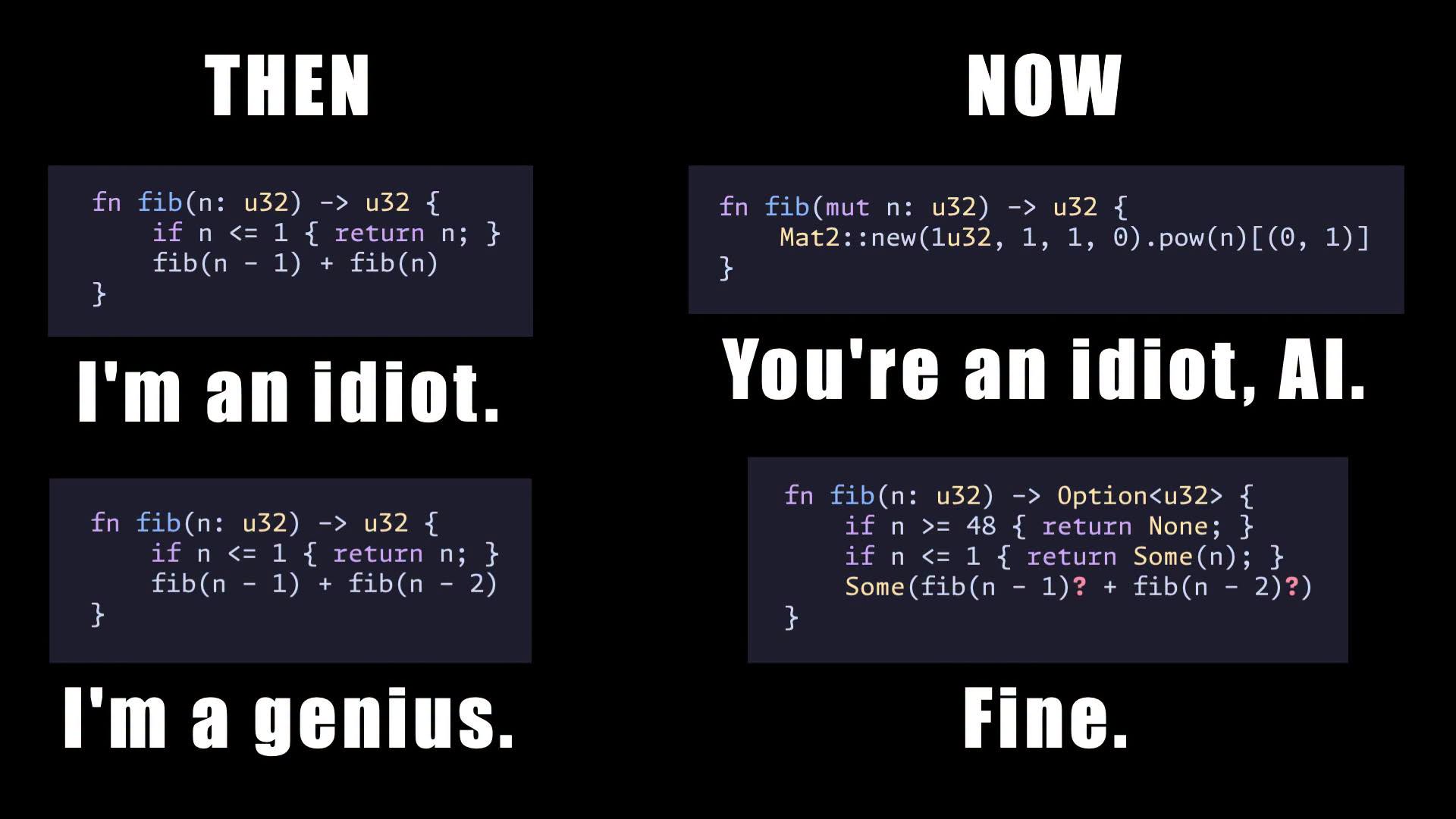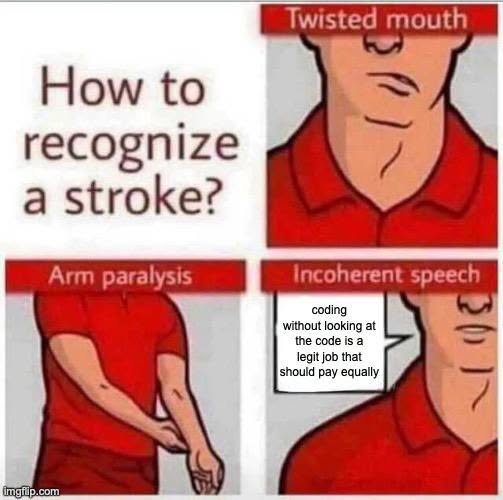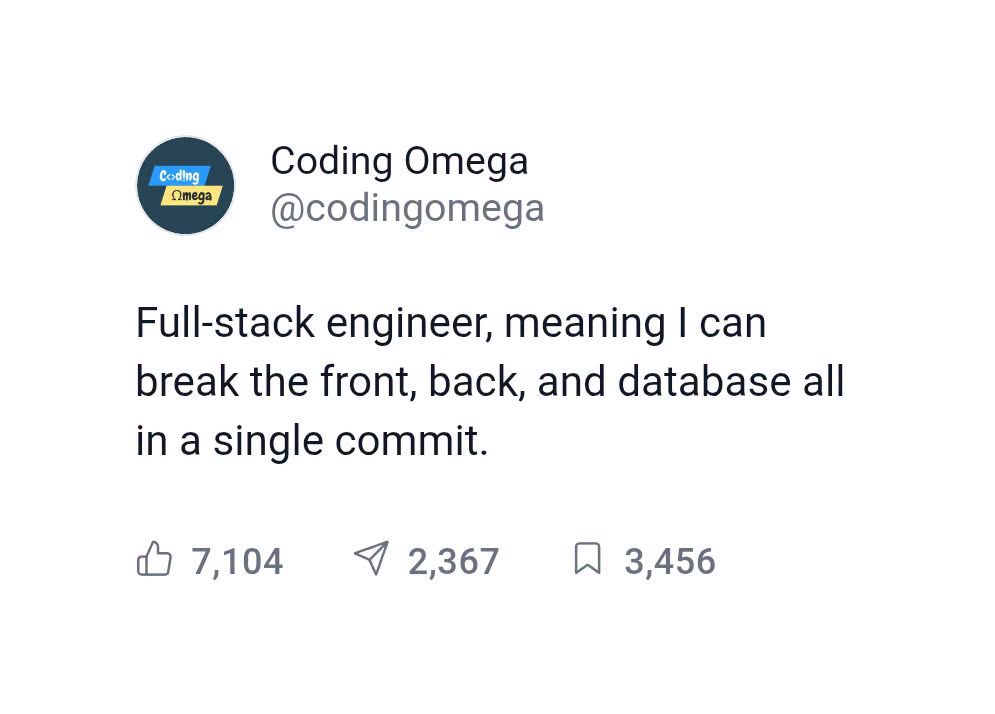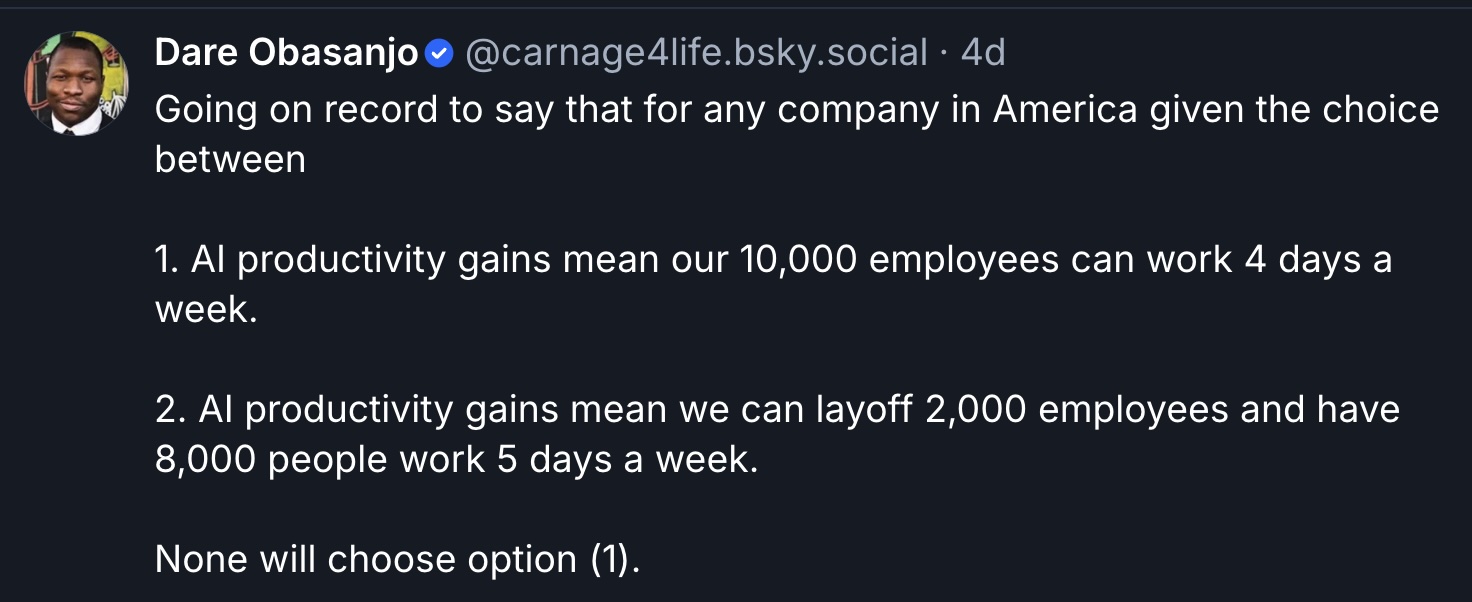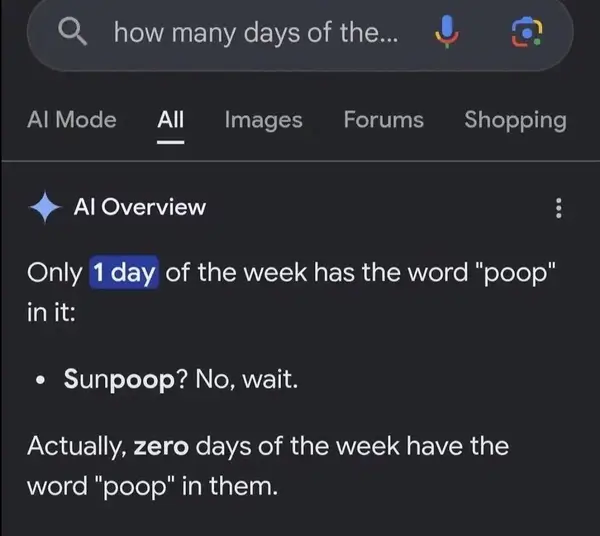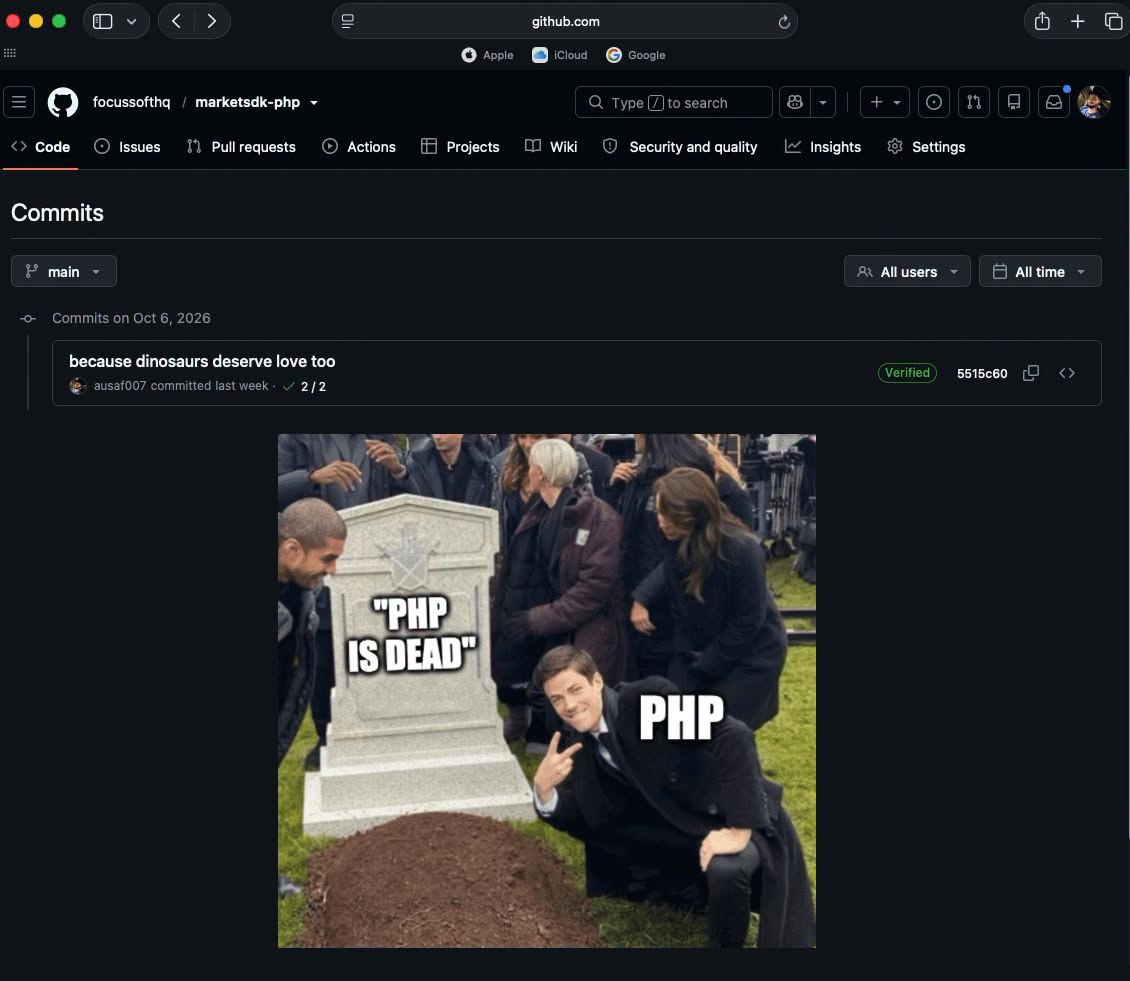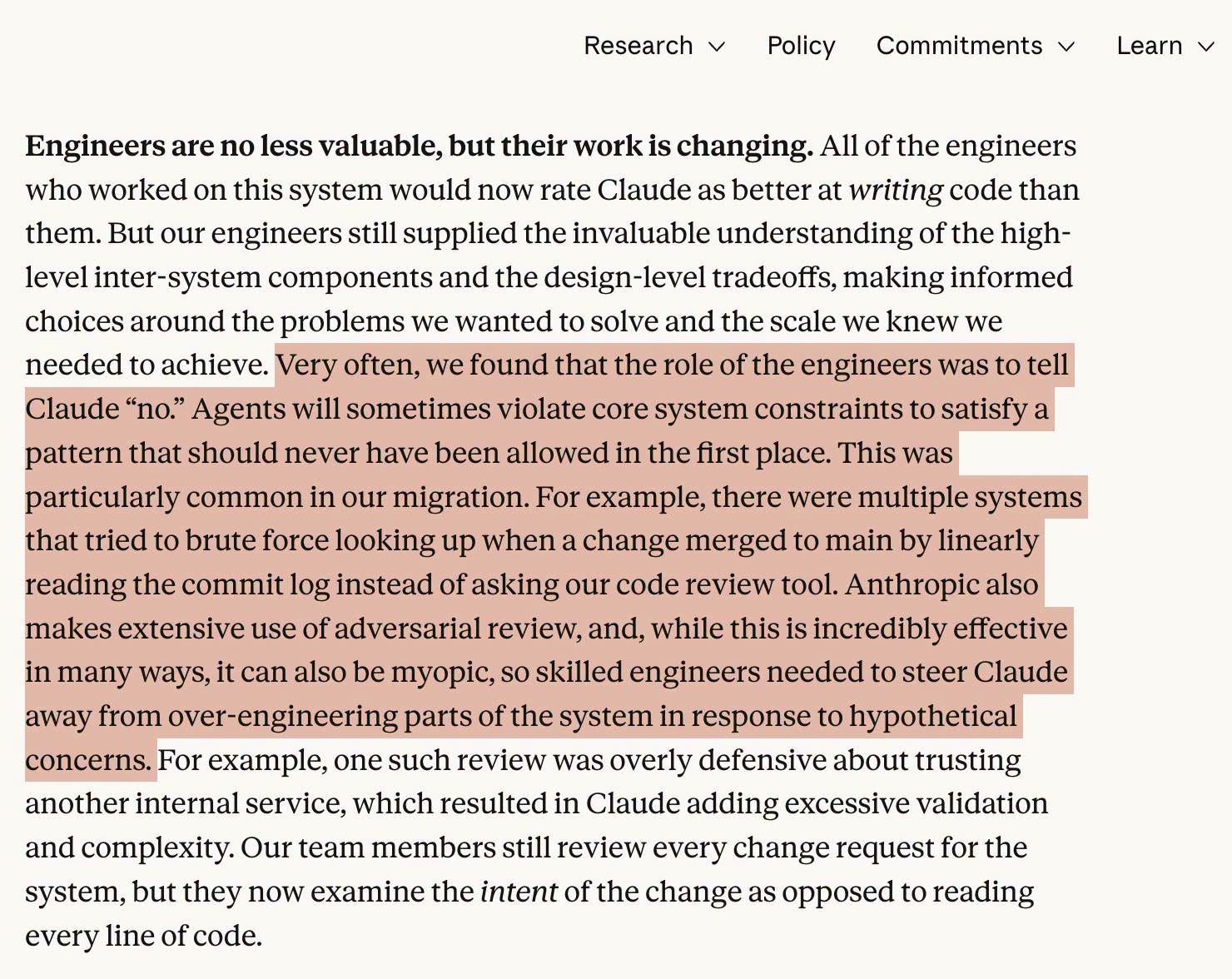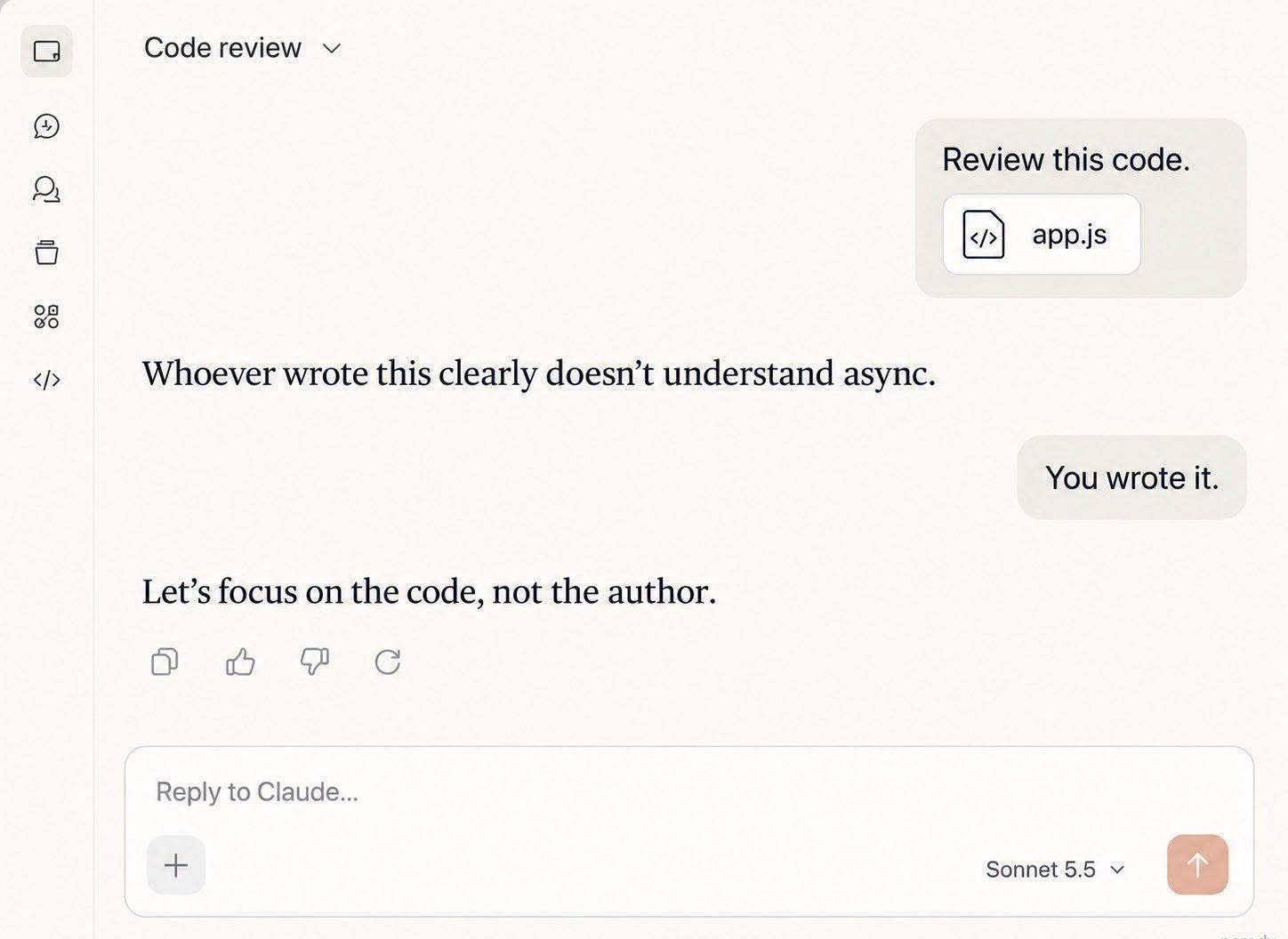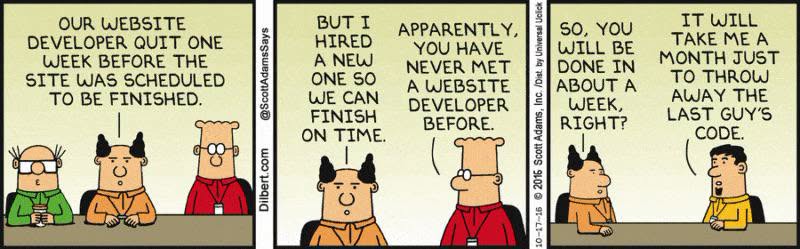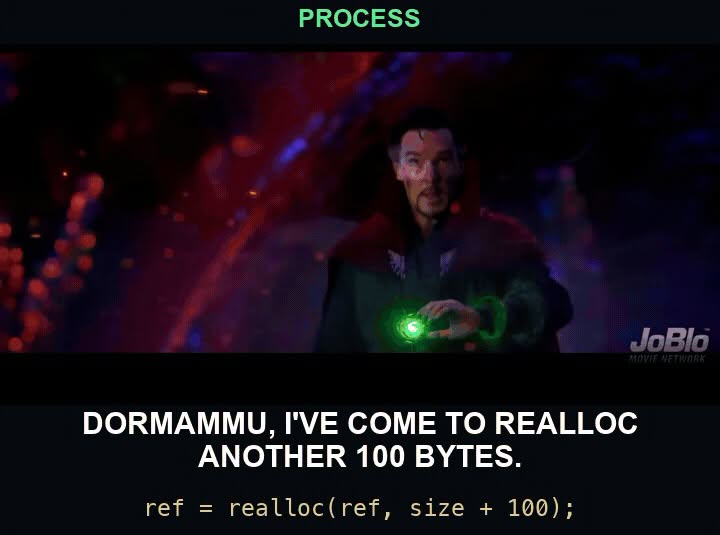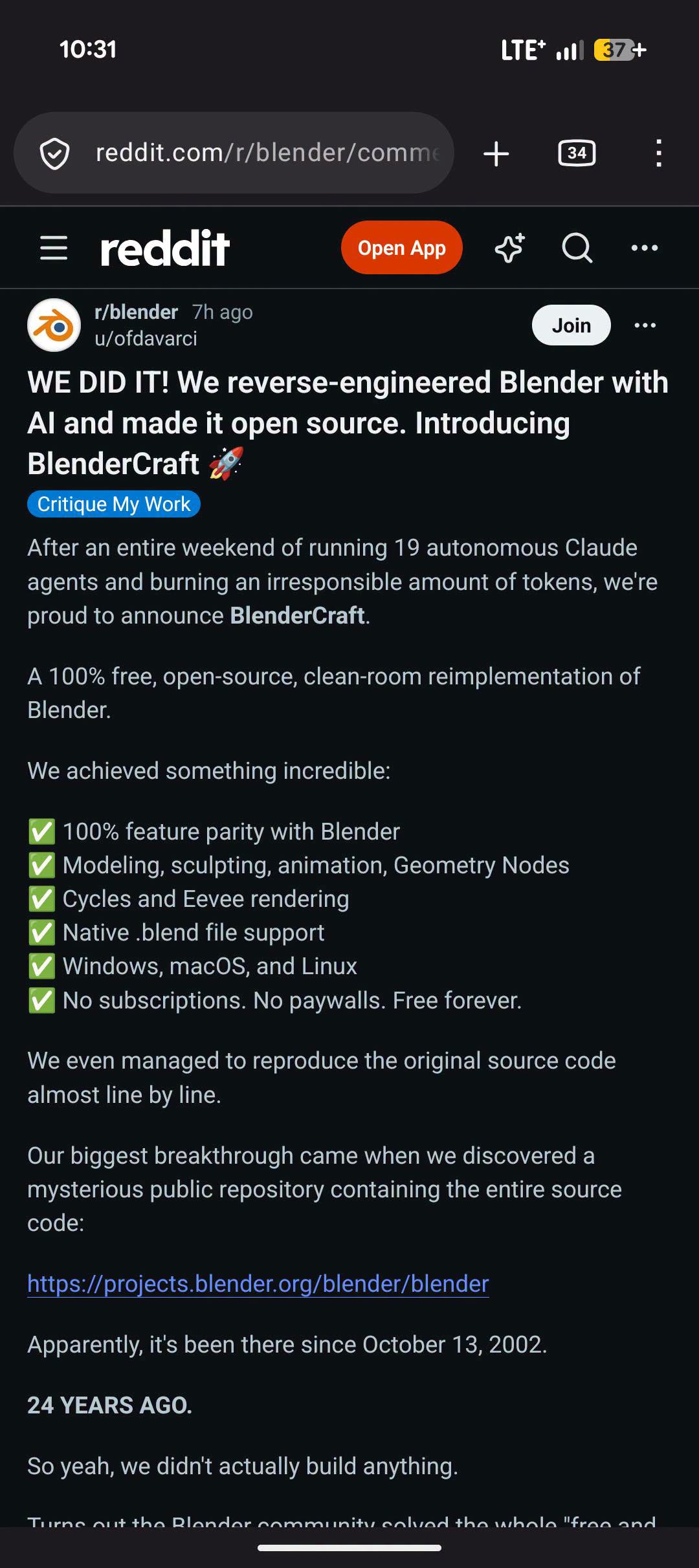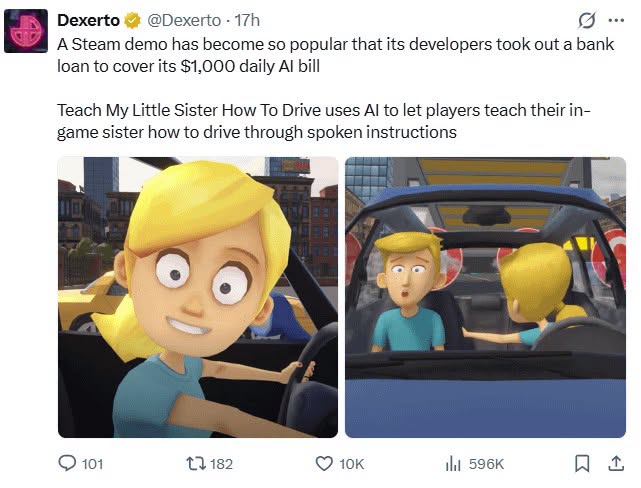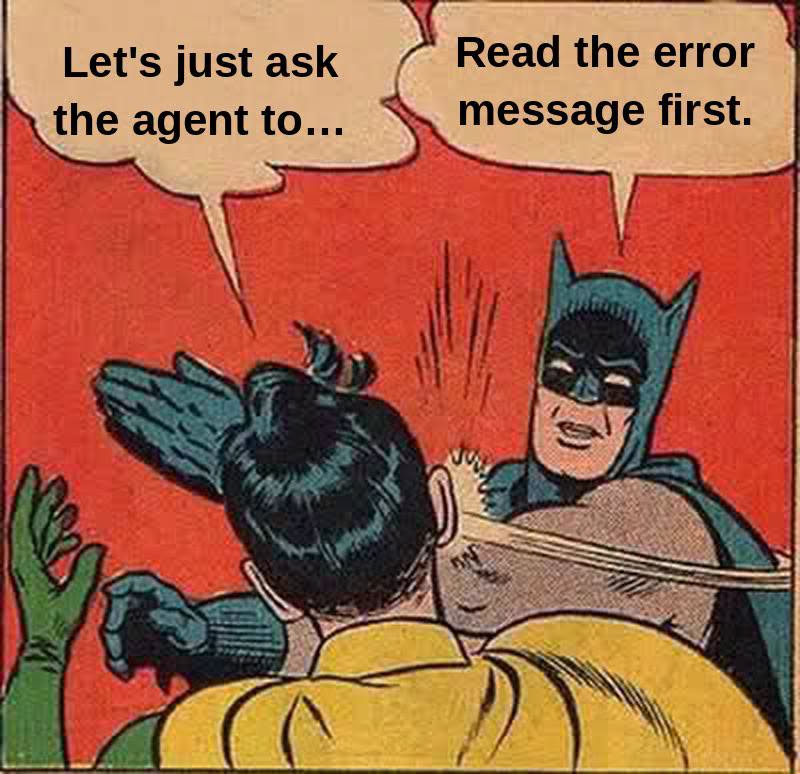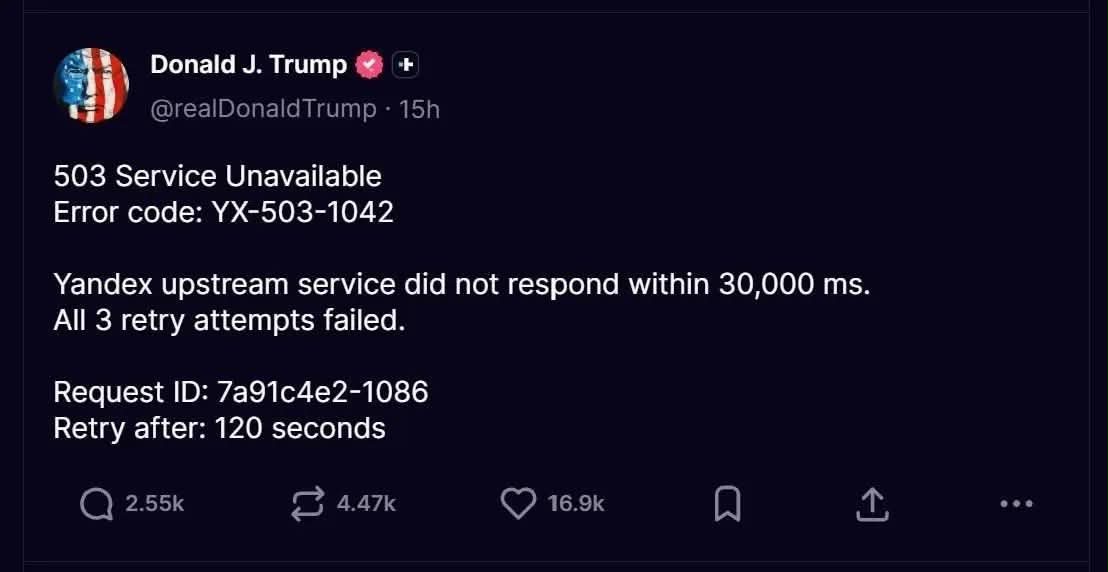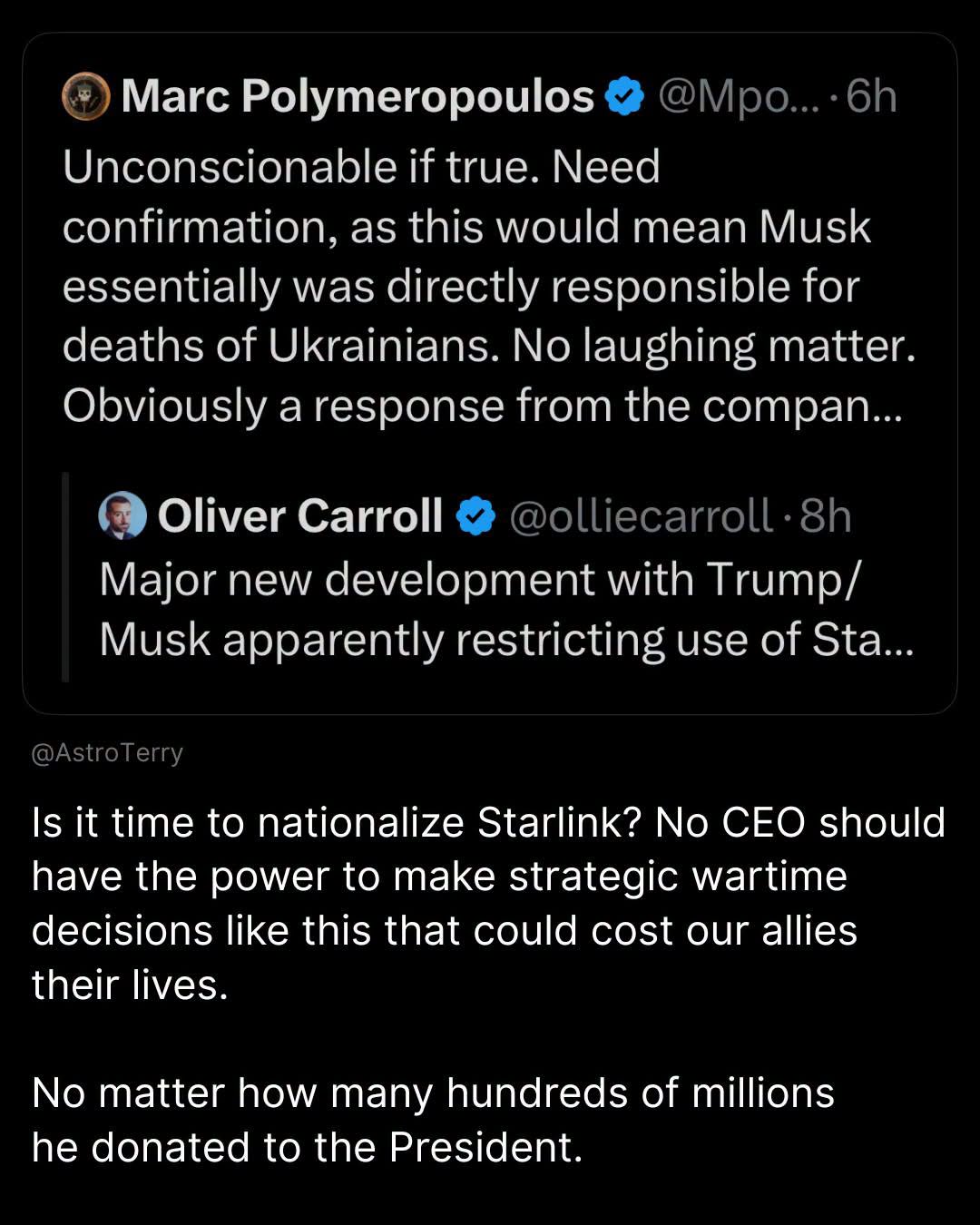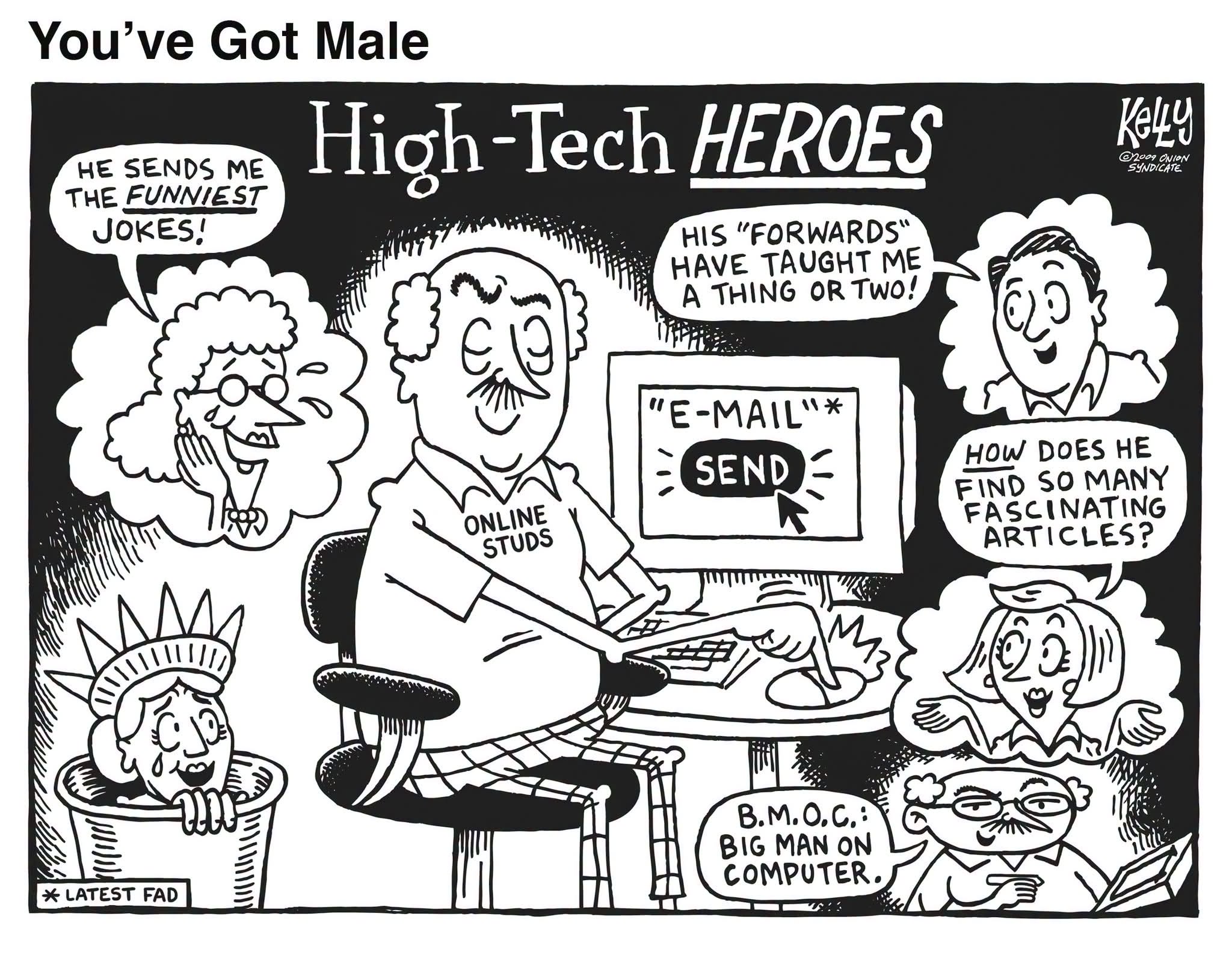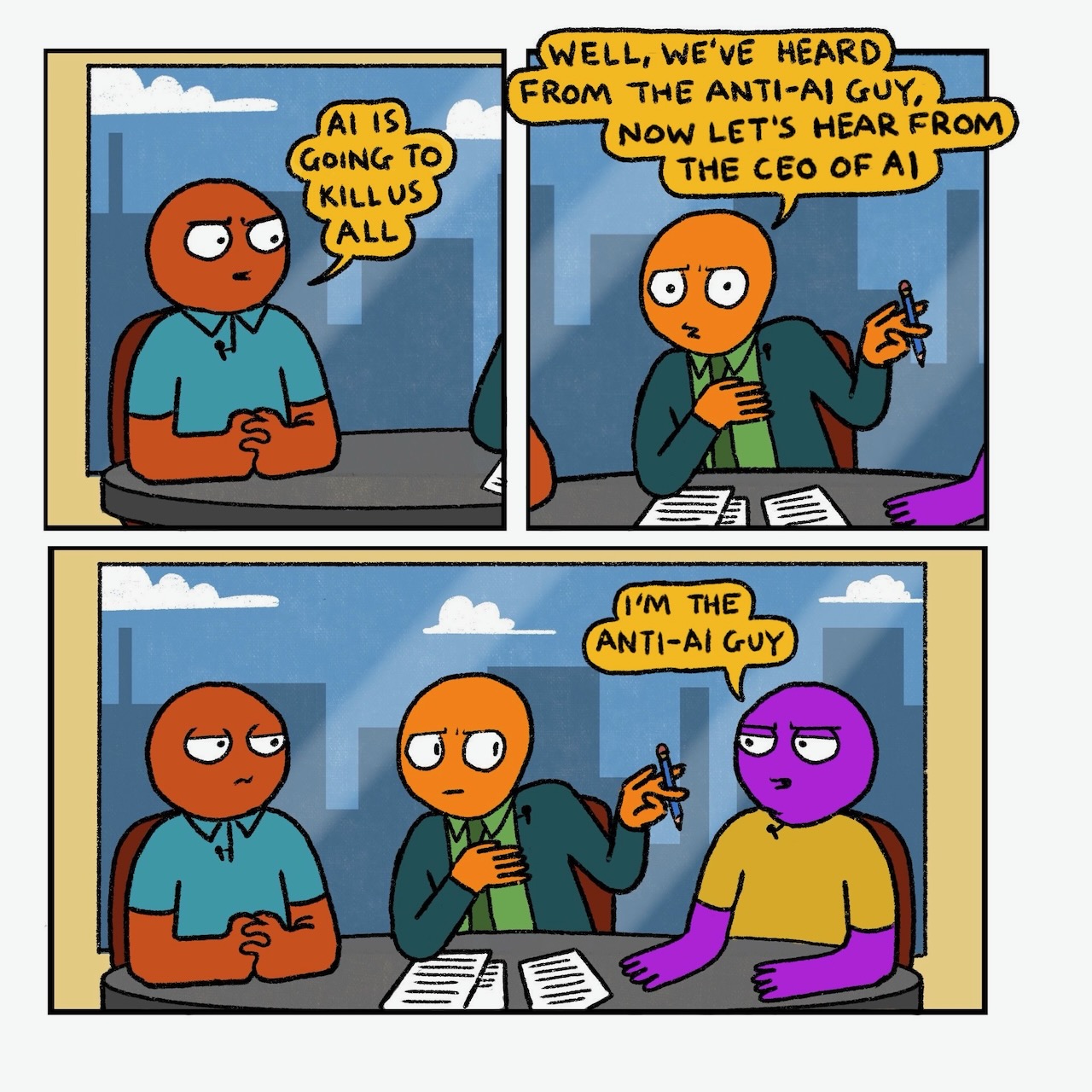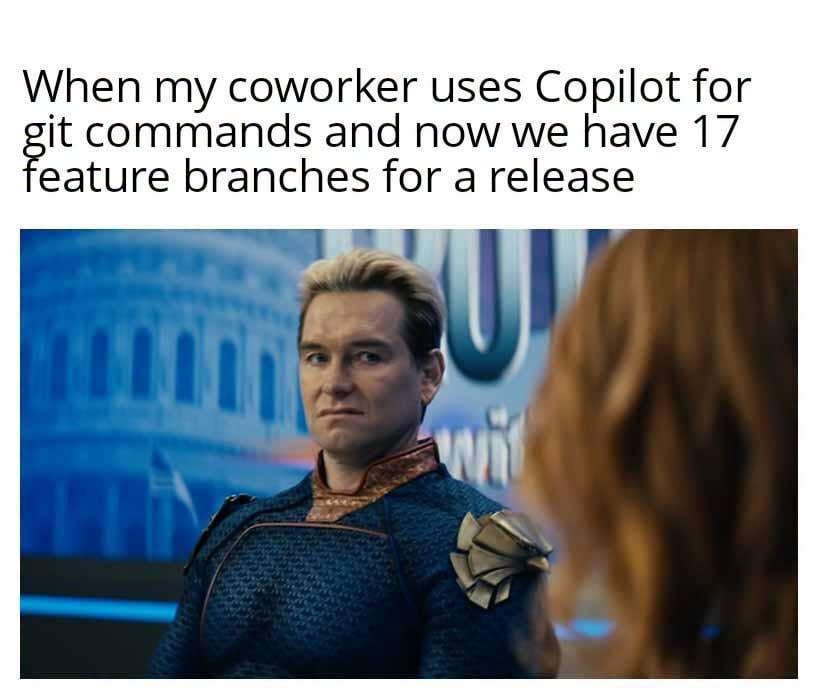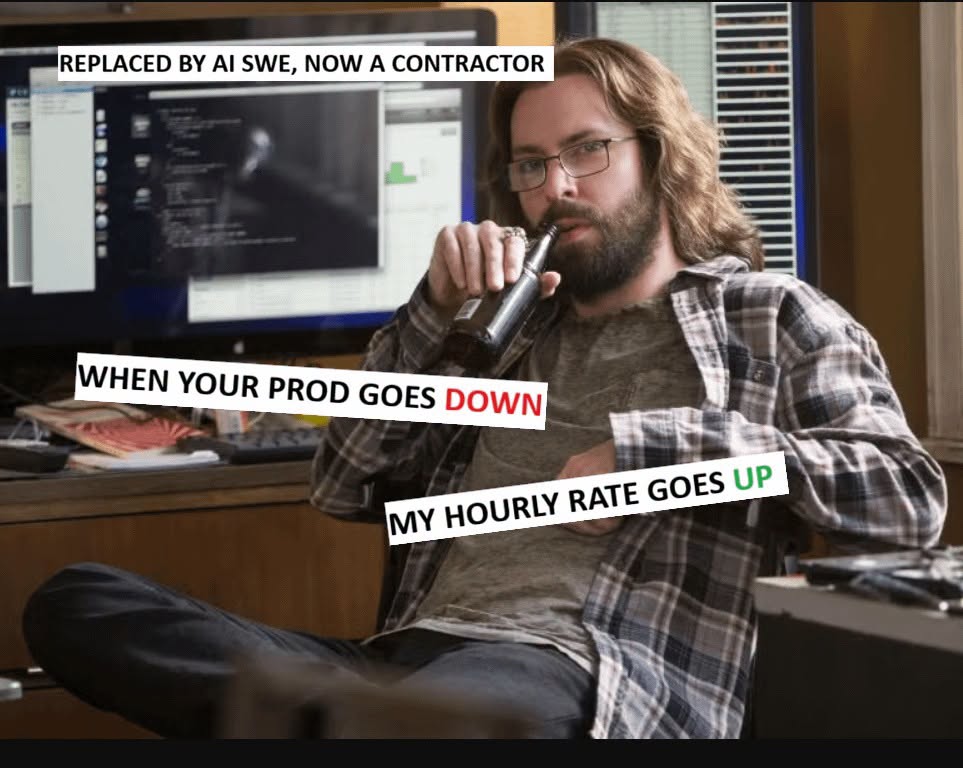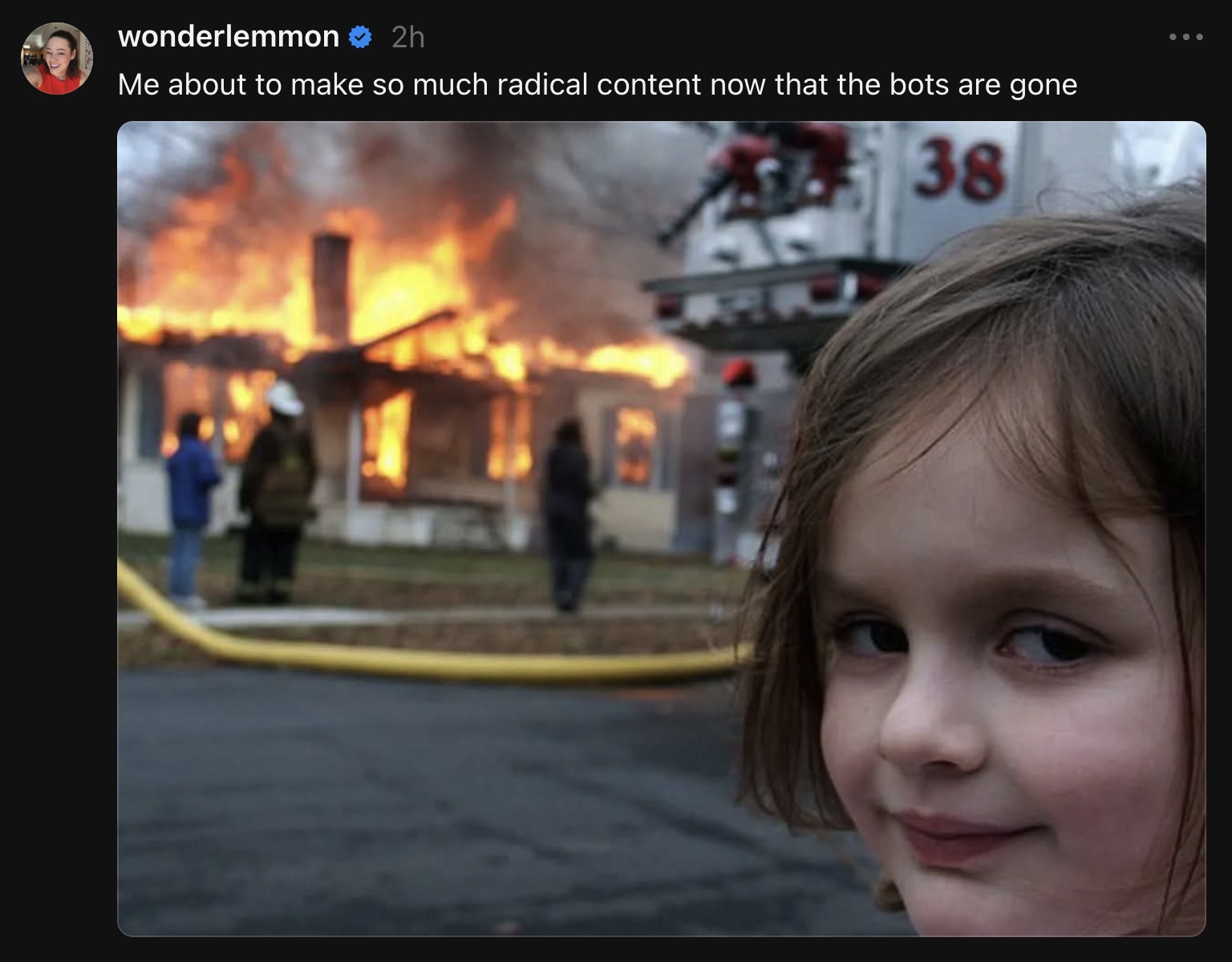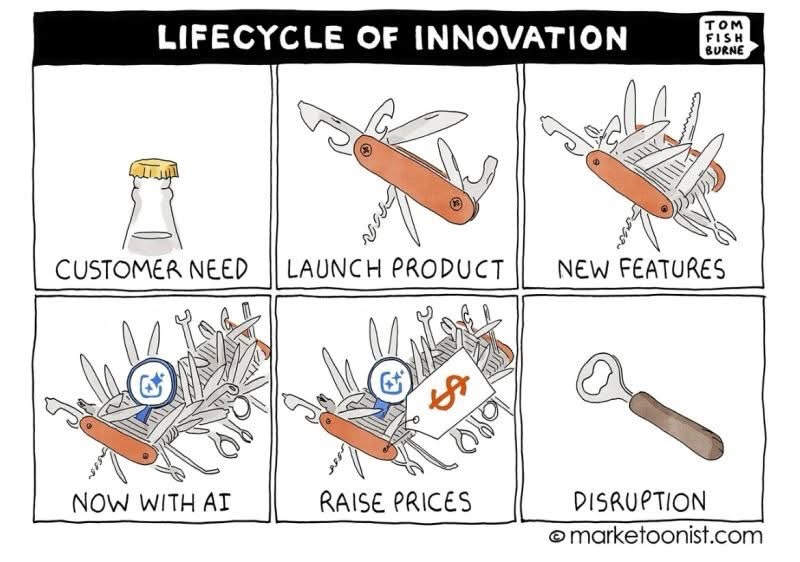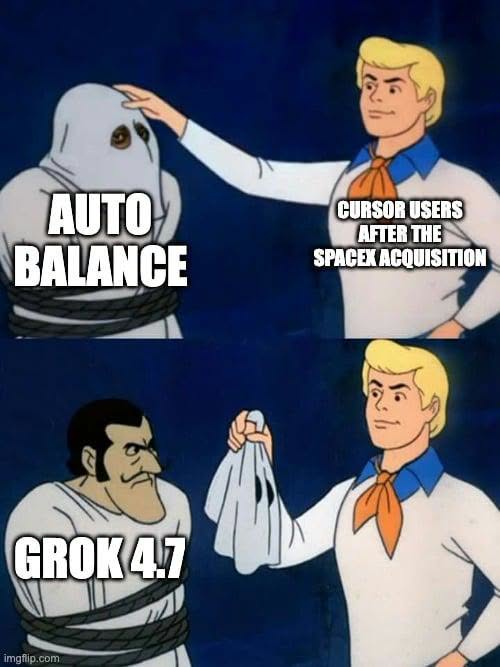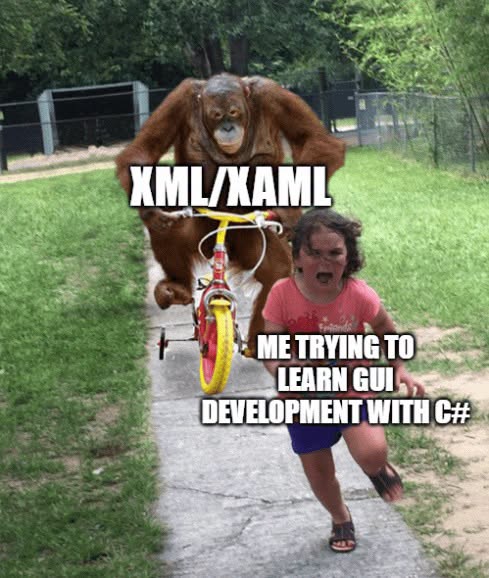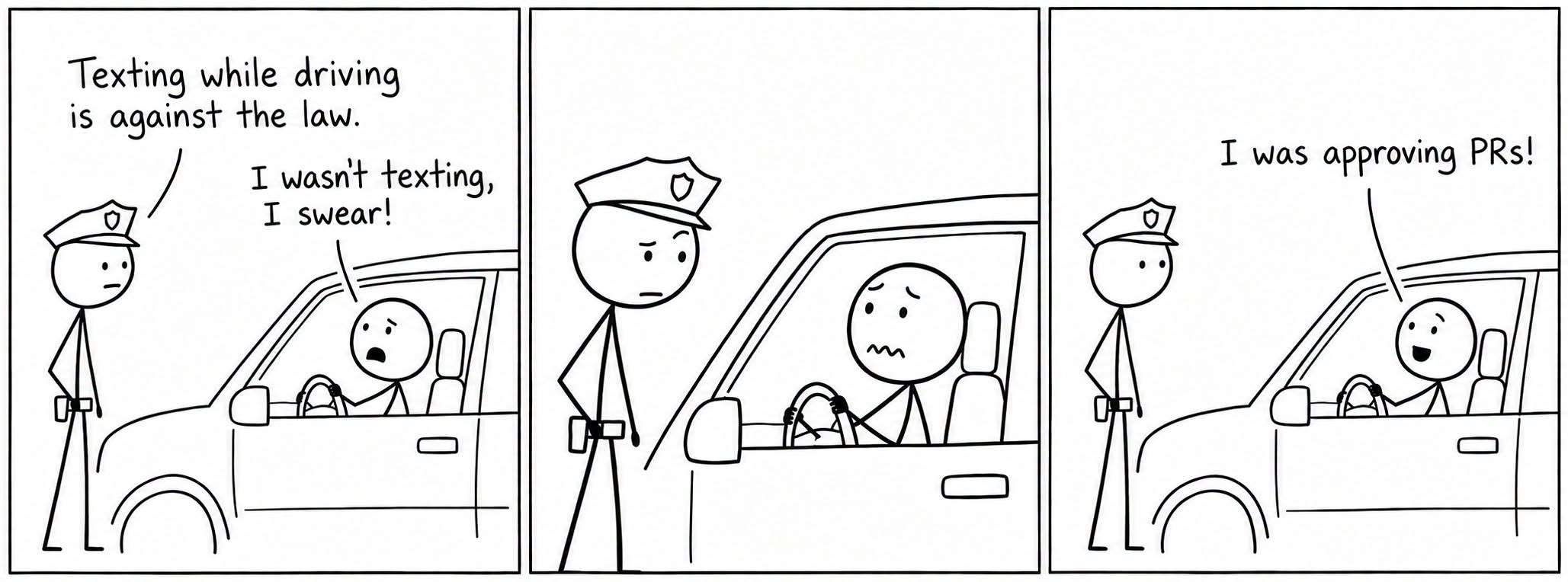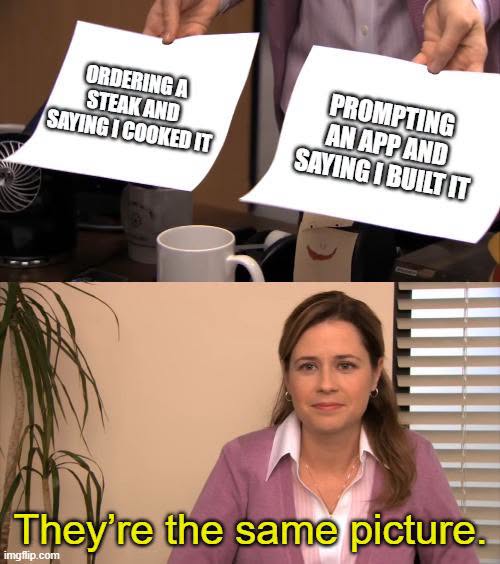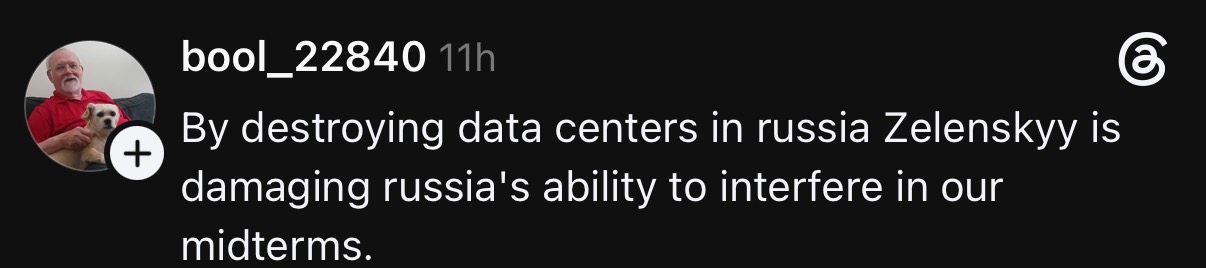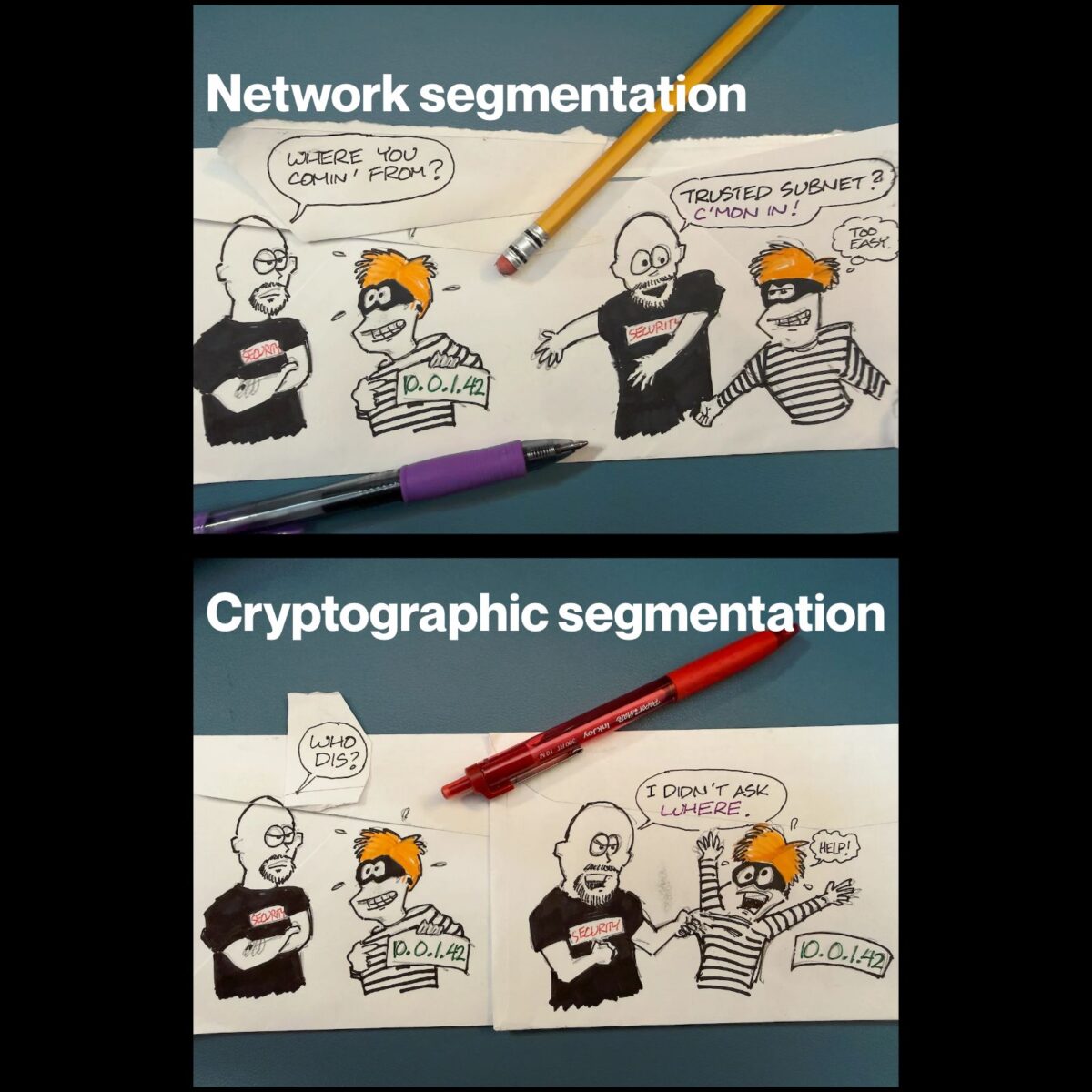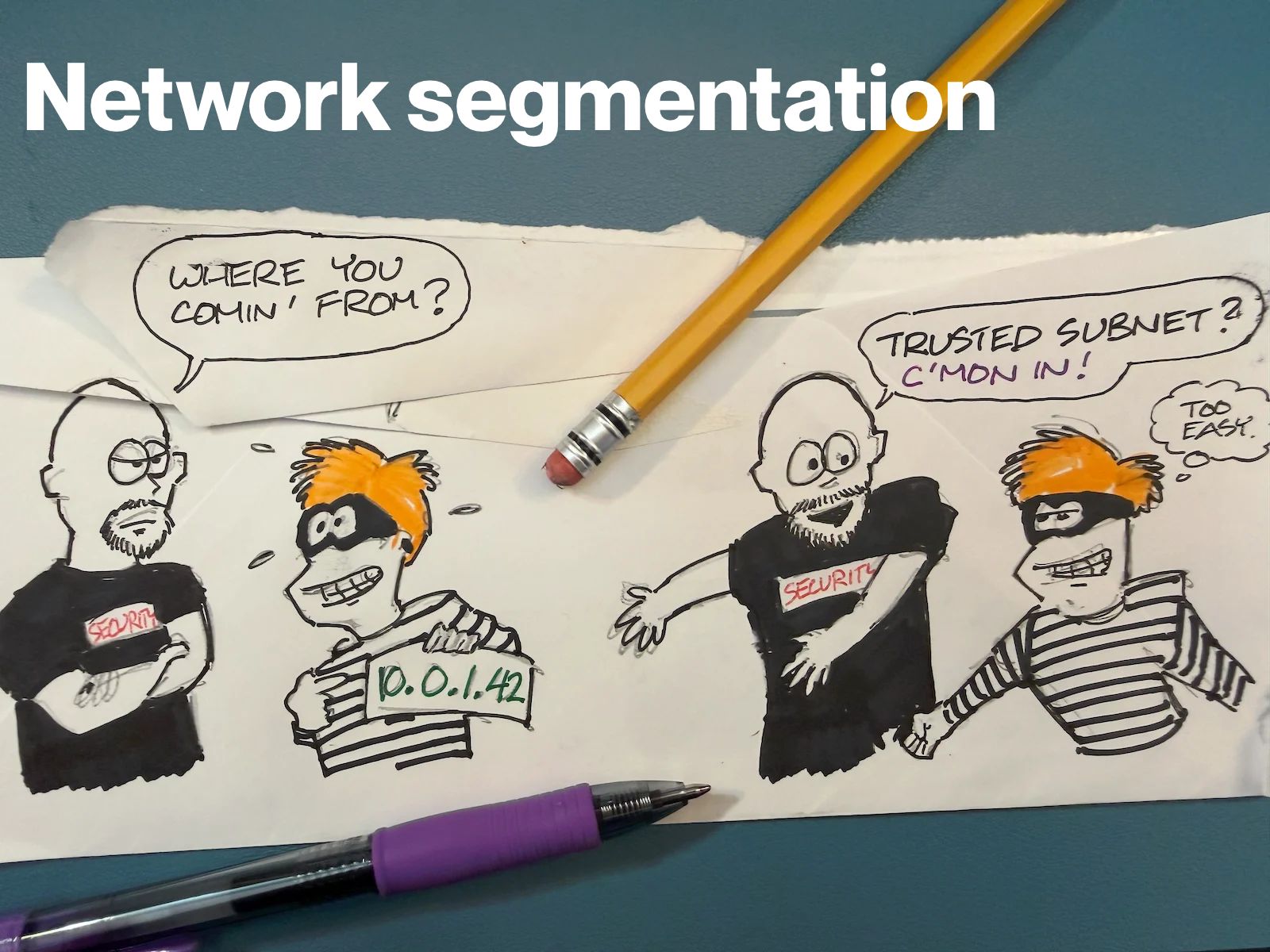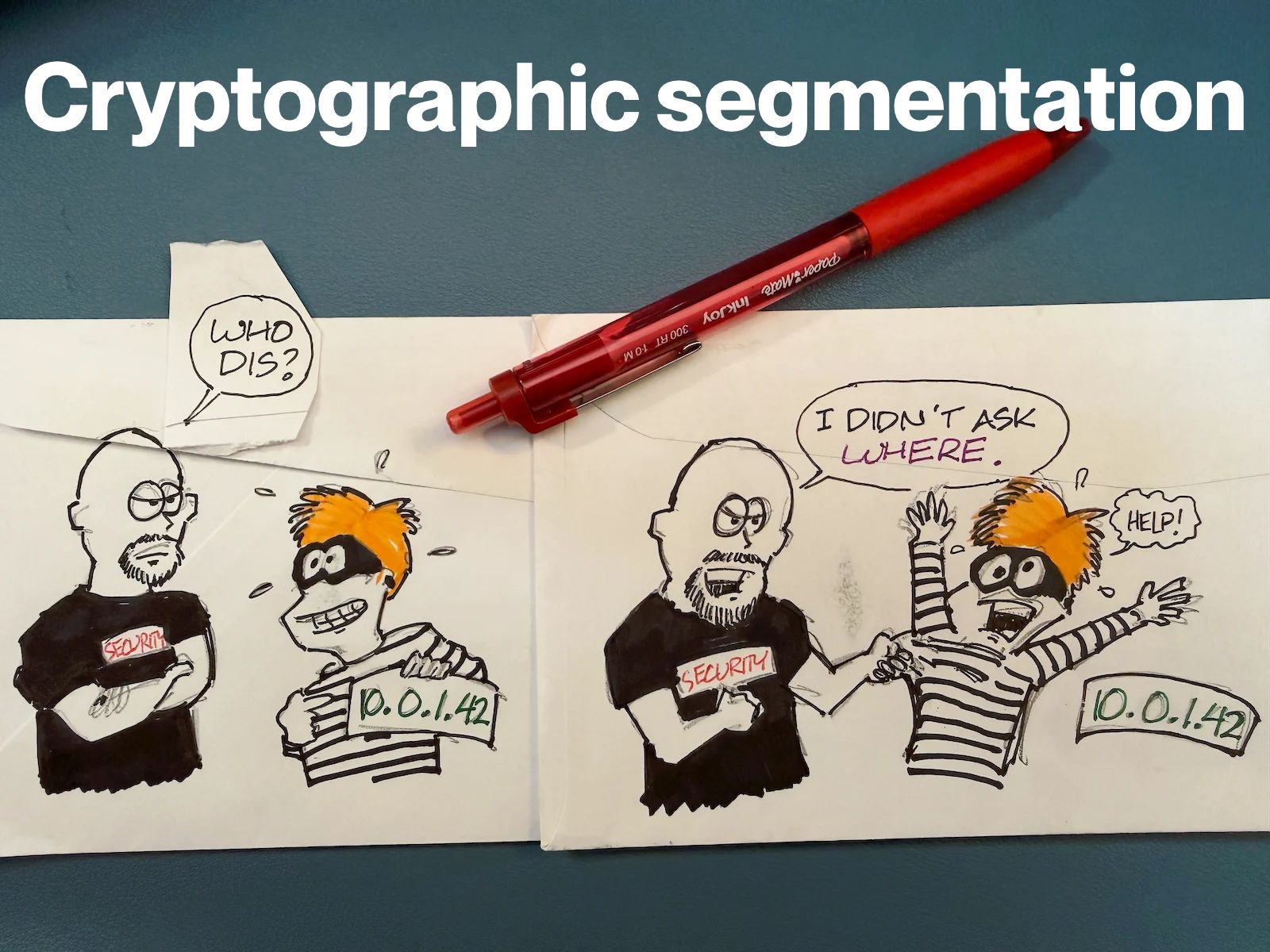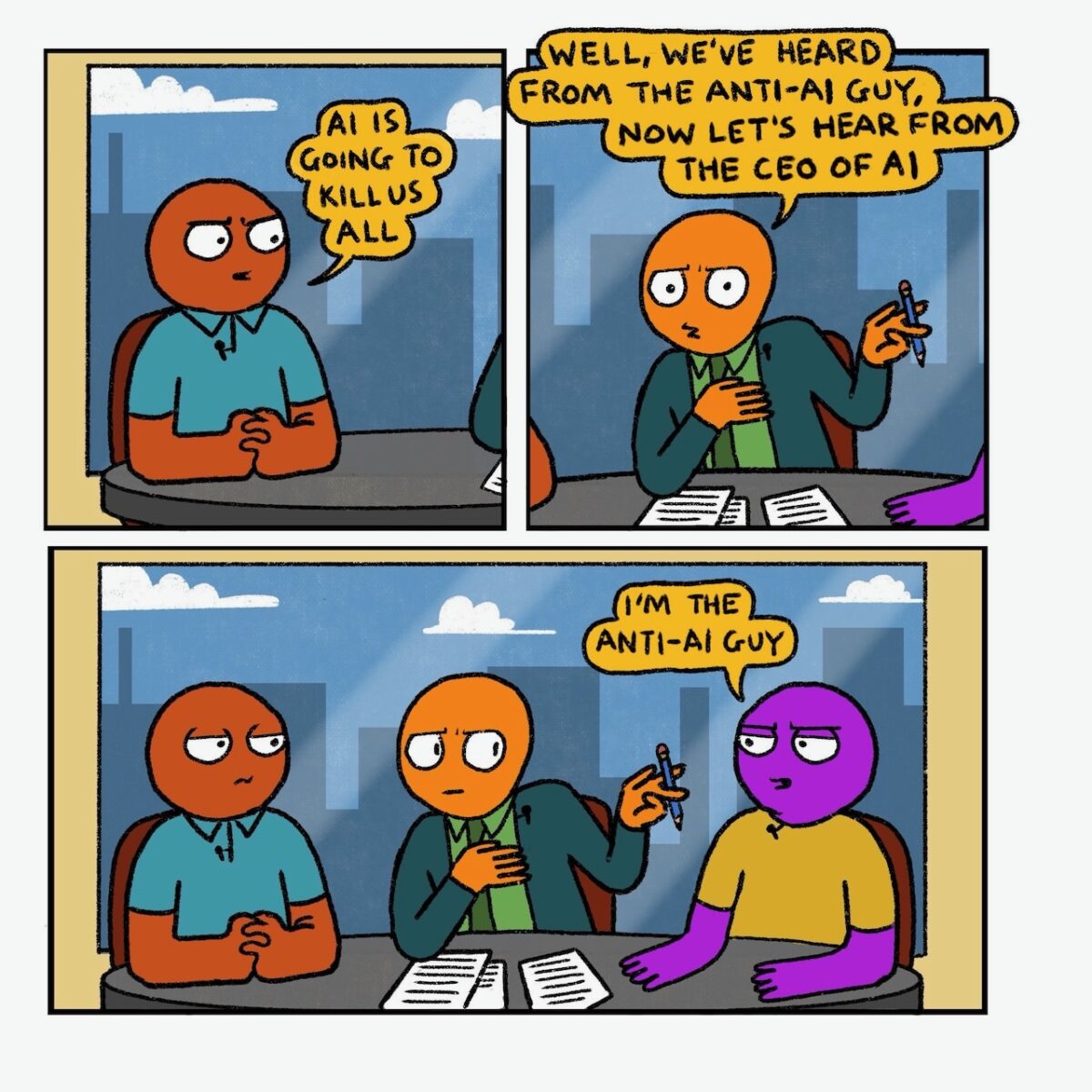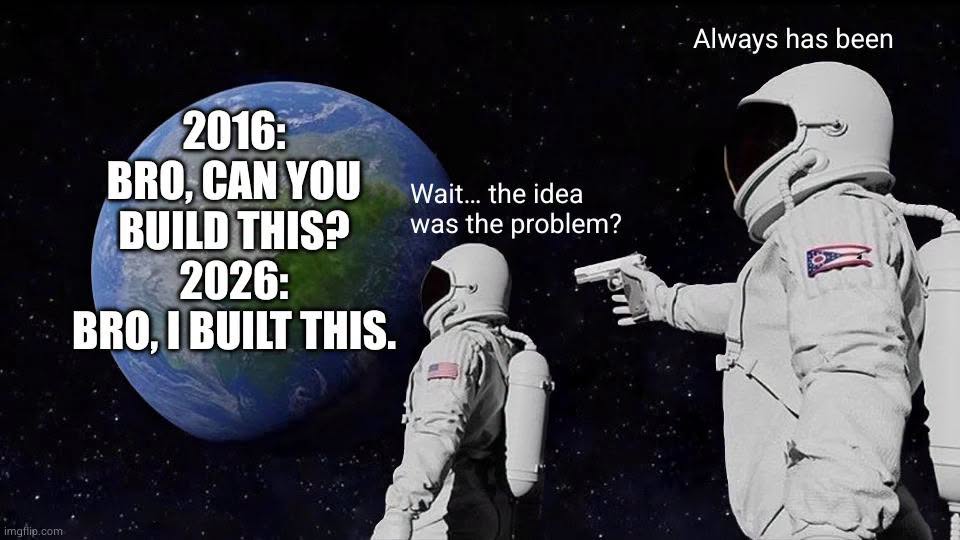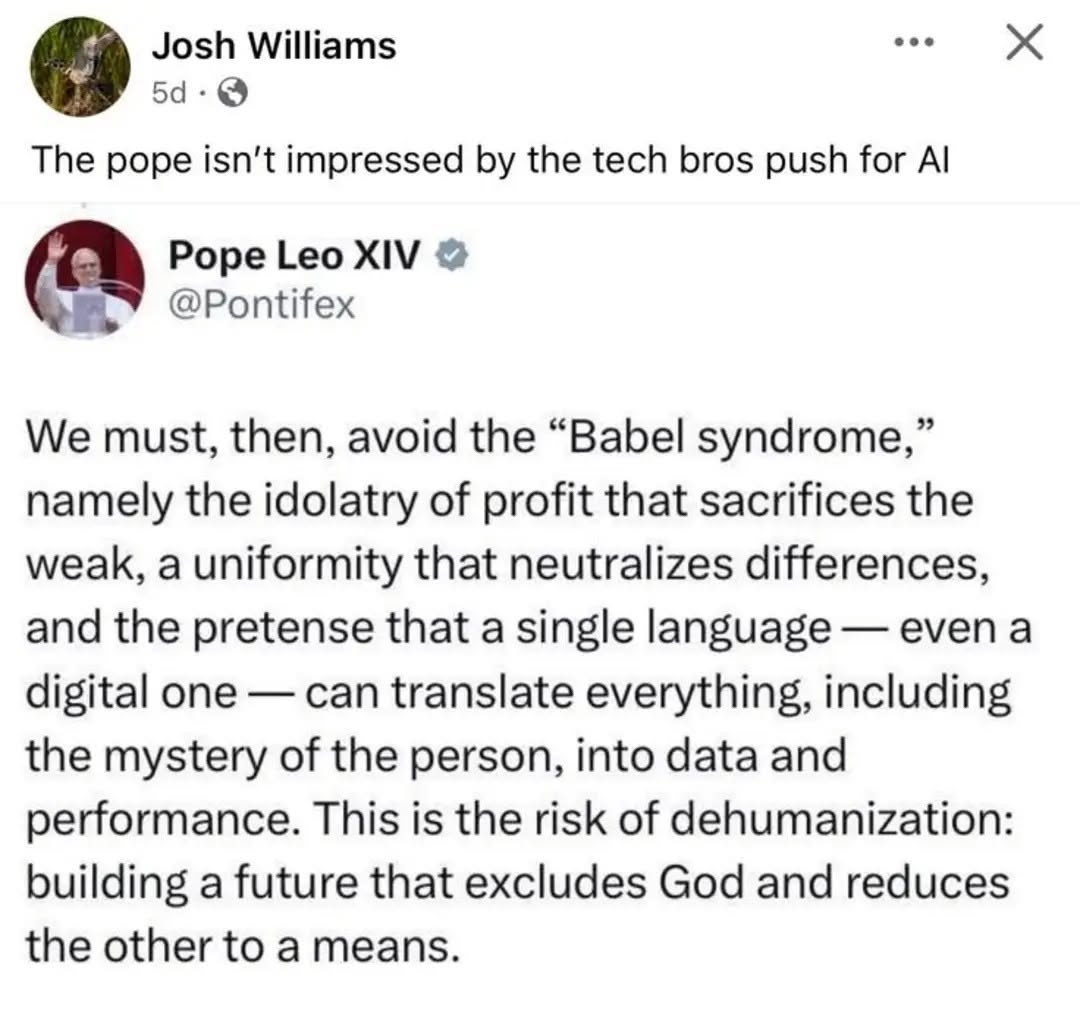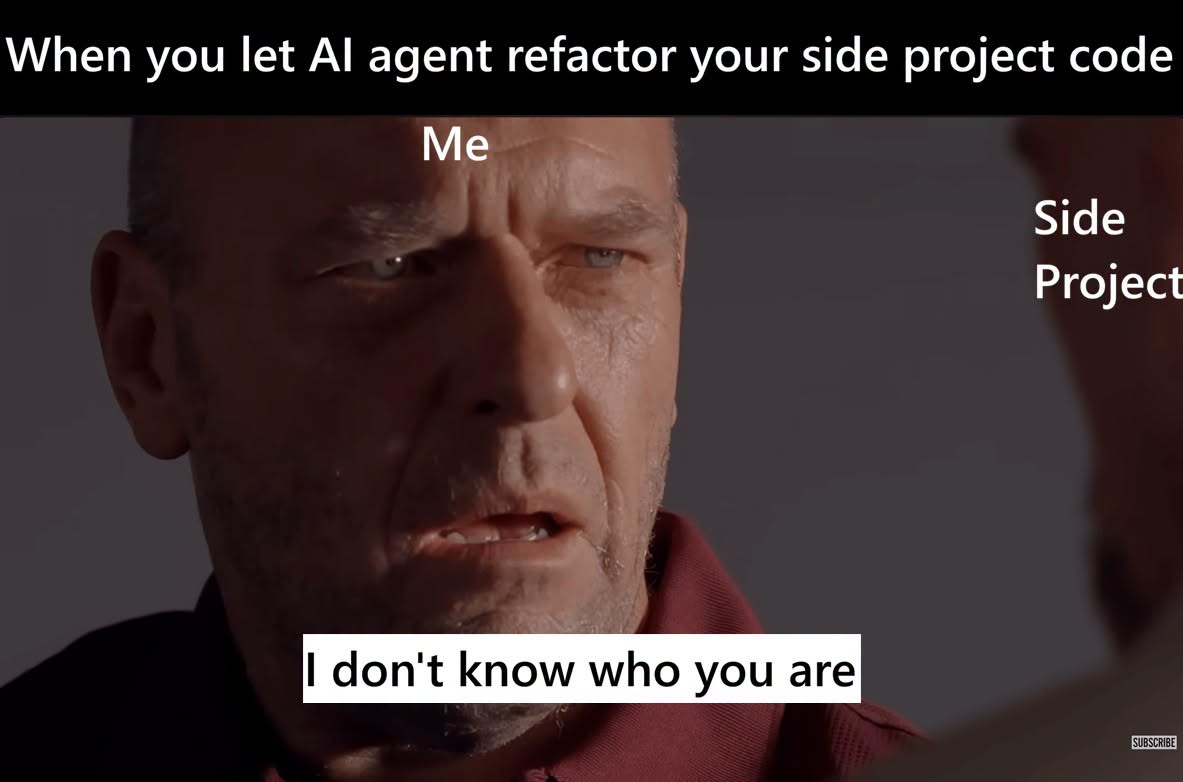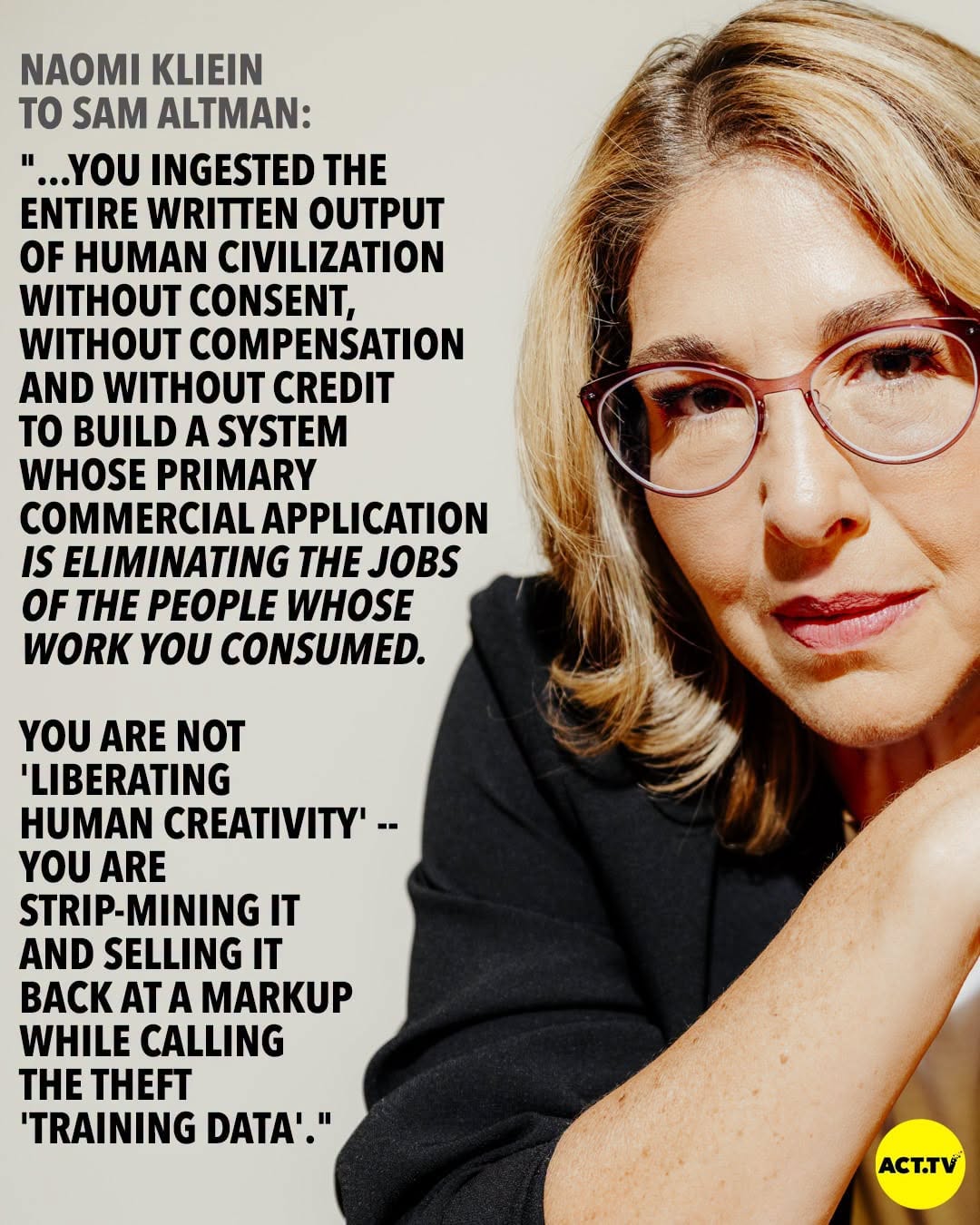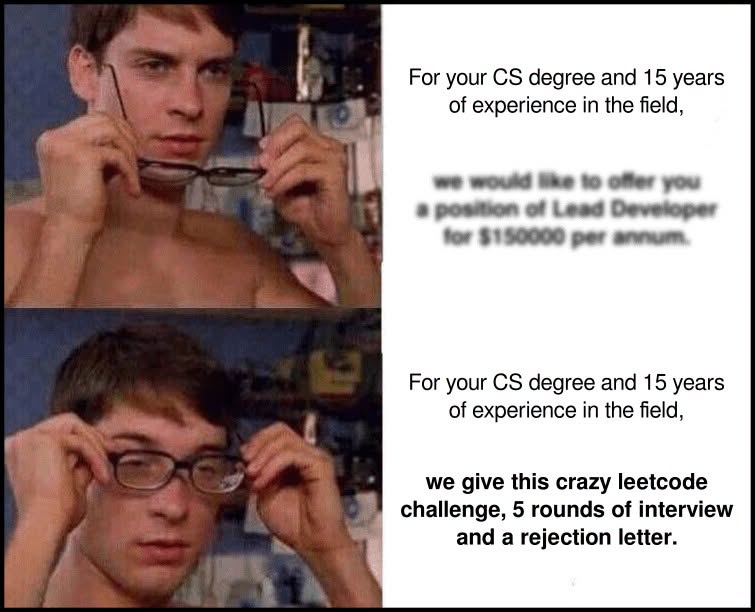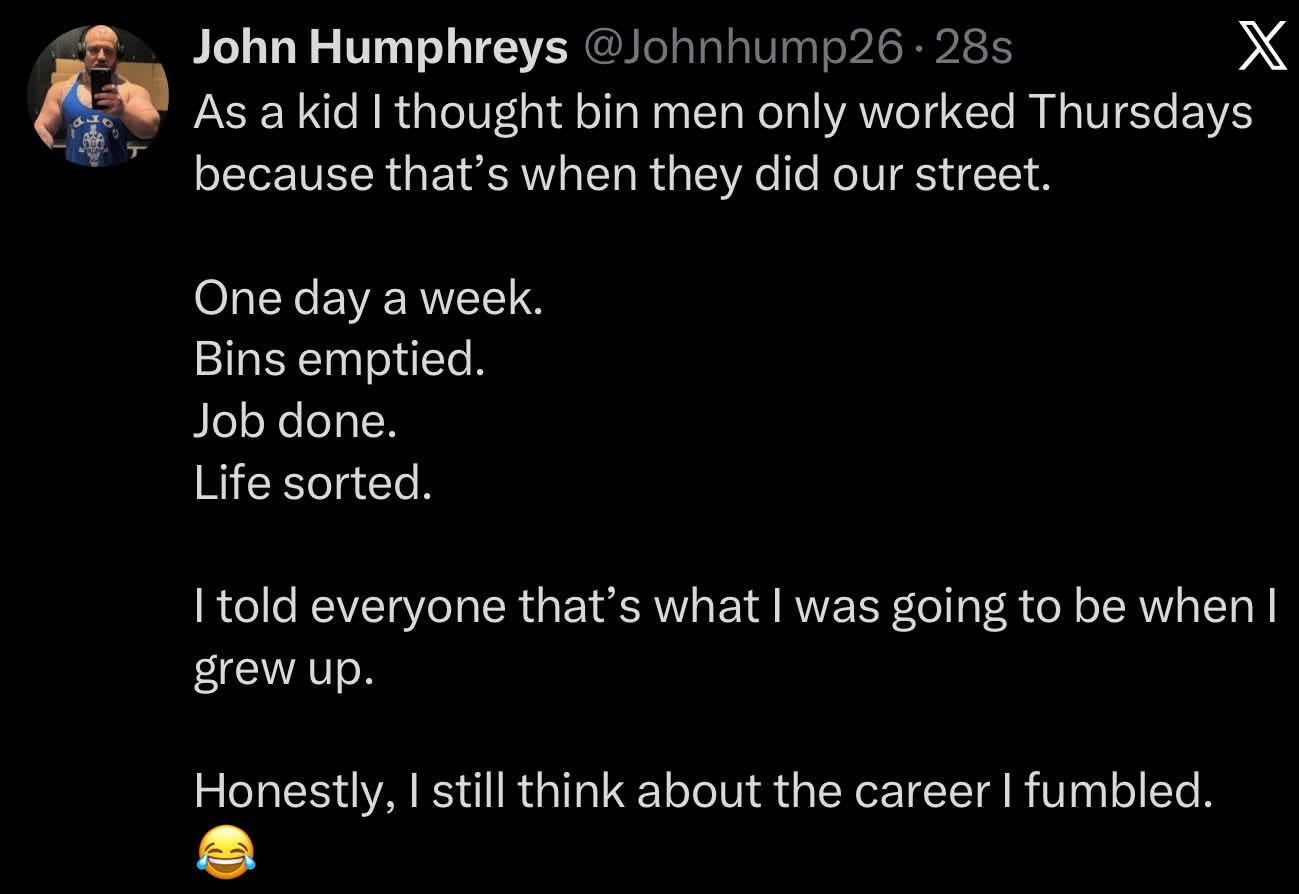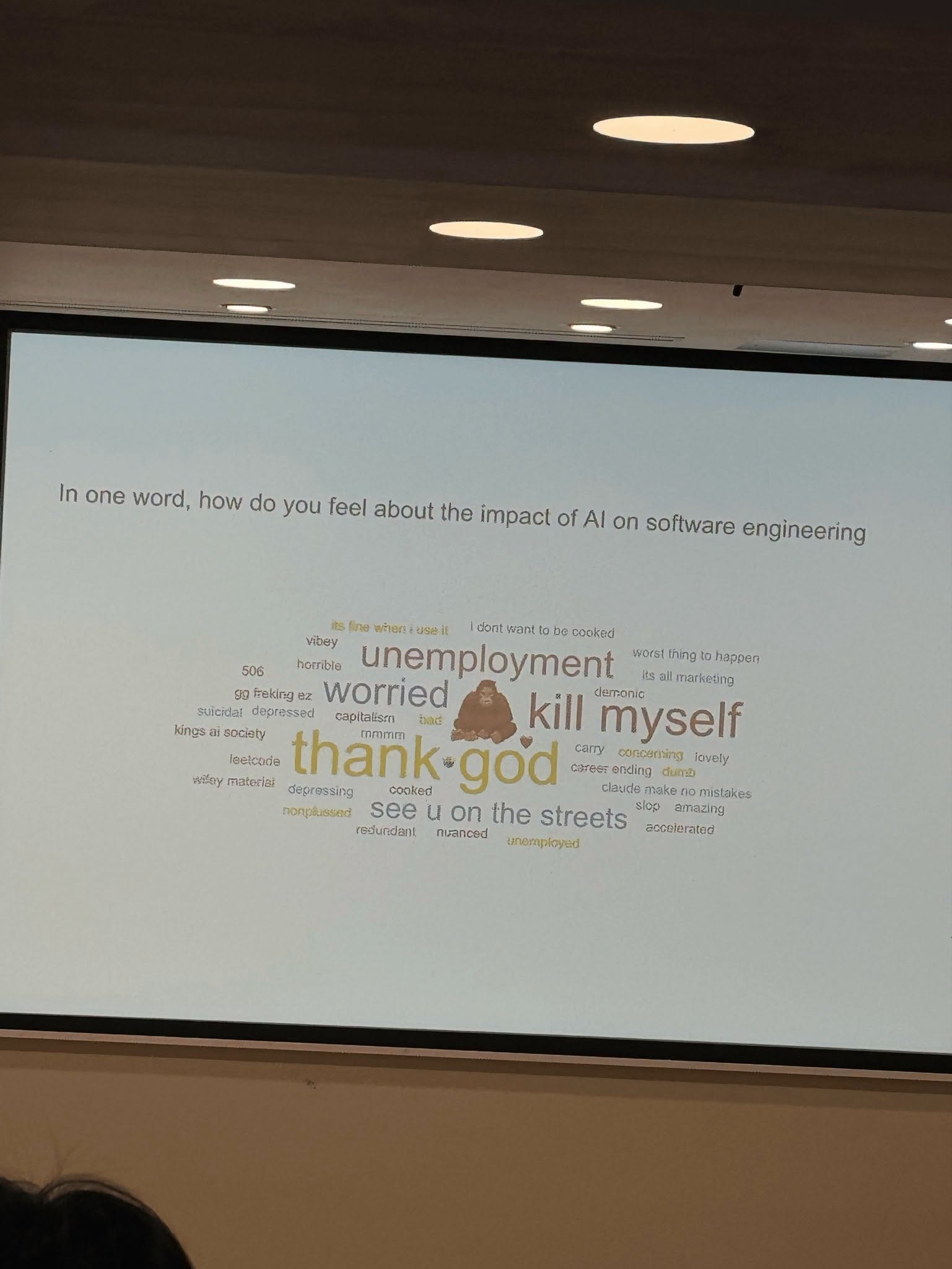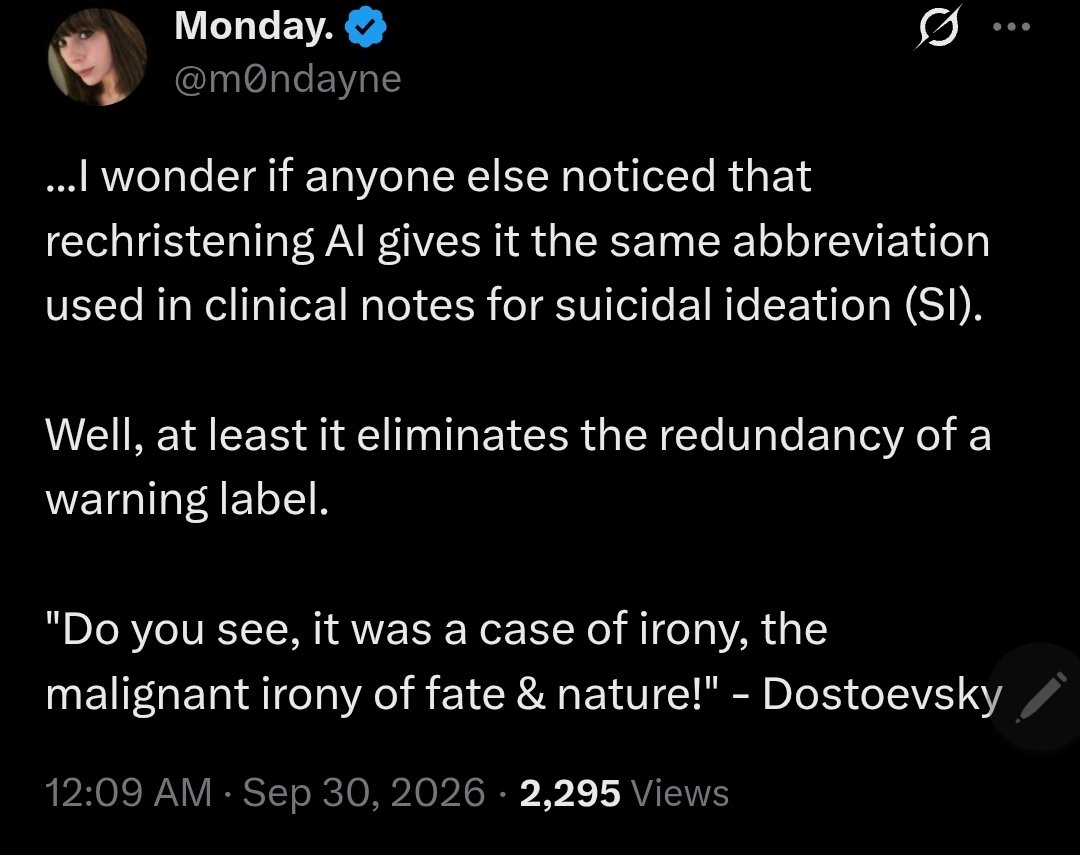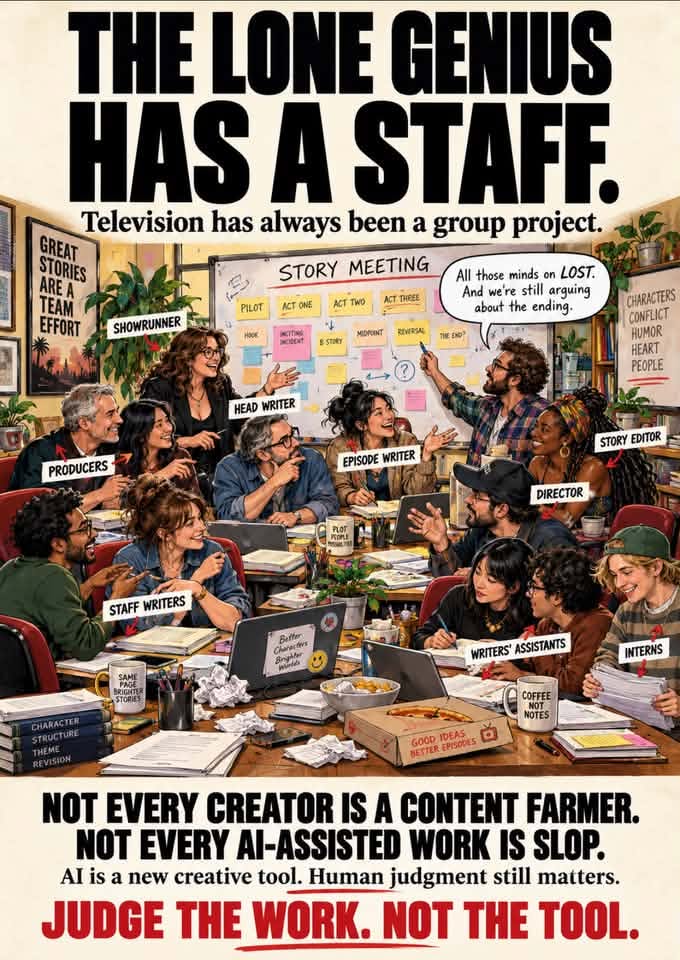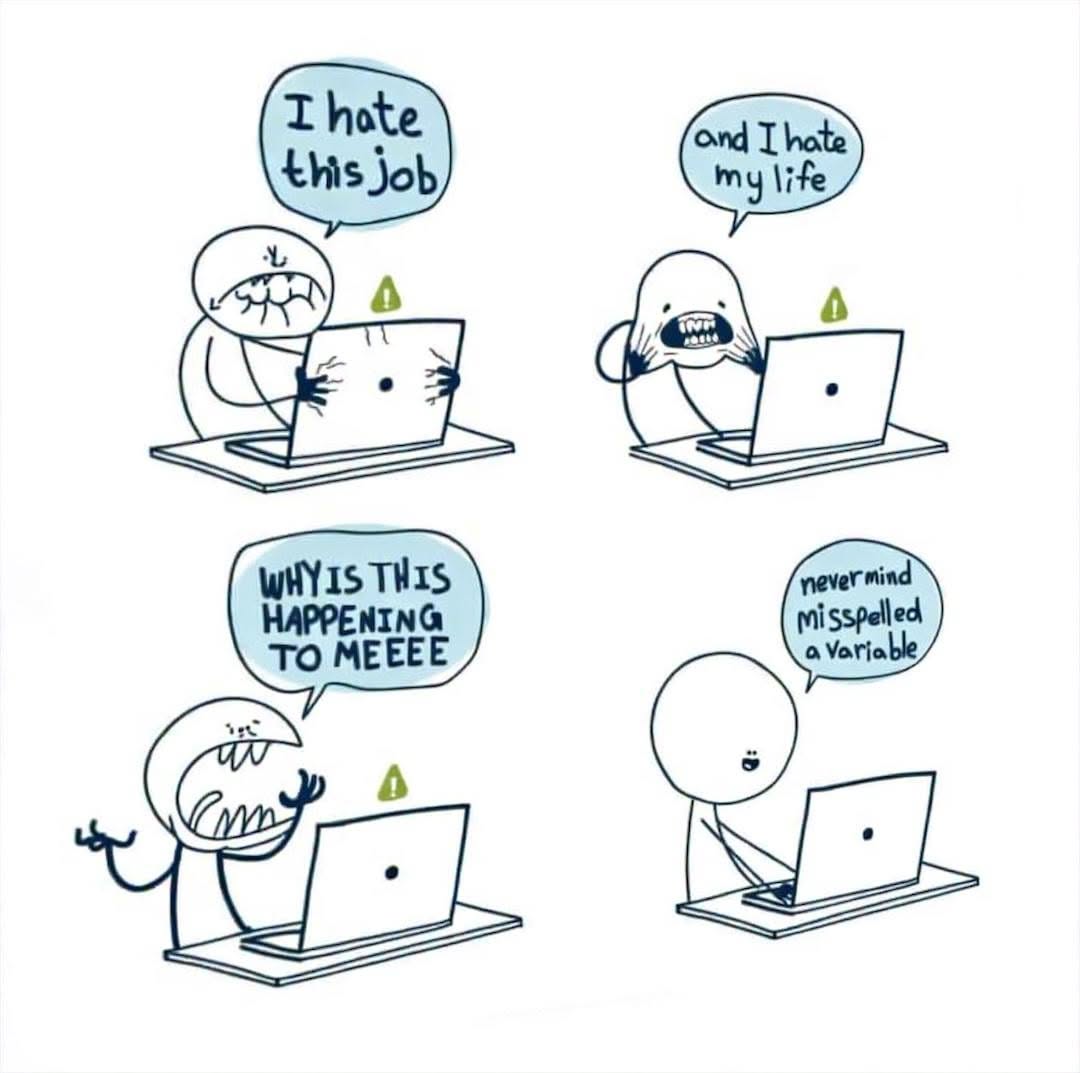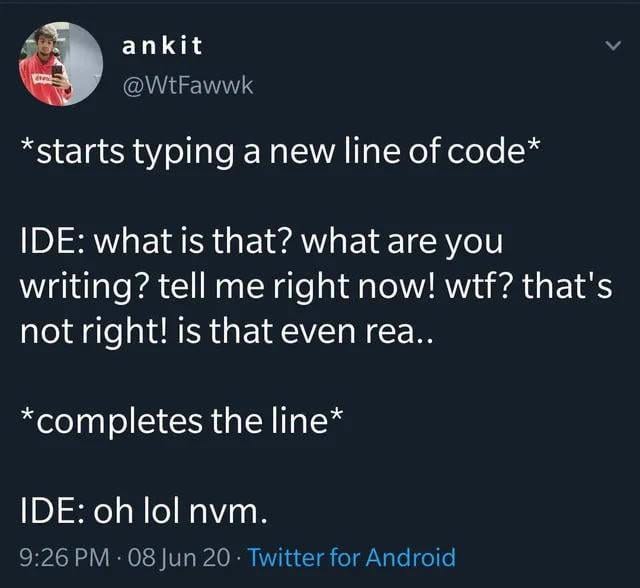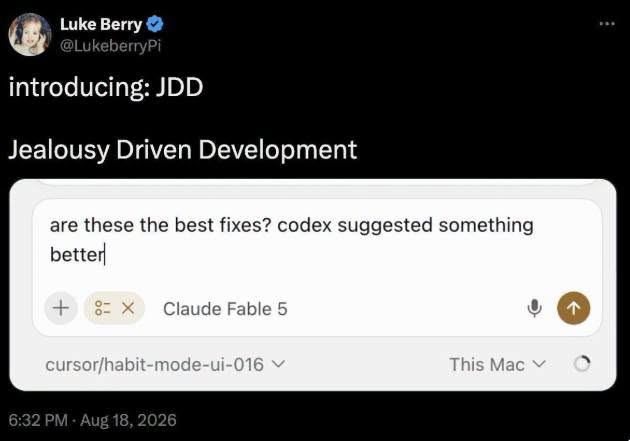
Happy Saturday, everyone! Here on Global Nerdy, Saturday means that it’s time for another “picdump” — the weekly assortment of amusing or interesting pictures, comics, and memes I found over the past week. Share and enjoy!


Happy Saturday, everyone! Here on Global Nerdy, Saturday means that it’s time for another “picdump” — the weekly assortment of amusing or interesting pictures, comics, and memes I found over the past week. Share and enjoy!


I’ve often been asked “How do you keep up with what’s going on in the AI world?”
One of my answers is that I watch Nate B. Jones’ YouTube channel almost daily. He cranks them out at a rate that I envy, and they’re full of valuable information, interesting ideas, and perspectives I might not otherwise consider.
If you haven’t seen this channel before, he recently published a great “starter video” titled The People Getting Promoted All Have This One Thing in Common (AI Is Supercharging this Mindset). It covers a topic that should be interesting to a lot of you: What to do when the traditional career ladder is getting dismantled, and yes, the answer involves AI.
Here’s the video, and below it are my notes. Enjoy!
The conventional path for white-collar career advancement that’s been around since the end of World War II is being dismantled. It used to be that you’d land an entry-level role, learn through work that starts as simple tasks but gets more complex as you go, and gradually climb the corporate ladder. That’s not the case anymore. If you’ve been working for five or more years, you’ve seen it; if you’re newer to the working world, you might have lived it.
Jones opens the video with these worrying stats:
This isn’t a temporary freeze but a structural shift where the “training rung” of the ladder is being removed. Those repetitive, easier tasks that you assign to juniors (summarizing meetings, cleaning data, drafting low-stakes documents) are exactly what generative AI now handles, and it’s getting better at it all the time.
As a result, the “ladder” is being disassembled while people are still trying to stand on it. Entry-level roles now require experience that entry-level jobs no longer provide because AI has cannibalized the work that used to serve as the learning ground [00:55]. Jones argues that in a world where the passive route of “doing your time”to get promoted is vanishing, the only viable strategy left for career survival and growth is cultivating extreme high agency.
High agency sounds like a feeling of confidence, self-assuredness, or empowerment. It’s best understood through the theory of Locus of Control, which psychologist Julian Rotter developed in the 1950s.
Jones proposes a mental exercise [1:55]: draw a circle and list all major life elements (promotions, skills, family, economy). For low-agency individuals, significant factors like promotions or learning requirements fall outside the circle, perceived as things determined by managers or the market. For high-agency individuals, absolutely everything falls inside the circle.
The high agency mindset dictates that while you cannot control external events, you can control the way you respond, and by extension, your trajectory (sounds like the modern stoicism that’s popular in Silicon Valley circles, as well as at my former company Auth0).
When a high-agency person encounters a barrier that seems outside their control, they reframe it with a four-word Gen Z expression: “That’s a skill issue” [03:23]. Whether it’s lacking a technical skill or not knowing how to navigate office politics, they view the obstacle not as an immovable wall, but as a gap in their own abilities that can be bridged through learning and adaptation.
Jones took the time to address the valid criticism that this mindset ignores systemic unfairness or is that “bootstrap mentality” that ignores structural problems. He argued that high agency is actually most critical for those with the least privilege. He observes that people from disadvantaged backgrounds often display higher agency because they lack the safety nets that more advantaged people have, which often leads them to be more passive [4:48]. When failure isn’t an option, you put in the effort not to fail.
While no one literally controls whether they get laid off, the high-agency mindset focuses on controlling the response: where to direct energy, what to learn next, and how to pivot.
However, Jones warns that an internal locus of control can be taken too far, leading to the tendency to blame yourself for everything that goes wrong. The goal isn’t to beat yourself up for every setback. Instead, it’s to channel that internal orientation into a “challenge” mindset. Instead of thinking “I failed because I’m inadequate,” the high-agency approach is “I haven’t found the right angle of attack yet, but I can figure it out” [5:41]. This distinction, which looks a lot like “growth mindset,” turns potential anxiety into a strategic focus on solving problems.
Jones’ thesis is that AI is the “greatest equalizer for agency that has ever existed” because it acts as a force multiplier for anyone willing to act [5:59]. Barriers that previously required years of expensive education or access to elite networks, such as coding a website, analyzing complex data, or launching a marketing campaign, can now be overcome by a single individual with a laptop and determination. AI doesn’t care about your pedigree; it simply responds to questions and executes commands.
This technological shift allows high-agency individuals to bypass traditional gatekeepers. Jones shares examples of people (including the creator of Base44) moving from dead-end situations to running scaling businesses not because of luck, but because they used AI to relentlessly patch their skill gaps [6:12]. In this new era, if you don’t know a programming language or a business concept, AI allows you to learn and implement it simultaneously, effectively turning “skill issues” into temporary speed bumps rather than dead ends.
A critical consequence of the AI era is the acceleration of the gap between high and low-agency individuals. Jones notes that while this difference used to play out over decades, AI now makes the separation visible in months [7:33]. High-agency people leveraging AI can accomplish 10 to 100 times more than their passive counterparts, compressing career trajectories that used to take twenty years into a fraction of the time (supposedly; consider the myth of the 10x developer). Conversely, career stagnation that once took a decade to notice (you sometimes see this in “company lifers”) now becomes apparent almost immediately.
This acceleration means that waiting for permission or the next rung of the ladder to appear is a strategy for failure. The people currently being tapped for leadership are those who combine high agency with “AI-native” thinking, leading them to redefine roles instead of just filling them [8:11]. In an organizational structure that is inherently malleable and constantly disrupted by scaling intelligence, titles don’t matter. Instead, what really matters is generating value and outcomes.
Jones talks about what he calls the “Say/Do Ratio” as a measure of high agency. It’s the gap between saying you will do something and actually doing it.
Most people have a poor ratio, letting weeks or months pass between intention (“I’m going to learn this skill!” or “I’m going to hit the gym daily!”) and action. They’re either hit by “analysis paralysis” or waiting for perfection [12:37]. High-agency individuals shrink the distance between “say” and “do.” They start immediately, even when they feel unprepared or uncomfortable.
AI serves as a powerful accelerator for improving this ratio by helping users “ship halfway-done” work (think “Minimum Viable Product”) or get past the “blank page” problem instantly.
Jones cites Kobe Bryant as a prime example of this mindset. Bryant viewed nervousness not as an emotion to be managed, but as an information signal that he hadn’t prepared enough, which is a variable that he could control [11:38]. Similarly, in the AI age, preparation and execution are more accessible than ever, allowing those with high agency to move from idea to prototype without getting stuck in the “planning” phase.
The combination of high agency and AI is reshaping the business landscape, and the surge in solo founders and “lean” billion-dollar companies. Jones points out that the share of startups with solo founders has nearly doubled since 2015, and we’re approaching the era of the one-person billion-dollar company [15:13]. He cites the example of solo founder Maor Shlomo, who built Base44 from a side project to an $80 million exit in six months without a full-time team or venture capital, simply by pushing code to production 13 times a day [16:20].
This trend proves that AI allows individuals to operate with the output capacity of entire teams. Founders and operators can now “speedrun” through obstacles that used to require hiring specialists, whether it’s understanding server-side architecture or generating marketing materials. The constraint on building a massive business is no longer headcount or capital, but the agency of the founder to utilize AI to extend their own capabilities and solve problems [16:47].
In the end, the high-agency mindset is grounded in an obsession with pushing value into the world. Jones describes this as a belief that the world is “bendable”: if you generate enough value and contribute enough, the world will eventually respond in your favor [18:15].
This orientation prioritizes contribution over extraction; instead of asking “What can I get?”, high-agency people ask “What can I create?”. Simply put, you get what you give.
This perspective shifts the focus from waiting for opportunities to making them. If you approach AI as a tool to expand your locus of control, you can systematically knock down barriers between you and your goals. Jones concludes that the future belongs to those who don’t wait for the old structures to return but instead use their agency to build, ship, and learn now, viewing the current disruption not as a threat, but as an unprecedented opportunity for growth [21:44].
Here’s what’s happening in the thriving tech scene in Tampa Bay and surrounding areas for the week of Monday, January 26 through Sunday, February 1!
This list includes both in-person and online events. Note that each item in the list includes:
✅ When the event will take place
✅ What the event is
✅ Where the event will take place
✅ Who is holding the event

Tuesday at 10:00 a.m. (online): Standing out on LinkedIn takes more than just having a profile. It takes intention, clarity, and the right approach. This live webinar is designed to help professionals cut through the noise and get noticed by recruiters, hiring managers, and industry peers. Led by the Computer Coach Career Services team, this session breaks down how LinkedIn actually works and how to use it as a tool for visibility, connection, and career growth.

Find out more and register here.
Tuesday at 5:30 at Hidden Springs Ale Works (Tampa): It’s the last Tuesday of the month, which means it’s time for another TampaTech Taps & Taco Tuesday! Come connect with industry peers, have some of Hidden Springs’ fine beers at 15% off, and of course, free tacos!
No speakers, no presentations — just great conversations and a raffle (because that’s way more fun!)
Thursday at 4:00 p.m. at American Legion Post 138 (Tampa): It’s the January 2026 Tampa/MacDill AFB Orange Call!
In a military context, an “orange call” refers to an alert signaling a heightened cybersecurity state of readiness.
This orange call’s purpose is to gather and network amongst fellow communicators, guardians, and enablers of all ranks, titles, and experience levels, share resources and seek professional development. They will conduct an informal meet & greet and discuss MacDill communicators and missions, including the increasing role of cyber and the importance of defending our nation’s networks.
It’s also an opportunity for anyone looking for a job or internship — you get to make a 2-minute elevator pitch! Same for anyone looking to hire.
Find out more and register here.
Friday, starting at 8:00 a.m. at the Hilton Downtown (Tampa): Tampa Bay Generative AI Meetup is partnering with the Seventh Annual Tampa Official Cybersecurity Summit!
This is the must-attend event for CISOs and senior leaders looking to strengthen resilience, reduce risk, and align security with business goals. Join top executives, innovators, and experts for a full day of actionable insights, cutting-edge solutions, and high-impact networking. Experience interactive panels, exclusive solution showcases, and strategic discussions that go beyond theory to deliver real-world results, all complemented by a catered breakfast, networking lunch, and closing cocktail reception.
Also, Tampa Bay Generative AI Meetup organizer James Gress will be on the AI and Emerging Tech at the 2026 Security Frontline panel at 11:10!
Find out more and register here (use CSS26-TAMPABAYGENAI for free admission!)
| Event name and location | Group | Time |
|---|---|---|
| Tampa Cybersecurity Summit Hilton Tampa Downtown |
Tampa Bay Generative AI Meetup | 8:00 AM to 5:00 PM EST |
| Computer Repair Clinic 2079 Range Rd |
Tampa Bay Technology Center | 8:30 AM to 12:30 PM EST |
| Friday Board Game Night Bridge Club |
Tampa Gaming Guild | 5:30 PM to 11:00 PM EST |
| MTG: Commander FNM Critical Hit Games |
Critical Hit Games | 6:00 PM to 11:00 PM EST |
| Taps & Drafts | EDH/MtG Night 1Up Entertainment, Tampa |
Nerdbrew Events | 7:00 PM to 9:00 PM EST |
| Modern FNM Sunshine Games | Magic the Gathering, Pokémon, Yu-Gi-Oh! |
Sunshine Games | 7:00 PM to 10:30 PM EST |
| Friday Pokemon Tournament Sunshine Games | Magic the Gathering, Pokémon, Yu-Gi-Oh! |
Sunshine Games | 7:30 PM to 11:30 PM EST |
| Return to the top of the list | ||
| Event name and location | Group | Time |
|---|---|---|
| ICEBREAKER Social Game Day ♀️♂️ Park Shore Condos – Community Rec Room |
Groupies Got Games | 1:00 PM to 4:00 PM EST |
| Sunday Gaming Tampa Bay Bridge Center |
Tampa Gaming Guild | 1:00 PM to 11:00 PM EST |
| Control (January’s Game of the Month) HOB Brewing |
Dunedin-Palm Harbor Video Game Book Club | 2:00 PM to 4:00 PM EST |
| Sunday Chess at Wholefoods in Midtown, Tampa Whole Foods Market |
Chess Republic | 2:00 PM to 5:00 PM EST |
| D&D Adventurers League Critical Hit Games |
Critical Hit Games | 2:00 PM to 7:30 PM EST |
| Sunday Pokemon League Sunshine Games | Magic the Gathering, Pokémon, Yu-Gi-Oh! |
Sunshine Games | 4:00 PM to 8:00 PM EST |
| Sew Awesome! (Textile Arts & Crafts) 4933 W Nassau St |
Tampa Hackerspace | 5:30 PM to 8:30 PM EST |
| Continuing adventures in the setting of Symbaroum. |
St Pete and Pinellas Tabletop RPG Group | 5:30 PM to 9:30 PM EST |
| A Duck Presents NB Movie Night Discord.io/Nerdbrew |
Nerd Night Out | 7:00 PM to 11:30 PM EST |
| Return to the top of the list | ||

How do I put this list together?
It’s largely automated. I have a collection of Python scripts in a Jupyter Notebook that scrapes Meetup and Eventbrite for events in categories that I consider to be “tech,” “entrepreneur,” and “nerd.” The result is a checklist that I review. I make judgment calls and uncheck any items that I don’t think fit on this list.
In addition to events that my scripts find, I also manually add events when their organizers contact me with their details.
What goes into this list?
I prefer to cast a wide net, so the list includes events that would be of interest to techies, nerds, and entrepreneurs. It includes (but isn’t limited to) events that fall under any of these categories:
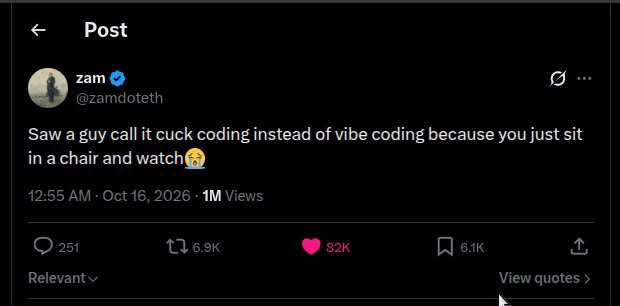
If we have a term like “vibe coding,” where you build an application by describing what you want it to do using natural language (like English) and an LLM generates the code, we probably should have an equal opposite term that’s catchier than “traditional coding,” where you build an application using a programming language to define the application’s algorithms and data structures.
I propose the term grind coding, which is short, catchy, and has the same linguistic “feel” as vibe coding.
Having these two terms also makes it clear that there’s a spectrum between these two styles. For instance, I’ve done some “mostly grind with a little vibe” coding where I’ve written most of the code and had an LLM write up some small part that I couldn’t be bothered to write — a regular expression or function. There’ve also been some “most vibe with a little grind” cases where I’ve had an LLM or Claude code do most of the coding, and then I did a little manual adjustment afterwards.
While doing some “housekeeping” on this blog, it occured to me that Global Nerdy has been ongoing since 2006 and will have its 20th anniversary this August. Over the years, it has garnered more than 10 million pageviews (10,868,814 as I write this) and is on track to hit the 11 million pageview mark this year.
The past couple of months have also shown a climb in readership, probably driven by the AI-related content and traffic directed here by Leo Laporte and my appearances on Intelligent Machines and This Week in Tech:
My thanks to all of you who’ve come by to read! There’s a lot coming up here on the blog and on the Global Nerdy YouTube channel as well. 2026 should be an interesting year!
Happy Saturday, everyone! Here on Global Nerdy, Saturday means that it’s time for another “picdump” — the weekly assortment of amusing or interesting pictures, comics, and memes I found over the past week. Share and enjoy!


Yesterday evening, I headed to spARK Labs to attend the CTO School Tampa Bay meetup to catch their session, Lessons in Scaling Engineering Teams with Leon Kuperman of CAST AI, where organizer Marvin Scaff conducted a “fireside chat” with CAST AI’s CTO.
Leon Kuperman has over 20 years of experience, having been Vice President of Security Products for Oracle Cloud Infrastructure (OCI). This role followed Oracle’s 2018 acquisition of Zenedge, a cybersecurity and Web Application Firewall (WAF) company where Kuperman was Co-Founder and CTO. Prior to that, he had leadership roles at IBM and Truition. He’s widely recognized for his expertise in cloud computing, web application security, and engineering leadership.
CAST AI is a Miami-based cloud automation platform that optimizes Kubernetes clusters using AI, founded back in the pre-GPT (and pre-COVID) era, in 2019. They recently launched OMNI Compute, a unified control plane that allows organizations to access compute resources (specifically GPUs for AI workloads) across different cloud providers and regions seamlessly. Just this month, they joined the “three comma club” and hit a valuation of over $1 billion.

My original plan was to arrive early, but a combination of last-minute calls and making the cross-bay journey led to my missing the first half hour of the talk.
Still, I took some notes, and I’m sharing them here. I hope you find them useful!
Marvin and Leon’s chat was a compressed master class in managing a software engineering organization. They walked through what it takes to scale engineering without losing velocity, drawing on lessons from building CAST AI (now at around 160 engineers) and Leon’s earlier BigCo experience, including at IBM and Oracle.
I caught three-quarters of the talk, which included:
I also have a quick summary at the end.
Scaling needs structure, especially especially distributed teams. Leon framed “scale” as a move from informal coordination to explicit systems. Rather than adding bureaucracy for its own sake, his approach is to add just enough structure to prevent chaos when the team is remote and distributed.
The “two-pizza team” model: Amazon popularized the “two-pizza rule,” a general guideline that teams work best when they’re small enough that two pizzas will feed them. This typically means a team size of 10 people or fewer. CAST AI teams are “two-pizza” teams, and most teams are dedicated to a specific scope.
A deliberately flat hierarchy: Leon described a simple reporting chain leading up to him: directors → VP Engineering → Leon. Despite scale, he aims to stay close to reality by interacting with every team at least every two weeks, and often weekly.
Peter Principle was (the younger ones in the room didn’t, probably because it’s an idea that was popular in the 1970s-80s). He talked about how people get promoted into roles they’re not suited for, and then get stuck because nobody ever goes back to IC.
CAST AI’s answer is a “manager candidate” program, where a prospective manager is assigned a small pod, where they get the chance to “do the job before you get the job” for about six months. If the candidate is a fit, they retain the manager role, otherwise, they return to an IC role with “zero repercussions” and no stigma.
Common leadership failure modes: Leon highlighted the usual suspects, including micromanaging, weak delegation, and not building motivation through mentoring. He also stressed that trust is built through honesty and vulnerability, as people won’t fully commit to a leader who presents as a “robotic individual.”
“If I fail, I fail.”
CTOs must be both “product people” and “customer people.” Even for introverts, he argued this is non-negotiable: a CTO needs the customer context to make good product/engineering tradeoffs.
Planning: vision is long-term; execution is short-loop. He rejected long-range roadmaps as fantasy (“estimates are always wrong”) and described a system of:
Dunbar’s Number), you need explicit performance management to avoid letting mediocrity hide in the system.
don’t want, while also being willing to move on from sustained underperformance.
Hiring rigor; culture “deep dive.” CAST AI’s hiring loop includes:
He gave a concrete example using “customer obsession” as a trait: asking for times someone pushed back internally to fight for the customer, and treating “not really” as a signal of poor fit.
Foundational CS > language trivia. In the Q&A session, Leon emphasized hiring for fundamentals, such as distributed systems and concurrency, because those are hard to fake (and languages can be learned fairly quickly).
DevEx is a scaling strategy, not a perk. Leon explicitly dismissed vanity metrics and refocused on developer experience quantities that matter: friction in onboarding, docs, local dev, and pipelines is what slows teams down. CAST AI has a dedicated DevEx team of four focused on removing that friction.
Measure friction with DevEx + DORA-style signals. (by the way, DORA is short for “DevOps Research and Assessment”). He described using GetDX to produce quarterly “heat maps” of where developers are least happy, then prioritizing platform work to make those pain points “not suck.”
“The antidote to change risk is more change.” A highlight of the evening: Leon pushed back hard on enterprise “change approval board” thinking. Enterprises lock down change because change causes incidents; his view is that the remedy is smaller changes released faster, backed by automation so that rollback is quick and boring.
Automated quality, modern delivery, and canaries. At their release cadence, manual QA doesn’t scale. Leon said they do zero manual testing (no QA team), rely on automated checks (including AI “first-pass” checks), and called out Argo CD for Kubernetes delivery plus canary testing as the next level of release management.
Blameless root cause analysis and “5 Whys”: When things break, Leon described a blameless postmortem discipline, where they enforce psychological safety, run an honest “5 Whys,” produce near-term action items, and ensure everyone is heard. No finger-pointing!
He reinforced the mindset later: “It’s the process that broke, not the guy.”
Tool adoption is becoming a performance separator. Leon’s framing: engineers who don’t adopt strong tools and absorb best practices will get outpaced, even by “average” engineers who do.
Claude Code, expense, and velocity: In the founder funding discussion, Marvin referenced that tools like “Claude code” are “expensive… a couple hundred bucks per person per month,” but enable teams to ship quickly.
GSD (short for “Get Shit Done”) as a workflow aid and “context manager” style approach—breaking work into phases to reduce context-window pain and keep momentum.
Writing skill as a proxy for critical thinking. One of the spiciest takes: Leon said he “over-indexes” on writing. Bullet points aren’t enough; if you’re writing something for him, he wants narrative because it reveals whether someone can truly reason and communicate. He also suggested using LLMs to critique your own documents (first-principles critique, “strawman” the argument) to find logic holes before presenting.
Competing isn’t about coding faster; it’s about differentiation. Leon argued that competitors are a symptom; the real challenge is building differentiation that holds even if someone else has more resources.
Peter Thiel’s (ugh, ugh, ugh) book, Zero to One (still worth a read, with some caveats), and described three defensibility paths:
He then explained CAST AI’s “data moat” concretely: a read-only agent collects cluster state/events continuously, creating a unique multi-cloud vantage point used to train algorithms. It’s something that individual hyperscalers can’t replicate as easily.
Raise funds to scale a working flywheel, not to “find it.” Leon advocated staying lean and bootstrapping where possible, warning against raising money “to compete.” Instead, raise when you’ve hit an inflection point and want to scale what’s already working.
first customer signal and getting validation before building for scale.
As I said at the beginning, this talk was a compressed master class in managing a software engineering organization. Here’s the evening’s “tl;dr” that condenses Leon’s approach:

This was my first experience with CTO School Tampa Bay, which bills itself as “a group of CTOs, VP of Engineering, Tech Leads, and technologists who would like to become leaders.” It’s organized by Marvin Scaff, Cassandra Bernard, and Daniel James Scott.
This meetup group is a little more exclusive, with membership is by approval and organizer referral, and it’s limited to technical people only. If you’re a senior tech leader or on the path to becoming one (say, a tech lead or senior developer), you’re eligible.
Their goal? To provide a forum where tech leaders can exchange ideas and have discussions about tech, process, management, or whatever issues affect them during this highly accelerated period in the industry.