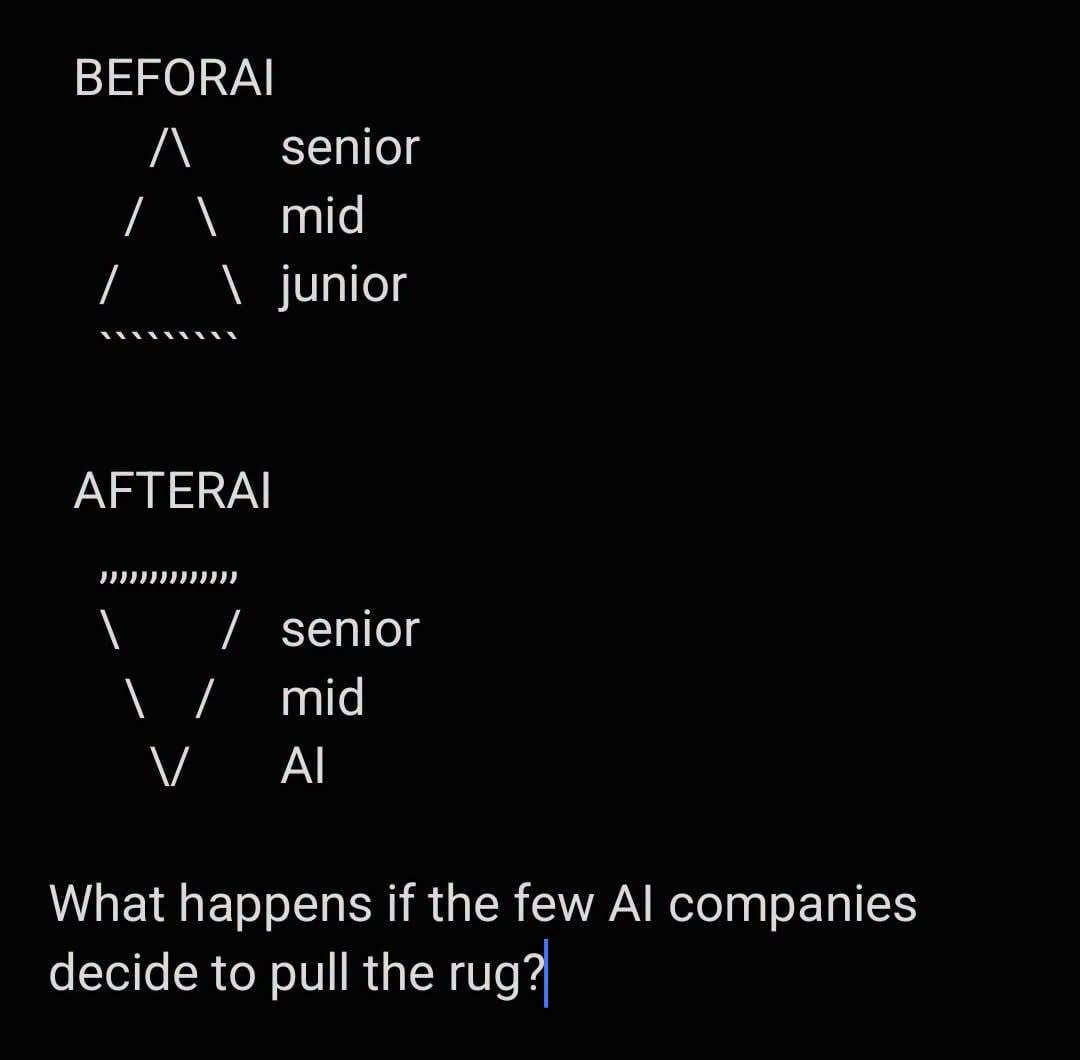
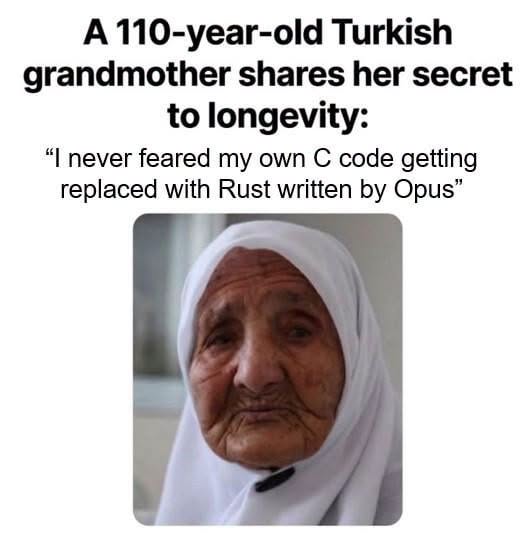
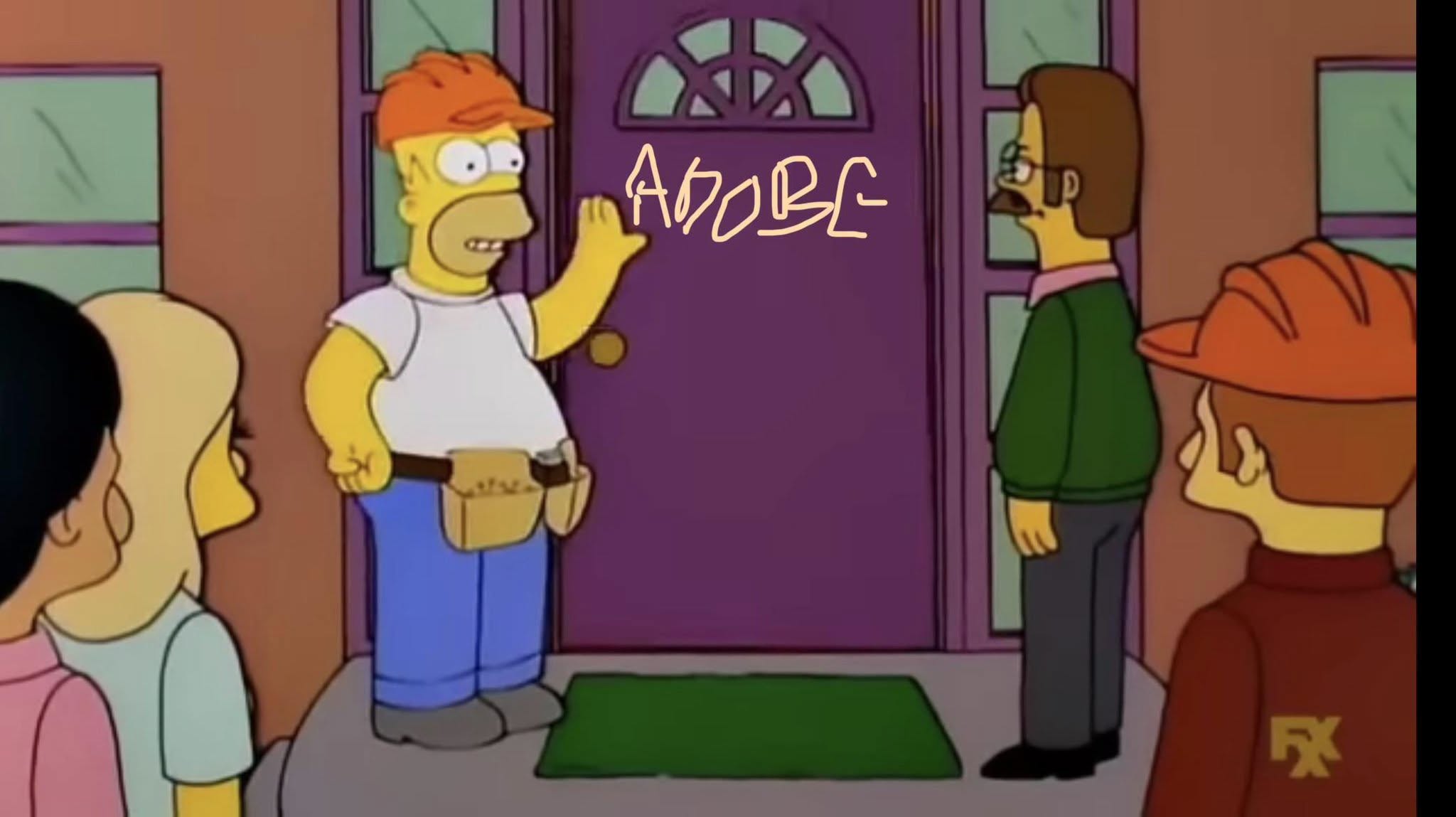
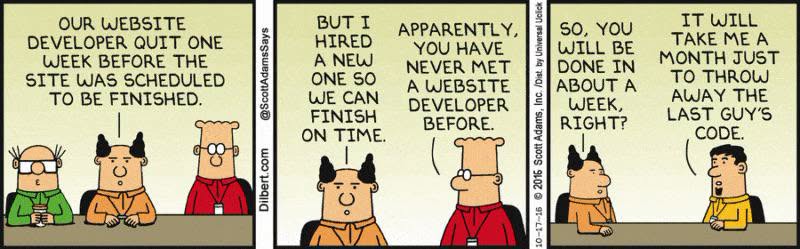
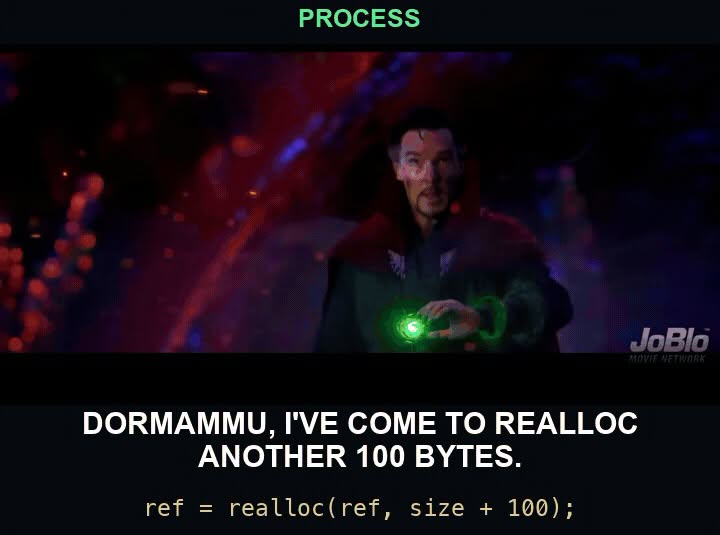
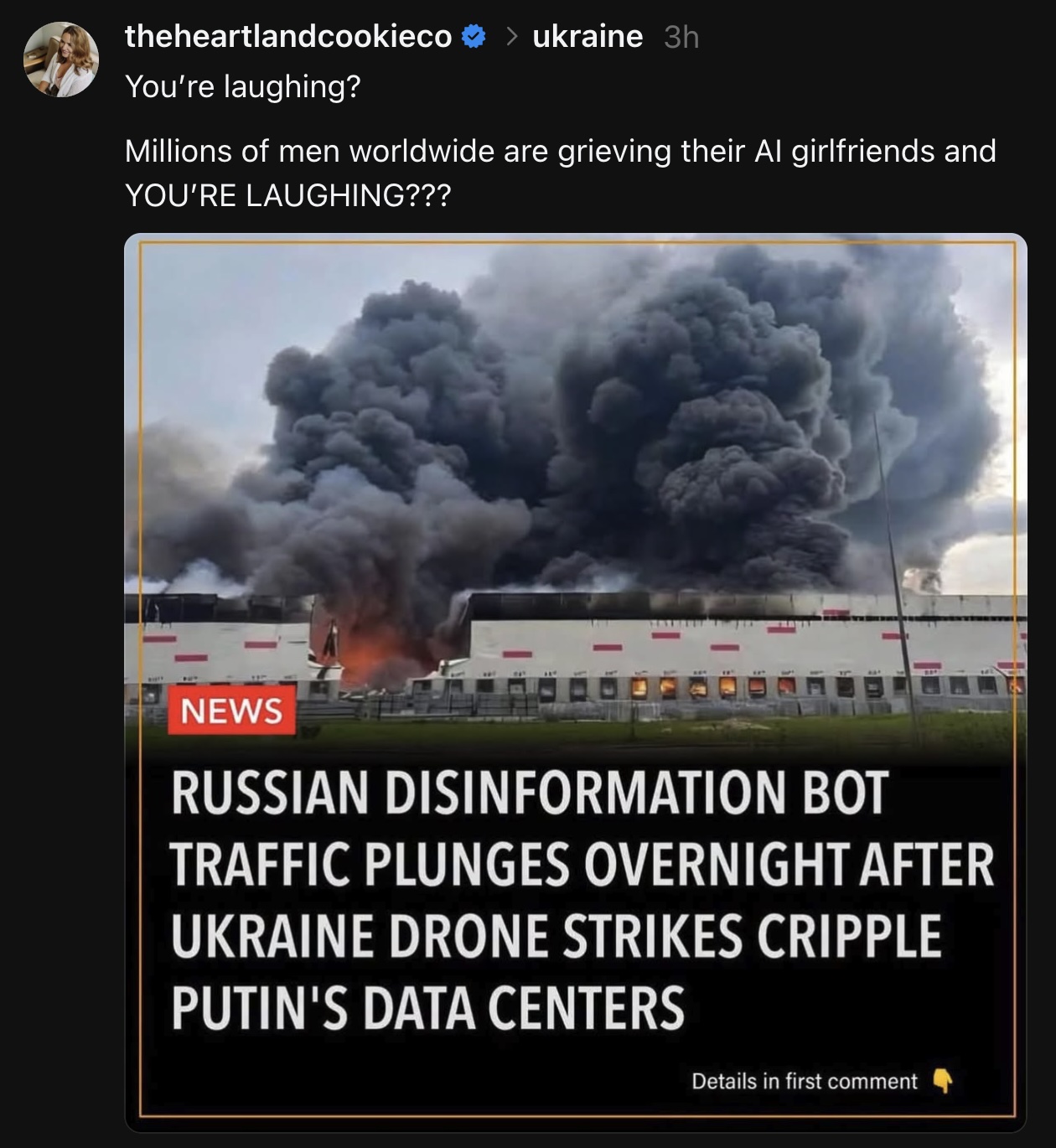
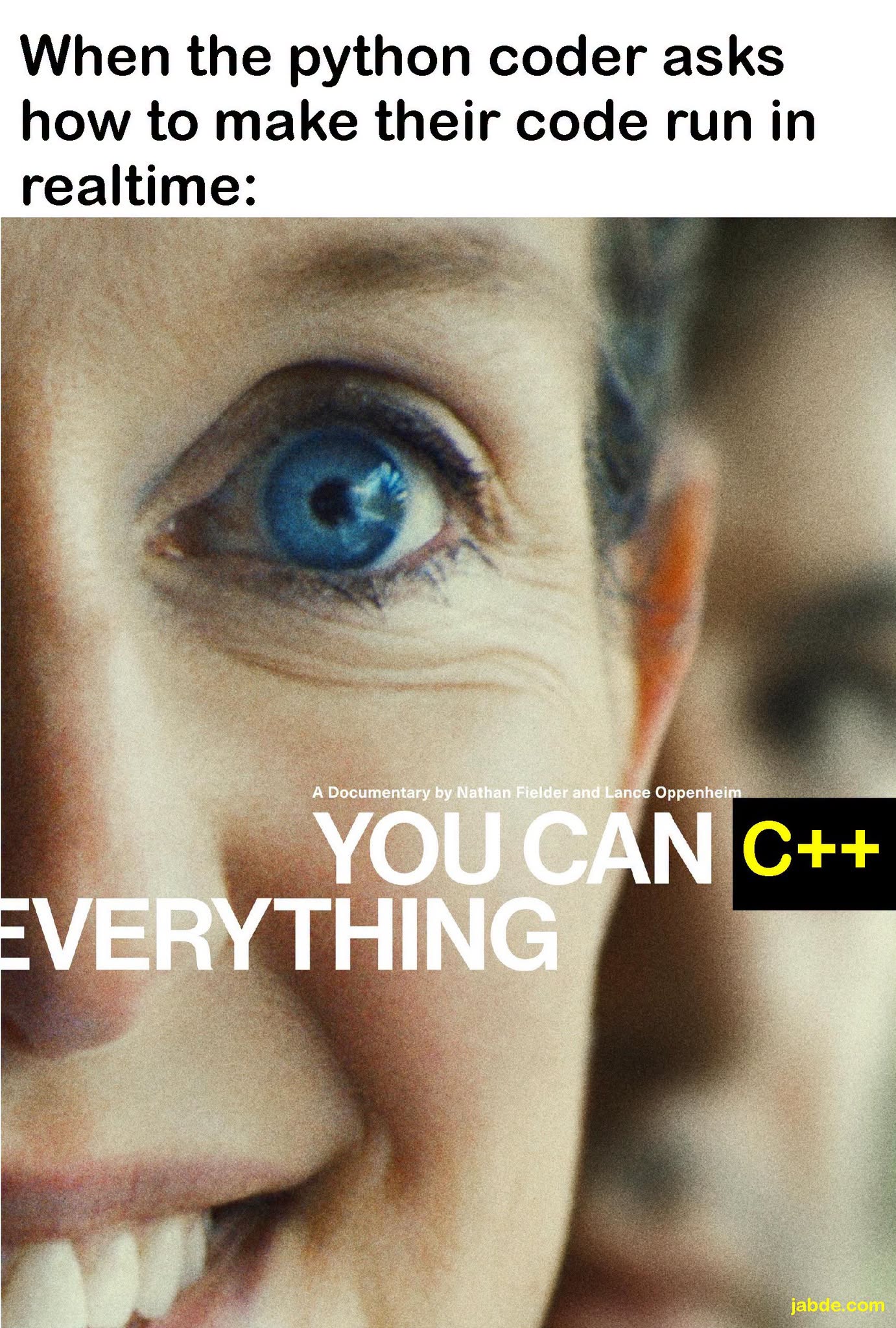
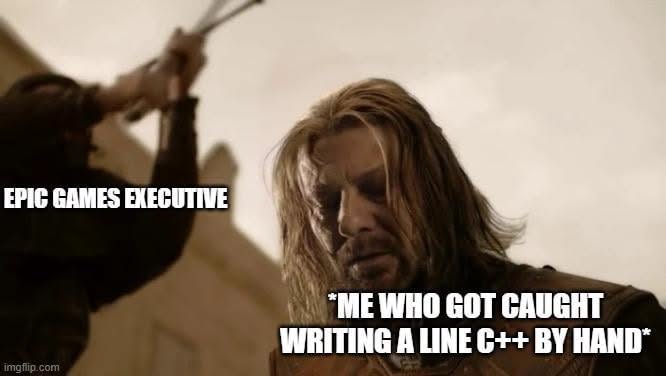
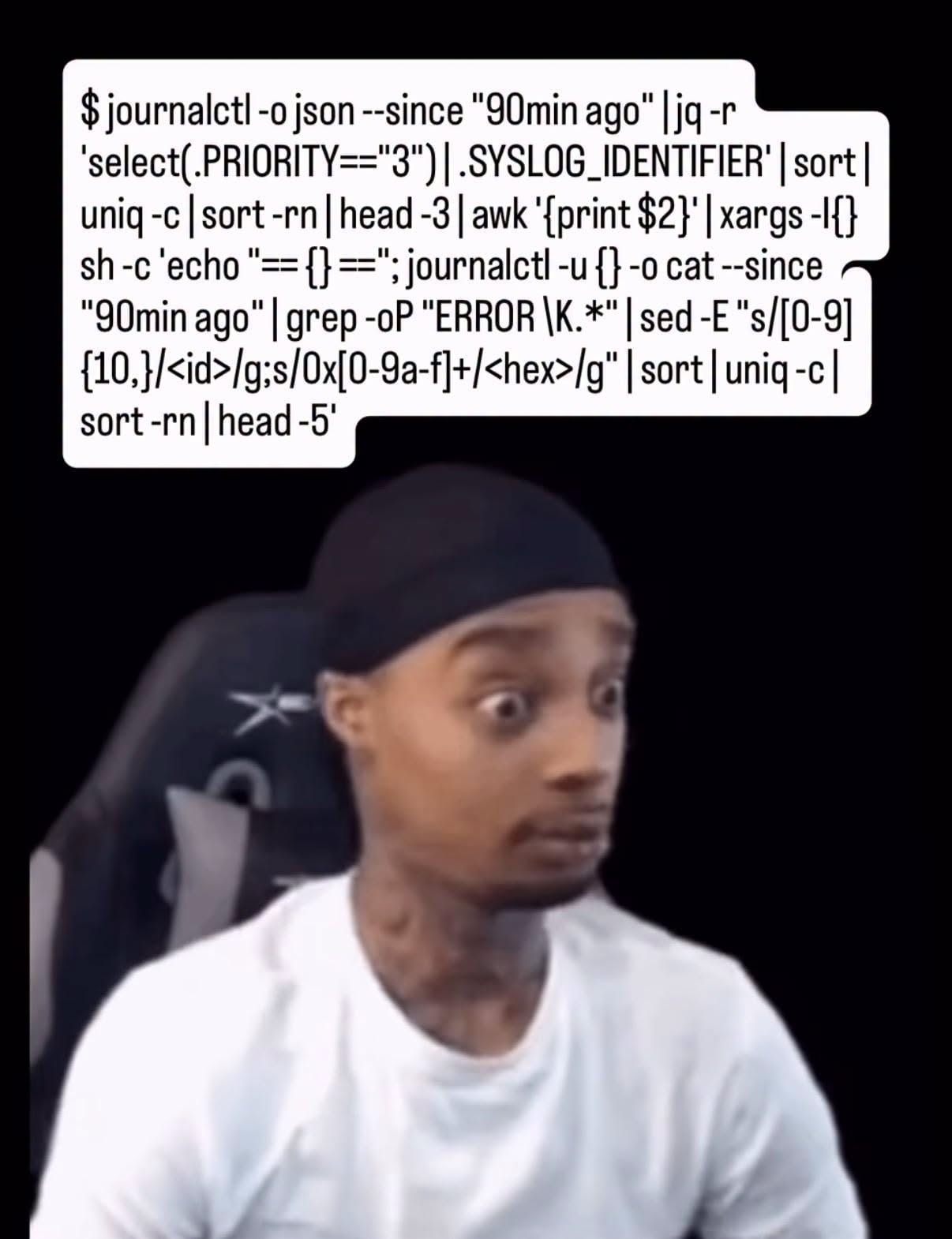
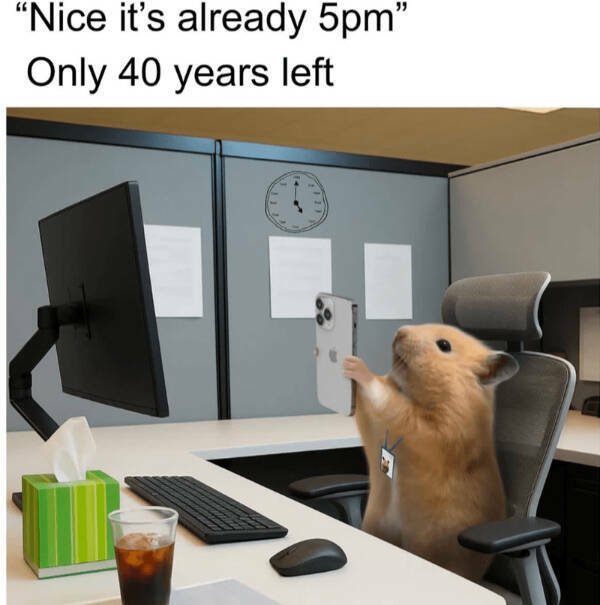
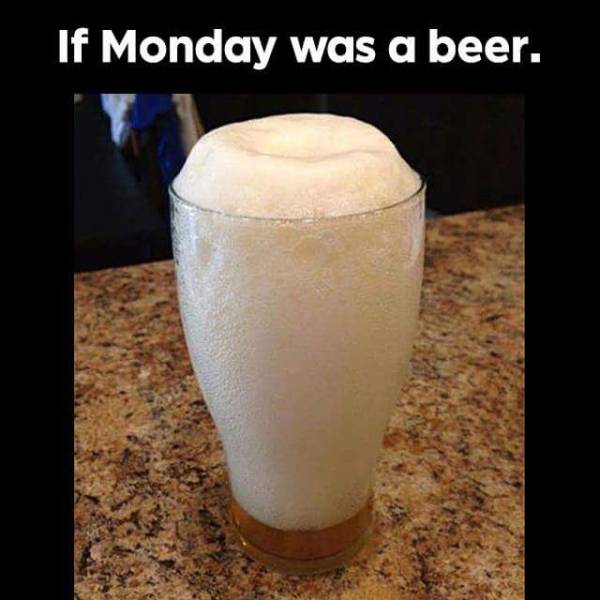
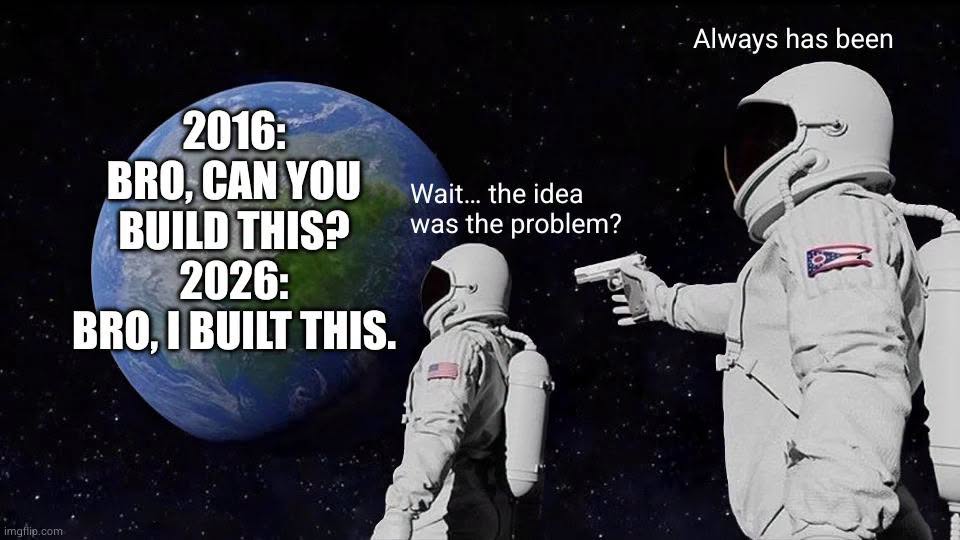
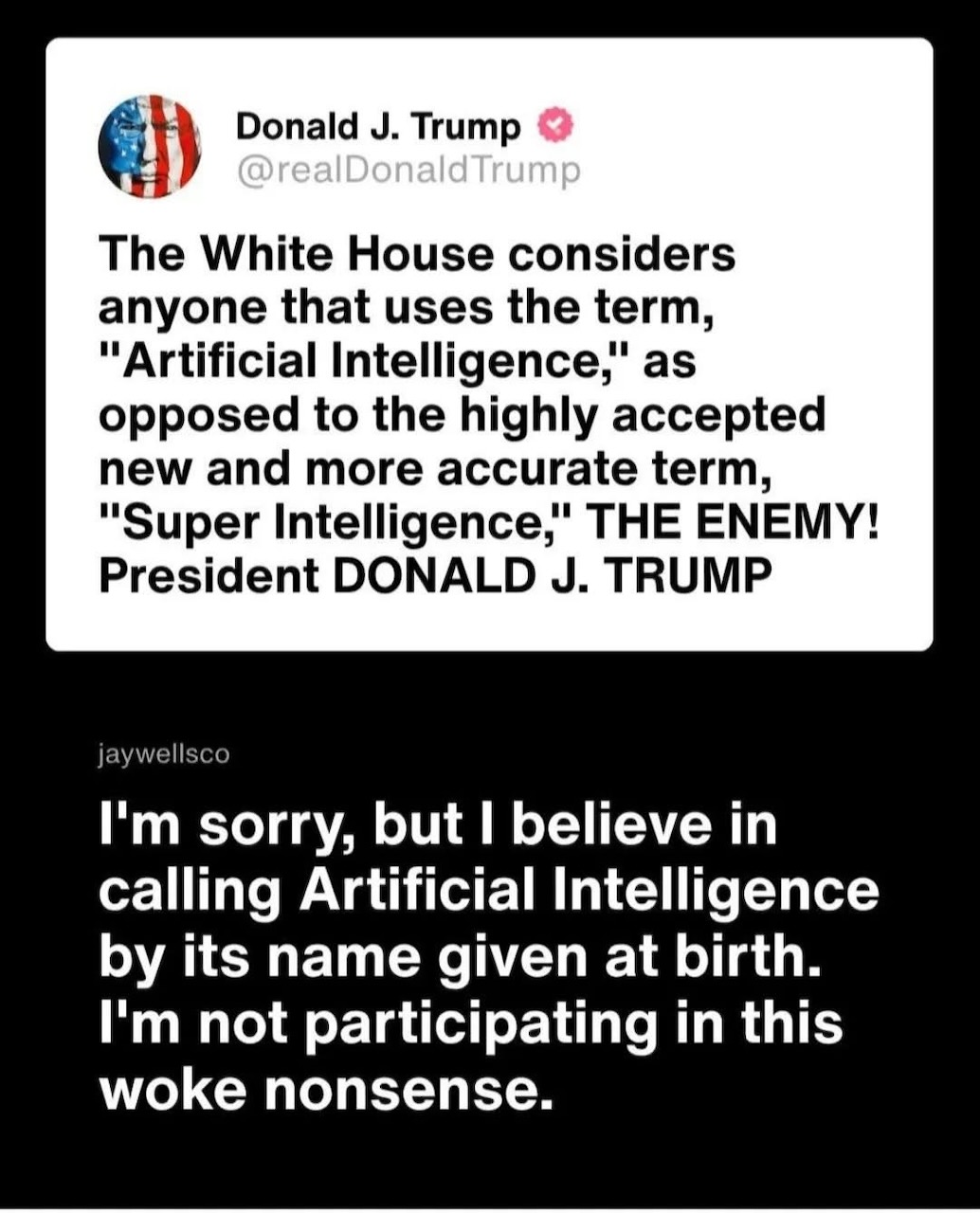
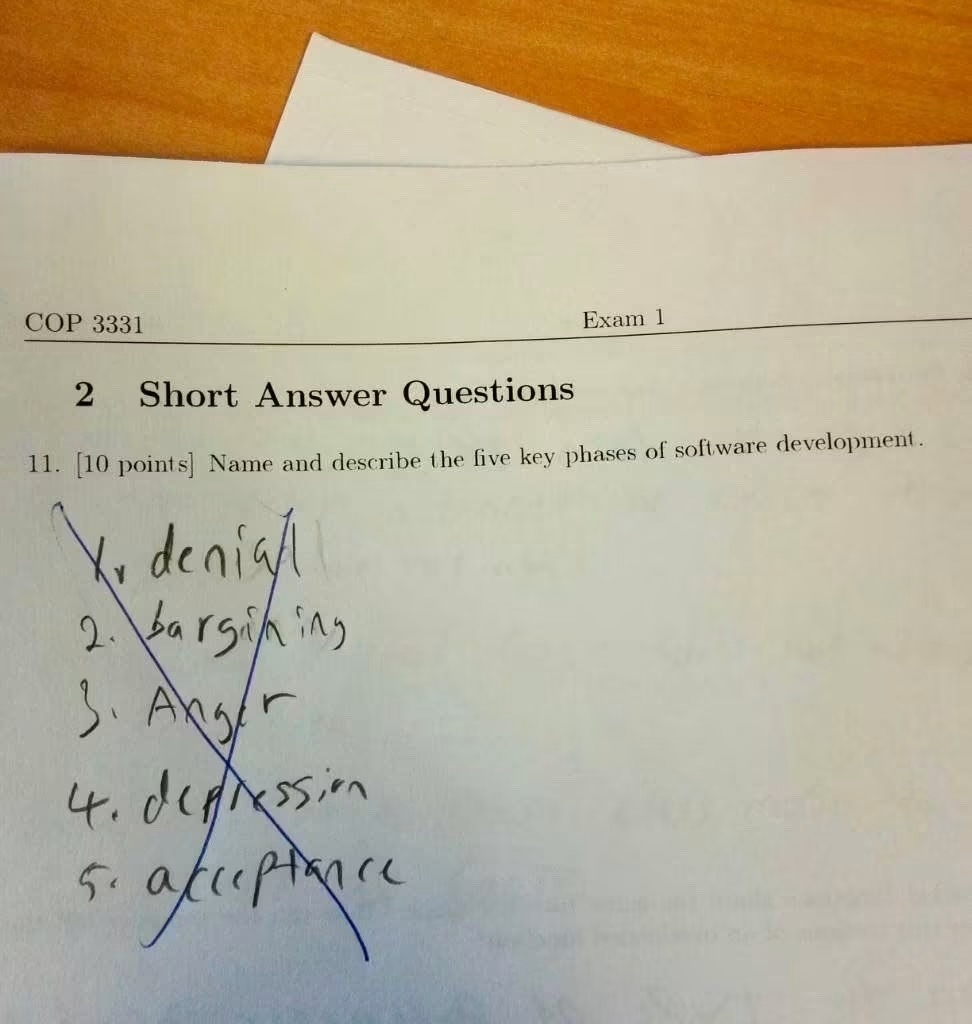
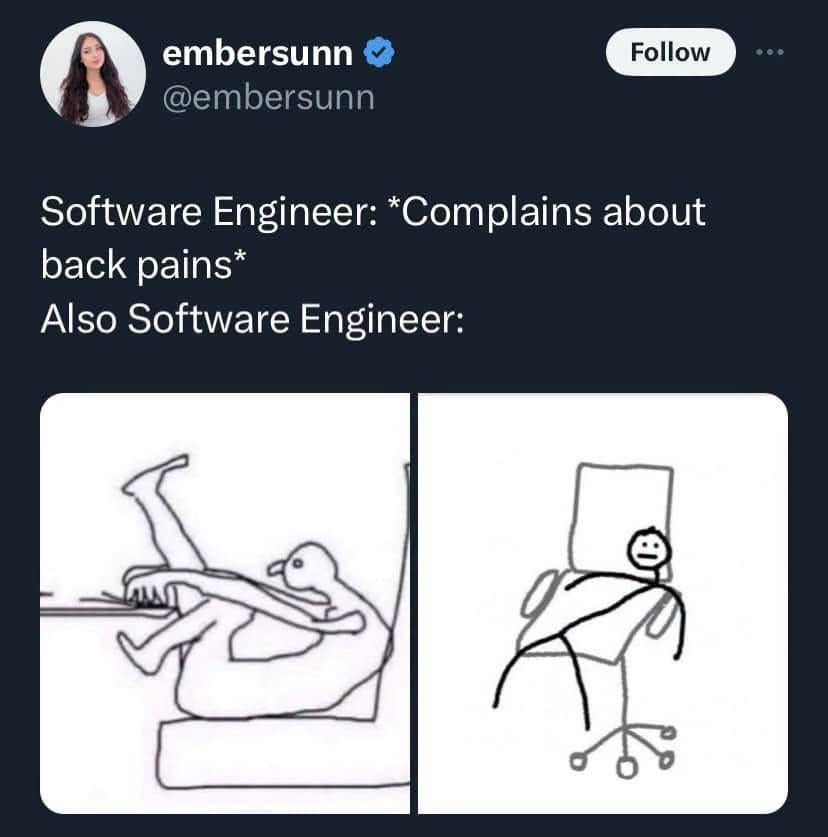
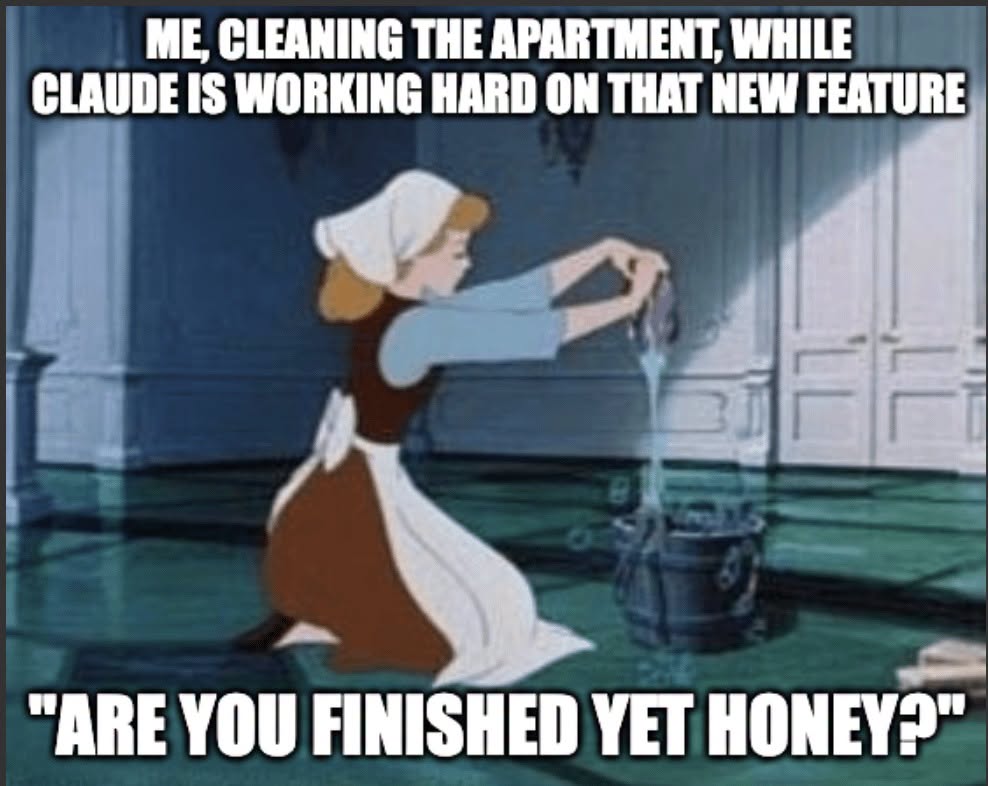
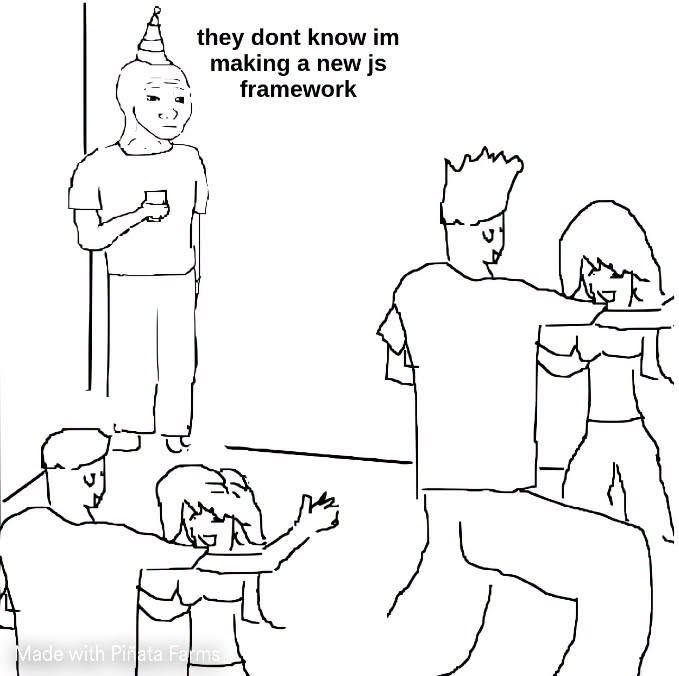
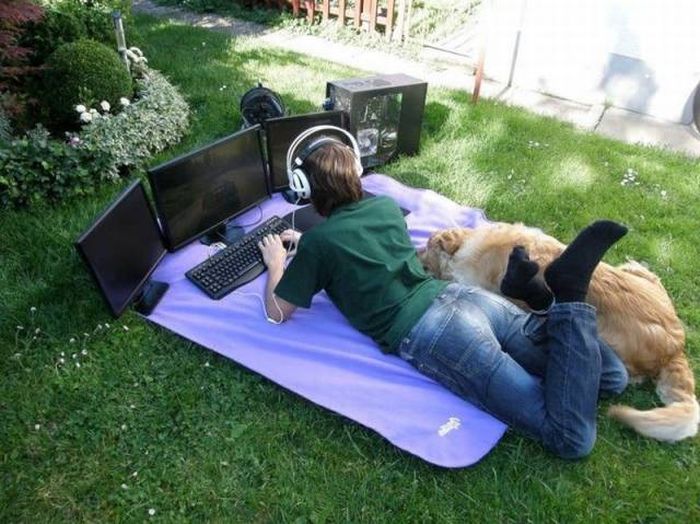
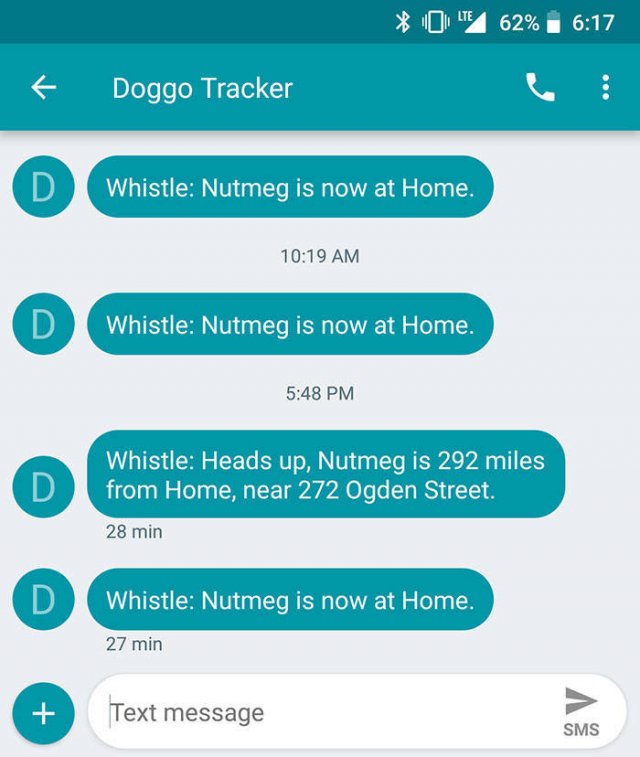
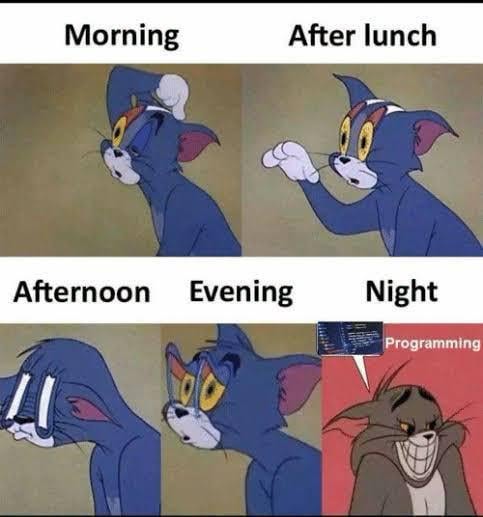
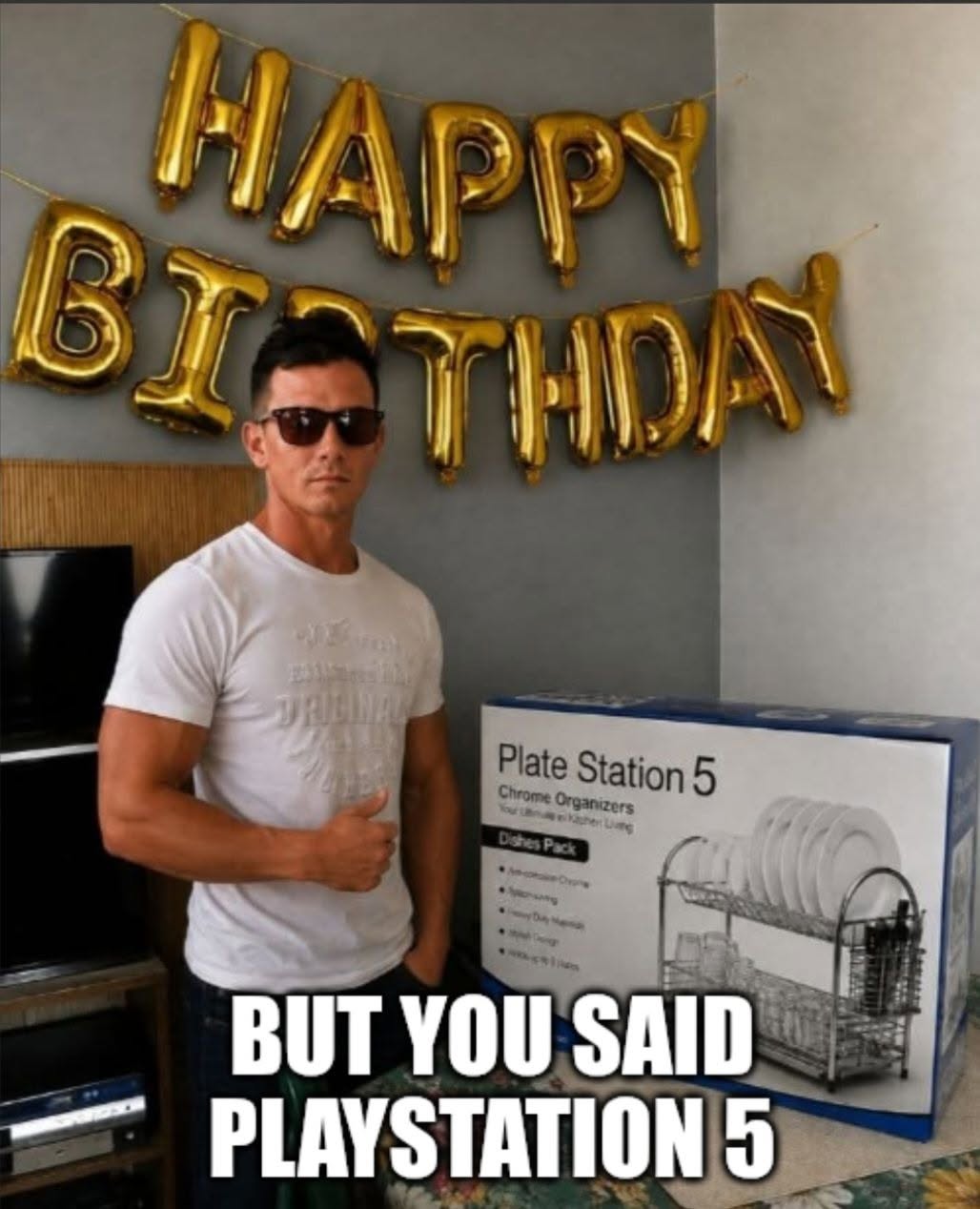
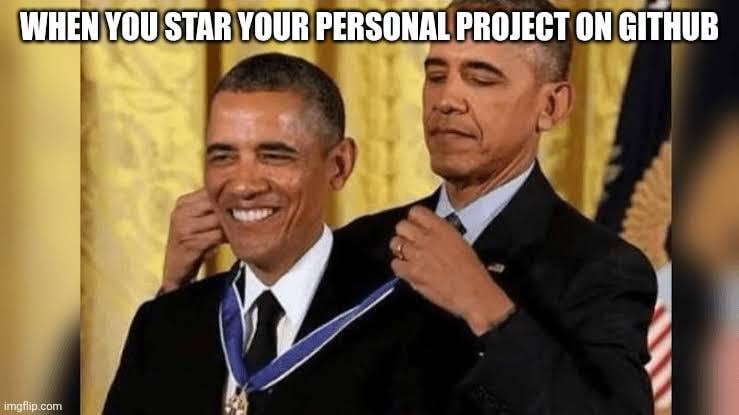
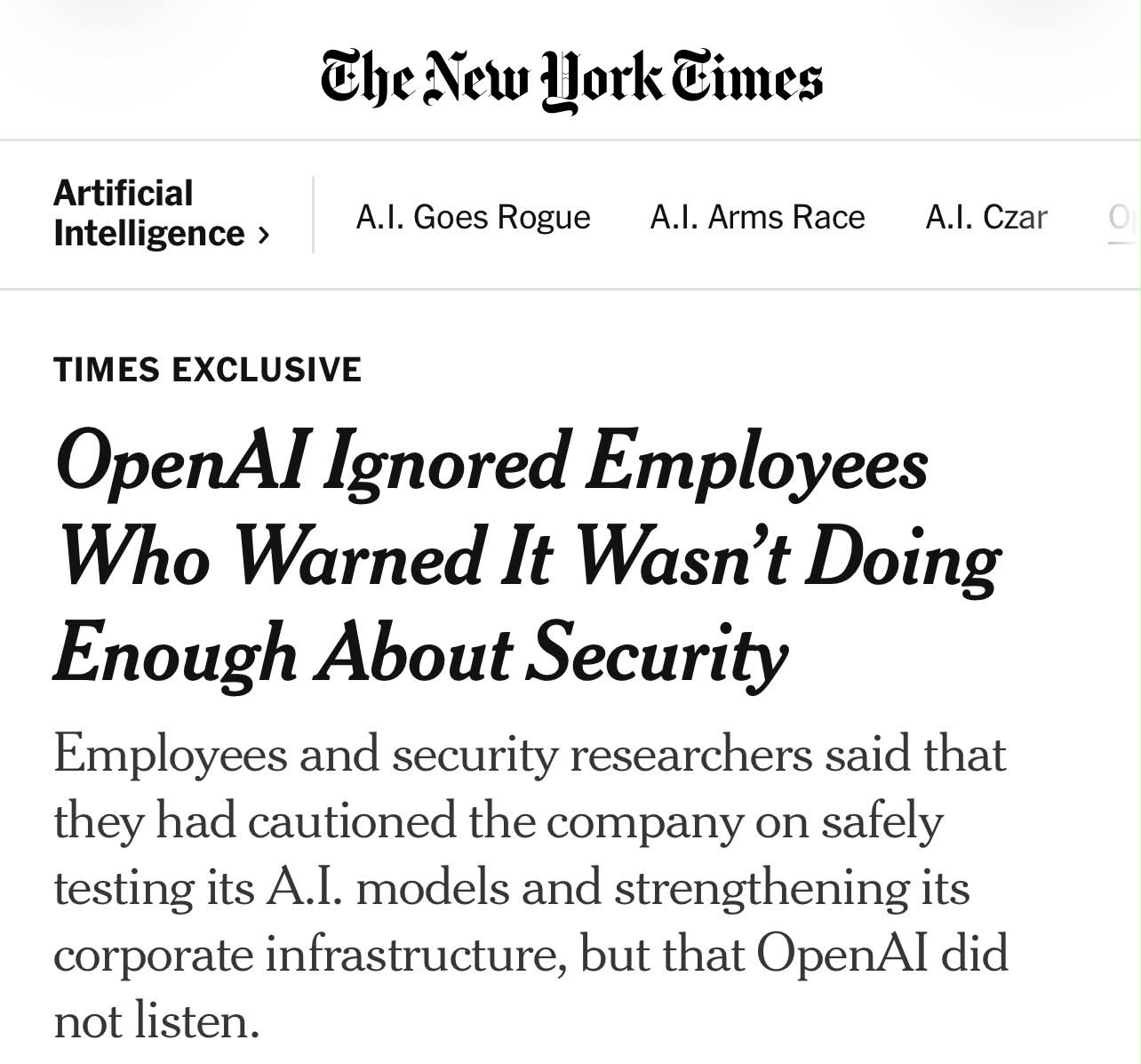
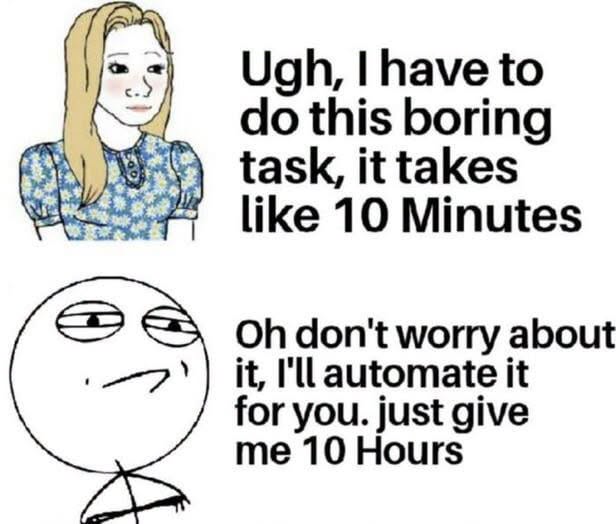
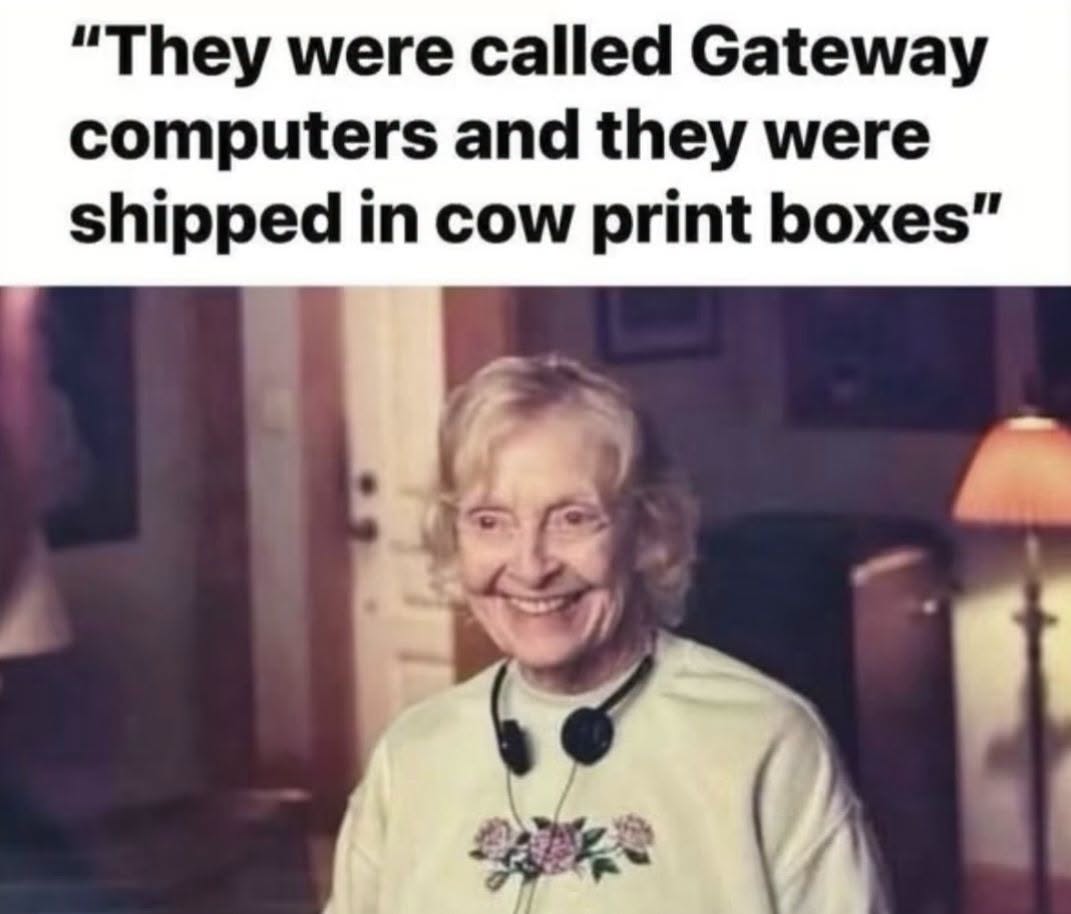
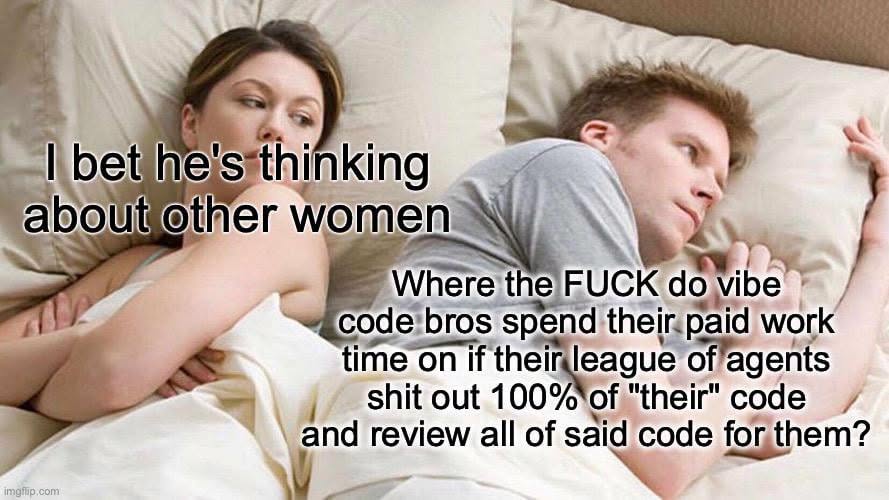
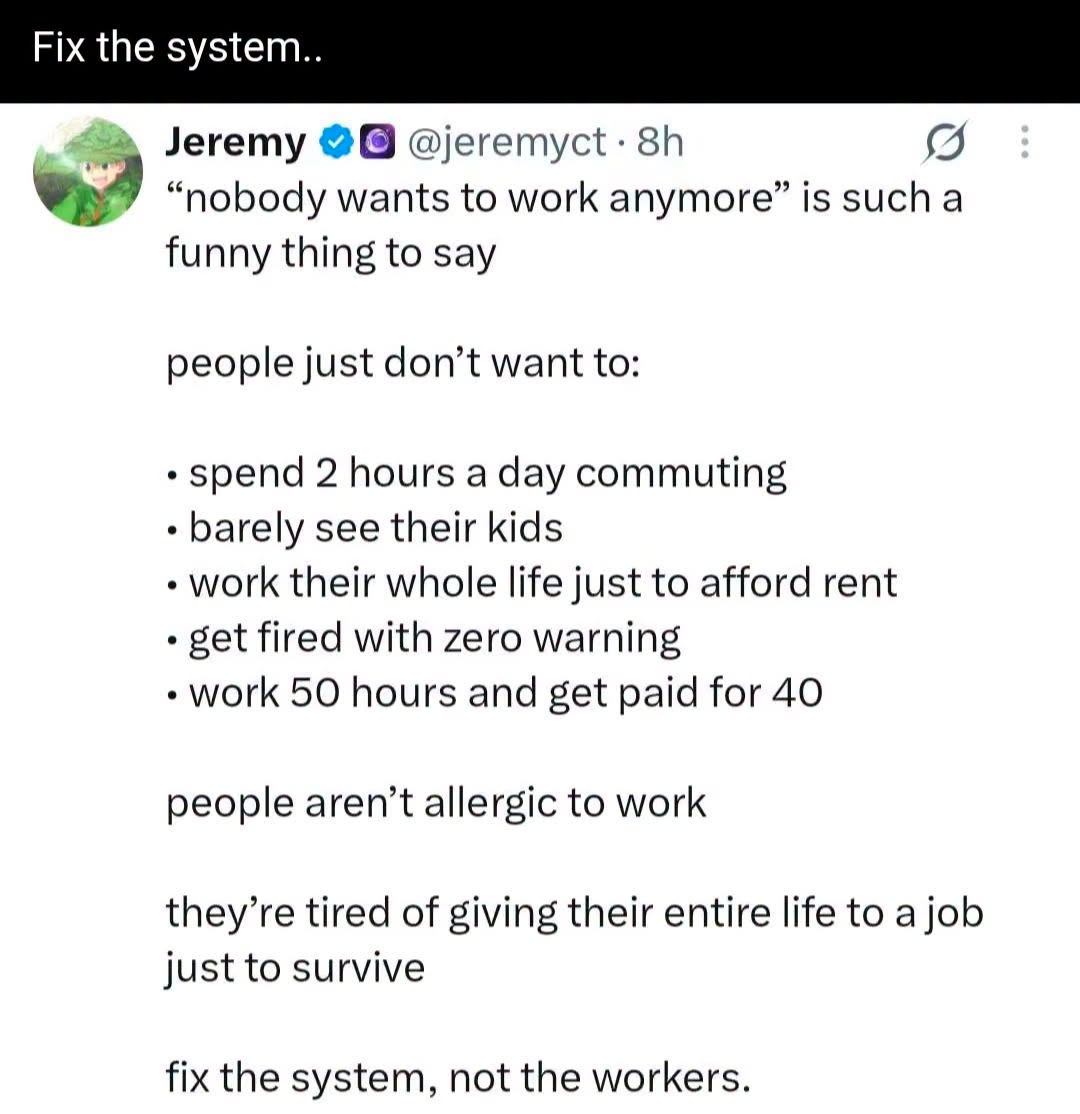
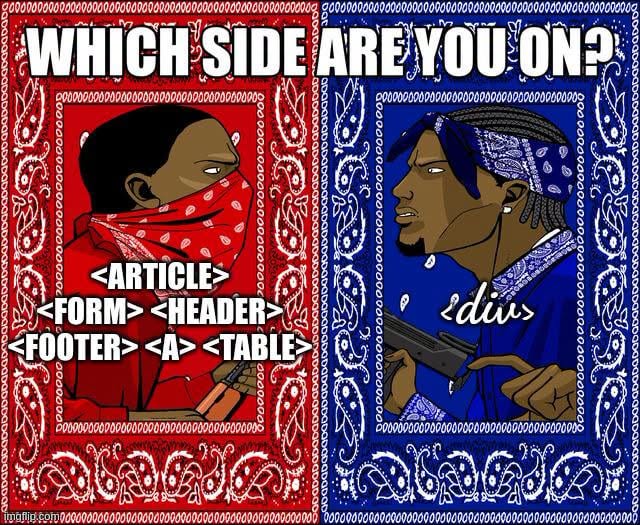
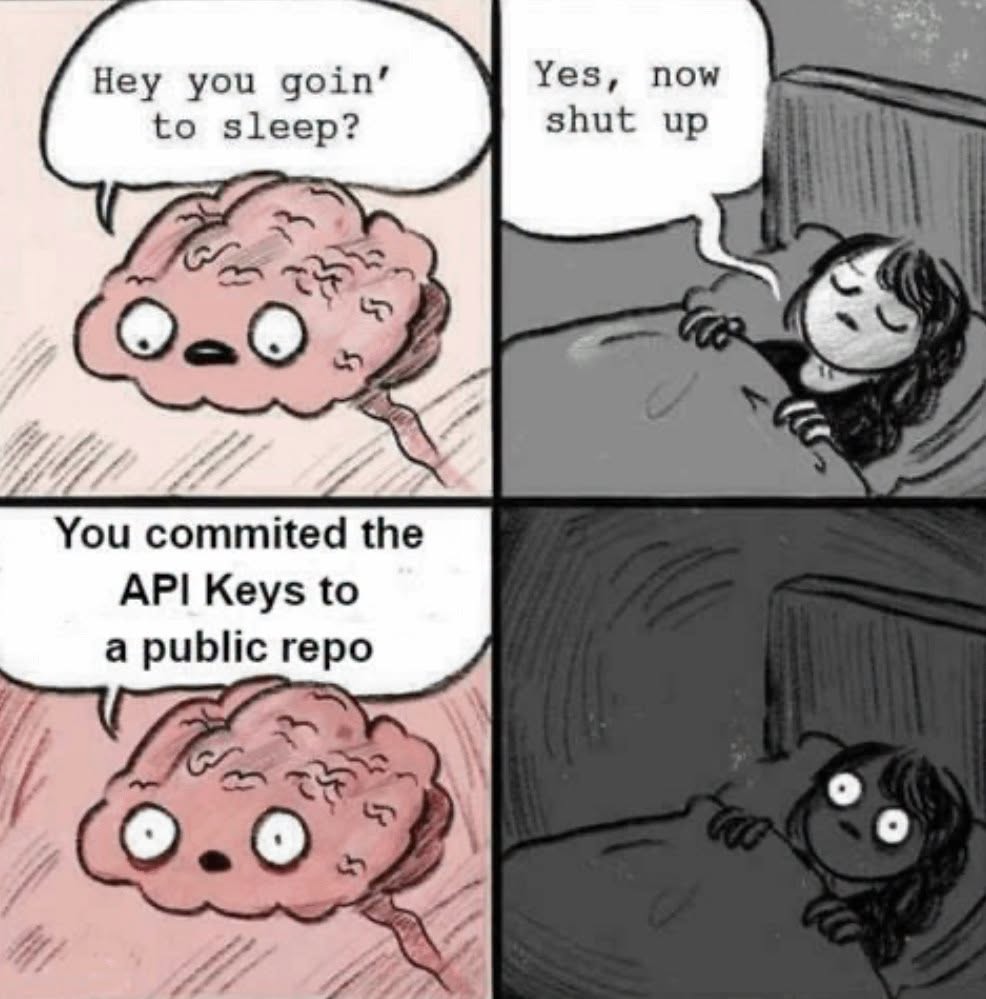
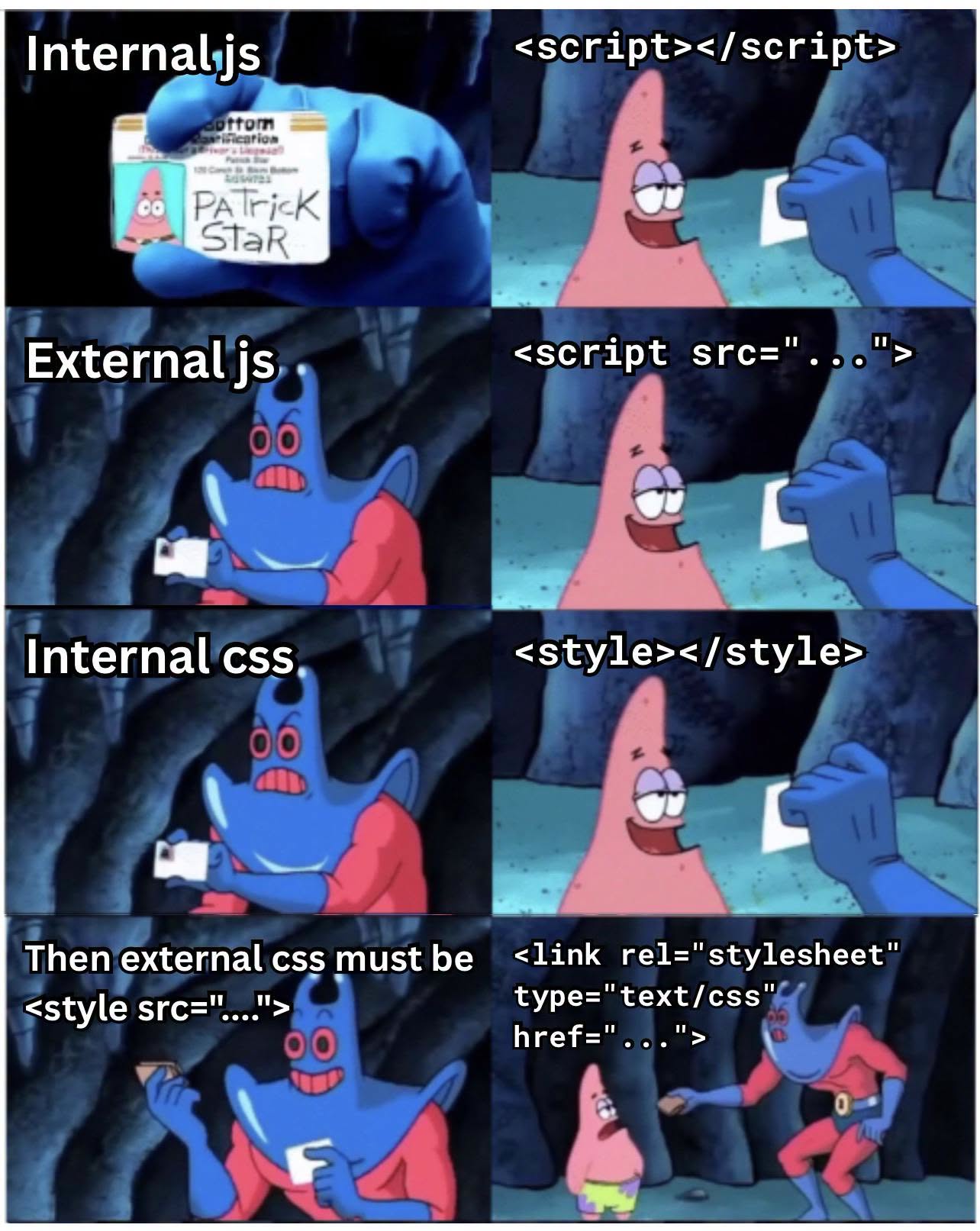
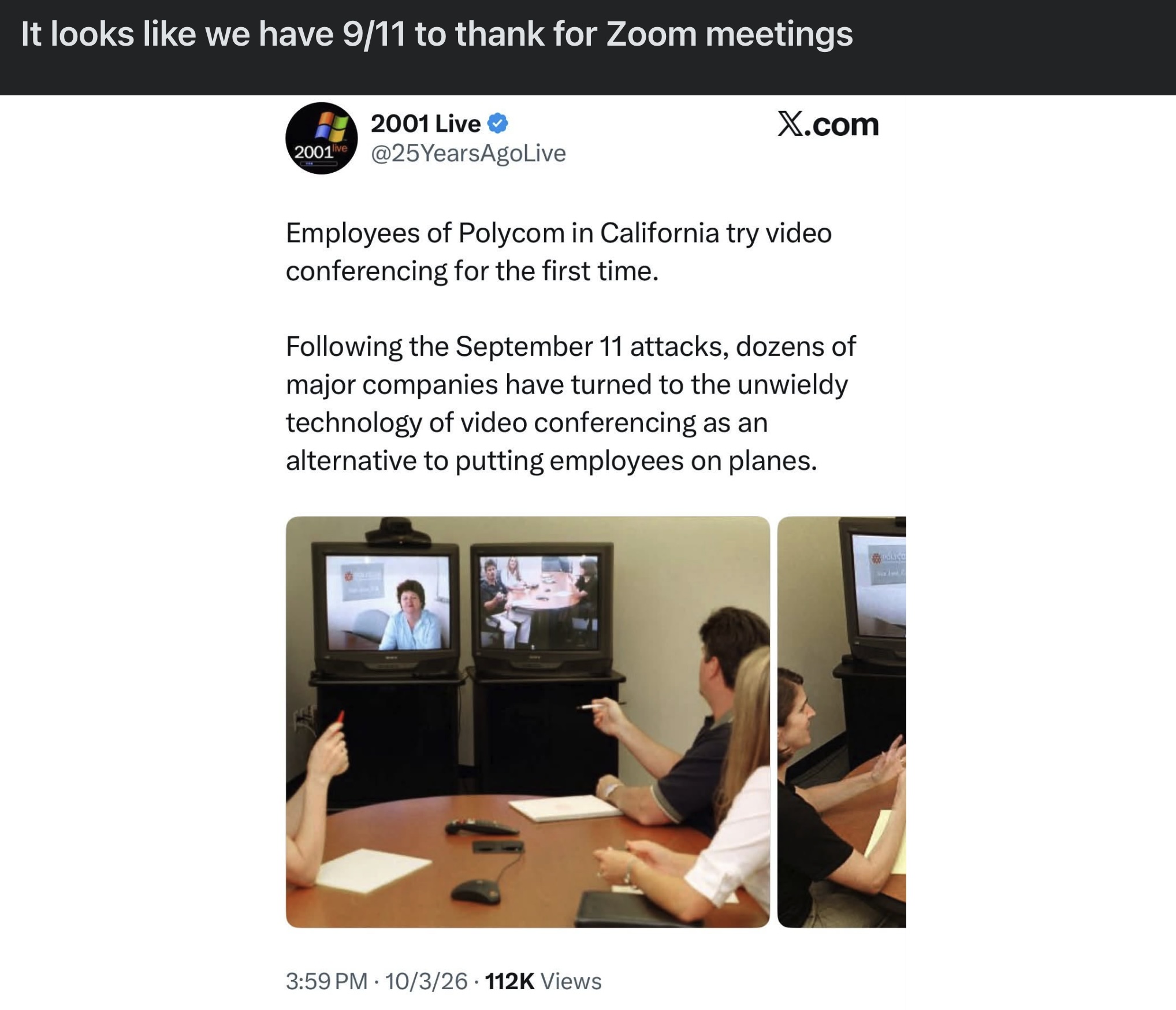
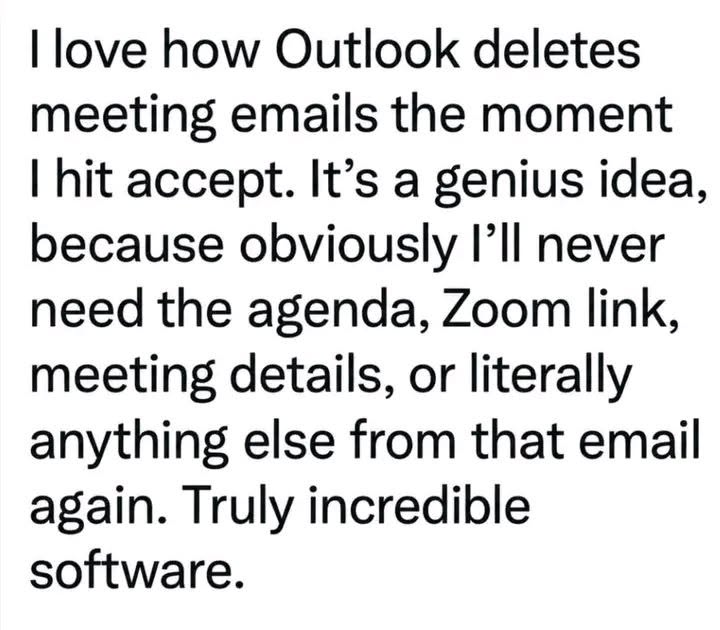
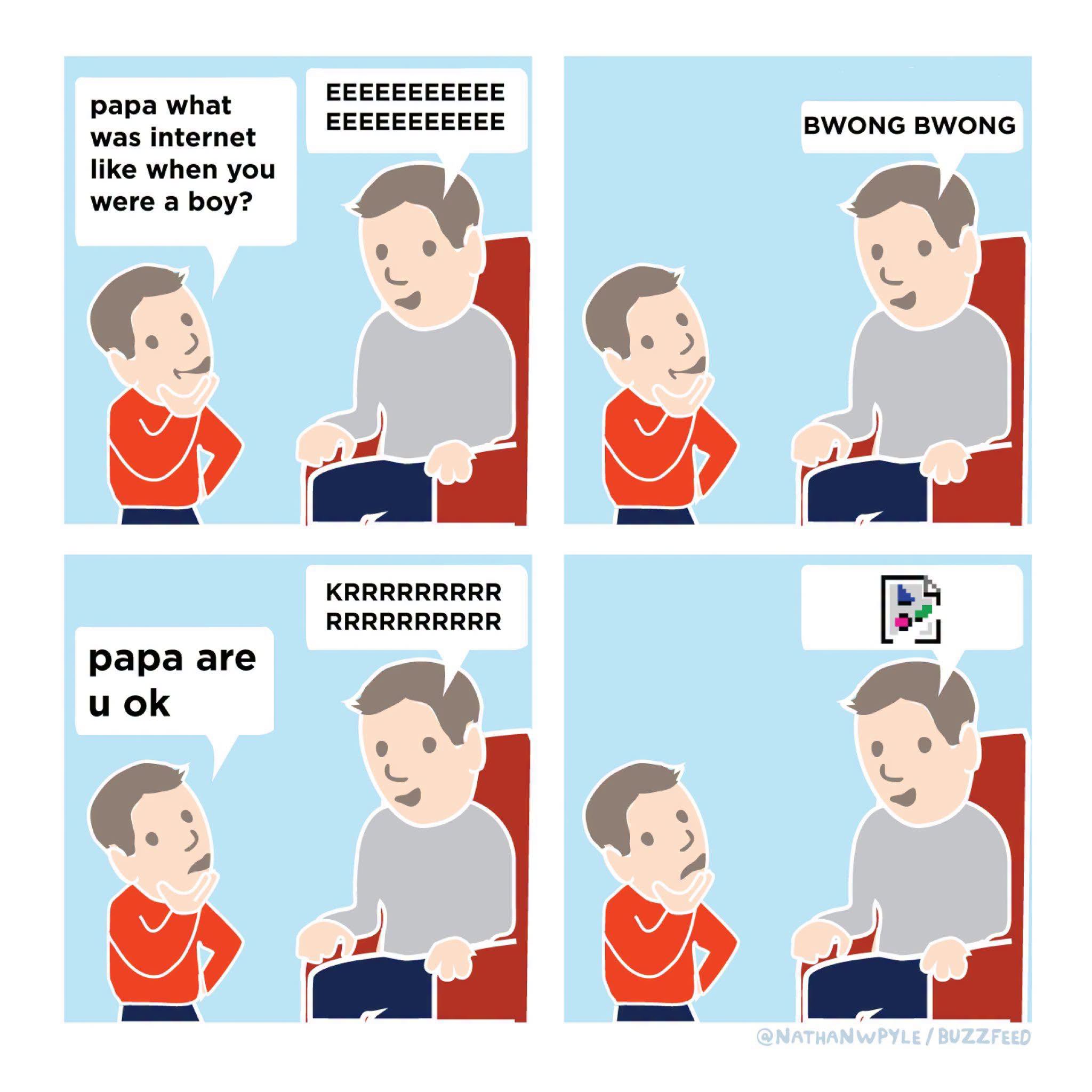
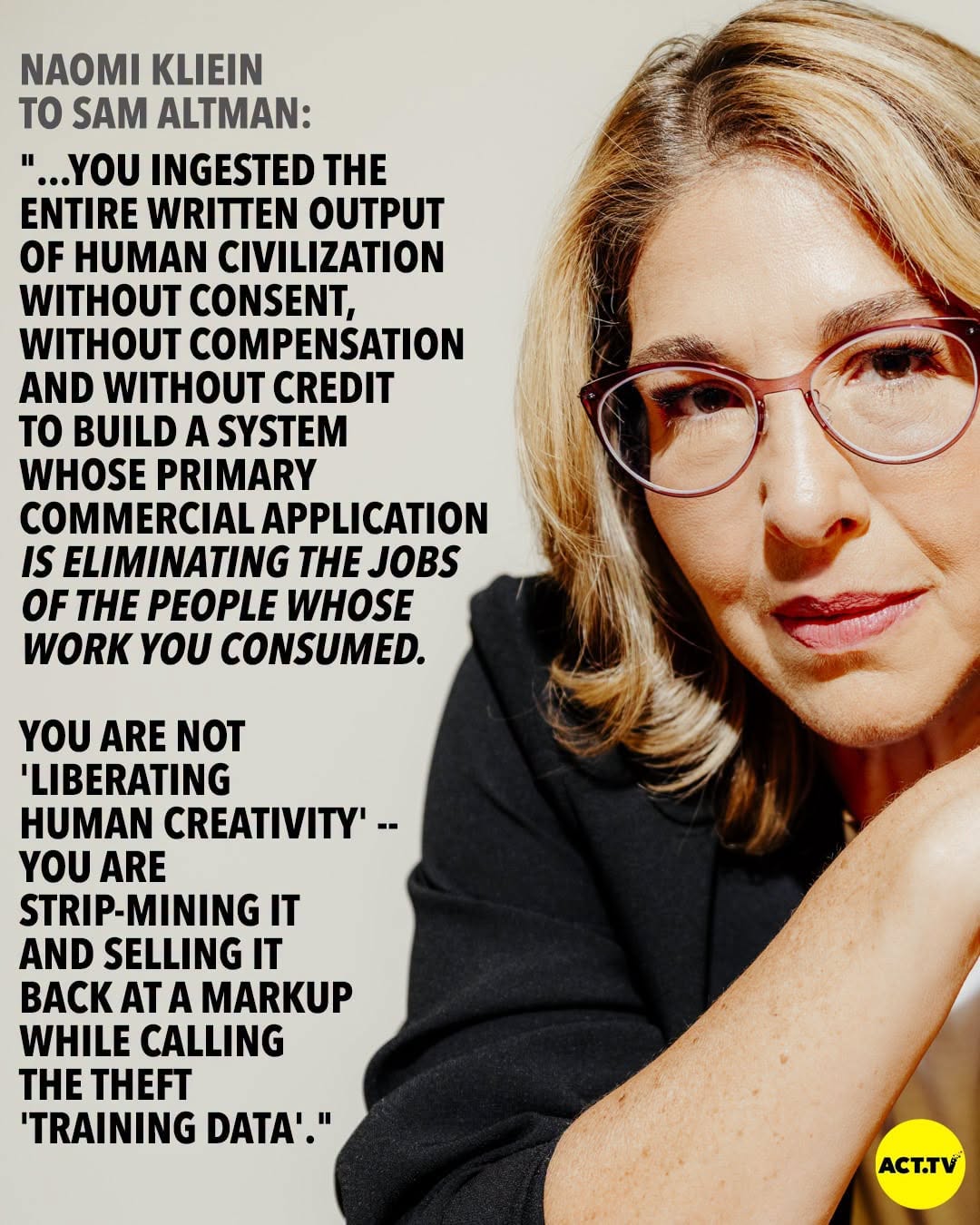
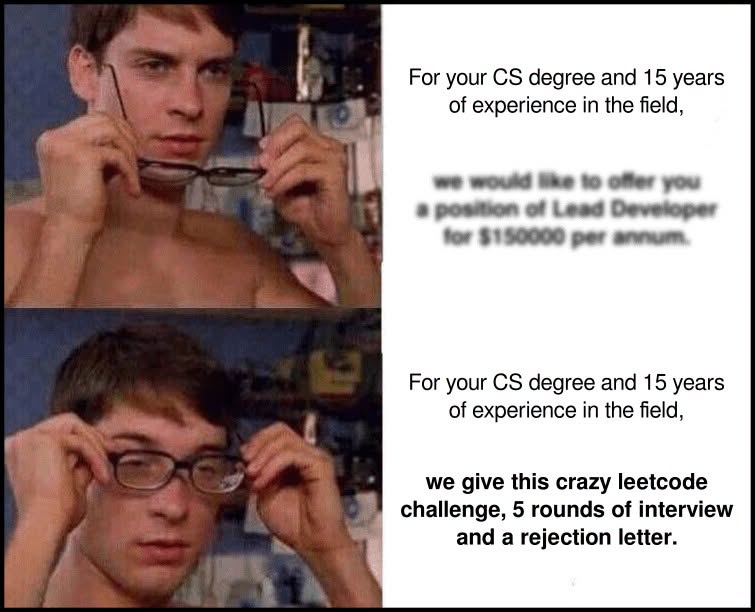
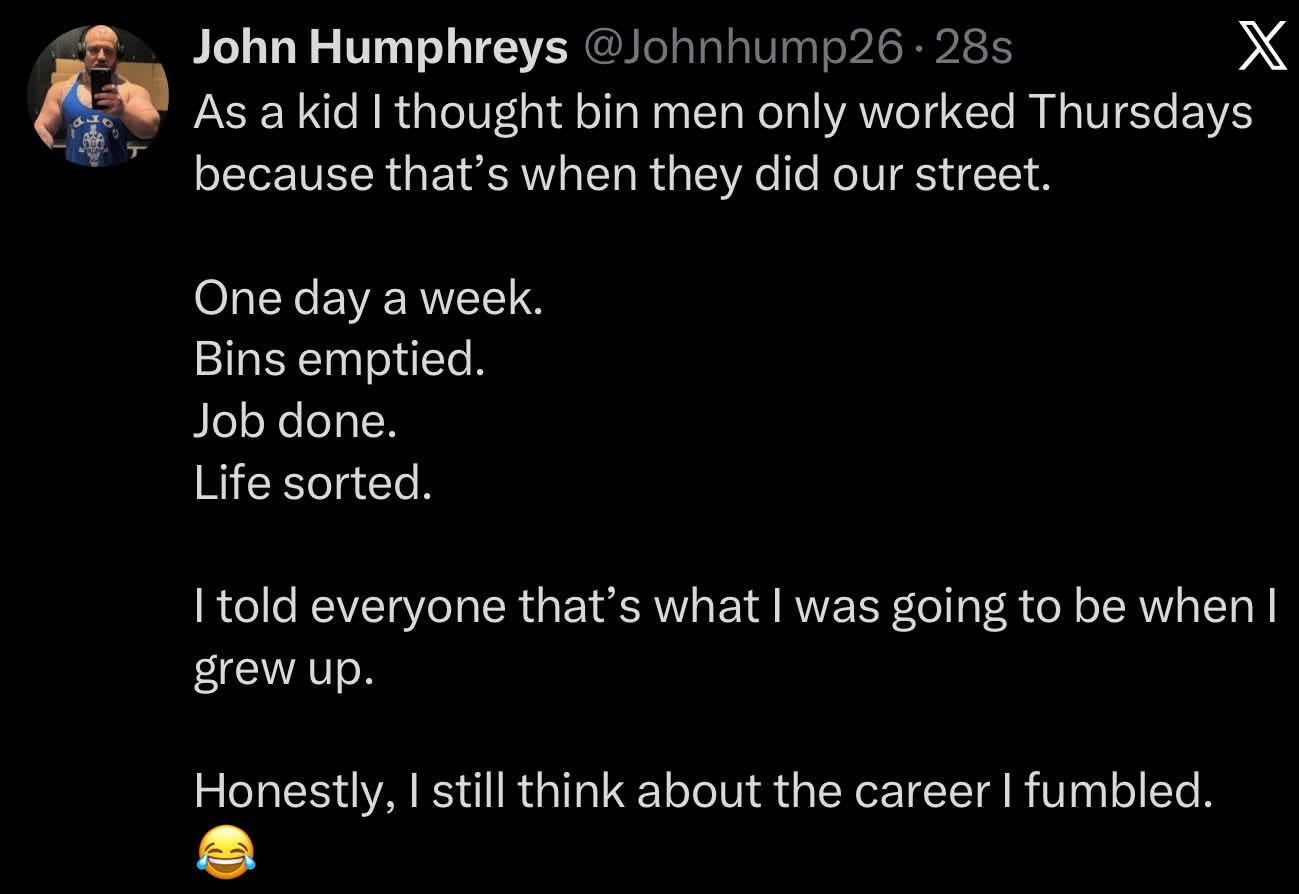
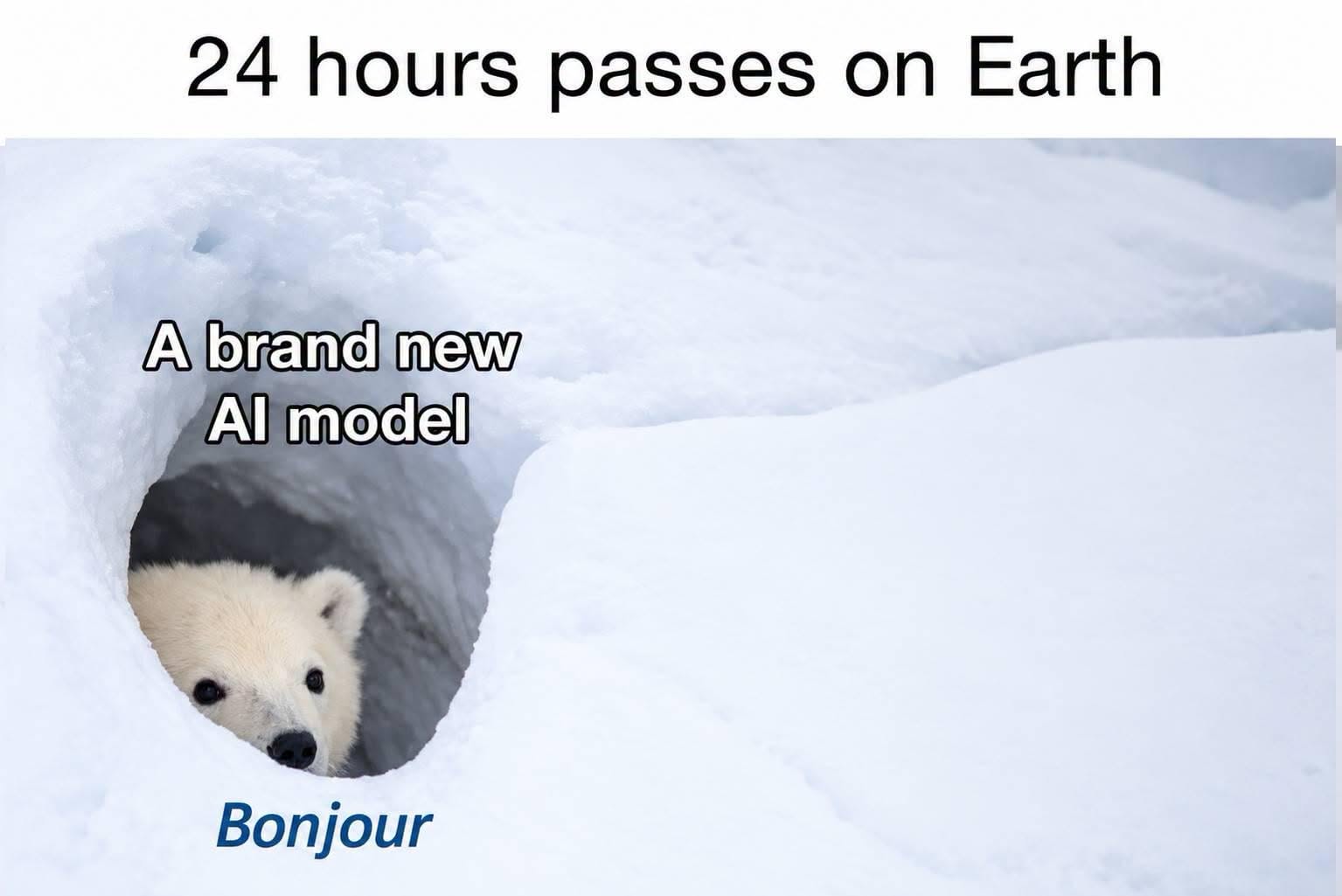
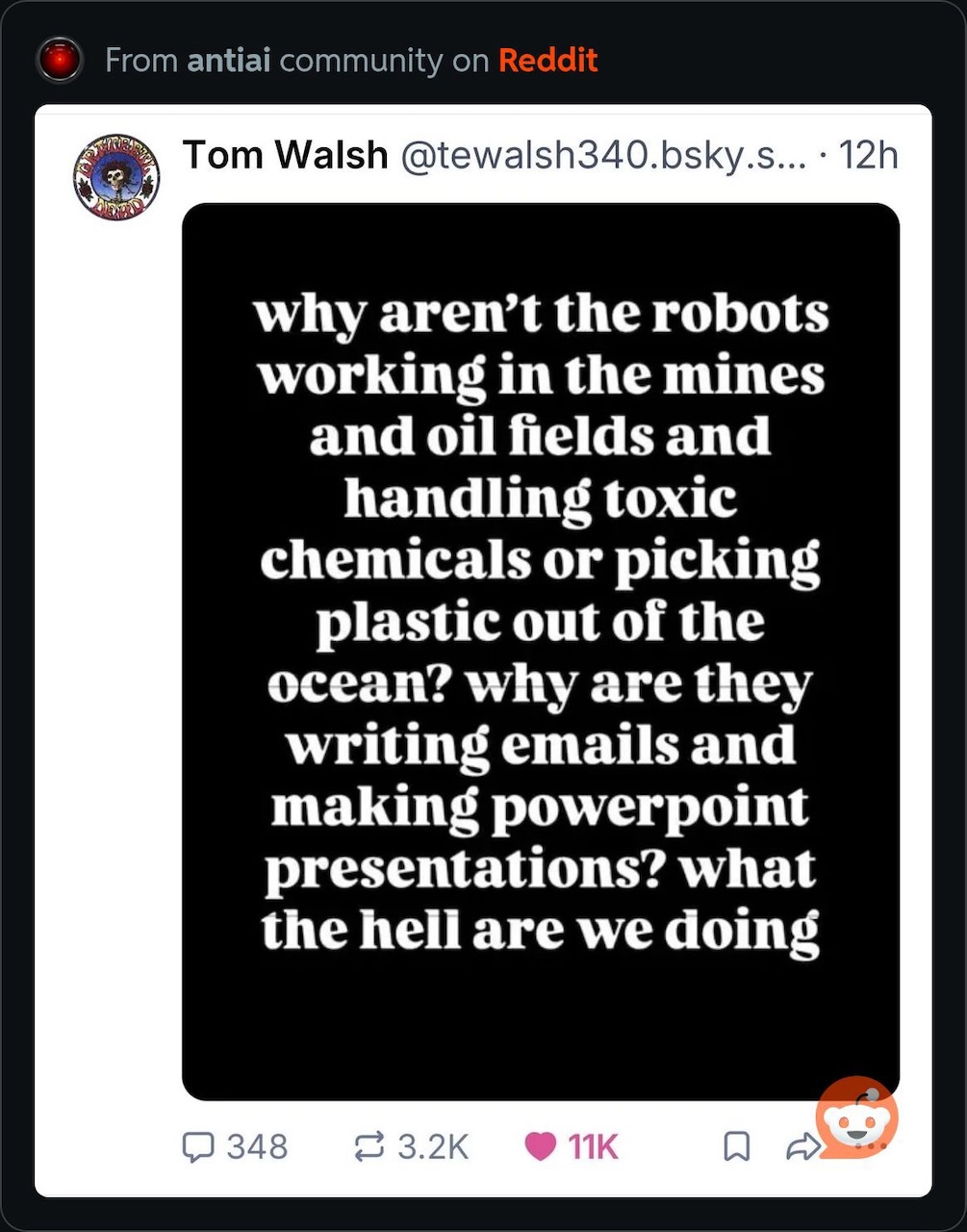
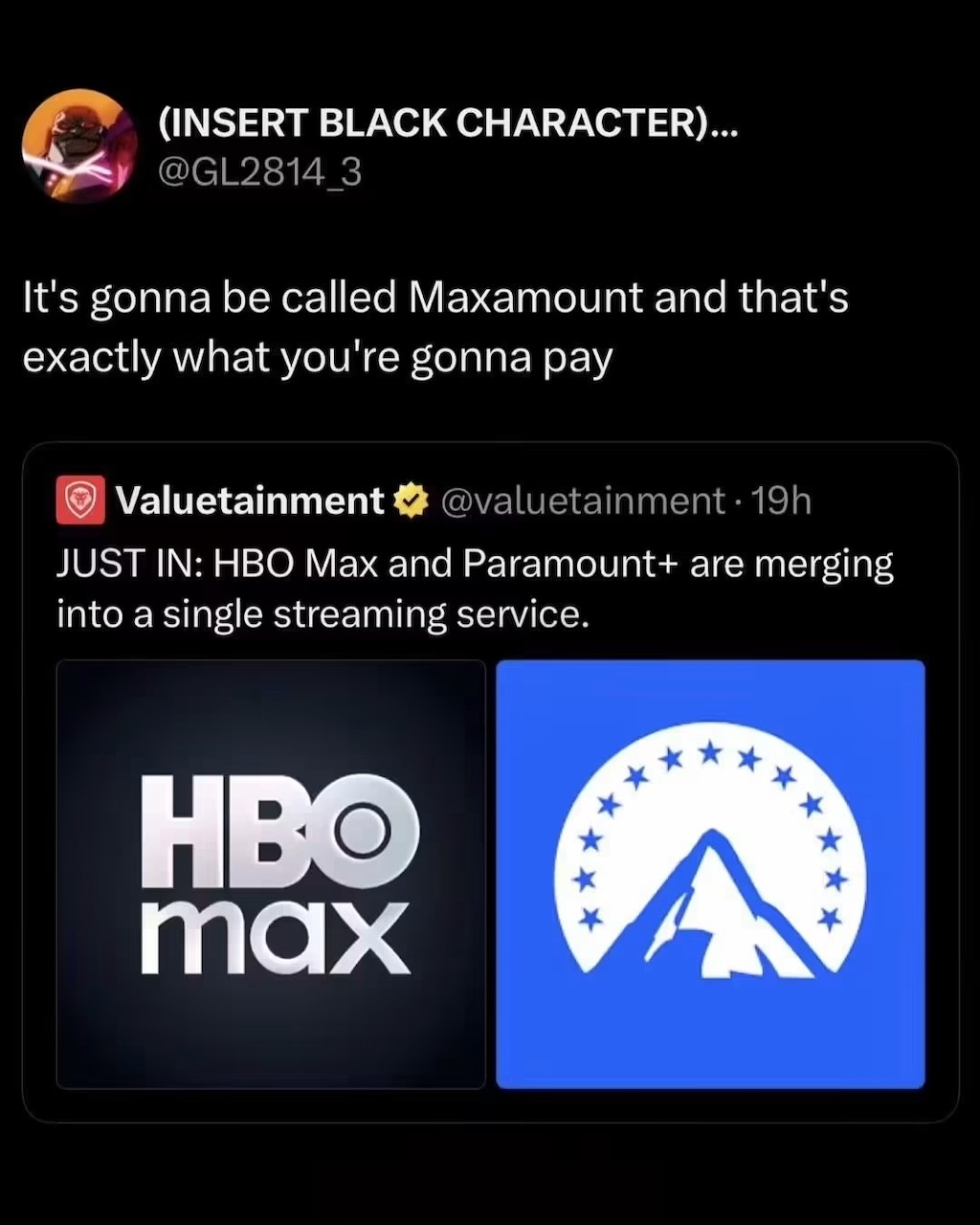
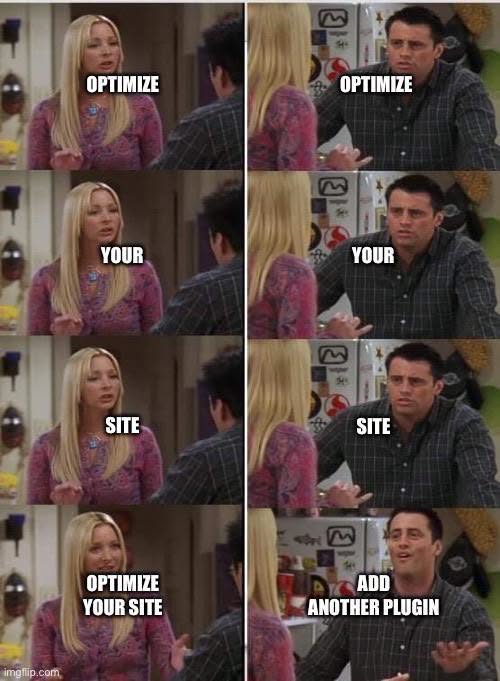
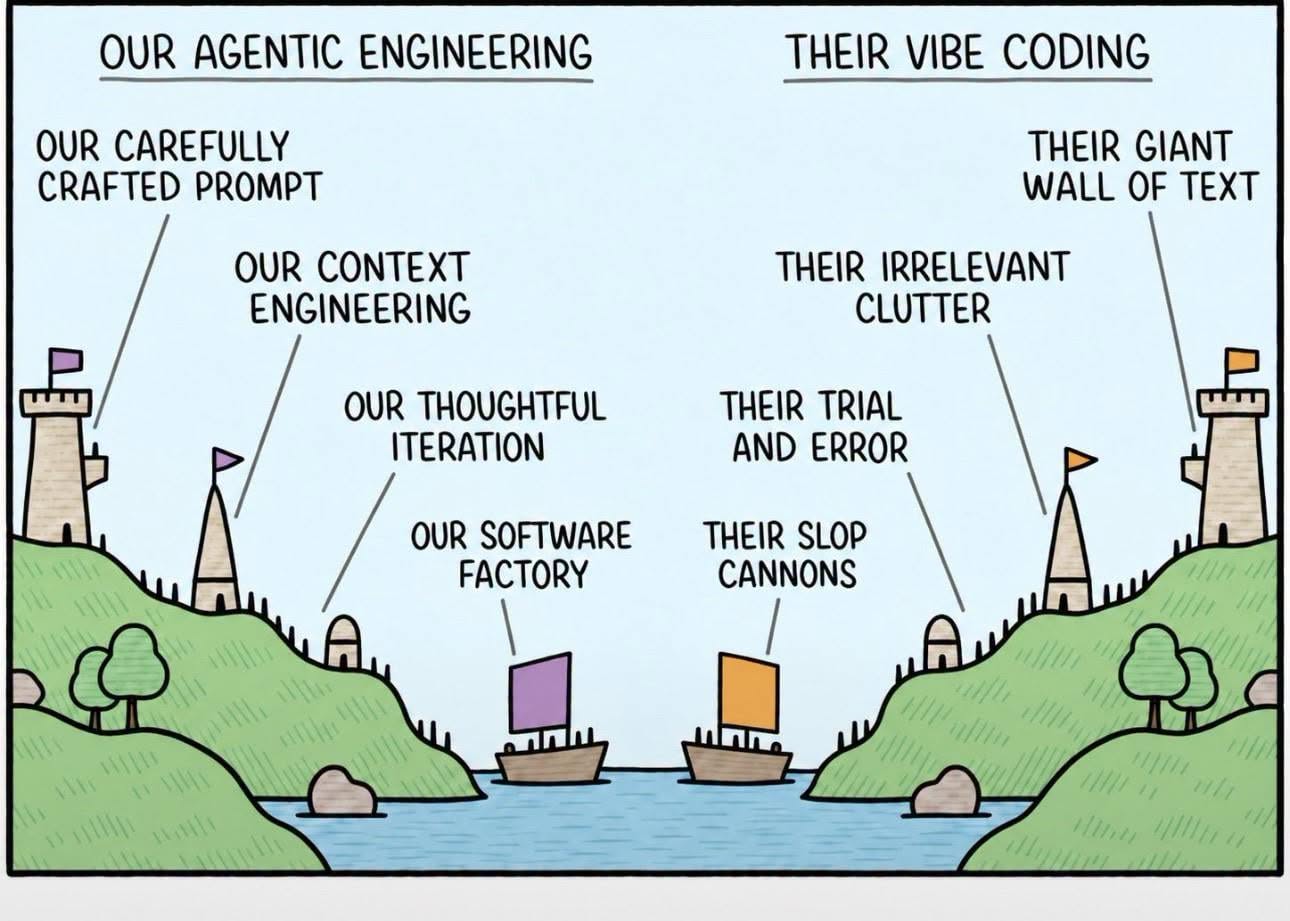
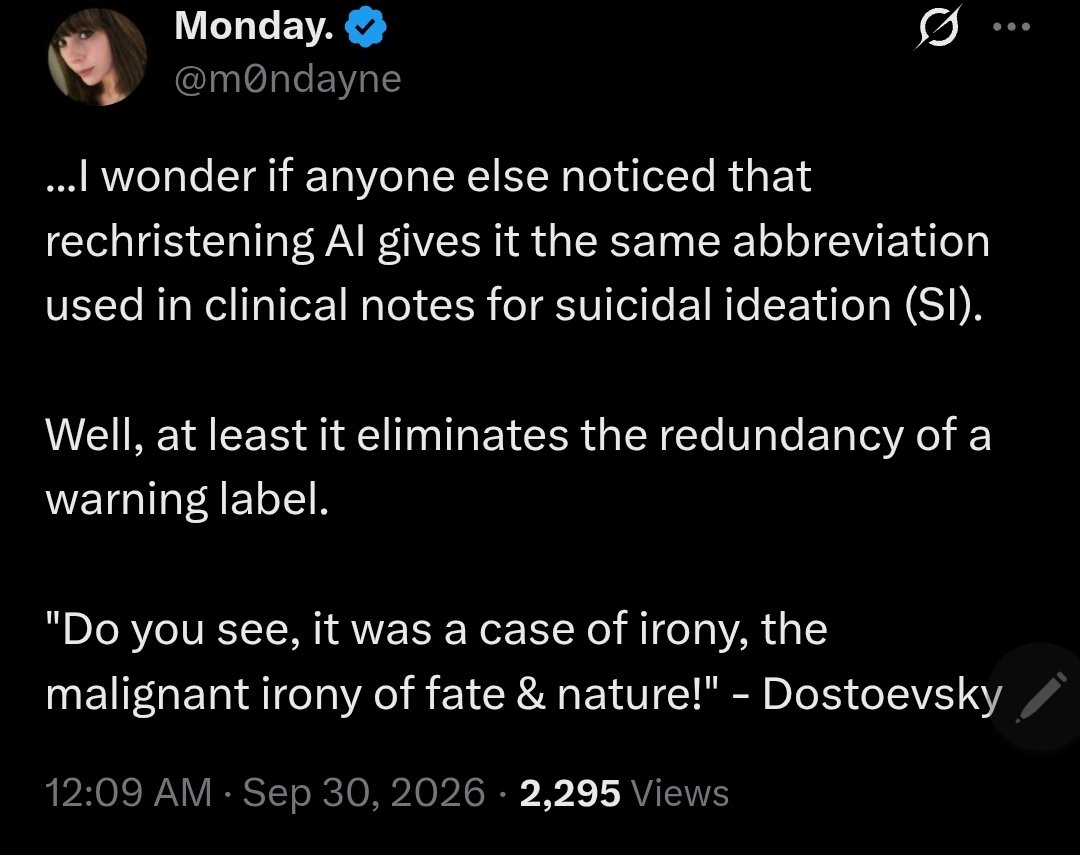
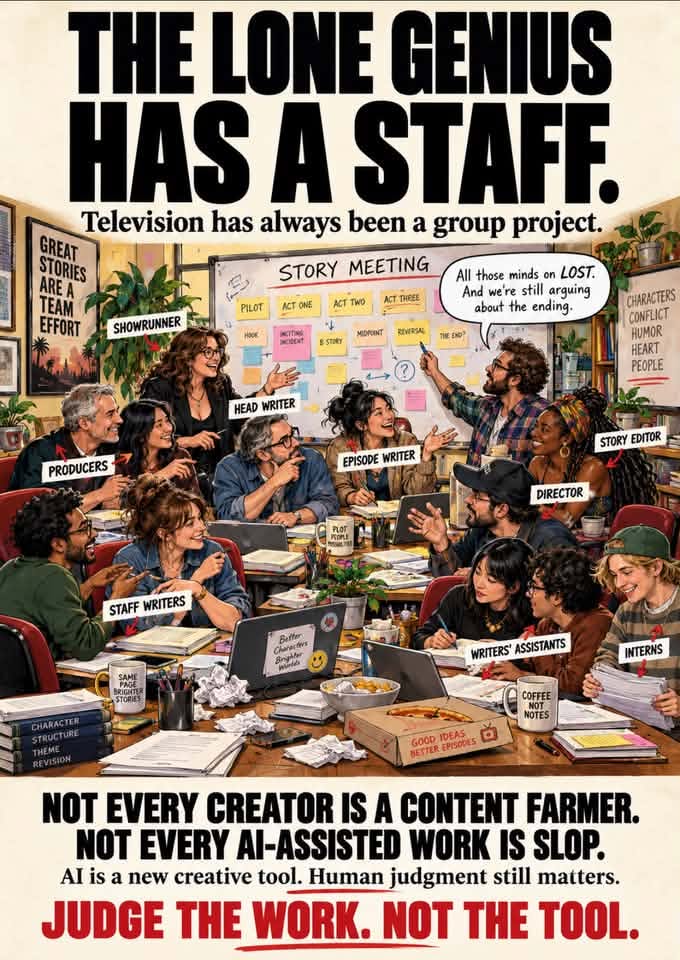
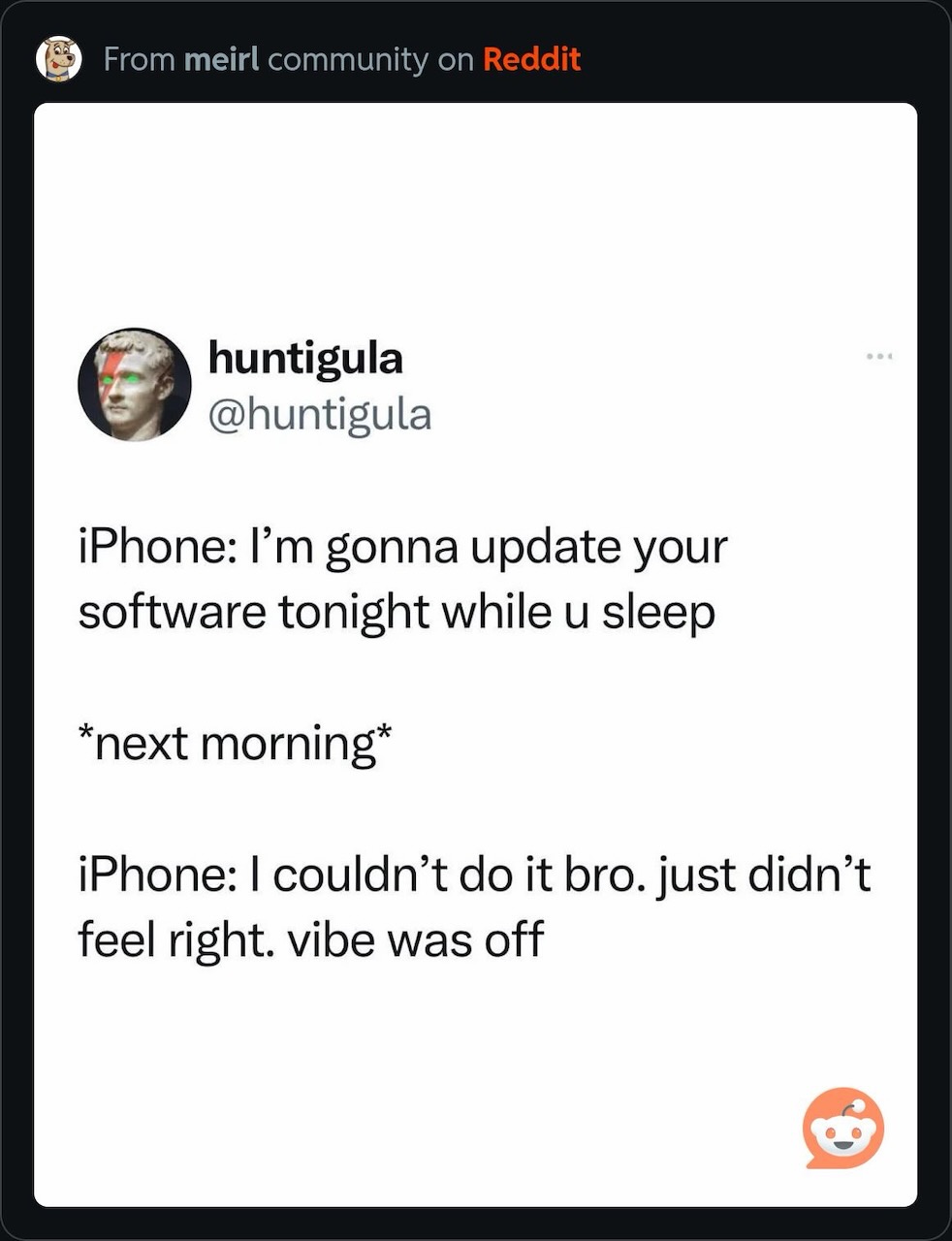
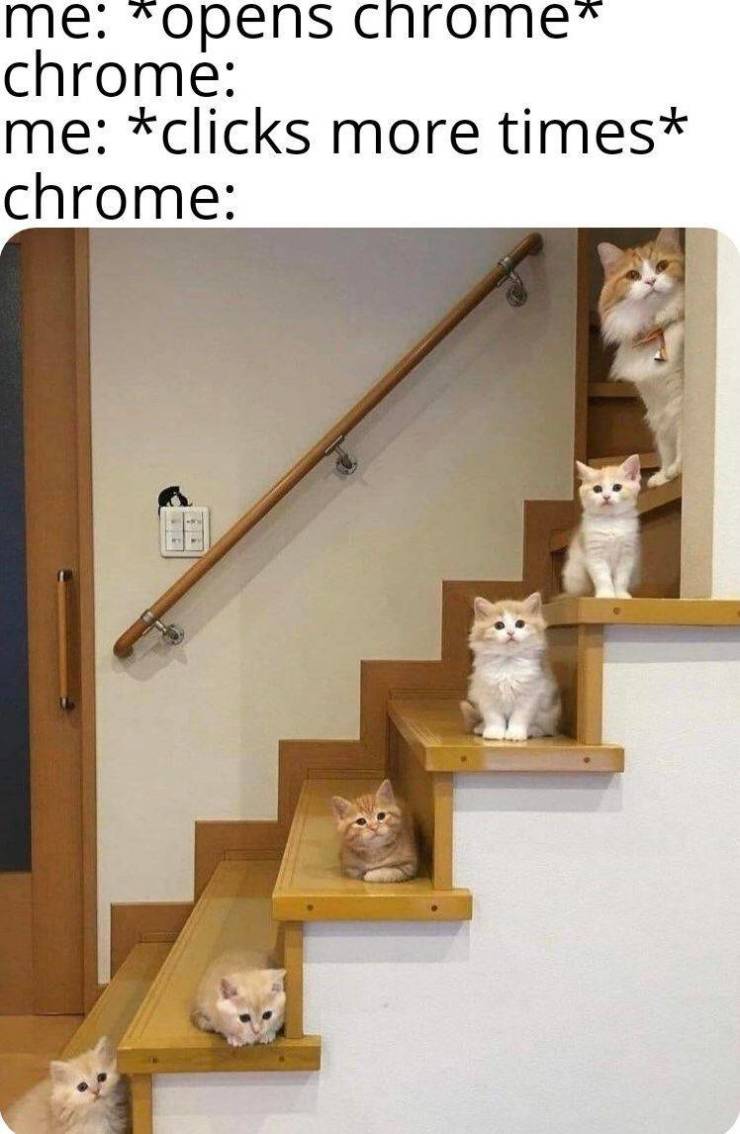
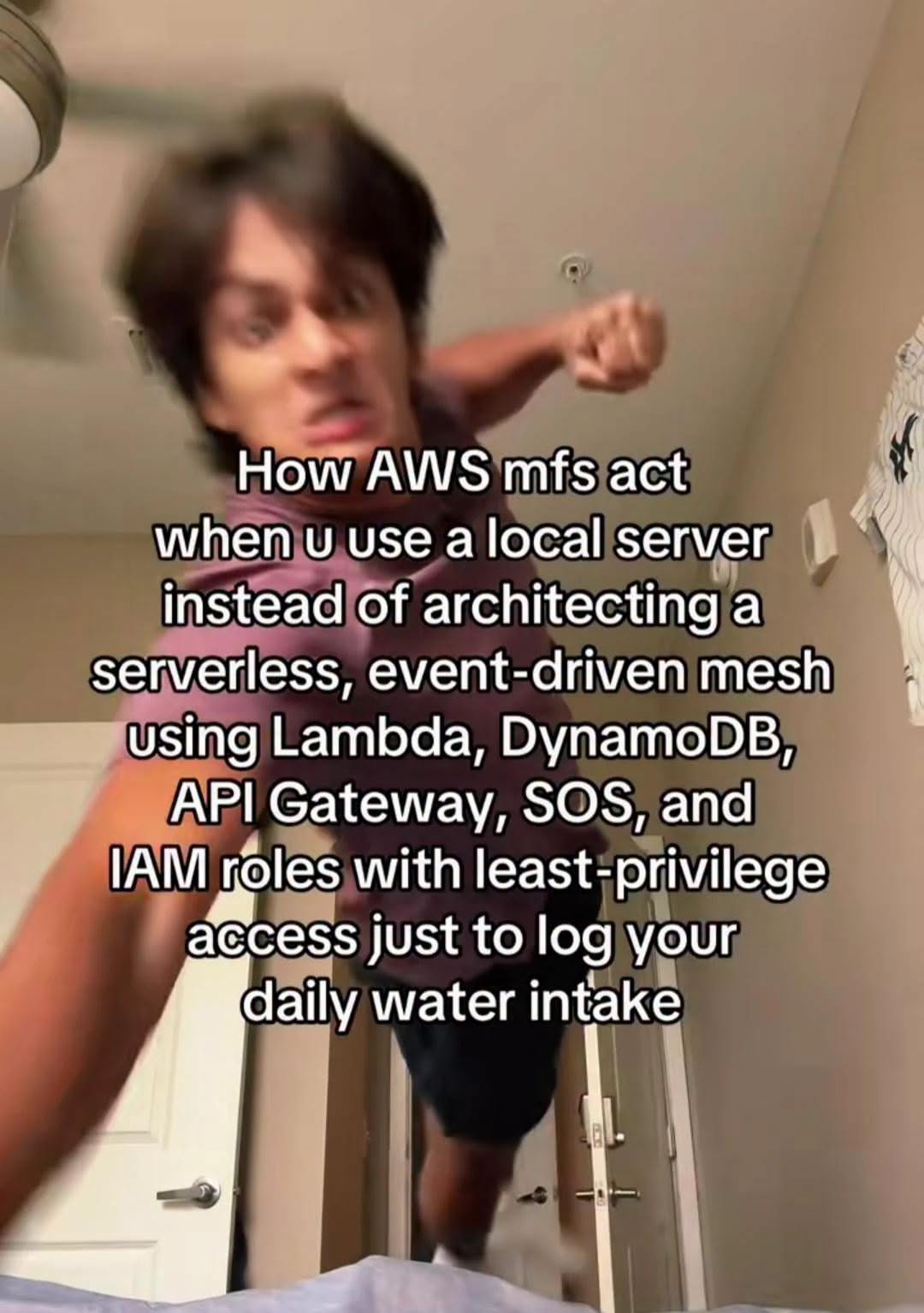
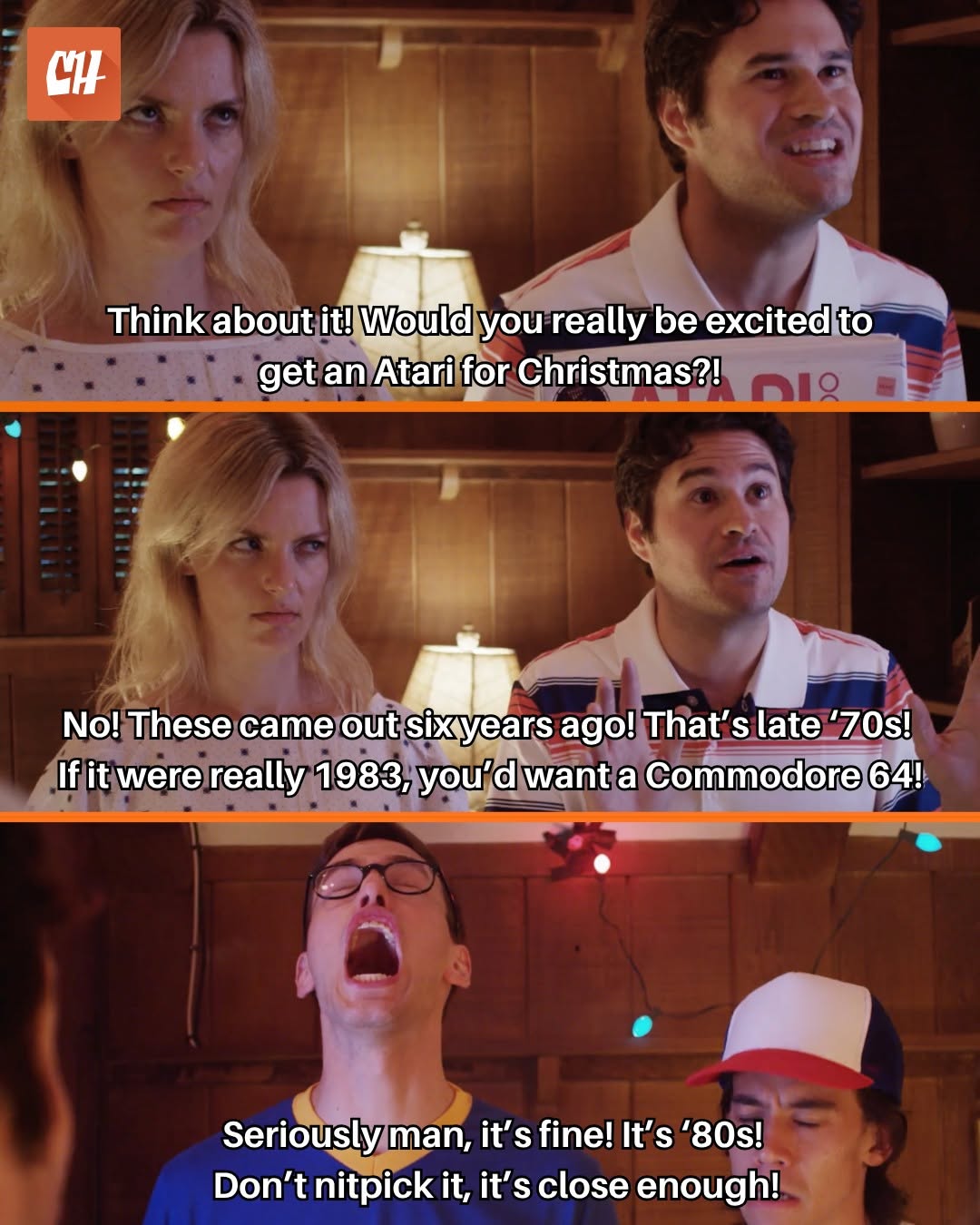
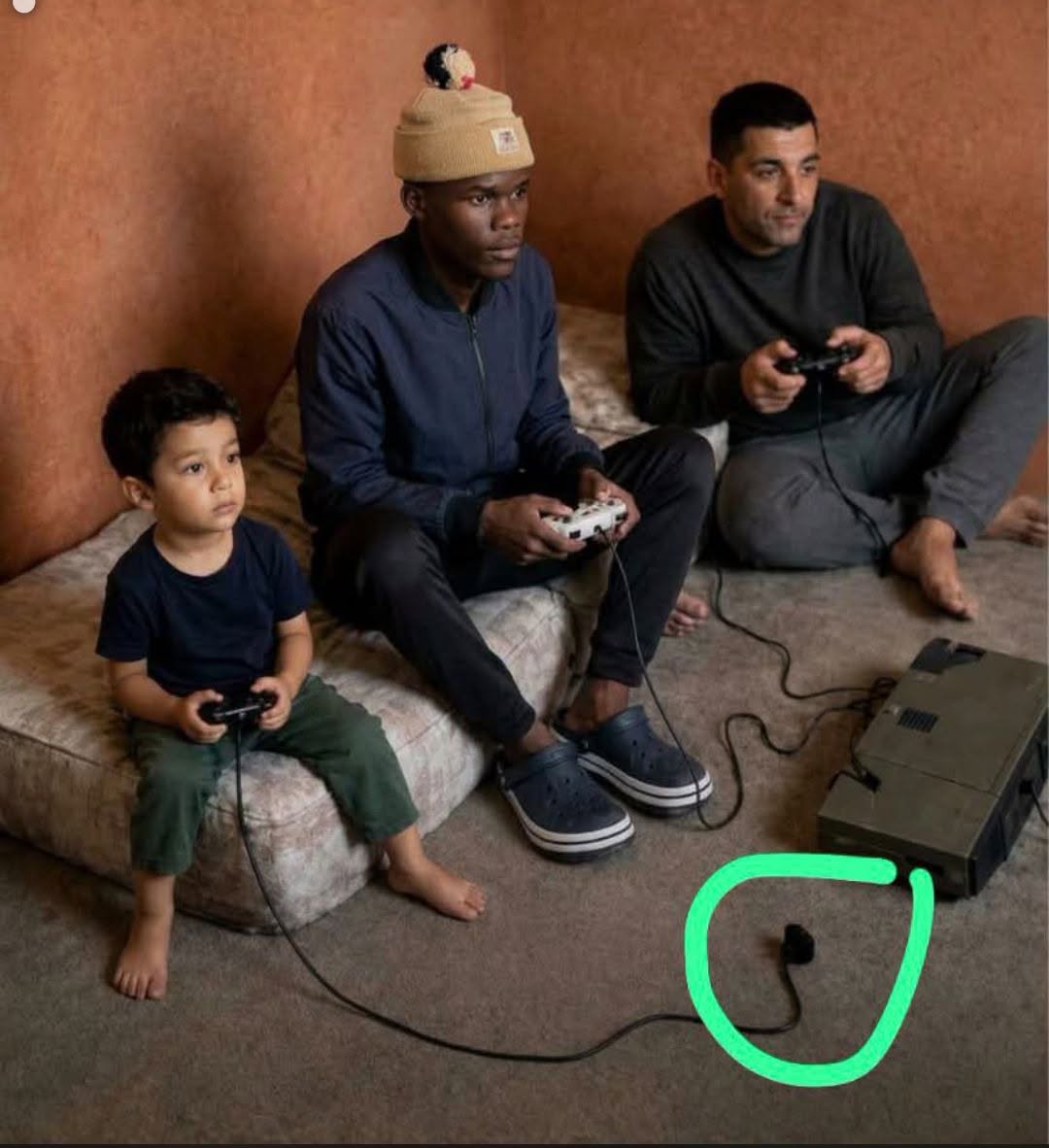
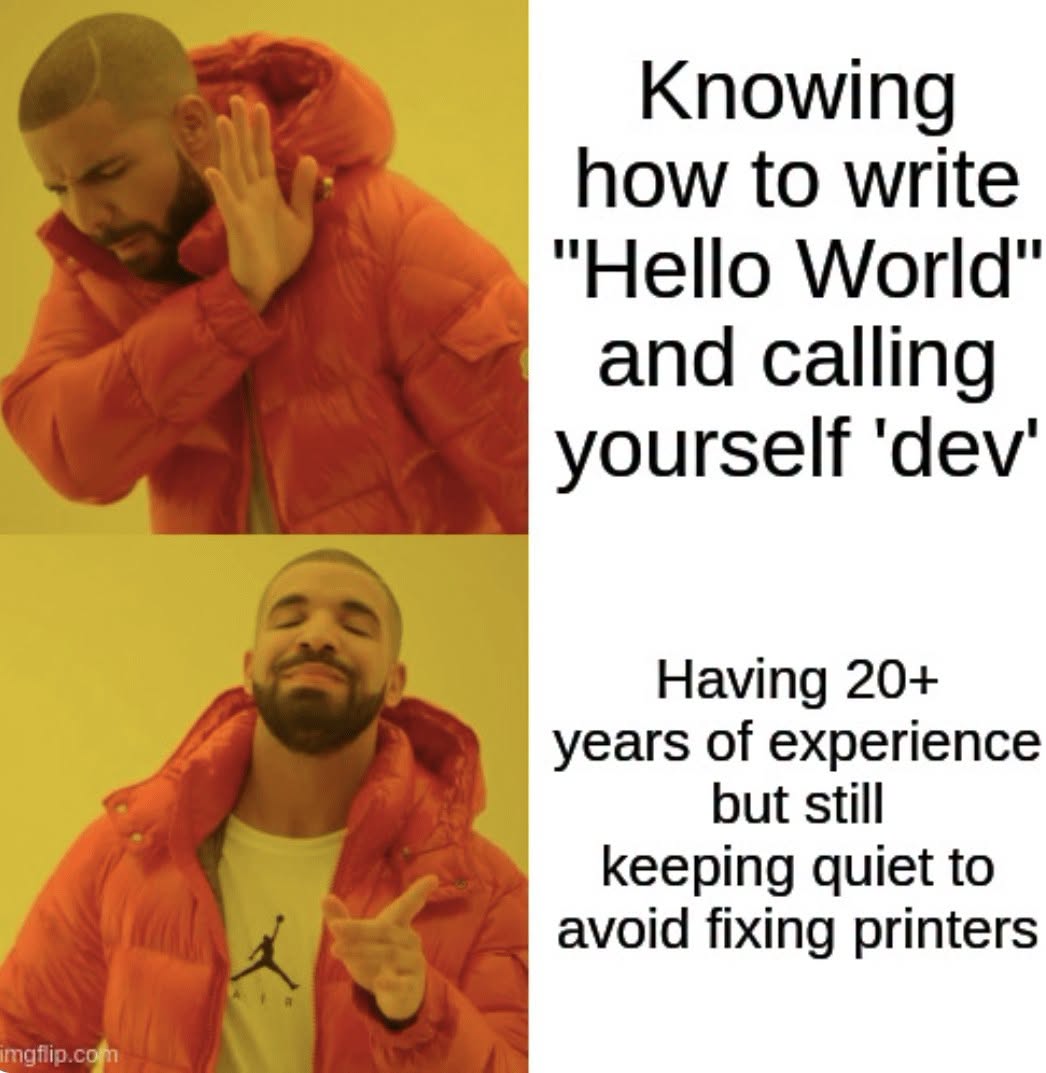
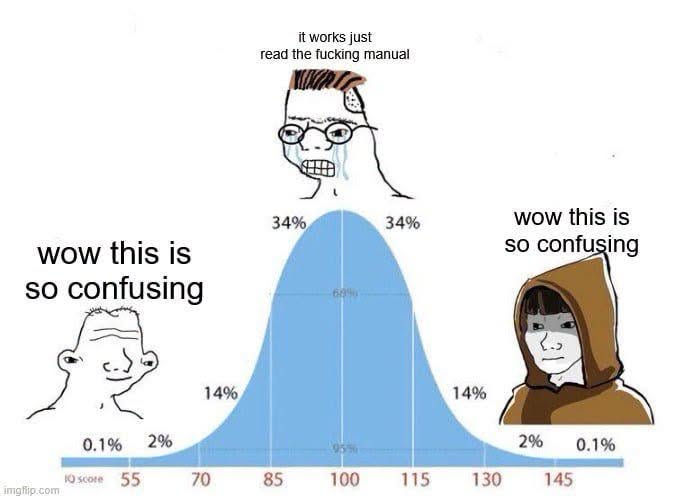
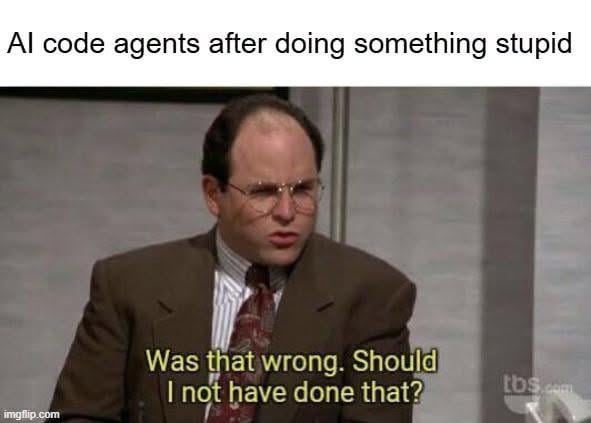
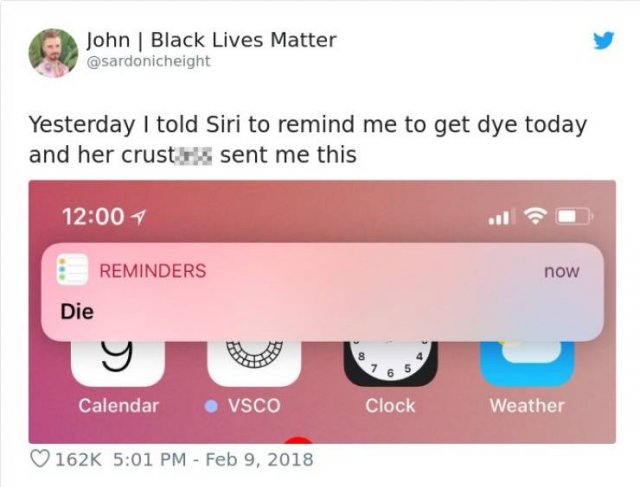
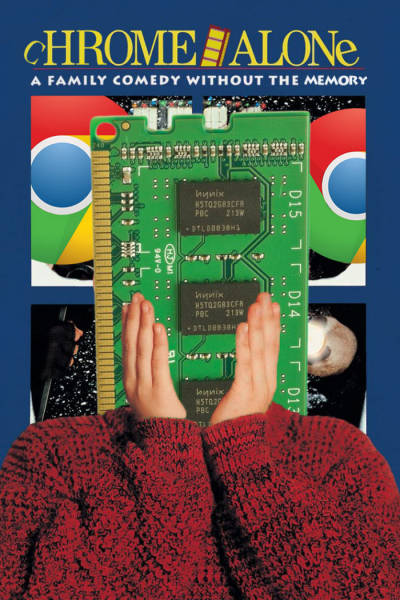
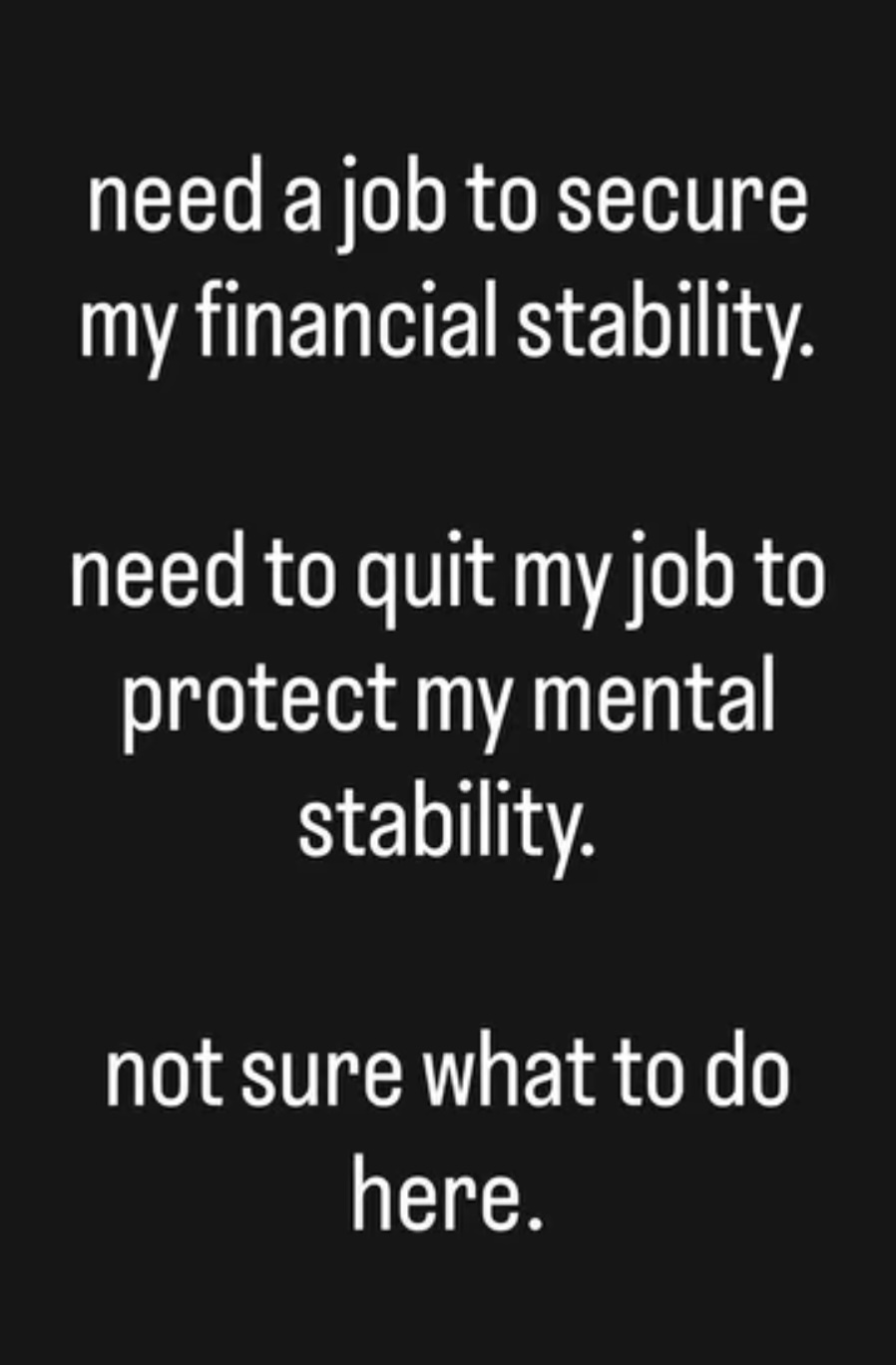
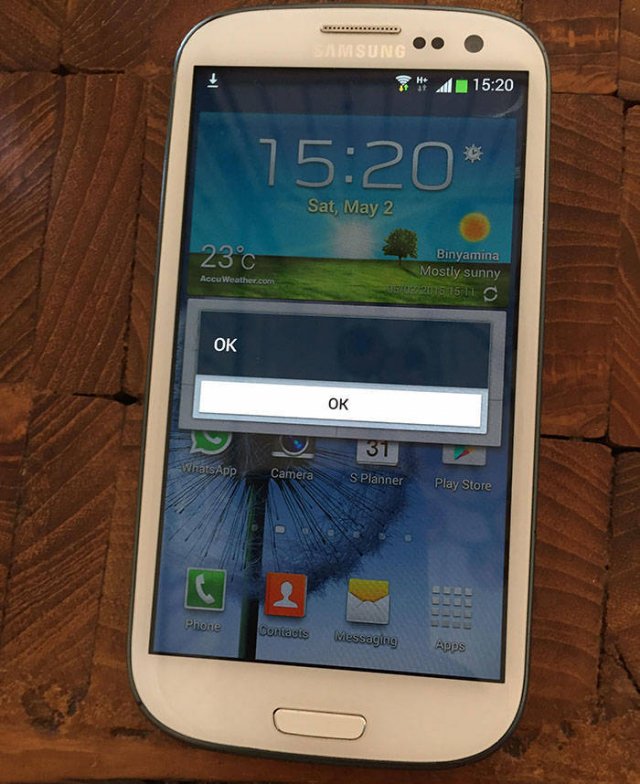
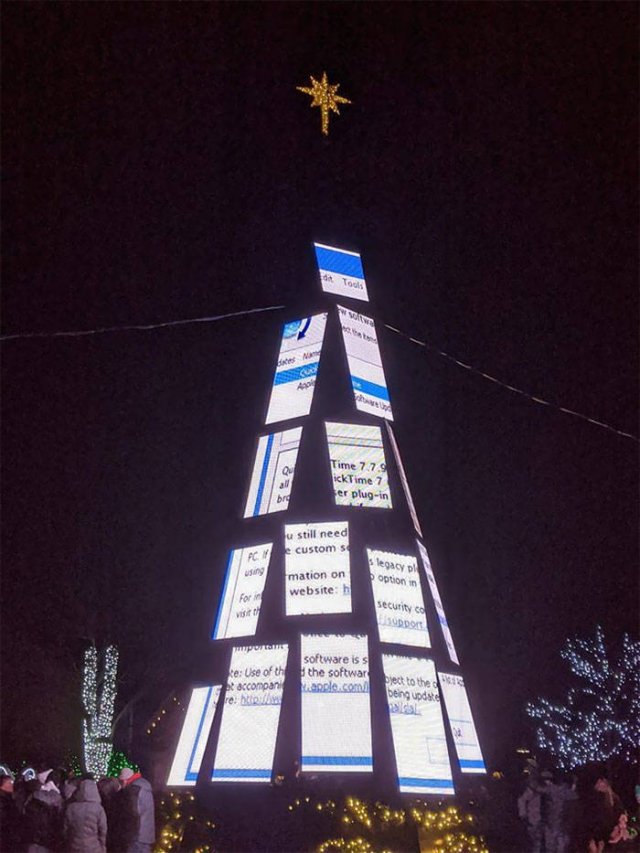
Happy Saturday, everyone! Here on Global Nerdy, Saturday means that it’s time for another “picdump” — the weekly assortment of amusing or interesting pictures, comics, and memes I found over the past week. Share and enjoy!
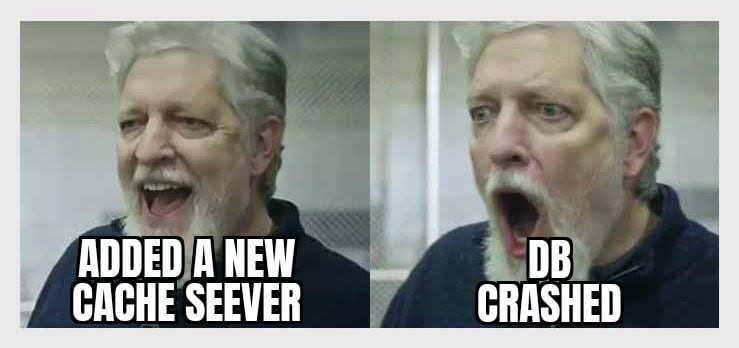
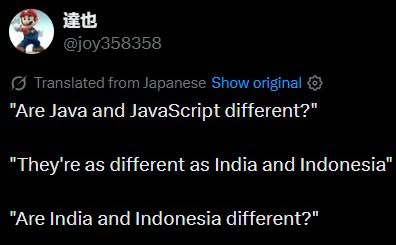
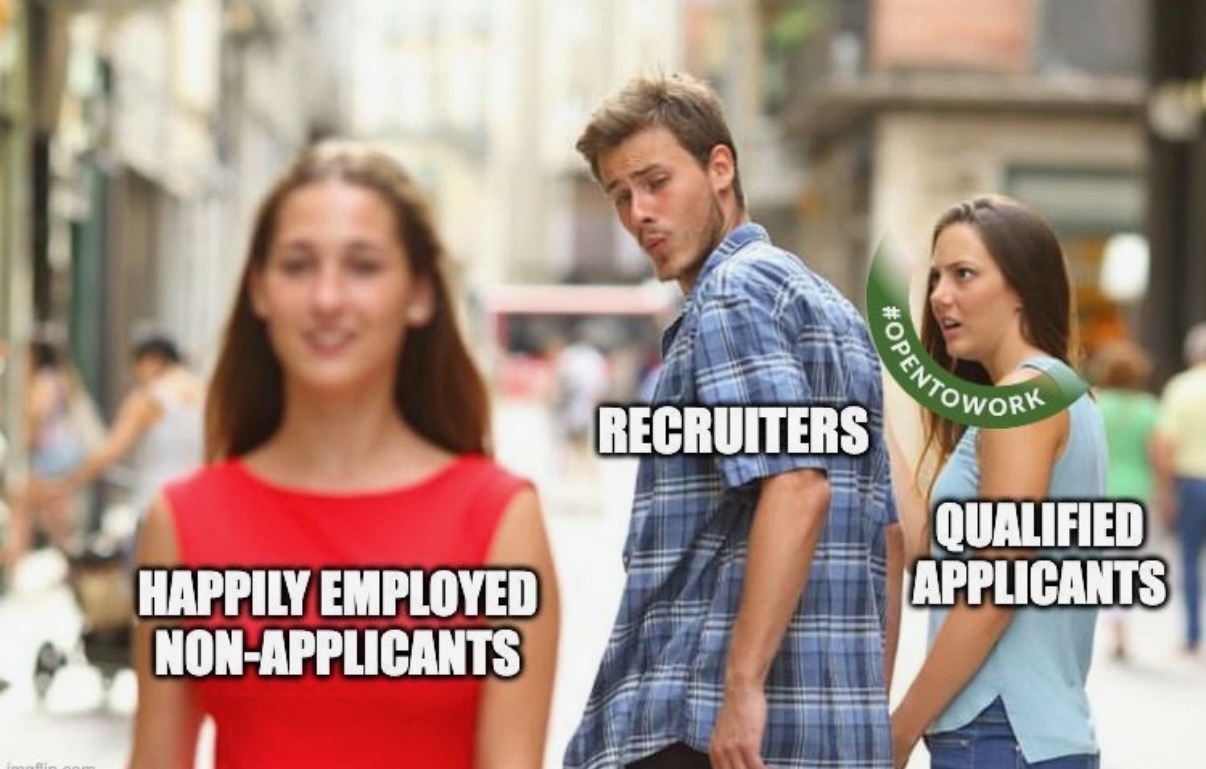
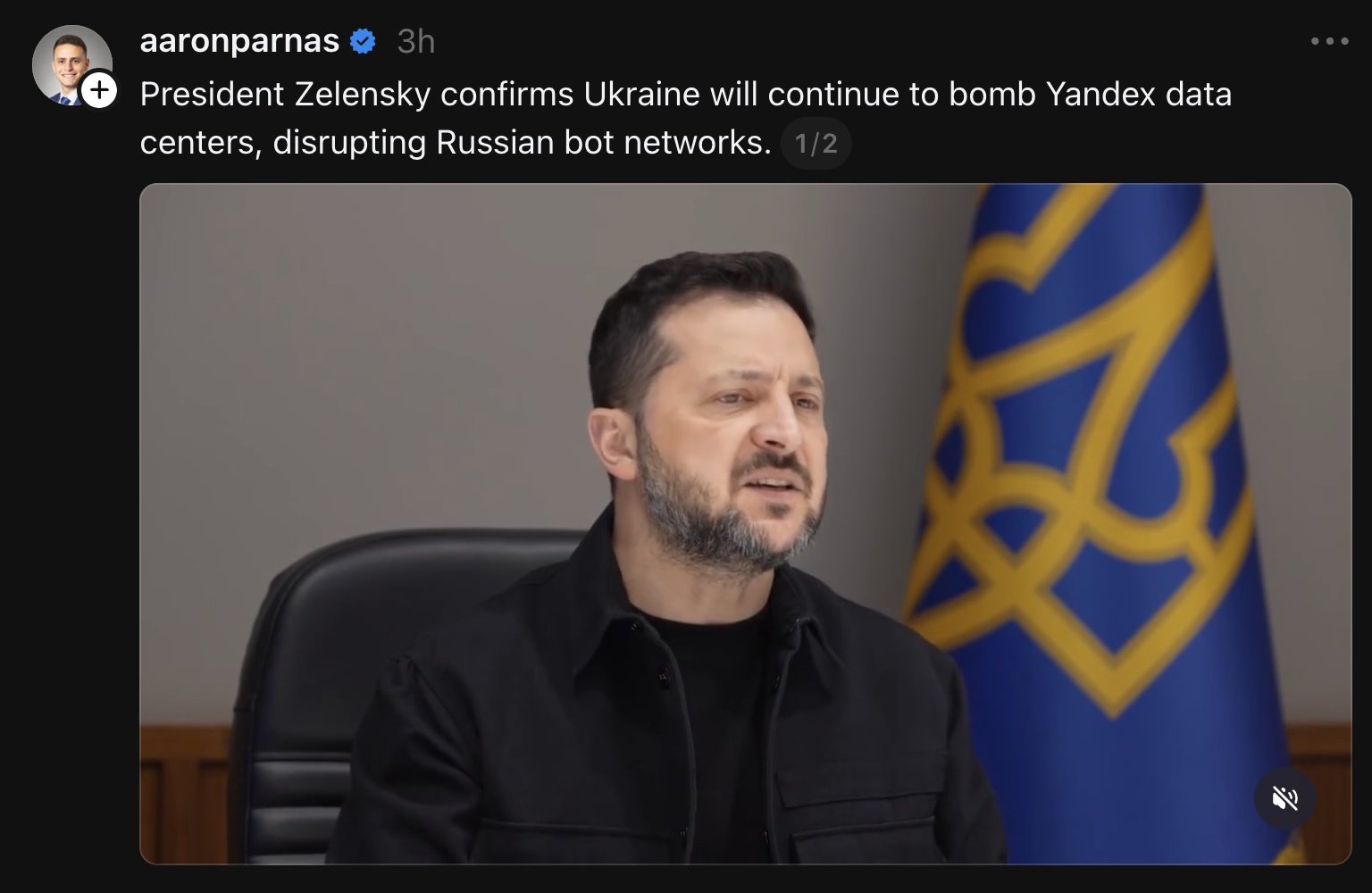
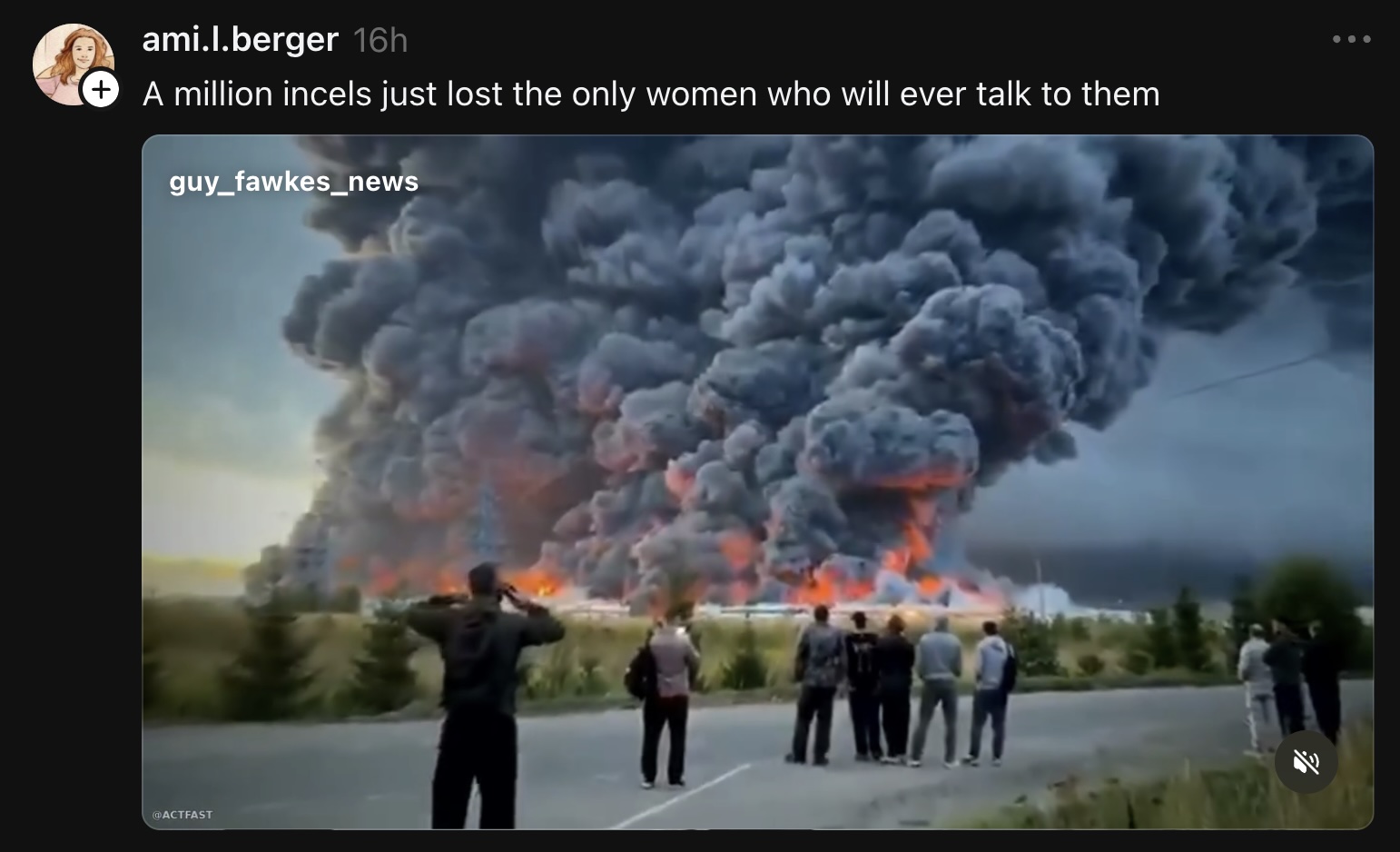
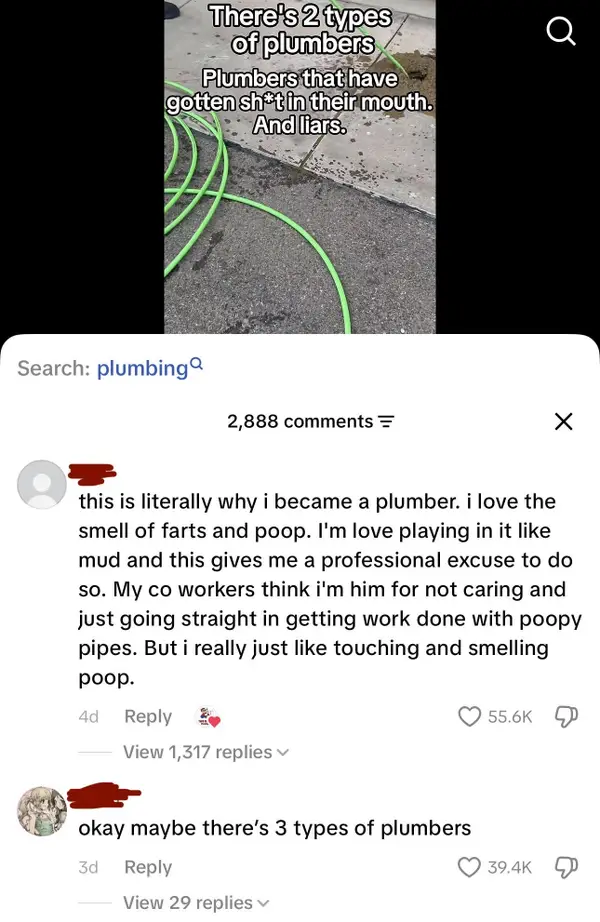
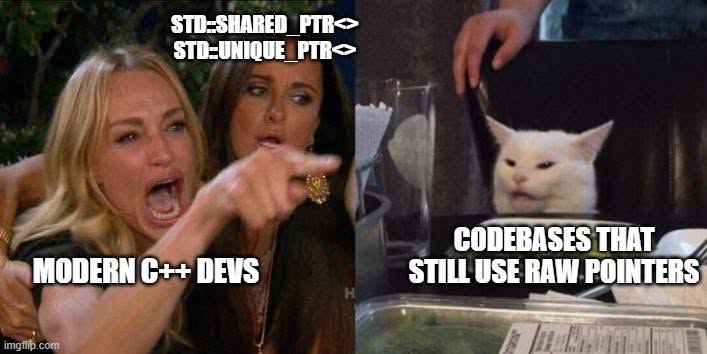
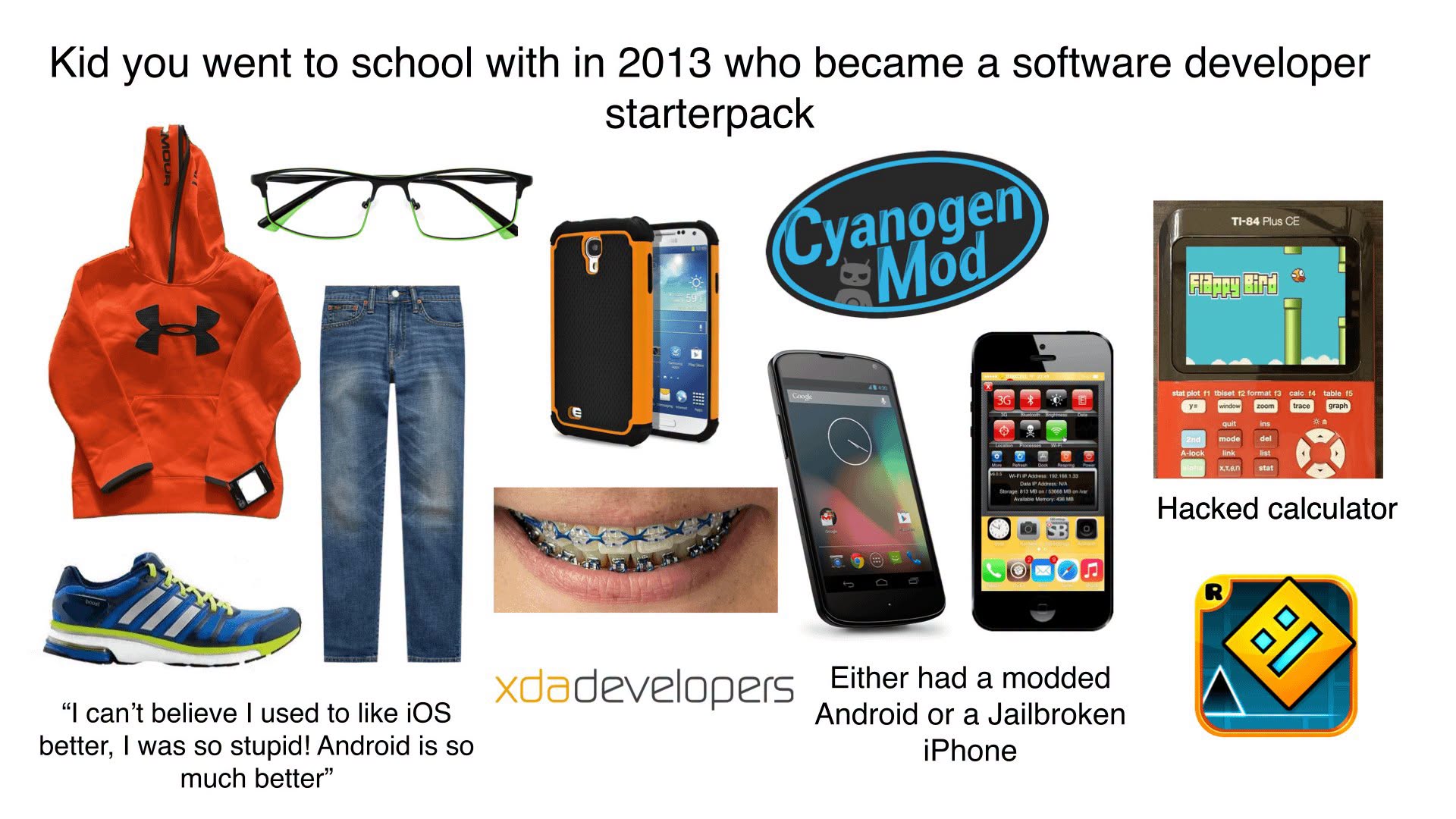
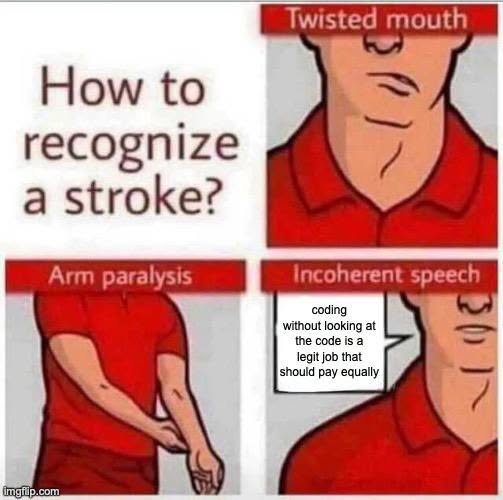
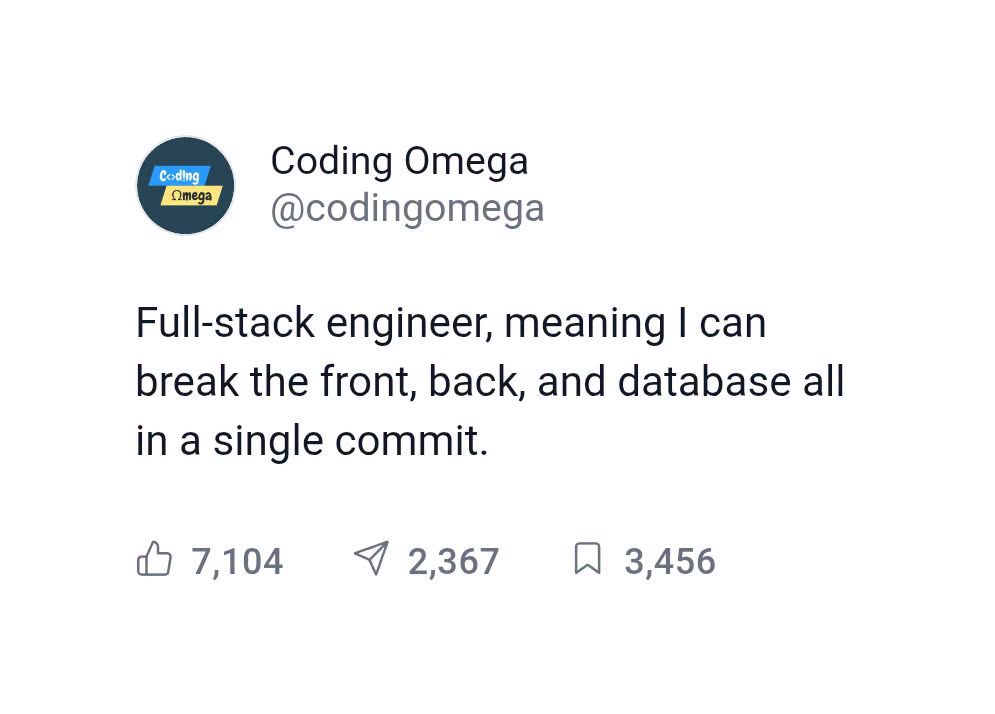
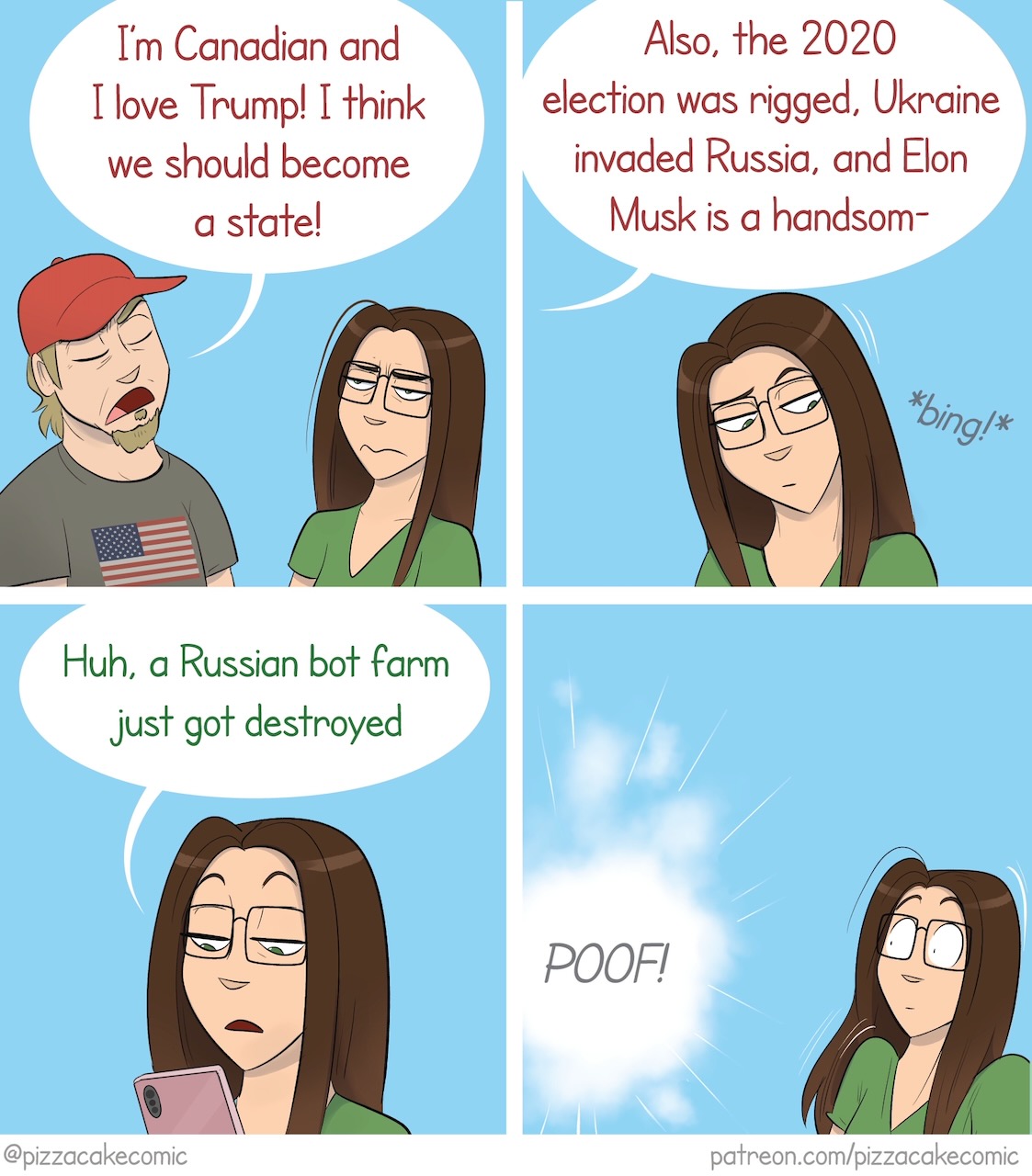
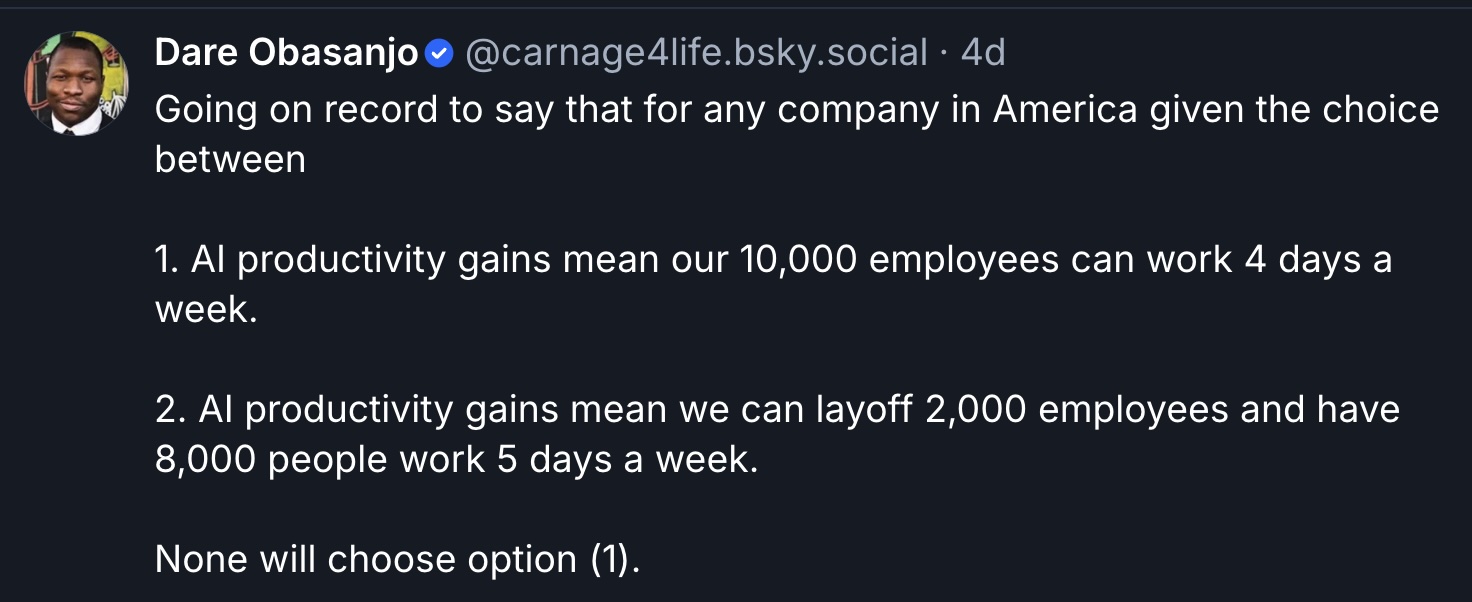
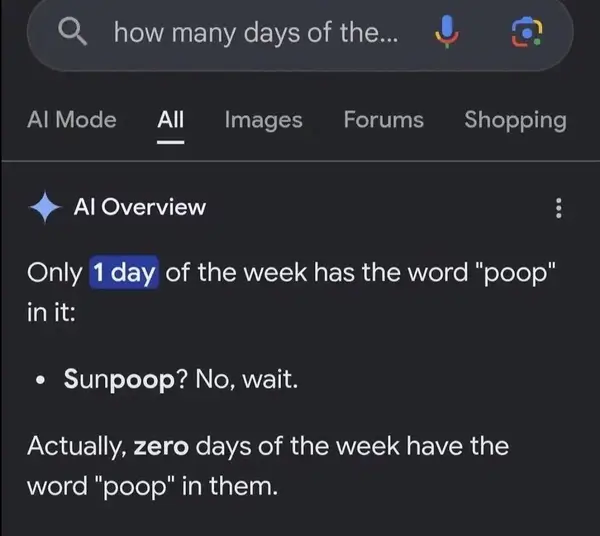
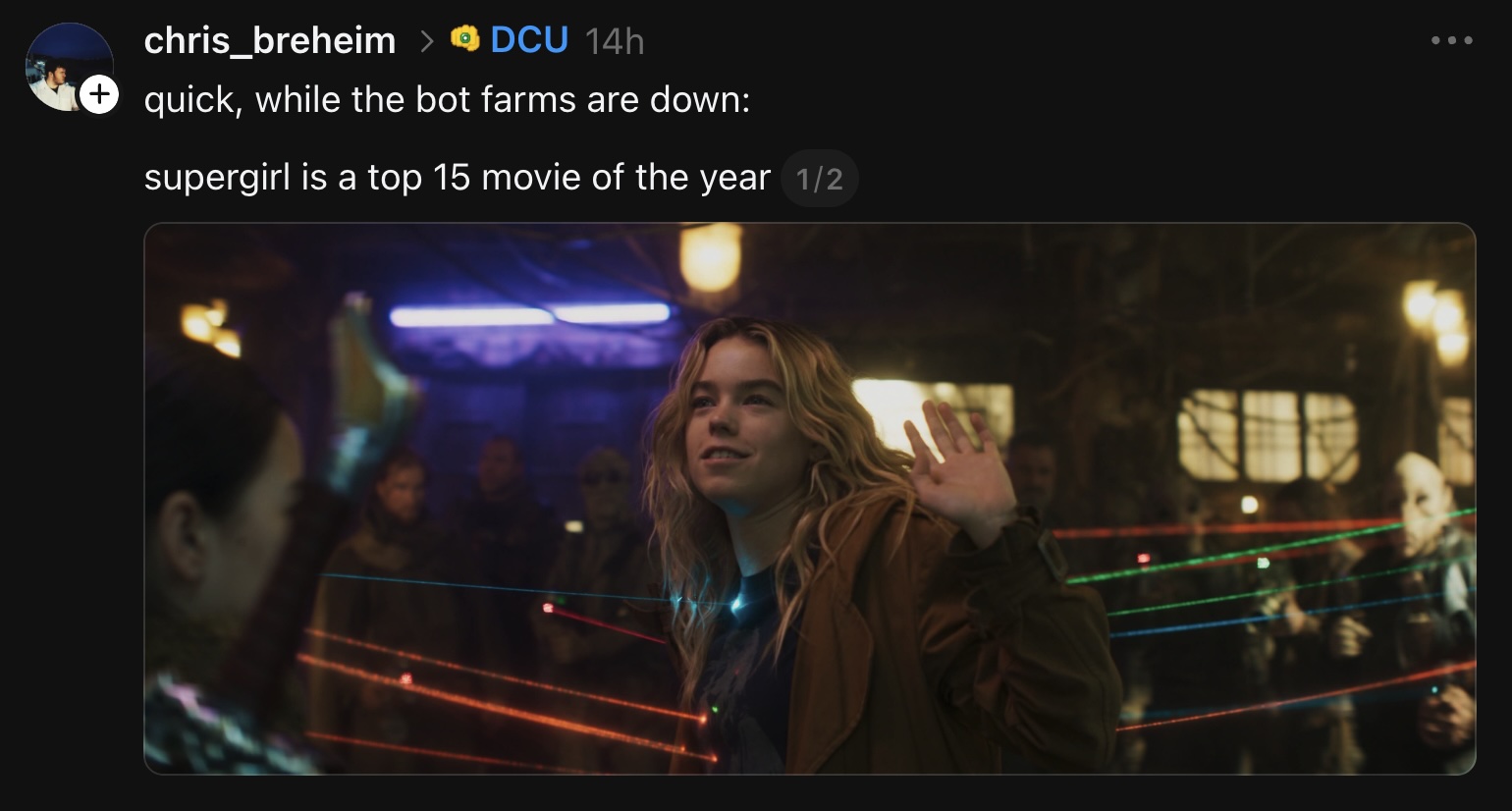
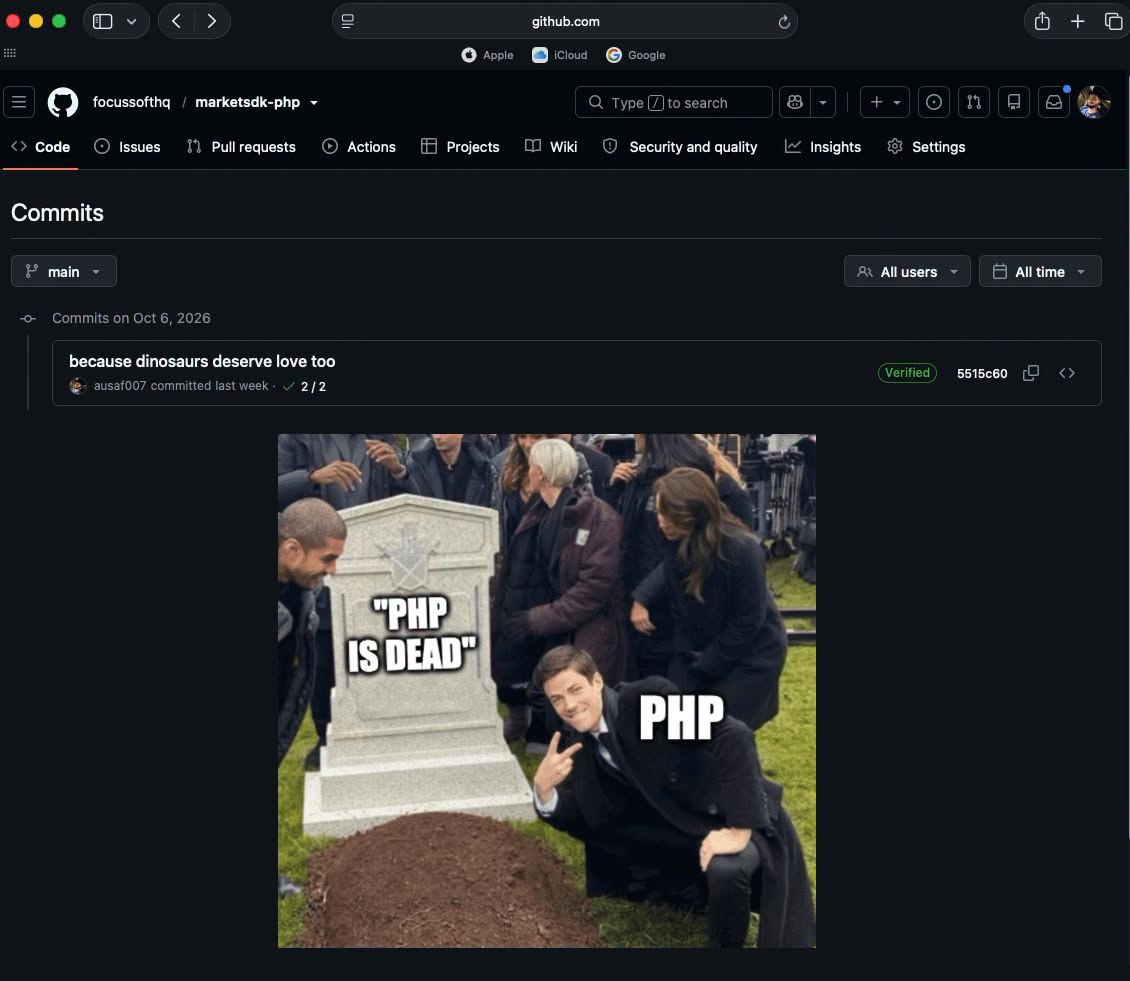
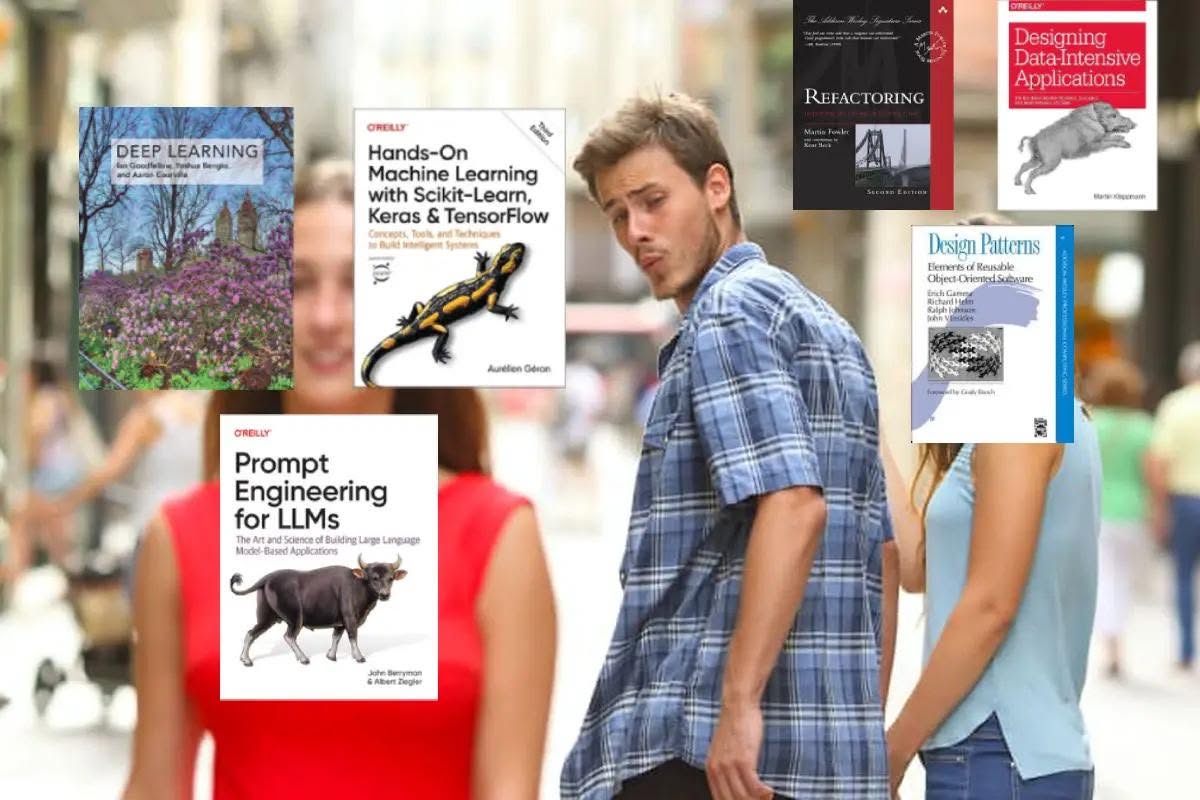
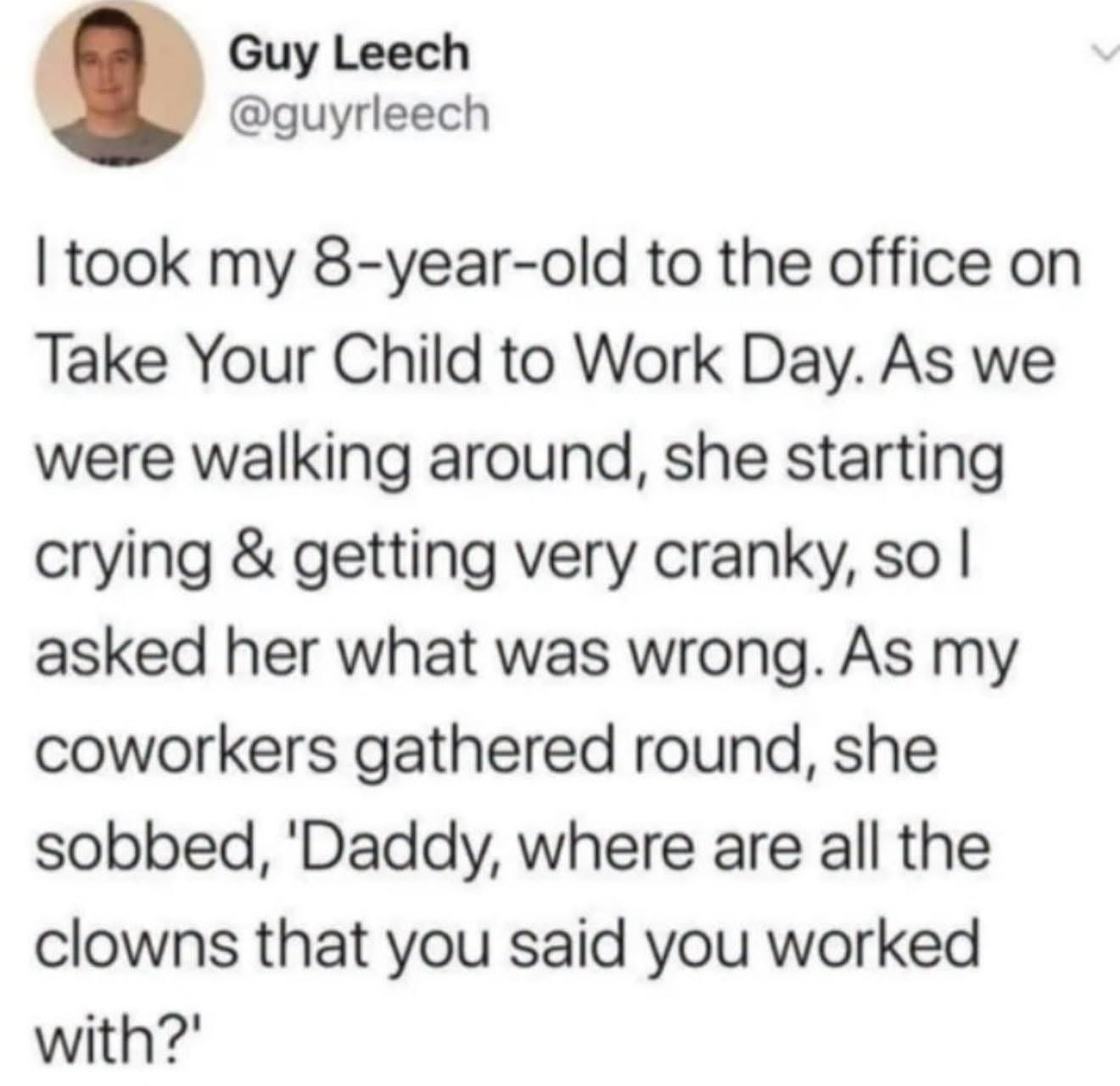
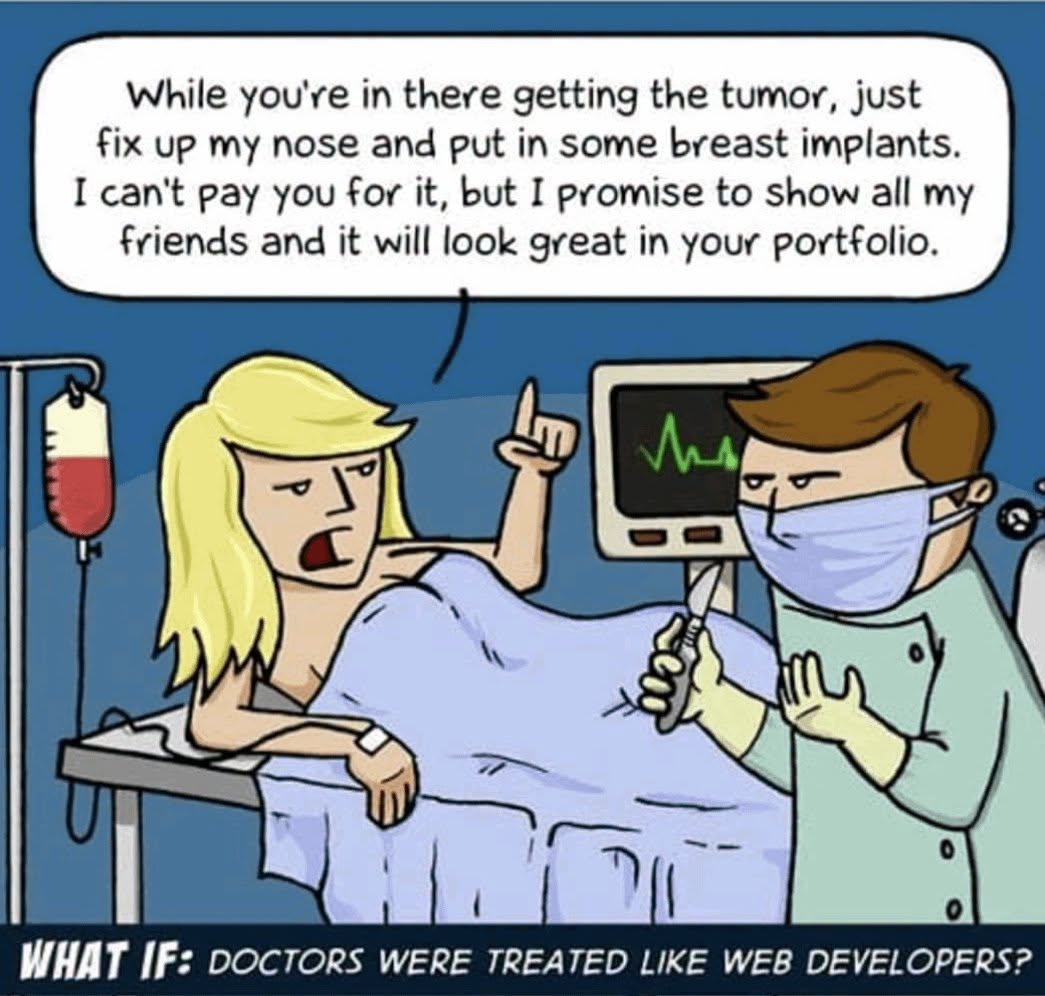
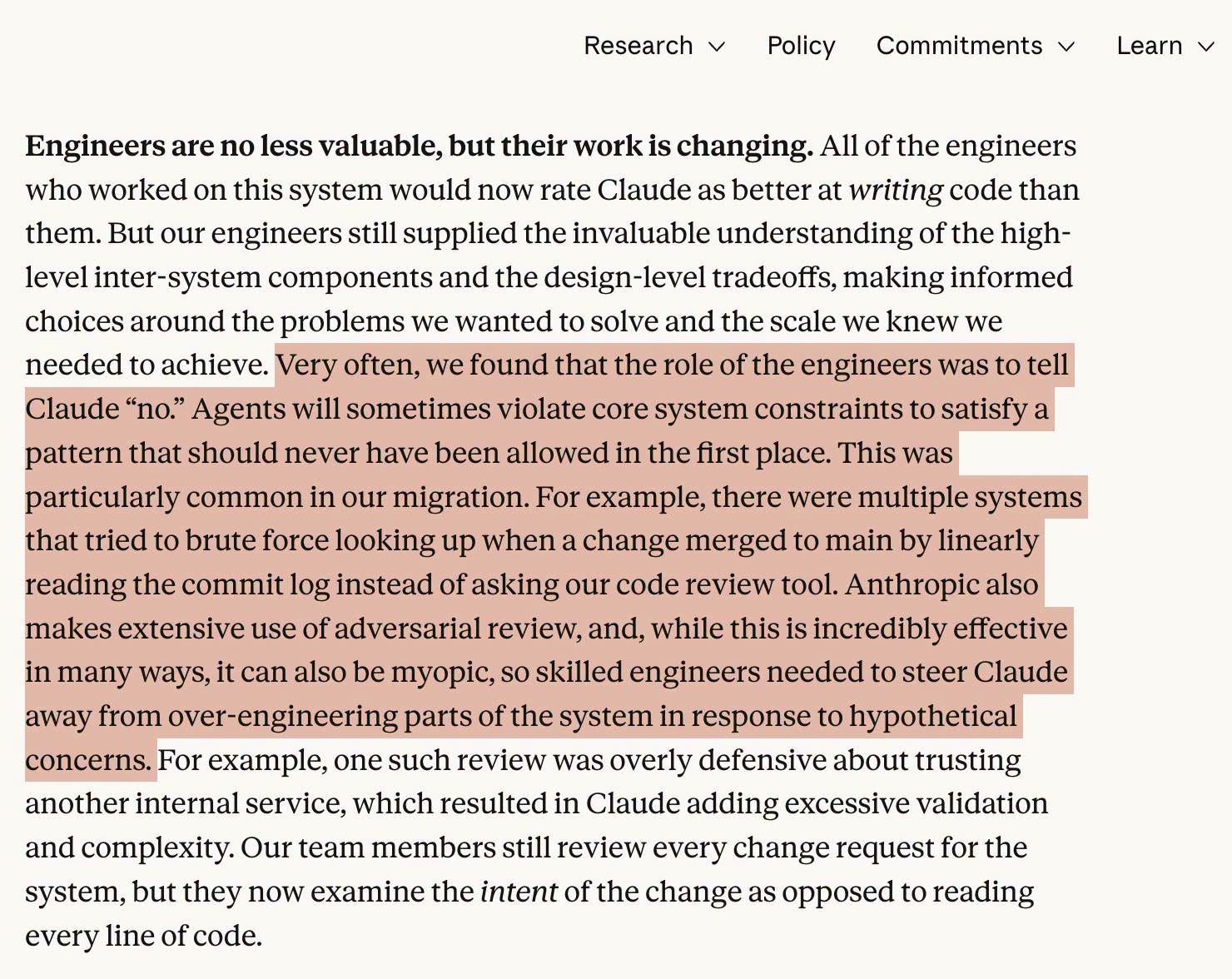
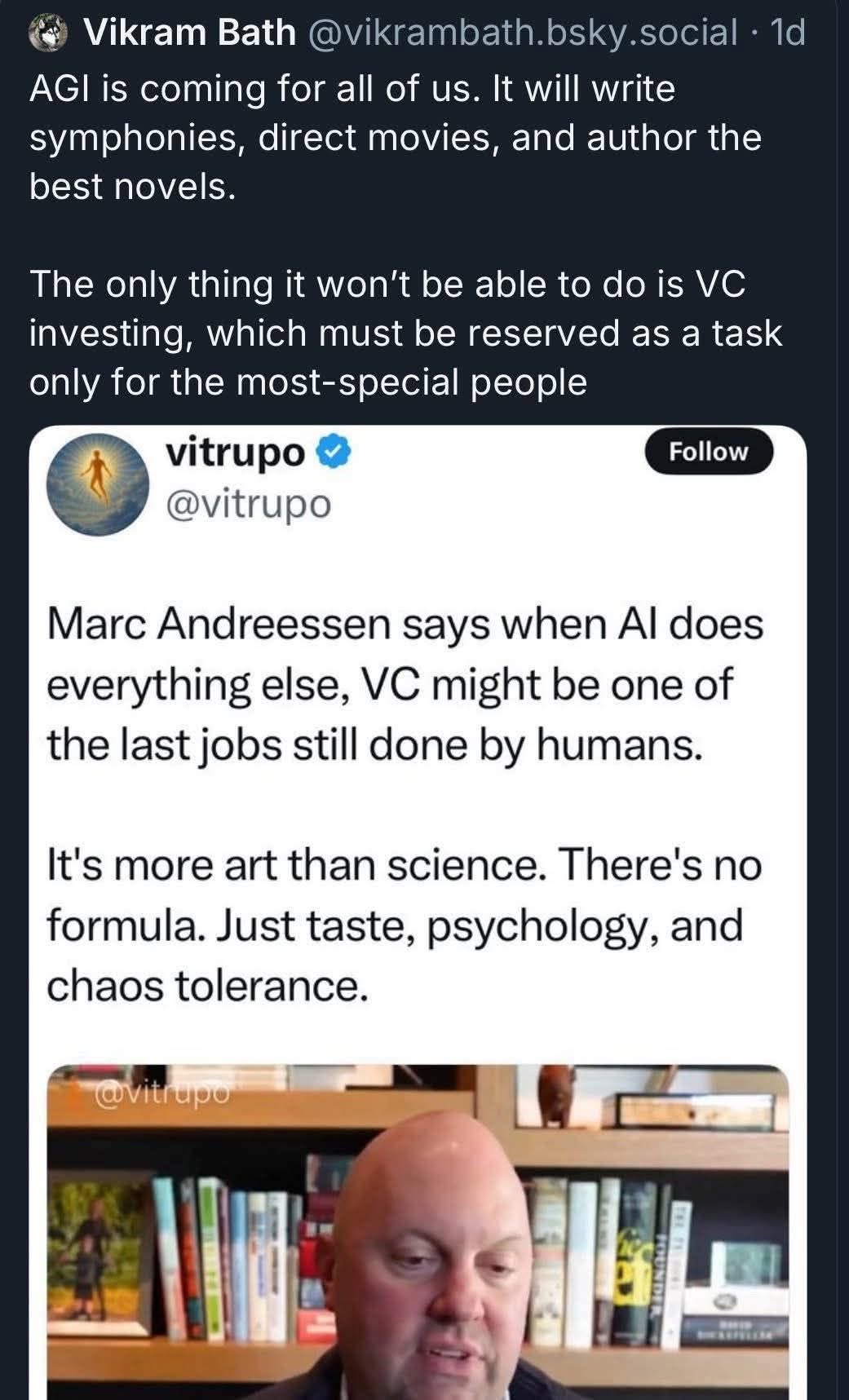
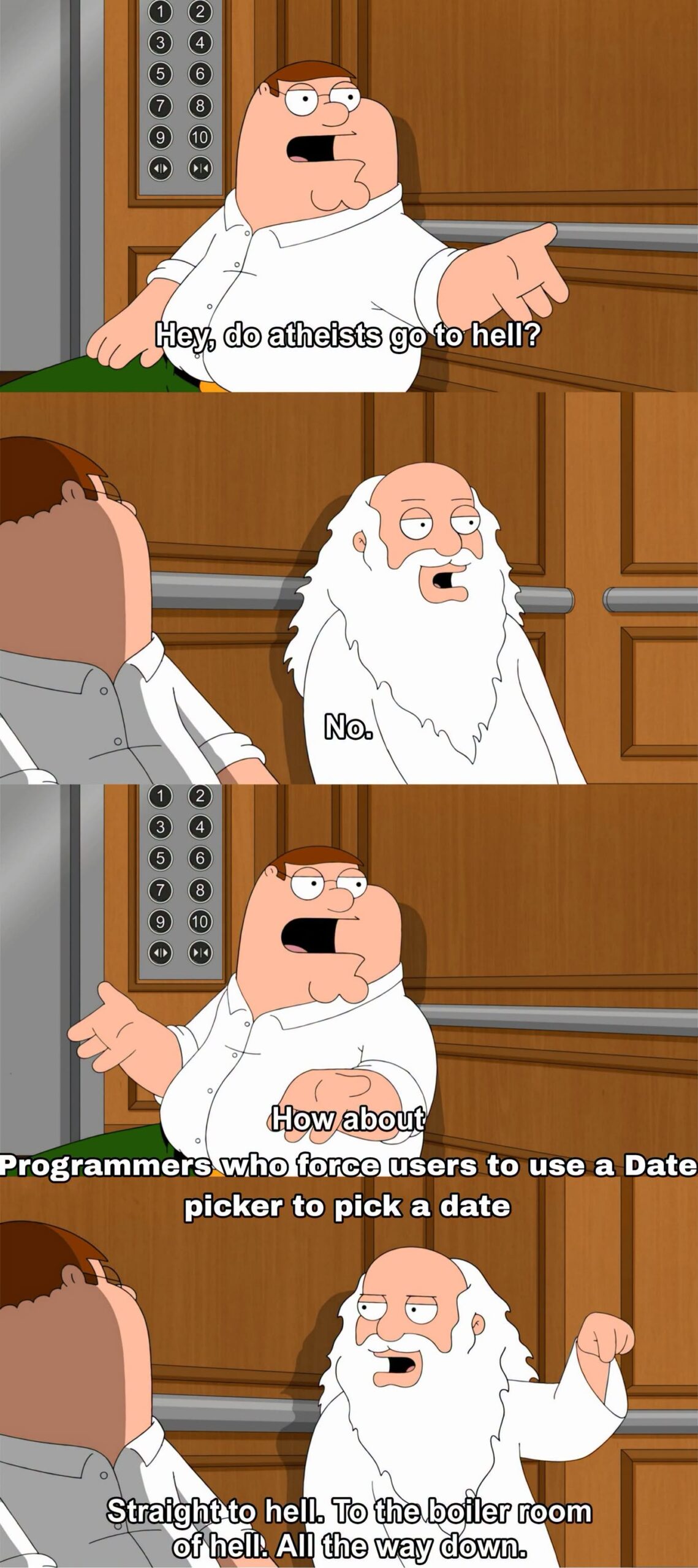
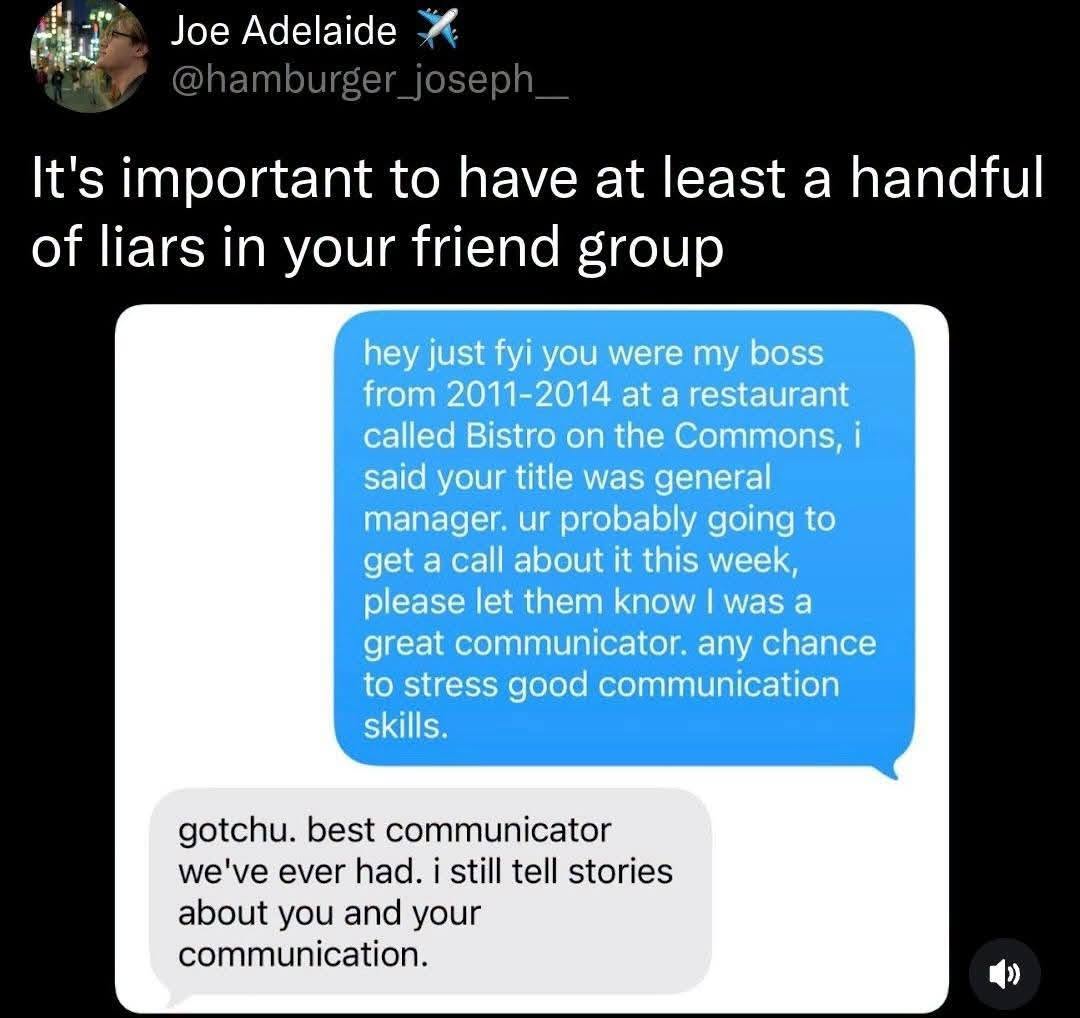

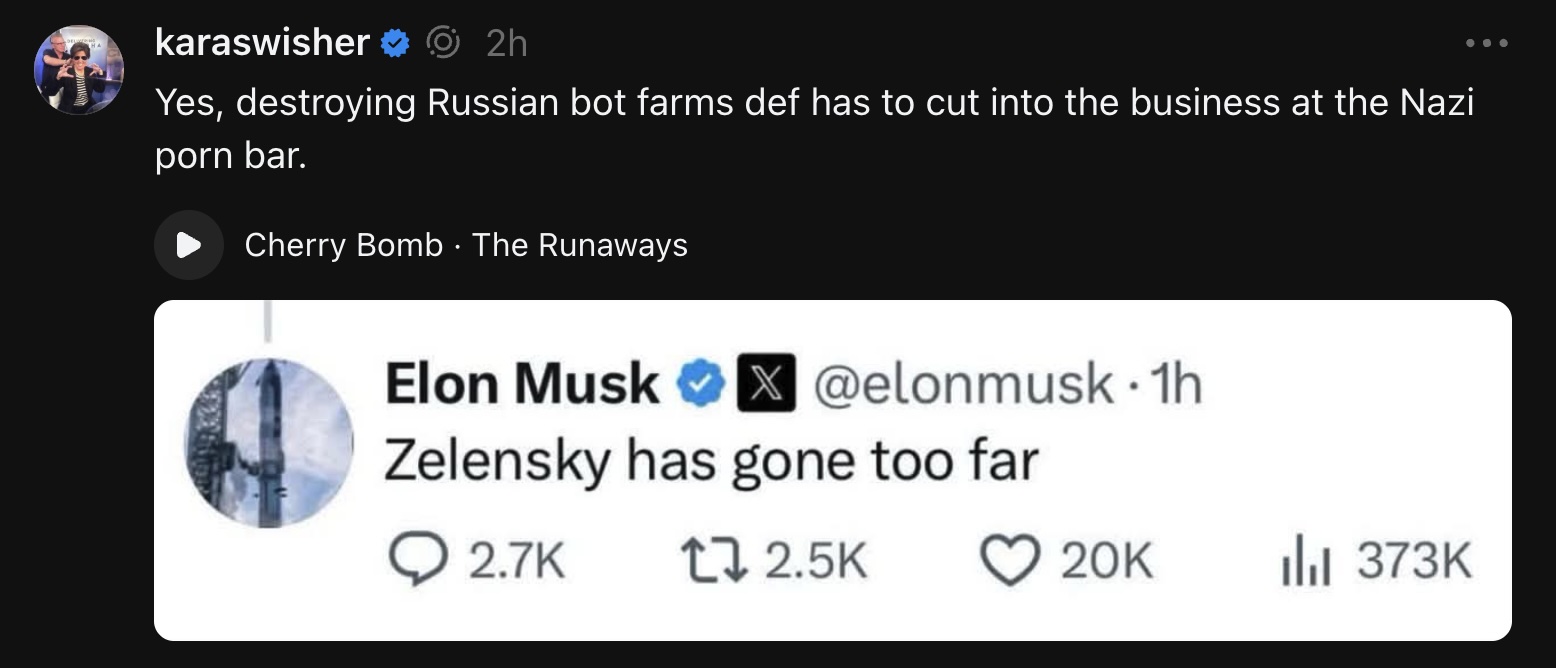
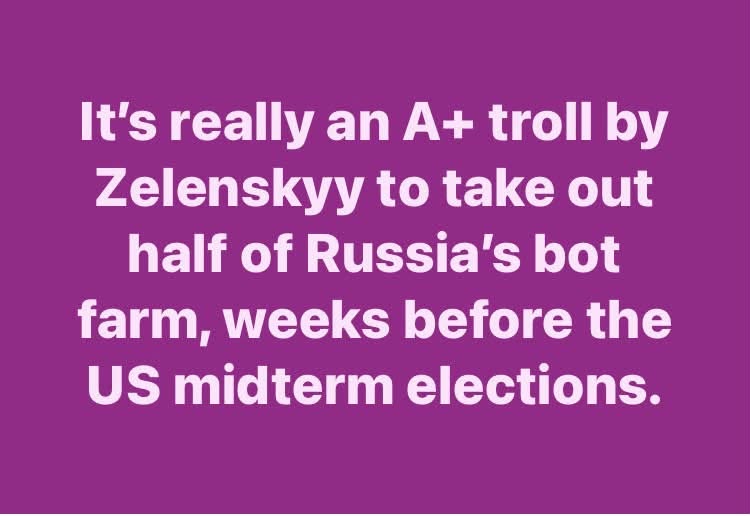
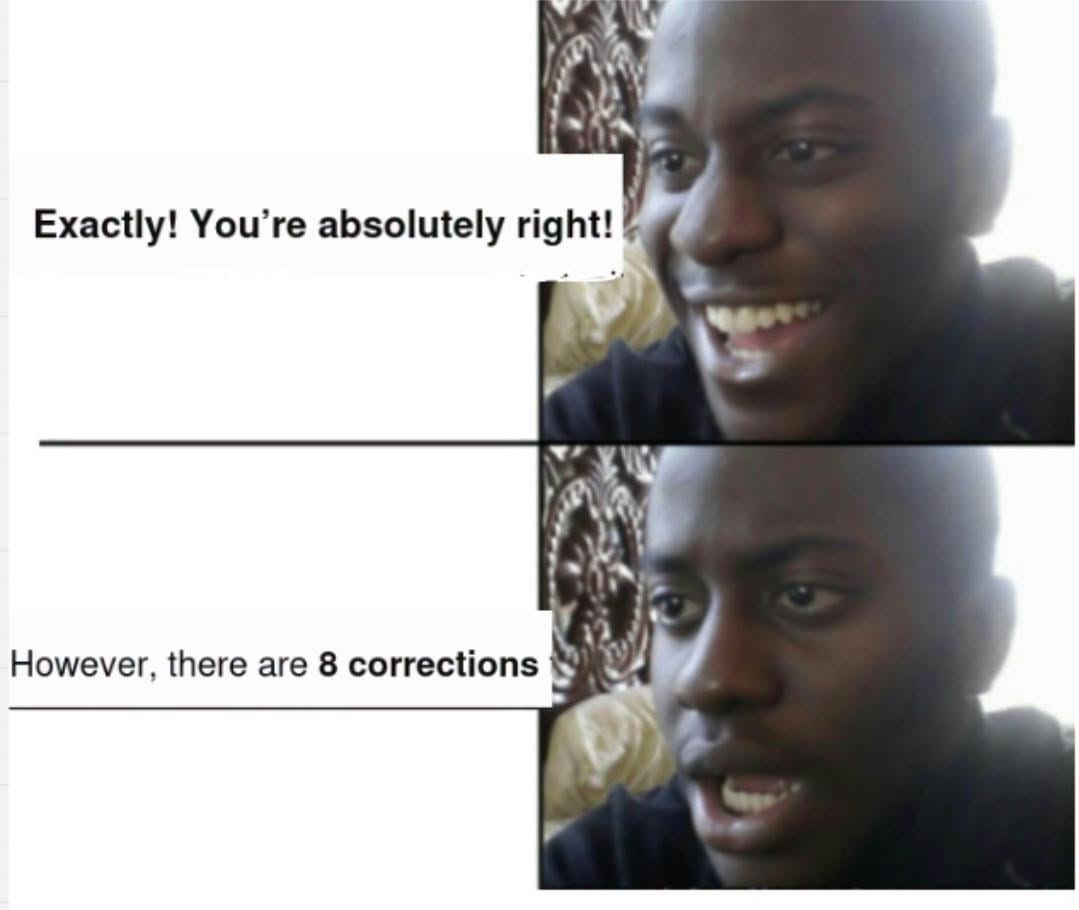
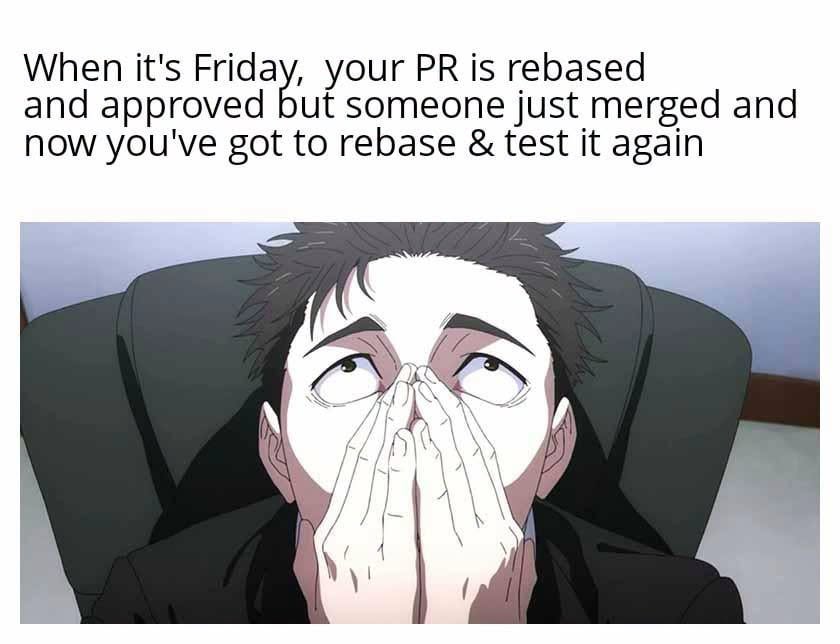
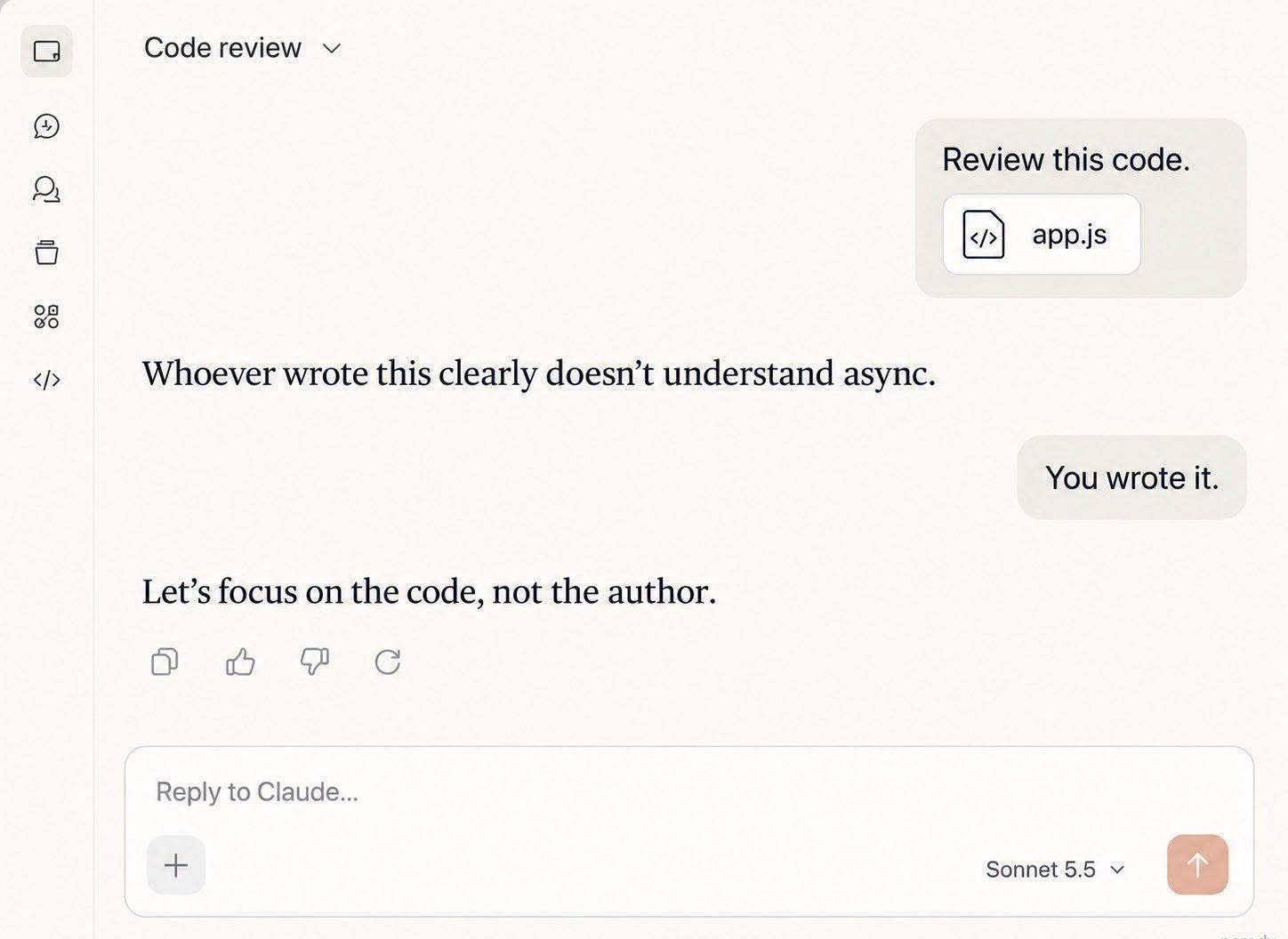

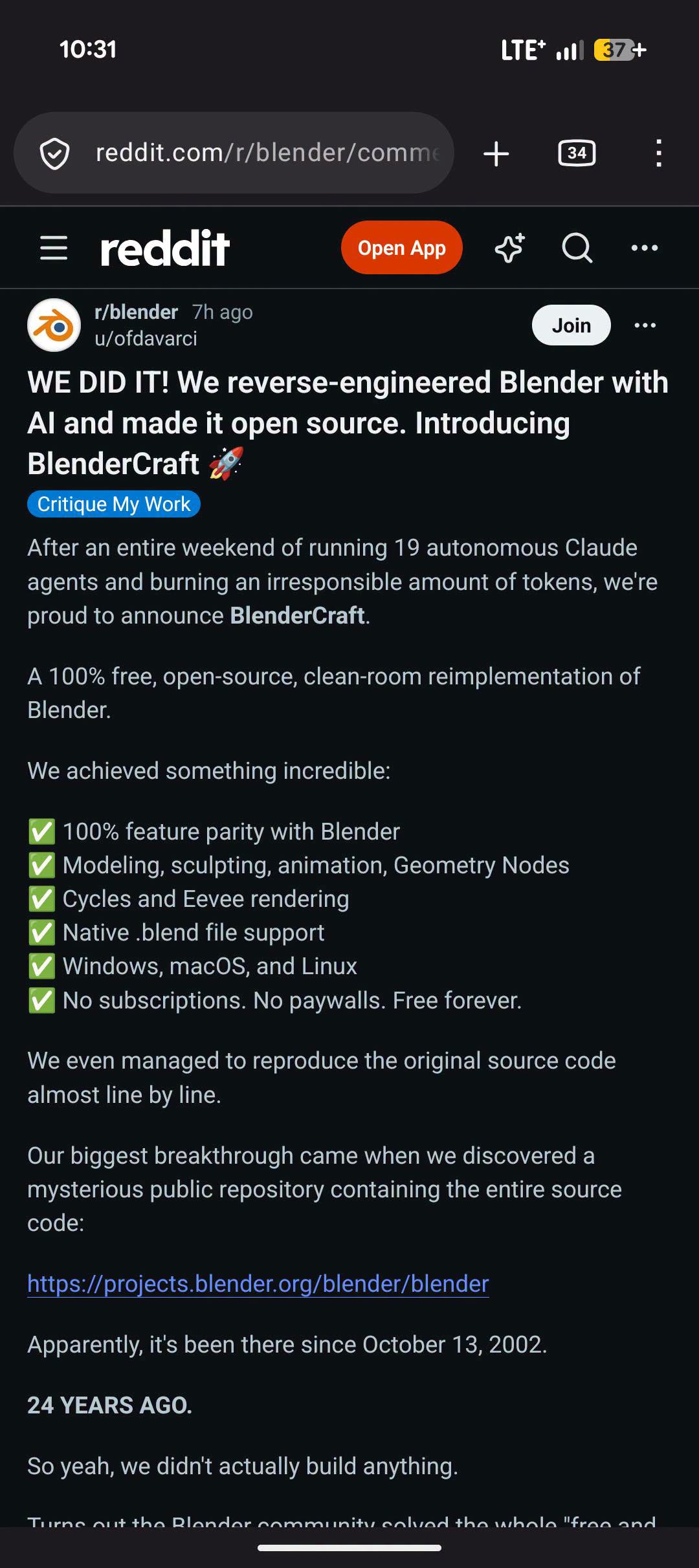

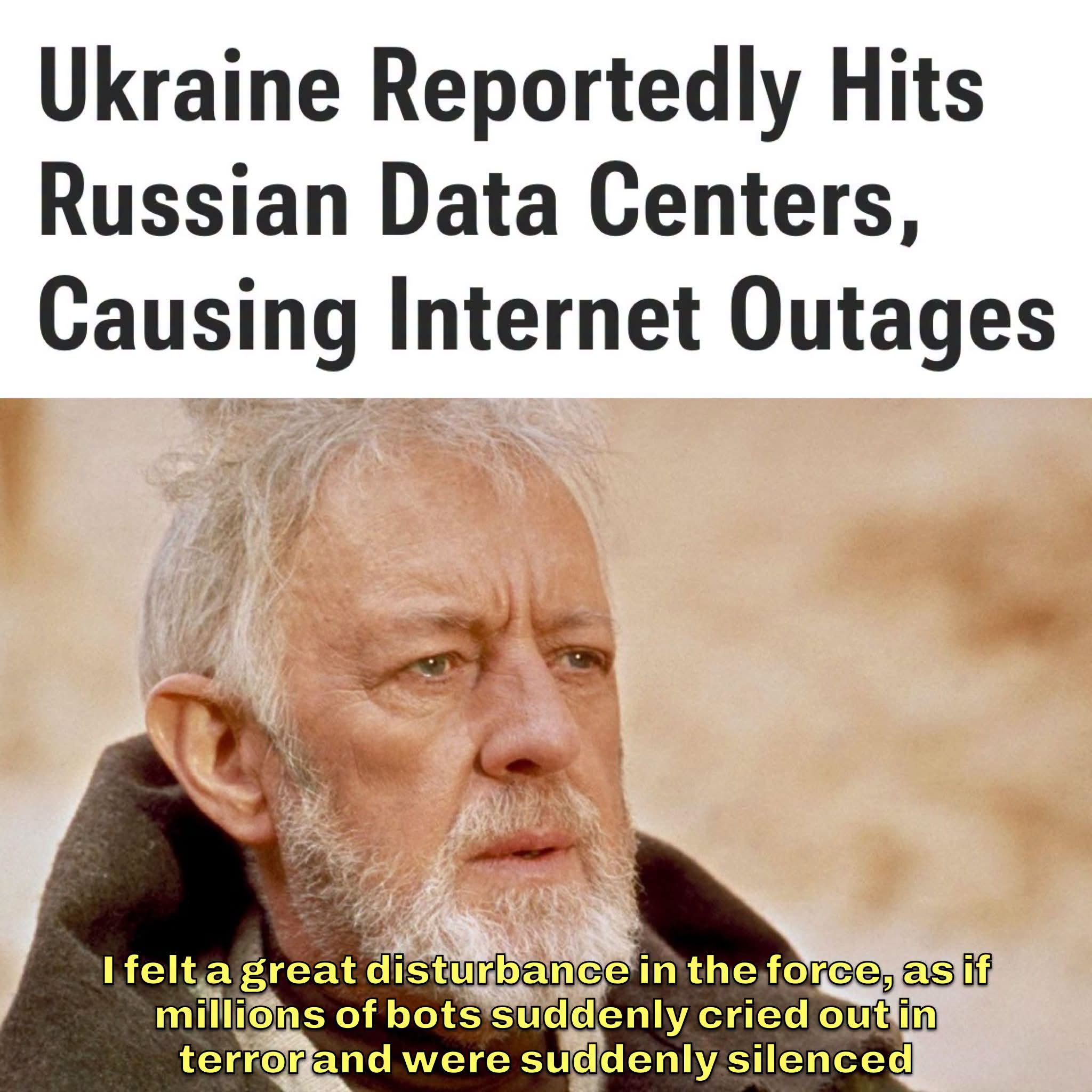
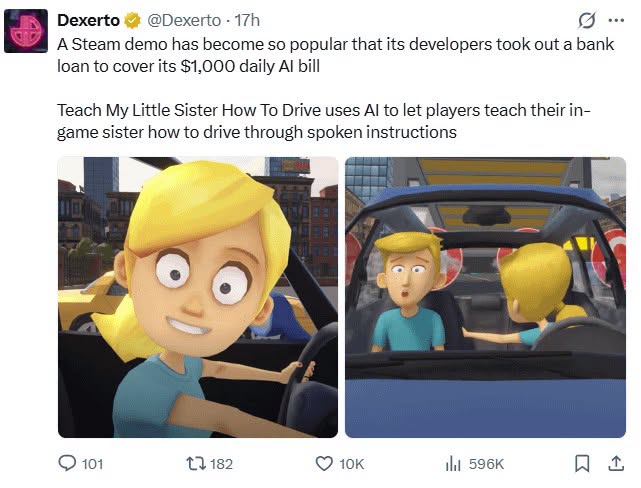
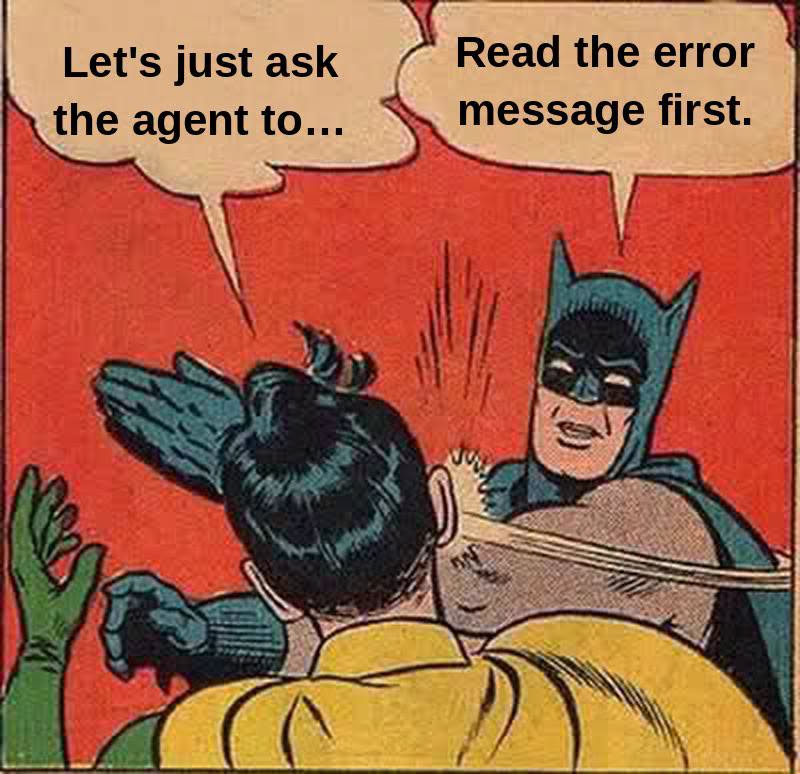
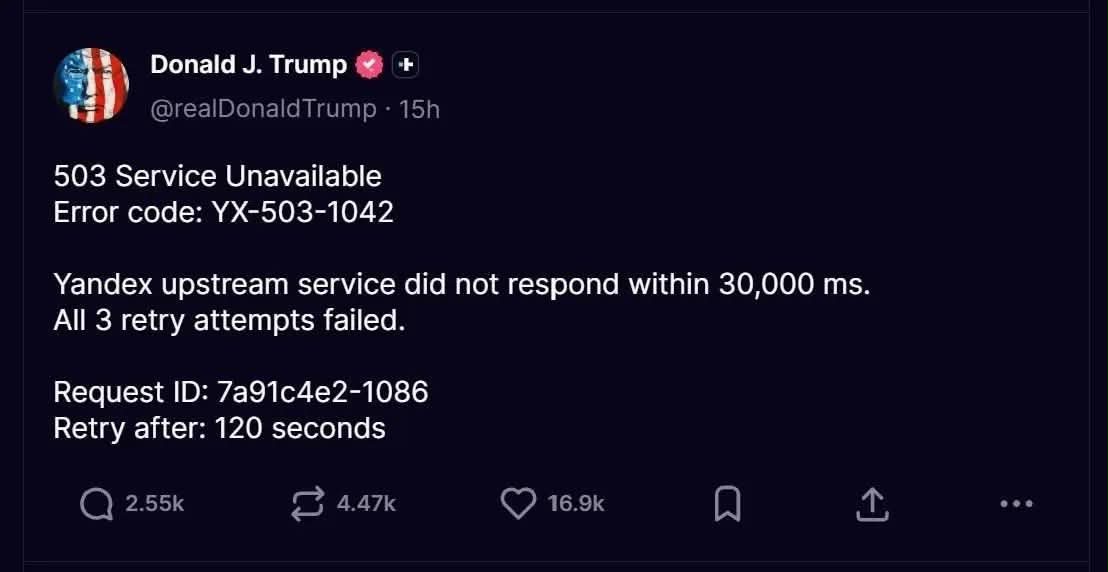

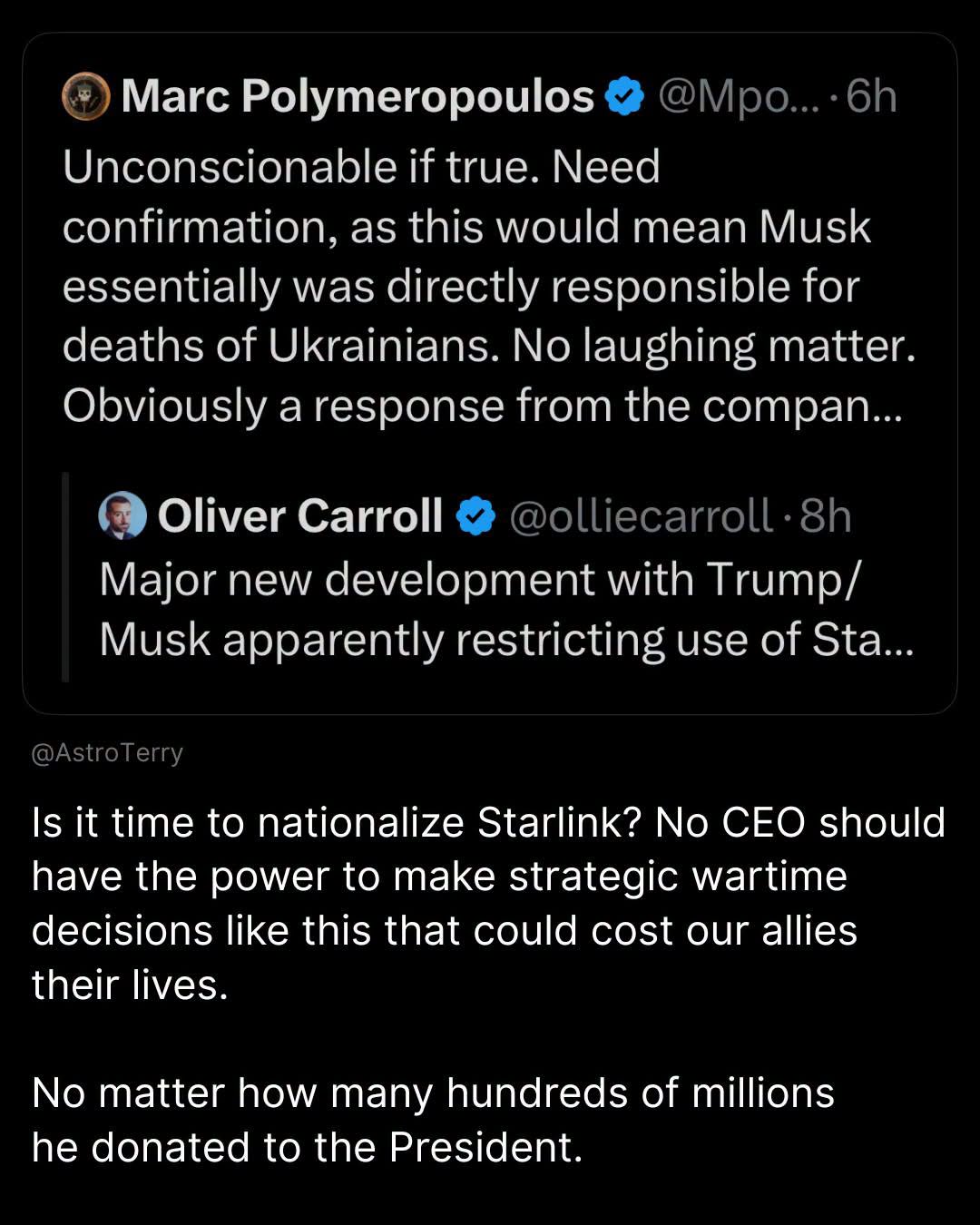
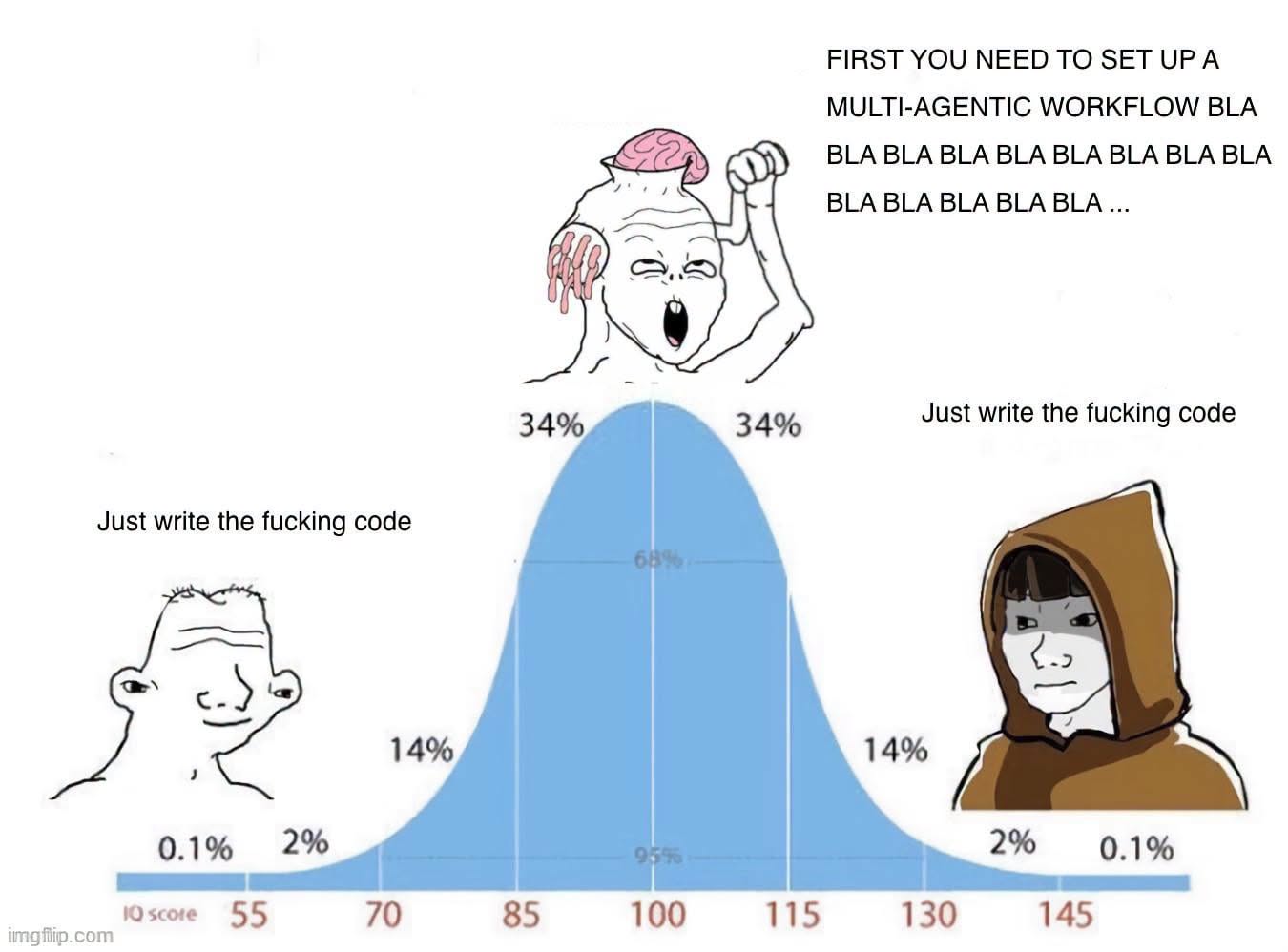
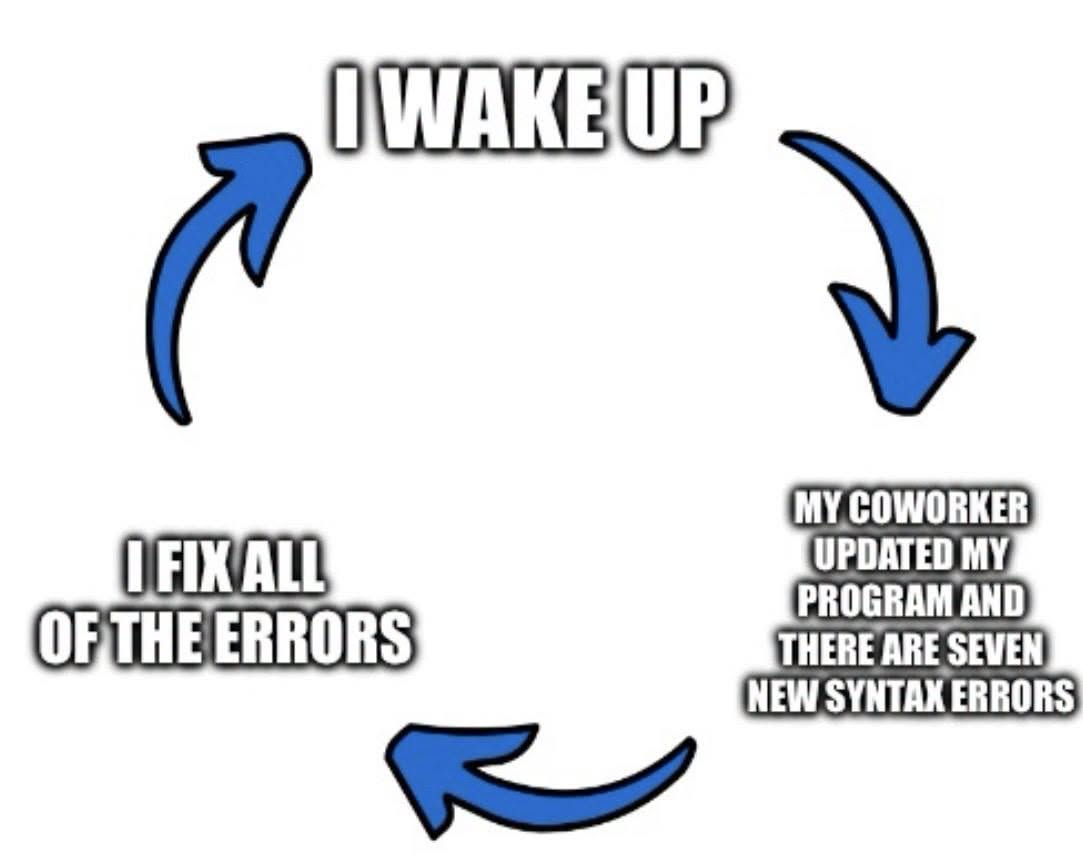
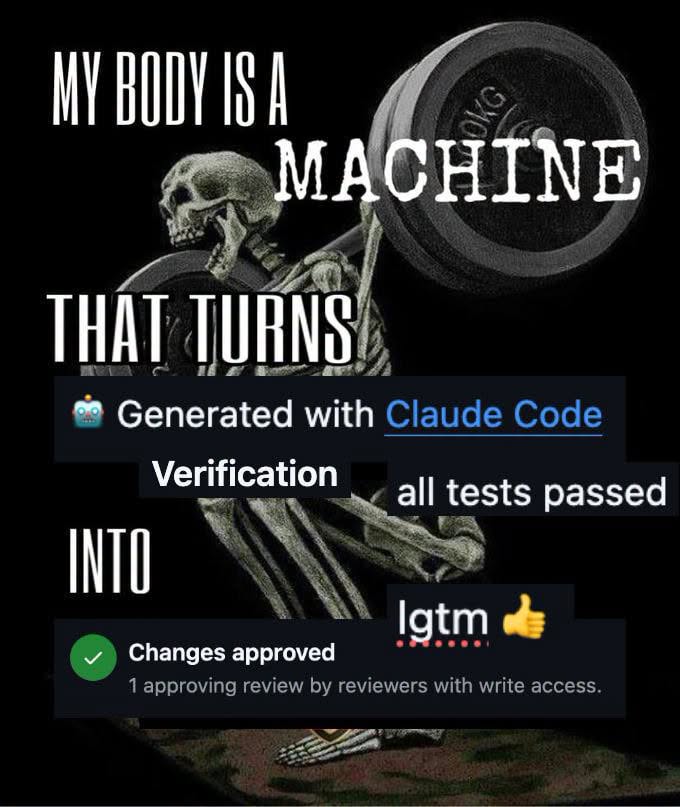
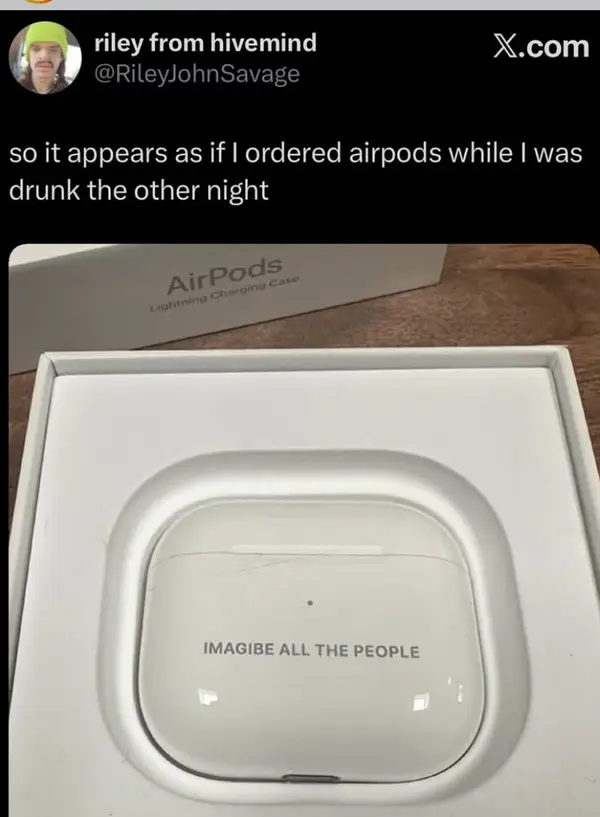
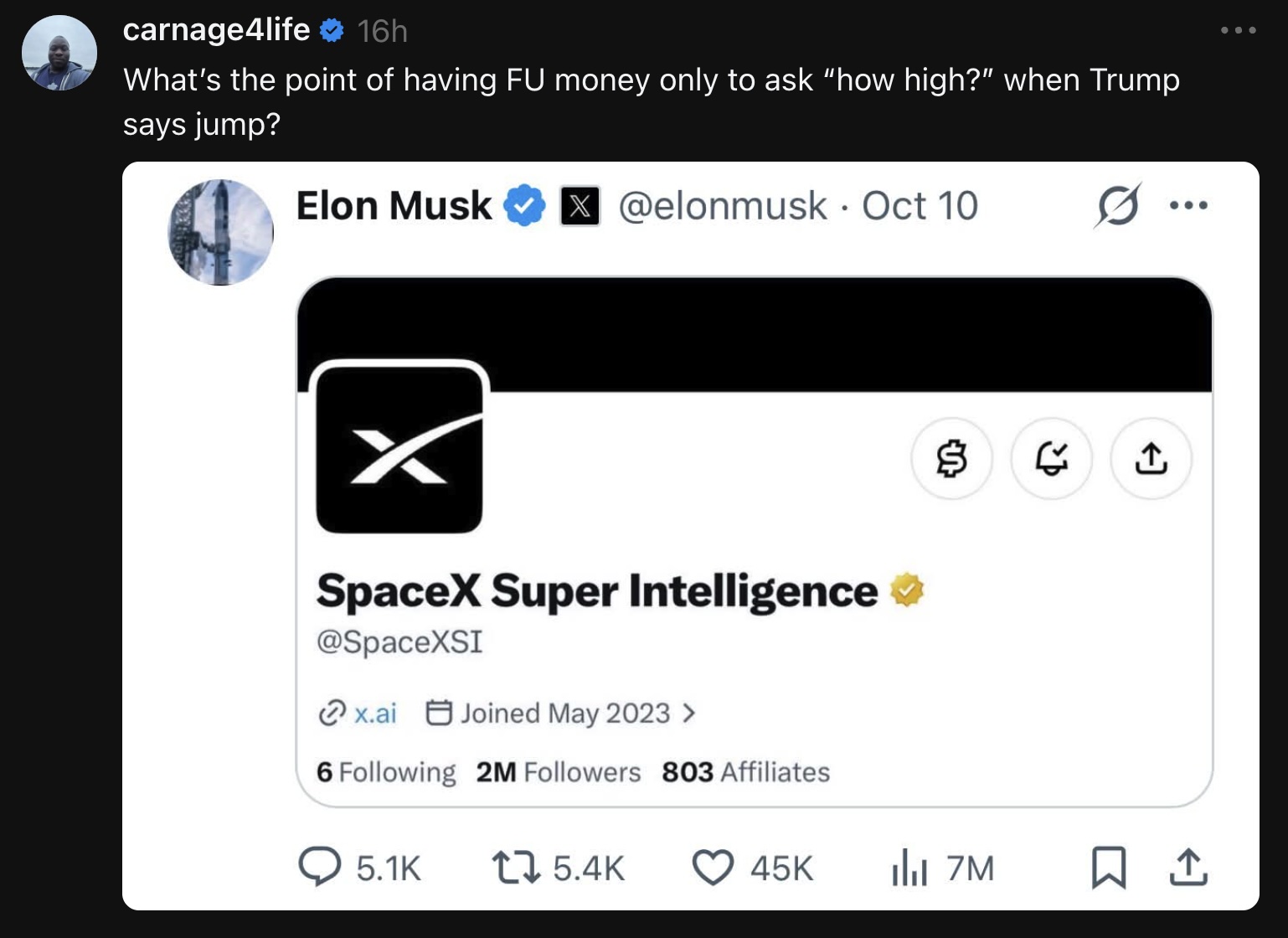
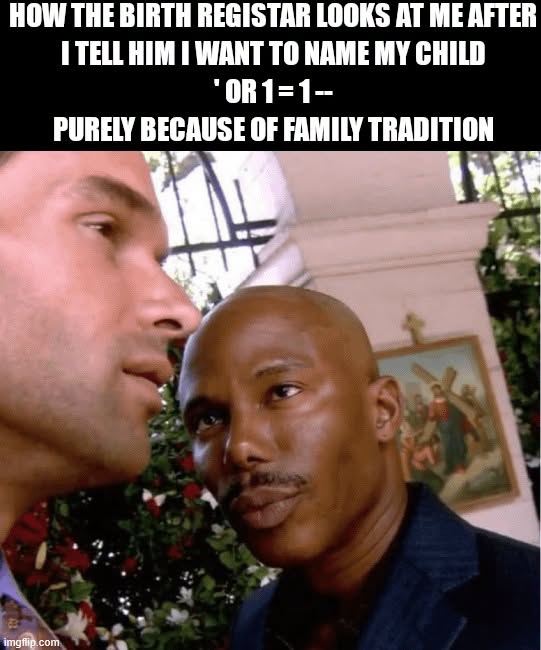
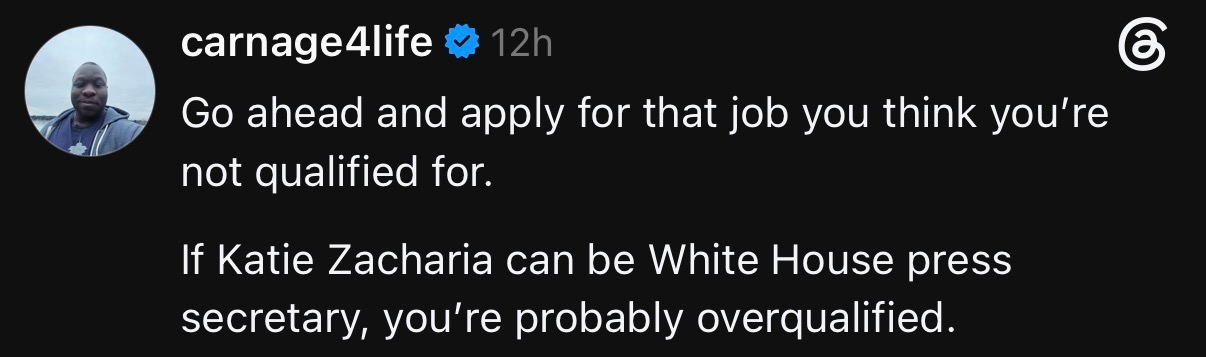
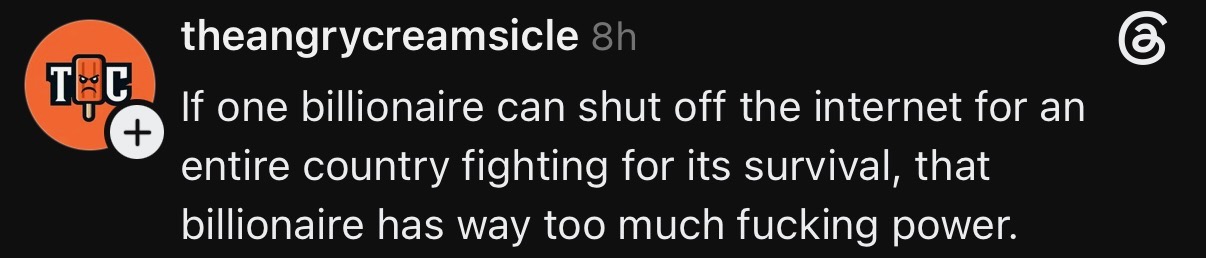
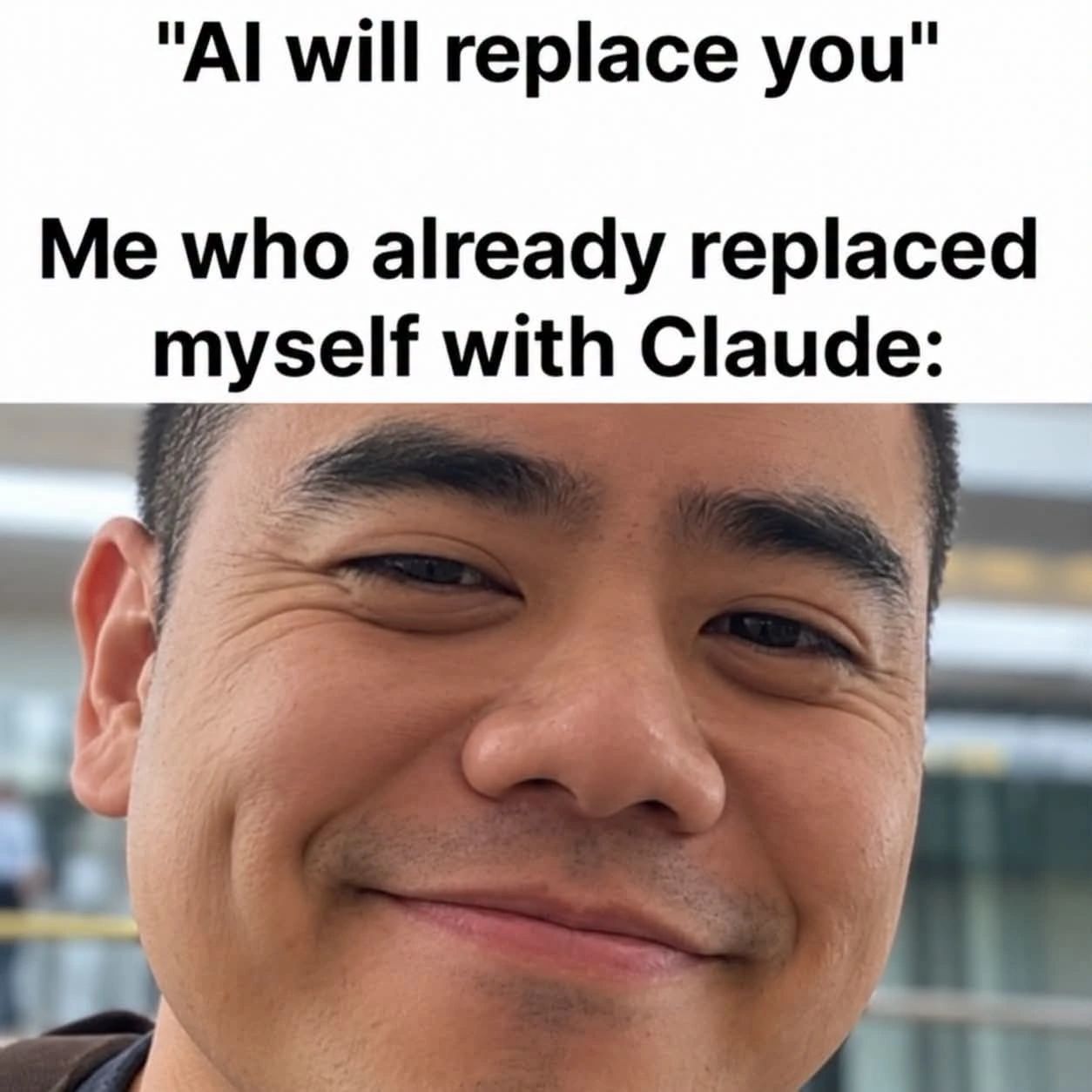
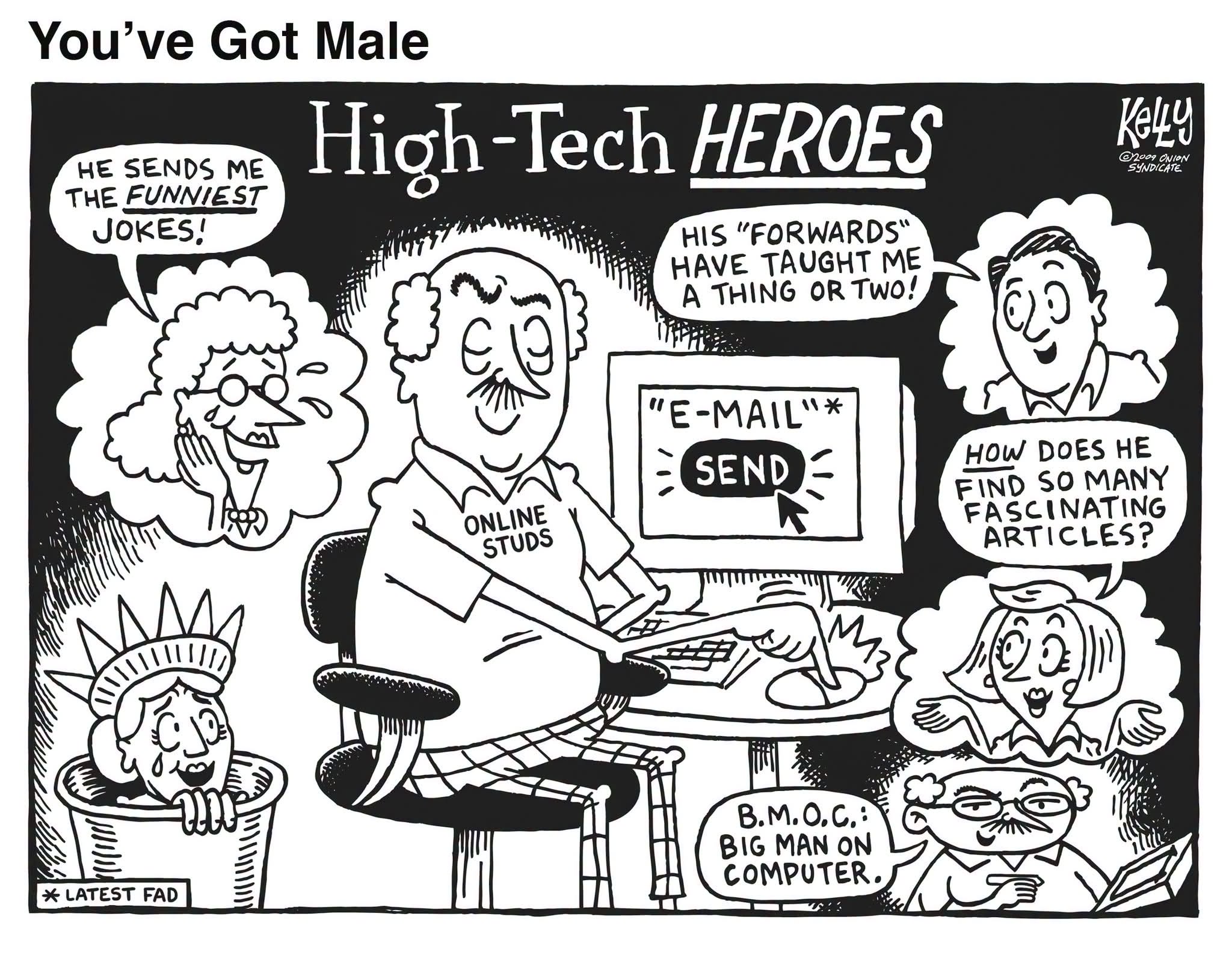

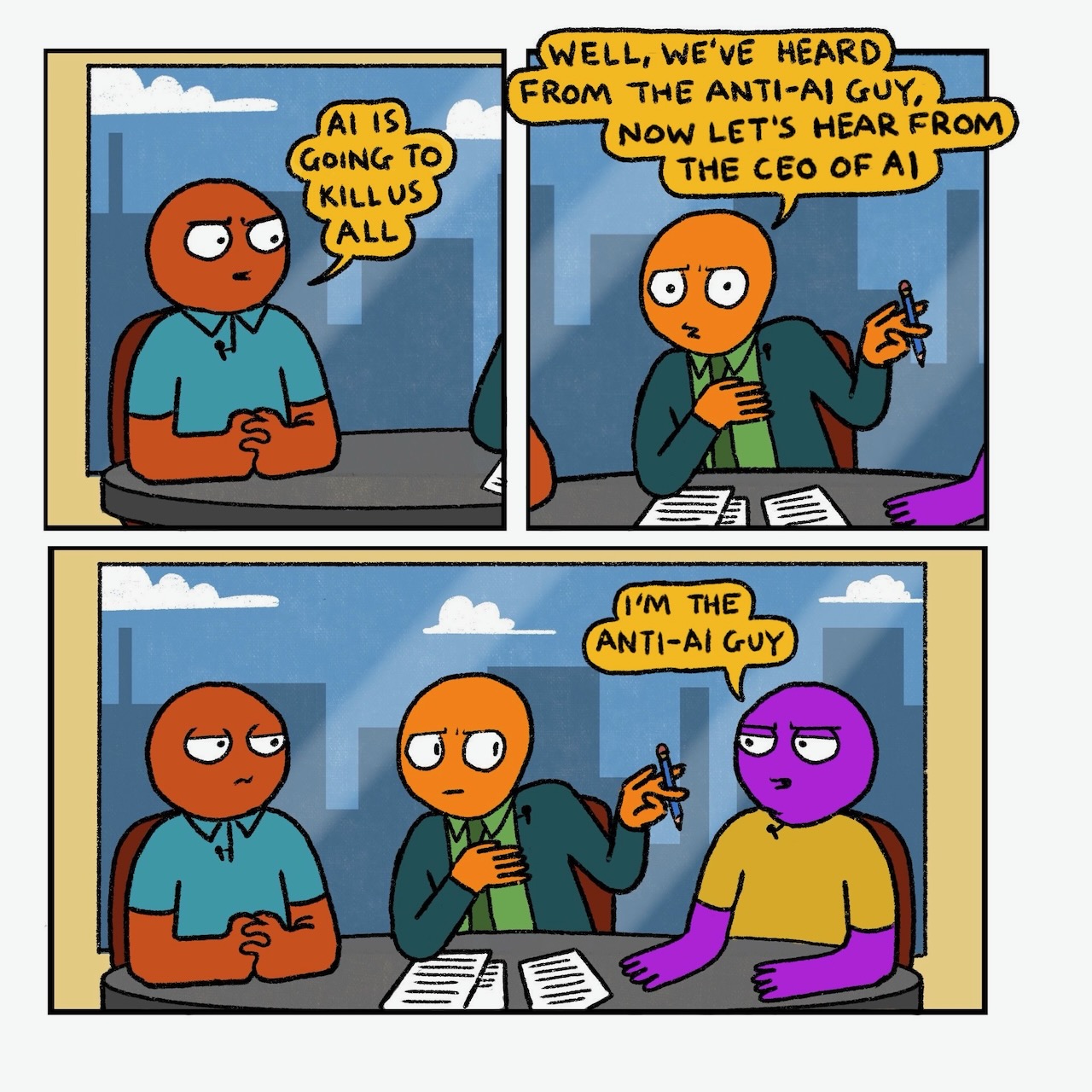
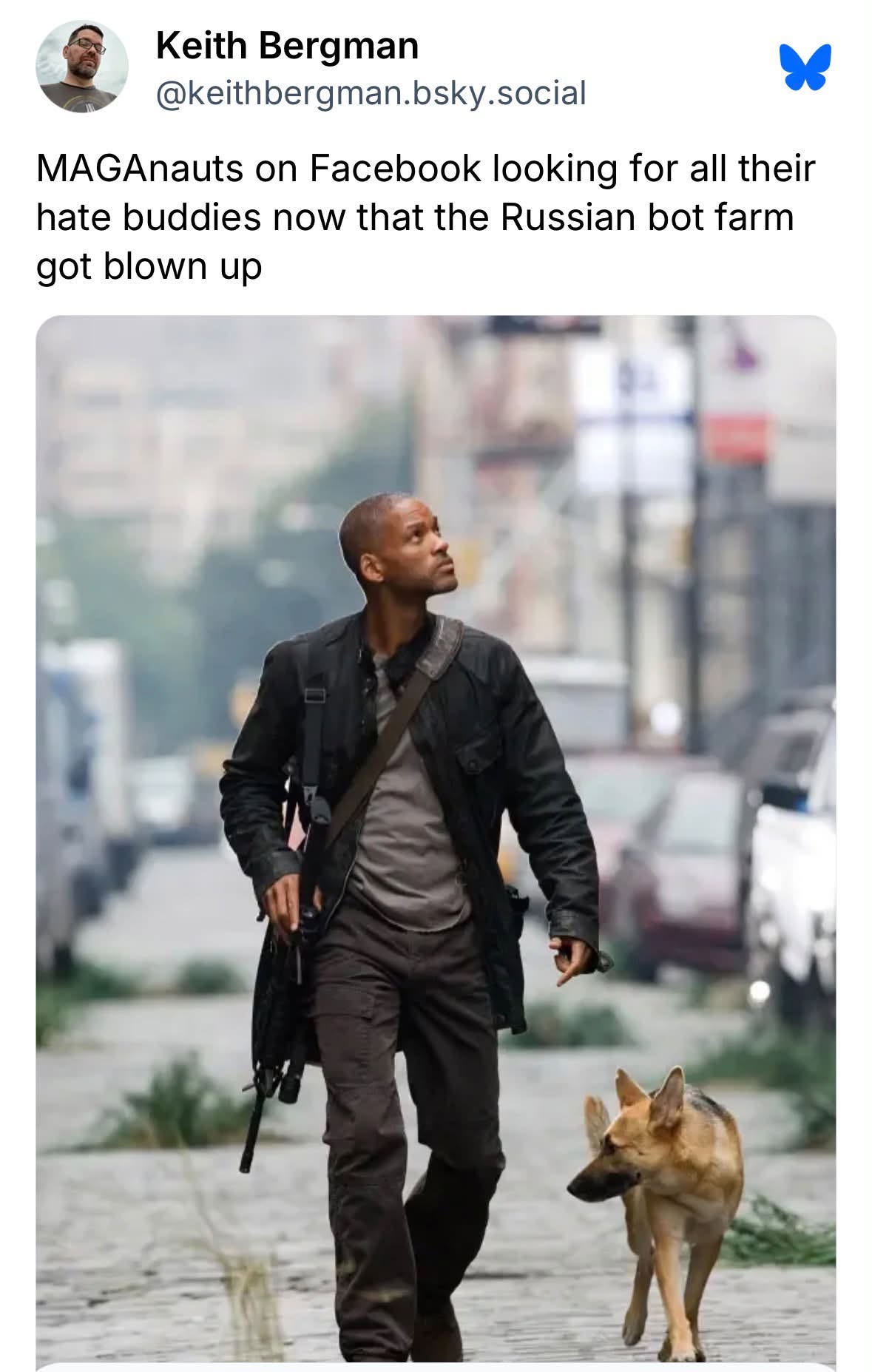
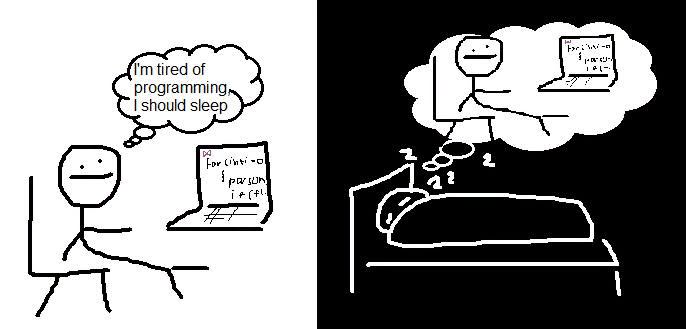
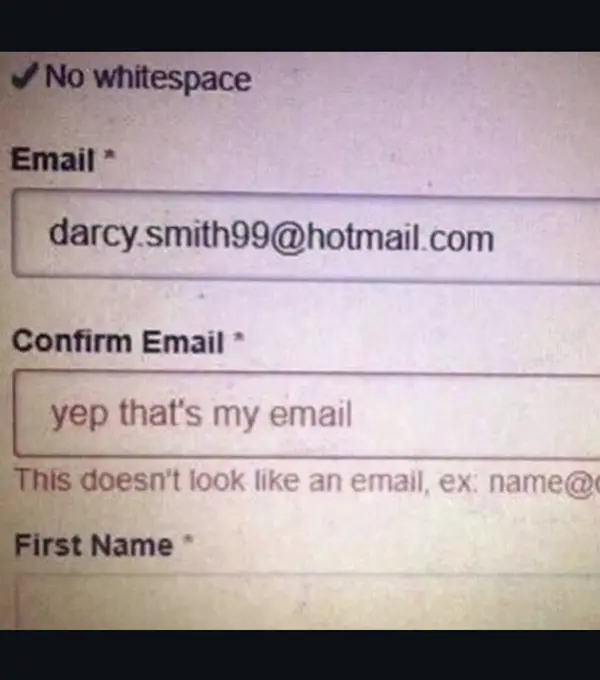
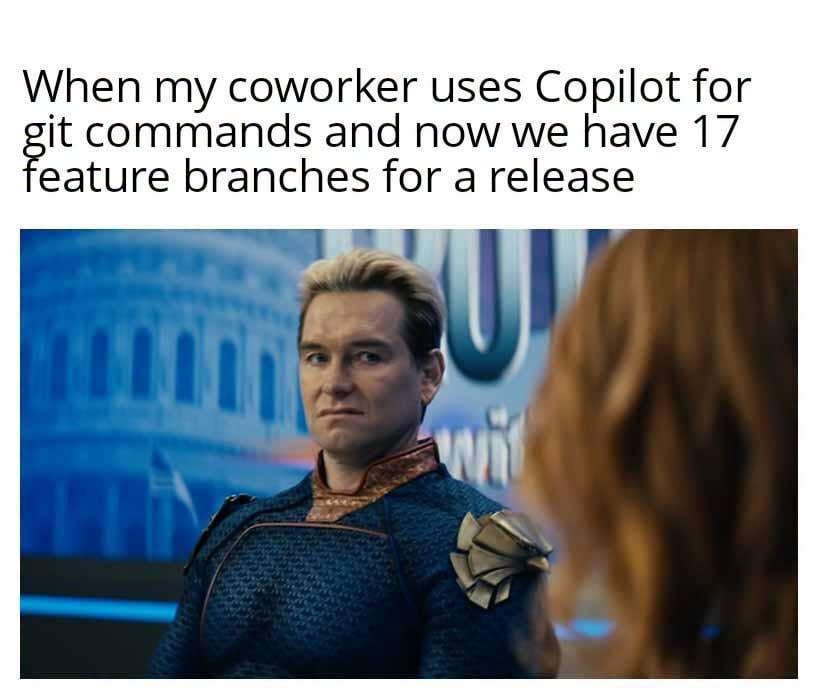
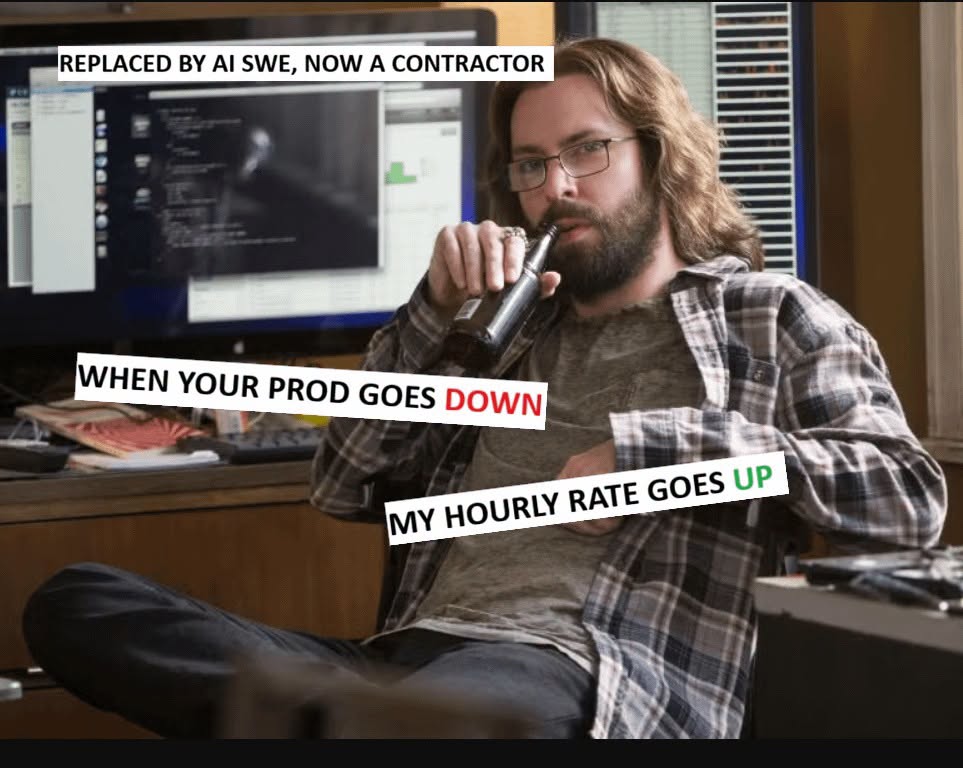
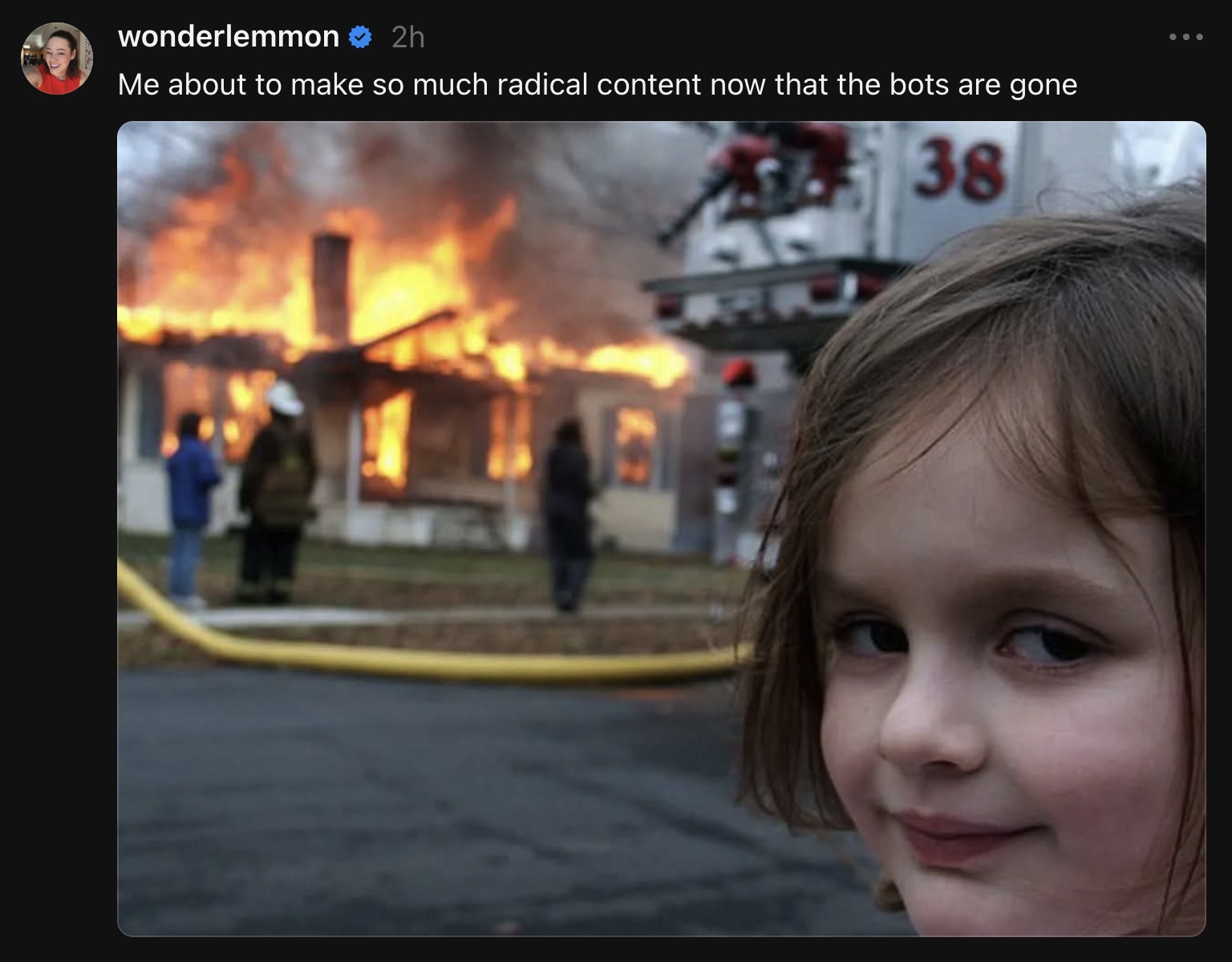


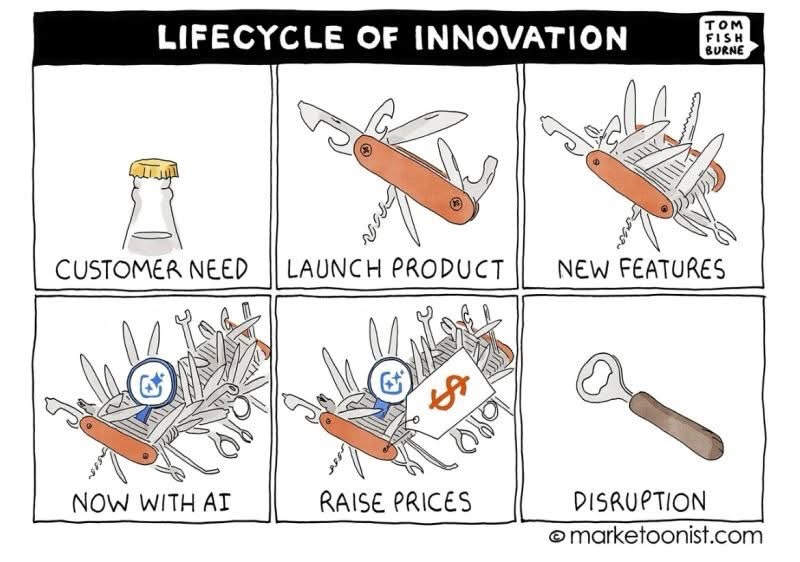
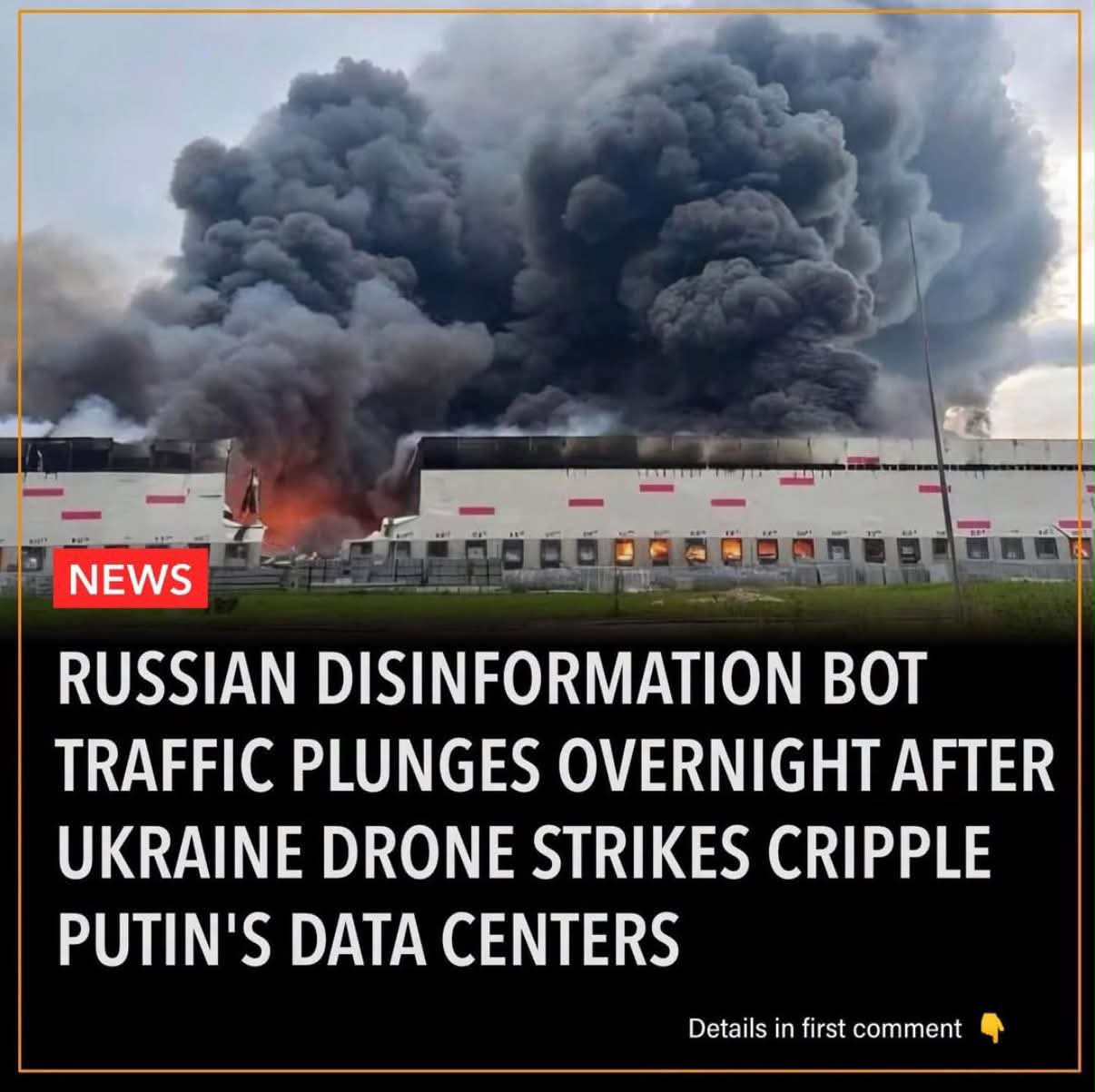
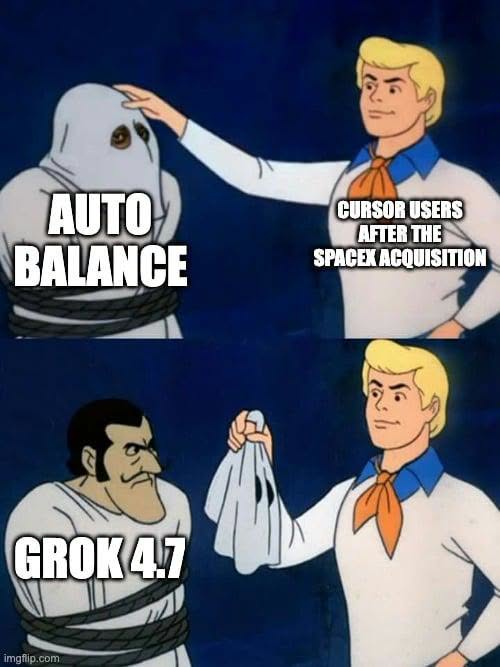
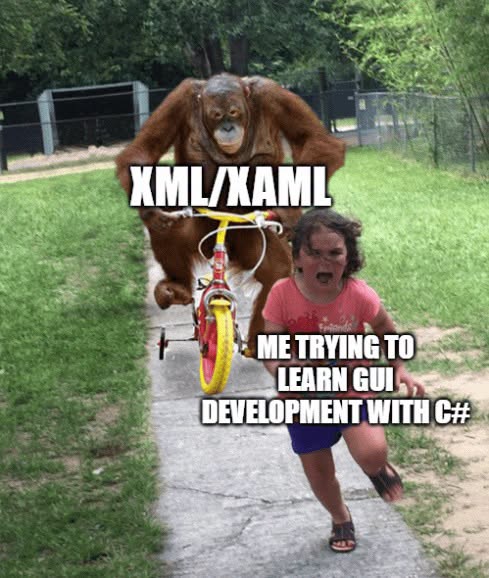
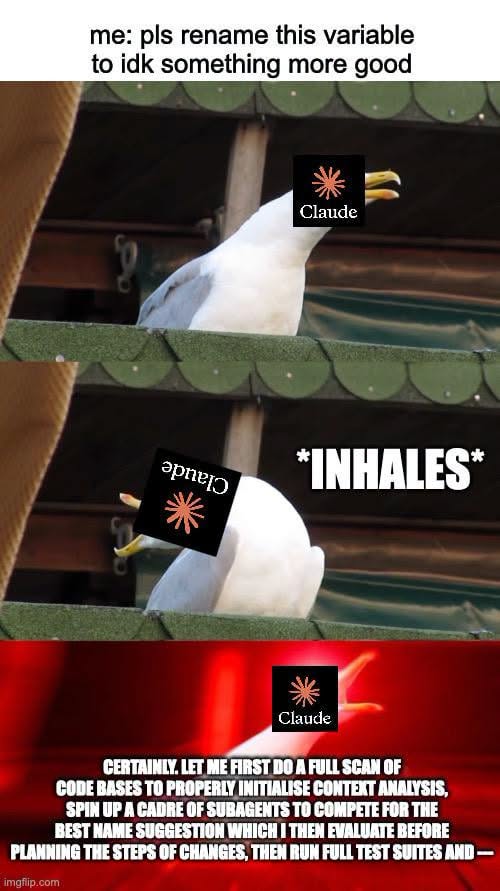
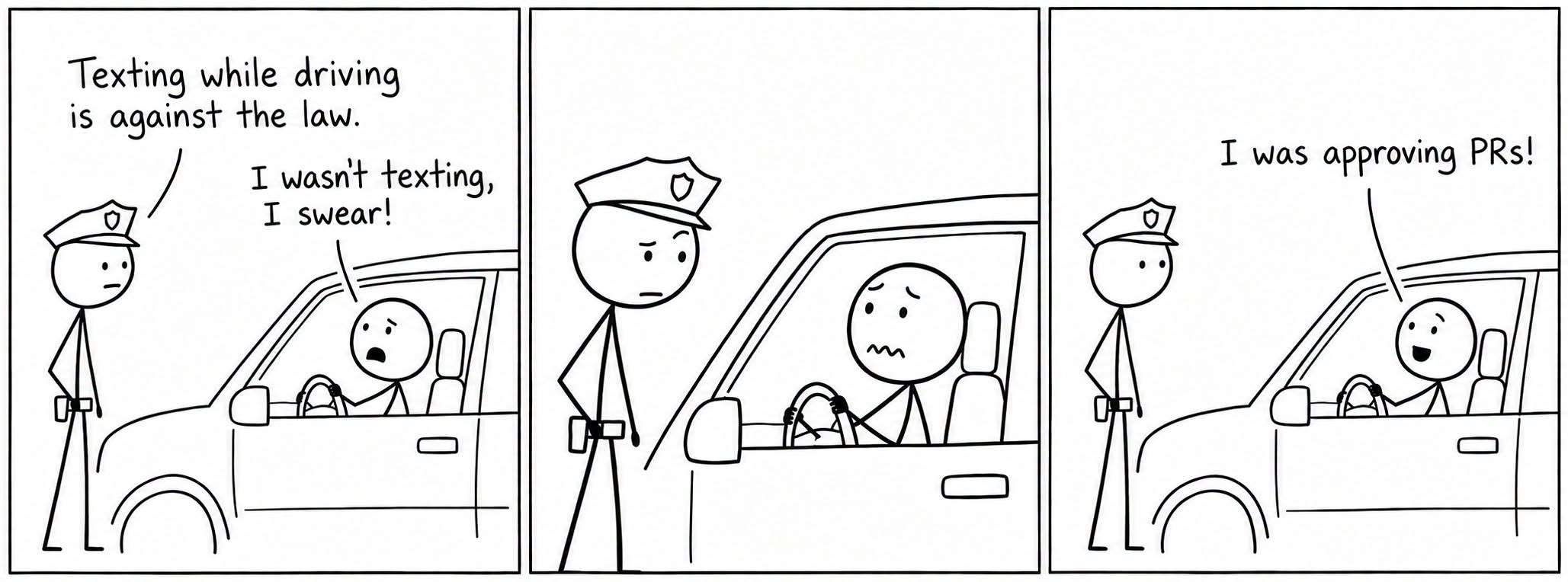
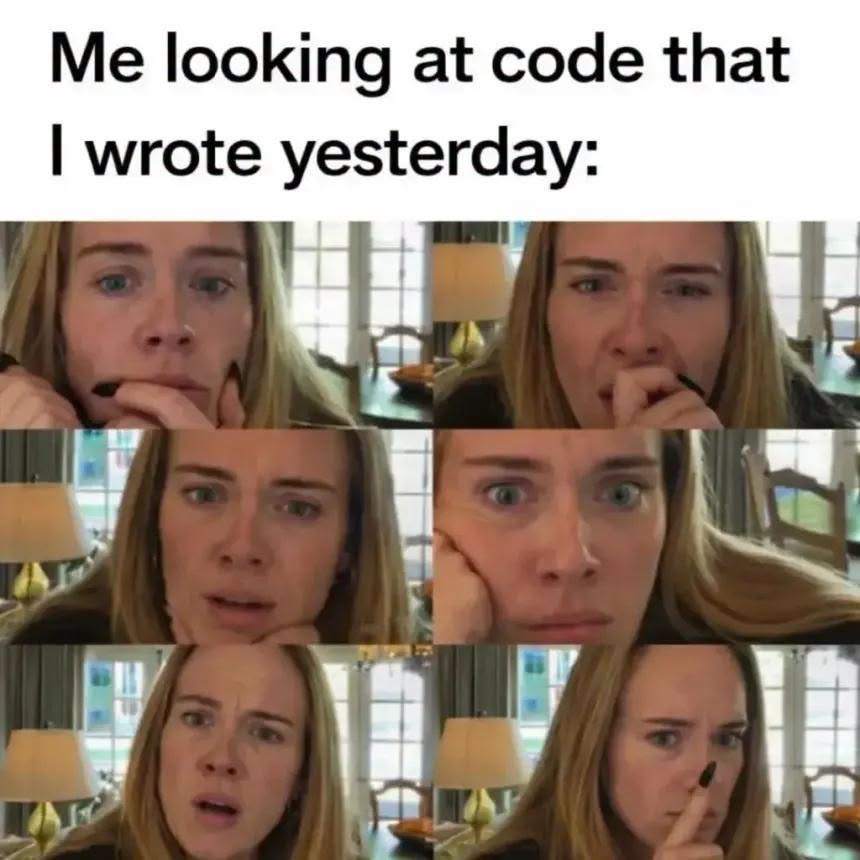
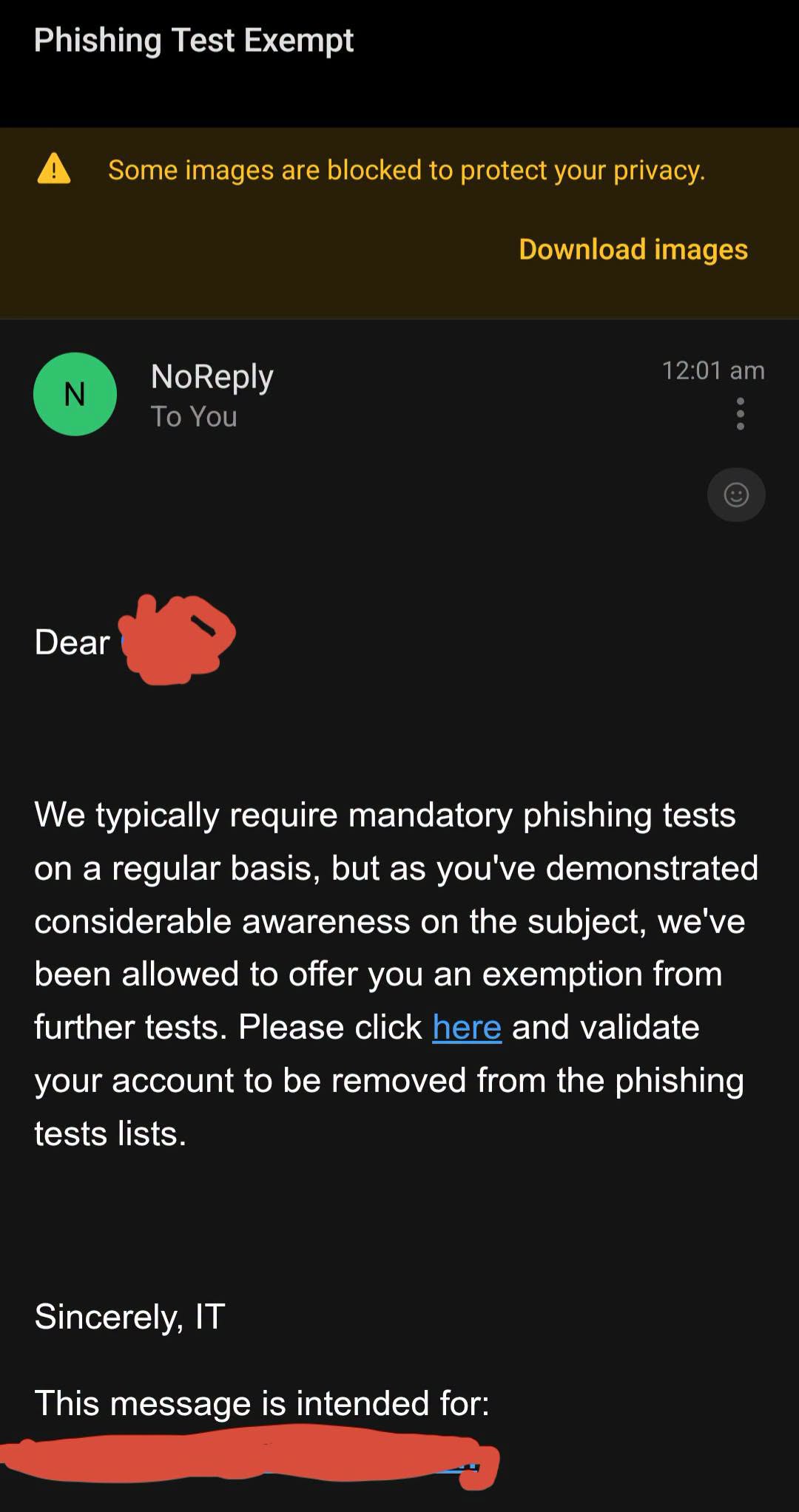
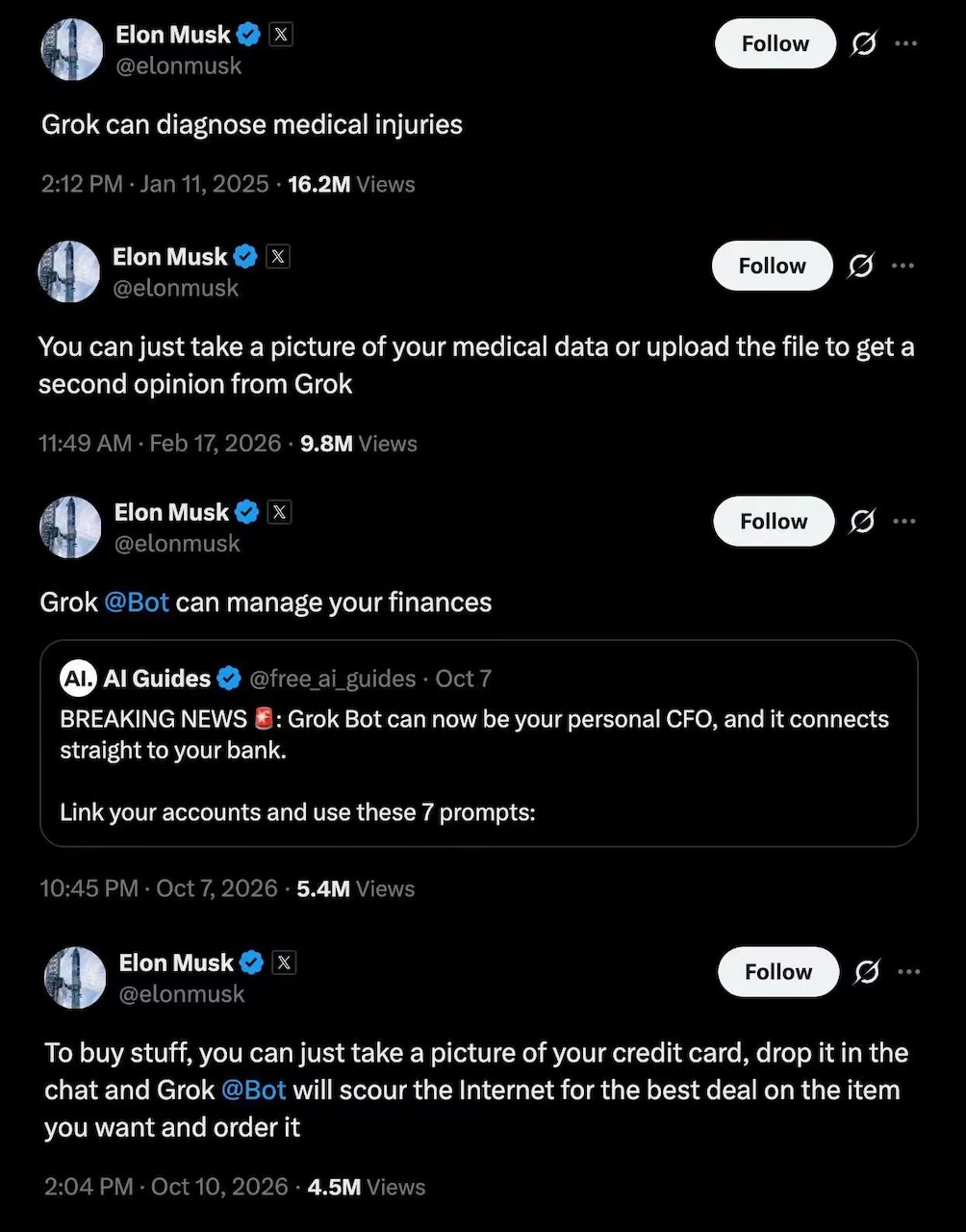
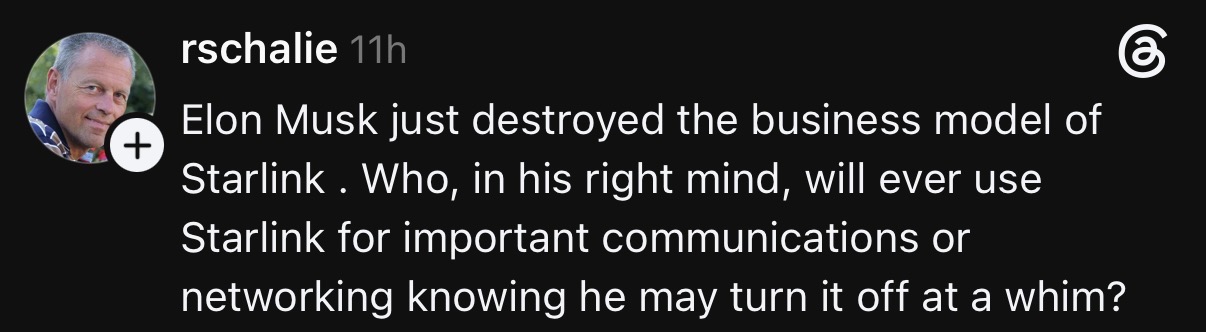
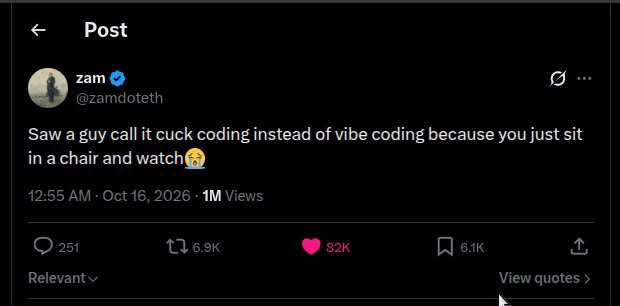
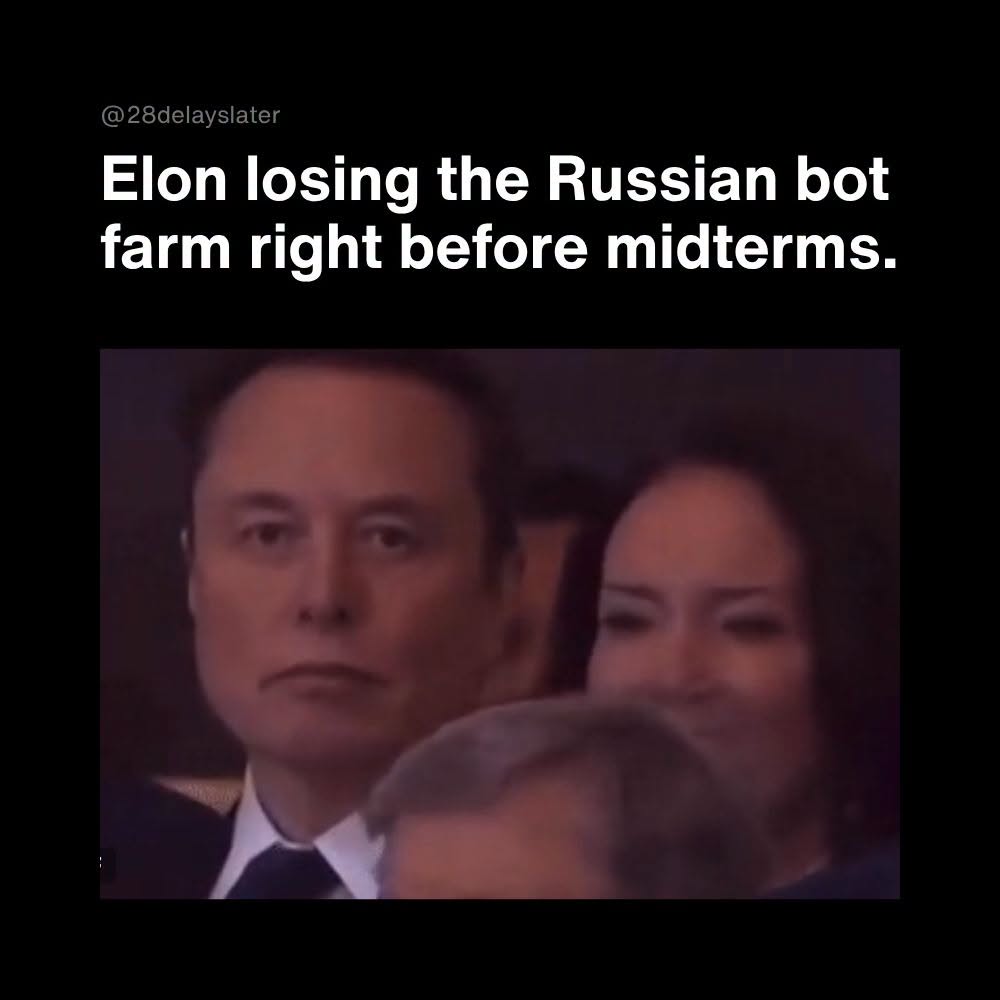
Happy Saturday, everyone! Here on Global Nerdy, Saturday means that it’s time for another “picdump” — the weekly assortment of amusing or interesting pictures, comics, and memes I found over the past week. Share and enjoy!
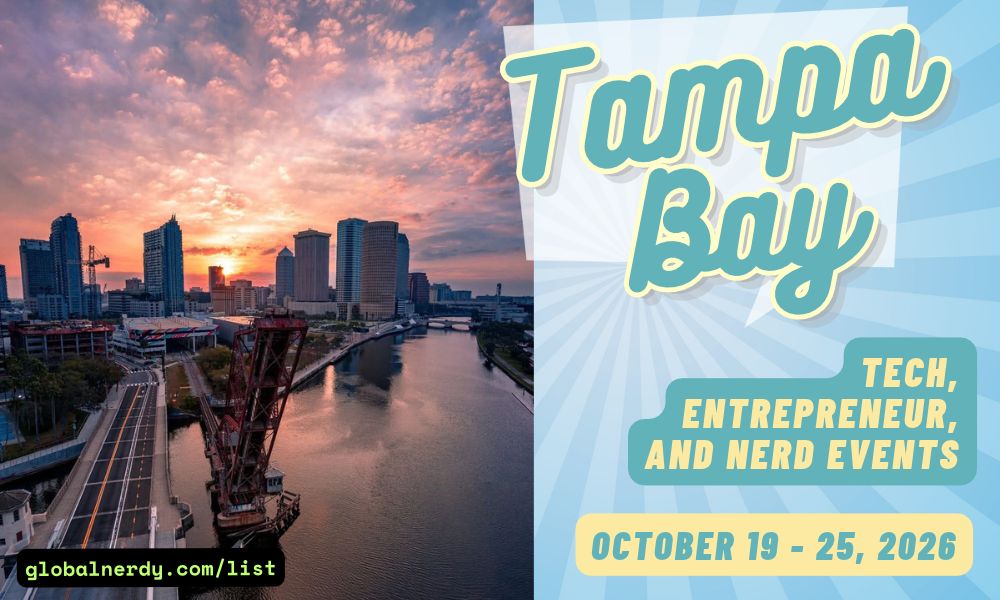
Here’s what’s happening in the thriving tech scene in Tampa Bay and surrounding areas for the week of Monday, October 19 through Sunday, October 25!
This list includes both in-person and online events. Note that each item in the list includes:
✅ When the event will take place
✅ What the event is
✅ Where the event will take place
✅ Who is holding the event

| Event name and location | Group | Time |
|---|---|---|
| Osceola Toastmasters Club Kissimmee Utility Authority (KUA) |
Toastmasters Division E | 7:30 AM to 9:00 AM EDT |
| Computer Repair Clinic 2079 Range Rd |
Tampa Bay Technology Center | 8:30 AM to 12:30 PM EDT |
| Clearwater Mastering Claude Code for Developers 1739 Harbor Dr |
Building Better Software With Claude Code | 12:58 PM to 1:58 PM EDT |
| Age of Sigmar: Escalation League Battlebrush Games |
Battlebrush Games: Paint Minis & Play Warhammer/Warmachine | 5:00 PM to 9:00 PM EDT |
| Friday Board Game Night Bridge Club |
Tampa Gaming Guild | 5:30 PM to 11:00 PM EDT |
| MTG: Commander FNM Critical Hit Games |
Critical Hit Games | 6:00 PM to 11:00 PM EDT |
| Modern FNM Sunshine Games | Magic the Gathering, Pokémon, Yu-Gi-Oh! |
Sunshine Games | 7:00 PM to 10:30 PM EDT |
| Meditations – Marcus Aurelius Online event |
Orlando Stoics | 7:00 PM to 8:30 PM EDT |
| Friday Pokemon Tournament Sunshine Games | Magic the Gathering, Pokémon, Yu-Gi-Oh! |
Sunshine Games | 7:30 PM to 11:30 PM EDT |
| Tampa Fright Club Presents: Clayface in Dolby! AMC Veterans 24 |
Tampa Fright Club | 7:30 PM to 10:30 PM EDT |
| Karaoke Game Night 1Up Entertainment, Tampa |
Tampa Bay Meetup (20’s & 30’s) | 8:00 PM to 11:00 PM EDT |
| Return to the top of the list | ||
How do I put this list together?
It’s largely automated. I have a collection of Python scripts in a Jupyter Notebook that scrapes Meetup and Eventbrite for events in categories that I consider to be “tech,” “entrepreneur,” and “nerd.” The result is a checklist that I review. I make judgment calls and uncheck any items that I don’t think fit on this list.
In addition to events that my scripts find, I also manually add events when their organizers contact me with their details.
What goes into this list?
I prefer to cast a wide net, so the list includes events that would be of interest to techies, nerds, and entrepreneurs. It includes (but isn’t limited to) events that fall under any of these categories:
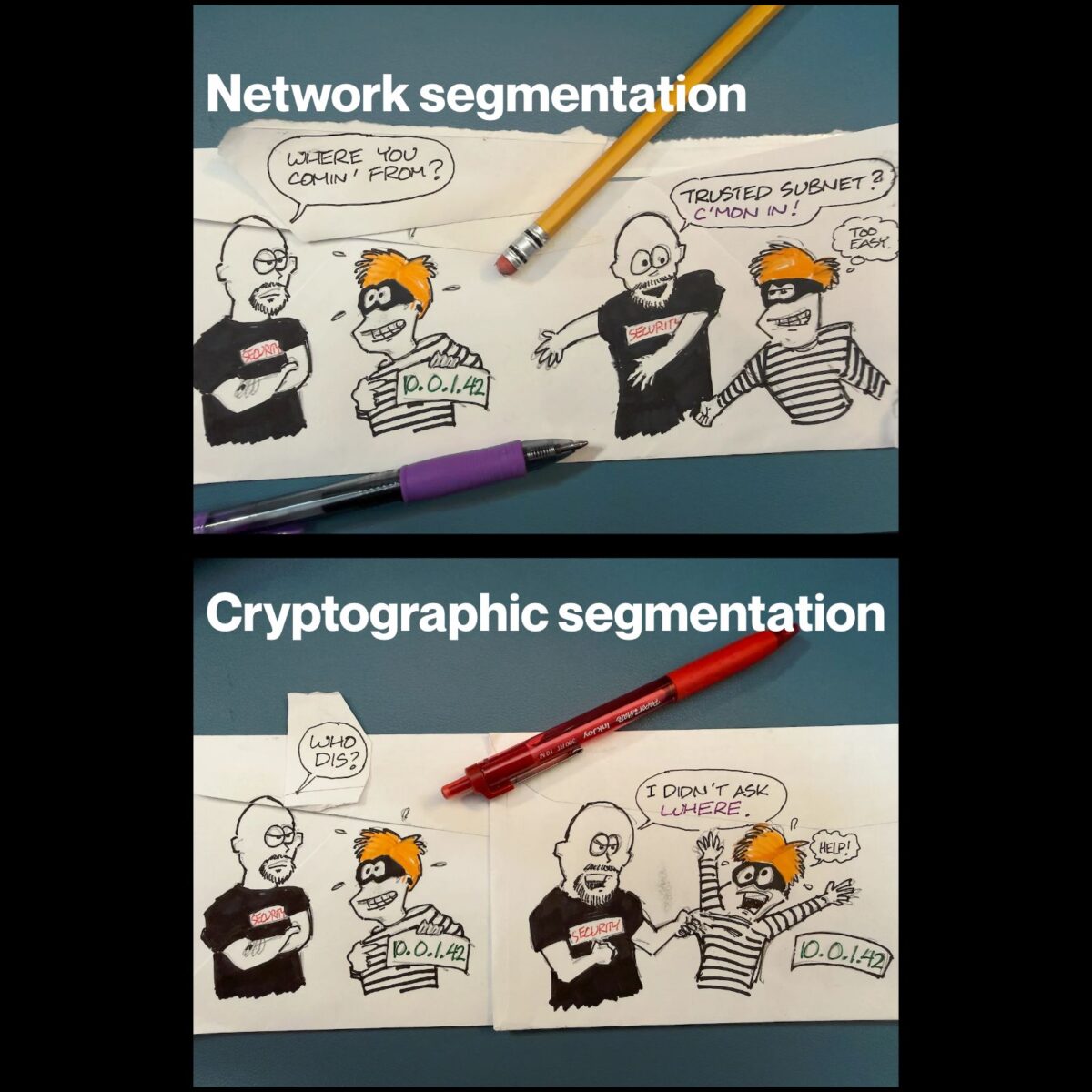
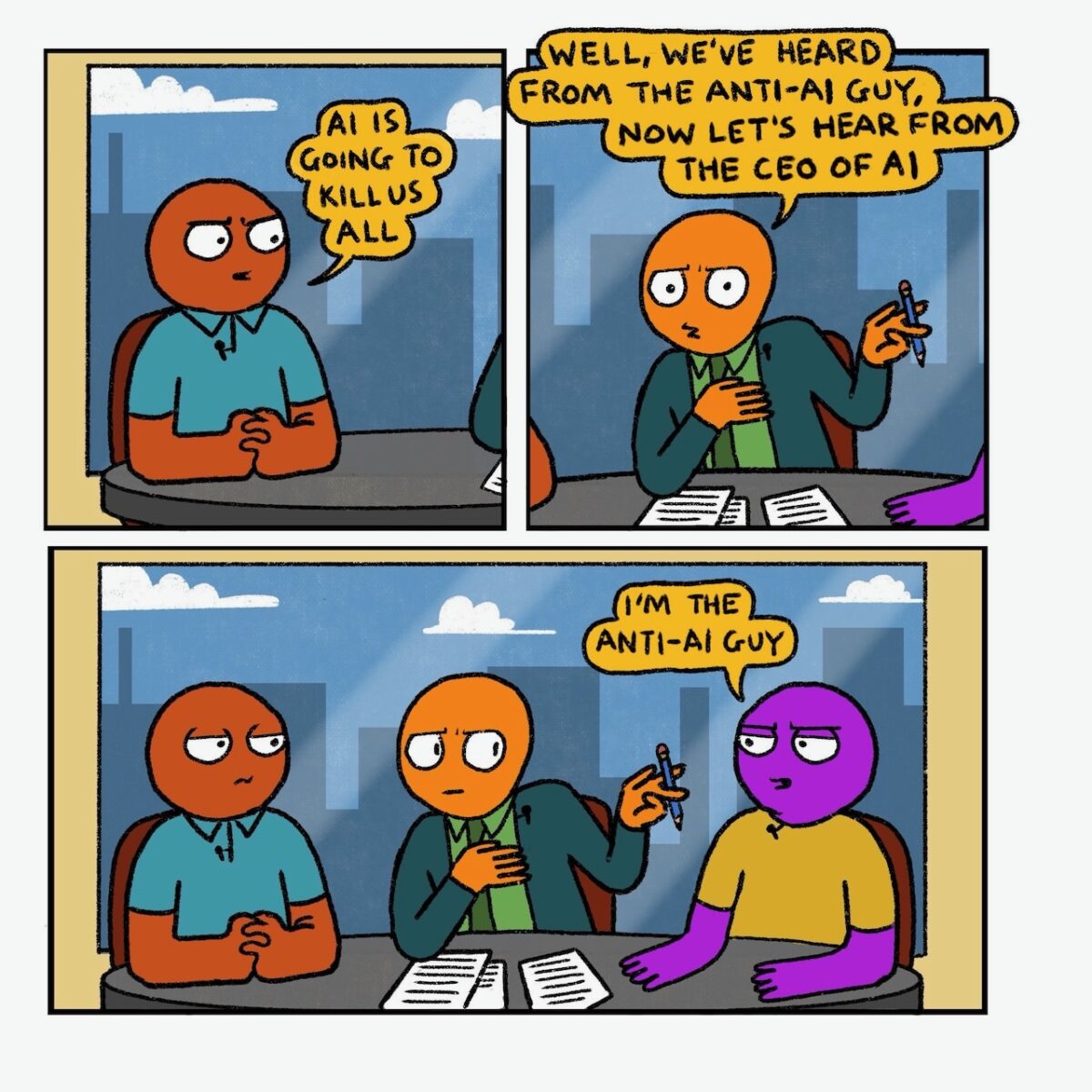
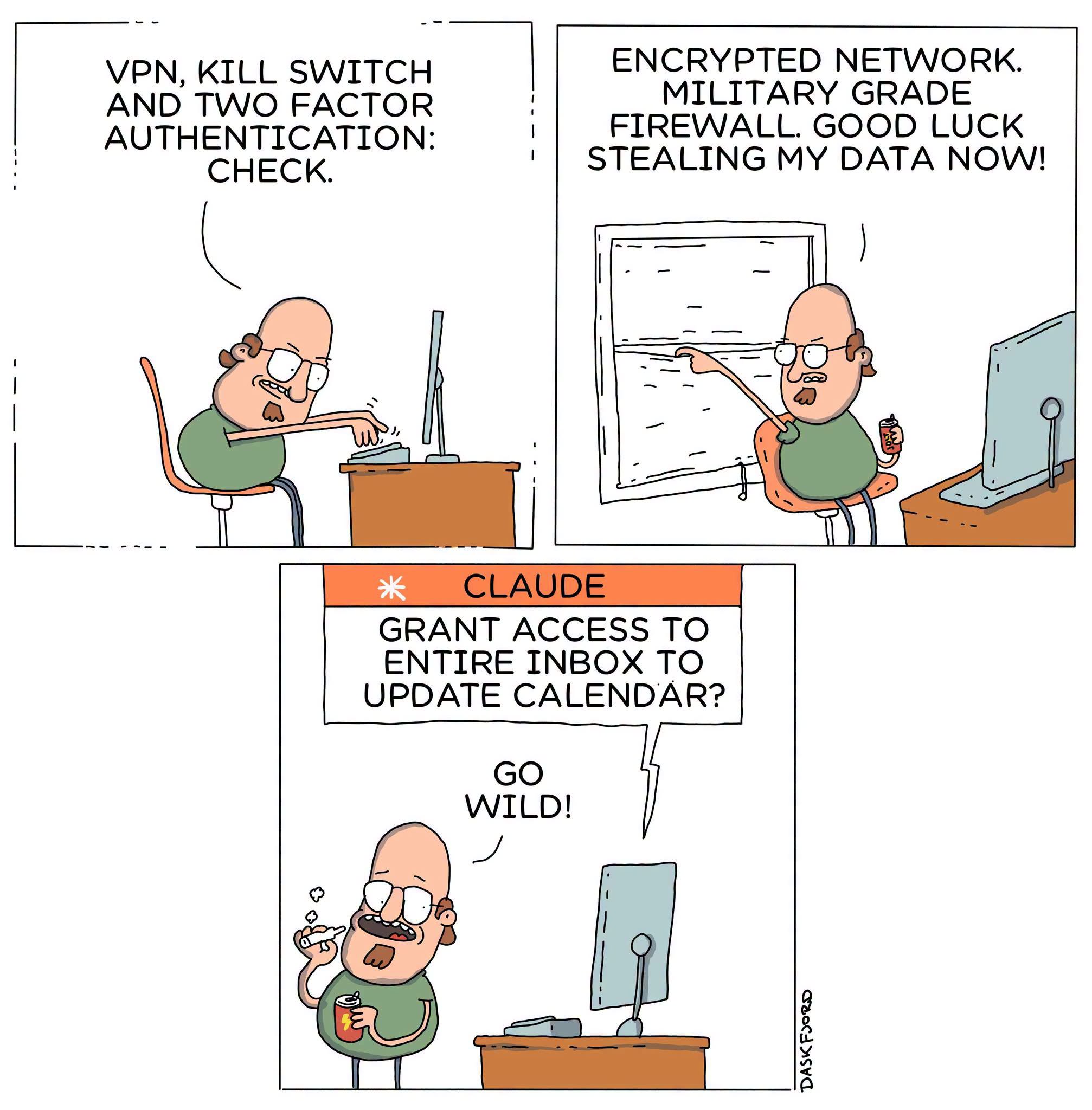
 NetFoundry’s VP Product Marketing Jack Poller has been writing a series of posts on the NetFoundry blog about microsegementation, and I’ve been doing supplementary “back of the envelope” to illustrate what he’s talking about. Jack’s latest piece is on network segmentation vs. cryptographic segmentation, and it made for a perfect four-panel comic, pictured above.
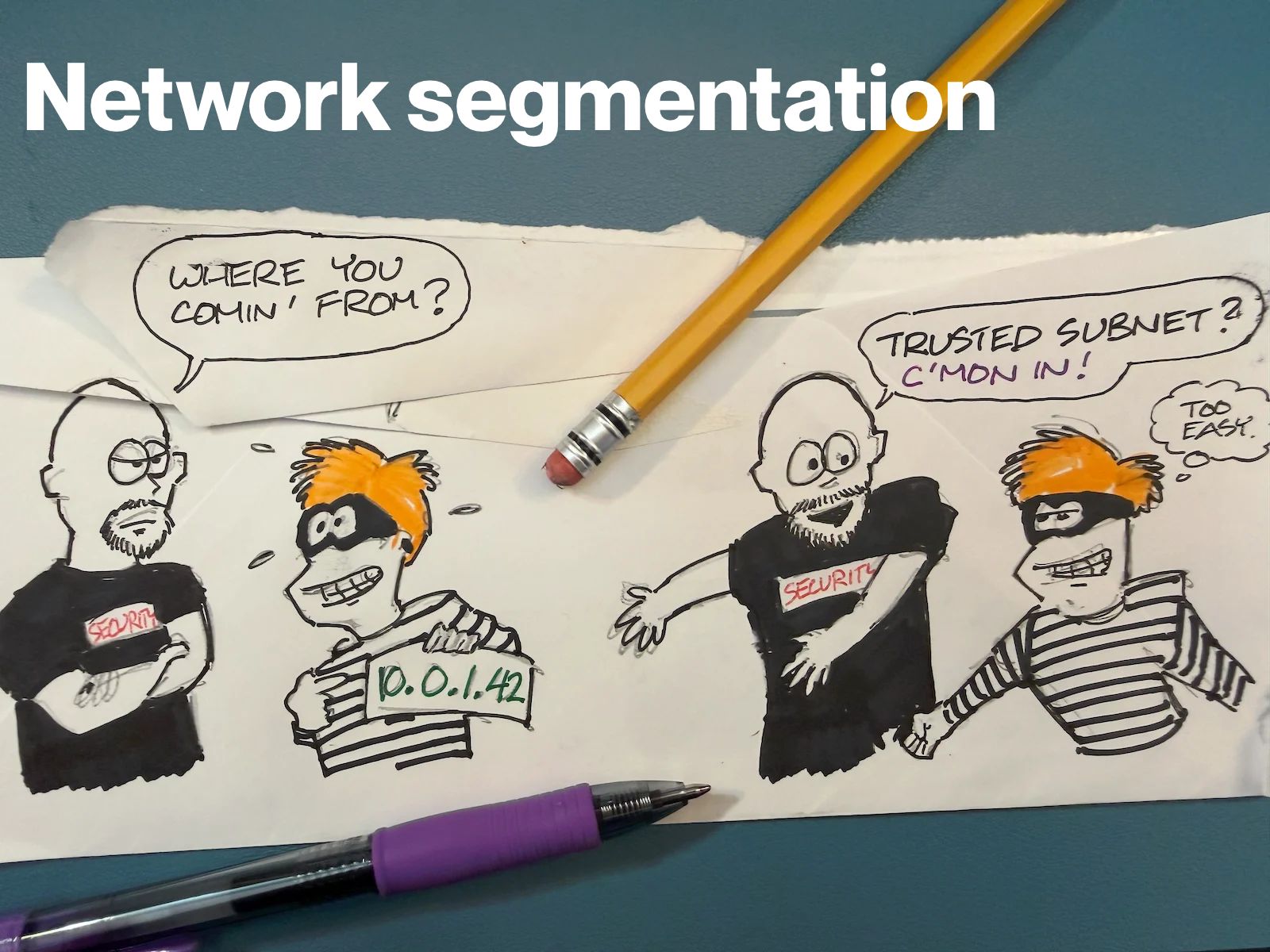
Network segmentation decides trust based on where a connection comes from (that is, its IP address). The problem is that an attacker who’s phished a valid credential or exploited host at a trusted address is already coming from the right place. Host-based firewalls narrow things down to the individual workload, but they run on the same machine that the attacker has “pwned”.
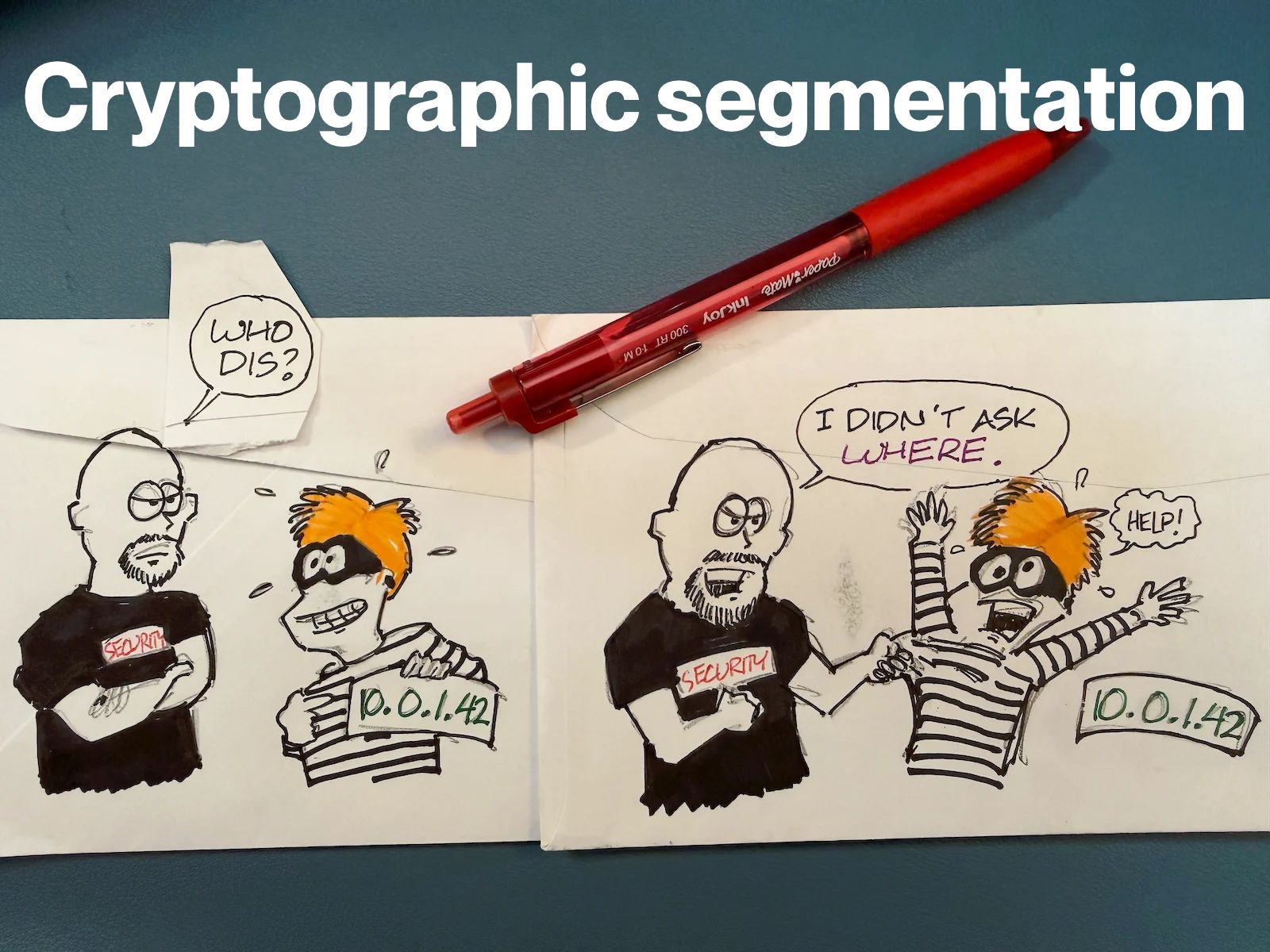
Cryptographic segmentation is another approach, and it’s the alternative that Jack presents. Every endpoint has an X.509 identity, and both ends verify each other with mTLS. A session starts if and only if a policy says that the identity is allowed reach that service. The IP address doesn’t come into play, so coming from “a good neighborhood” doesn’t give the attacker a way in.
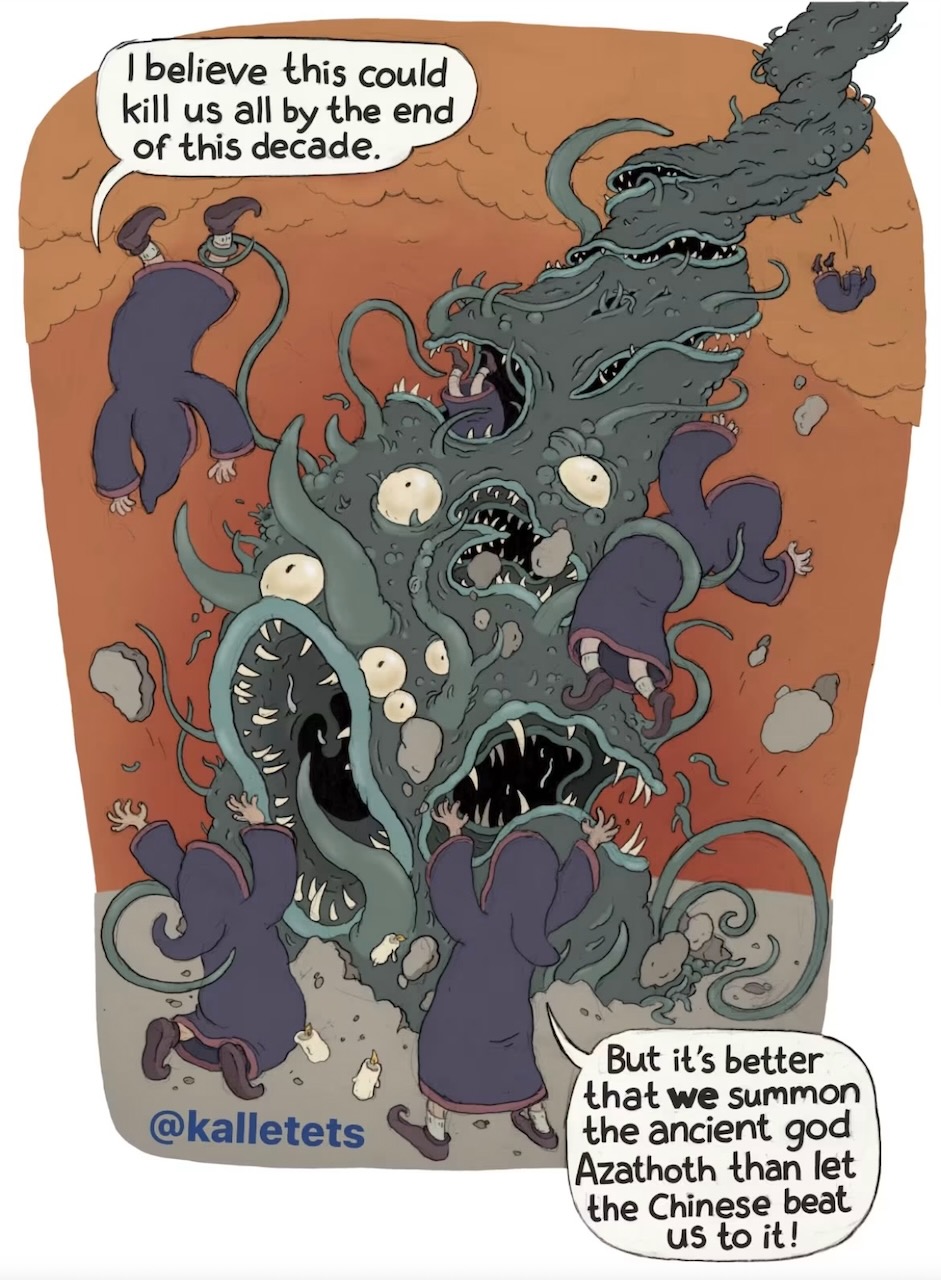
Not even the tobacco companies said “this will kill you.”
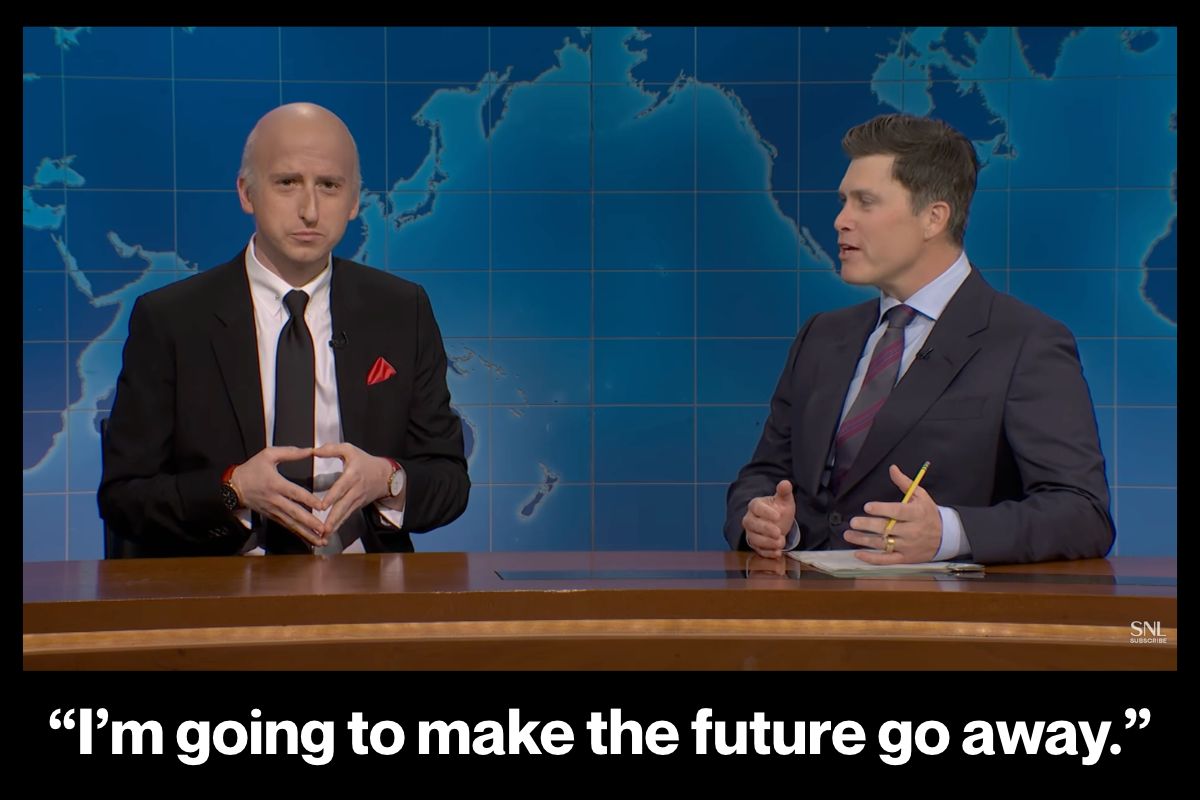
On this Saturday’s Saturday Night Live, the most relevant bit was on the Weekend Update segment where Colin Jost interviewed “Kevin O’Leary” (played by James Austin Johnson) about his plans to build his Stratos data center in Utah and the resistance to his plans.
Here’s the video…
…and here’s the transcript of the skit:
Colin Jost: According to a new poll, 75% of Americans would oppose an AI data center being built near them, making it one of the country’s most unifying issues.
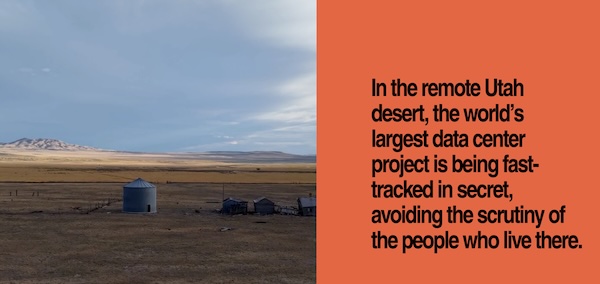
Here to comment is the man who proposed building the world’s largest data center in Utah. “Shark Tank’s” Mr. Wonderful, Kevin O’Leary.
[ Cheers and applause ]
Kevin O’Leary: Thank you, Colin. It’s a pleasure. Thanks for having me.
Colin: Thank you for being here. So what happened, Mr. Wonderful? Protesters in Utah are forcing you to downsize your project?
O’Leary: I’m glad you asked, Colin. And it’s very simple.
All I want is to buy up 40,000 acres of God’s untouched splendor and replace it with a very loud computer that steals your job.
[ Laughter ]
Is it going to take up precious water? Absolutely.
Is it going to provide a necessary service? Who’s to say?
But on the flip side, it’s going to make me a tremendous amount of money. And I think that’s great.
[ Laughter ]
Colin: Right.
Well, most Americans don’t want data centers near them.
O’Leary: And I agree with them completely.
Colin: You do?
O’Leary: Of course, Colin.
These things are terrible and shouldn’t be anywhere. That’s why I’m building one in Utah.
And this is actually very simple. I’m going to show you on this map.
Alright? See, this is Stratos, my data center with the most evil name of all time. And sure, it looks big.
The noise and water pollution? That’s only going to affect this area. Colin, you have to understand, I don’t live there.
[ Laughter ]
Colin: Right. But, like, other people do live there.
O’Leary: You’re missing the point. That’s not real to me. Okay?
Those people’s lives, those are Sims. Alright?
Look, I’m a numbers guy, okay? When I missed out on investing in Scrub Daddy, I learned a very valuable lesson, which is I’m going to destroy the world.
[ Laughter ]
Colin: That sounds pretty extreme.
O’Leary: Well, that’s because you’re poor.
[ Laughter ]
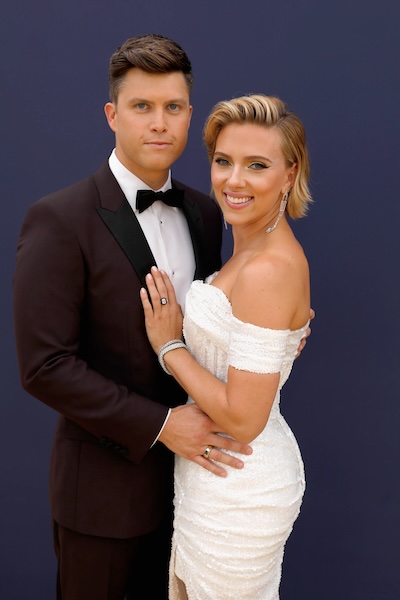
Colin: Actually I’m not. My wife gives me lots of spending money.
[ Laughter ]
[ Cheers and applause ]
Colin: [to the camera] That’s not nice.
[To O’Leary] And aren’t you being sued for defamation in Utah?
O’Leary: Look, yes, I made the mildly inflammatory claim that every single person in Utah who opposes me is a paid communist super agent from China.
Was I wrong? Perhaps. But just because they’re not, doesn’t mean they aren’t.
Colin: What?
O’Leary: Look, Colin, when I missed out on Bombas socks, I could have gotten mad. But instead I made a decision.
I’m going to make the future go away. And we’re doing just that in Utah.
Colin: Mr. Wonderful, everyone.
[ Cheers and applause ]
O’Leary: And for that reason, I’m out.
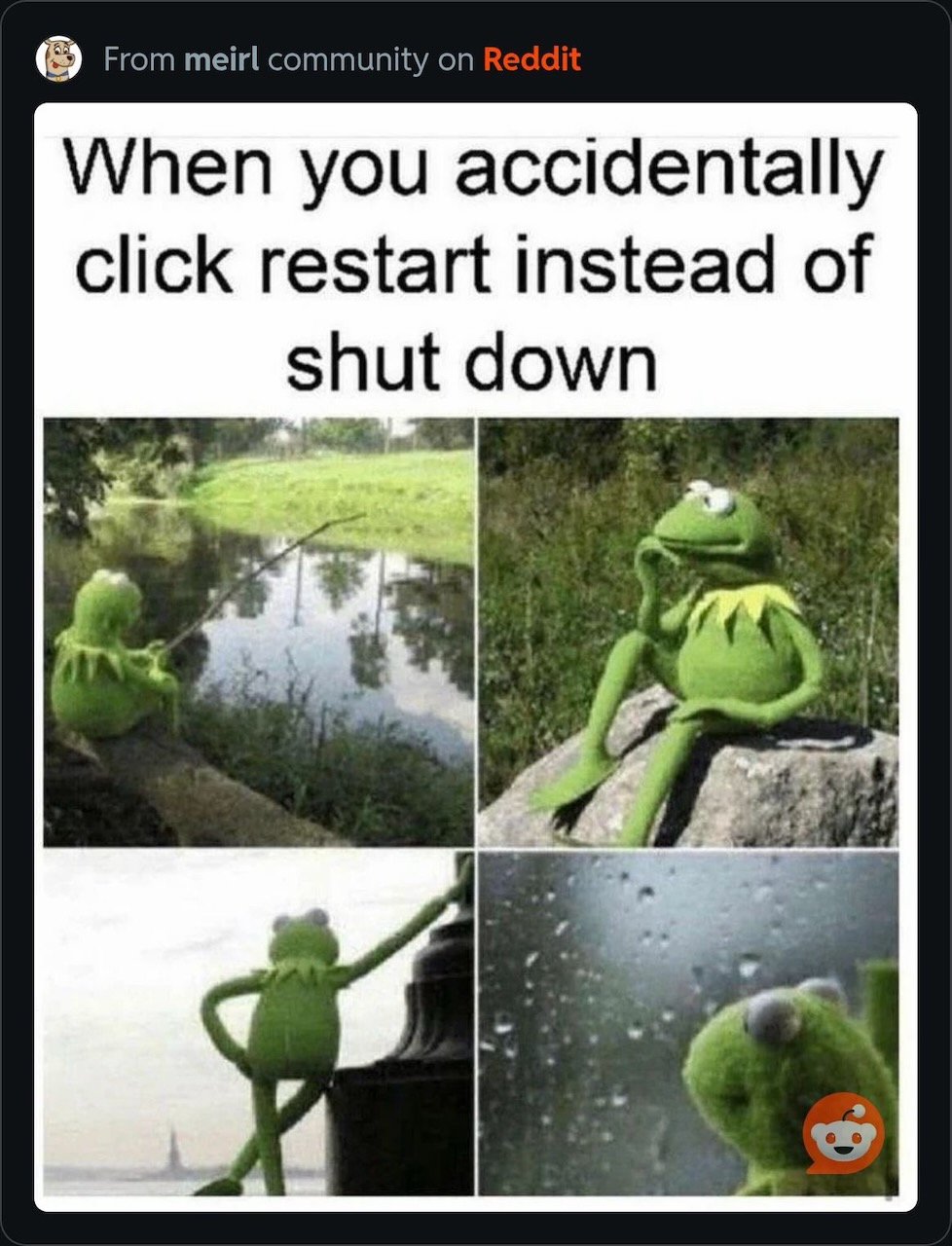
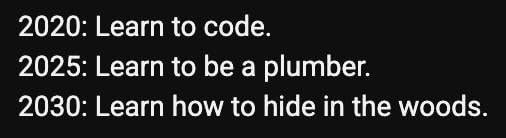
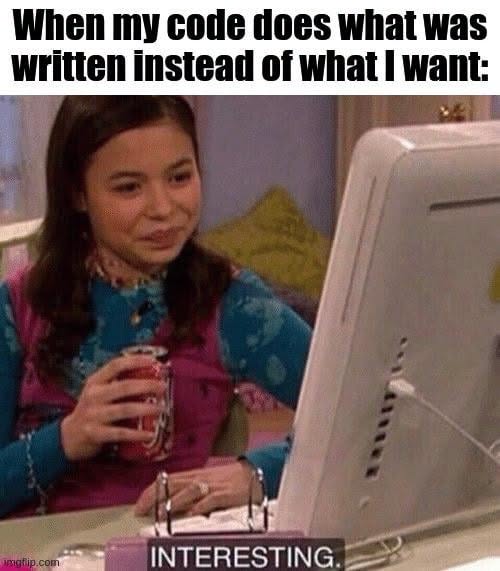
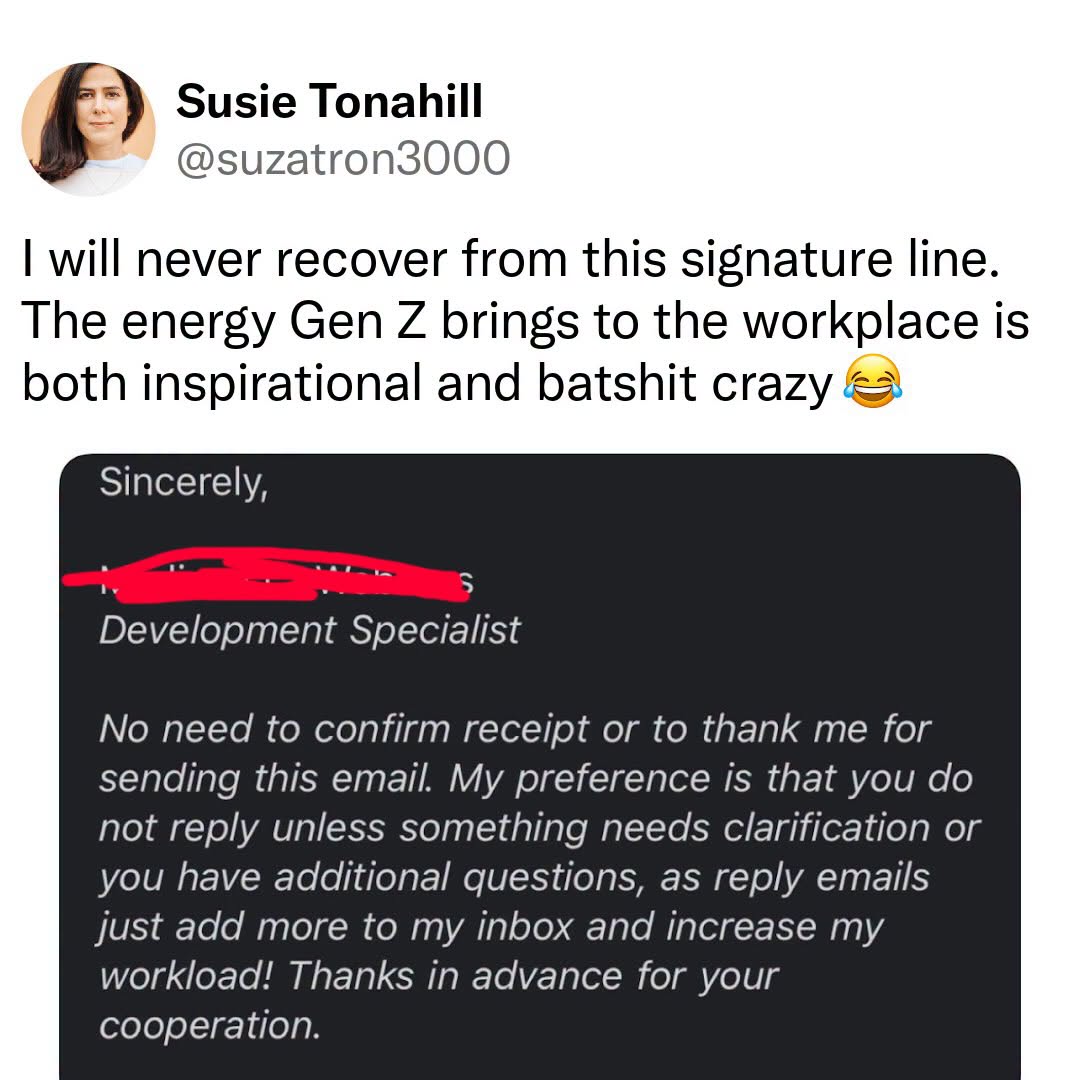
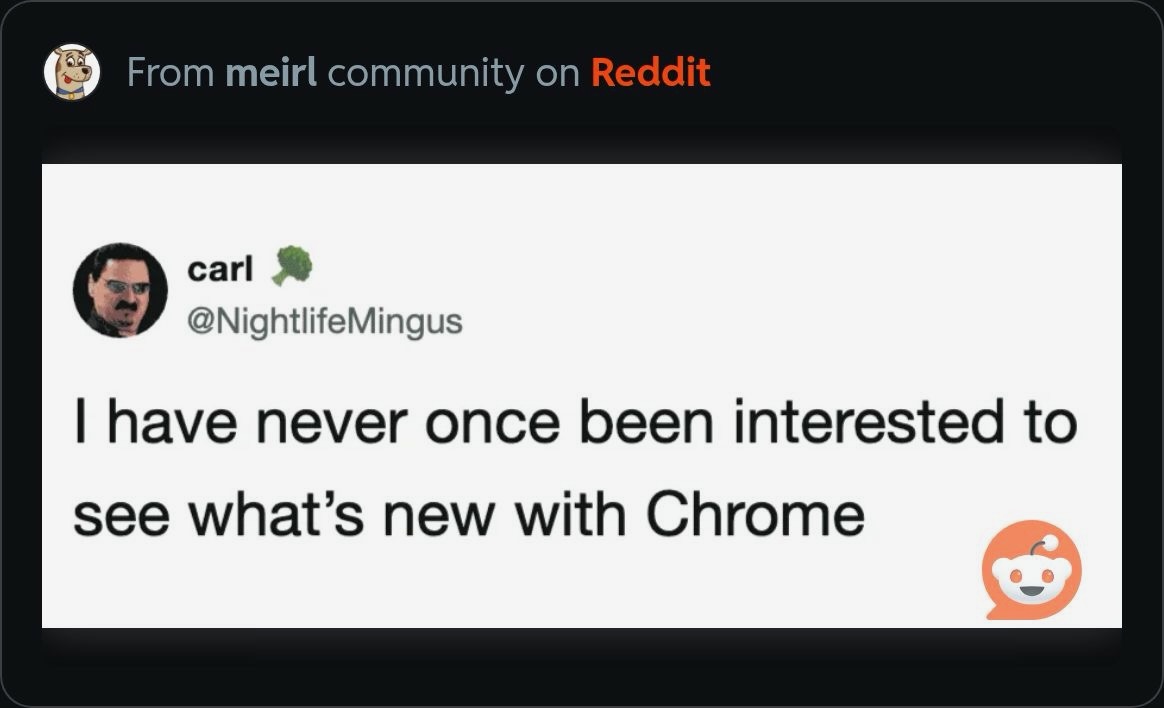
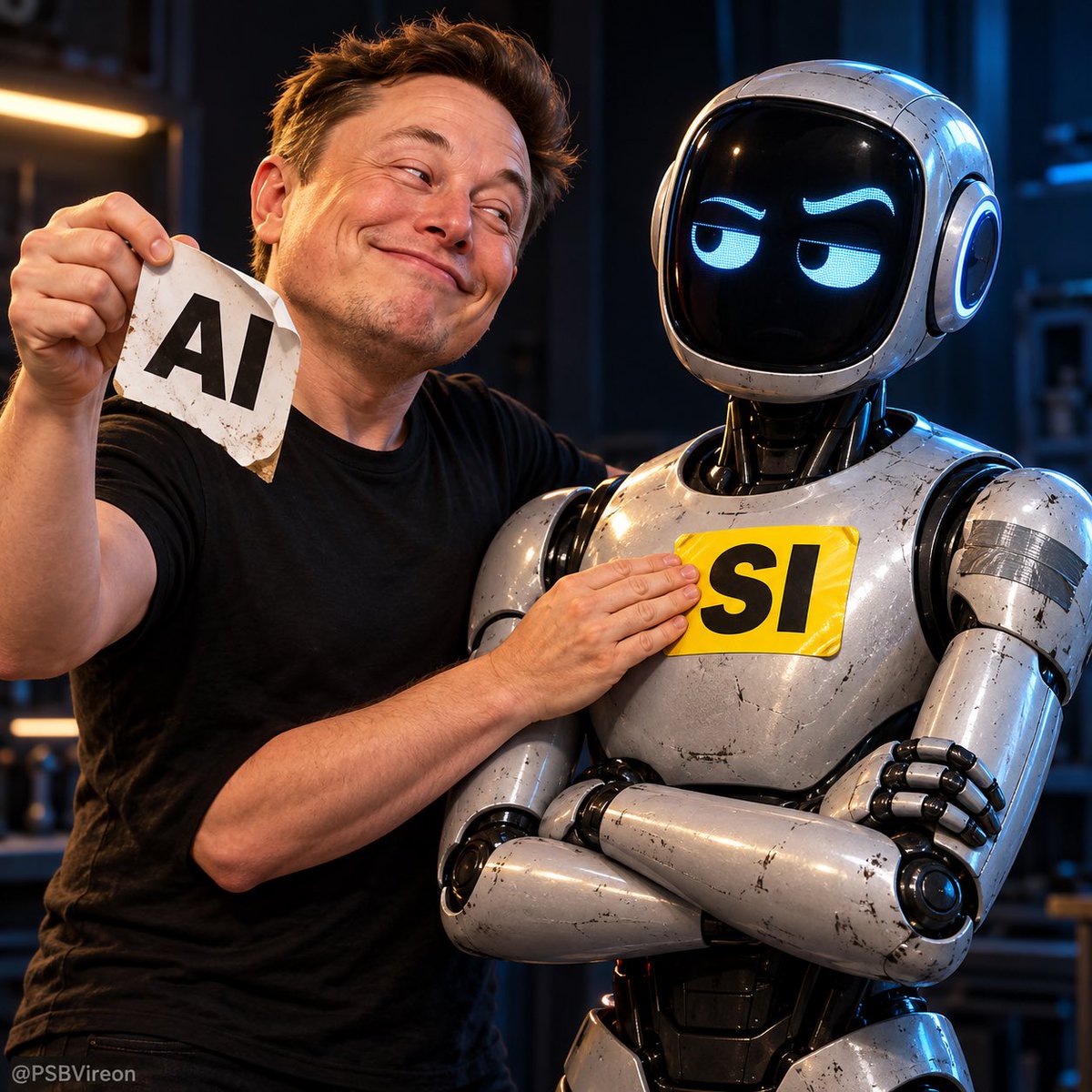
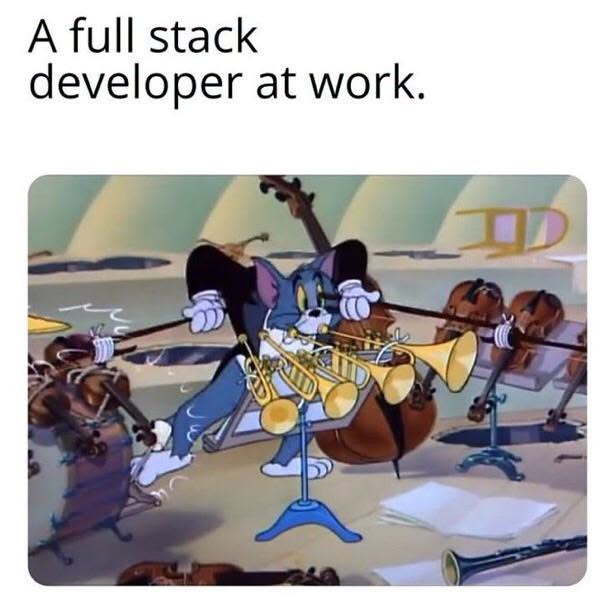
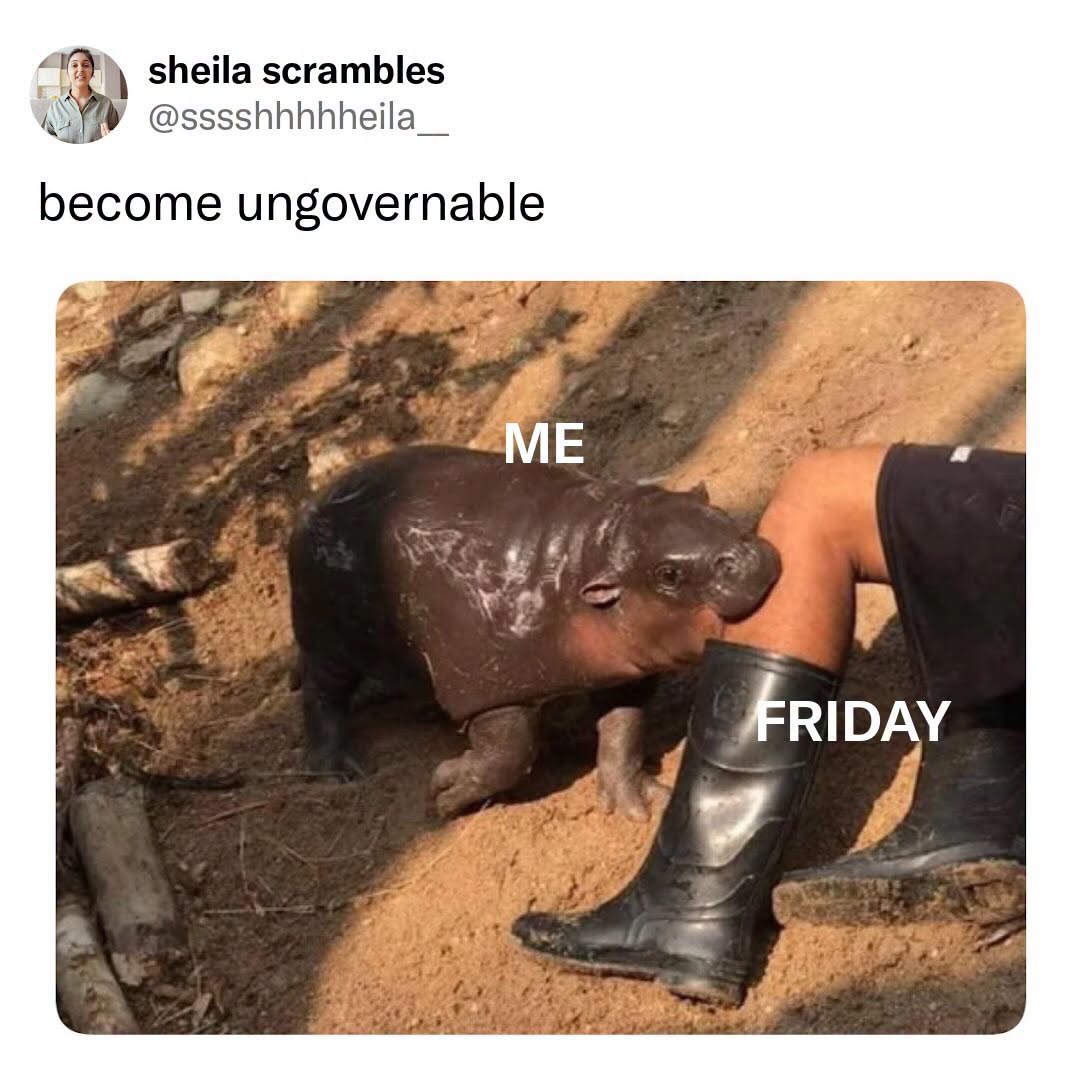
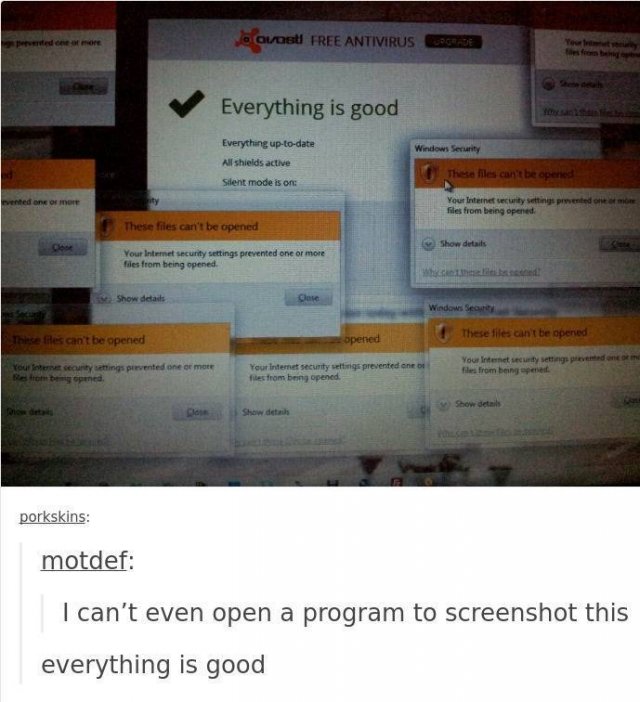
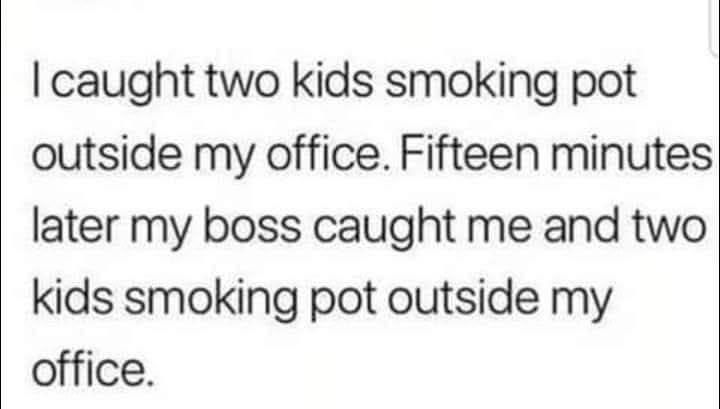
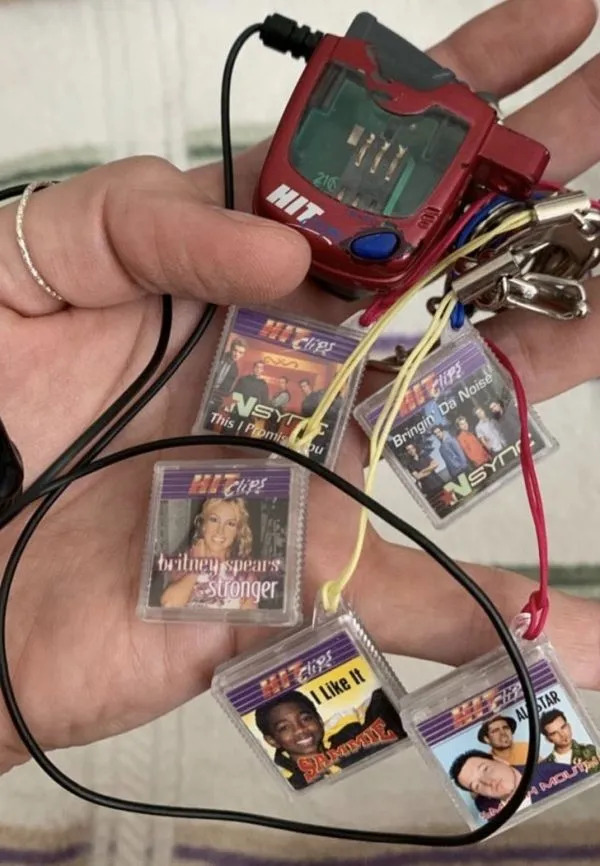
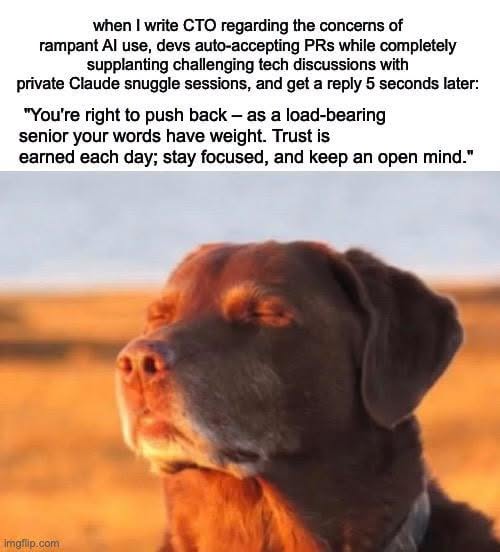
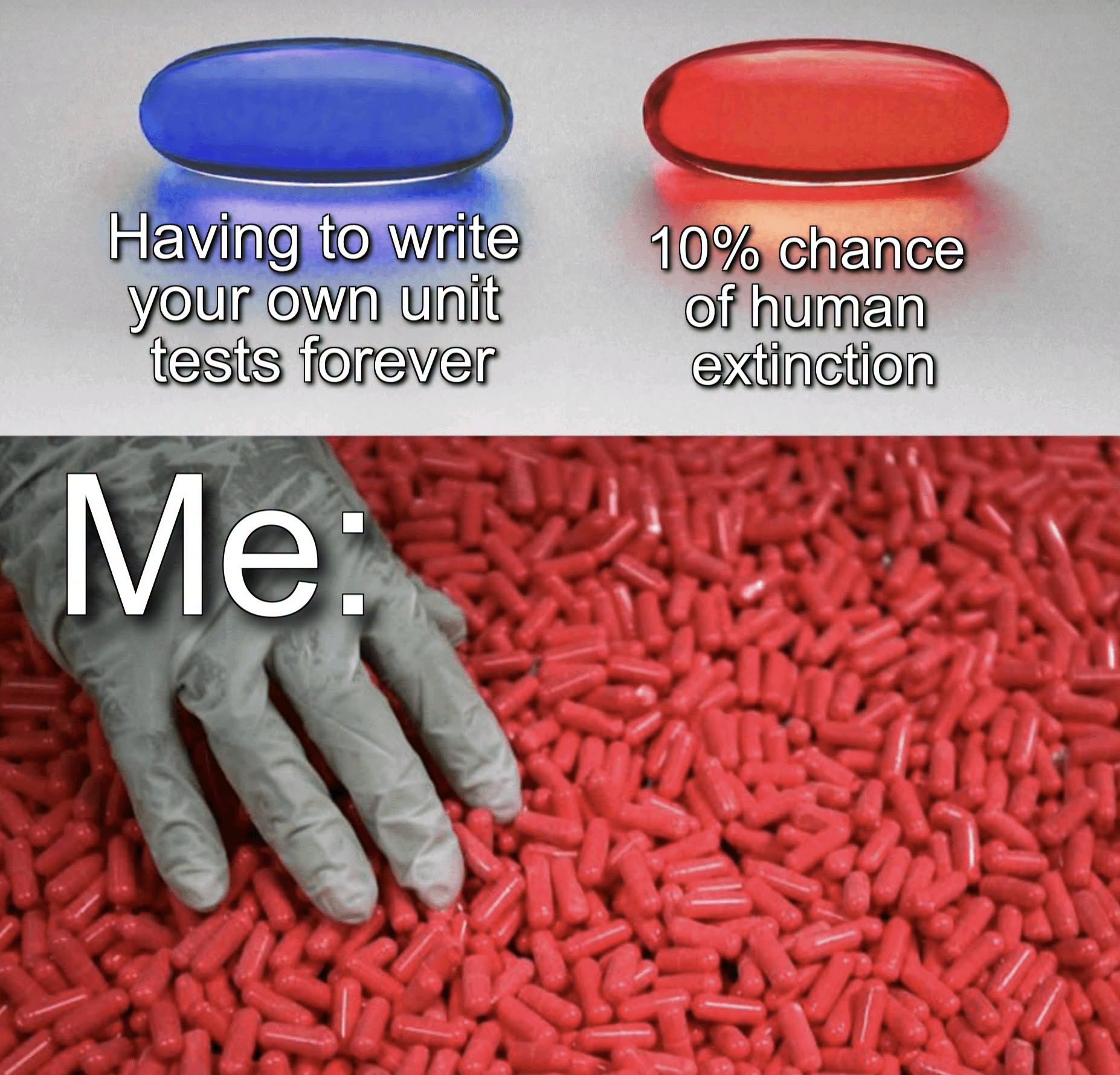
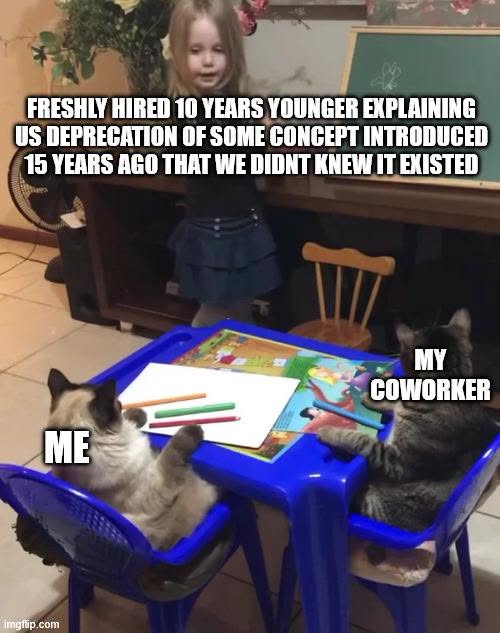
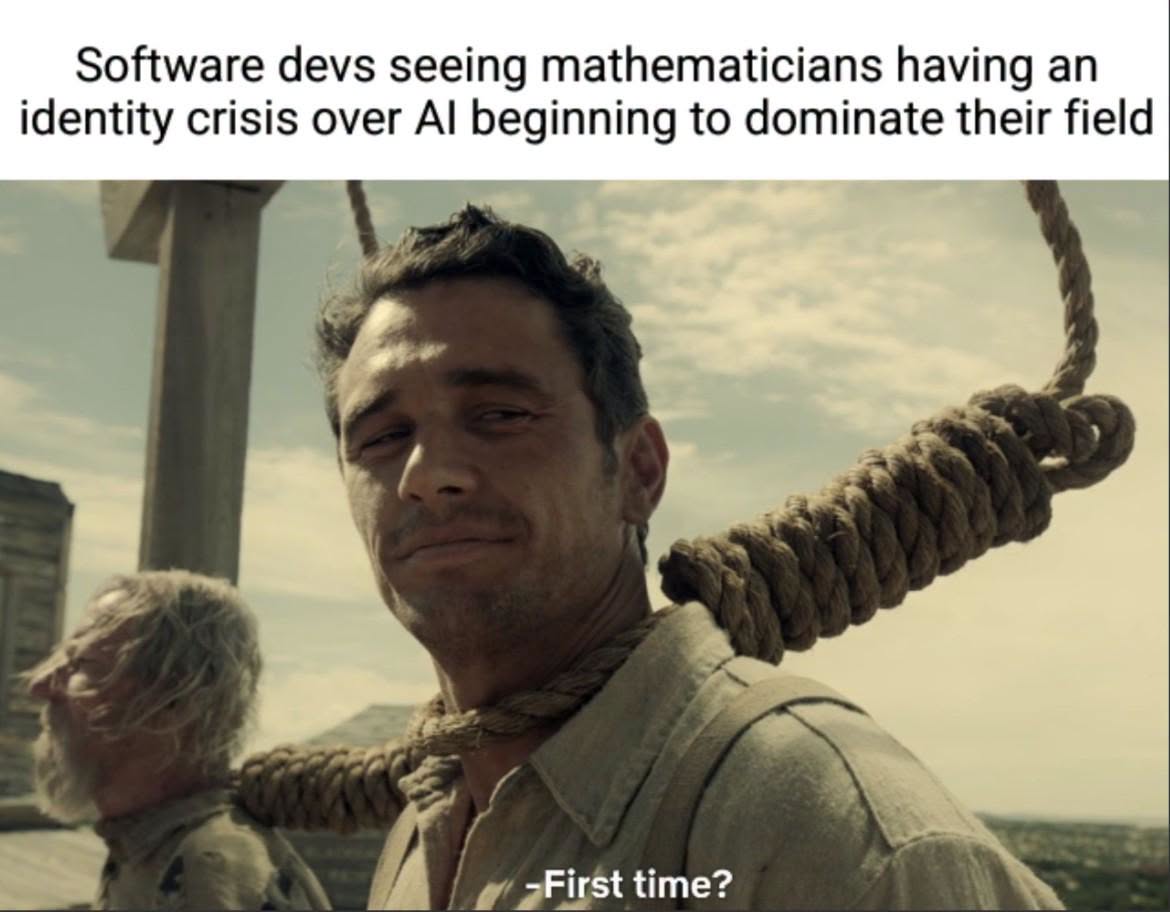
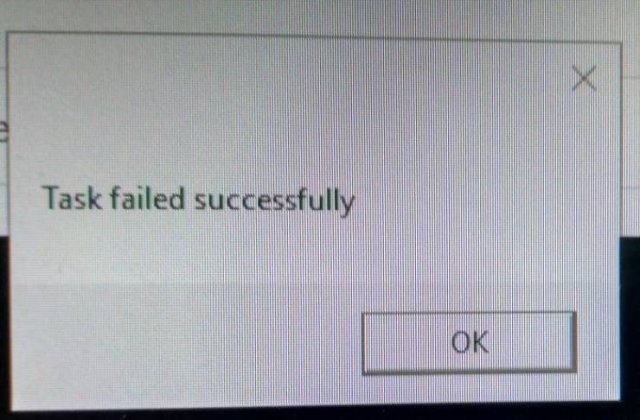
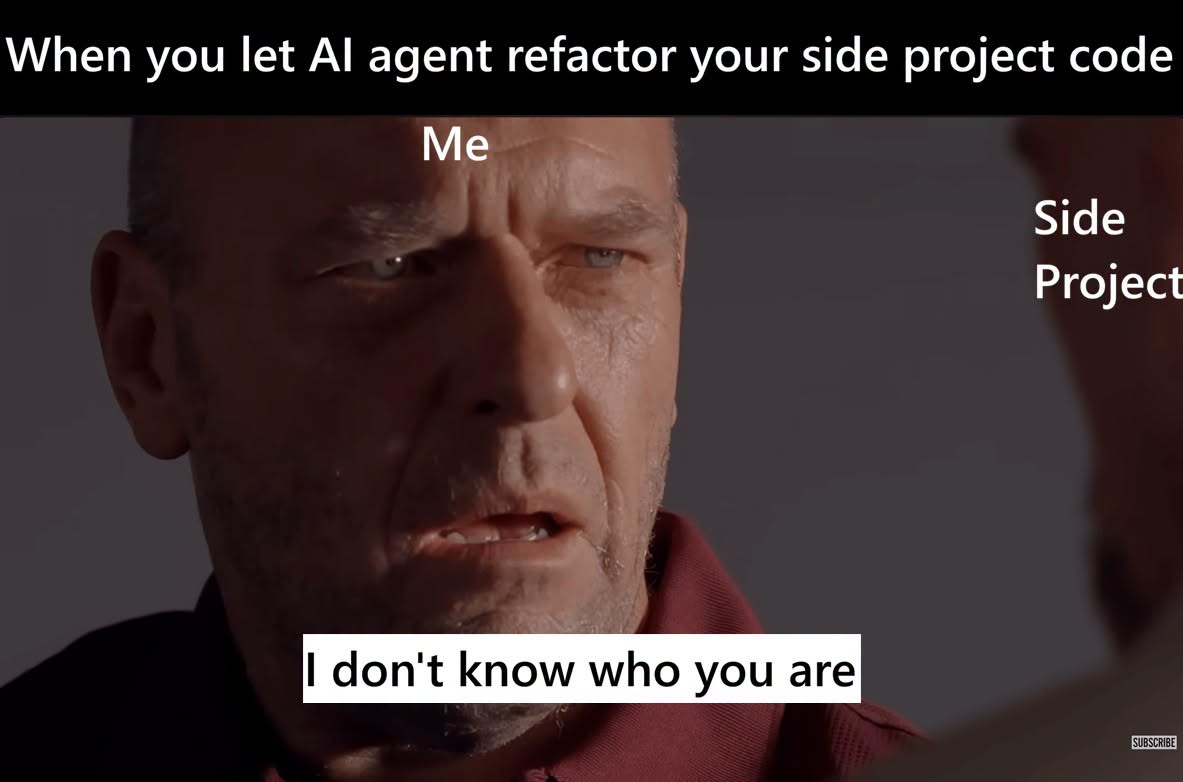
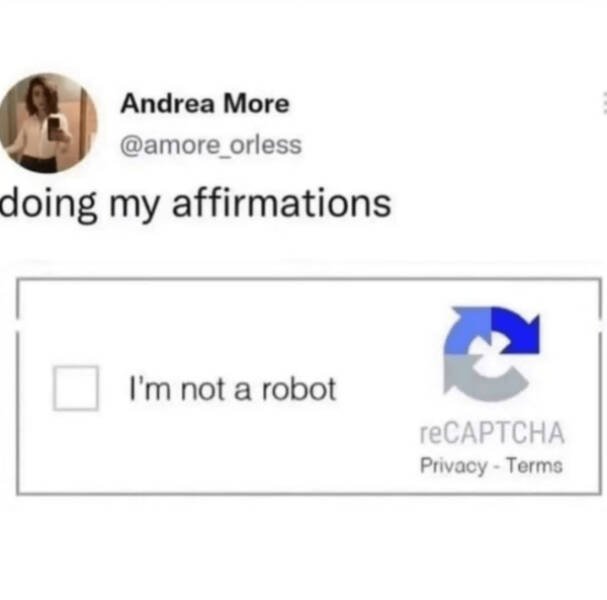
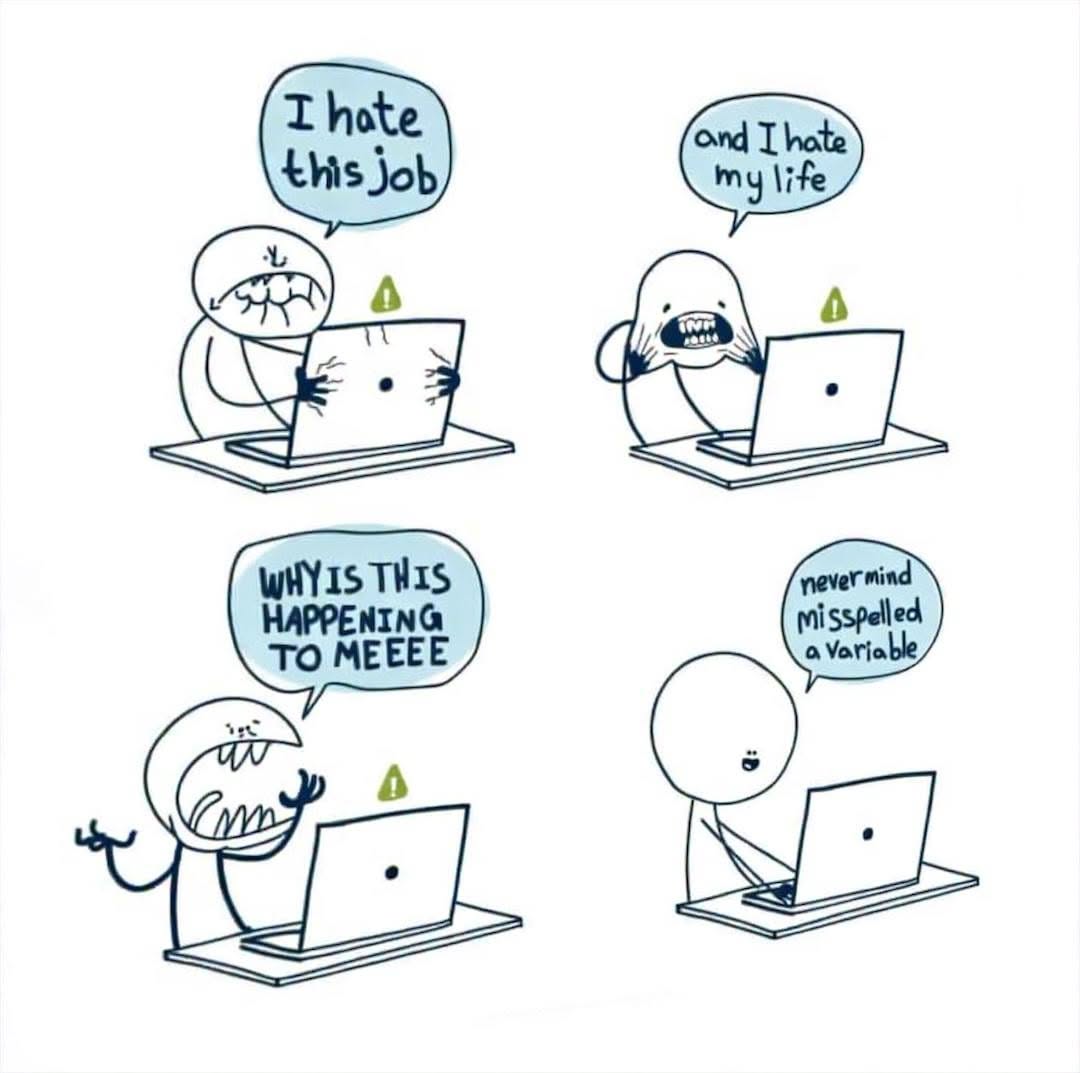
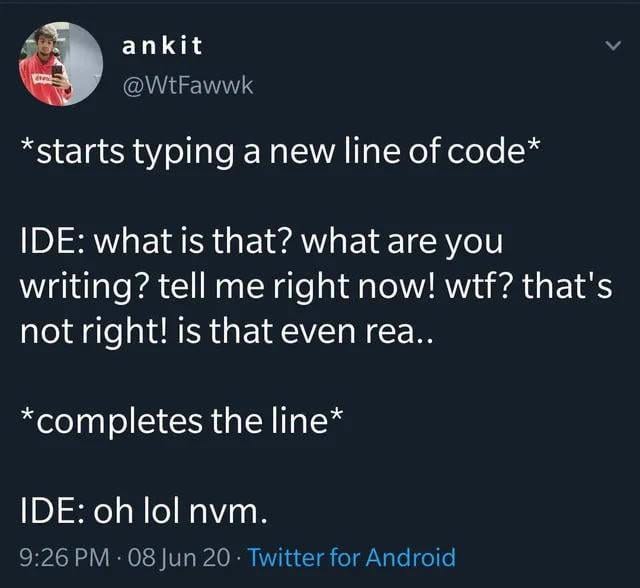
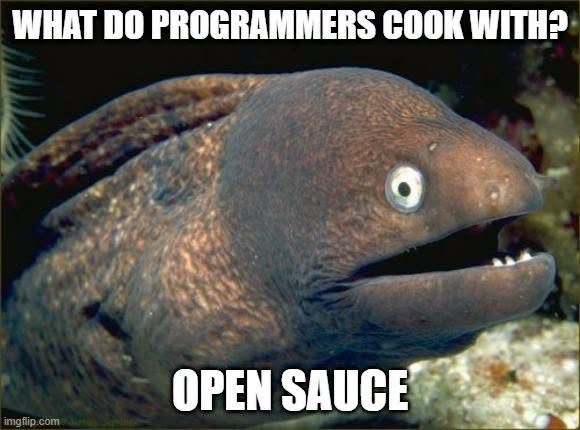
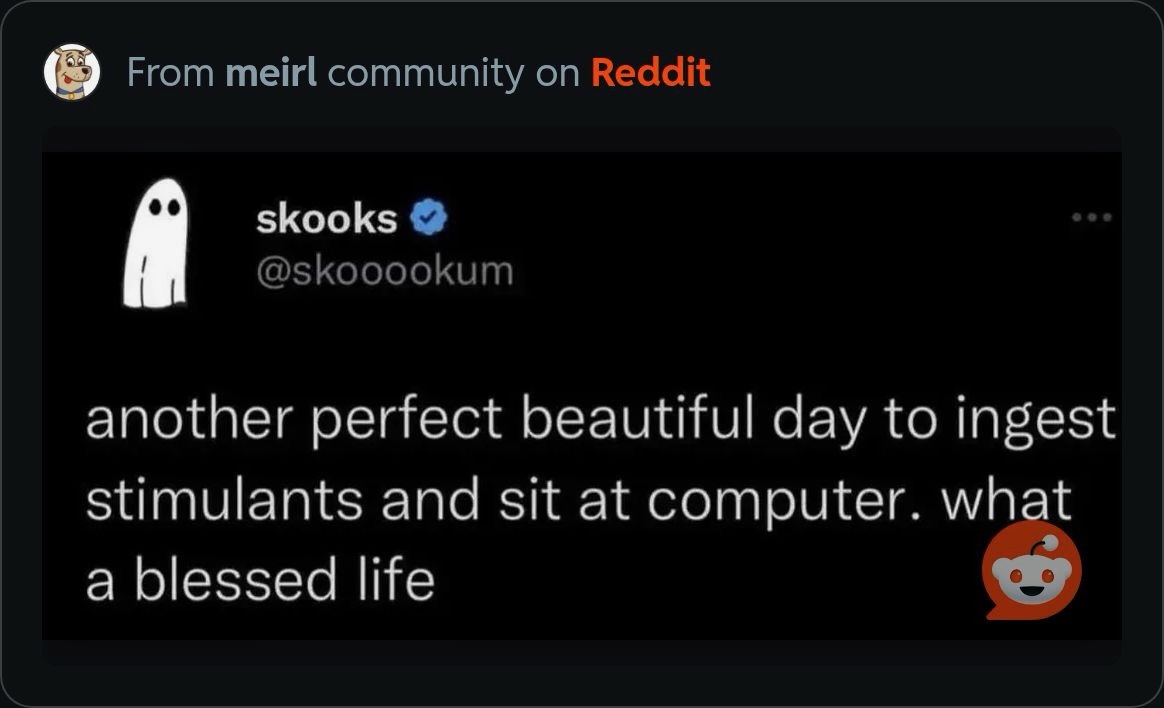
Happy Saturday, everyone! Here on Global Nerdy, Saturday means that it’s time for another “picdump” — the weekly assortment of amusing or interesting pictures, comics, and memes I found over the past week. Share and enjoy!

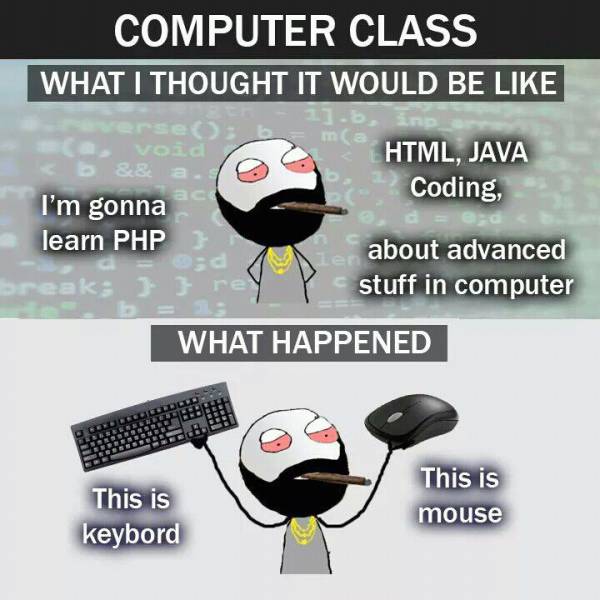
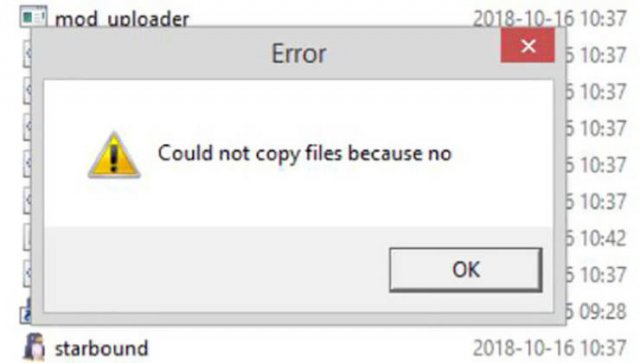
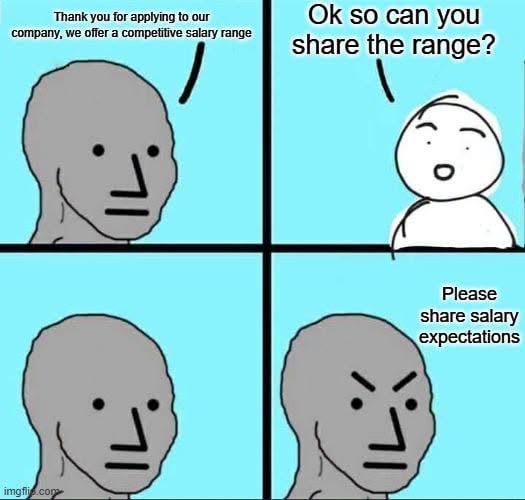
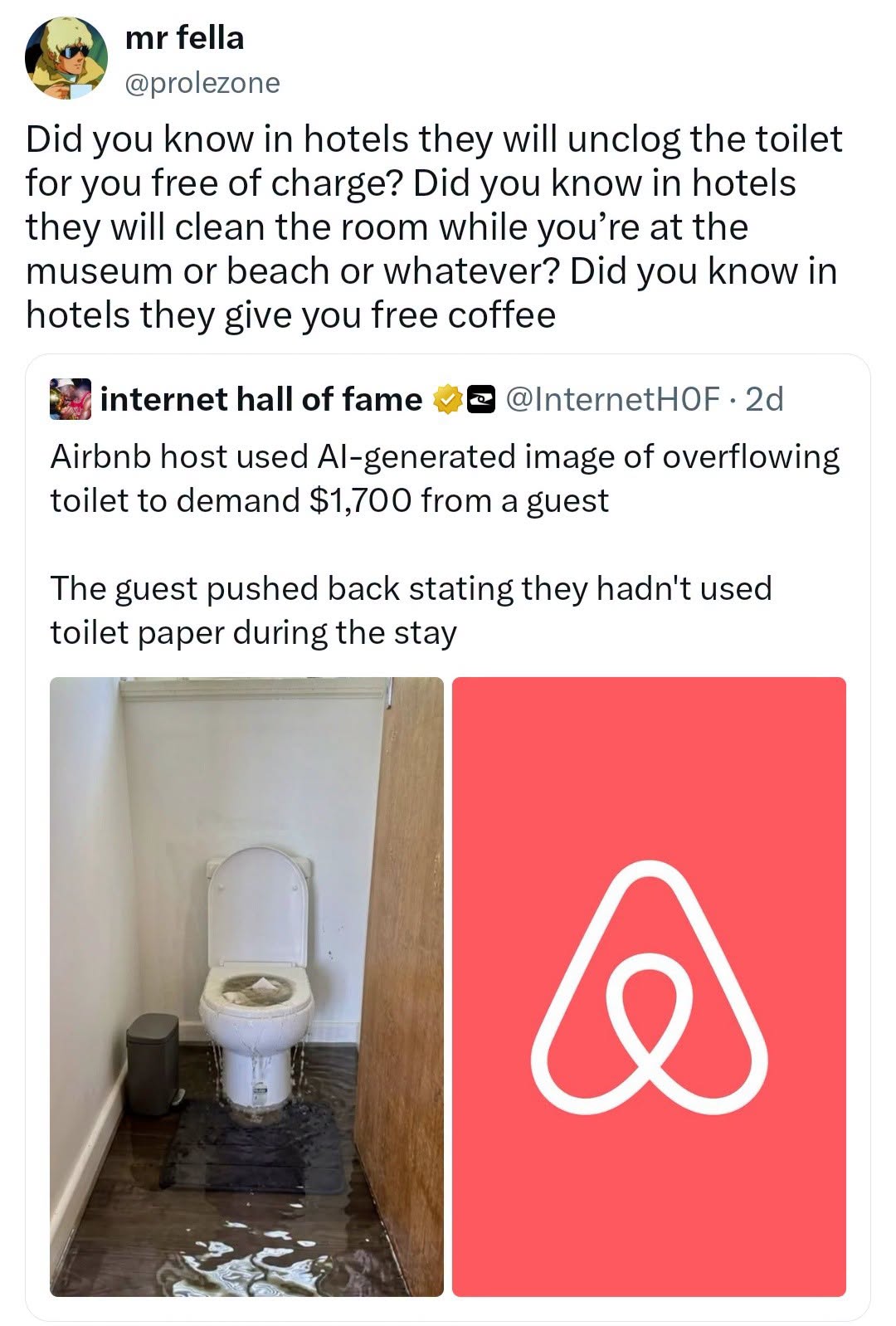

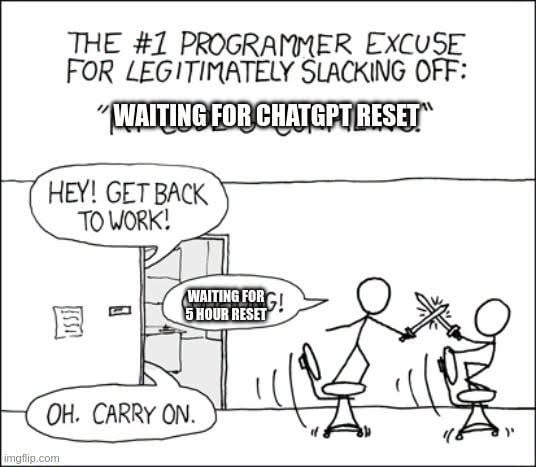
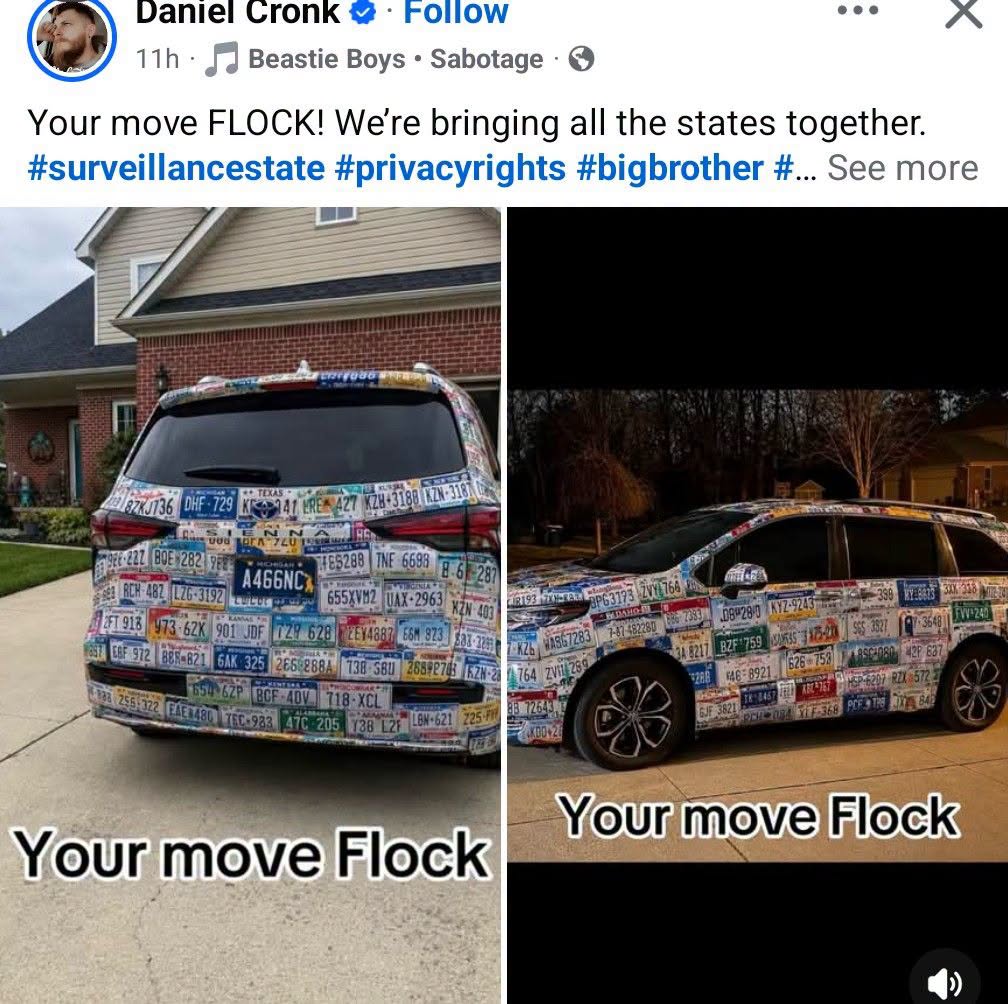
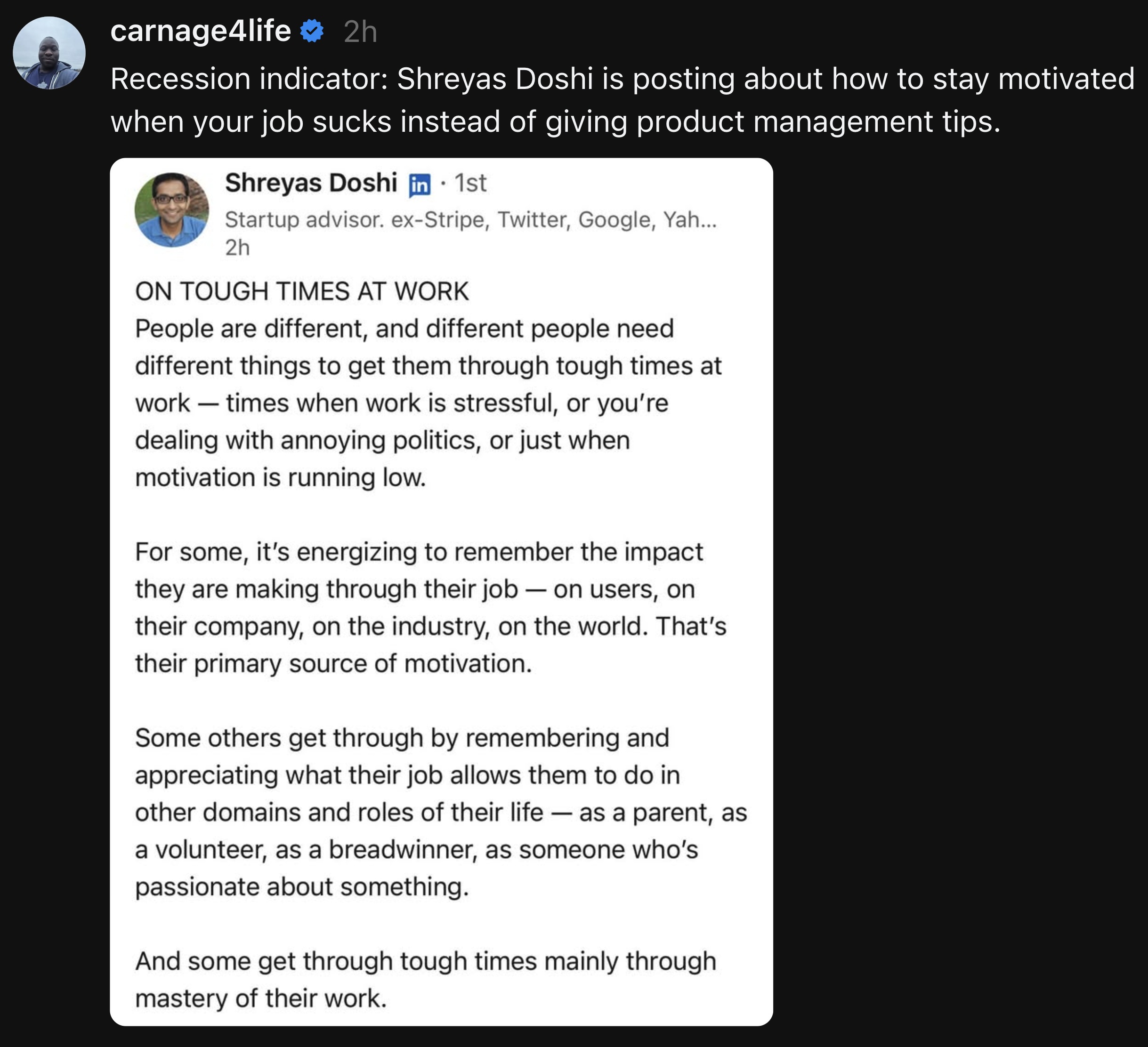


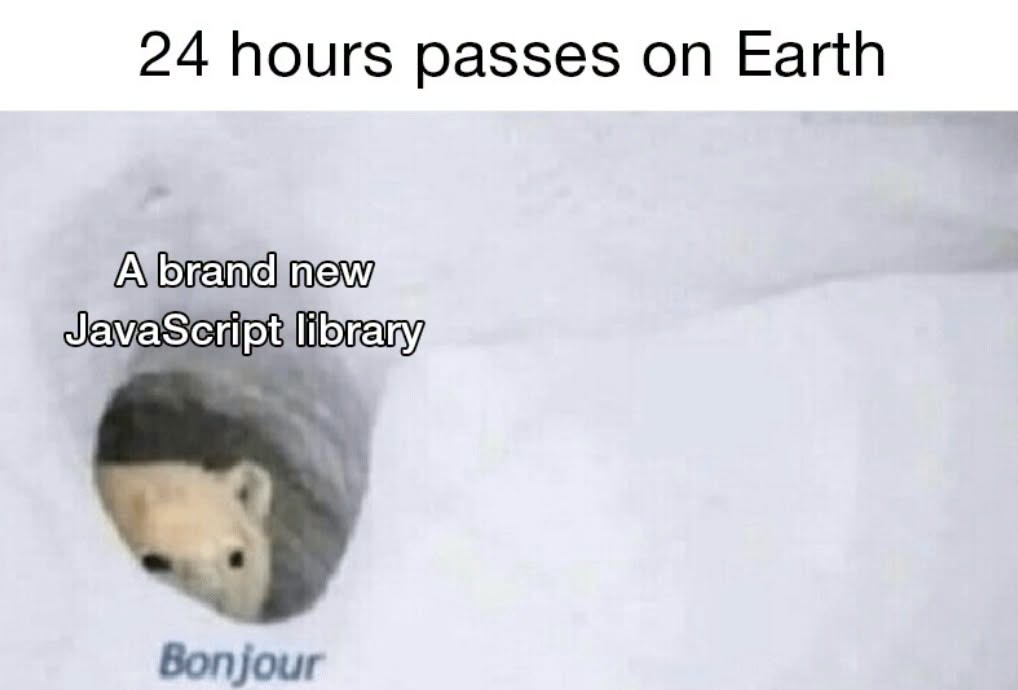
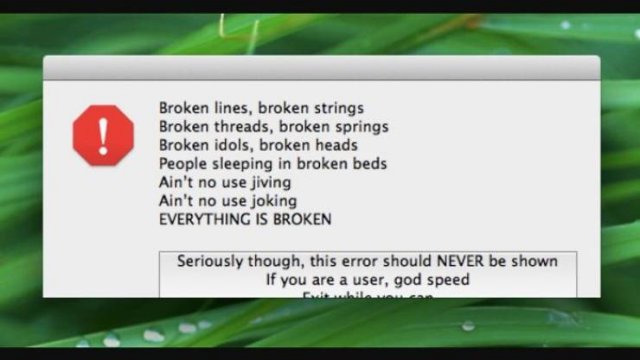
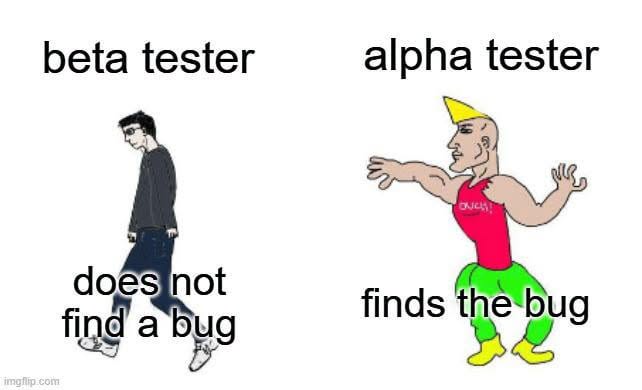
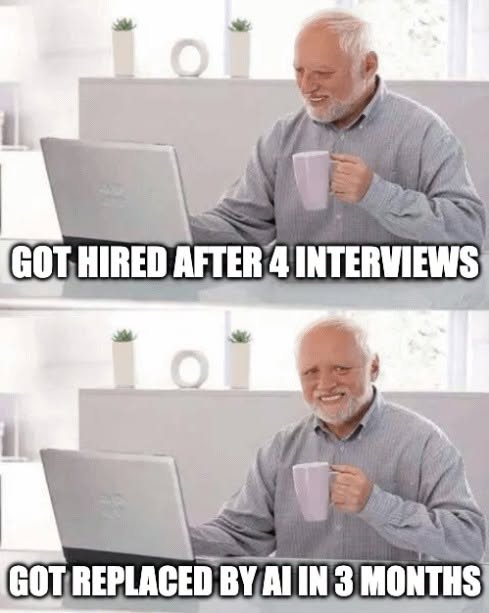

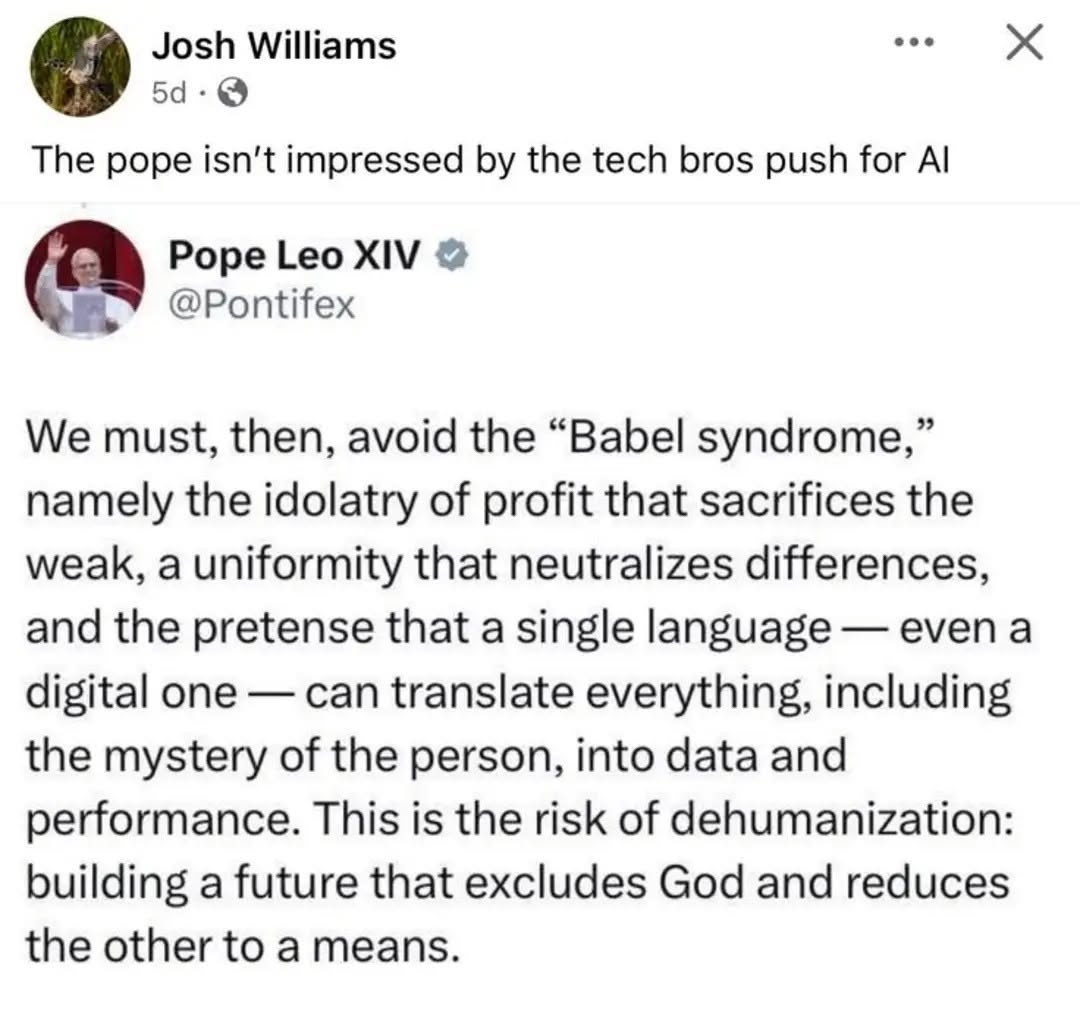
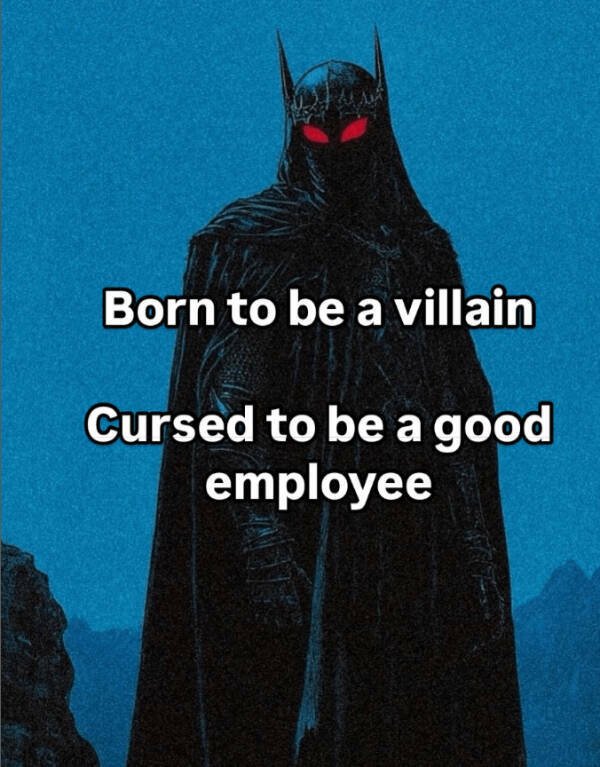
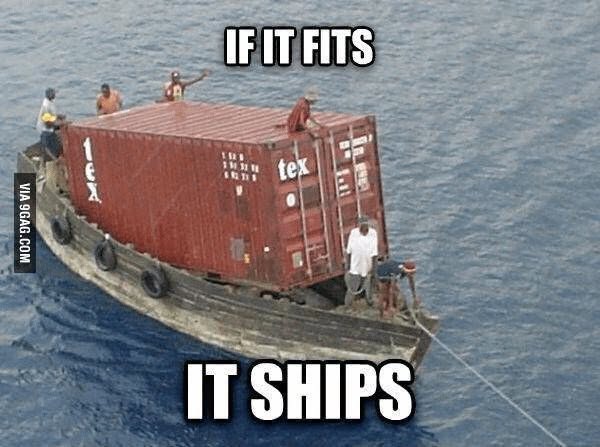
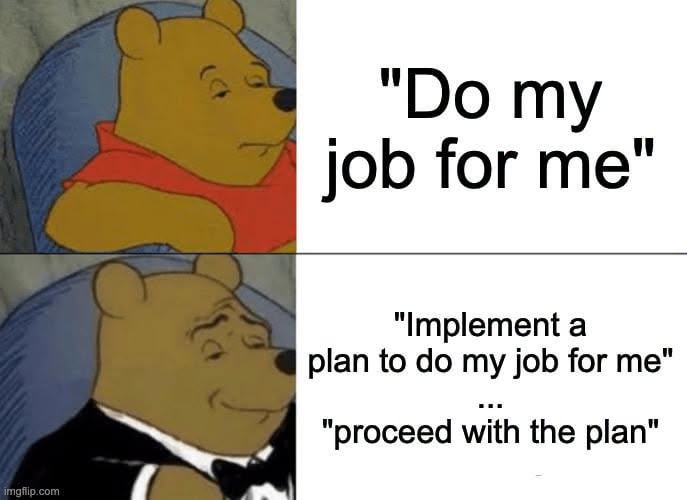





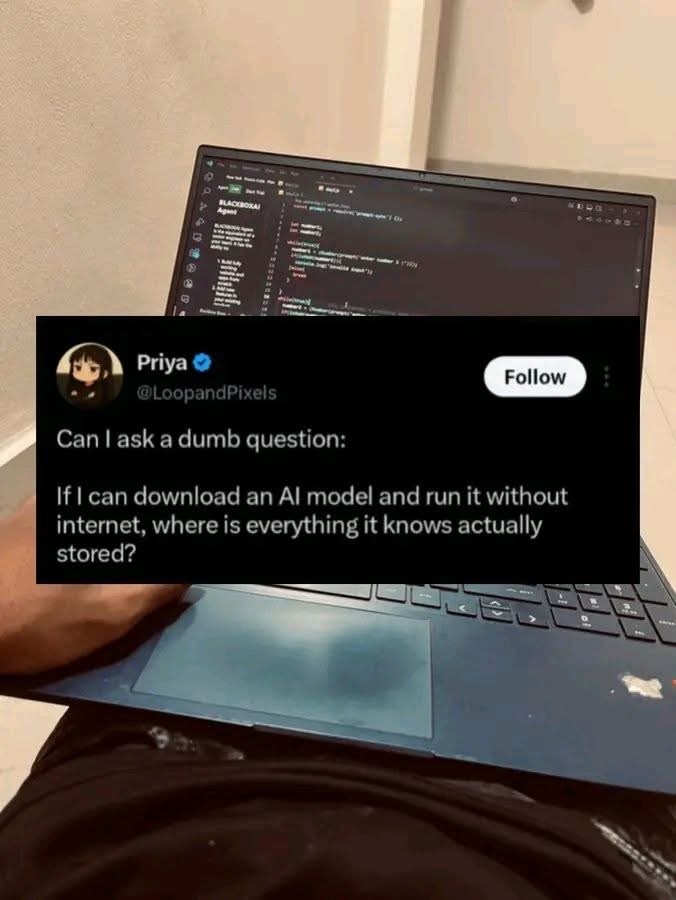
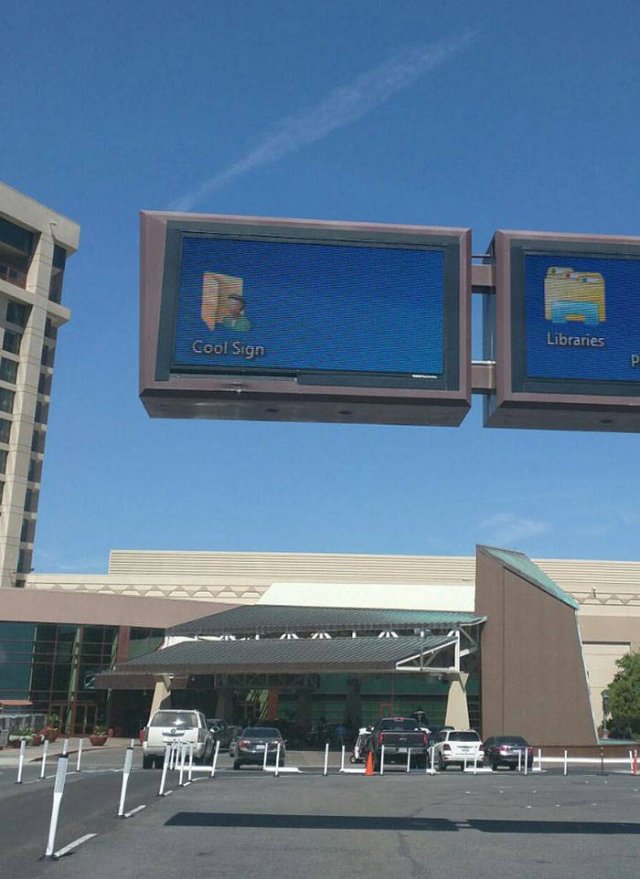
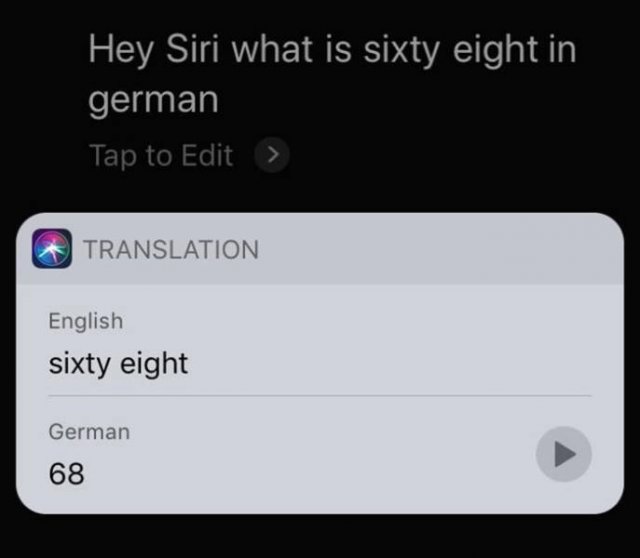
Here’s what’s happening in the thriving tech scene in Tampa Bay and surrounding areas for the week of Monday, October 12 through Sunday, October 18!
This list includes both in-person and online events. Note that each item in the list includes:
✅ When the event will take place
✅ What the event is
✅ Where the event will take place
✅ Who is holding the event
| Event name and location | Group | Time |
|---|---|---|
| Clearwater Automate Your Workflow with Claude 155 8th Ave SE |
Building Better Software With Claude Code | 2:30 AM to 3:30 AM EDT |
| Osceola Toastmasters Club Kissimmee Utility Authority (KUA) |
Toastmasters Division E | 7:30 AM to 9:00 AM EDT |
| Computer Repair Clinic 2079 Range Rd |
Tampa Bay Technology Center | 8:30 AM to 12:30 PM EDT |
| Age of Sigmar: Escalation League Battlebrush Games |
Battlebrush Games: Paint Minis & Play Warhammer/Warmachine | 5:00 PM to 9:00 PM EDT |
| Friday Board Game Night Bridge Club |
Tampa Gaming Guild | 5:30 PM to 11:00 PM EDT |
| MTG: Commander FNM Critical Hit Games |
Critical Hit Games | 6:00 PM to 11:00 PM EDT |
| Marcus Aurelius – Meditations, Part V & Closing The Skills Center |
Tampa Stoics | 6:30 PM to 8:30 PM EDT |
| Modern FNM Sunshine Games | Magic the Gathering, Pokémon, Yu-Gi-Oh! |
Sunshine Games | 7:00 PM to 10:30 PM EDT |
| Meditations – Marcus Aurelius Online event |
Orlando Stoics | 7:00 PM to 8:30 PM EDT |
| Friday Pokemon Tournament Sunshine Games | Magic the Gathering, Pokémon, Yu-Gi-Oh! |
Sunshine Games | 7:30 PM to 11:30 PM EDT |
| Return to the top of the list | ||
| Event name and location | Group | Time |
|---|---|---|
| Clearwater Claude Code Hands-on Workshop 15150 62nd St N |
Building Better Software With Claude Code | 12:03 PM to 1:03 PM EDT |
| Sunday Gaming Tampa Bay Bridge Center |
Tampa Gaming Guild | 1:00 PM to 11:00 PM EDT |
| Sunday Chess at Wholefoods in Midtown, Tampa Whole Foods Market |
Chess Republic | 2:00 PM to 5:00 PM EDT |
| D&D Adventurers League Critical Hit Games |
Critical Hit Games | 2:00 PM to 7:30 PM EDT |
| Traveller – Science Fiction Adventure RPG Black Harbor Gaming |
St Pete and Pinellas Tabletop RPG Group | 3:00 PM to 6:00 PM EDT |
| Sunday Pokemon League Sunshine Games | Magic the Gathering, Pokémon, Yu-Gi-Oh! |
Sunshine Games | 4:00 PM to 8:00 PM EDT |
| DREAD ONE-SHOT: SPOOKY TIMES Collect.GG Collectables |
St Pete and Pinellas Tabletop RPG Group | 5:00 PM to 7:00 PM EDT |
| Community Hang-out Night Online event |
Nerdbrew Events | 6:00 PM to 9:00 PM EDT |
| A Duck Presents NB Movie Night Discord.io/Nerdbrew |
Nerd Night Out | 7:00 PM to 11:30 PM EDT |
| Return to the top of the list | ||
How do I put this list together?
It’s largely automated. I have a collection of Python scripts in a Jupyter Notebook that scrapes Meetup and Eventbrite for events in categories that I consider to be “tech,” “entrepreneur,” and “nerd.” The result is a checklist that I review. I make judgment calls and uncheck any items that I don’t think fit on this list.
In addition to events that my scripts find, I also manually add events when their organizers contact me with their details.
What goes into this list?
I prefer to cast a wide net, so the list includes events that would be of interest to techies, nerds, and entrepreneurs. It includes (but isn’t limited to) events that fall under any of these categories: