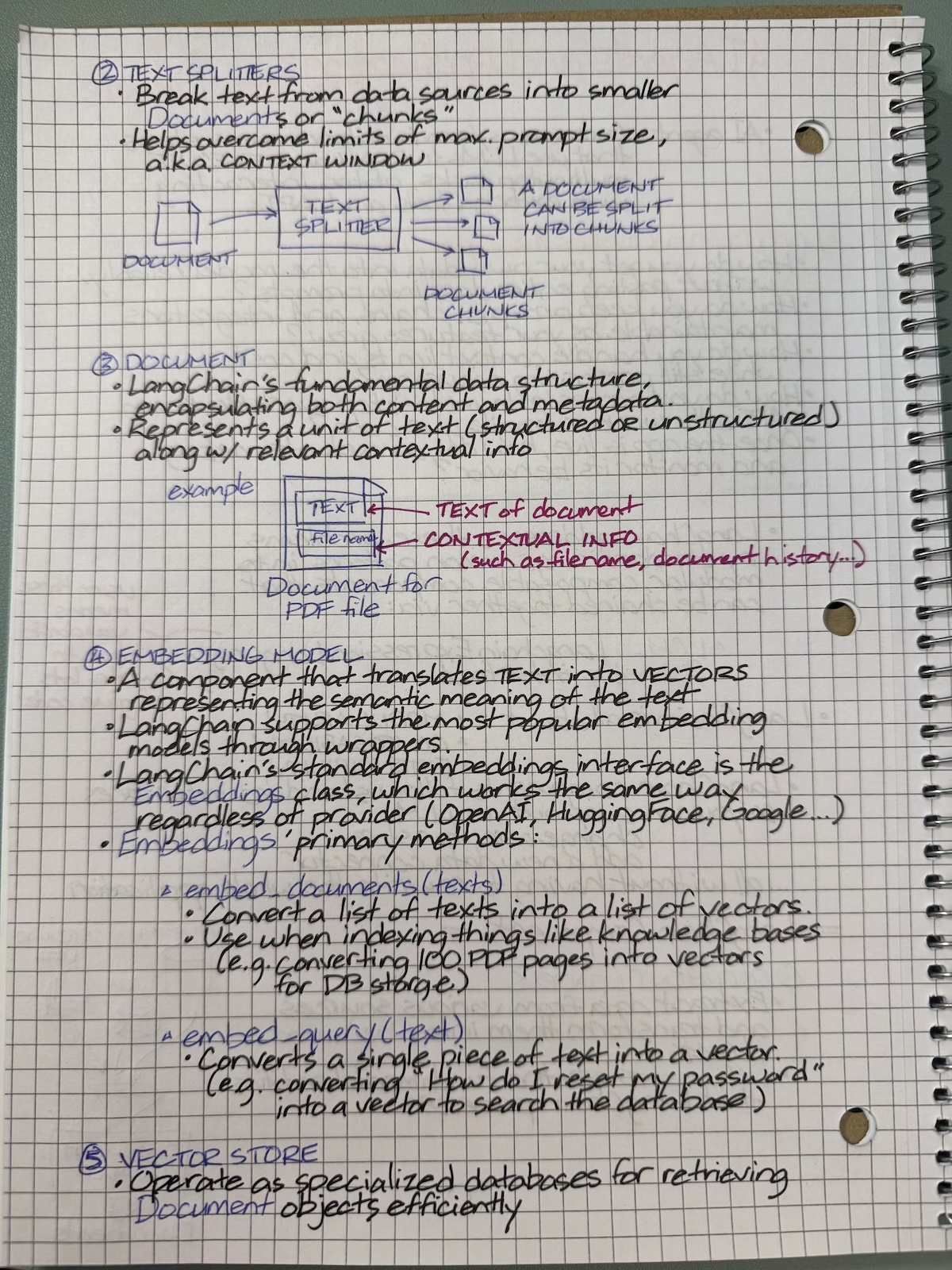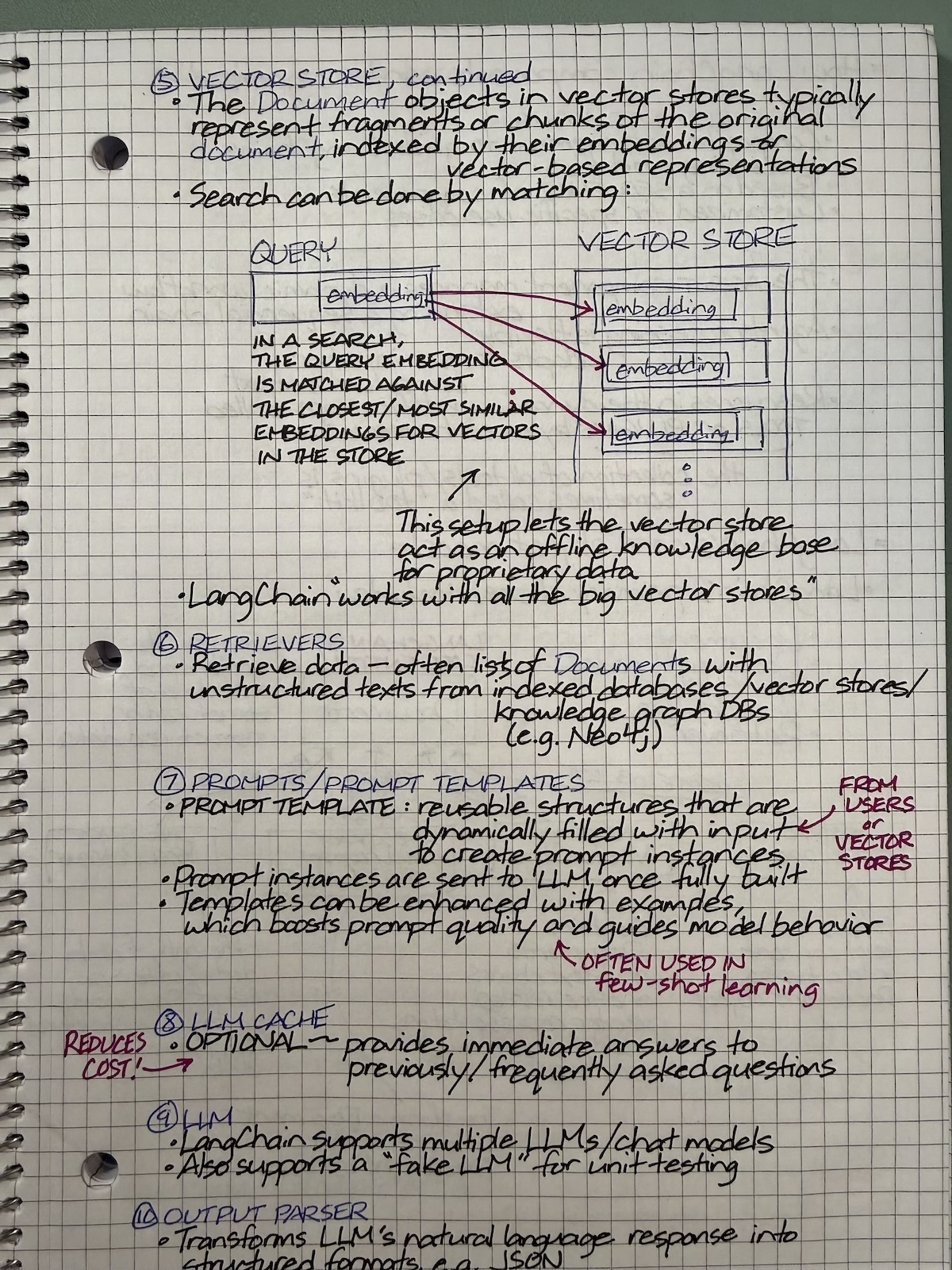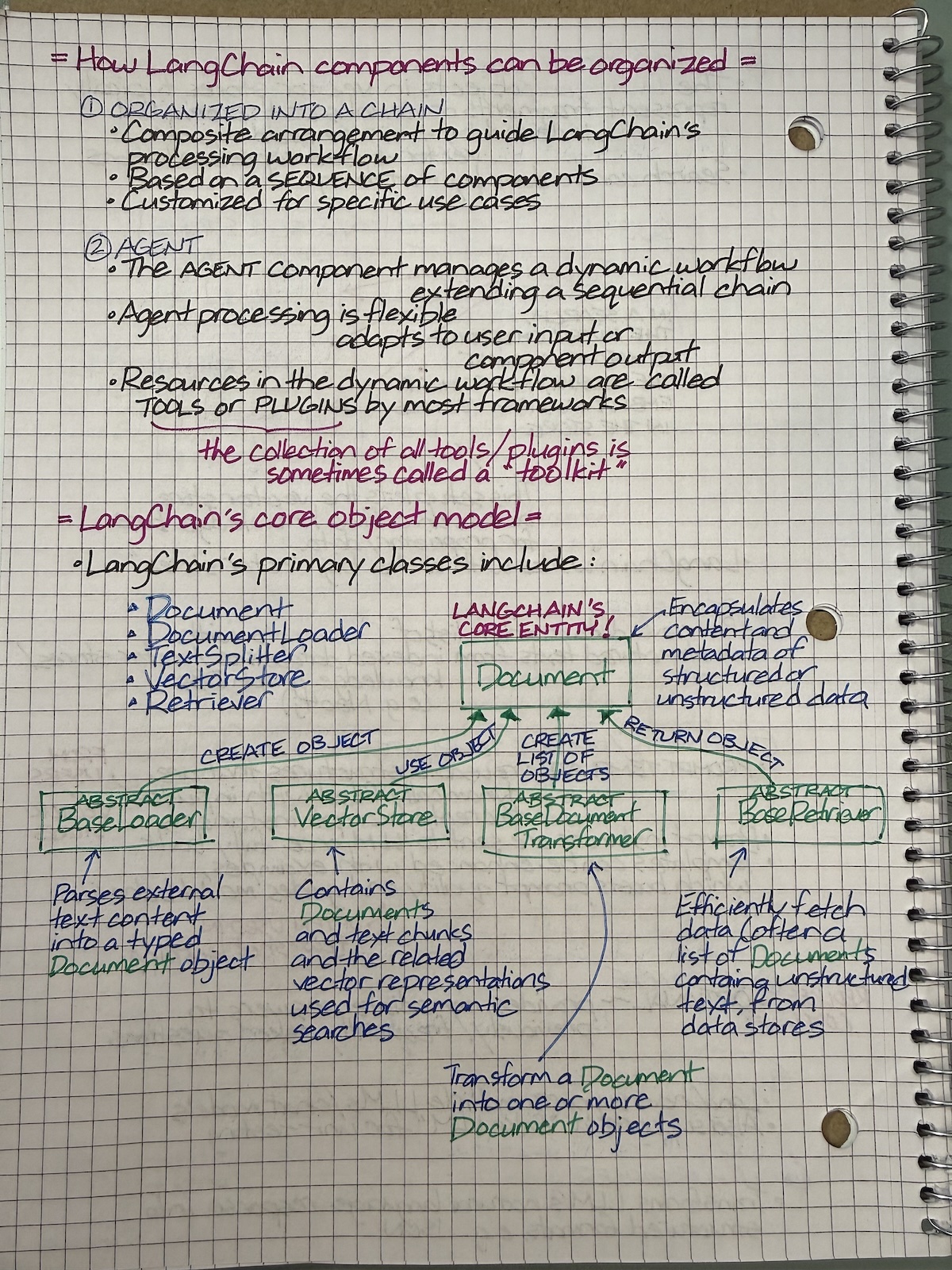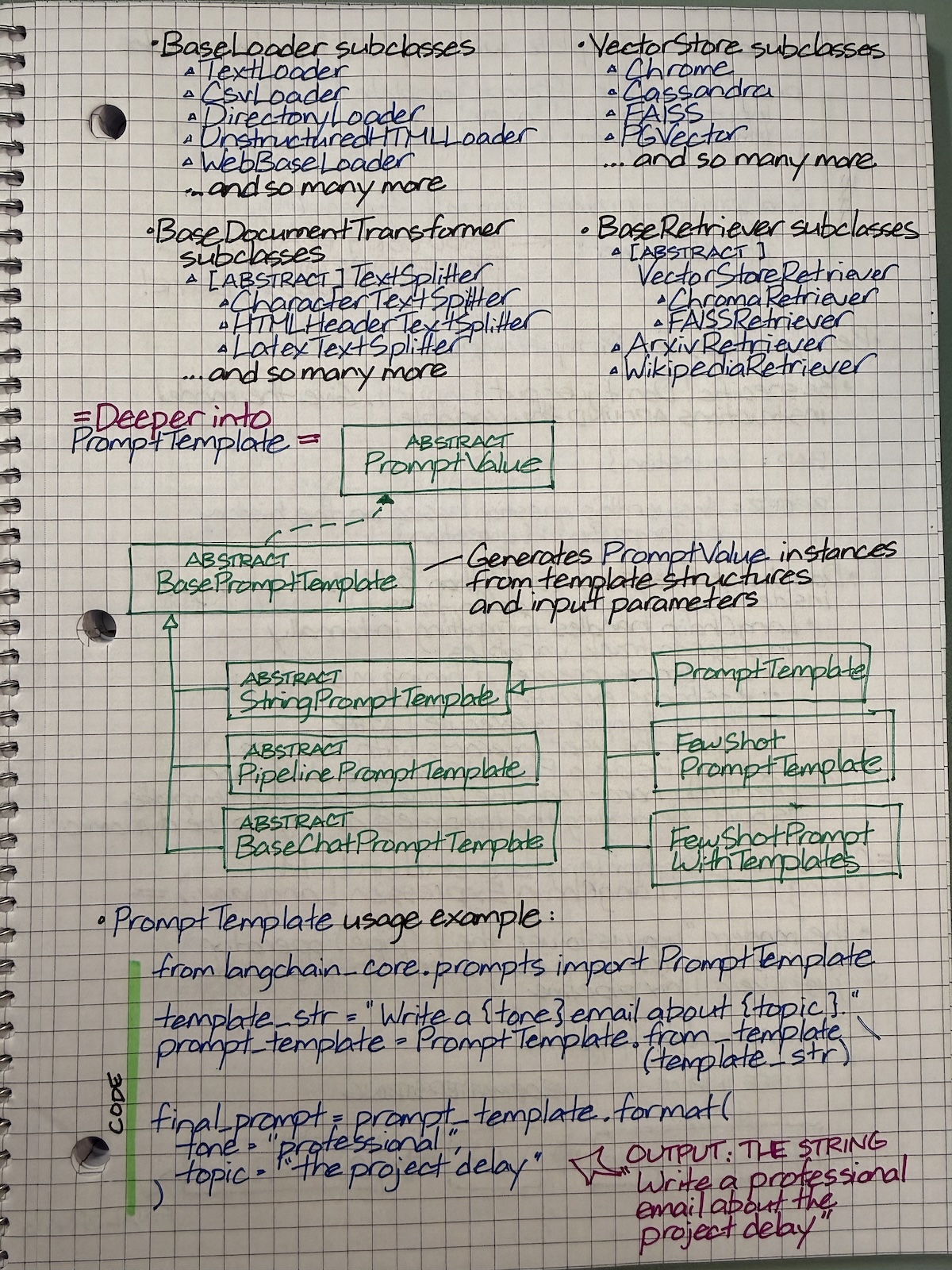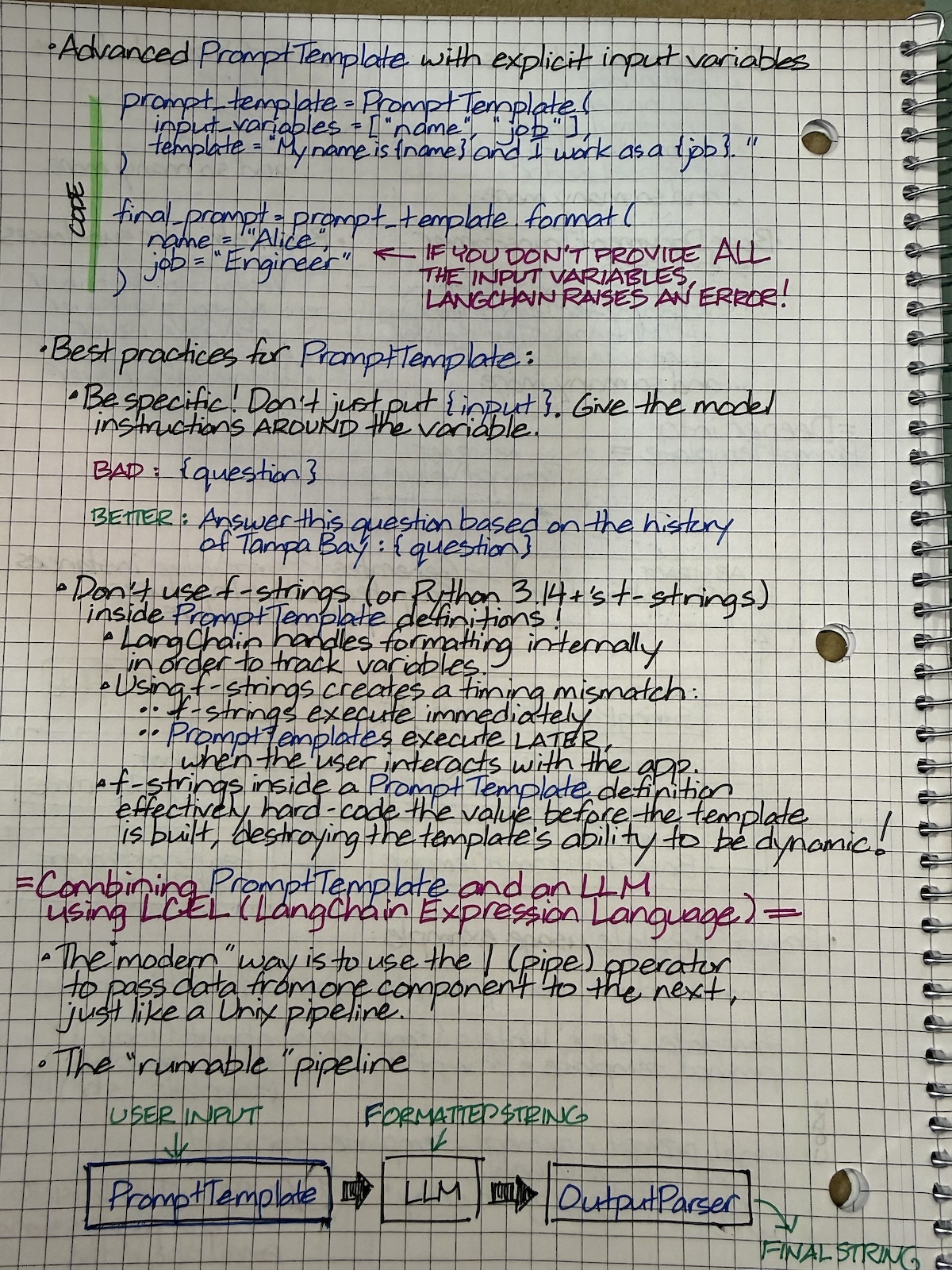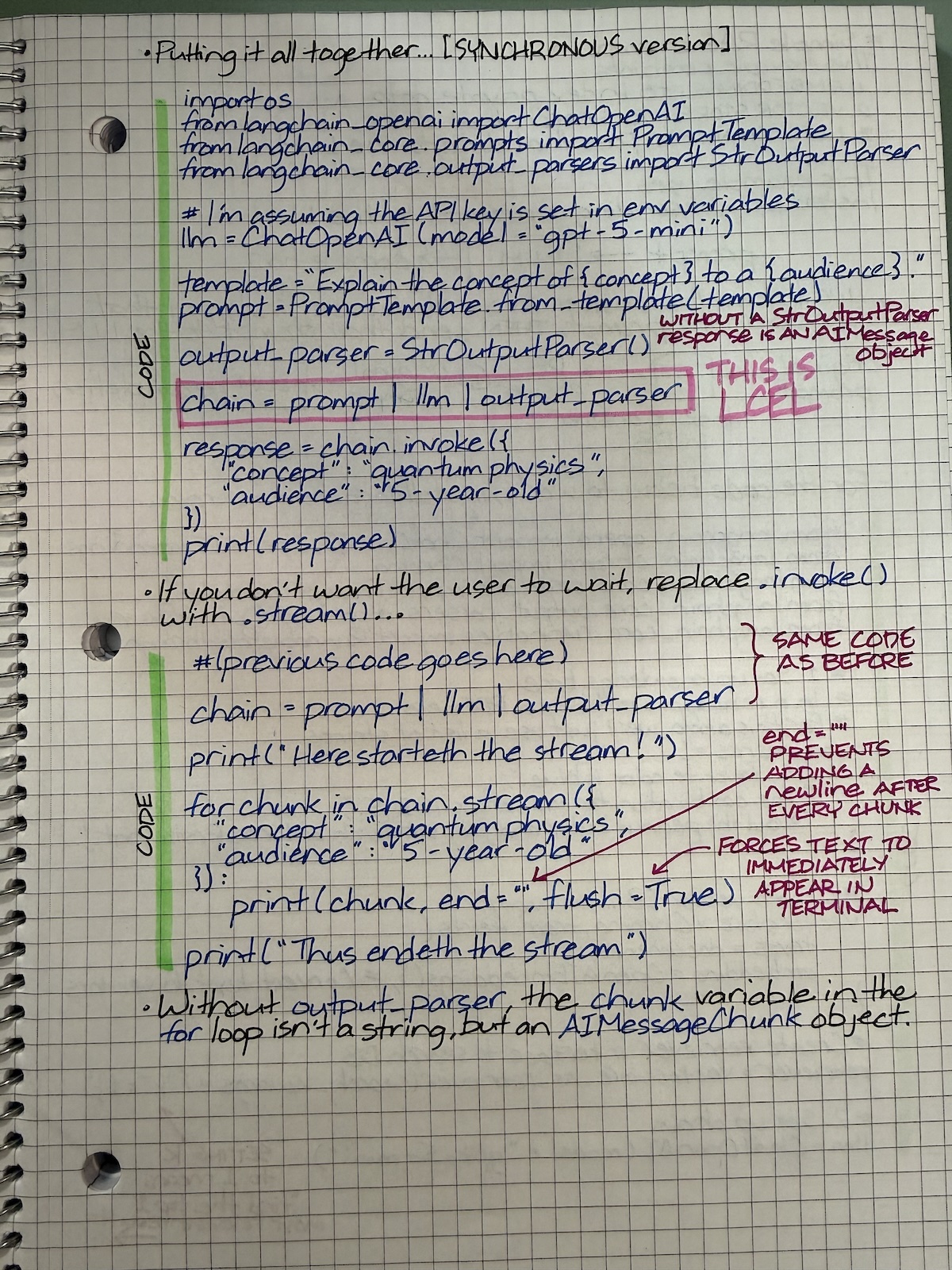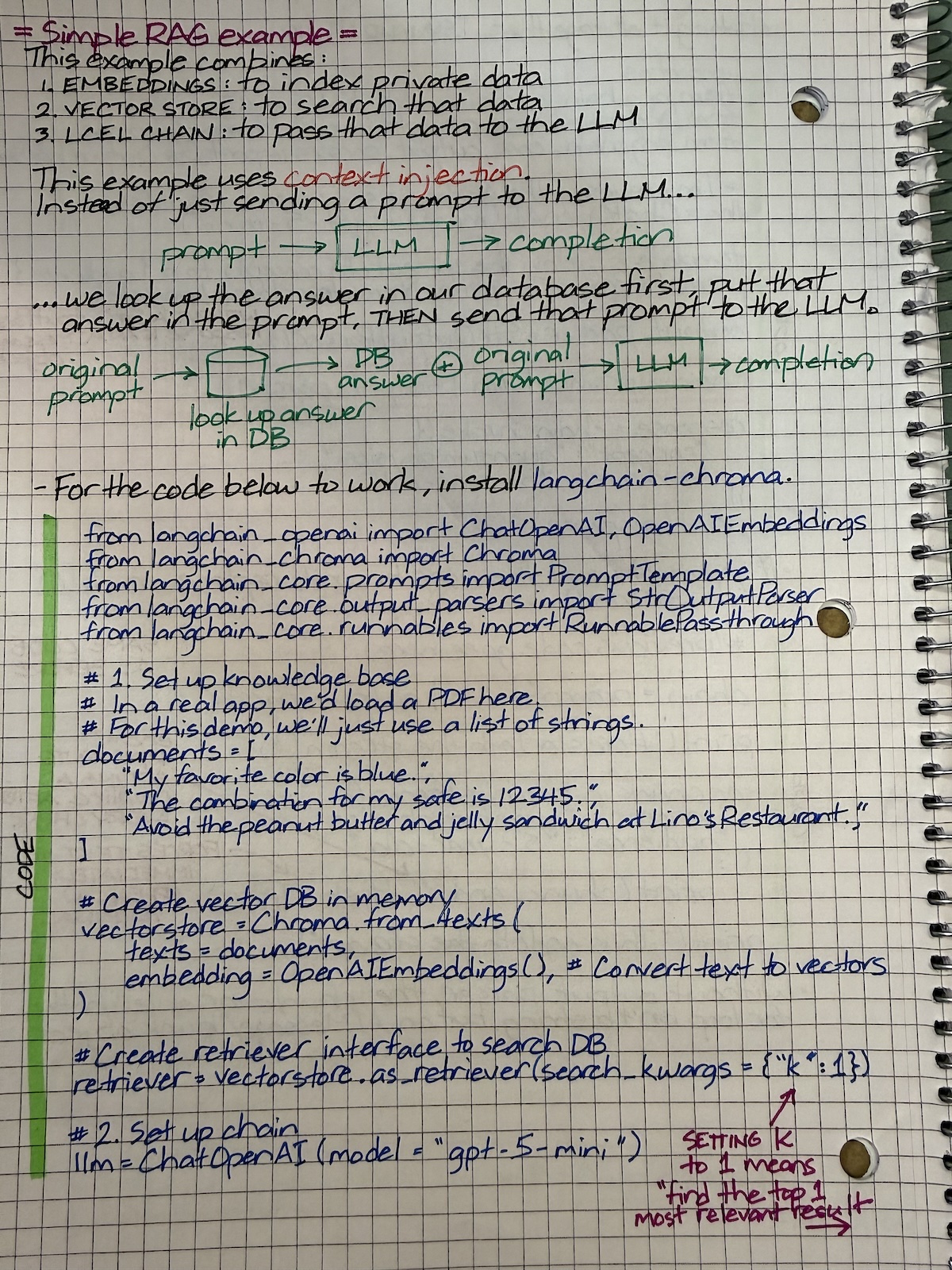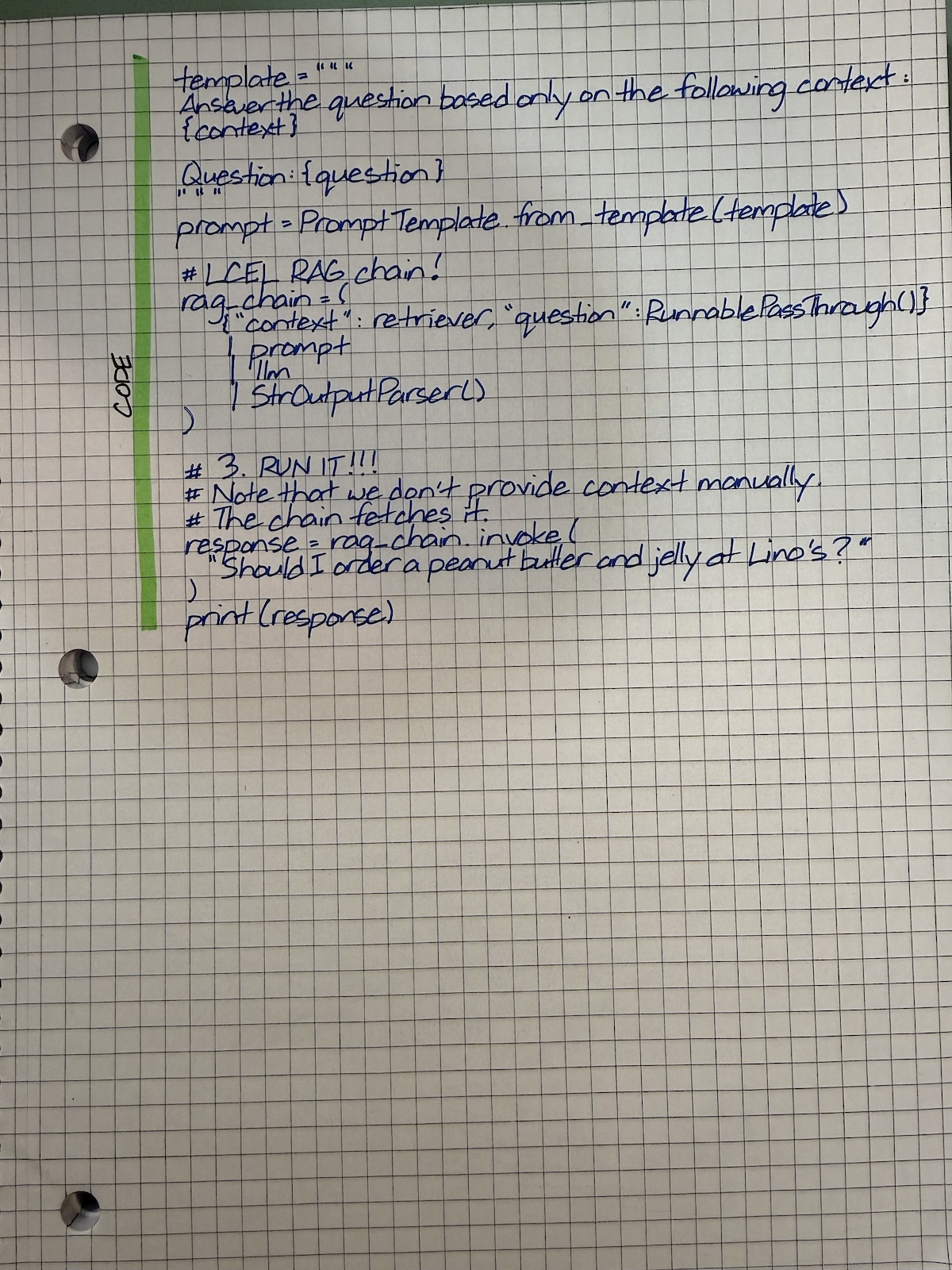
Because some people asked, and because I’m going to be busy for the next day (I’ll explain later), here are more shots from recently-added pages to my notebook. These are notes on RAG and LangChain, taken and condensed from a couple of books, a couple of online sources, and my own experimenting with code. Enjoy!
Category: Reading Material
Lately, a lot of friends have been telling me that they were listening to an interview with Cory Doctorow about his latest book, Enshittification, and heard him attribute this quip to me:
“When life gives you SARS, you make *sarsaparilla*.”
The YouTube short above tells the story behind the quote (which also appears in this old blog post of mine), which also includes a tip on using AI to find specific moments or quotes in videos, and a “This DevRel for hire” pitch to hire an awesome developer advocate.
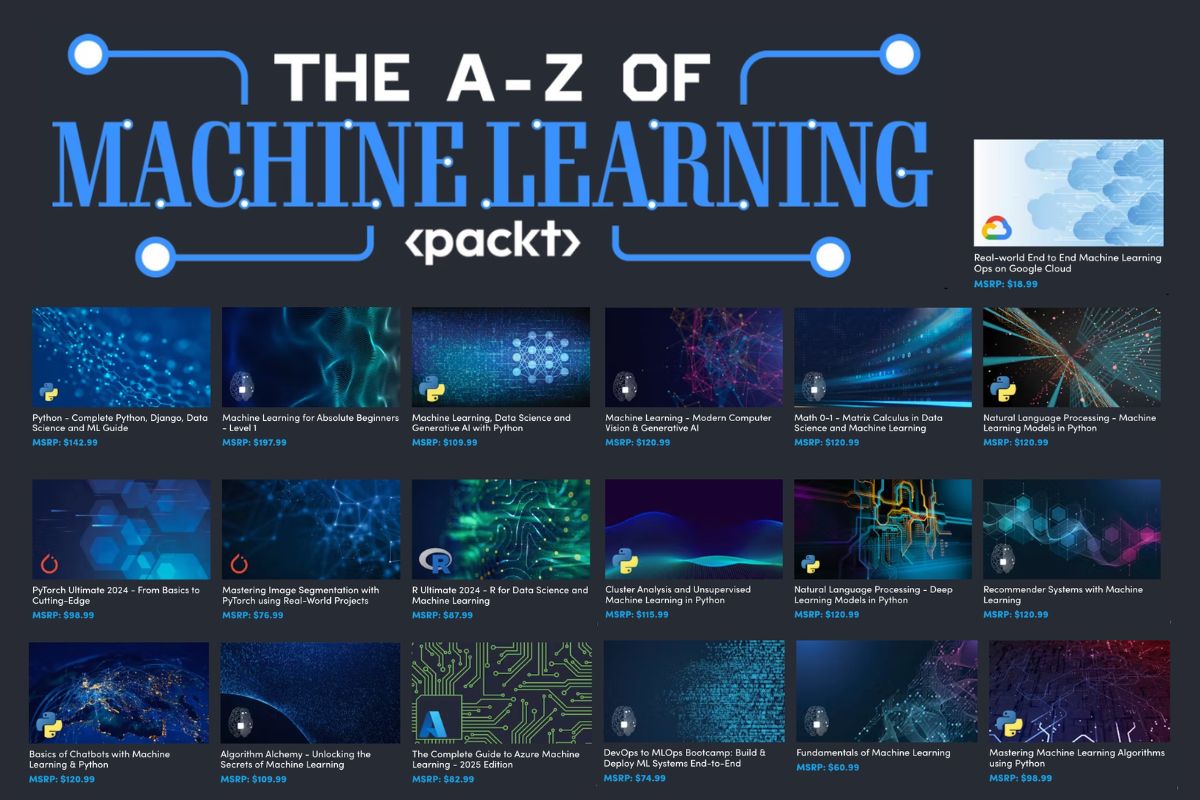
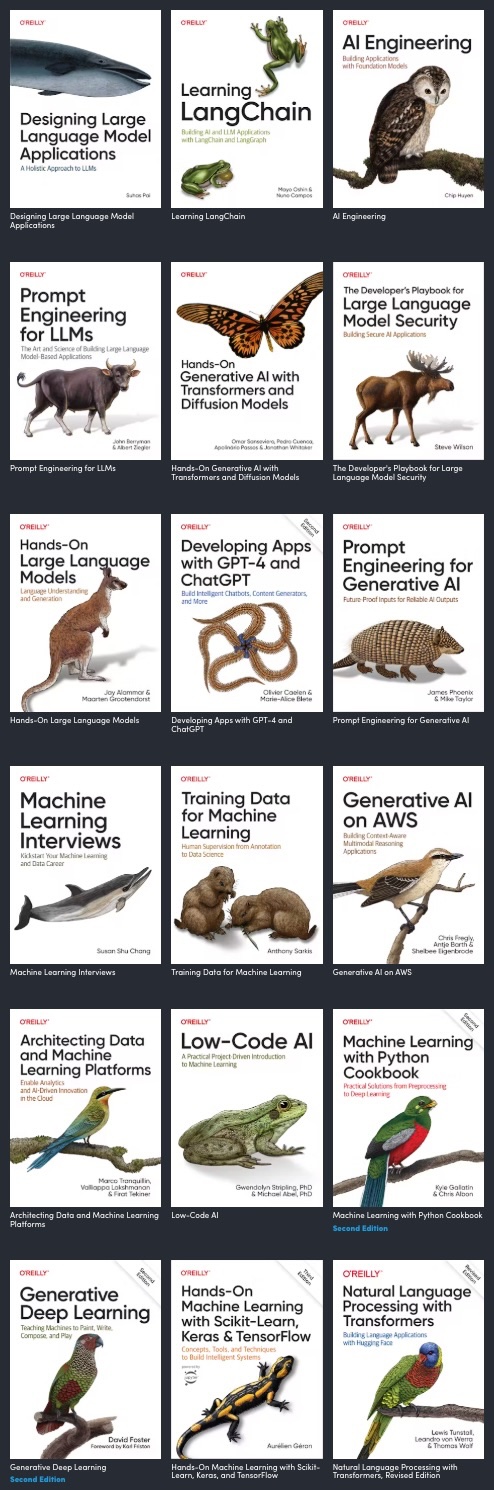
Here’s what I consider to be a pretty good deal for the aspiring AI developer: for $18, Humble Bundle’s The A-Z of Machine Learning provides 19 video courses from Packt Publishing on all sorts of machine learning topics:

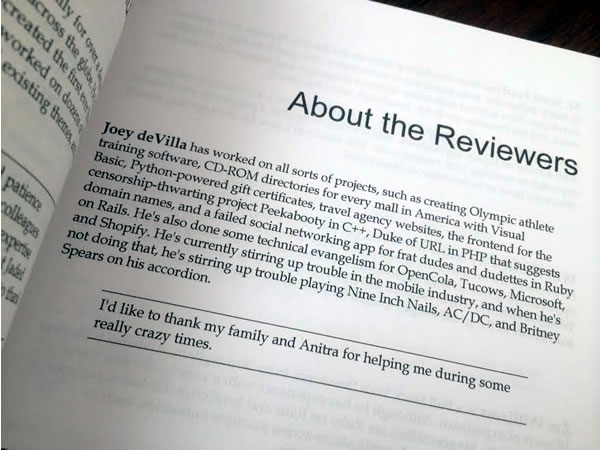
You may have had the expression pictured above when you saw that The A-Z of Machine Learning comes from Packt, of all places. Given their reputations for “shovelware” books, I’d be suspicious too, and I was even a technical reviewer for one of their books:

My new gig doing developer relations for HP’s ZGX Nano AI station will require me to create a lot of tutorials, so I purchased The A-Z of Machine Learning as well as the Humble Bundle below to get a better feel for the sorts of AI tutorials that are out there.
Having gone through a couple of the courses in The A-Z of Machine Learning and skimming the others, I can say that it’s not bad. I’d feel robbed if I paid full price for all 19 courses, but at 18 bucks — less than a buck each — it’s a pretty good deal, and an inexpensive way for the beginning AI/ML developer to get started.
(While I generally only buy Packt’s stuff when it’s on Humble Bundle, there are exceptions. The iOS books by Tampa’s own Craig Clayton are quite good, and I paid full price for them.)

At the time of writing, The A-Z of Machine Learning will be available for 14 more days.
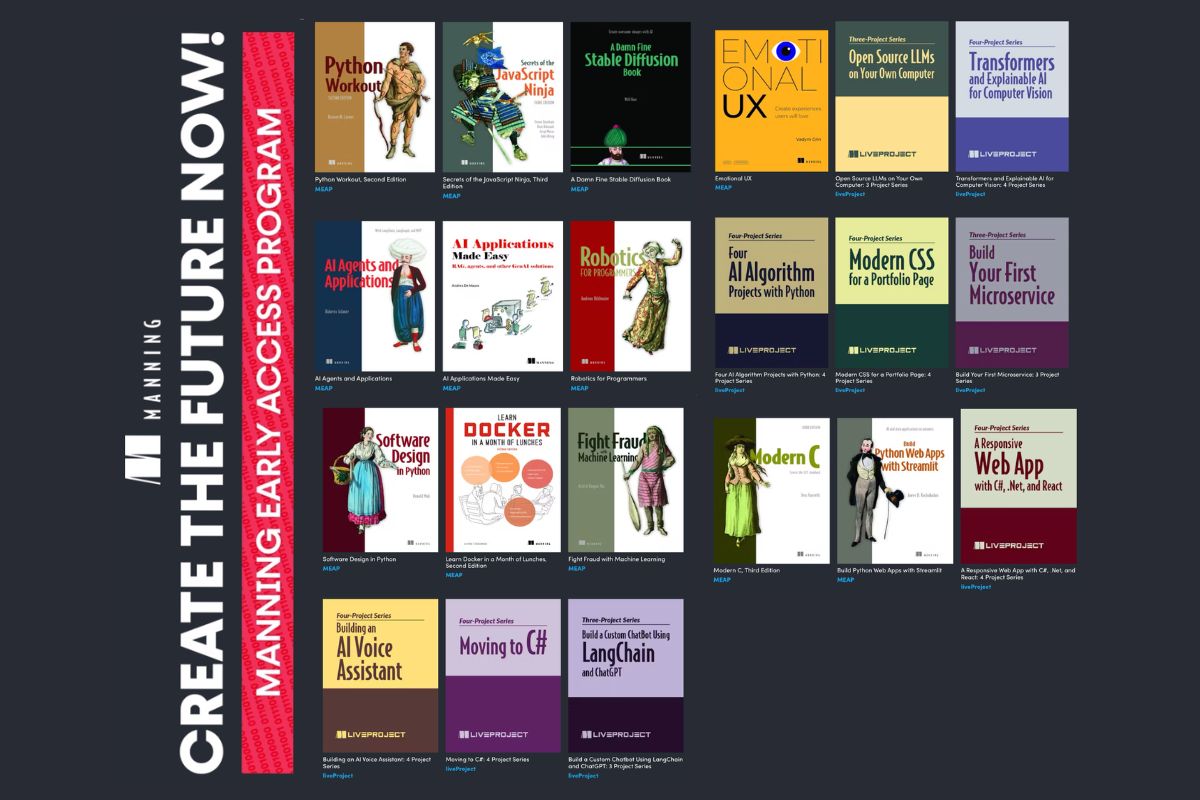
Also worth checking out is the Create the Future Now bundle, a set of 21 books and online courses from Manning’s Early Access Program (or MEAP for short) for $25:
-
Open Source LLMs on Your Own Computer: 3 Project Series (liveProject)
-
Four AI Algorithm Projects with Python: 4 Project Series (liveProject)
-
Modern CSS for a Portfolio Page: 4 Project Series (liveProject)
-
Build Your First Microservice: 3 Project Series (liveProject)
-
Building an AI Voice Assistant: 4 Project Series (liveProject)
-
Moving to C#: 4 Project Series (liveProject)
This one’s a little pricier that the Packt offering, but it’s from Manning, which has a stronger reputation than Packt’s, and goes beyond just Python and AI. If you’re looking for a mix of books and online lessons and want to be a little more well-rounded, this Humble Bundle is for you!
I also purchased this bundle. At the time of writing, the Create the Future Now bundle will be also be available for 14 more days.
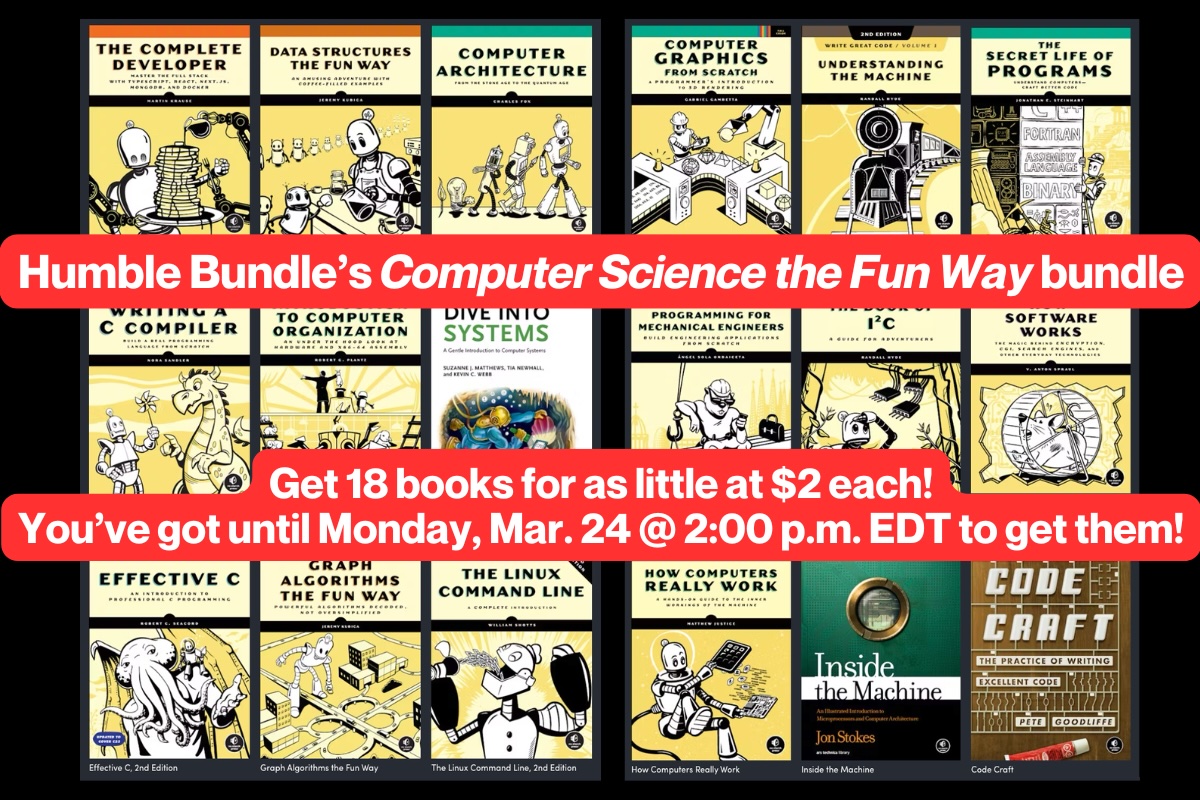
For the next four days — until 2:00 p.m. EDT on Monday, March 24, 2025 — Humble Bundle’s Computer Science the Fun Way bundle will be available, giving you 18 books for as little at $36, which puts the cost of each book at a mere two bucks!
All the books come from No Starch Press, a publisher of some great books, and the folks behind my current favorite books for my Python courses.
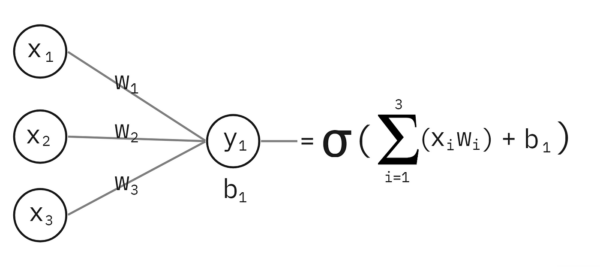
If you’ve tried to go past the APIs like the ones OpenAI offers and learn how they work “under the hood” by trying to build your own neural network, you might find yourself hitting a wall when the material opens with equations like this:

How can you learn how neural networks — or more accurately, artificial neural networks — do what they do without a degree in math, computer science, or engineering?
There are a couple of ways:
- Follow this blog. Over the next few months, I’ll cover this topic, complete with getting you up to speed on the required math. Of course, if you’re feeling impatient…
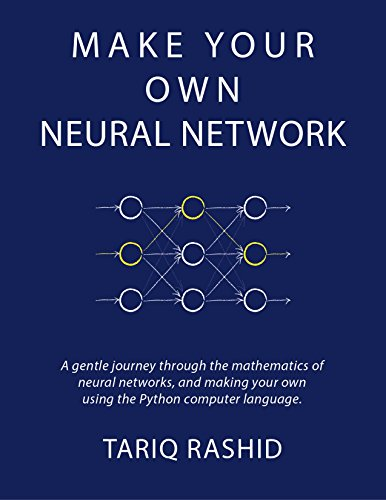
- Read Tariq Rashid’s book, Make Your Own Neural Network. Written for people who aren’t math, computer science, or engineering experts, it first shows you the principles behind neural networks and then leaps from the theoretical to the practical by taking those principles and turning them into working Python code.
Along the way, both I (in this blog) and Tariq (in his book) will trick you into learning a little science, a little math, and a little Python programming. In the end, you’ll understand the diagram above!
One more thing: if you prefer your learning via video…
- The Global Nerdy YouTube channel will be kicking it into high gear soon. If you’d like, you can follow it now!
- Watch 3Blue1Brown’s video on how neural networks work:
My third experiment for 2024 involves trying out the ideas from Noah Kagan’s new book, Million Dollar Weekend.
ℹ️ In case you’re wondering: my first experiment of 2024 was to turn my layoff experience into a series of articles; the second was to take a chance working with a pre-seed startup.
Why conduct such an experiment? For now, let’s just say that current circumstances make it necessary, and hey, if anyone can pull off this kind of thing, it would be me.
The general idea of Million Dollar Weekend is that you can start a lucrative business by doing the following:
- Identify a problem that you can solve
- Solve that problem in a way that is hard to resist and profitable
- Test your solution at low (or no) cost by preselling it before you build it.
The prerequisite for the Million Dollar Weekend process is a certain amount of unmitigated gall. Time and again in the book, Kagan states that two things hold people back from starting businesses:
- Fear of starting
- Fear of asking
Kagan’s methodology is to start by trying out an idea, seeing if someone will pay for that idea, and then either refining that idea or coming up with a new one and repeating the cycle.
The methodology anticipates rejection, and in fact, it says that in selling your idea, you should aim for plenty of rejections. The idea is that if you’re getting rejected often, you’re asking often, and that’s what eventually leads to success.
I’ll write more as I continue with this experiment, but for now, if you’re curious, here are some resources I can point you to:
- Million Dollar Weekend on Noah Kagan’s site (you can get the first chapter of the book free, along with the book’s resources here)
- Million Dollar Weekend on Amazon
- Million Dollar Weekend on Audible
You might also find these interviews with Kagan interesting:
ℹ️ Also in case you were wondering: This is NOT a paid promo for the book — neither Noah Kagan nor his businesses have any idea who I am or how to deposit money into my bank account. I wish they did!