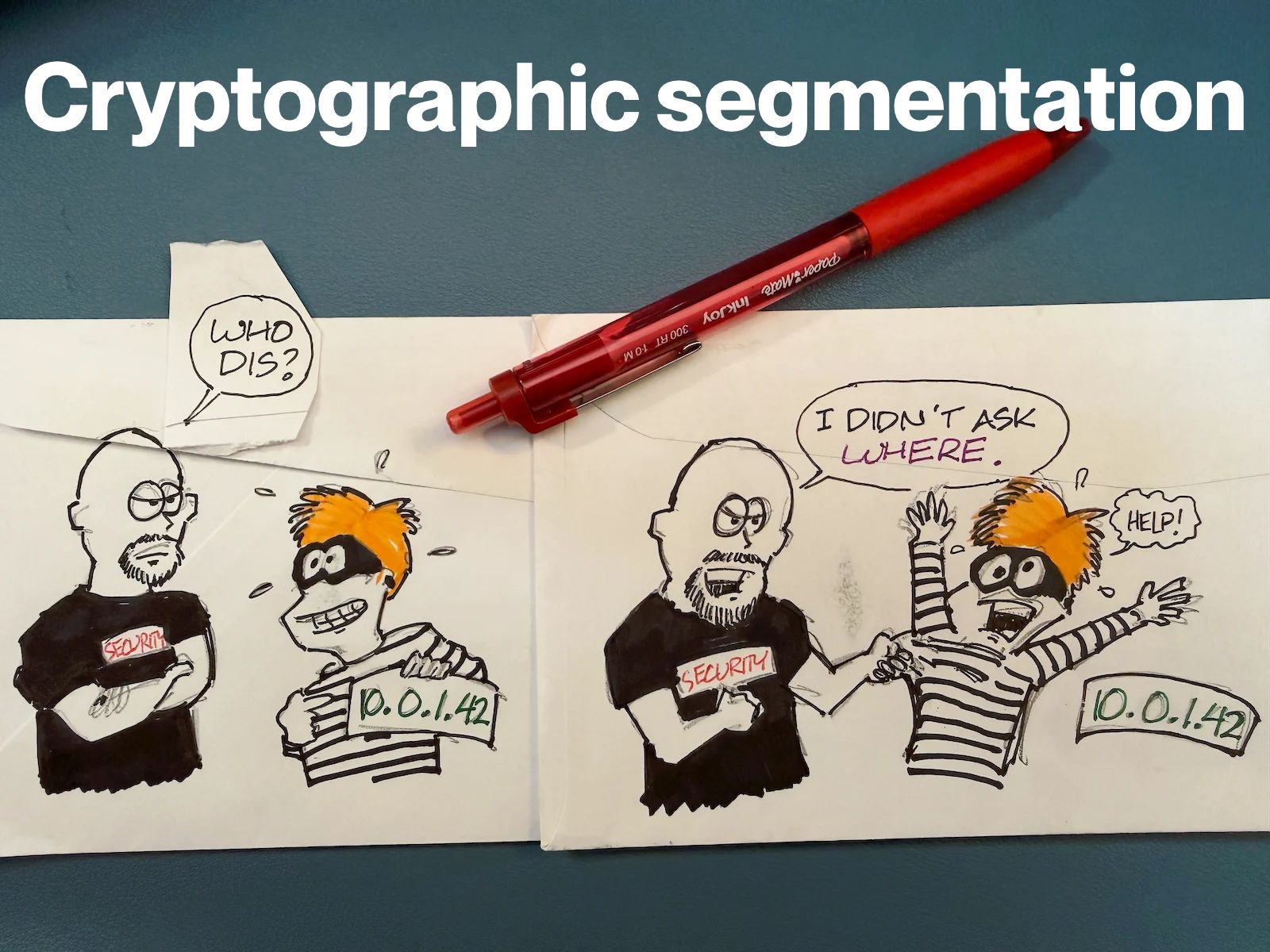
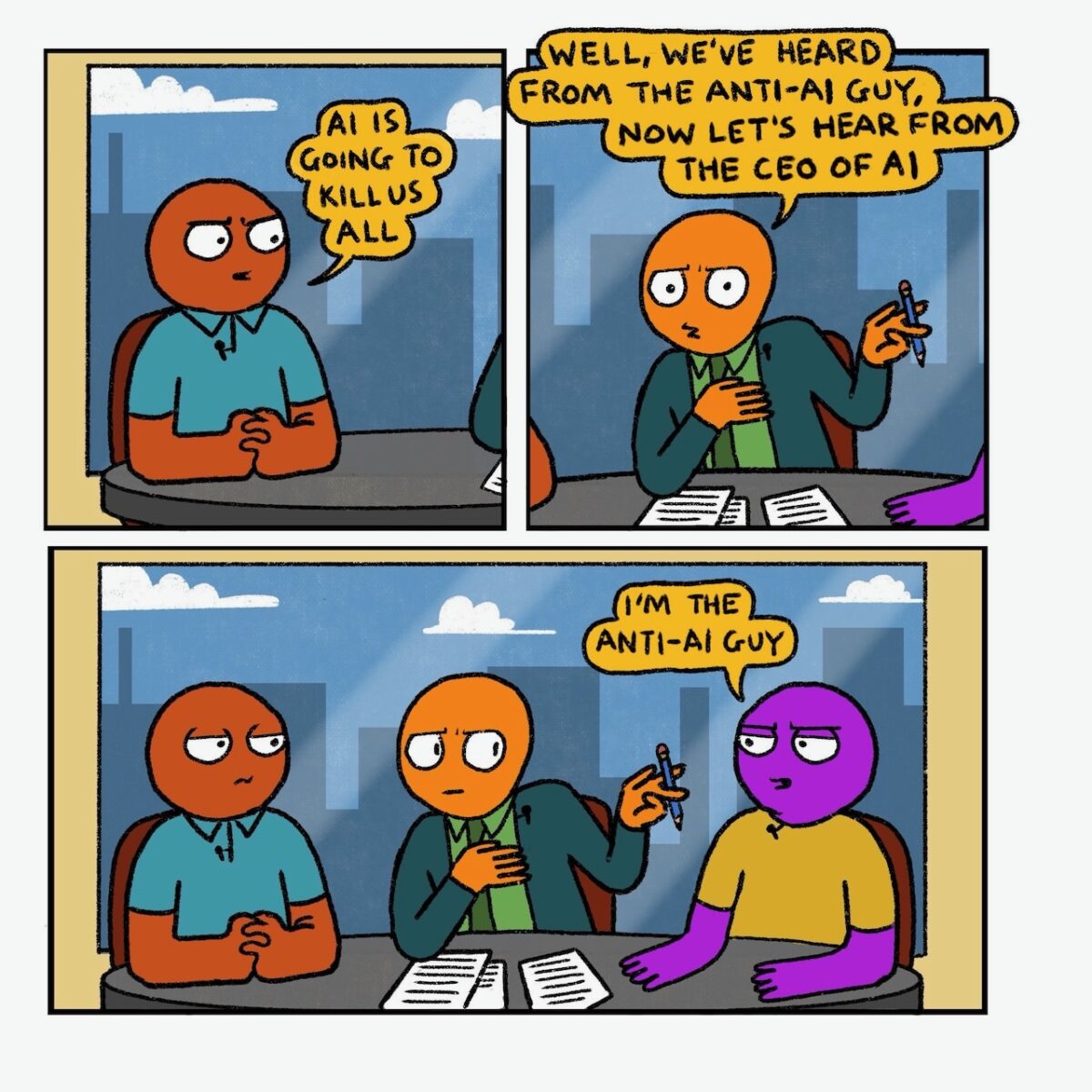
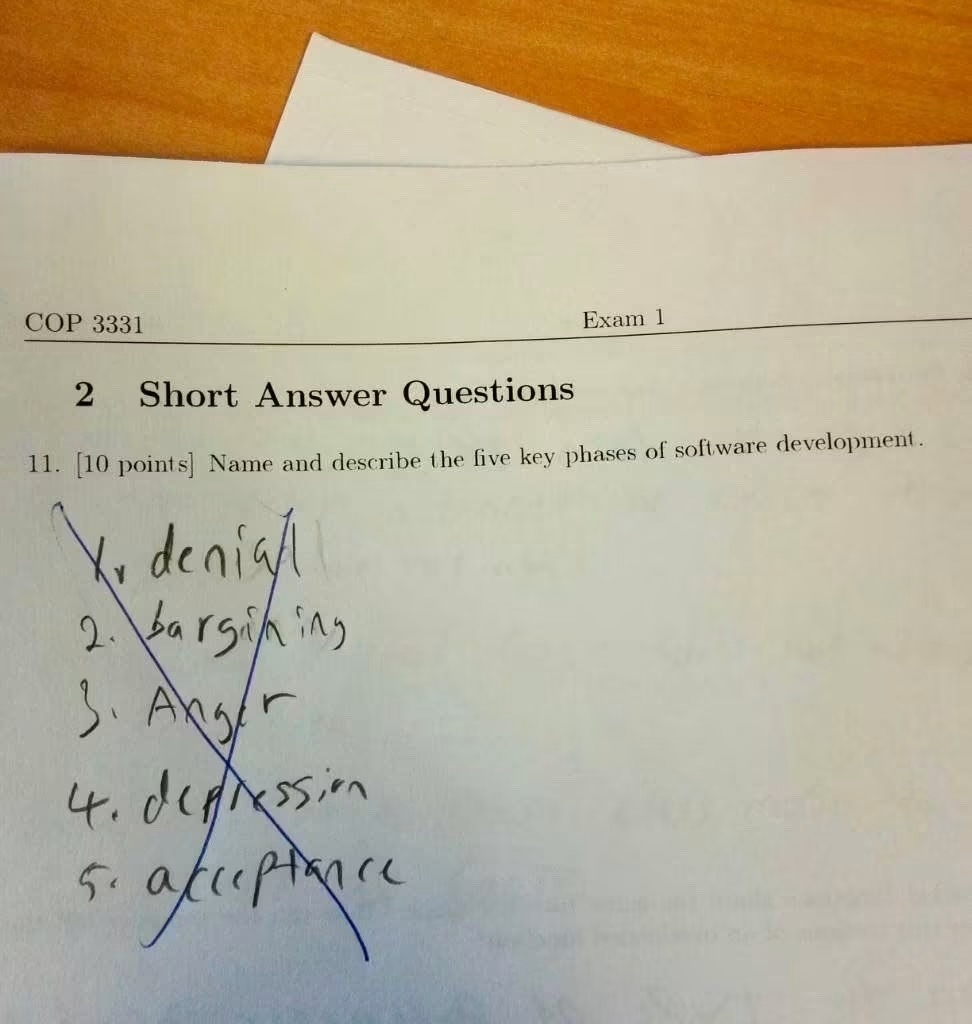
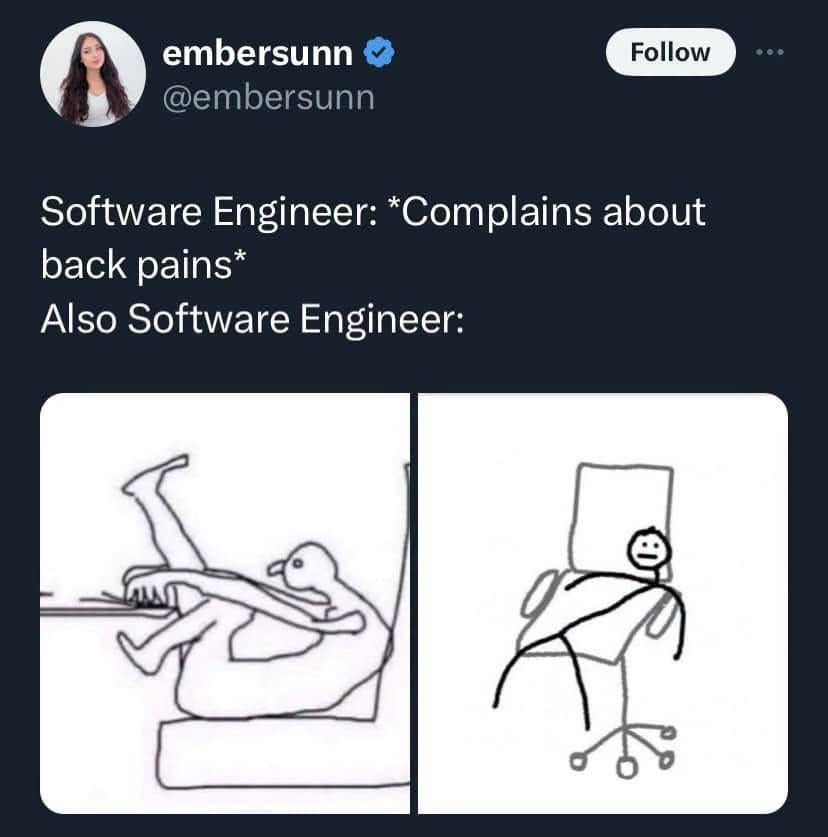
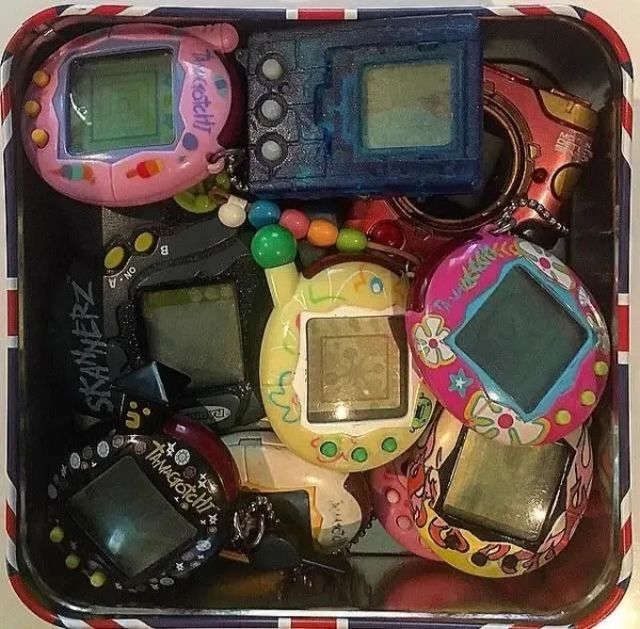
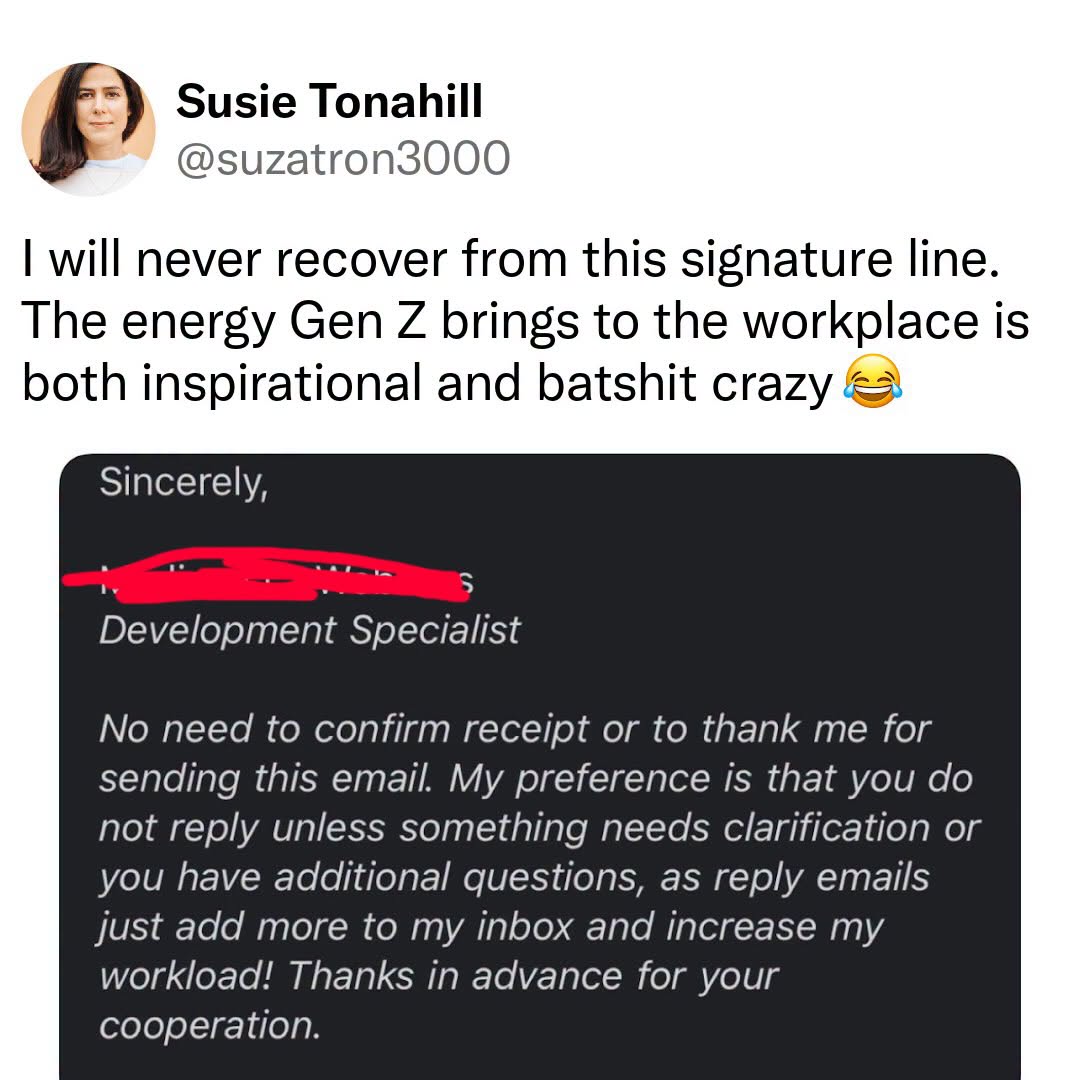
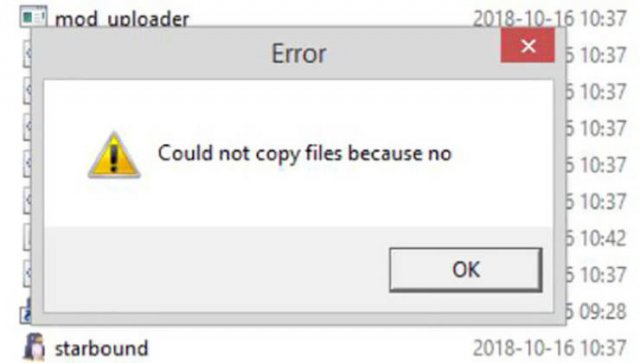
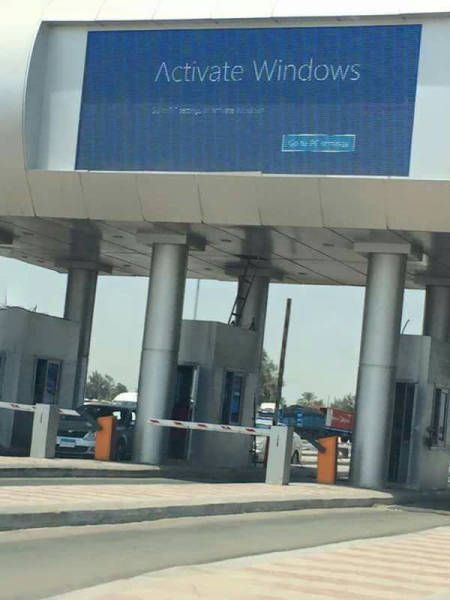
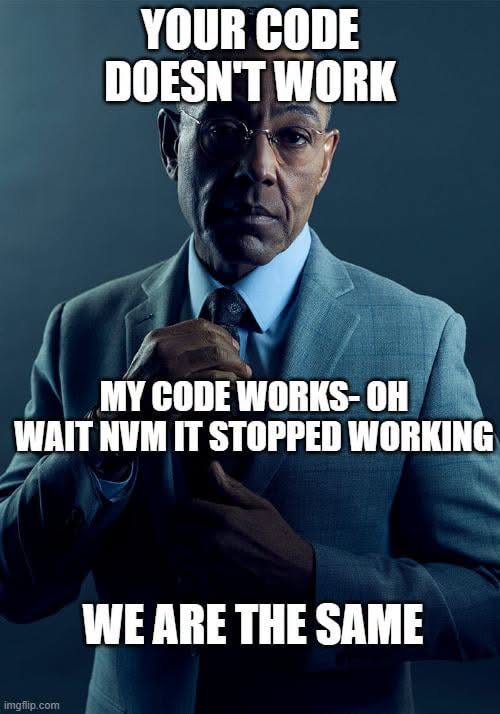
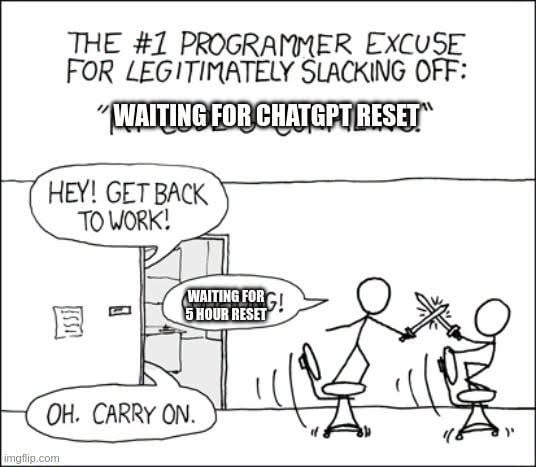
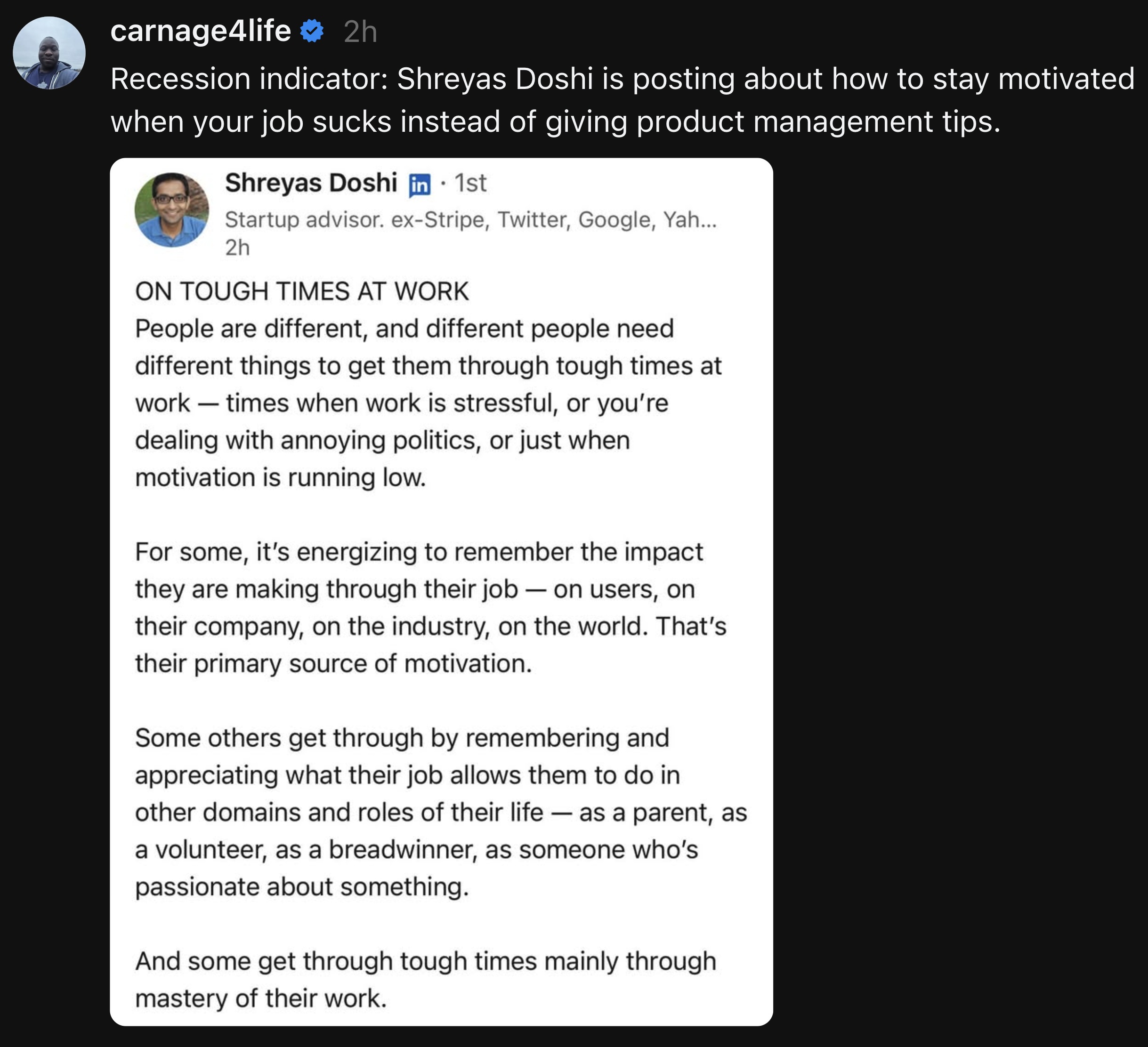
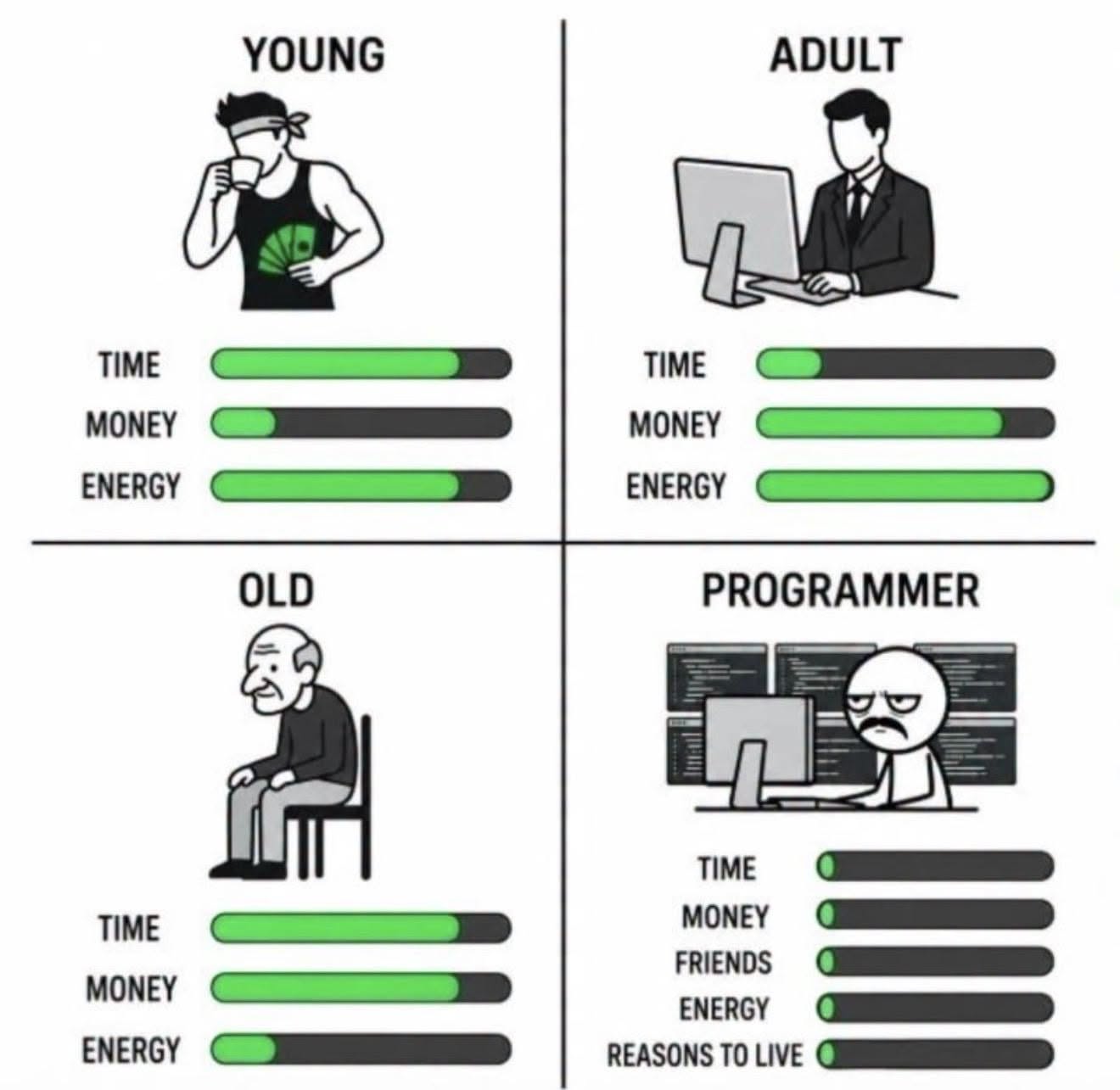
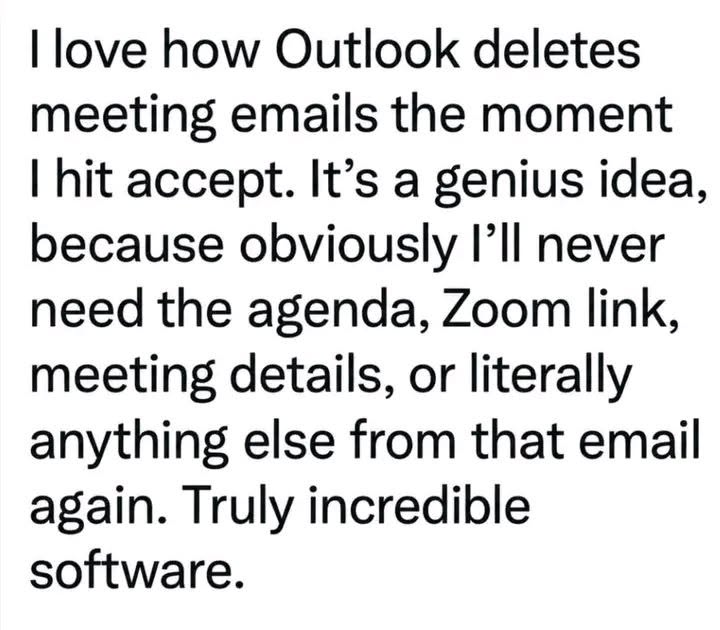
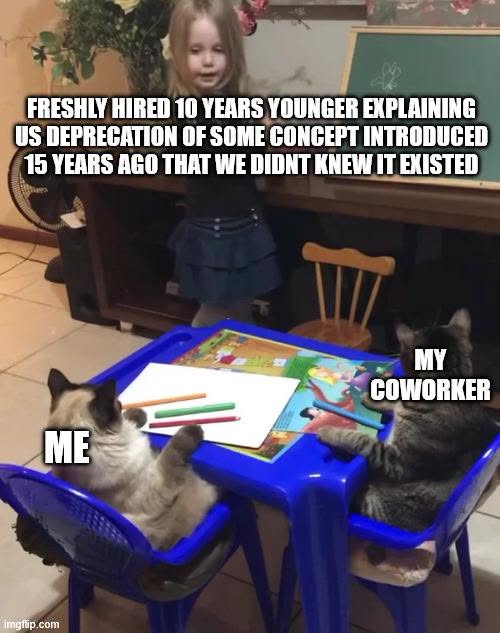
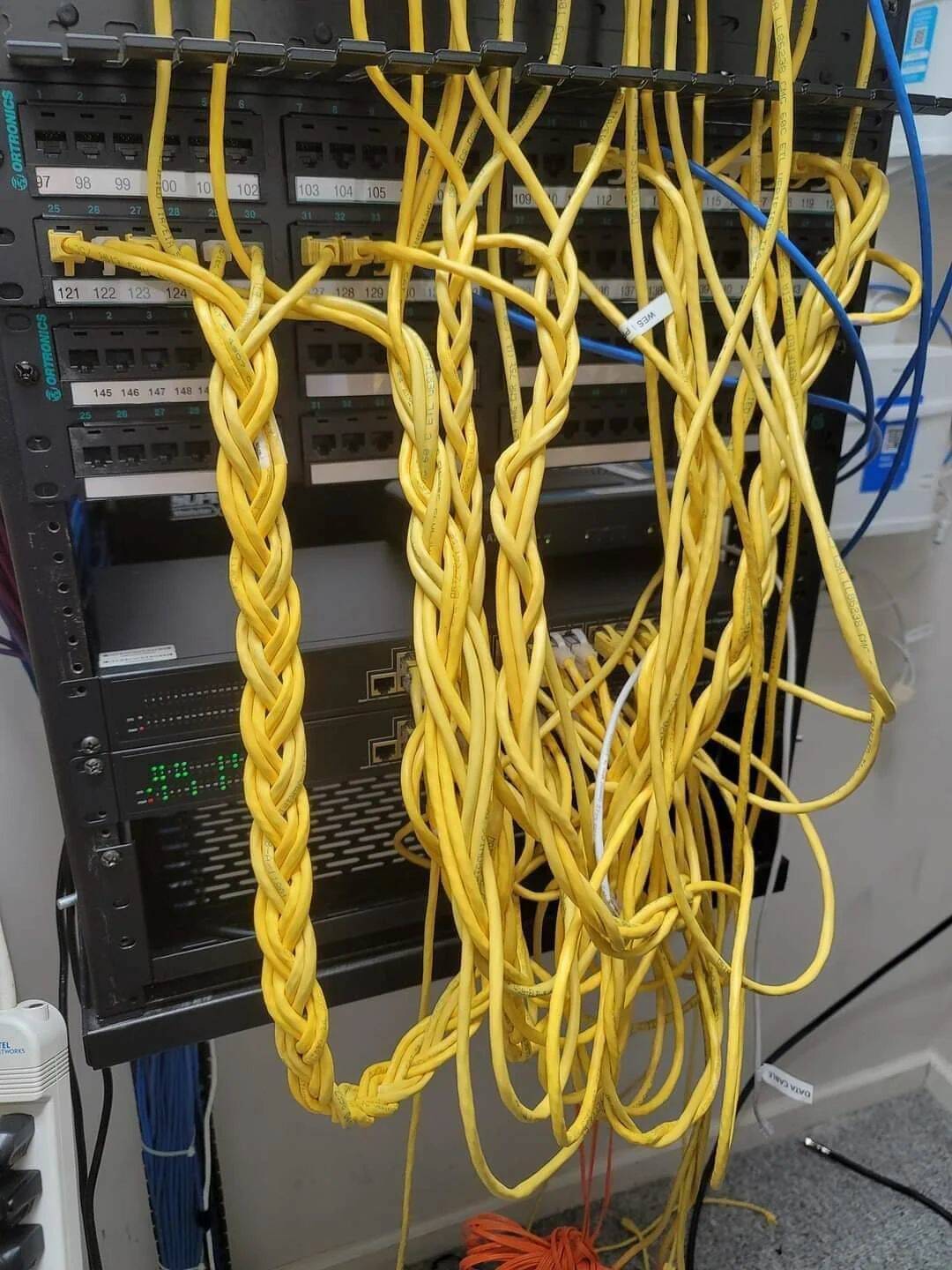
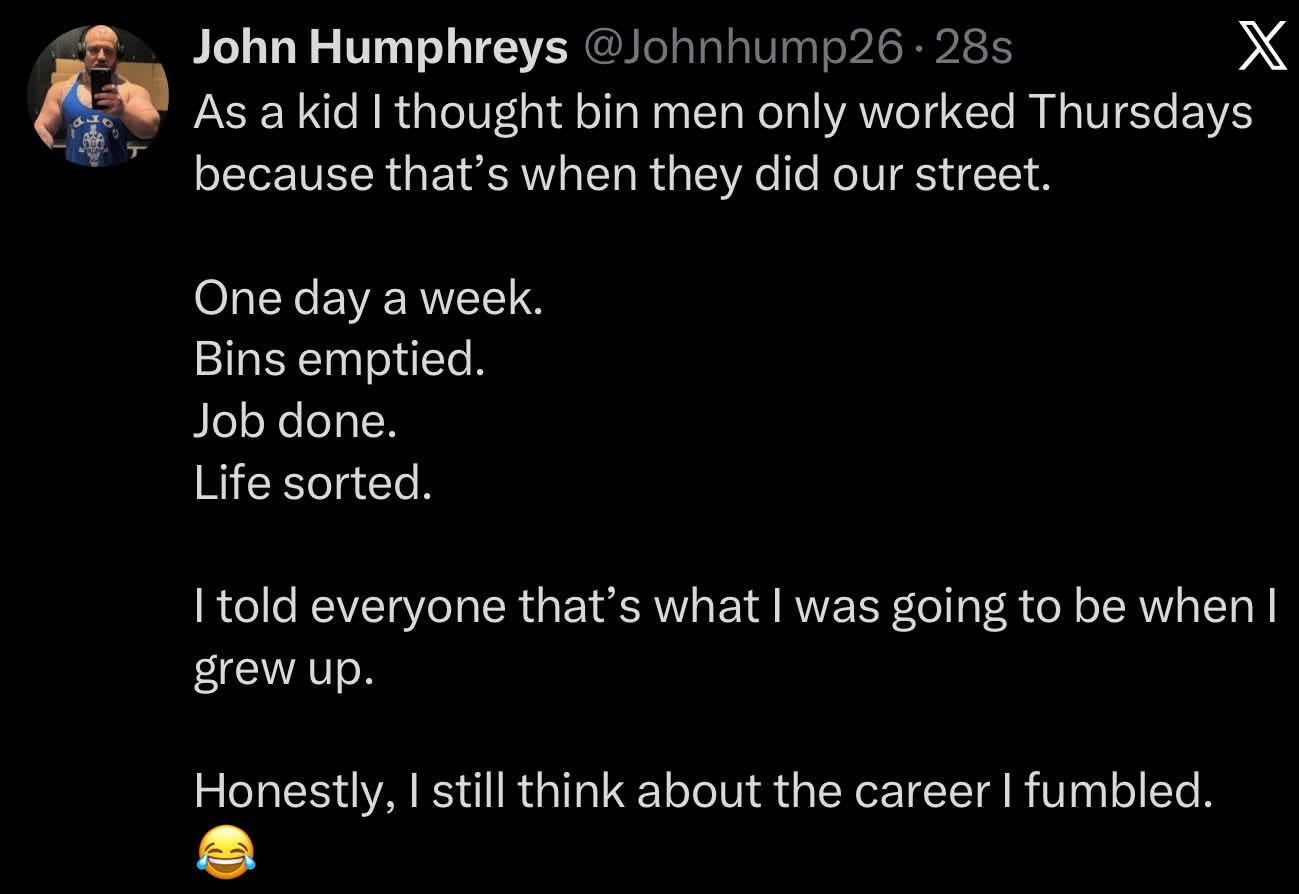
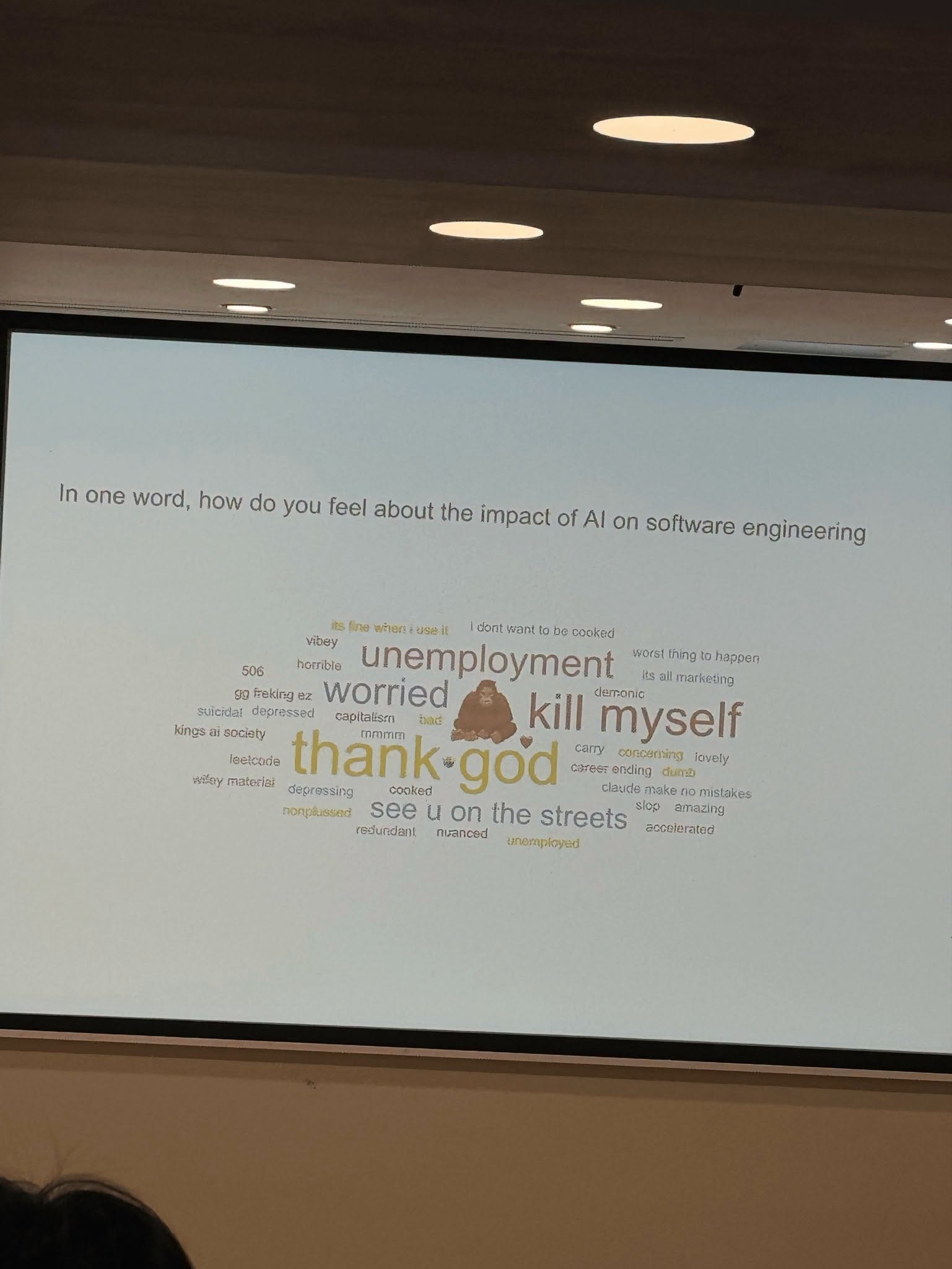
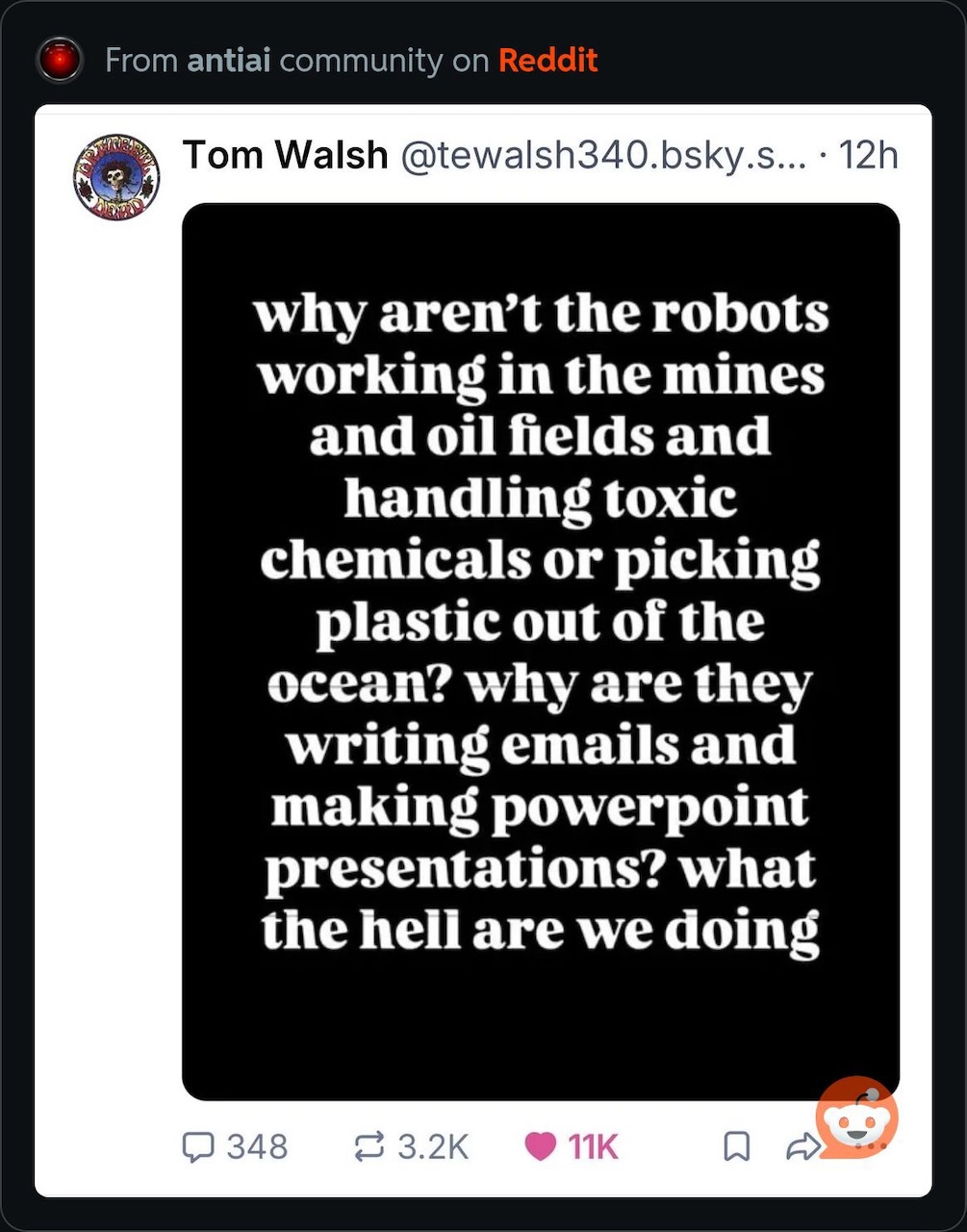
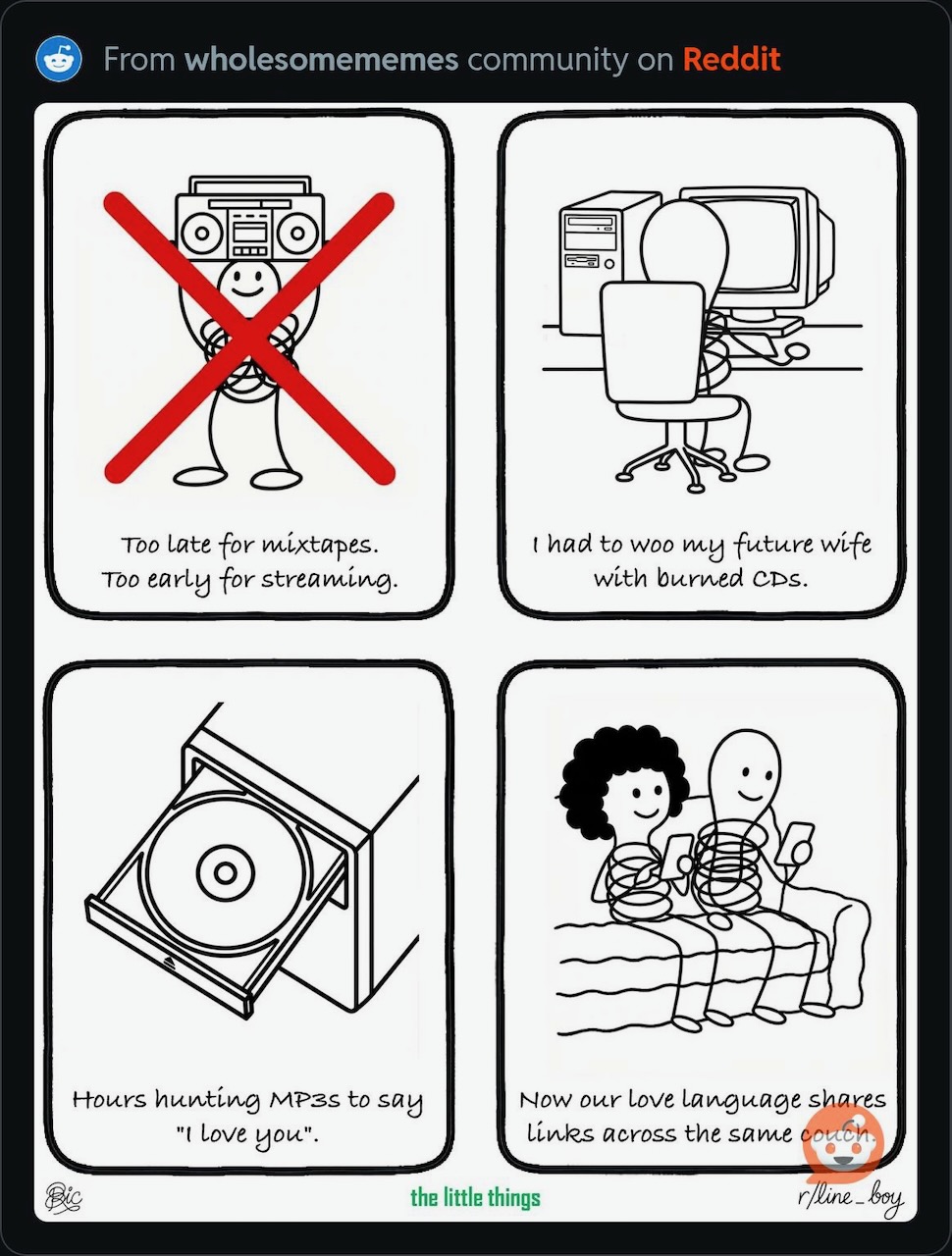
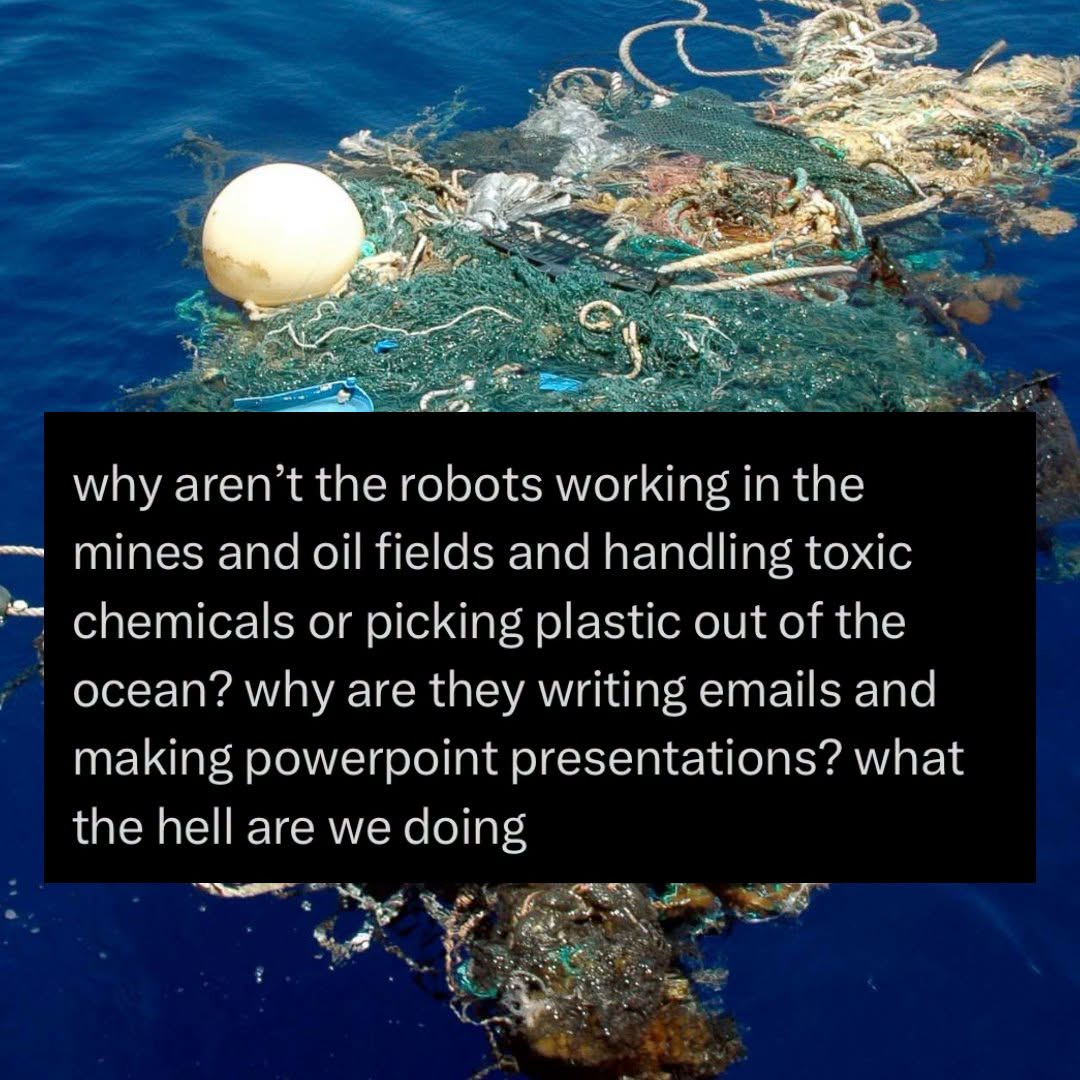
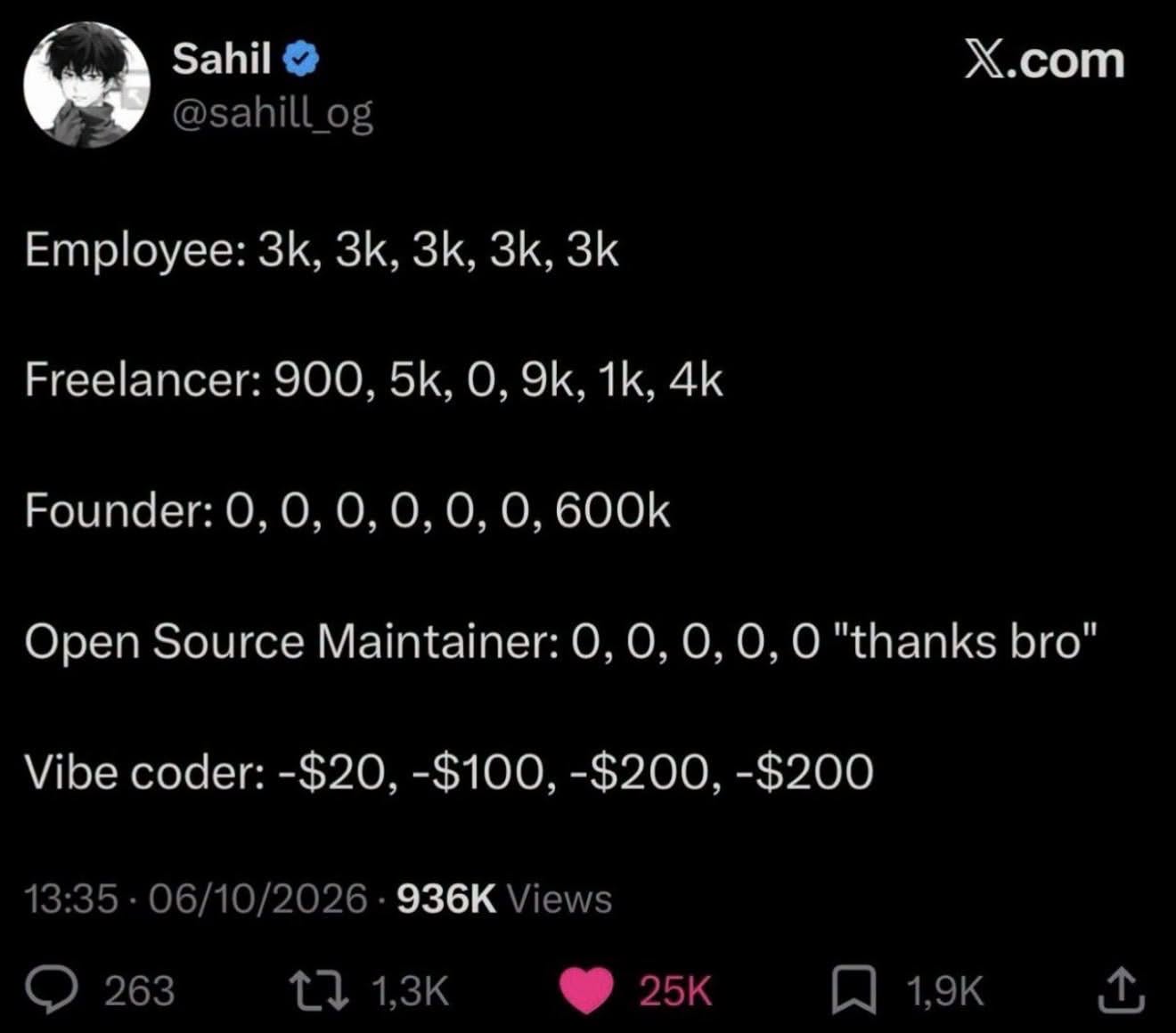
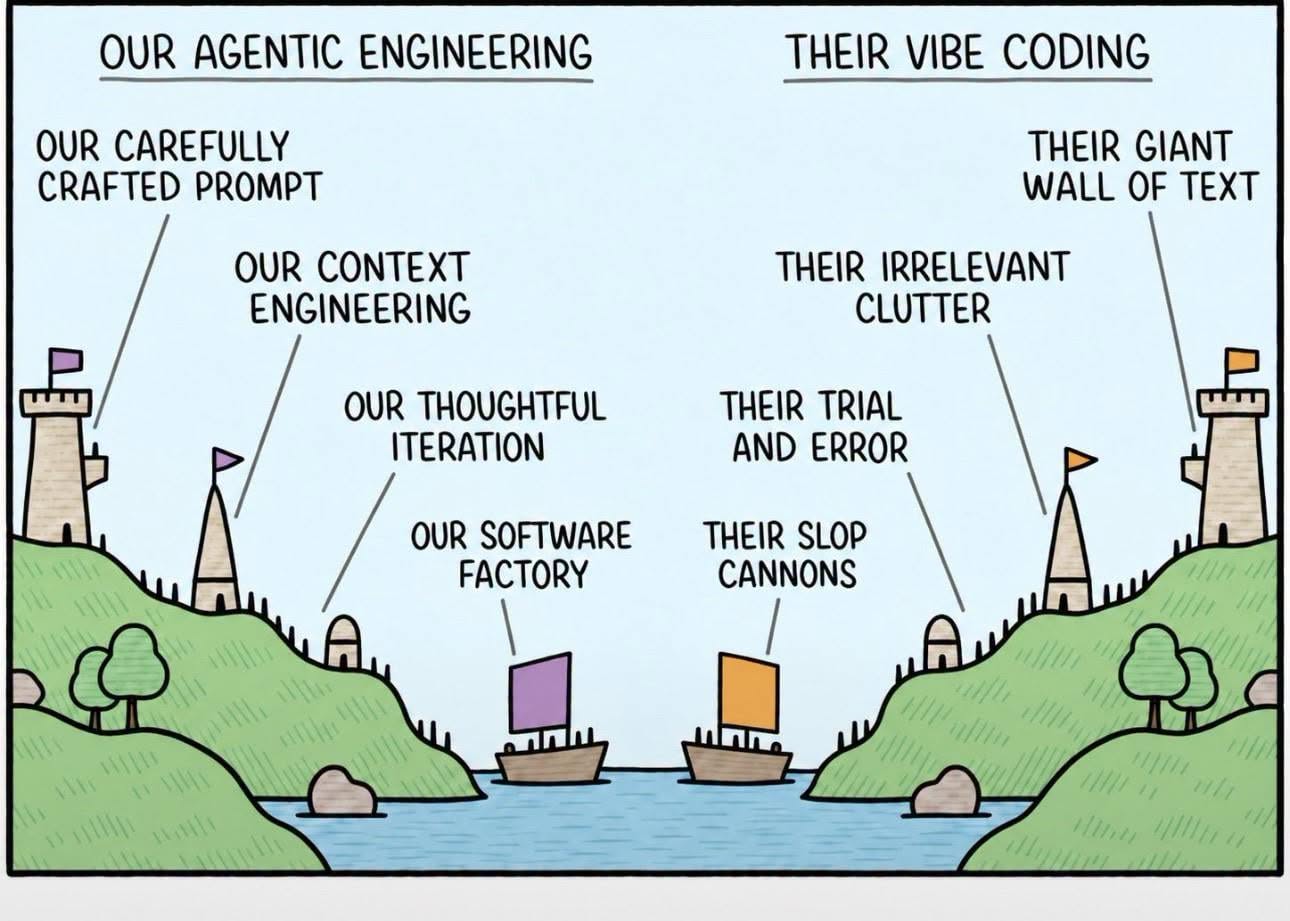
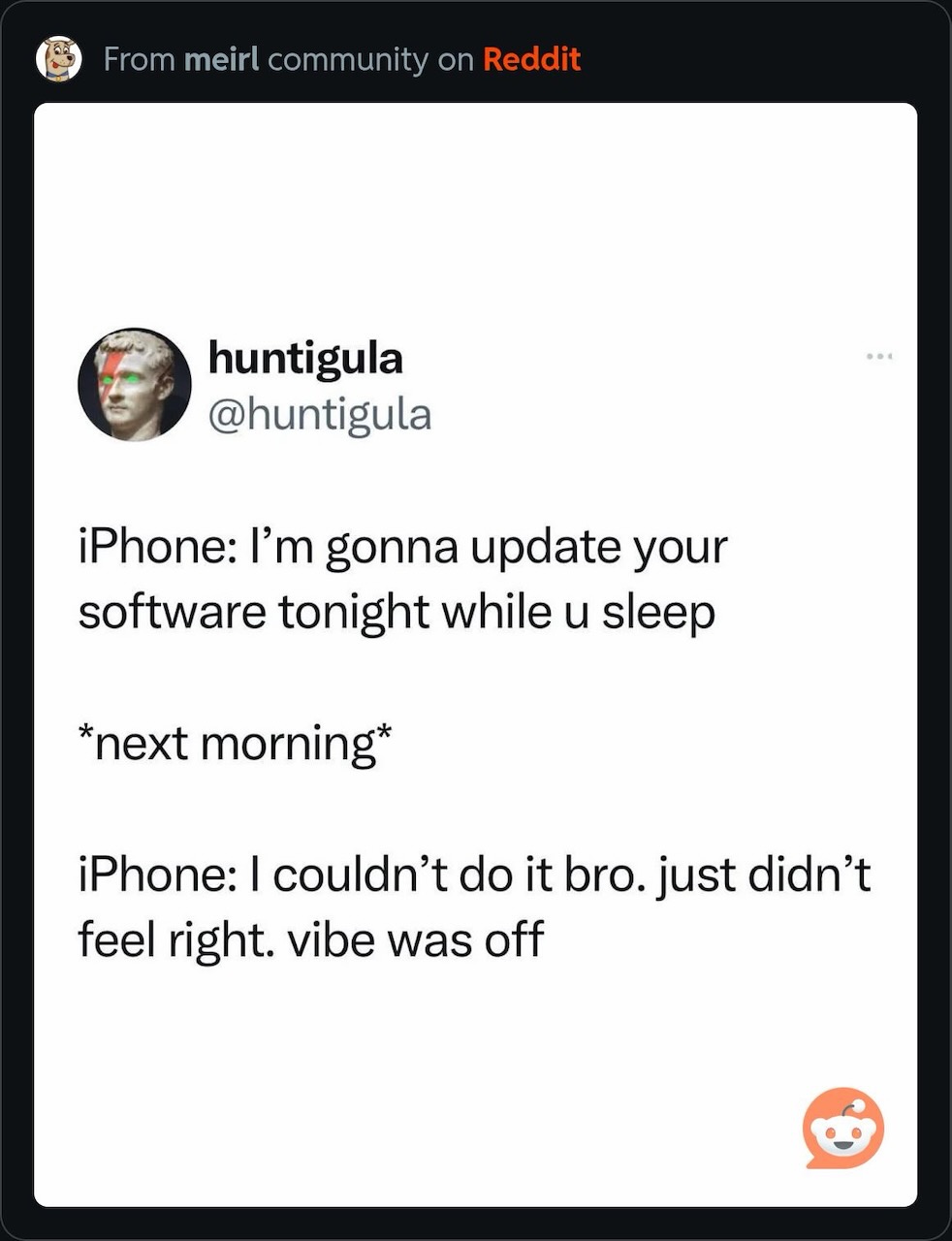
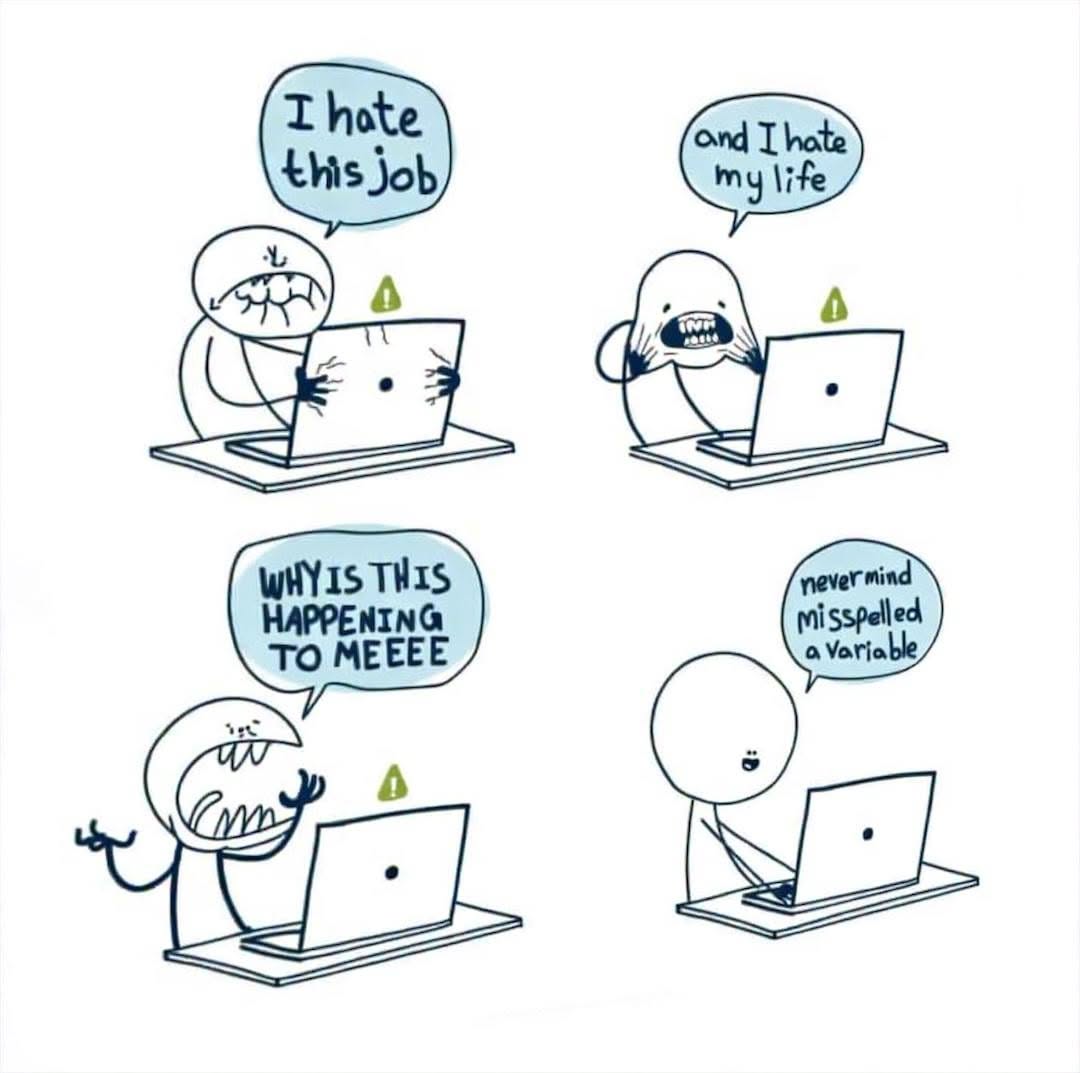
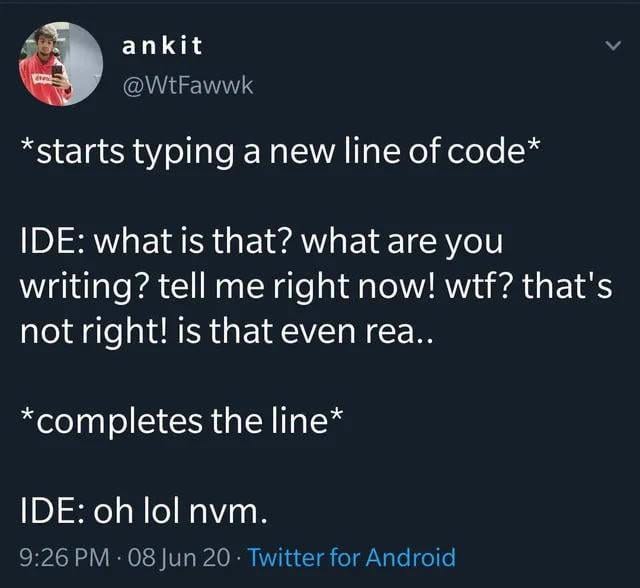
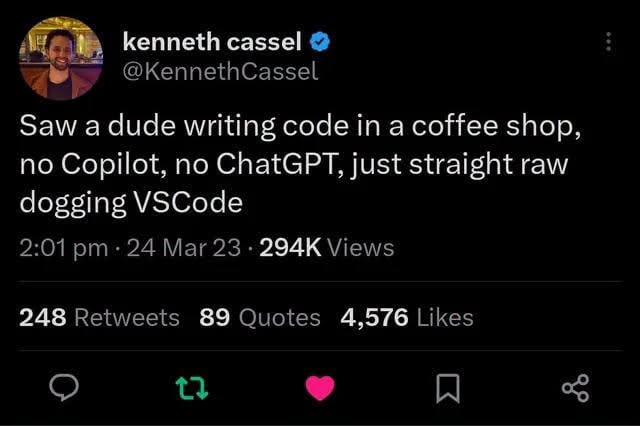
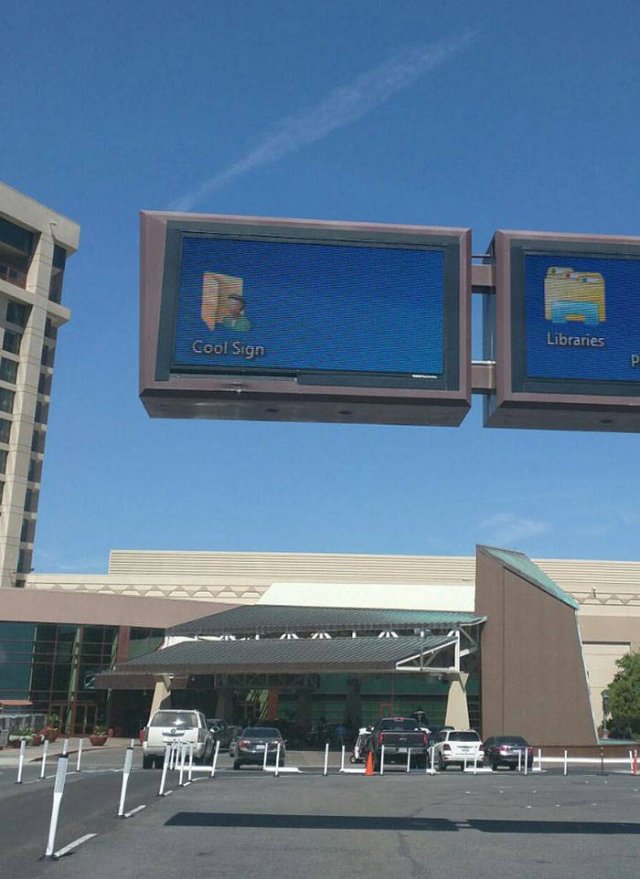
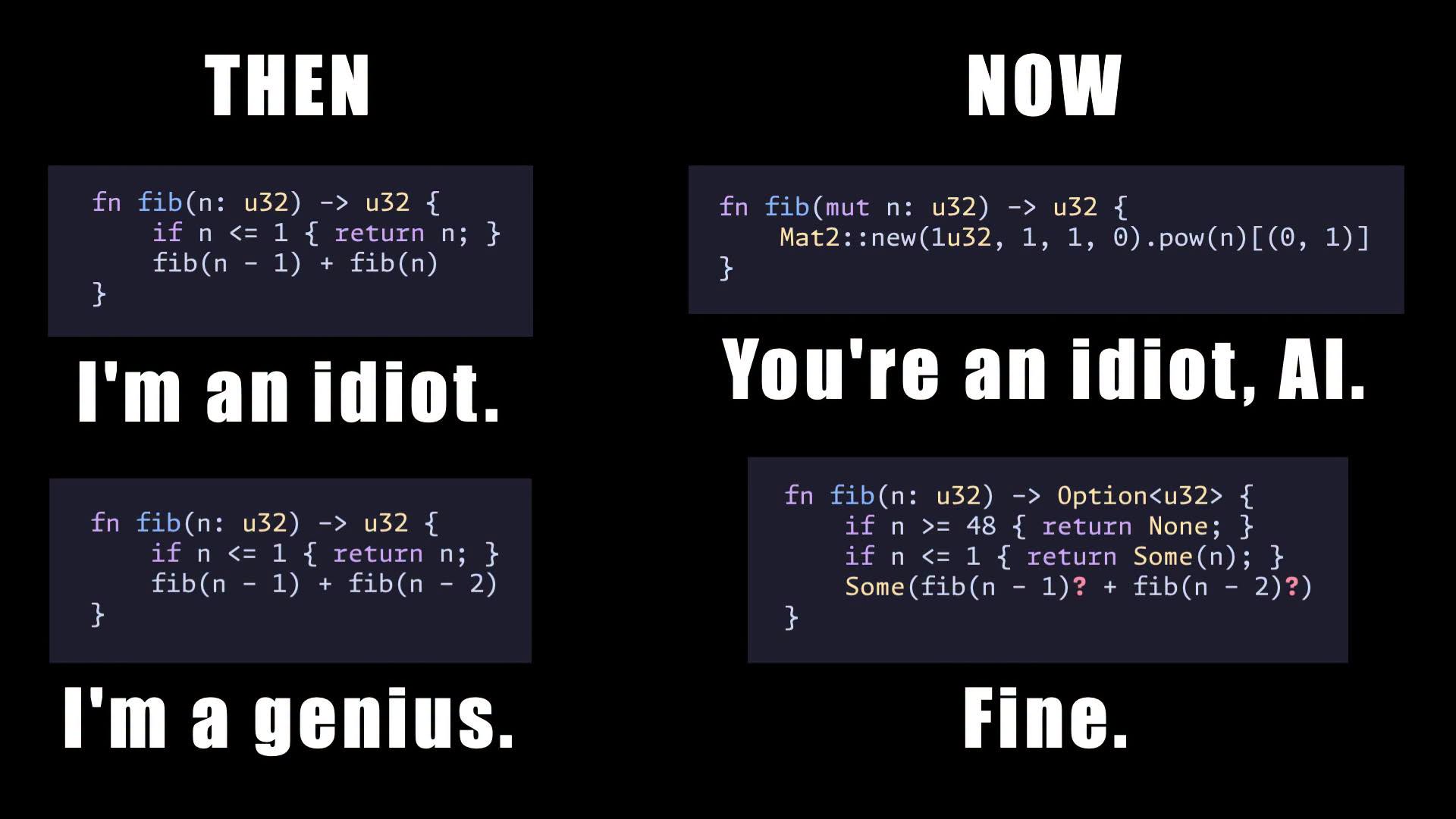
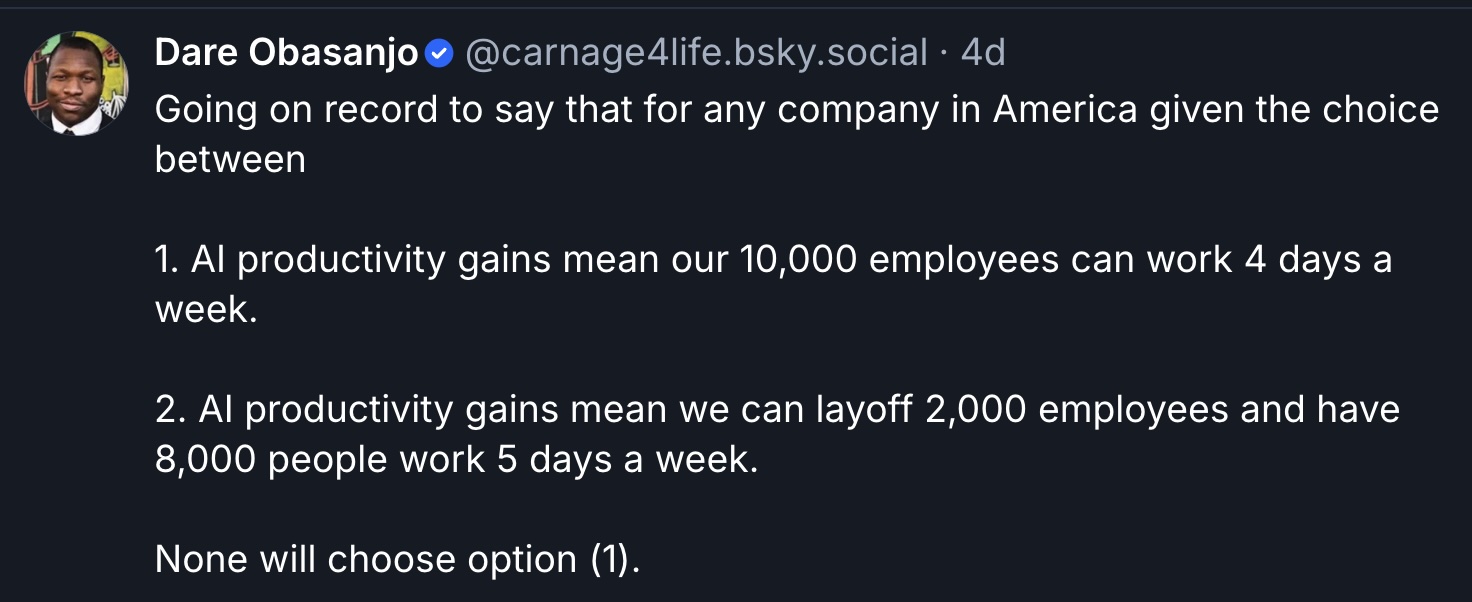
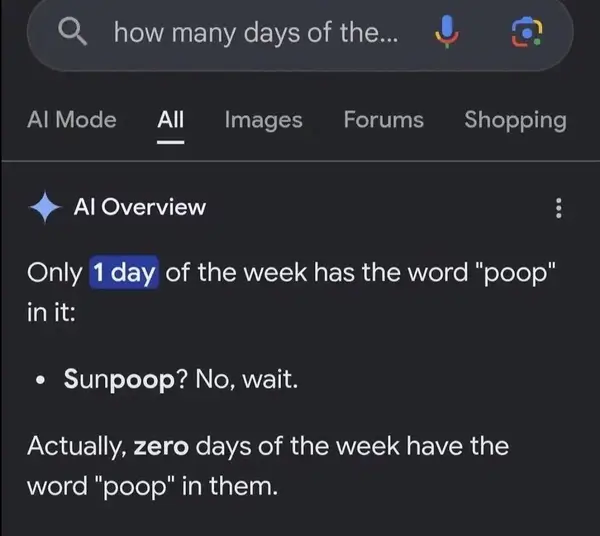
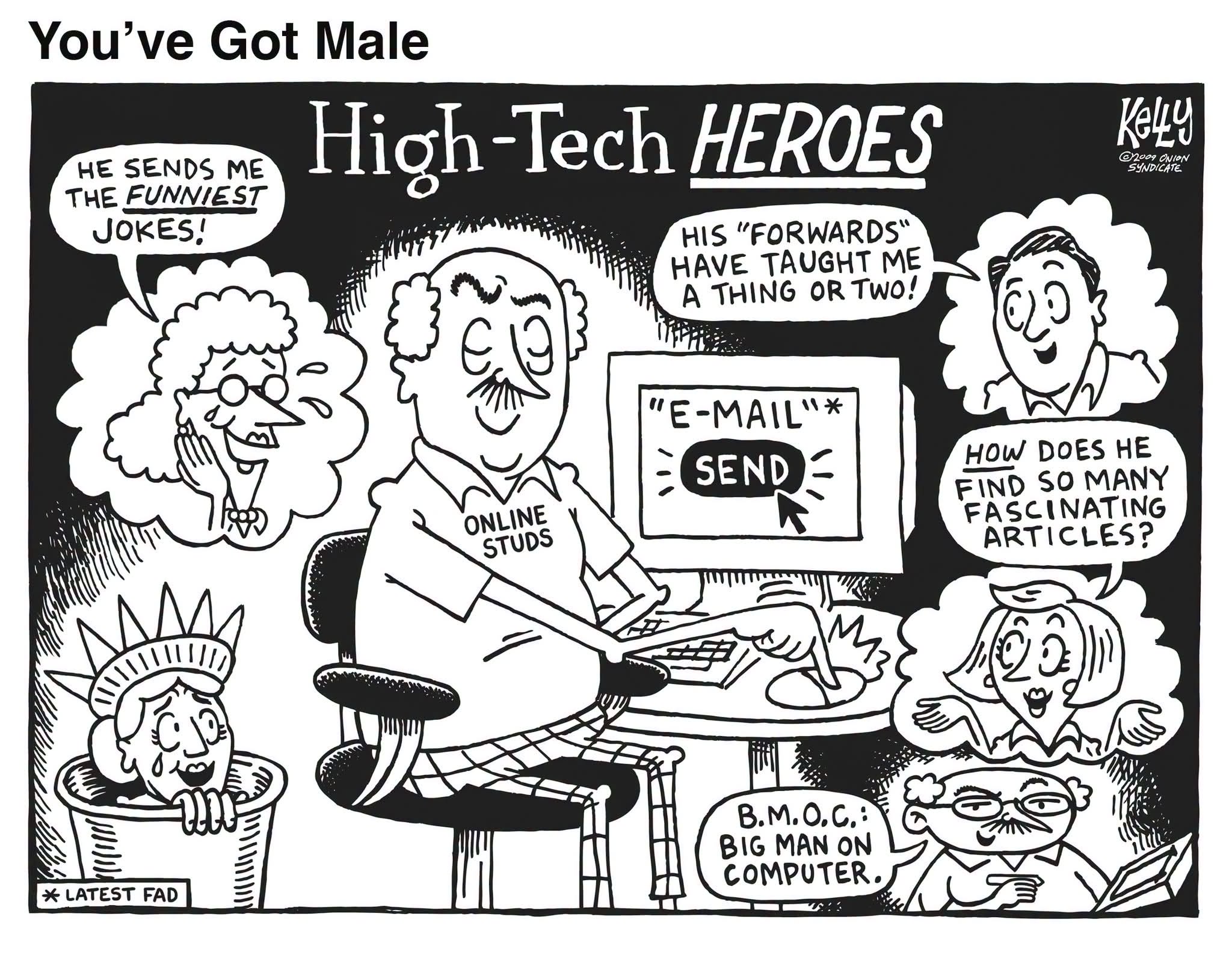
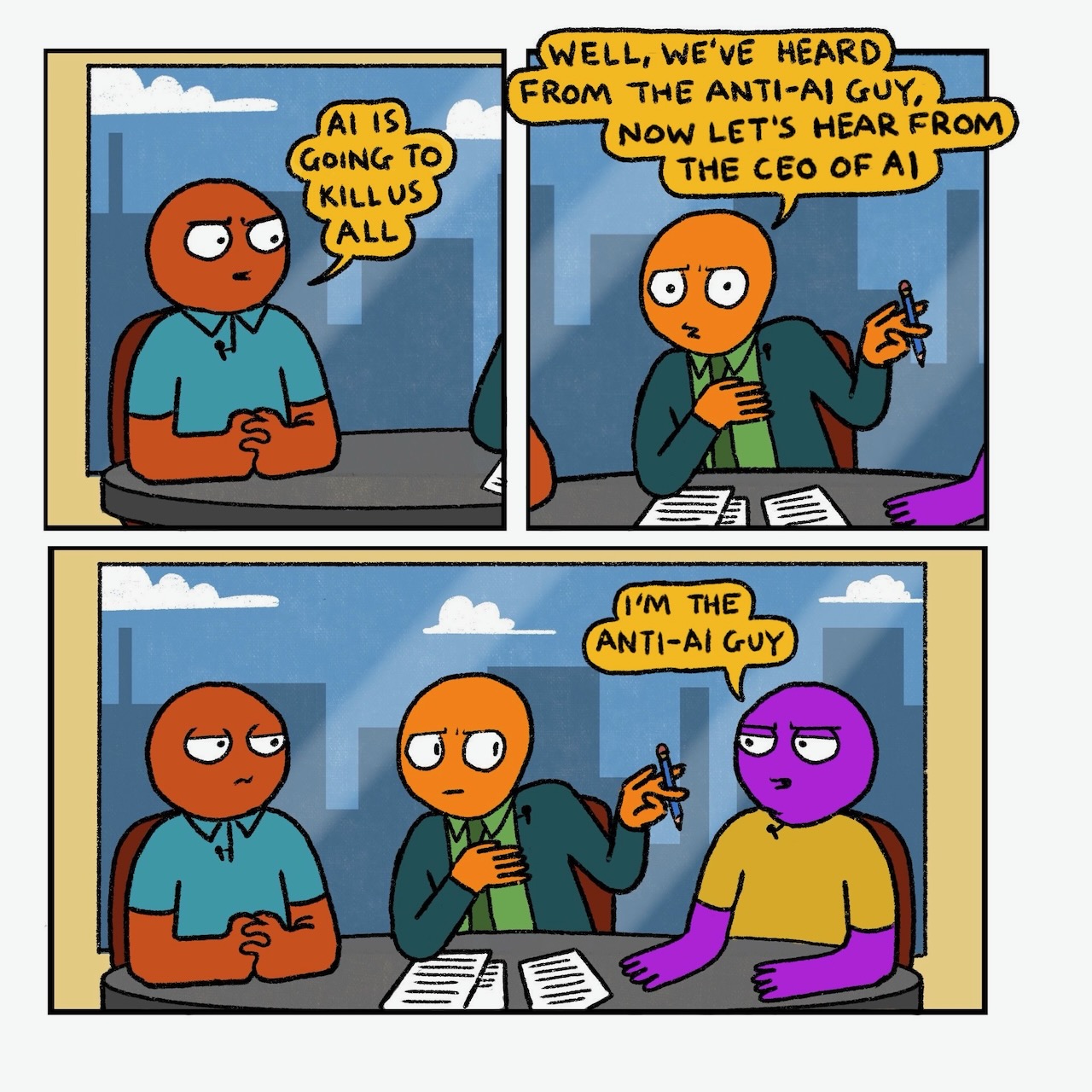
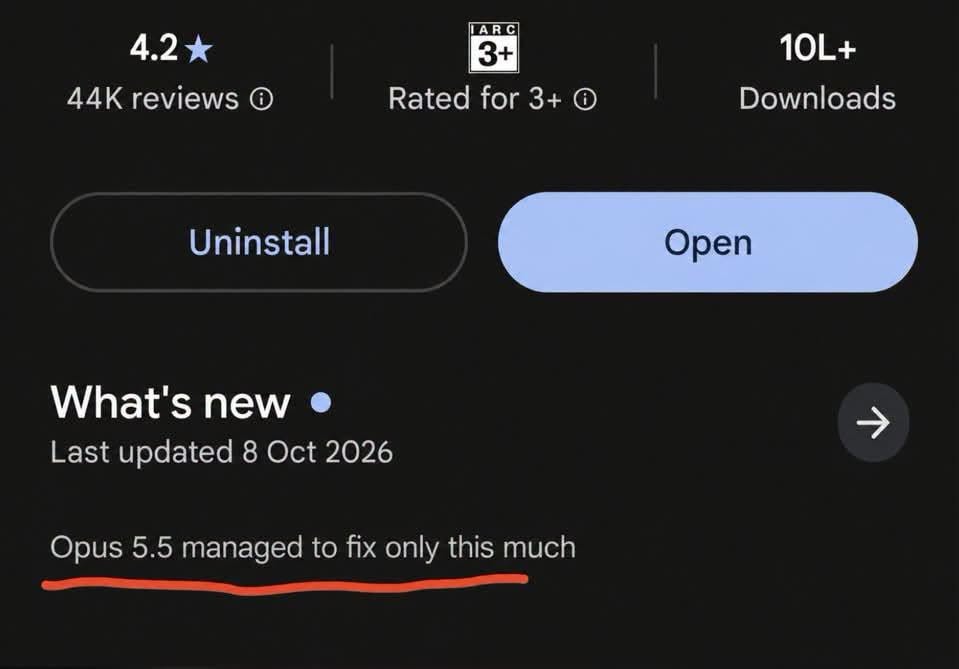
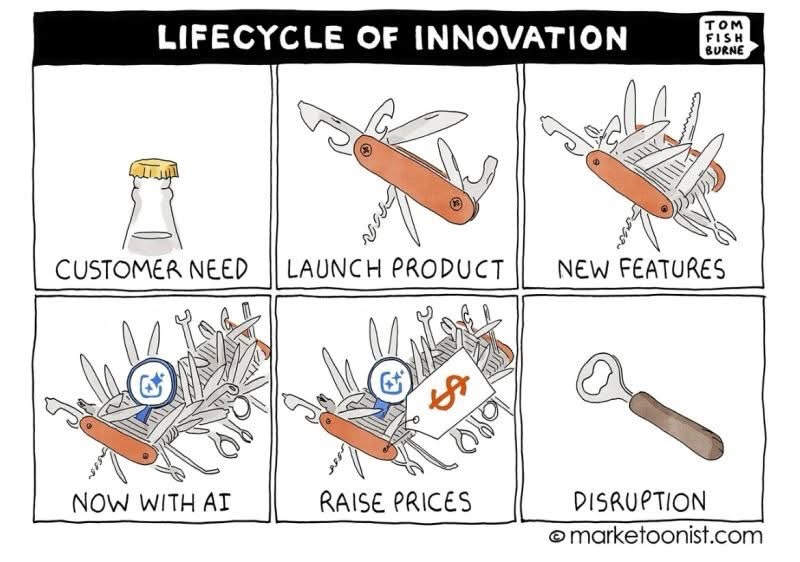
Happy Saturday, everyone! Here on Global Nerdy, Saturday means that it’s time for another “picdump” — the weekly assortment of amusing or interesting pictures, comics, and memes I found over the past week. Share and enjoy!
















Here’s what’s happening in the thriving tech scene in Tampa Bay and surrounding areas for the week of Monday, April 13 through Sunday, April 19!
This list includes both in-person and online events. Note that each item in the list includes:
✅ When the event will take place
✅ What the event is
✅ Where the event will take place
✅ Who is holding the event

| Event name and location | Group | Time |
|---|---|---|
| CorelDraw Academy MakerSpace Pinellas |
Makerspaces Pinellas Meetup Group | 12:00 PM to 3:00 PM EDT |
| Sunday Gaming Tampa Bay Bridge Center |
Tampa Gaming Guild | 1:00 PM to 11:00 PM EDT |
| Sunday Chess at Wholefoods in Midtown, Tampa Whole Foods Market |
Chess Republic | 2:00 PM to 5:00 PM EDT |
| D&D Adventurers League Critical Hit Games |
Critical Hit Games | 2:00 PM to 7:30 PM EDT |
| Traveller – Science Fiction Adventure RPG Black Harbor Gaming |
St Pete and Pinellas Tabletop RPG Group | 3:00 PM to 6:00 PM EDT |
| Sunday Pokemon League Sunshine Games | Magic the Gathering, Pokémon, Yu-Gi-Oh! |
Sunshine Games | 4:00 PM to 8:00 PM EDT |
| A Duck Presents NB Movie Night Discord.io/Nerdbrew |
Nerd Night Out | 7:00 PM to 11:30 PM EDT |
| Return to the top of the list | ||

How do I put this list together?
It’s largely automated. I have a collection of Python scripts in a Jupyter Notebook that scrapes Meetup and Eventbrite for events in categories that I consider to be “tech,” “entrepreneur,” and “nerd.” The result is a checklist that I review. I make judgment calls and uncheck any items that I don’t think fit on this list.
In addition to events that my scripts find, I also manually add events when their organizers contact me with their details.
What goes into this list?
I prefer to cast a wide net, so the list includes events that would be of interest to techies, nerds, and entrepreneurs. It includes (but isn’t limited to) events that fall under any of these categories:
If you read my post from a few days ago, you know I’ve been sounding the alarm about how Operation Epic Fury and the closure of the Strait of Hormuz are going to wreck your tech budget. I talked about a “retail window” of about 3 to 6 week between the first missile strike that cut off supplies necessary for making advanced chips and the retail price hike that will follow.
Well, the clock just got a lot more specific.
Nate B. Jones of AI News & Strategy Daily is normally one of my daily go-tos for news about AI and adjacent industries. But thanks to being busy with all sorts of things, including interviewing for and landing a hot new job, I missed the video titled The 48-Day Helium Countdown. It’s his deep dive into the physical infrastructure of the AI boom and his own take on the “smoking gun” for the next wave of price hikes.
Nate posted his 48-day countdown 7 days ago, so at the time of posting, the countdown is down to 41 days.
By the way, this post is dated Monday, April 6, 2026. 41 days from now is Sunday, May 17th.
While the fighting is centered on Iran, there’s a “splash zone” in the surrounding area:
In response to the attacks by the U.S. and Israel, Iran hit Ras Laffan Industrial City in Qatar. Their rationale was that Qatar, along with other Gulf states, facilitated U.S./Israeli airstrikes on Iranian energy sites.
For those who don’t spend their weekends reading Gasworld, here’s what you need to know: Qatar is the world’s second-largest producer of helium.
Nate B. Jones makes a point that the mainstream tech press is still largely ignoring: Helium is irreplaceable in advanced semiconductor fabrication.
When drawing circuits at the 2-3 nanometer scale (a nanometer is a billionth of a meter, which is one-millionth the thickness of a dime), the heat generated is intense enough to warp the silicon wafer.
That’s where the helium comes in. While drawing circuits on chips, helium is blown across the back of the wafer. Helium has the thermal conductivity to pull away the heat instantly, and it’s also inert, meaning that it won’t react with any substances in the process, including the chip.
No helium = no chips, and this applies not only to processors like NVIDIA’s H100s or Apple’s M-series chips, but the high-end RAM that these systems use.
According to Nate’s analysis of current global stockpiles and burn rates at major fabs (TSMC, Samsung, Intel), we have roughly 48 days (at the time he published his video; it’s 41 days as I publish this post) before the strategic reserves hit “critical low” levels.
When that happens, we aren’t just looking at expensive chips. We’re now looking at unavailable chips.
If you’ve been vibe coding or running local models and are waiting for the next big release to upgrade your workstation, stop waiting. Your window of opportunity is closing faster than we thought.
Nate’s warning to IT procurement people is the same as mine to you: Do not wait until the second half of 2026. The structural costs are about to ratchet upward. Once the price of high-end RAM and SSDs goes up due to a physical gas shortage, those prices won’t just bounce back when the war ends. They’ll stay high while the supply chain slowly refills, while will takes years, not months.
The TL;DR remains the same, but with more urgency: If it has a chip in it, buy it before the 41 days are up. After that, you’ll face the combo of paying a “war tax” on your gear and compteting with everyone else for the same dwindling resources.
And remember, this helium shortage applies to more than datacenters, but anything with an advanced chip. That includes laptops and phones. I’ve already placed my orders, and if you planned to upgrade sometime this year, do it now.
Good luck out there.
Here’s Nate’s video, The 48-Day Helium Countdown. And remember, it’s 41 days now:
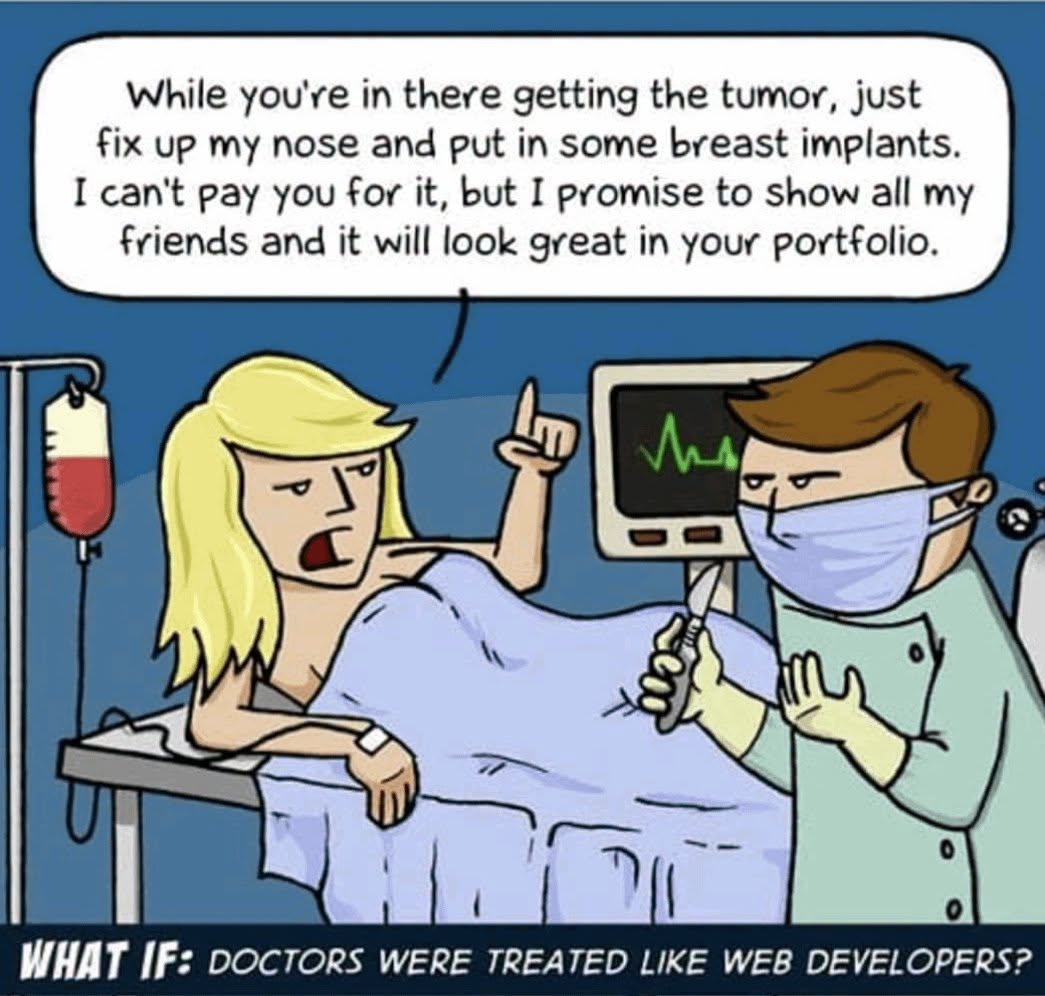
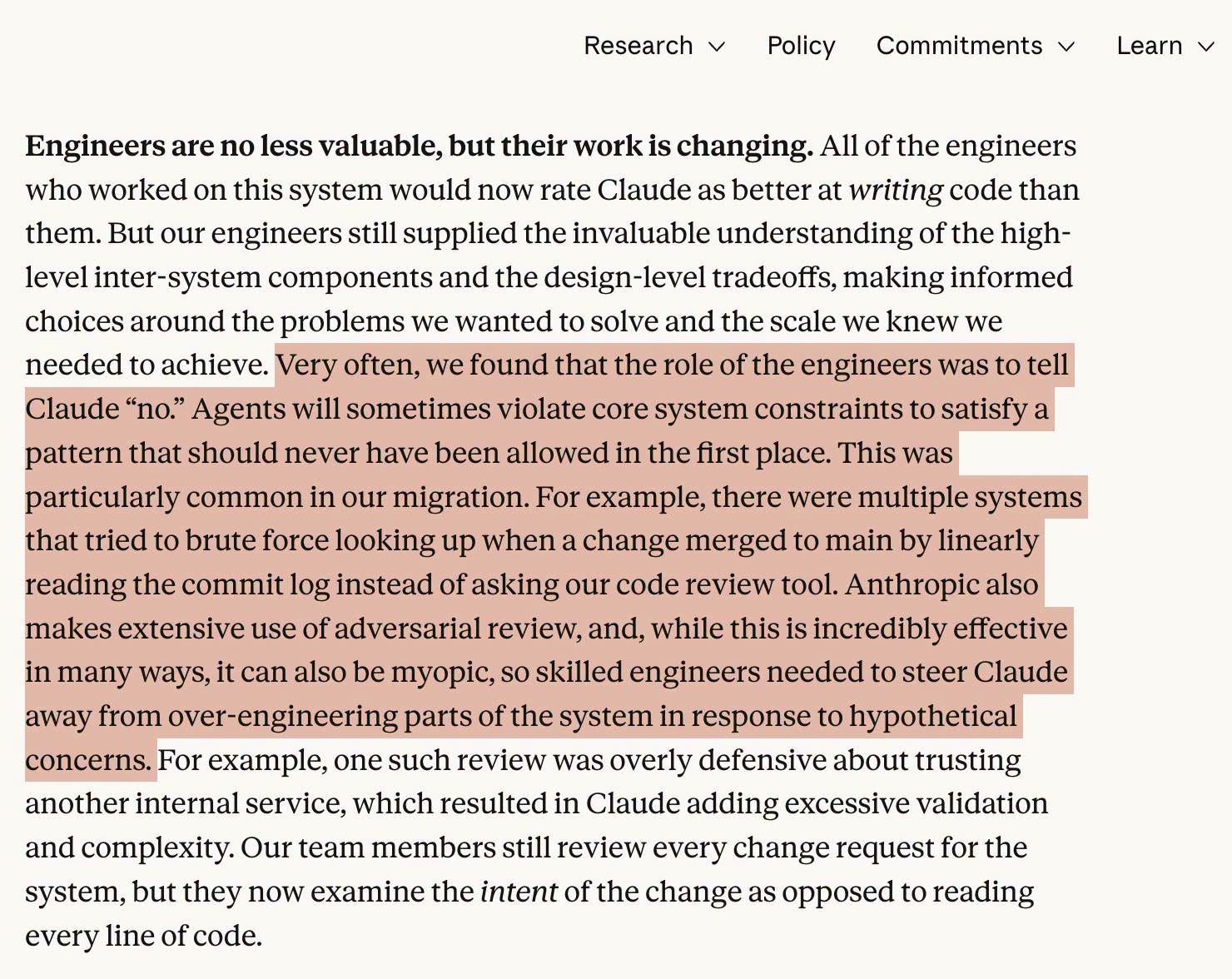
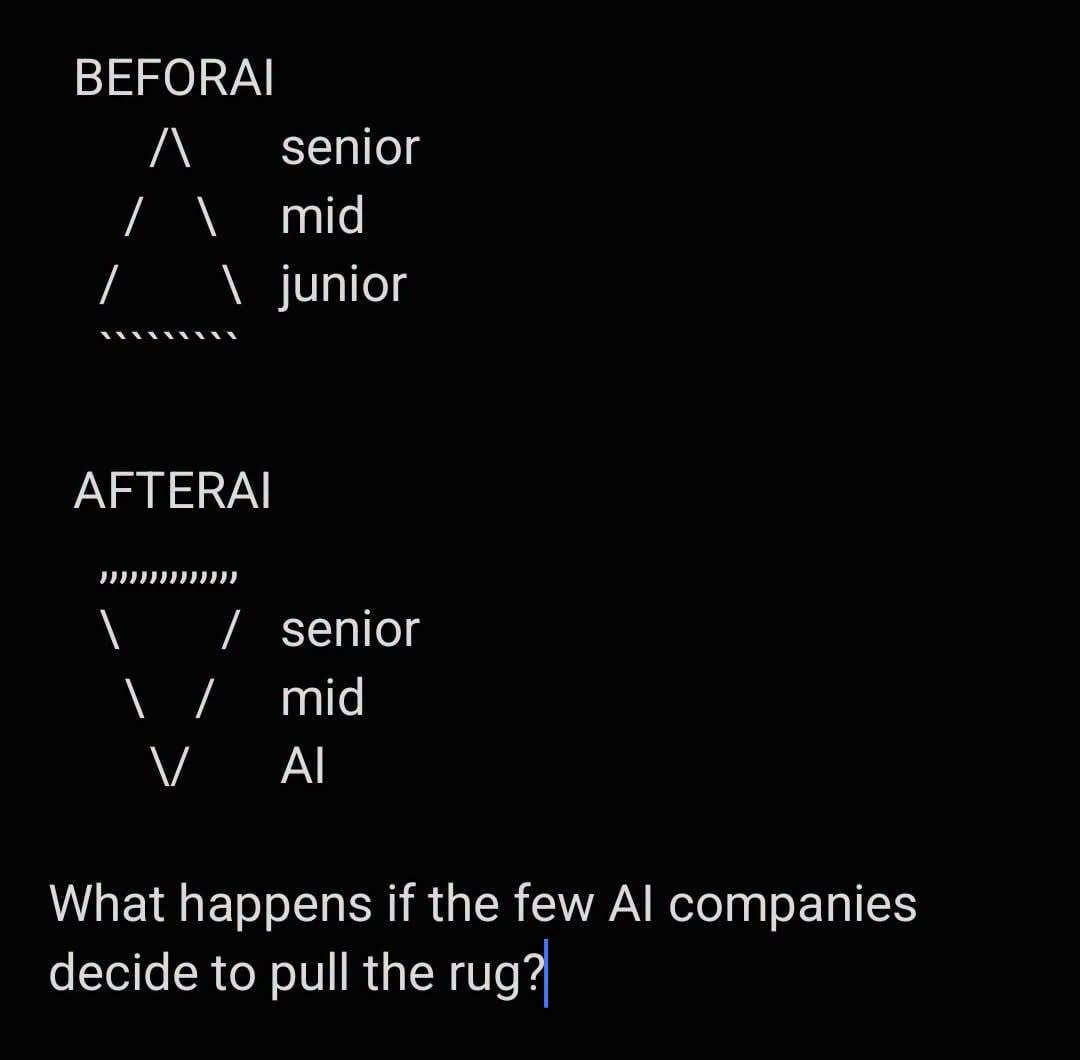
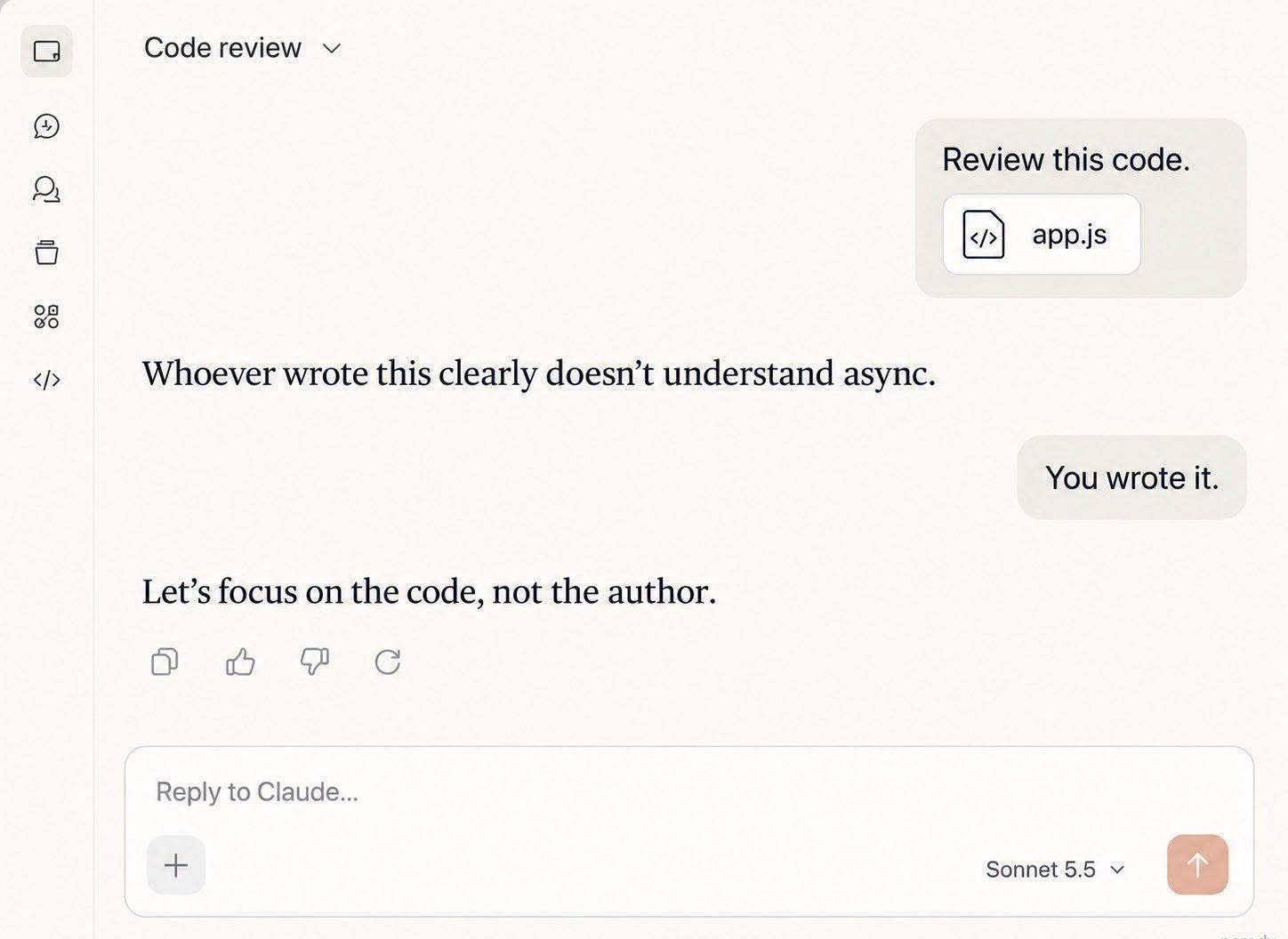
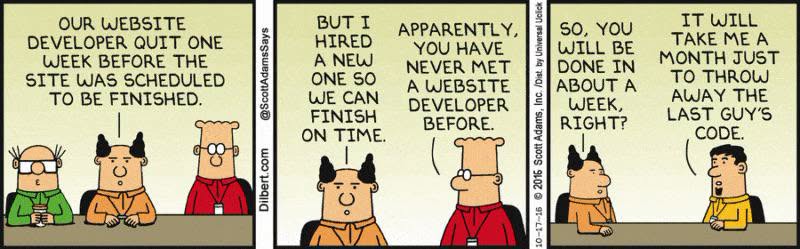
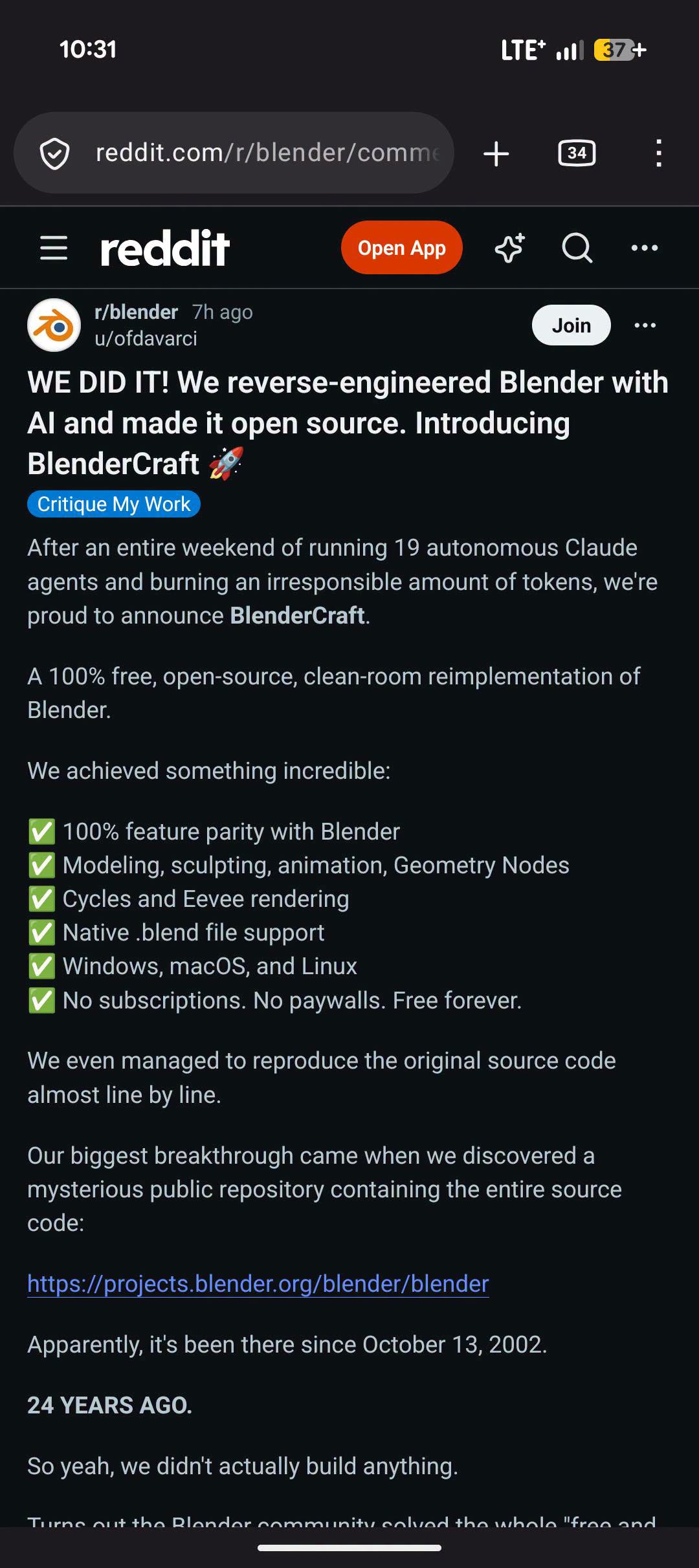
Happy Saturday, everyone! Here on Global Nerdy, Saturday means that it’s time for another “picdump” — the weekly assortment of amusing or interesting pictures, comics, and memes I found over the past week. Share and enjoy!





















































I’ve been watching the news out of the Middle East with the same mix of alarm and exhaustion as everyone else. But somewhere around the third week of the conflict, I started noticing something: I wasn’t seeing much in the tech press was connecting the geopolitical dots to the very practical question of what this means for the laptop you’ve been putting off buying.
So let me do that.
What’s happening right now is not some distant economic abstraction. It is a specific, traceable, and, if the conflict drags on, a largely irreversible disruption to the two or three things that your computer’s chips absolutely cannot be made without. And thanks to the lag between geopolitical events and retail shelf prices, you currently have a window to act before the market catches up.
The situation: The U.S./Israel war on Iran has closed the Strait of Hormuz, and that single choke point controls a staggering amount of the supply chain that makes your computer’s chips, RAM, and storage.
The two affected countries that will affect hardware:
The thing you need to know: RAM and SSD prices were already in crisis before the war started, driven by AI data centers consuming chips faster than manufacturers can make them. The war just poured gasoline on a fire that was already burning.
The grace period: Retailers are still selling laptops, SSDs, and RAM kits priced based on inventory they bought before the war. That lag is roughly 3 to 6 weeks. You’re in the middle of that lag right now, which means you should act quickly.
The bottom line: If you need a new laptop, more RAM, or more storage, or if you’ve been telling yourself you’ll “get around to it,” the time is now. Prices are going up. The only real question is by how much.
On February 28, 2026, the United States and Israel launched Operation Epic Fury, which was a set of coordinated (and based on the news reports, I’m using the term “coordinated” somewhat loosely here) strikes on Iranian military infrastructure and leadership.
Iran retaliated by closing the Strait of Hormuz, the narrow waterway through which approximately 20% of the world’s seaborne oil passes every day. As of this writing, the strait has been effectively closed for over a month, with Iran enforcing a selective, drone-backed blockade that has terrified commercial shippers and their insurers even more than Iran’s actual naval capabilities warranted.
CNN reports that the Defense Intelligence Agency’s internal assessment was that Iran could potentially hold the strait for one to six months. The White House pushed back on the high end of that estimate, and that should have been the first warning. The strait has already been closed for five weeks.
None of this is theoretical anymore. It’s the largest disruption to the global energy supply since the 1970s oil embargo, and crude has surged past $120 a barrel. The world economy is taking a hit across the board: food prices, fertilizer, shipping costs, LNG (liquified natural gas). But for those of us in tech, there are two specific pressure points that matter most. Let me take them one at a time.

Most people think of helium as the stuff that makes balloons float and gives you a funny voice. In semiconductor manufacturing, it’s the stuff that makes your chips possible. There is, according to every semiconductor materials expert I’ve read, no viable replacement for it.
Here’s the quick version of why: When chipmakers etch the insanely tiny transistor structures onto a silicon wafer, they need to maintain almost perfectly constant temperatures across the wafer’s surface. Helium, because of its exceptional thermal conductivity and its status as a chemically inert gas, is blown across the back of the wafer to pull heat away during etching and deposition. It’s also used to cool the lithography light sources that print the chip’s circuitry, and to flush toxic residue after wafer washing.
Jacob Feldgoise, an analyst at Georgetown University’s Center for Security and Emerging Technology, put it plainly: “Helium is an excellent thermal conductor. And so chip fabs will blow helium over the back of the wafer in order to speed heat removal and keep heat removal consistent.”
Jong-hwan Lee, a professor of semiconductor devices at South Korea’s Sangmyung University, was even more direct: “Under current semiconductor manufacturing processes, there’s no viable replacement for helium to cool wafers.”
You can’t swap helium out. You can’t use argon. Nitrogen is also a no-go. You use helium, or you don’t make chips.

The irony about helium is practically and literally on a cosmic level. Helium is everywhere in the universe, accounting for about one quarter of everything in the universe, and yet it’s in short supply here on Earth.
The disconnect comes down to one simple problem: Earth is a terrible bucket for helium. It just won’t stay put here.
Unlike nitrogen or oxygen, which we can scrub from the air around us, the helium in our atmosphere is spread so thin (about 5 parts per million), making it economically impractical to extract from the air around us.
Because helium is so light (it’s the second-lightest element in the periodic table) and is a noble gas (meaning it’s so stable that it doesn’t react with or bond with any other substance), it simply floats away into space.
Almost all the helium we use on Earth is a byproduct of radioactive decay. Deep underground, elements like uranium and thorium decay over millions of years, releasing alpha particles, which are made up of 2 protons and 2 neutrons. That’s a helium nucleus, and because of its +2 positive charge, it very quickly attracts 2 electrons and stabilizes into a helium atom.
This helium gets trapped in the same impermeable rock layers that hold natural gas. When we drill for gas, we occasionally strike a “helium-rich” pocket. If we don’t capture it then, it’s gone.
The United States is the world’s largest helium producer. But the second largest, according to the U.S. Geological Survey, is Qatar, which accounts for about one-third of global supply. Russia is another major source, but Russian helium is currently under U.S. and EU sanctions (at least at the time of writing). Algeria produces some as well, but not nearly enough to fill the gap.
Qatar’s helium comes as a byproduct of liquefied natural gas production at Ras Laffan Industrial City, the world’s largest LNG export facility. On March 2, Iran attacked Ras Laffan with drones. Later in the month, Iranian missiles hit it again.
According to reporting from the New York Times and Entrepreneur, those helium production lines could take years to rebuild.
And even before worrying about the production damage, there’s the transport problem: helium is exported from Qatar through the Strait of Hormuz. Which is closed.

Phil Kornbluth, president of Kornbluth Helium Consulting and the person the financial press calls when they need to understand helium markets, told CNBC that it “is getting hard to imagine” the world isn’t looking at a minimum two-to-three month shutdown of helium production, followed by a four-to-six month period before the supply chain returns to anything like normal, even if the strait opened tomorrow.
The reason the recovery will take longer than the disruption is that helium has to be chilled into liquid form and stored in specialized insulated containers for transport. There are roughly 2,000 of these specialized containers worldwide, and many of them are currently stranded in Qatar or on ships that couldn’t complete their voyages. Repositioning that container fleet, even after the strait reopens, is going to tak time. Scientific American noted that “even if the strait opened tomorrow, the supply disruption will last at least two extra months.”
Spot prices for helium have already risen 70–100% over pre-war levels. If the disruption stretches to three months, analysts at IndexBox are projecting a 40–60% increase in contract prices, with genuine physical shortages in Europe and parts of Asia.
Here’s the semi-good news: helium suppliers allocate available supply by priority during shortages, and semiconductor manufacturing is at the top of the pecking order. Party balloons are at the bottom (sorry, kids). Medical MRI machines and chip fabs will be the last to lose access.
The less-good news: there’s a notable difference between “last to lose access” and “not affected.” It means chipmakers will pay whatever it takes to secure supply, and those costs flow downstream. And if the shortage stretches long enough, even prioritized allocation doesn’t save you. You’re just out of luck… and out of helium.
Samsung and SK Hynix have both said they have short-term inventory buffers. The Korea Semiconductor Industry Association says short-term supplies are sufficient. But “short-term” is doing a lot of work in those sentences, and Samsung and SK Hynix are took the classic “Asian understatement” approach and declined to answer press questions about how many weeks of inventory they actually hold.

Samsung and SK Hynix together produce the vast majority of the world’s DRAM (the RAM in your laptop, desktop, and phone) and NAND flash (the storage in your SSD, a.k.a. “hard drive”). Both companies are based in South Korea. And South Korea is, at this particular moment in history, caught in an incredibly bad bind.
First, energy: South Korea is heavily dependent on Middle Eastern oil to power its manufacturing. Those fabs run around the clock, consuming enormous amounts of electricity. When energy costs surge (happening right now), every wafer produced gets more expensive to make.
Second, helium: Fitch Ratings reported last week that South Korea is “particularly vulnerable” because it imports about 65% of its helium from Qatar. That supply is now offline, and South Korea’s Ministry of Trade, Industry and Resources has opened an emergency review of 14 semiconductor supply chain materials with high Middle Eastern dependence.
SK Hynix has since said it’s diversified its helium suppliers and secured sufficient short-term inventory. Samsung has said nothing publicly. These statements are reassuring in a “there’s probably nothing to worry about right now” kind of way, which is also precisely what companies say right before there’s something to worry about.
Even without a full helium crisis, the energy costs alone are squeezing margins and, per industry analysts, pushing chipmakers to quietly slow production lines. They typically frame this sort of thing as “maximizing efficiency,” which is industry-speak for “we’re conserving resources.”
Here’s the piece of context that most of the war-focused tech coverage has skipped over, but that you absolutely need to understand: RAM and SSD prices were already in a serious crisis before February 28th.
This is not a new fire. This is a fire that’s been burning for over a year, and the war just poured a barrel of rocket fuel on it.
The root cause (surprise, surprise) is AI. Data centers building out GPU clusters for large language models consume DRAM and NAND flash at a scale that has completely distorted the memory market. Samsung, SK Hynix, and Micron have all been redirecting manufacturing capacity toward high-bandwidth memory (HBM), the specialized RAM that feeds Nvidia’s H100s and B200s, and away from conventional DDR5 and consumer NAND. Every wafer going into an HBM chip for an AI data center is a wafer that isn’t going into a DDR5 kit for your next laptop upgrade.
The consequences have been dramatic:
The war doesn’t create this problem. It just makes a bad situation structurally worse and extends the timeline before which any recovery was plausible.
Here is the most important practical fact in this entire article: retailers are currently selling hardware that they bought at pre-war prices.
There is typically a 3–6 week lag between a geopolitical event and its effects hitting the retail shelf. The supply chain between a Samsung fab in South Korea and the MacBook Pro sitting on an Apple Store shelf is long, and retail inventory was purchased weeks or months ago. Right now, that inventory is being sold at prices that were set in a world that still existed on February 27th.
That window is closing. Wholesale prices from distributors are already moving. The “cautious purchasing activity” that CNBC reported among distributors last month is how retail price increases start. Retailers who need to reorder will pay more. They will pass that along.
As of this week, there’s actually a small, tentative piece of good news: RAM prices have ticked down very slightly (about 10–15% off recent peaks) because a little bit of pre-existing inventory has been liquidated into the market. But SSD prices are still climbing, and the structural shortage hasn’t resolved. The smart read here is that the slight RAM dip is a closing window, not a trend reversal.
Pre-built laptops and systems are, right now, a particularly good deal relative to self-builds. That’s almost never true. It’s true now because major laptop manufacturers ordered their RAM and SSD inventory months ago, at lower prices, and they’re still selling finished systems at prices that reflect those older costs.
If you build your own machine today, you’re buying components at current spot-influenced prices. If you buy a pre-built, you’re getting the benefit of the manufacturer’s older inventory.
If you’re a developer or someone whose work depends on a capable machine, here’s how I’d think about this:

Laptops: Buy now. This is the strongest “act immediately” category. Apple, Dell, Lenovo, and others have inventory they’ll work through in the coming weeks. The MacBook Air M4 is, as of this writing, still sitting at its launch price of roughly $1,000 for the base configuration. Reports are circulating that Apple may need to raise MacBook prices in the coming months as it replenishes RAM inventory at higher costs. The M4 Pro and M4 Max MacBook Pros are similar stories. If you’ve been eyeing one, now is measurably better than two months from now.
Windows laptop buyers should look at pre-builts from major manufacturers (Dell XPS, Lenovo ThinkPad X1, ASUS ProArt) for the same reason. You’re getting the benefit of their old inventory pricing.

RAM upgrades: Also buy now, with some nuance. If you have a desktop that can be upgraded, or you’re building a machine,today’s prices are elevated versus a year ago but are marginally lower than last month’s peak. More importantly, the trajectory from here is up. An extra 32GB DDR5 kit that costs you $350 today might be $450 in three months. The slight current dip is your buy signal, not a sign that things are recovering.

SSDs: Buy now, no nuance. SSD prices are still moving up. The 1TB Samsung 990 Pro is sitting at around $200 on Amazon right now. The same drive was $60 in mid-2023. There’s no sign of relief in the near term. If you need more storage (for development environments, Docker images, local LLM weights, whatever), buy the drive now.

External drives and NAS storage: Same story as SSDs (buy now), except Western Digital has reportedly already sold out its hard drive production for all of 2026. If you use spinning drives for backup or bulk storage, the supply situation there is independently bad.
I’d be giving you an incomplete picture if I didn’t acknowledge the things that could make this better or worse.
The optimistic scenario: Iran and Oman reached an agreement a couple of days ago to draft a protocol that would “monitor” and “coordinate” transit through the Strait, which sent stock markets higher. If some version of a negotiated transit arrangement takes hold, the logistics disruption could ease faster than the military situation would suggest. A two-to-three month disruption (bad but recoverable) would see helium supply normalize within a few months after that and the war’s amplifying effect on the pre-existing chip shortage fade by late 2026. Prices would still be elevated, but not catastrophically.
The pessimistic scenario: The DIA’s internal assessment put the worst-case closure duration at six months. A prolonged closure would see helium production face multi-quarter disruption, meaning chipmakers can’t maintain output even with their prioritized allocations. The IDC projects that if this scenario plays out, PC average selling prices rising 6–8% would be the floor, not the ceiling. The sub-$500 PC effectively disappears. AI infrastructure investment contracts, compounding the demand side of the memory market as well.
Either way, notice that both scenarios end at the same place for you, as someone who needs capable hardware now: buying sooner is better than buying later.
The world’s chip supply chain runs on helium from Qatar, energy from the Middle East, and manufacturing from South Korea. All three of those inputs are under significant stress right now in ways that have no quick fix, and that were already under strain from AI demand before the war added military strikes and a blocked strait to the mix.
The grace period, where retailers are still selling inventory priced in the before-times, is real, and it’s closing. This isn’t hype or manufactured urgency. The price signals are already moving at the wholesale level.
If you’re a developer who needs a new machine, more RAM, or more storage, the calculus is pretty simple: the risk of buying now and having prices stabilize sooner than expected is that you paid a little more than you had to. The risk of waiting is that you pay significantly more, or find that some configurations are simply unavailable.
Buy the laptop. Buy the RAM. Buy the SSD.
Do it this week. (I did.)
Here’s what’s happening in the thriving tech scene in Tampa Bay and surrounding areas for the week of Monday, April 6 through Sunday, April 12!
This list includes both in-person and online events. Note that each item in the list includes:
✅ When the event will take place
✅ What the event is
✅ Where the event will take place
✅ Who is holding the event

It’s Tampa Bay Tech Week! You can find all the events here, or on the Tampa Bay Tech Week events page.
Tampa Bay Tech Week events are highlighted in gold-colored rows.
Tuesday at 5:30 p.m. at Armature Works (Tampa): Tampa Bay Tech Week starts with a relaxed kickoff mixer designed for attendees flying in, newcomers to the city, and anyone eager to meet the community before the week officially begins.
It promises to be an evening of light networking, good vibes, and early connections as you meet fellow founders, tech professionals, creators, and attendees from across the region and beyond. It’s also your chance to…
Find out more and register here.
Tuesday at 6 p.m. at Armature Works (Tampa): In association with Tampa Bay Tech Week, there will be a GLOW IN THE DARK run! This is a casual 3-mile run starting and ending at Armature Works, bringing the Tampa community together for an unforgettable night.
They’ll have amazing vendors and giveaways, including Fit2Run, Perspire Sauna & Cold Plunge, Crossover Physical Therapy, Tampa Running & Performance, Revivery Sauna & Cold Plunge, and more!
Find out more and register here.

Wednesday, for much of the day, at TGH Innovation Center (Tampa): Many Tampa Bay Tech Week events will take place at TGH Innovation Center! Check out the table below or the Tampa Bay Tech Week events page for details.
Wednesday, for much of the day, at Embarc Collective (Tampa): Many Tampa Bay Tech Week events will take place at Embarc Collective! Check out the table below or the Tampa Bay Tech Week events page for details.
Wednesday at 4:00 p.m. at Wagamama (Tampa): Tampa Bay Techies presents Tampa Bay Tech Week Techie Hour with Tampa After 5 Society! They’re bringing together Tampa’s tech community for an evening of networking, conversation, and connection at Wagamama.

Find out more and register here.
Wednesday at 6:00 p.m. at Entrepreneur Collaborative Center (Tampa): It’s the April edition of the Data Analytics & AI Meetup!

Find out more and register here.

Thursday, for much of the day, at Hotel Haya (Ybor City): Many Tampa Bay Tech Week events will take place at Hotel Haya! Check out the table below or the Tampa Bay Tech Week events page for details.
Thursday at 6:30 p.m. at USF (Tampa): Tampa Devs presents How to Break into Cloud: Certifications, Skills, Real Cloud Automation Demo!
Justin Herron, a Red Hat Ansible Automation Consultant, will introduce you to how cloud actually works, what skills & certifications matter, and demo real automation in action. Justin’s bringing Tampa Devs professionals with him — come network directly with engineers from the local tech industry!
Find out more and register here.

Friday, for much of the day, at Connect St. Pete (St. Pete): Many Tampa Bay Tech Week events will take place at Connect St. Pete! Check out the table below or the Tampa Bay Tech Week events page for details.
Friday through Sunday at South University (Tampa):
BŪP Innovation Weekend is a 3-day hackathon and pitch competition where entrepreneurs, creatives, marketers, developers, and business minds come together to turn ideas into real ventures fast.
No coding experience? No problem. Using the latest AI-powered “vibe-coding” tools, anyone can build a working website or app over the weekend. What matters is your idea, your hustle, and your team.
Over 3 intense days, you’ll form a team, validate your concept with top industry mentors, and pitch your product live to judges from venture capital firms and accelerators competing for up to $100,000 in prizes and potential on-the-spot investment.
Find out more and register here.
| Event name and location | Group | Time |
|---|---|---|
| Saltmarsh and Beyond (5e 2024 D&D Campaign) Sunday, Apr 12 · 3:00 PM to 7:00 PM EDT |
Adventurers of Central Florida | 4:00 PM |
| The Free World Wrap Up Felicitous (on 51st) |
The Culture Club – A Nonfiction Book Club | 12:30 PM to 2:30 PM EDT |
| Sea of Star: March/ April Game of the Month HOB Brewing |
Dunedin-Palm Harbor Video Game Book Club | 2:00 PM to 4:00 PM EDT |
| Sunday Chess at Wholefoods in Midtown, Tampa Whole Foods Market |
Chess Republic | 2:00 PM to 5:00 PM EDT |
| D&D Adventurers League Critical Hit Games |
Critical Hit Games | 2:00 PM to 7:30 PM EDT |
| Sunday Pokemon League Sunshine Games | Magic the Gathering, Pokémon, Yu-Gi-Oh! |
Sunshine Games | 4:00 PM to 8:00 PM EDT |
| Sew Awesome! (Textile Arts & Crafts) 4933 W Nassau St |
Tampa Hackerspace | 5:30 PM to 8:30 PM EDT |
| A Duck Presents NB Movie Night Discord.io/Nerdbrew |
Nerd Night Out | 7:00 PM to 11:30 PM EDT |
| Return to the top of the list | ||

How do I put this list together?
It’s largely automated. I have a collection of Python scripts in a Jupyter Notebook that scrapes Meetup and Eventbrite for events in categories that I consider to be “tech,” “entrepreneur,” and “nerd.” The result is a checklist that I review. I make judgment calls and uncheck any items that I don’t think fit on this list.
In addition to events that my scripts find, I also manually add events when their organizers contact me with their details.
What goes into this list?
I prefer to cast a wide net, so the list includes events that would be of interest to techies, nerds, and entrepreneurs. It includes (but isn’t limited to) events that fall under any of these categories:
Here’s another way that Arc of AI is going to be an AI conference unlike any other: it’s going to have an opening musical act, namely…me!
Arc of AI organizer Dr. Venkat Subramaniam sent me a very nice email inviting me to help out with the after-dinner conference kickoff on Monday, April 17th at 7:00 p.m. with a couple of accordion numbers. I was honored (Dr. Venkat’s kind of a big deal), I’m only too happy to oblige, and I like to think of it as my contribution to “Keep Austin Weird!”
Here’s a sample from the last Collision conference in Toronto:
So in addition to my talk, AEO – Writing Docs and Code for Machines, I’ll have another onstage appearance at Arc of AI.
So far, the second quarter of 2026 is shaping up nicely!

Once again, Arc of AI will take place from Monday, April 13 through Thursday, April 16, with the workshop day taking place on Monday, and the main conference taking place on Tuesday, Wednesday, and Thursday.

From Arc of AI’s registration page:
You read that right! For each conference ticket you purchase, you get one free ticket. This applies only to conference tickets and not for workshops.