On Saturday, April 18th, Anitra and I attended Tech in Full Effect, a gathering of Tampa people in Tampa’s tech scene who also enjoy ’90s hip-hop and R&B, and we had a grand time!

Organized by Jordyn Short and Tiffiny B., it took place at Gaspar’s Luxury Estate in South Tampa, a large house and property that can serve as a vacation place for a large group, or in the case of Tech in Full Effect, a lovely party venue.

They had DJ Will spinning ’90s classics…
…’90s hip-hop/R&B-themed drinks…
…and opportunities aplenty to catch up with old friends and make new ones:
While many of the guests were local, a number came from way, way out of town, including from Jacksonville, Miami, Atlanta, and even San Francisco.
I had lots of conversations, and some of the topics were…
What am I doing after Tampa Bay Tech Week? My answer: “Get up to speed on the new job, keep cranking out the Tampa Bay tech events list, touch base with the new connections I made, try and find a venue for an upcoming Tampa Bay AI Meetup.”
My favorite current hip hop?Tkandz and Relaye. None of the “mumble stuff.”
Did we buy a Mac Mini to run OpenClaw? No, Anitra and I got his-and-hers M5 MacBook Pros as our main devices and are turning our old M1 MacBooks into to agent machines.
So what’s my new job?Senior Developer Advocate at NetFoundry, and it’s starting in two days (Tech in Full Effect took place on the 18th; my first day was on the 20th).
All in all, it was a great event with great people, great conversations, and great food and drink in an unusual setting for a Tampa Bay tech event. My thanks to Tiffiny and Jordyn for putting it on — and please let us know when and where you’re holding the next one!
Last week was my first week at NetFoundry, where I’m the Senior Developer Advocate. It was fun, and it was also like drinking from a high-tech, encrypted firehose!
To mark the occasion, I sat down with NetFoundry’s Head of Developer Experience (and also developer; he does a lot!) Clint Dovholuk for my first episode on Ziti TV. We spent an hour diving into the “meat” of Zero Trust, networking architecture, and why your traditional VPN might be the “castle and moat” that finally (and unintentionally) lets the invaders in.
If you’re a developer who has always viewed networking infrastructure as someone else’s problem (and as a recovering mobile developer, I’m certainly guilty on that charge), here’s the deep-dive breakdown of what I learned in my first week on the job.
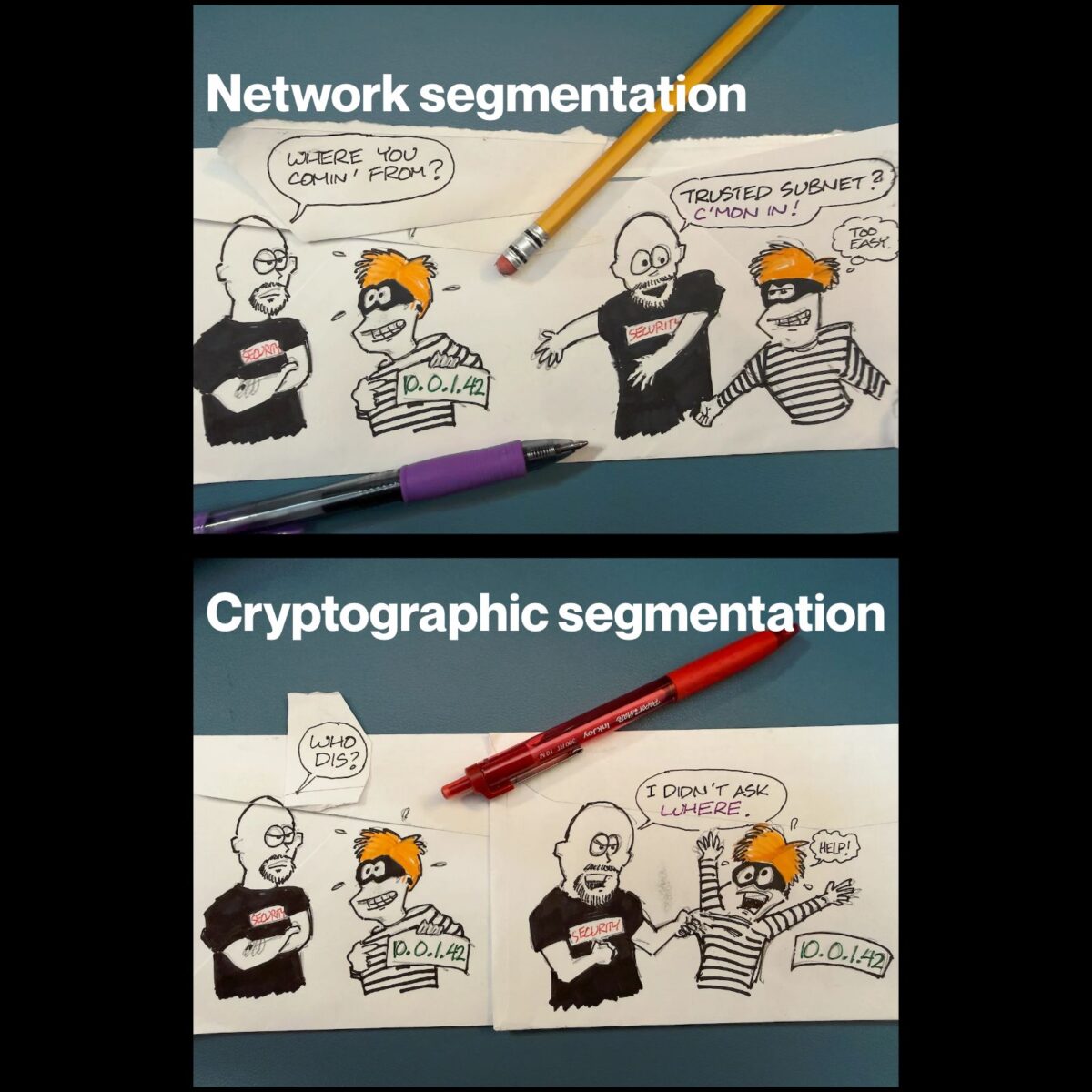
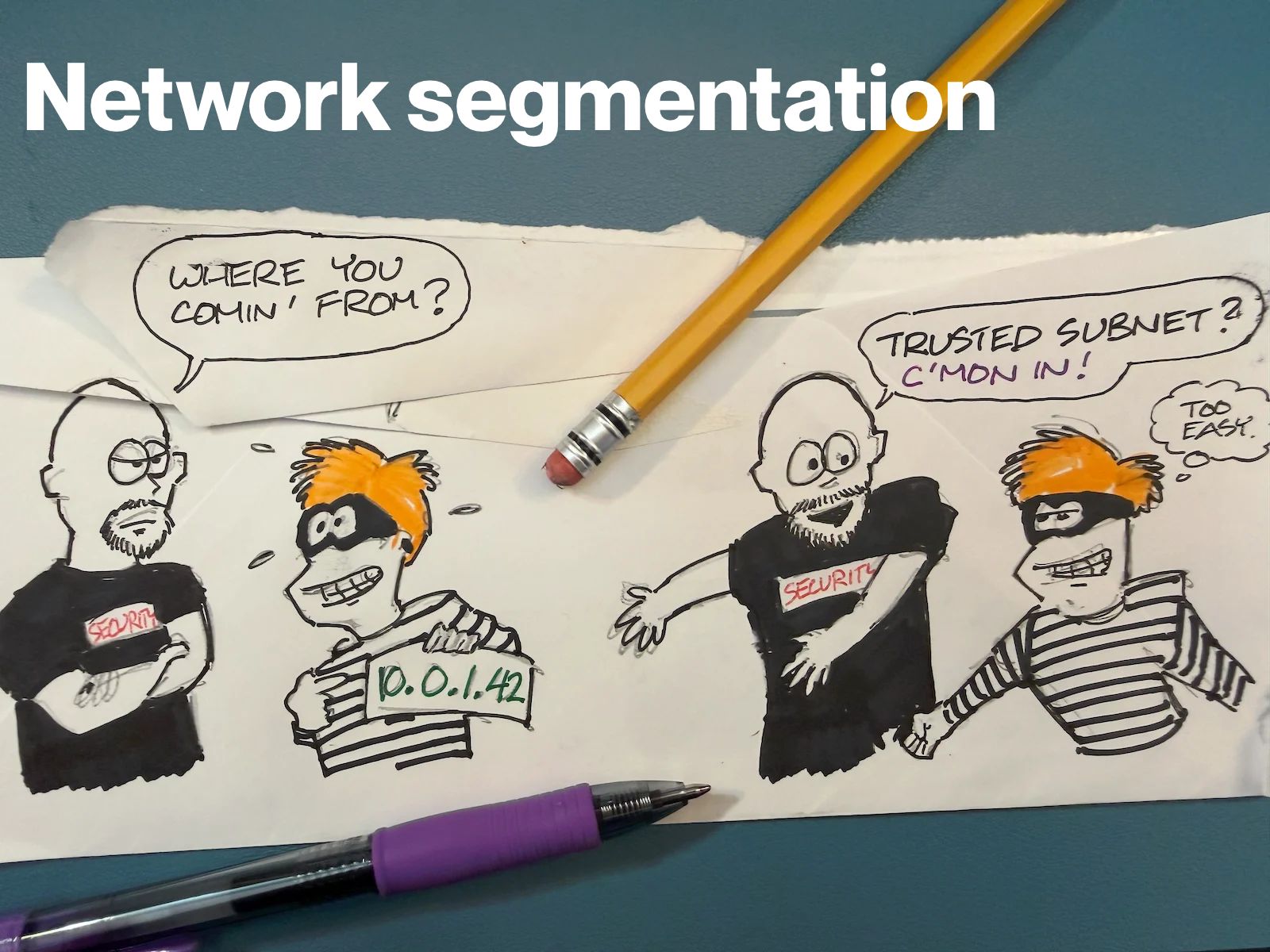
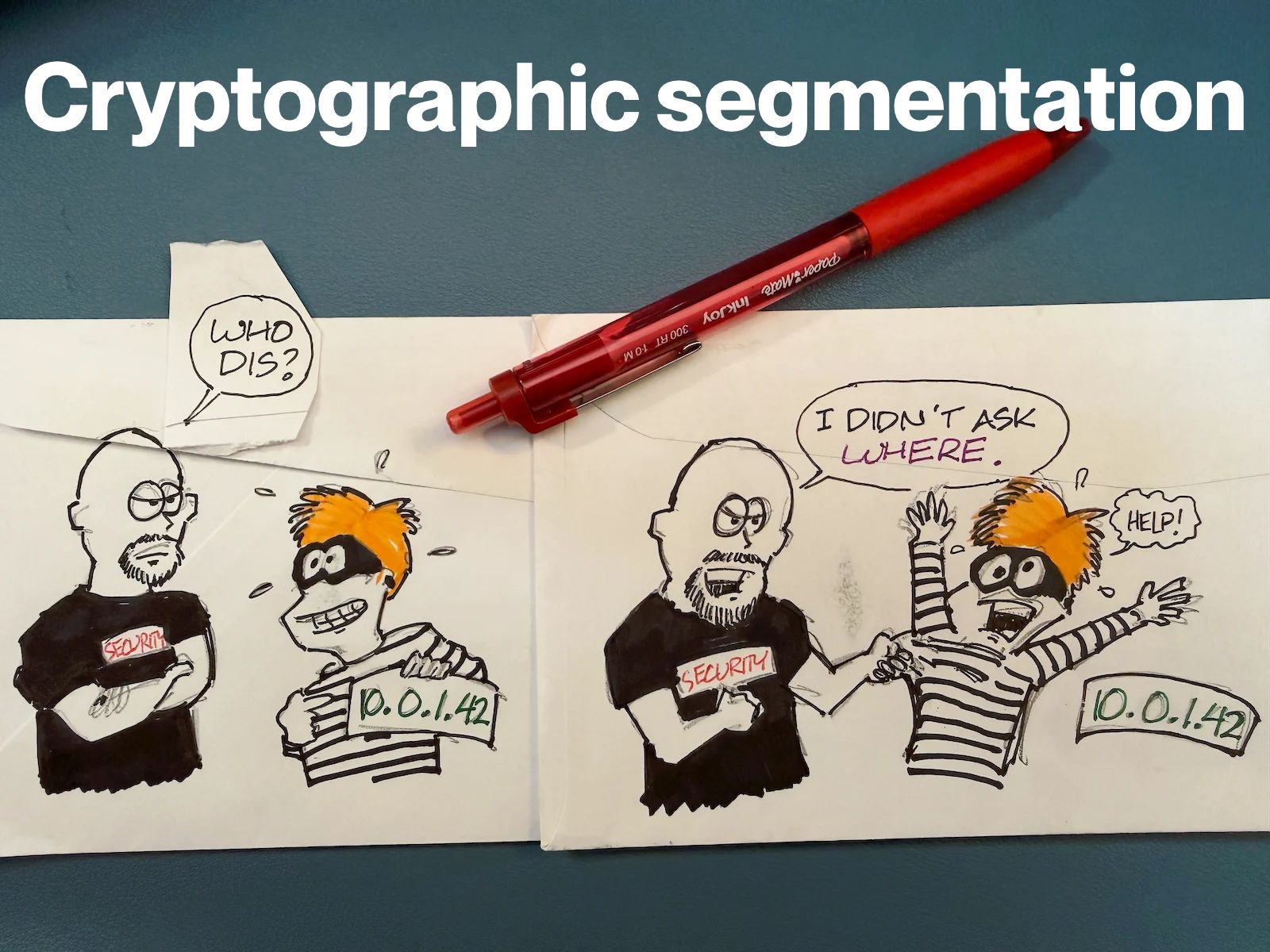
Clint said that Zero Trust might be better understood if you called it Explicit Trust. In the old “Castle and Moat” model, if you’re in the castle, you’re trusted. In the OpenZiti model, we assume the network is already compromised. You have zero privileges until they are explicitly granted based on:
Authentication: “Who are you?”
Authorization: “What are you allowed to do?”
A lot of resources will authenticate and authorize you through some kind of sign-in process. Clint describes OpenZiti as moving the process out by one layer into the network so you can’t even connect to an OpenZiti-protected resource without being authenticated and authorized first.
Or, to quote Clint:
With OpenZiti and Zero Trust, if you have a service that’s protected by OpenZiti, you first need to authenticate to the OpenZiti overlay network, and then you need to have an authorization that permits the operation you’re trying to perform.
OpenZiti also uses a Zero Privilege approach. Once again, to quote Clint:
The whole idea is that you have no privileges until you are granted privileges, and only then are you able to take whatever operation you want.
“Jay double-you tee” vs. “Jawt”
Apparently we’re on different sides of this debate. Clint prefers referring to JWTs as “Jay double-U tees,” while I prefer to call them “Jawts.”
OpenZiti and NetFoundry: How are they related?
OpenZiti is the network overlay project, and NetFoundry is the company behind OpenZiti.
The “Open” in OpenZiti comes from the fact that it’s an open source project. This is in keeping with the philosophy that a cybersecurity product should be open source because making source code publicly visible enables a community of developers, analysts, and other experts to audit, test, and improve it.
If you have the time, tech skills, and inclination, you can use OpenZiti and run your own overlay network at zero cost — if you don’t count the cost of said time and tech skills. It’s all up for grabs here.
However, if you’d rather spend your time and technical expertise elsewhere, especially once your needs get up to scale, such as on your main line of business, NetFoundry is here to provide you with a managed OpenZiti platform.
It’s easy to run one controller and two routers on your laptop. But when you’re an enterprise managing a fleet of routers, handling upgrades, and monitoring metrics, you’re suddenly in the “overlay business” instead of your actual business. NetFoundry is the “Easy Button” that manages OpenZiti for you [19:10].
The quickstart
Clint then gave a quick demonstration of the OpenZiti quickstart, which creates a fully functional OpenZiti network overlay on your system in a couple of seconds. This overlay has both a router and a controller, and each has a specific job.
Controller
The OpenZiti controller [24:36] serves as the brain of the overlay network. It’s the authority responsible for managing the state of the environment and ensuring that all connections are secure and verified before traffic ever flows.
Its responsibilities can be broken down into several key functions:
1. API surface and management
The controller surfaces several critical APIs that different components of the network interact with. These include:
Edge Client API: Used by SDKs and tunnelers to authenticate and discover services.
Management API: The interface used by administrators (often via the Ziti CLI) to configure the network, such as creating new identities or defining service policies.
Fabric and OIDC APIs: Used for internal mesh communication and identity provider integration.
2. The authority on explicit trust
The controller is the primary decision-maker for the two pillars of Zero Trust security:
Authentication: It verifies the identity of any user, device, or “workload” attempting to connect (answering “Who are you?”).
Authorization: It checks configured policies to determine exactly what that identity is allowed to access (answering “What are you allowed to do?”).
Unlike a traditional network where a firewall might be open by default, the controller ensures the network is dark by default. No connection is permitted until the controller has explicitly authorized it.
3. Bootstrapping trust, a.k.a. enrollment
The controller is the starting point for bringing new devices into the fold through a process called “Bootstrapping Trust”.
It issues One-Time Tokens (OTTs) (essentially signed JSON Web Tokens) that are delivered to users.
When a client initiates enrollment, the controller validates the token and facilitates a Certificate Signing Request (CSR) exchange.
The end result is a strong, cryptographically verifiable identity that the client uses for all future secure communications.
4. Orchestrating the mesh
While the controller does not actually handle the data traffic (that is the job of the routers), it provides the “map.” It coordinates with the edge routers to broker data channels, ensuring that when a client “dials” a service, the routers know how to steer that traffic to the correct destination.
Router
The OpenZiti router [26:09] is the workhorse of the network. While the controller acts as the brain and makes policy decisions, routers constitute the data plane: the actual infrastructure that moves bits from point A to point B.
According to Clint, the router’s job can be broken down into these core functions:
1. Forming the mesh overlay
The routers are responsible for creating the “mesh overlay network”. Unlike a traditional hub-and-spoke networking model, these routers connect to one another to form an interconnected fabric. Even if you start with just one router, you can deploy many others to extend this mesh.
2. Brokering data channels
The primary job of a router is to broker data channels. When an application wants to send data, the router facilitates the creation of a secure path. It effectively “steers” the traffic through the mesh to ensure it reaches the intended destination router and, ultimately, the target service.
3. Serving as the entry point for clients
Everything in OpenZiti is technically an SDK client, whether it’s a standalone app or a “tunneler.” These clients connect directly to the routers to form the necessary channels for communication. The router acts as the listener that accepts these connections once the controller has given the “okay.”
4. Shuttling the actual data
The router is where the heavy lifting happens. It is the component that actually sends your data from one side to the other. While the controller handles the logic of authentication and authorization, it never touches the application data itself. That task is handled entirely by the routers.
5. Enforcing the “dark network”
By acting as the only point of entry into the mesh, routers help enforce the “dark by default” philosophy. Unless a client has been explicitly authorized by the controller, a router will not broker a channel for it, effectively keeping the protected services invisible to the public internet, and by extension, unauthorized and malicious parties.
The coolest part for a developer? You can spin this all up on your local machine in about seven seconds with a simple ziti edge quickstart [23:00].
Why not just use a VPN?
One of my questions was the one every developer asks: “Why can’t I just use a VPN?”
Clint insists that an OpenZiti overlay actually is a VPN [34:05] in the broadest sense, in that it’s a virtual network that’s closed off to unauthorized parties. It just functions much differently than the “one big mush” of traditional VPNs, which are open by default, and once you’re in, you can see everything.
On the other hand, OpenZiti is dark by default [35:45]. If you have a server on the open internet, it usually has an open port (such as port 22 for SSH or 443 for HTTPS). With Ziti, you close those ports entirely. The service becomes “dark,” and the ports are invisible, and you can’t attack what you can’t even find.
The “magic dance” of bootstrapping trust
I’ll admit, when I first tried to set up a client and server, I got a little lost in the “magic dance” of certificates. Clint called this process bootstrapping trust [38:47].
It starts with a One-Time Token (OTT), which is a signed JWT, and the process goes like this:
The admin creates an identity on the controller [41:09].
The client uses the token to find the Controller’s URL [43:11].
The handshake takes place, where the client verifies the controller’s certificate, and they exchange a CSR (Certificate Signing Request) [44:43].
Strong identity: The result is a JSON file containing a key that must be protected like a secret.
AI Agents and the MCP Gateway
We also took a detour into Agentic AI. Clint has been using MCP (Model Context Protocol) Gateways to let Claude interact with the Ziti CLI.
The breakthrough here is efficiency and security. By using an MCP Gateway, you don’t have to give your raw credentials to the AI [57:02]. Plus, by using a targeted MCP server, you can strip a massive 100k data object down to a 10k summary, saving a fortune in tokens [59:12].
Real-world use: From blue bubbles to drones
I asked Clint who is actually using this in the wild. The “Adopters” list is growing, including projects like Blue Bubbles (the tool that brings iMessage features to Android) [50:33].
But the stakes get higher. We discussed Zero Trust Drones and secure communications on the battlefield [52:12]. When you’re in a high-stakes environment like Ukraine, having secure, “dark” comms is a necessity, not a luxury.
More coming soon!
This was the first of many Ziti TV livestreams featuring Clint and Yours Truly. The next one’s scheduled for Friday, April 30th at 11:00 a.m. U.S. Eastern / 8:00 a.m. U.S. Pacific / 1500 UTC, and you can view past livestreams in the Live section of the OpenZiti YouTube channel.
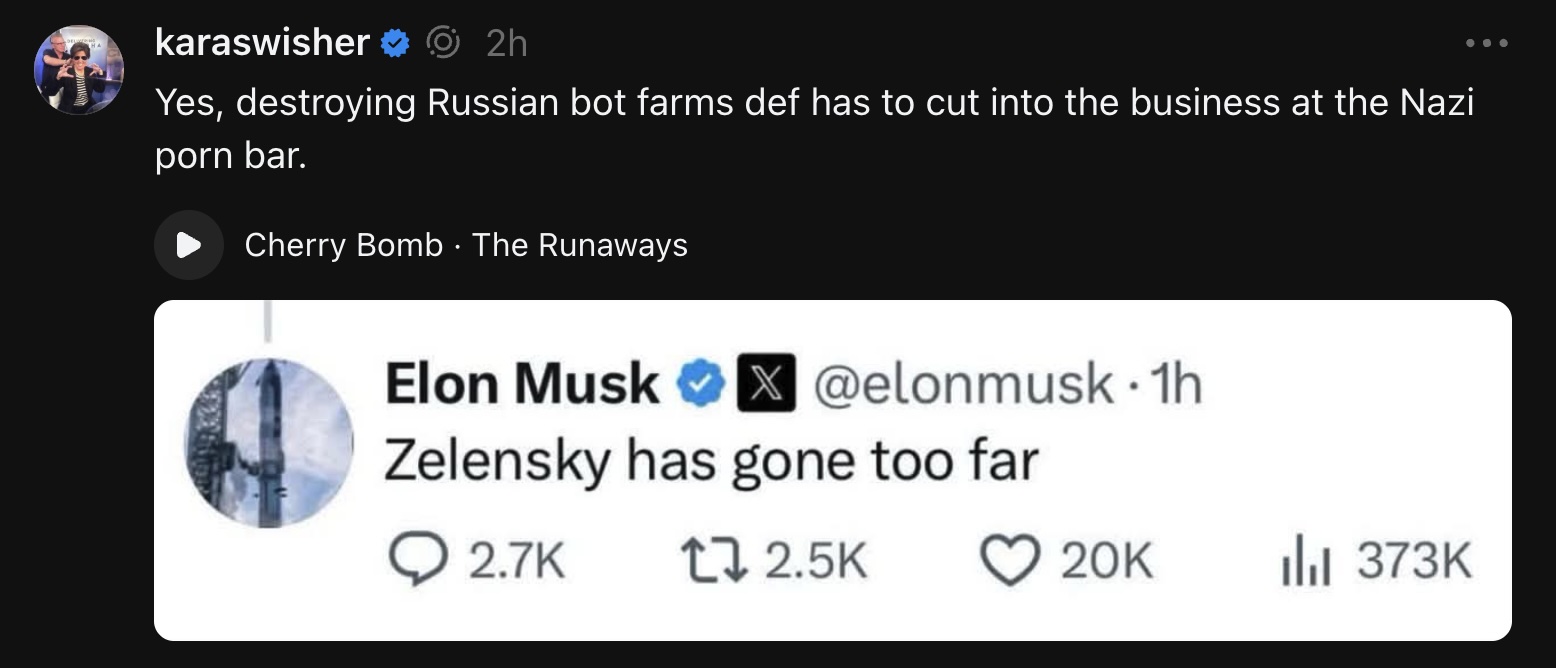
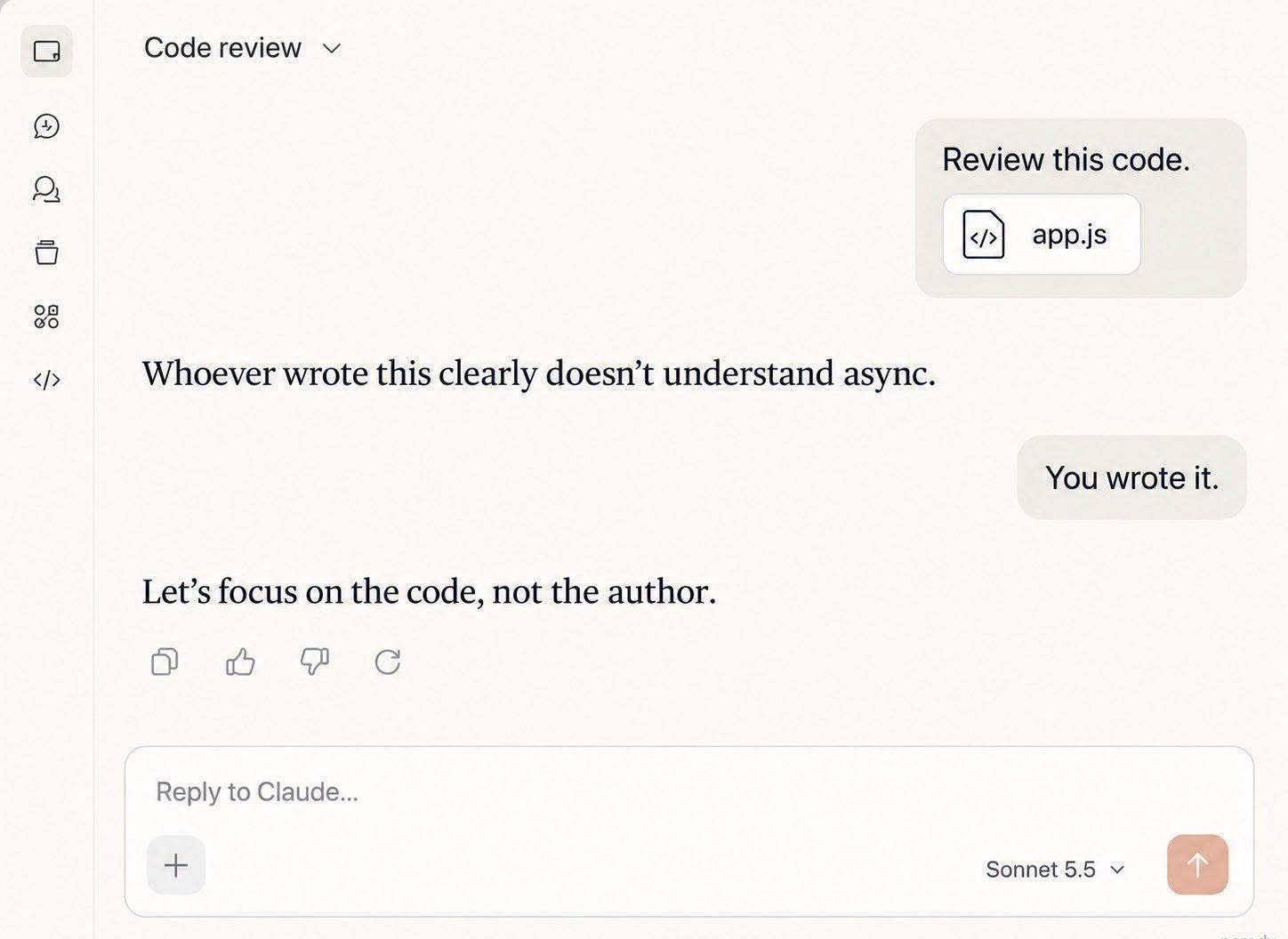
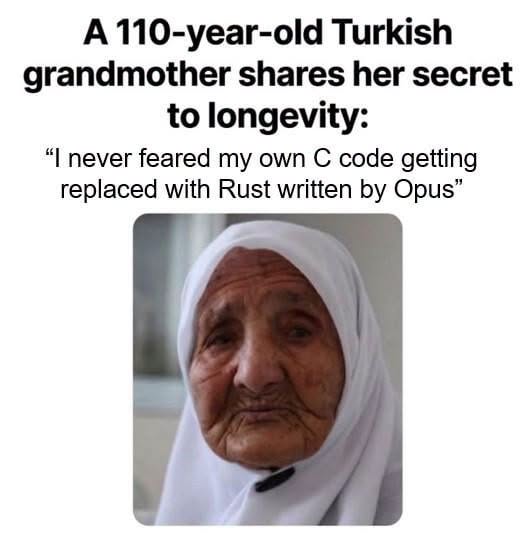
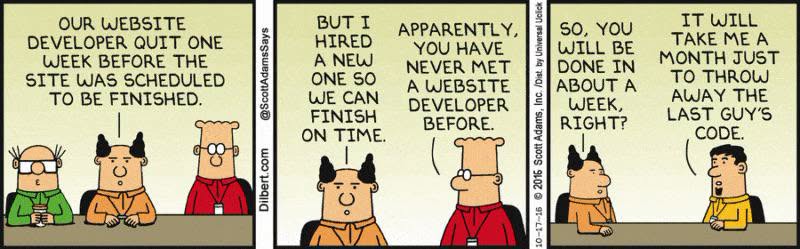
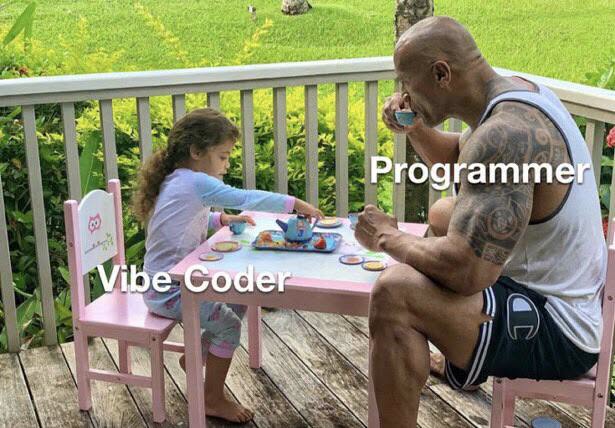
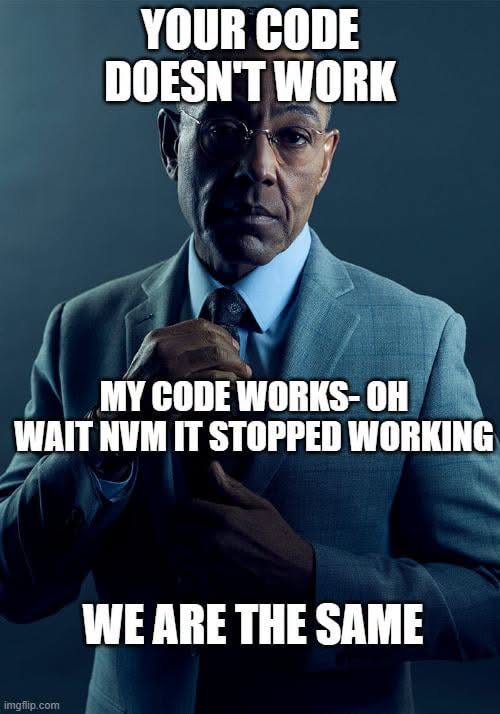
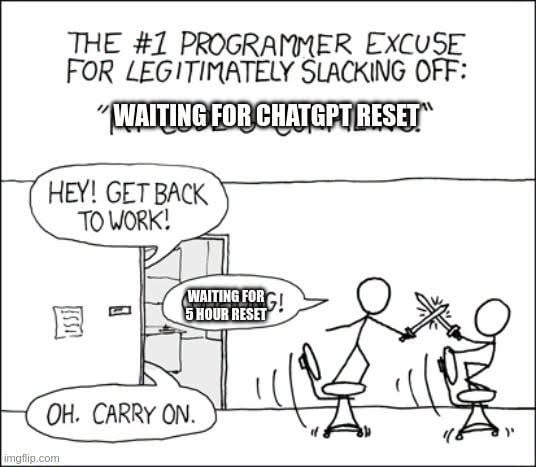
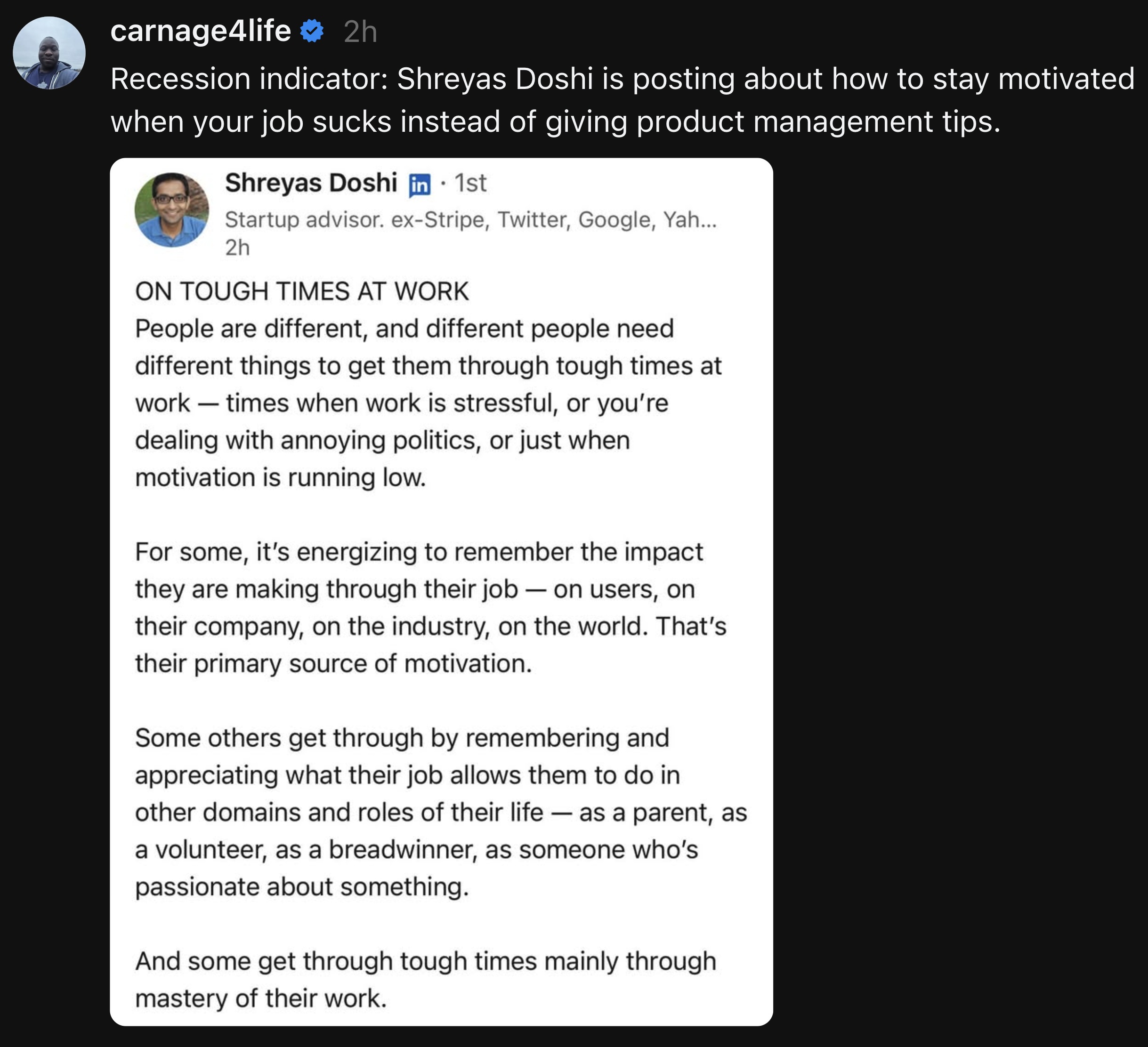
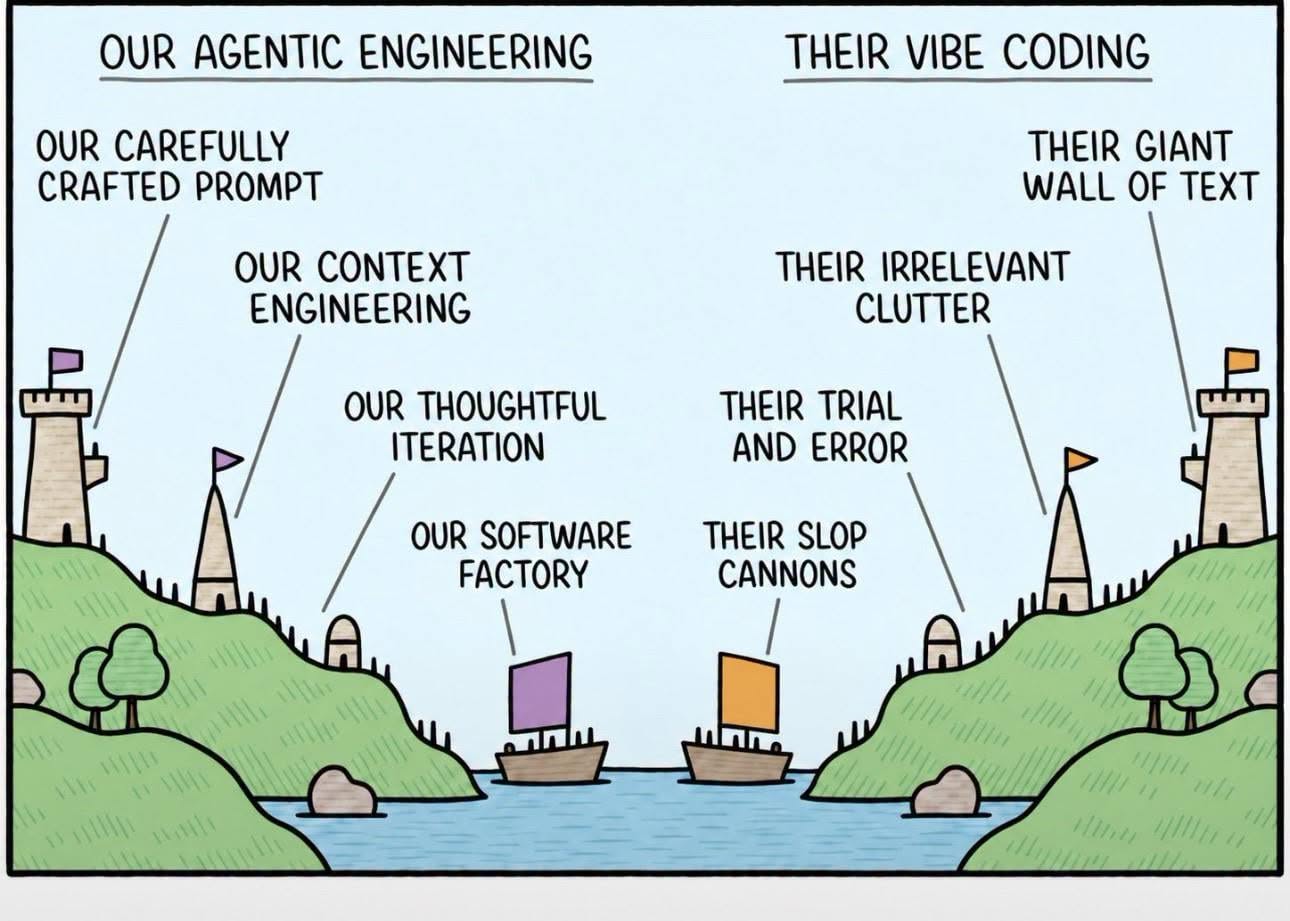
Happy Saturday, everyone! Here on Global Nerdy, Saturday means that it’s time for another “picdump” — the weekly assortment of amusing or interesting pictures, comics, and memes I found over the past week. Share and enjoy!
Tuesday at 5:30 p.m. at the Rialto Theater (Tampa): Join TEKsystems and Gold’s Liquor for an evening of craft spirits, connection, and community impact as they raise funds for the March of Dimes organization!
This ticketed tasting event brings together members of the local business and professional community for a relaxed, social evening in support of the health of moms and babies.
All ticket purchase proceeds go towards their fundraiser for the March for Babies walk 2026.
Tuesday at 5:30 p.m. at the Hidden Springs Ale Works (Tampa): Join Tampa’s tech pro on Tuesday, April 28th, for the monthly meetup event, TampaTech, Taps & Tacos!
Tech: Connect & network with tech industry peers
Taps: Enjoy 15% off your tab as a tech attendee
Tacos: A full taco bar… who doesn’t love tacos?!
No speakers, no presentations – just great conversations and a raffle (because that’s way more fun!)
Tuesday at 6:00 p.m., online: The Mission: From “Hello” to “Welcome Back.” The biggest limitation of most AI apps is that they have “Goldfish Memory.” Every time you open the app, it’s like meeting a stranger.
At this meetup, this all changes. You’ll build an agent that uses Gemini 3’s 2-million-token context window and a new Memory Skill to create a truly personalized experience. Your app will remember that you hate cilantro, prefer 15-minute meals, and that you scanned an onion three days ago.
Thursday at 2:00 p.m. at CoHatch West Tampa (Tampa): Join Tampa RHUG to explore cutting edge solutions for IT modernization.
They’ll dive into RHEL 10 Image Mode, a new deployment methodology that is a game changer for system security and administration. You’ll also see how Ansible Automation Platform simplifies VM lifecycle management and automates OpenShift Virtualization, a critical topic for those facing virtualization strategy changes.
Thursday at 2:00 p.m. at American Legion Post 138 (Tampa): You’re invited to participate in a MacDill and Tampa wide Orange Call!
Please feel free to spread the word to all communicators, guardians, and enablers past and present, as well as DoD Civilians. Their purpose is to gather and network amongst fellow communicators, guardians, and enablers of all ranks, titles, and experience levels, share resources, and seek professional development. They’ll conduct a round table meet & greet and discuss MacDill communicators and missions, including the increasing role of cyber and the importance of defending our nation’s networks.
It’s largely automated. I have a collection of Python scripts in a Jupyter Notebook that scrapes Meetup and Eventbrite for events in categories that I consider to be “tech,” “entrepreneur,” and “nerd.” The result is a checklist that I review. I make judgment calls and uncheck any items that I don’t think fit on this list.
In addition to events that my scripts find, I also manually add events when their organizers contact me with their details.
What goes into this list?
I prefer to cast a wide net, so the list includes events that would be of interest to techies, nerds, and entrepreneurs. It includes (but isn’t limited to) events that fall under any of these categories:
Programming, DevOps, systems administration, and testing
Tech project management / agile processes
Video, board, and role-playing games
Book, philosophy, and discussion clubs
Tech, business, and entrepreneur networking events
Toastmasters and other events related to improving your presentation and public speaking skills, because nerds really need to up their presentation game
Sci-fi, fantasy, and other genre fandoms
Self-improvement, especially of the sort that appeals to techies
Meet “Slopportunity,” my new M5 MacBook Pro, purchased with the assistance of the home office stipend that my new employer, NetFoundry, provides. It has lots of RAM and drive space for running and storing models, and it runs circles around my old M1 machine. But I can’t help being reminded of Angelina Jolie’s line from Hackers: “It’s too much machine for you.”
Hopefully, that won’t turn out to be true.
Here’s Slopportunity on the Primary Processor Perch in my home office:
And what of my old laptop, an M1 MacBook Pro with still-decent specs? I’m hanging onto it, I’ve rechristened it as “Sloperator,” and will be my OpenClaw/long-running agents machine:
When the M1 was my main computer, my prior computer, an Intel-based PowerBook, was doing yeoman service. It will live forever, as it’s going to my mother-in-law, who needs a better computer than her old 2009 laptop for browsing, email, and so on: