Categories
Uncategorized

Mobile device news roundup: Smartphone shipping record broken in 2Q14, Android and iOS account for over 96% of global market, Lenovo now selling more mobile devices than PCs

A record-breaking number of smartphones shipped in 2Q14

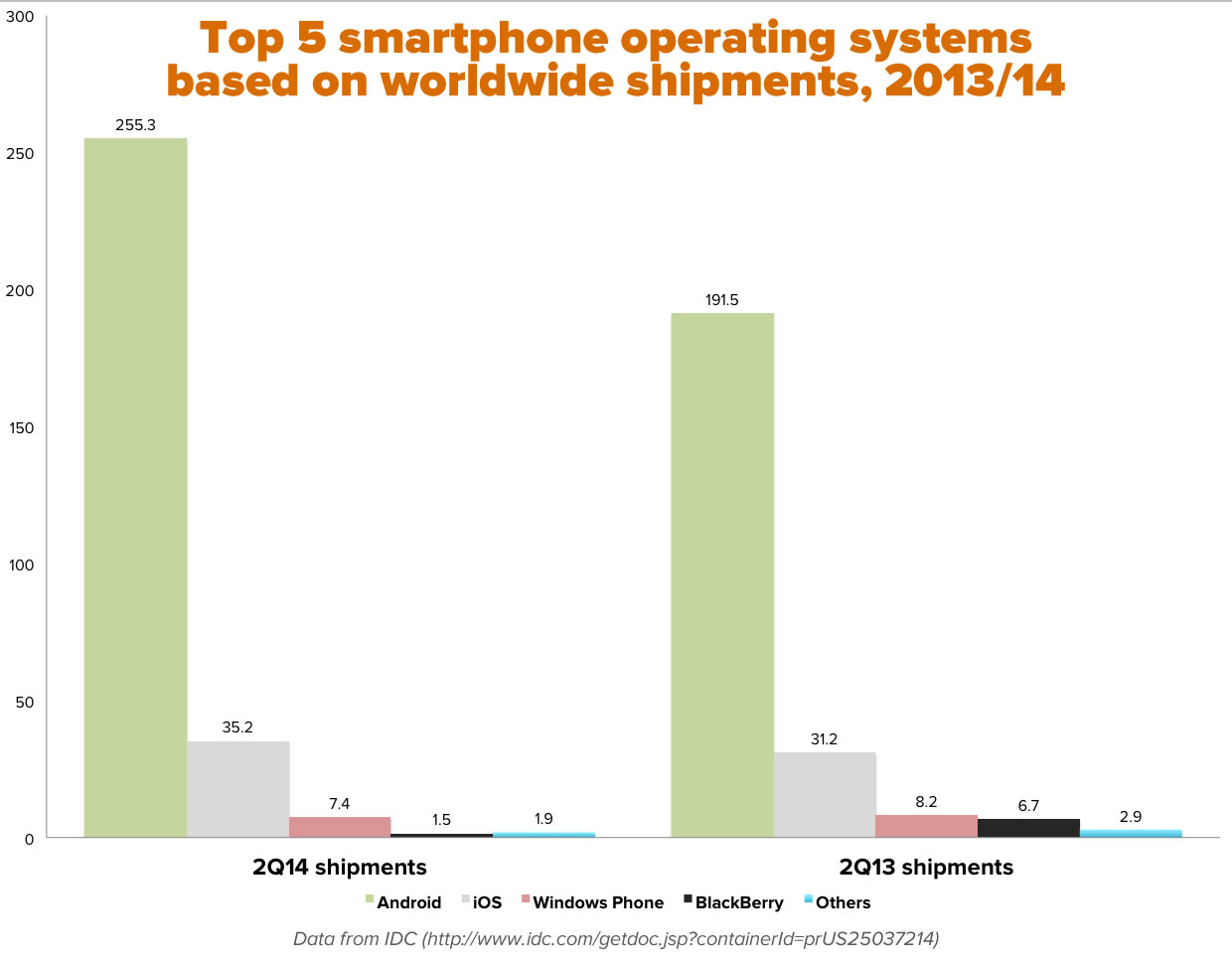
top 5 smartphone os shipments 2013-14

Click the graph to see it at full size.

For the first time ever, more than 300 million smartphones were shipped in a single quarter. The market research and analyst firm IDC stated in their most recent press release that according to their Worldwide Quarterly Mobile Phone Tracker data, smartphone vendors shipped a record-breaking 301.3 million units in the second quarter of 2014. In the same quarter in 2014, smartphone vendors shipped 240.5 million, making this year’s change a 25.3% year-over-year increase.

The chart above is based on the table of 2013 and 2014 smartphone shipments included in IDC’s press release, which we’ve reproduced below:

Operating System

2Q14 Shipment Volume
(millions)

2Q14 Market Share

2Q13 Shipment Volume
(millions)

2Q13 Market Share

2Q14/2Q13 Growth

Android

255.3

84.7%

191.5

79.6%

33.3%

iOS

35.2

11.7%

31.2

13.0%

12.7%

Windows Phone

7.4

2.5%

8.2

3.4%

-9.4%

BlackBerry

1.5

0.5%

6.7

2.8%

-78.0%

Others

1.9

0.6%

2.9

1.2%

-32.2%

Total

301.3

100%

240.5

100%

25.3%

Some of IDC’s observations on the data:

  • With almost 85% of the global market share, Android have set a new market share record, doubling their share from a mere three years ago. Samsung account for just under 30% of the Android shipments, a drop from their 40% share two years ago.
  • The second quarter is always the slowest for iOS, as they traditionally release a new phone around the end of the third quarter. The tradition is expected to continue this year, with a lot of expectation that Apple will unveil the next iPhone on September 9.
  • Windows phone is the “clear number 3 smartphone platform,” to use IDC’s words. IDC reports that while Windows Phone’s shipments for 2014 are down from 2013, but their 2Q14 shipments are an improvement over their 1Q14 numbers.
  • With less than 1% market share, it’s time for even the most resilient of BlackBerry holdouts to face the fact that theirs is no longer a viable platform.

It’s an Android/iOS world; we just live in it

apple android worldBased on IDC’s numbers, the combined share of Android and iOS is 96.4% this quarter, leaving the remaining players to fight over the remaining 5.6%. Android and iOS were the only mobile operating systems to see year-over-year growth this quarter, with Android shipments up 33%, and iOS shipments up nearly 13%. Every other OS vendor lost share between this year and last.


Lenovo sells more mobile devices than PCs, becomes the world’s number 4 smartphone vendor

You’d never know it from their US site, pictured below, which appears to be solely focused on PCs and servers…

lenovo us site

…but Lenovo now sells more mobile devices than PCs. In fact, they’re the number 4 smartphone vendor, according to IDC, who published this data in there Worldwide Quarterly Mobile Phone Tracker report:

Vendor

2Q14 Shipment Volume
(millions)

2Q14 Market Share

2Q13 Shipment Volume
(millions)

2Q13 Market Share

2Q14/2Q13 Growth

Samsung (Android)

74.3

25.2%

77.3

32.3%

-3.9%

Apple (iOS)

35.1

11.9%

31.2

13.0%

12.4%

Huawei (Android)

20.3

6.9%

10.4

4.3%

95.1%

Lenovo (Android)

15.8

5.4%

11.4

4.7%

38.7%

LG (Android)

14.5

4.9%

12.1

5.0%

19.8%

Others

135.3

45.8%

97.5

40.6

38.7%

Most of Lenovo’s smartphone sales are in China, where they’re the number one smartphone vendor. They aim to change that with the assistance of their recent purchase of Motorola, who’ve been releasing some impressive yet inexpensive smartphones, such as the Moto G and Moto E (which we raved about back in May).

For more, here’s the Wall Street Journal’s Yun-Hee Kim talking to IDC analyst Brian Ma about Lenovo’s next big ambition: to expand their presence in North America and Europe and take on Apple and Samsung:

Thanks to Phil Caruso, GSG’s Director, Channel Programs for the heads-up!

this article also appears in the GSG blog

Categories
Uncategorized

GSG’s new “Mobility 101” video: Telecom Expense Management, or TEM

tem slide

We’ve just posted a new video titled Telecom Expense Management, or TEM. It explains why your business needs TEM, and what makes up a good telecom expense management system.

Here’s the video. We promise it’ll be enlightening and amusing:

About Mobility 101

mobility 101 tem title card

This video is the second in our ongoing Mobility 101 series, which covers various aspects of enterprise mobility: mobile technology, applications, services, and management. We know that the last thing that you want to do is sit through another long, boring presentation, so we’ve made sure that every video is ten minutes or shorter and not like most of the stultifying slide decks you’ve had to suffer through. We’ve worked to make them entertaining as well as educational.

In case you missed our first one, Intro to MMS, here it is:

We’ll be posting new videos regularly to our channel on YouTube, located at this easy-to-remember URL: .

this article also appears in the GSG blog

Categories
Uncategorized

Techie amusements

Here’s a little geeky humor to get your week started…

It’s one of the reasons I write native apps

javascript and the good parts

Okay, JavaScript isn’t that bad, but sometimes, it’s hair-pullingly bad.

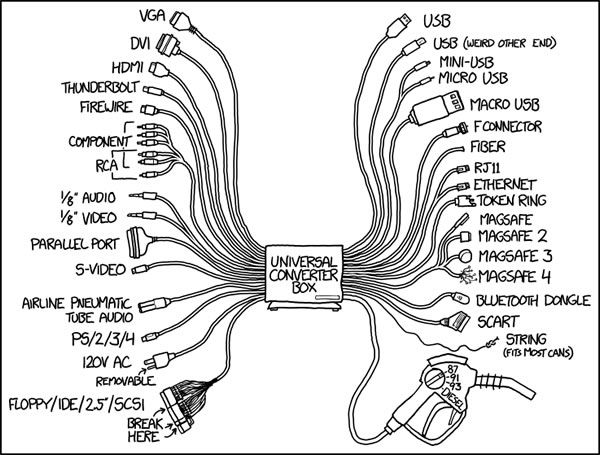
We could all use one of these converter boxes

xkcd - universal converter box

Good ol’ XKCD; Randall Munroe always know how to channel geek desires into comics.

Sometimes, all you need is a little rebranding

victorian i-pads

With a little glue and some gears, you could sell them as steampunk at double the price.

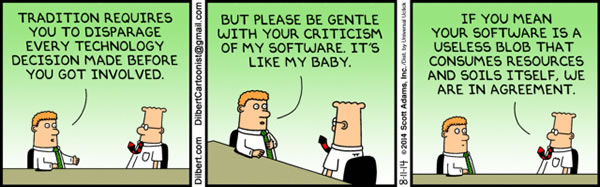
Dilbert thinks your baby is ugly

dilbert software baby

Does anyone remember the term “egoless programming”?

Categories
Uncategorized

White paper: Is your wireless expense management company doing enough to save you money?

hundred dollar bills

Creative Commons photo by “2bgr8”. Click to see the original.

With wireless carriers fighting tooth-and-nail for each other’s business, the growing usage of mobile data, and new technologies and service driving increased mobile usage, wireless has become a dynamic cost center. It’s also an extraordinarily difficult expense for businesses to control.

Vendor rate plans change with the wind, users are constantly adding or changing phones and device accessories, and what was initially an optimal plan for an individual or group of employees may no longer fit when usage patterns change. What’s more, errors are notoriously rampant in wireless billing, and even when rectified, they have a way of creeping back into invoices.

The majority of wireless expense management companies take a cut-and-dried approach to cost reduction. This generally involves a single invoice audit and optimization of a company’s wireless service plans, features and usage. When all goes smoothly, this process may produce an immediate savings of 10% – 15% of the company’s total spend. After that, the expense management firm bids their client “adieu” and pats itself on the back for a job well done.

dirty dishes

Public domain photo by “Mysid”. Click to see the original.

Just as it would be nice if you could wash the dishes only once, it would be great if wireless expense reduction could be addressed with a single invoice audit. As with the dishes, the reality is that cost reduction is something best done on a continual basis, while making adjustments as your situation changes. Up-front savings are nice, but the real payoff comes from an ongoing audit and optimization process that’s tightly synchronized with the evolution of your business.

Our president, Dan Hughes, has written a white paper that provides an overview of audit and optimization “best practices” that have proven to drive significant and long-term wireless expense reduction. Download and read it, and if your audit firm or wireless expense management firm isn’t following these practices, you’re undoubtedly missing out on the substantial savings that can come from analyzing your wireless spending.

download pdf

Download our white paper [2.1MB PDF] to learn about the audit checks, optimizations, and implementations that we perfom to help our customers maximize their telecom dollar.

this article also appears in the GSG blog

Categories
Uncategorized

Telecom industry news roundup: DOT might ban calls on flights, carriers throttle data because that’s where the money is, and Comcast sweetens its internet deal for low-income customers

DOT likely to ban in-flight phone calls

mobile phone on flight

The Wall Street Journal reports that the U.S. Department of Transportation (DOT) will likely rule to ban in-flight mobile phone calls. Regulators are focused on the disruptions caused by voice calls and not on texting or data usage. Airlines say that the DOT is overstepping its authority, and would rather that the final decision be left up to them.

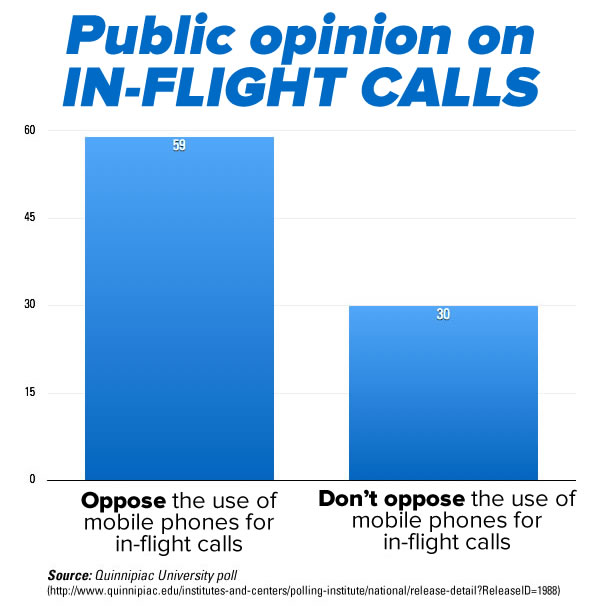
In case you were wondering, Delta and JetBlue have gone on the record saying that they won’t allow in-flight calls, and public opinion is generally against them:

public opinion on in-flight calls

Click the graph to see the data source.

Using your unlimited data plan in an unlimited fashion? Carriers don’t like that.

wireless data

Adapted from Intel Free Press’ Creative Commons photo. Click to see the original.

Last week, Tom Wheeler, the Federal Communications Commission’s (FCC) chairman sent a letter to Verizon about their proposed “network optimization” plan asking why only certain customers are targeted for throttling — that is, the slowing down of data connectivity — when accessing “particular cell sites experiencing unusually high demand”. The targeted customers are heavy data users with who have unlimited data plans — in other words, people who use a lot of mobile data and accordingly purchased a plan that meets their needs. ReadWrite reports that he accused the carrier of using “network management” as a money grab:

Reasonable network management concerns the technical management of your network; it is not a loophole designed to enhance your revenue streams. It is disturbing to me that Verizon Wireless would base its network management on distinctions among its customers’ data plans, rather than on network architecture or technology.

Verizon’s response has been to call Wheeler’s letter “incorrect” and “surprising”, and to point out that the FCC hasn’t made any complaints about similar practices from the other carriers. As ReadWrite puts it, “It’s a polished and professional way of saying, Everyone else is doing it too, so what gives?

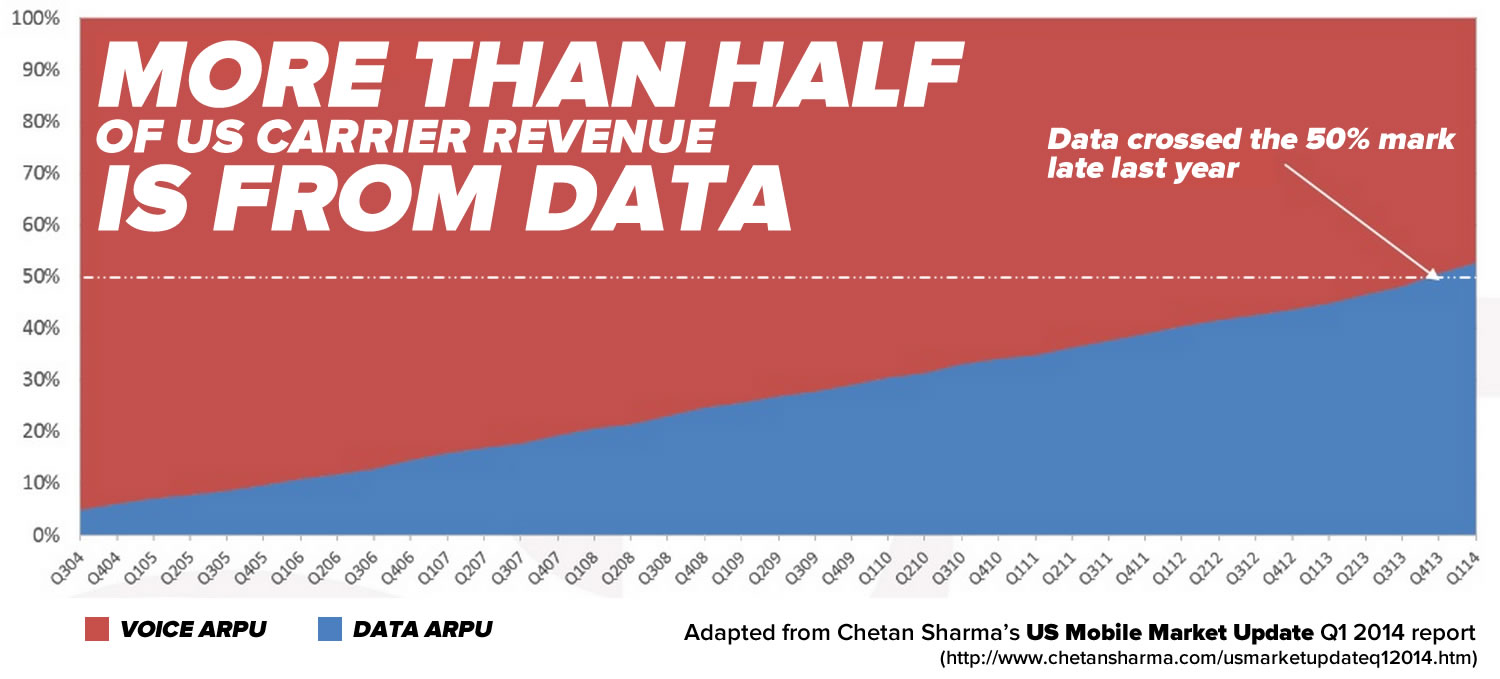
Why is this the case? The chart below, which we published in an earlier article, explains it quite simply:

more than half is from data

Click the graph to see it at full size.

In the pre-smartphone era, when the primary use for a mobile phone was talking, voice was metered and data (mostly for texting) as unlimited. Over the past few years, now that “mobile phone” means “smartphone” and data usage has skyrocketed, the carriers have been adjusting their business models accordingly, giving away voice and metering data:

The message from the carriers is clear: If you have an unlimited plan and you’re using it for what you think is its intended purpose, prepare to be throttled.

Comcast sweetens their internet service offering for low-income customers after complaints

comcast internet essentials

Comcast’s Internet Essentials program, which offers home internet service to low-income households at $10/month, was a concession made to help them secure the approval of their purchase of NBCUniversal in 2011. It sounds nice, but as the California Emerging Technology Fund (CETF) has complained that signing up for the service is deliberately long, often taking two to three months.

In response, Comcast have announced that it will offer “up to six months” of free internet and amnesty to people who are late paying their bills. Chances are that they’re doing this in light of their recent embarrassment with that cancellation call recording that went viral and needing to gain approval for merging with Time Warner.

this article also appears in the GSG blog

Categories
Uncategorized

Internet protocol joke of the day

i don't always tell udp jokes

Thanks to Joe Smith for pointing me to the original, which I spruced up.

Categories
Uncategorized

This is how I picture people who are exercising their “right to be forgotten”

stealth mode activated

Seriously, the right to be forgotten is a silly, unenforceable concept.