 813 Tech Day happens in Tampa this Thursday, and whether you plan to attend (I’ll be at the Hotel Haya and Sapphire events) or observe from afar, keep this word in mind: Scenius.
What is scenius?

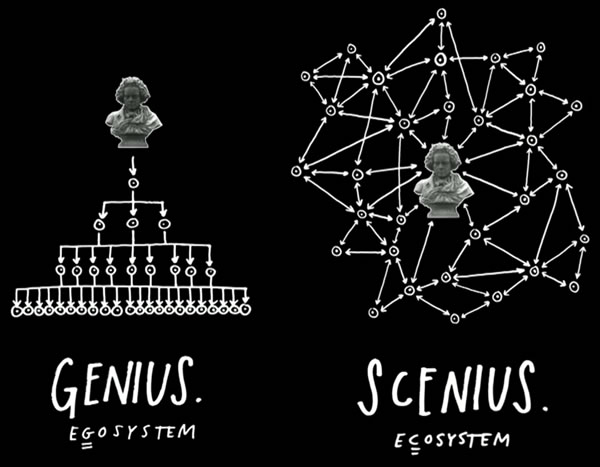
Scenius is a portmanteau of the words scene and genius, and it was coined by musician, music producer, and visual artist Brian Eno to describe the extreme creativity that groups, places, or “scenes” can generate.
Eno came up with the term as a way of countering the pervasive myth of the Lone Genius: the idea that innovation comes from a small, select set of Chosen Ones:

“Just as genius is the creative intelligence of an individual,” he says in the video, “scenius is the creative intelligence of a community.”
Here’s Eno’s expanded definition of scenius, courtesy of Eno:
“Scenius stands for the intelligence and the intuition of a whole cultural scene. It is the communal form of the concept of the genius.”
…I thought that originally those few individuals who’d survived in history – in the sort-of “Great Man” theory of history – they were called “geniuses”. But what I thought was interesting was the fact that they all came out of a scene that was very fertile and very intelligent.
So I came up with this word “scenius” – and scenius is the intelligence of a whole… operation or group of people. And I think that’s a more useful way to think about culture, actually. I think that – let’s forget the idea of “genius” for a little while, let’s think about the whole ecology of ideas that give rise to good new thoughts and good new work.”
Historical examples of scenius
Here are some examples of scenius, where the collective smarts, creativity, and passion of a group of people coming together to do great things is greater than the sum of its parts:
- The Lunar Society of Birmingham: a dinner club run between 1765 and 1813 in Birmingham, England, and attended by industrialists, scientists, and thinkers who changed science and engineering forever. Their regulars included Boulton and Watt (steam engines and their applications to manufacturing), Erasmus Darwin (biology, inventions, and grandfather of Charles Darwin), Keir (industrialist, chemistry, inventions), Priestly (chemistry, philosophy), Small (Thomas Jefferson’s professor at the College of William and Mary), Stokes and Withering (early heart medicine), Wedgewood (industrialized pottery, pretty much invented modern marketing, including the concepts of direct mail, money-back guarantees, self-service, free delivery, buy one get one free, and illustrated catalogs), Whitehurst (geology).
-
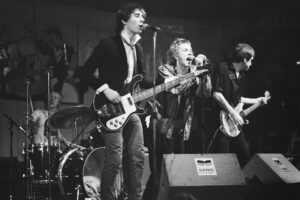
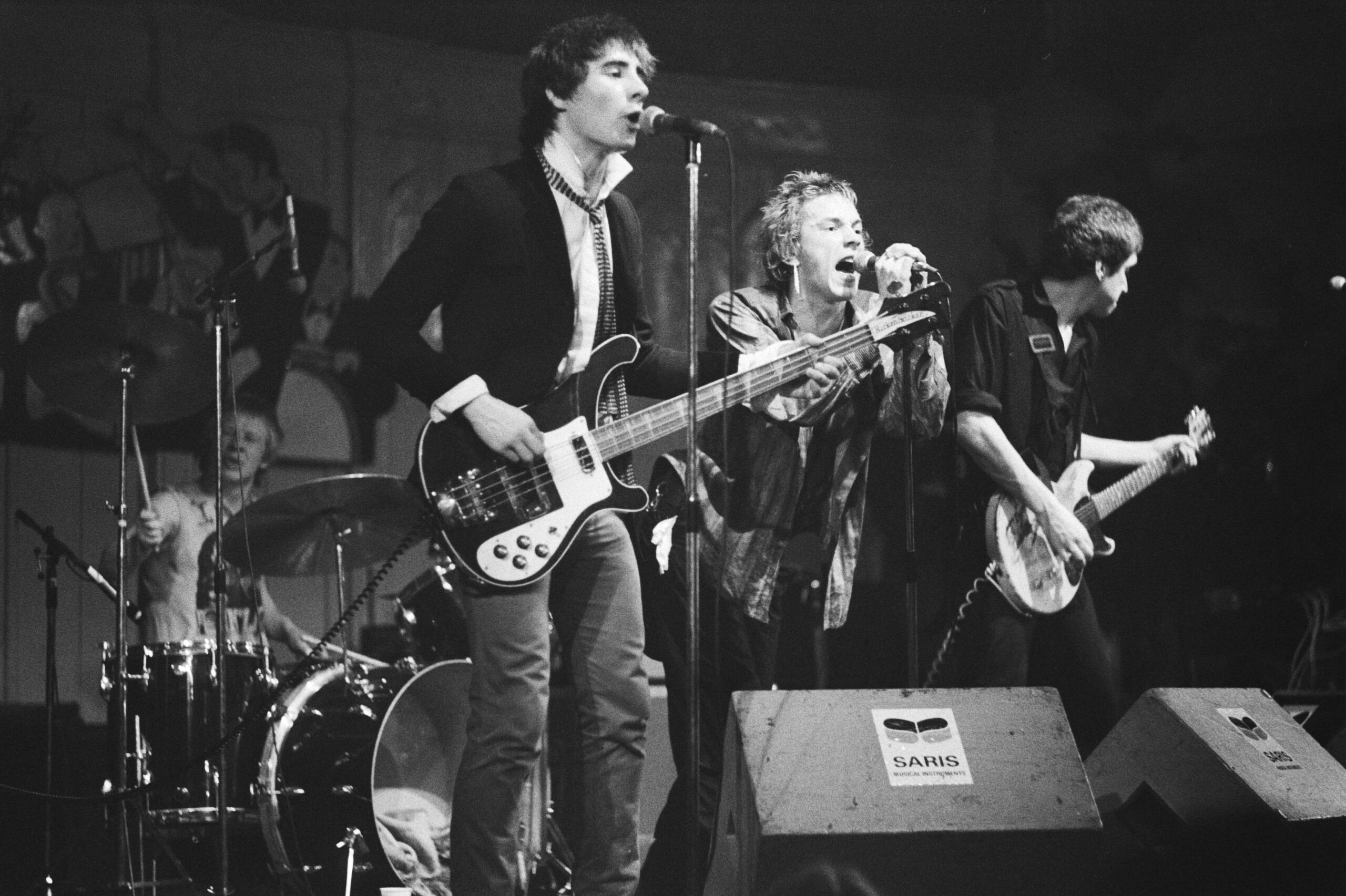
The Sex Pistols. (Piublic domain photo) The Sex Pistols’ 1976 gig. It was attended by a mere 42 people, but those people went on to revolutionize music through their work in British alt-rock: Howard Devoto and Pete Shelley (The Buzzcocks) organized, Tony Wilson and Martin Hannett (Factory Records and The Hacienda), Morrissey, Mark E. Smith (The Fall), Paul Morley (NME magazine, Frankie Goes to Hollywood, The Art of Noise), Mick Hucknall (Simply Red), and Ian Curtis, Bernard Sumner, and Peter Hook (Joy Division, New Order). This gig was so consequential that it has its own Wikipedia entry!
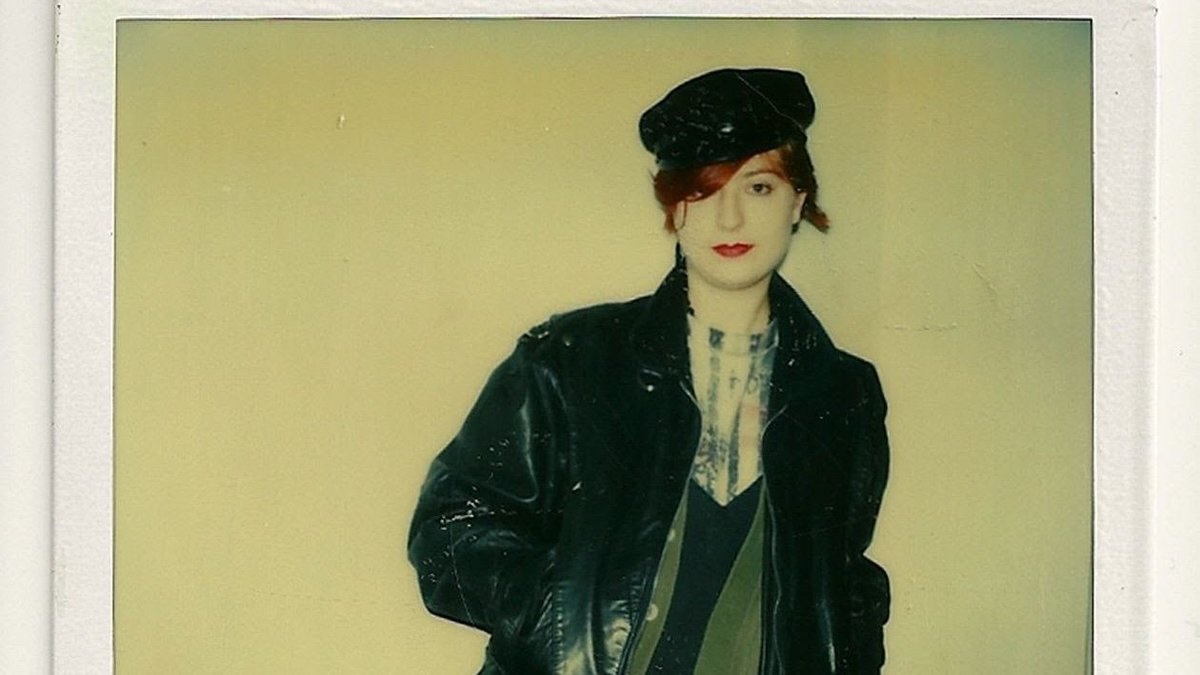
- Kool Lady BlueThe Roxy, New York, 1980s.
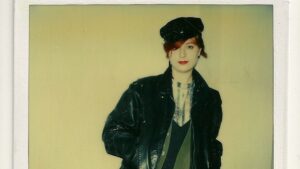
Kool Lady Blue It started as a roller rink in Chelsea, but thanks to parties organized by Kool Lady Blue and Michael Holman, it became the place where hip-hop legends like Afrika Bambaataa (as in Planet Rock), Grandmaster Flash (The Message, White Lines), Jazzy Jay, Grand Wizzard Theodore spun records, the Rock Steady Crew dance-battled, and Fab 5 Freddy hosted.
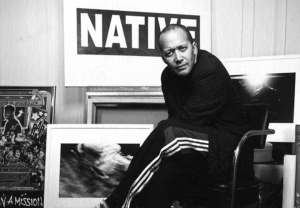
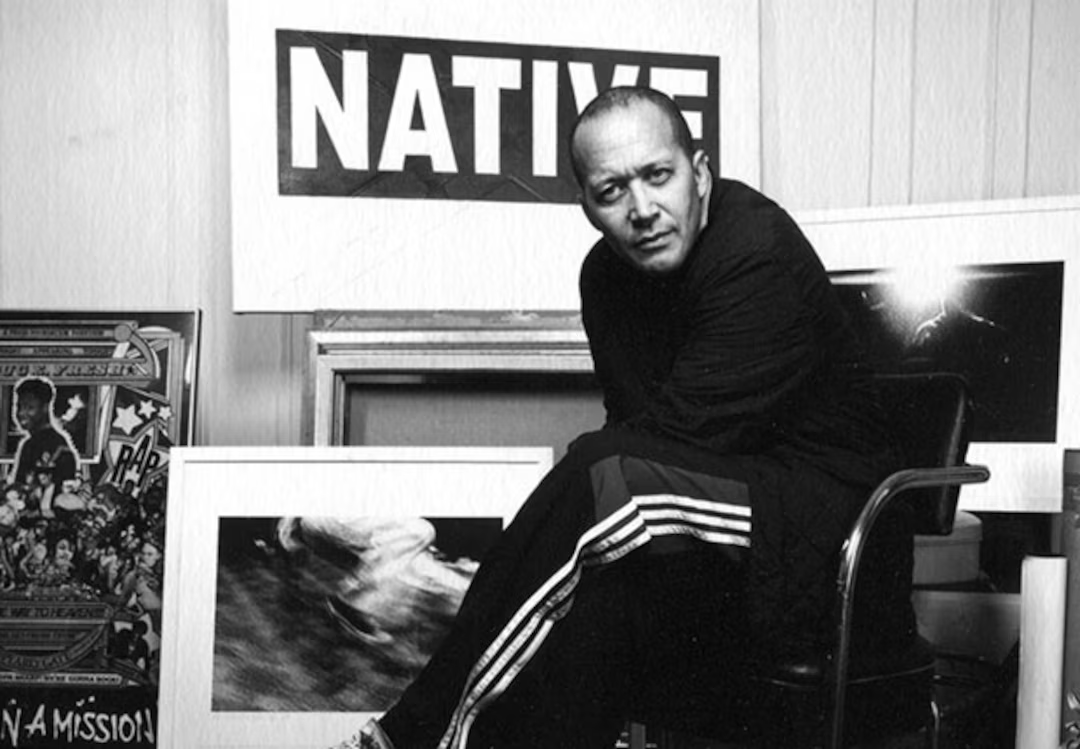
Michael Holman A then-NYU student named Rick Rubin was there networking, and in a couple of years before he’d co-found Def Jam. A young Madonna performed there before her career took off, and Run-DMC and New Edition played some of their first shows on that stage.
The Roxy also attracted people from New York’s art/punk scene, including Jean-Michel Basquiat, Keith Haring, Andy Warhol, Debbie Harry (who ventured into hip-hop with 1980’s Rapture, which was the first rap tune to make it to #1 on the U.S. charts; it also mentions Fab 5 Freddy), and to complete the scenius circle… John Lydon of the Sex Pistols.
- Silicon Valley: Your iPhone and Android are direct descendants of the scenius that was born when the “Traitorous Eight” left Shockley Semiconductor to form their own company, Fairchild, and the “Fairchildren” who then left Fairchild to form their own companies, and so on, creating a cross-pollenating scene that we now know as “The Valley”.
What conditions does scenius need?
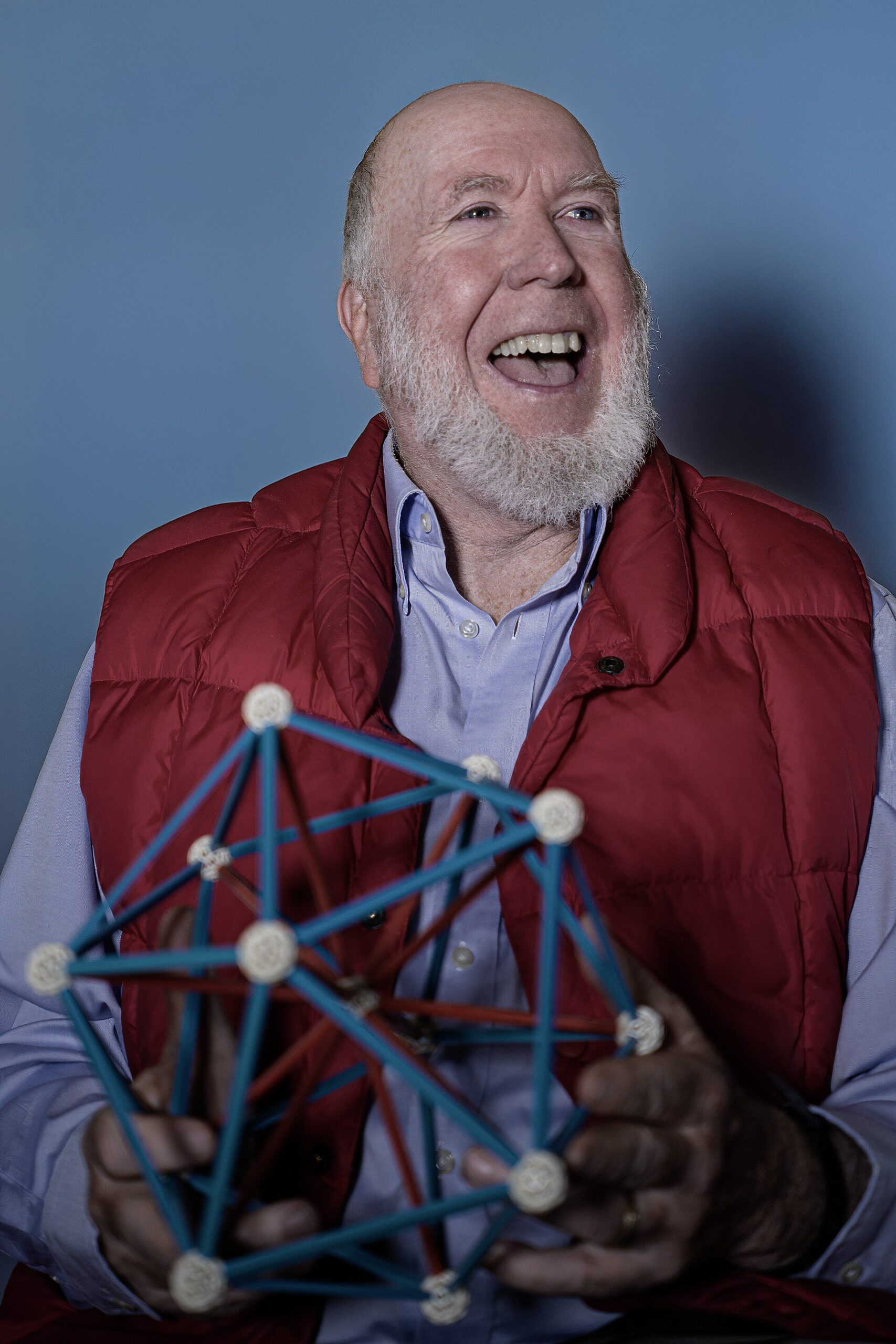
Kevin Kelly, founding editor of Wired and former editor and publisher of the Whole Earth Review, wrote that the geography of scenius is nurtured by several factors:
- Mutual appreciation: Risky moves are applauded by the group, subtlety is appreciated, and friendly competition goads the shy. Scenius can be thought of as the best of peer pressure.
- Rapid exchange of tools and techniques: As soon as something is invented, it is flaunted and then shared. Ideas flow quickly because they are flowing inside a common language and sensibility.
- Network effects of success: When a record is broken, a hit happens, or breakthrough erupts, the success is claimed by the entire scene. This empowers the scene to further success.
- Local tolerance for the novelties: The local “outside” does not push back too hard against the transgressions of the scene. The renegades and mavericks are protected by this buffer zone.

By Larry D. Moore, CC BY 4.0
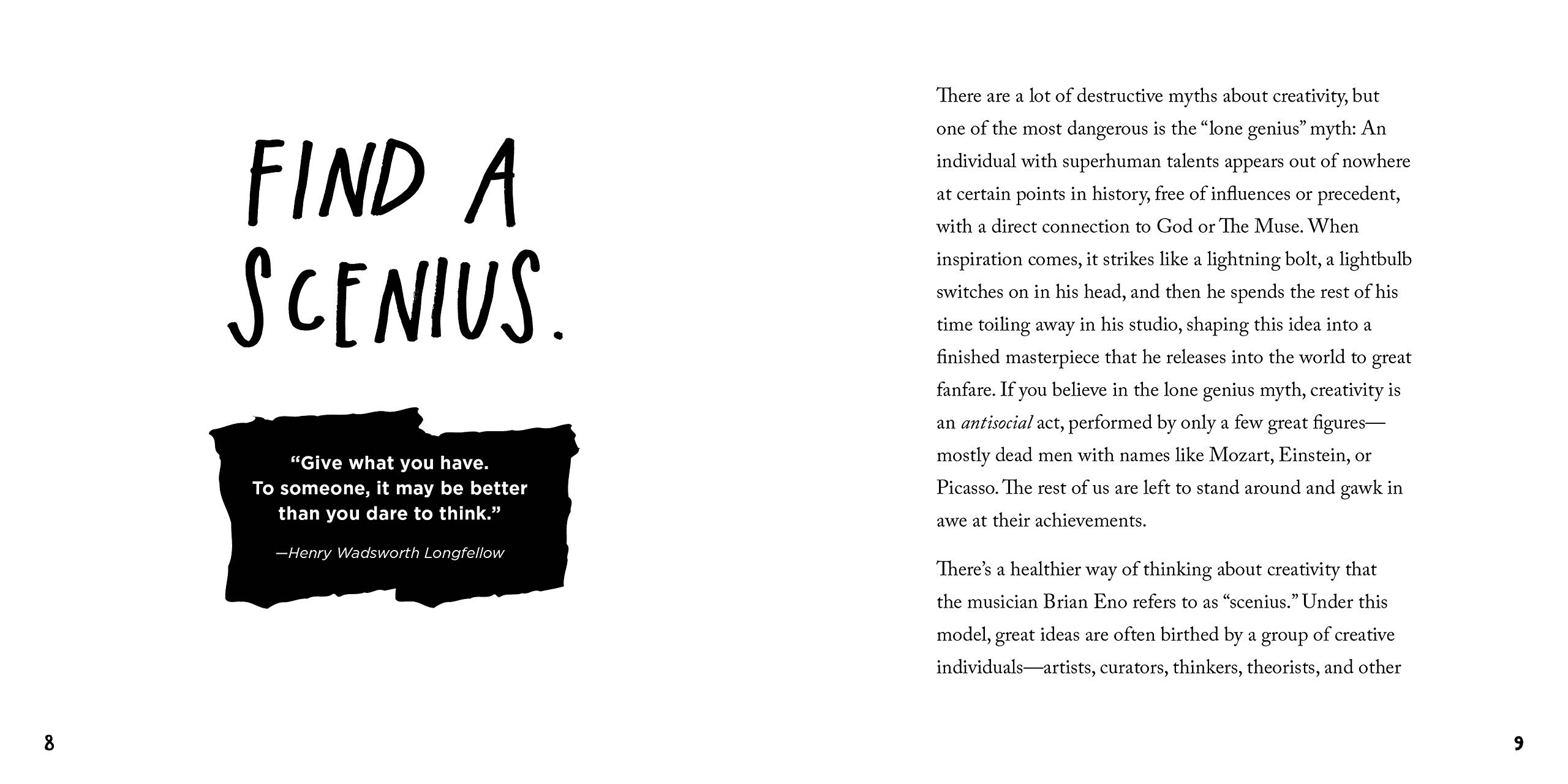
Here’s what Austin Kleon, a writer and artist whose ideas have been adopted by the tech community, has to say about scenius:
Under this model, great ideas are often birthed by a group of creative individuals—artists, curators, thinkers, theorists, and other tastemakers—who make up an “ecology of talent.” If you look back closely at history, many of the people who we think of as lone geniuses were actually part of “a whole scene of people who were supporting each other, looking at each other’s work, copying from each other, stealing ideas, and contributing ideas.” Scenius doesn’t take away from the achievements of those great individuals: it just acknowledges that good work isn’t created in a vacuum, and that creativity is always, in some sense, a collaboration, the result of a mind connected to other minds.
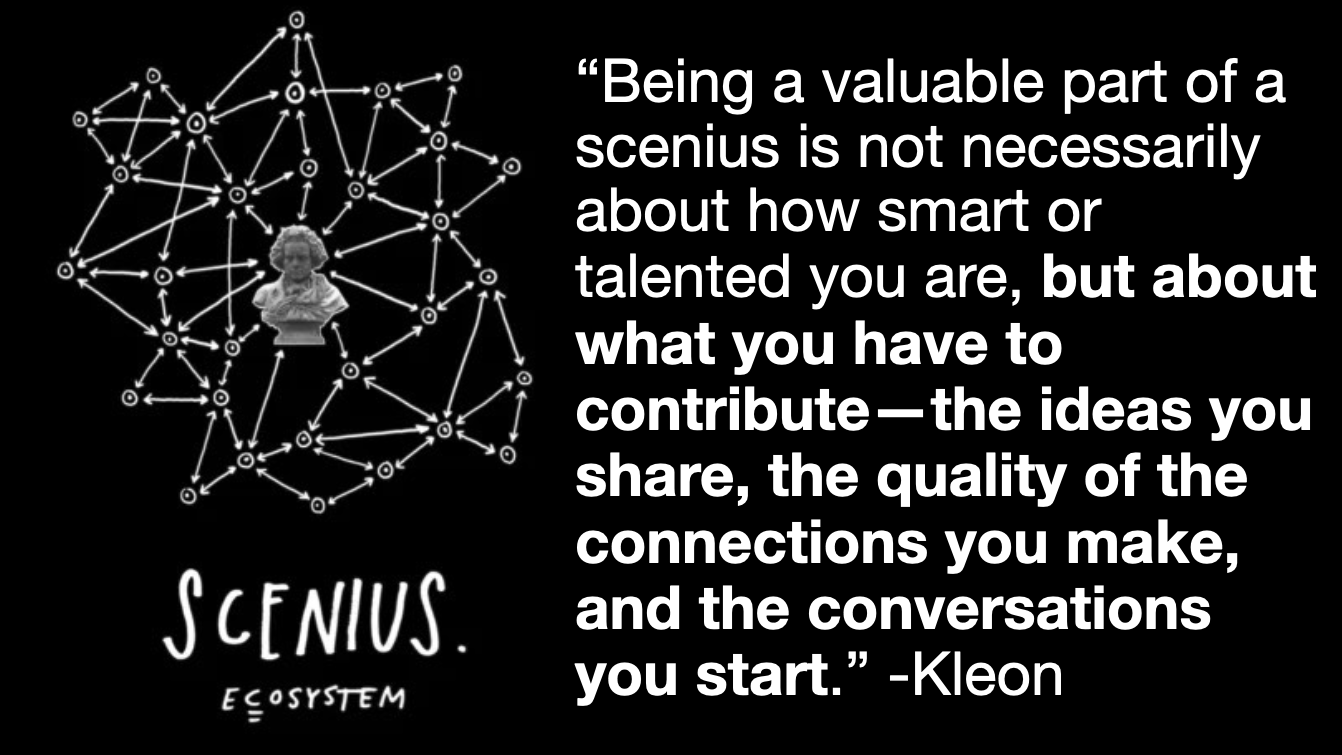
What I love about the idea of scenius is that it makes room in the story of creativity for the rest of us: the people who don’t consider ourselves geniuses. Being a valuable part of a scenius is not necessarily about how smart or talented you are, but about what you have to contribute—the ideas you share, the quality of the connections you make, and the conversations you start. If we forget about genius and think more about how we can nurture and contribute to a scenius, we can adjust our own expectations and the expectations of the worlds we want to accept us. We can stop asking what others can do for us, and start asking what we can do for others.
How do we grow Tampa’s scenius?
The short answer is: By showing up and participating in events like 813 Tech Day!
While the elements of scenius are in place for Tampa Bay’s tech scene, there’s still some way to go before Tampa can match places like Nashville (whose tech scene is bigger than you might think) never mind places like Austin, Charlotte, Indianapolis, and Raleigh.
The success or failure of Tampa’s tech scenius depends on us, the Tampeños who work in tech, creative, and related industries.
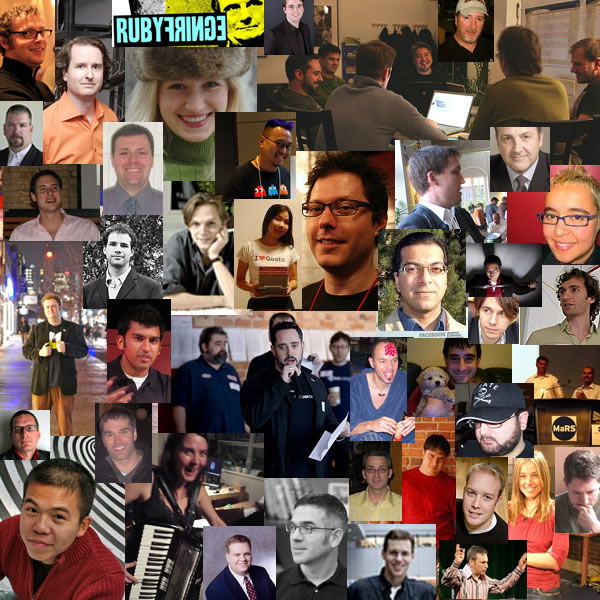 I’m originally from Toronto. While it has one of the hottest tech scenes in North America today, it wasn’t always that way.
While the city did launch some initiatives to change this, what truly made the difference was Toronto’s own tech community stepping up and organizing. We held events of all sizes, from regular meetups and user group meetings at pubs and lecture halls to independent conferences like Mesh, RubyFringe and FutureRuby to tech “camp” events to big corporate gatherings put on by the likes of the Canadian subsidiaries of IBM and Microsoft. We built places to get together, from hackerspaces such as Hacklab.TO (where I met Chris Olah as a young teenager; he’d go on to co-found Anthropic)…
…and Site3 coLaboratory to the MaRS Centre. In my work as a developer evangelist for Microsoft, I’ve met many students at Toronto’s fine universities and colleges, and they’re eager to crank out the ‘wares, both hard and soft, and they’re bright as all get-out. We built a great community bound together by cooperation, a strong social media scene and good old-fashioned face-to-face meetings. We got stuff done, and the stuff we did traveled far and wide. We built Toronto’s tech scenius, and it put the city on the map.
Can Tampa do the same? I believe so; it’s just up to us.
And now, 813 Tech Day!
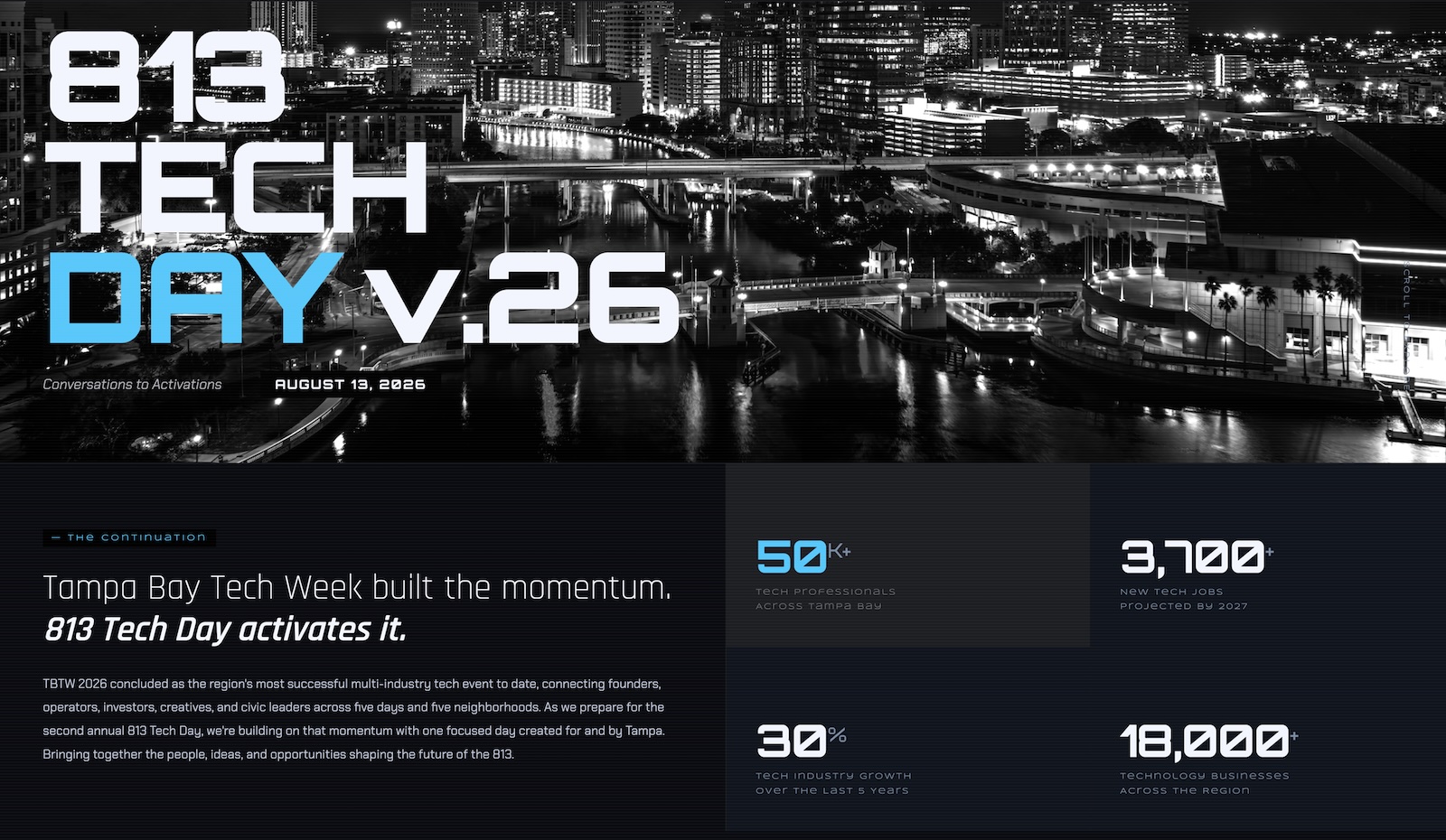
Thursday, August 13, or 8/13, is 813 Tech Day. Brought to you by the folks behind Tampa Bay Tech Week and 727 Tech Day, it’s one day of sessions, discussions, workshops, get-togethers, and networking for Tampa Bay’s tech community, held in Tampa.
There’ll be value in what the presenters show and what the panelists say, but the real gold will be in simply showing up and meeting other people you might not have otherwise met and gaining ideas and inspiration you might not have otherwise had.
Or, as the saying goes, 80% of success is showing up. (In fact, you might want to read this recent article of mine about how showing up paid off for me.)
So show up at 813 Tech Day!
Want to know more about 813 Tech Day?
Recommended reading/viewing
Here’s another video with Brian Eno talking about scenius:
Genius Vs Scenius: You Don’t Need To Be Extraordinary To Create Extraordinary Things:
Here’s Austin Kleon’s talk, Steal Like an Artist, which has some elements in it that would later lead to him writing about scenius:
Also by Austin Kleon:
Other writing: