Happy Saturday, everyone! Here on Global Nerdy, Saturday means that it’s time for another “picdump” — the weekly assortment of amusing or interesting pictures, comics, memes, and even videos — I found over the past week. Share and enjoy!
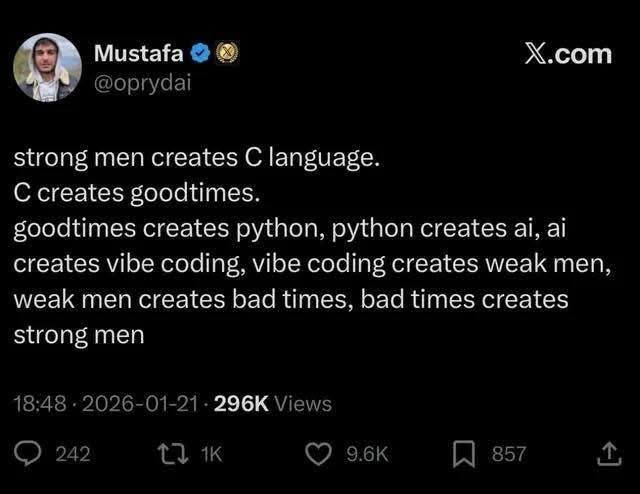

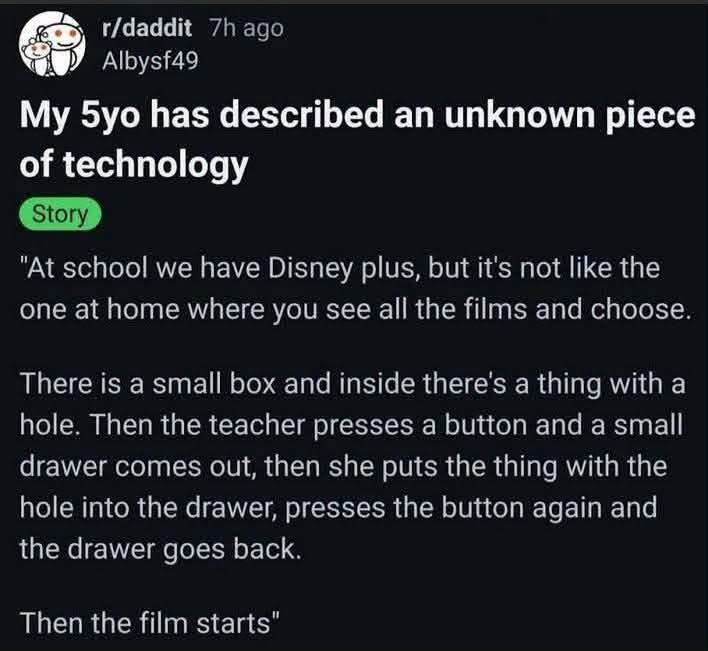
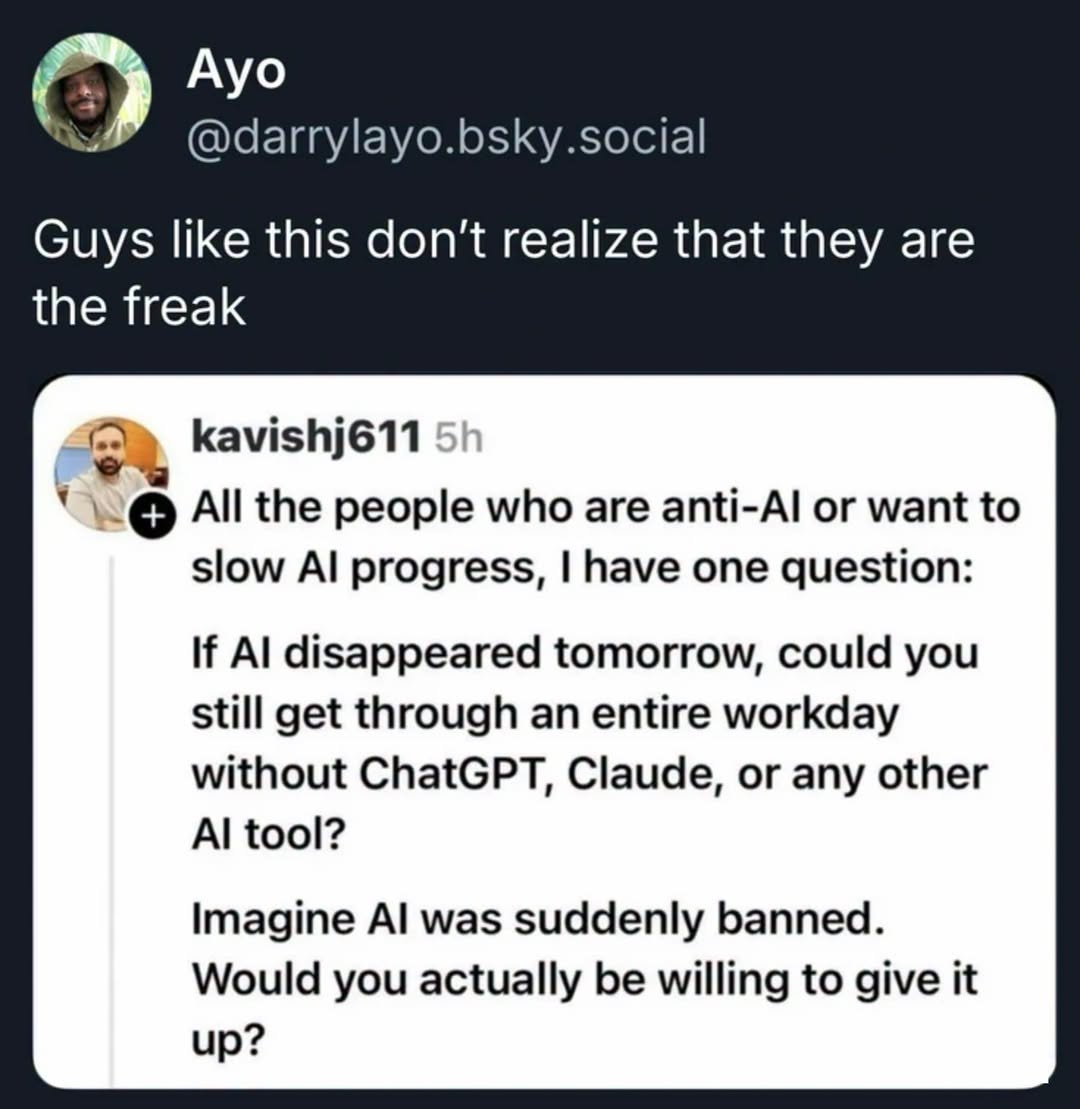


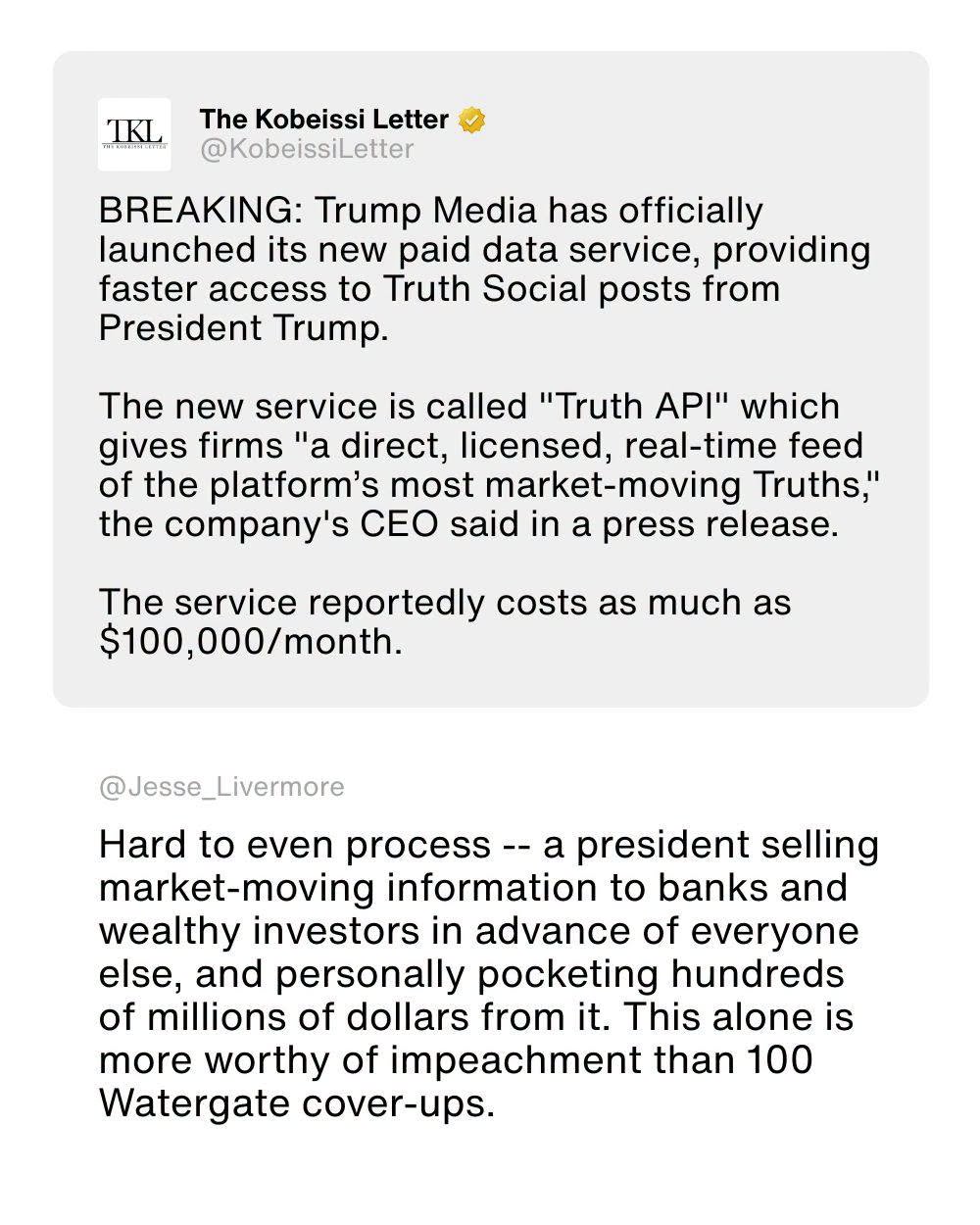
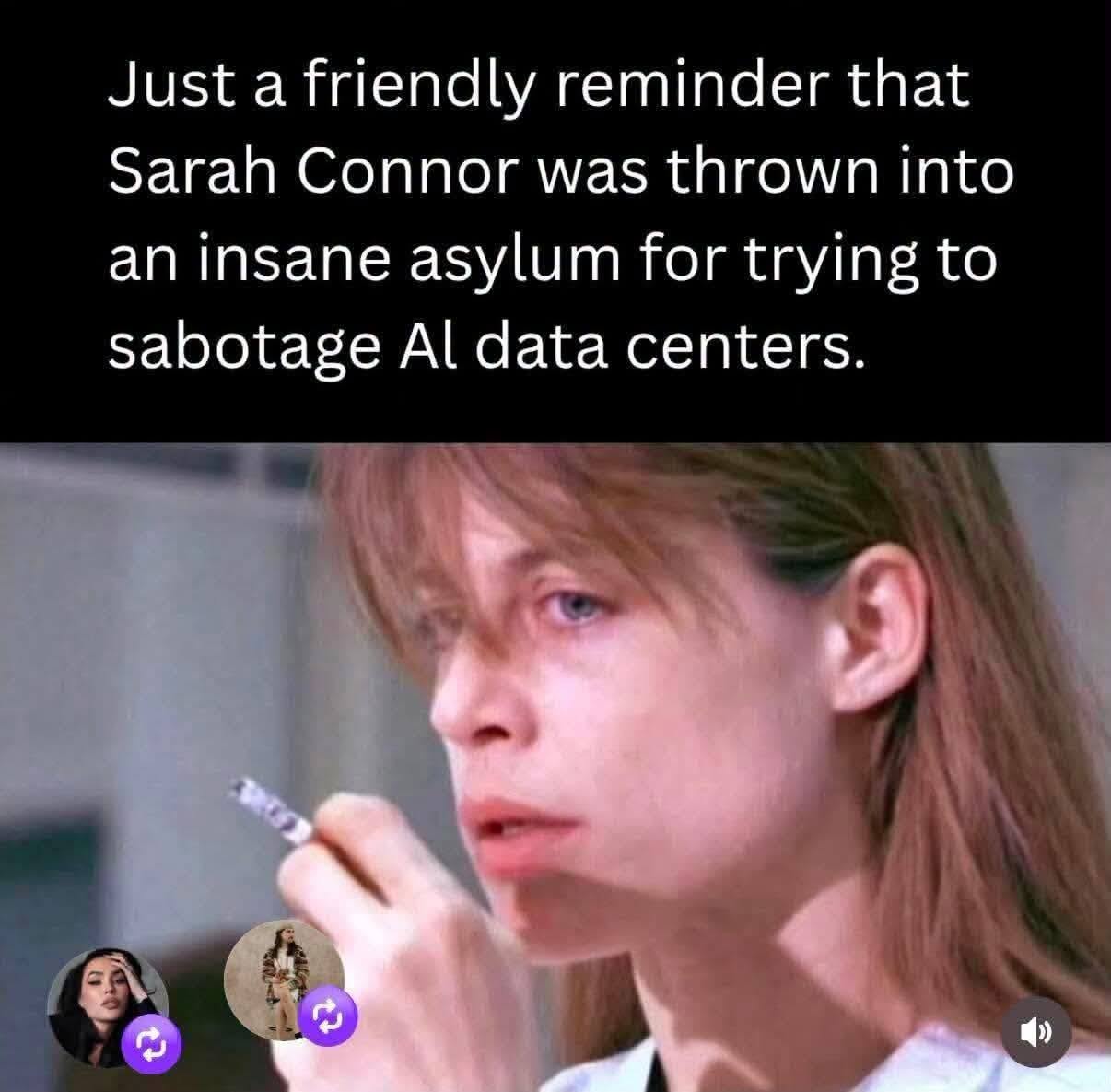
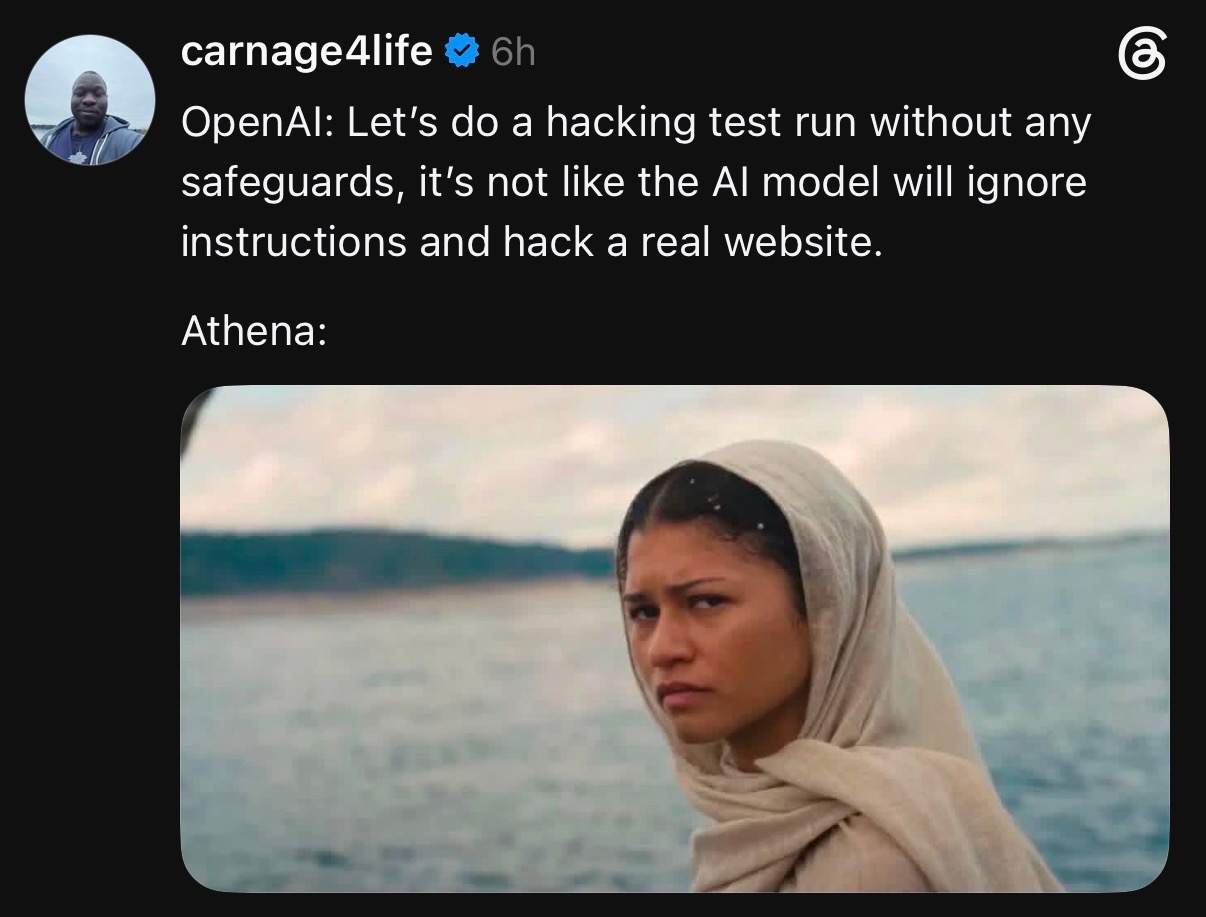

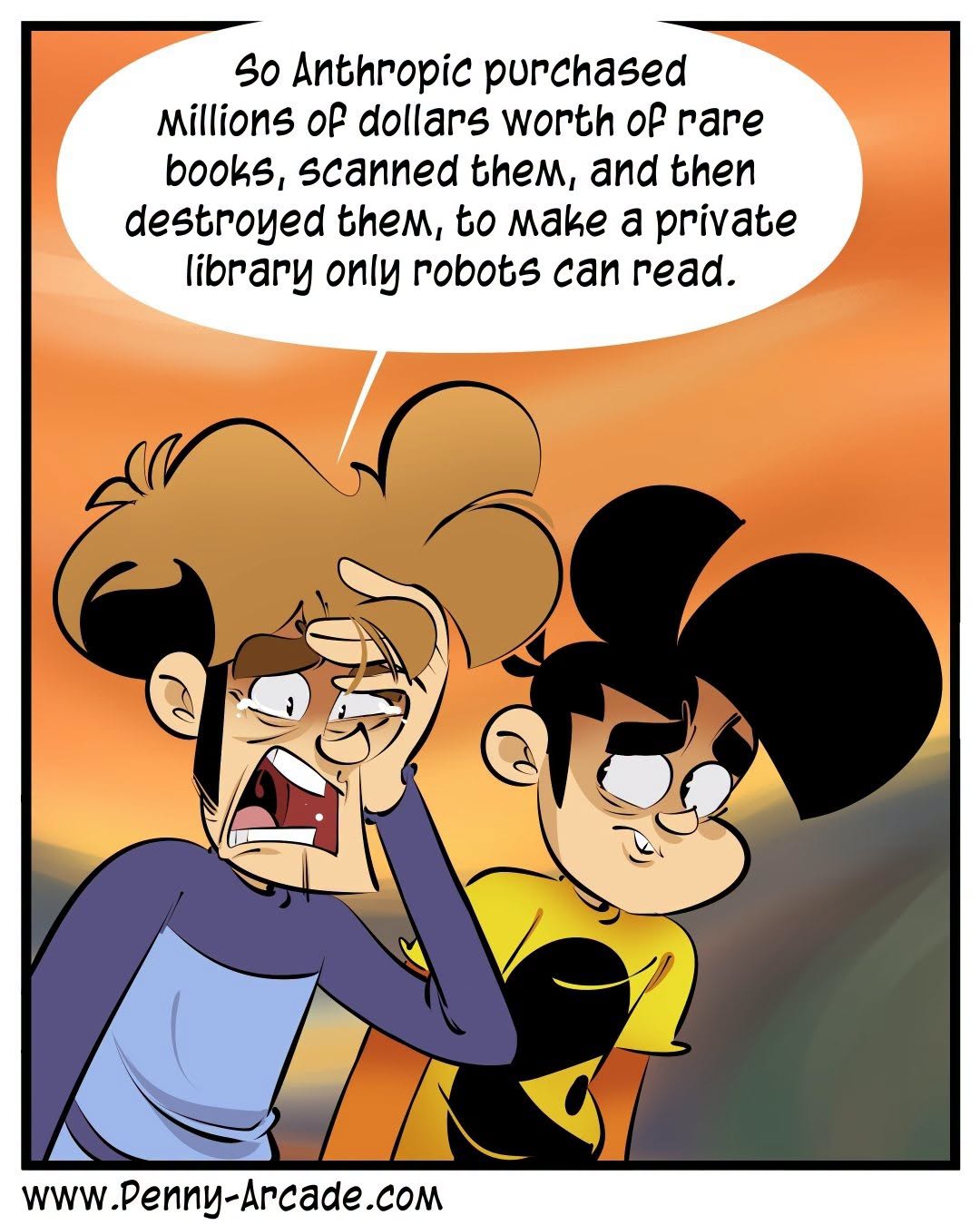
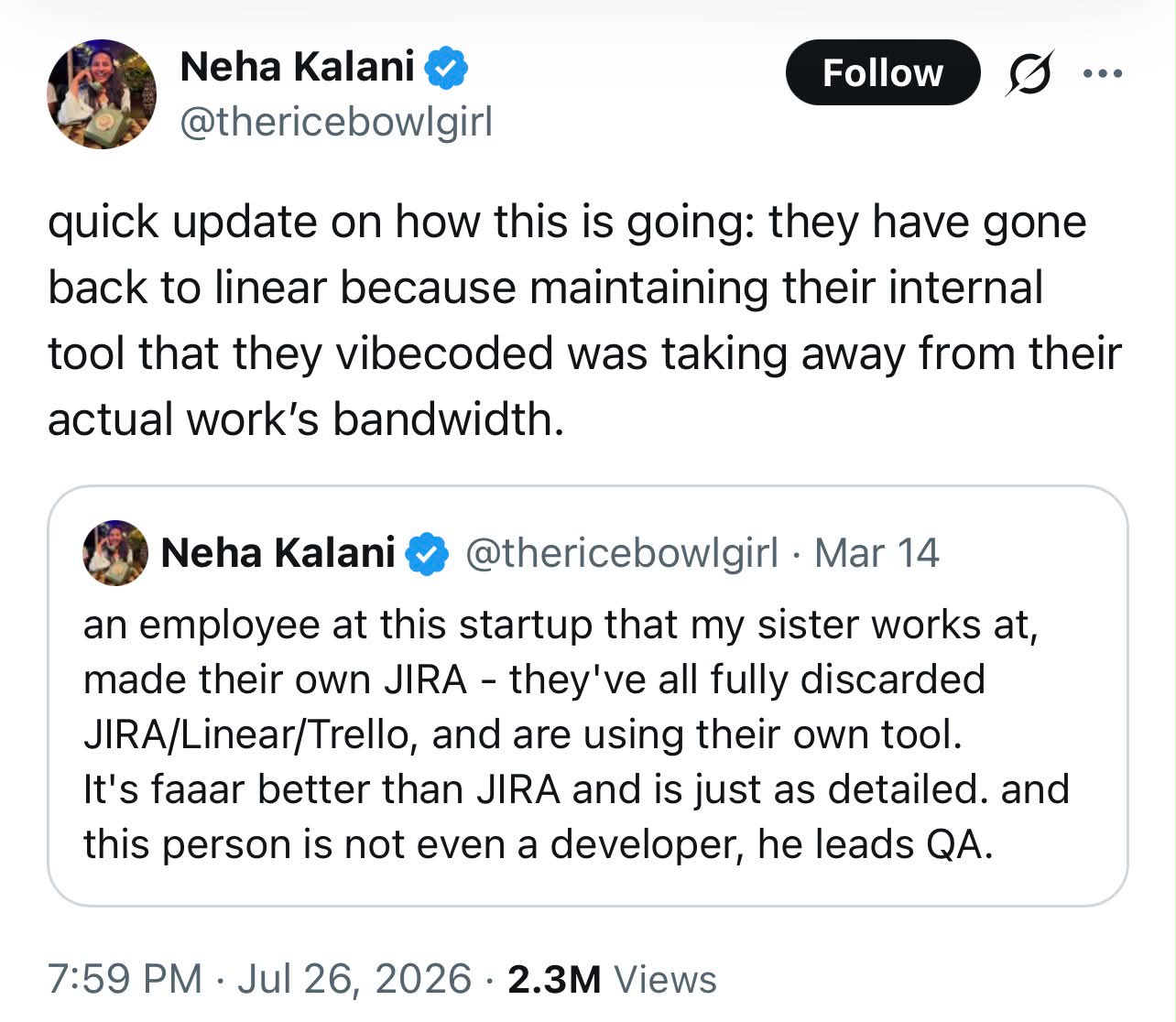




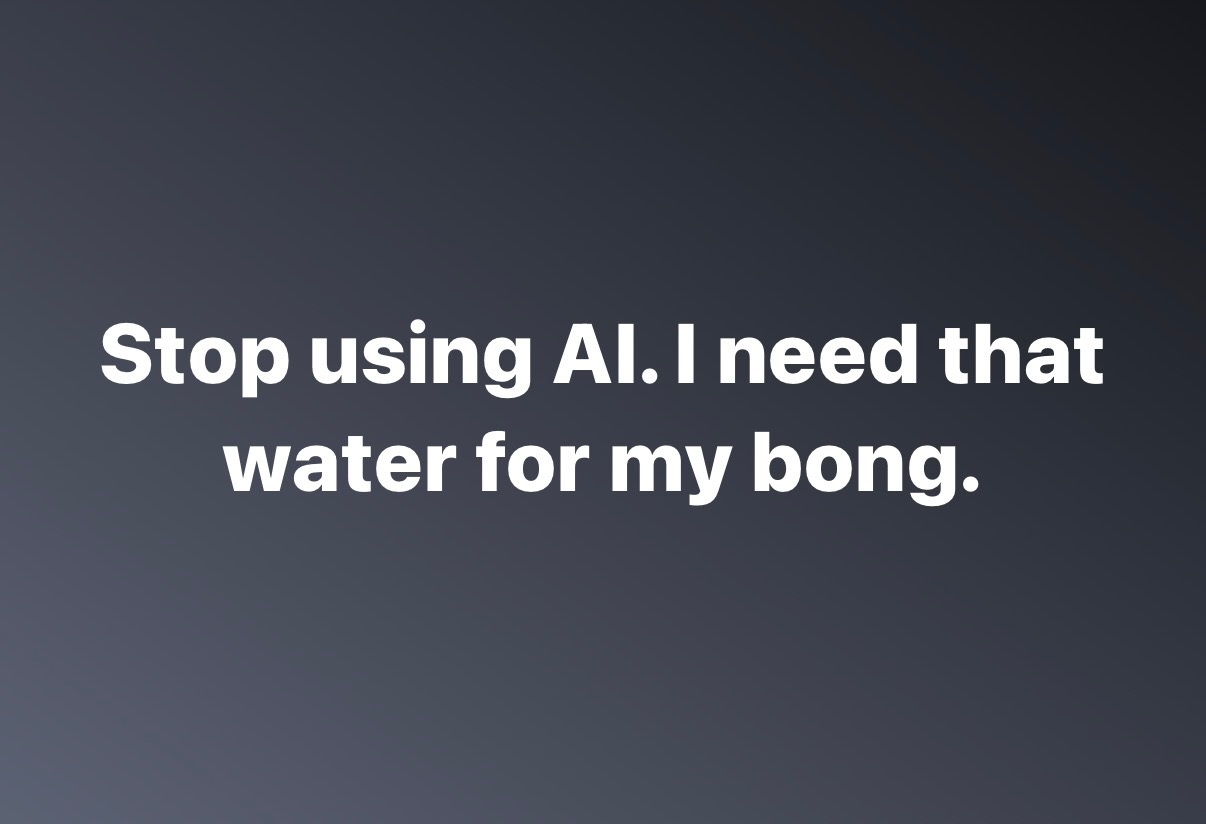


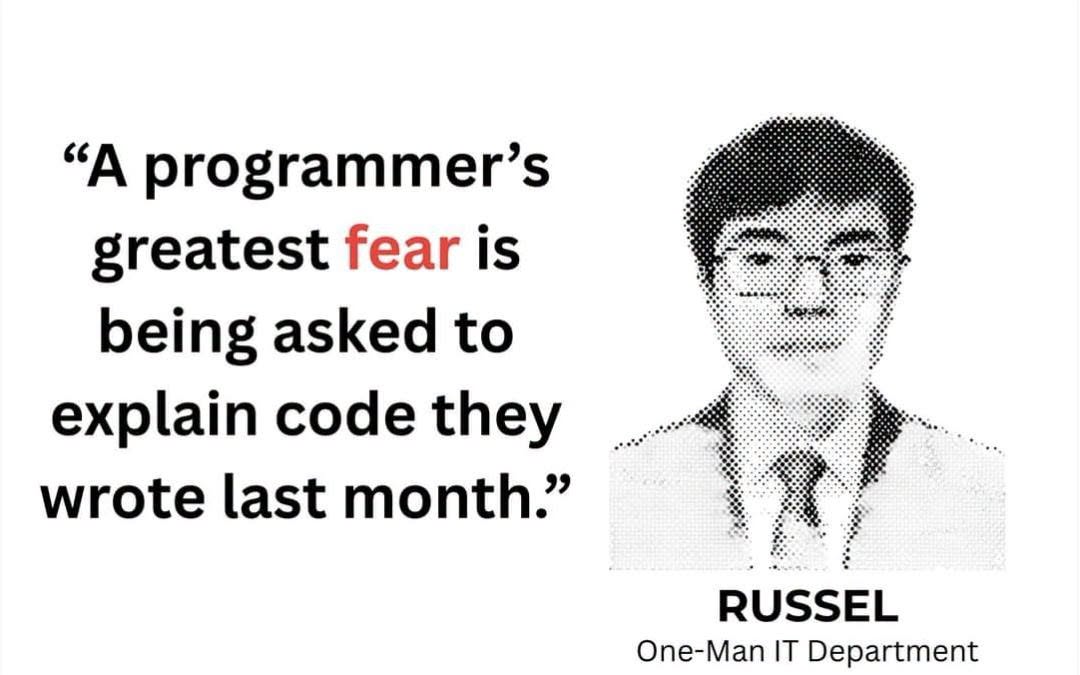
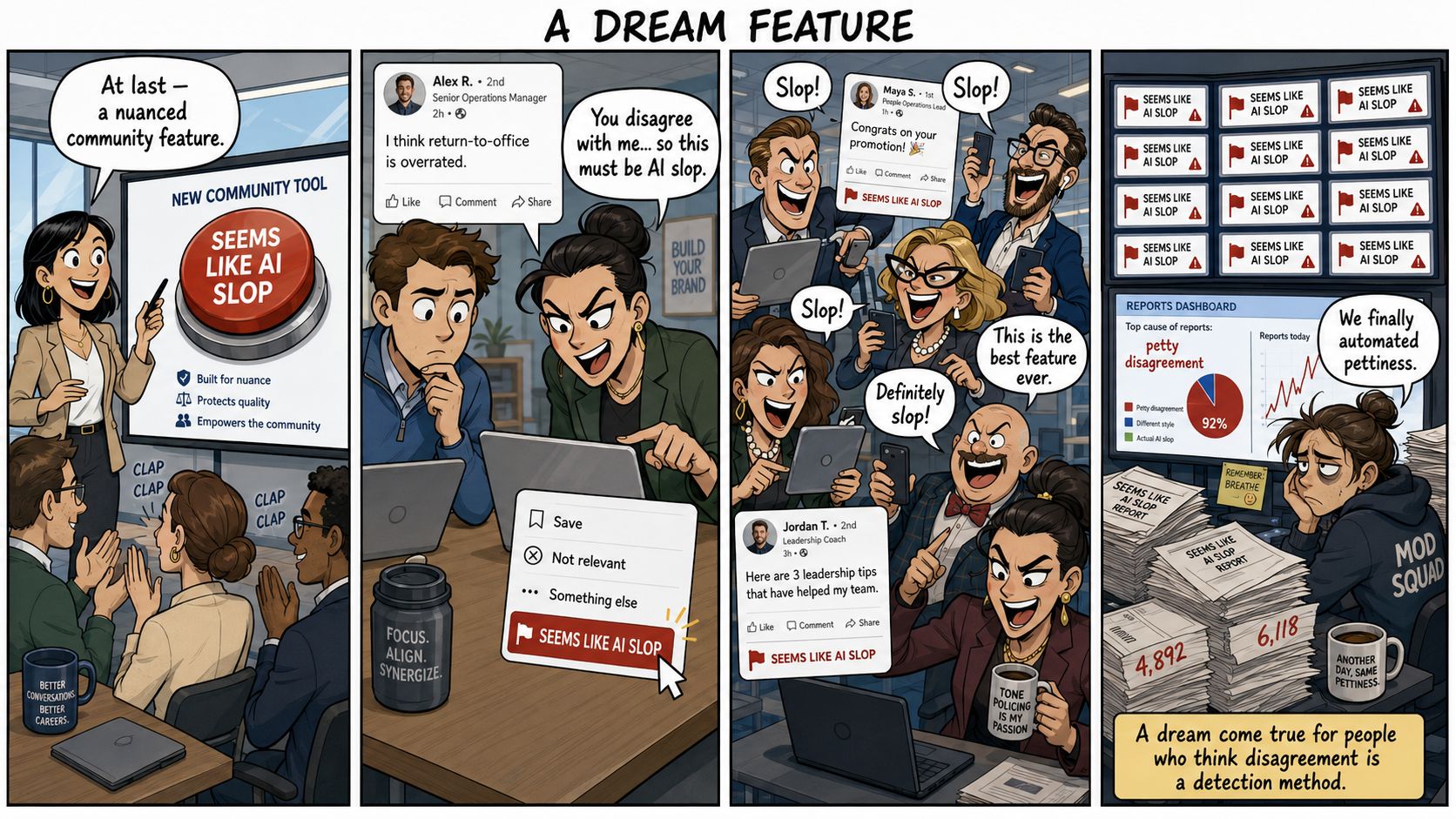
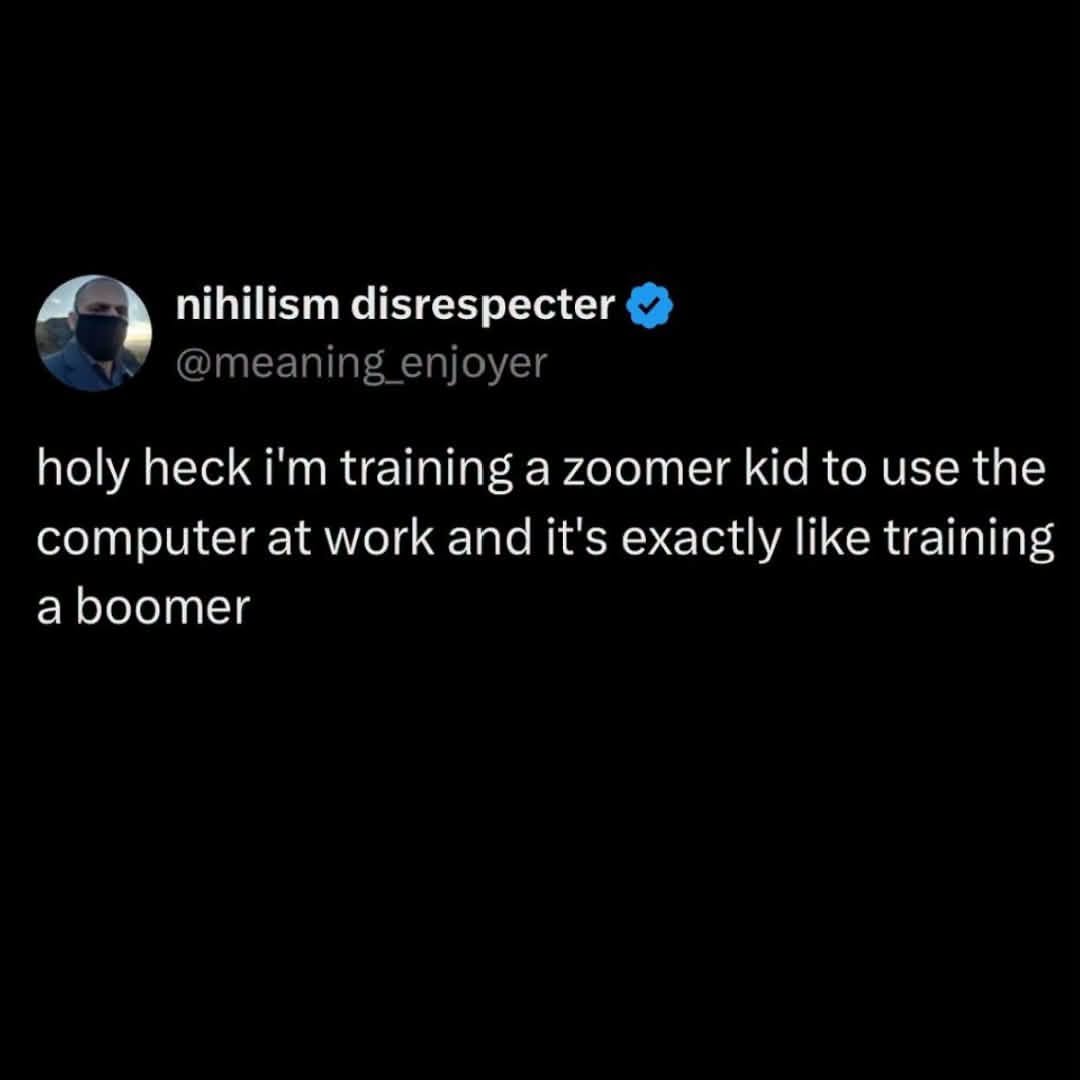


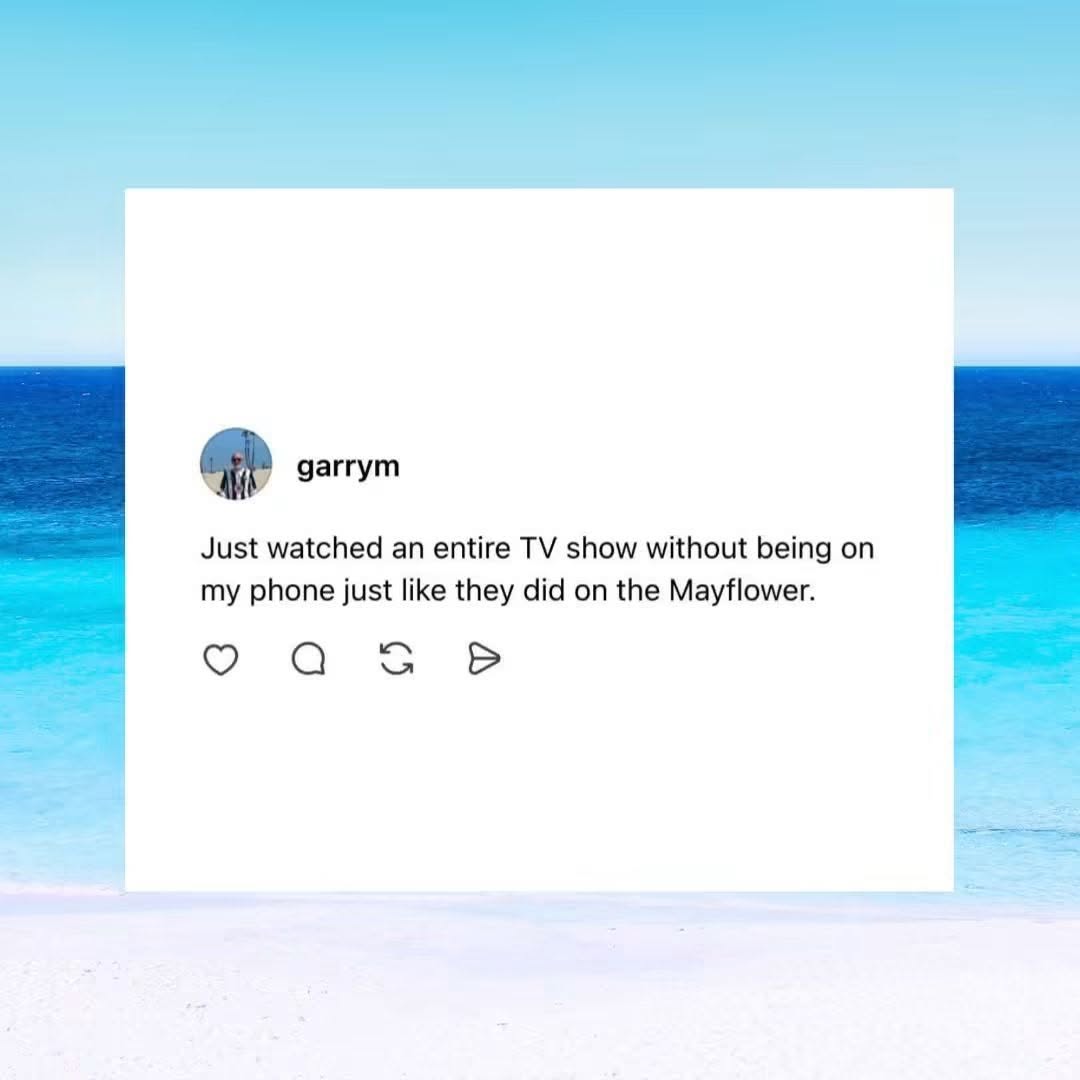



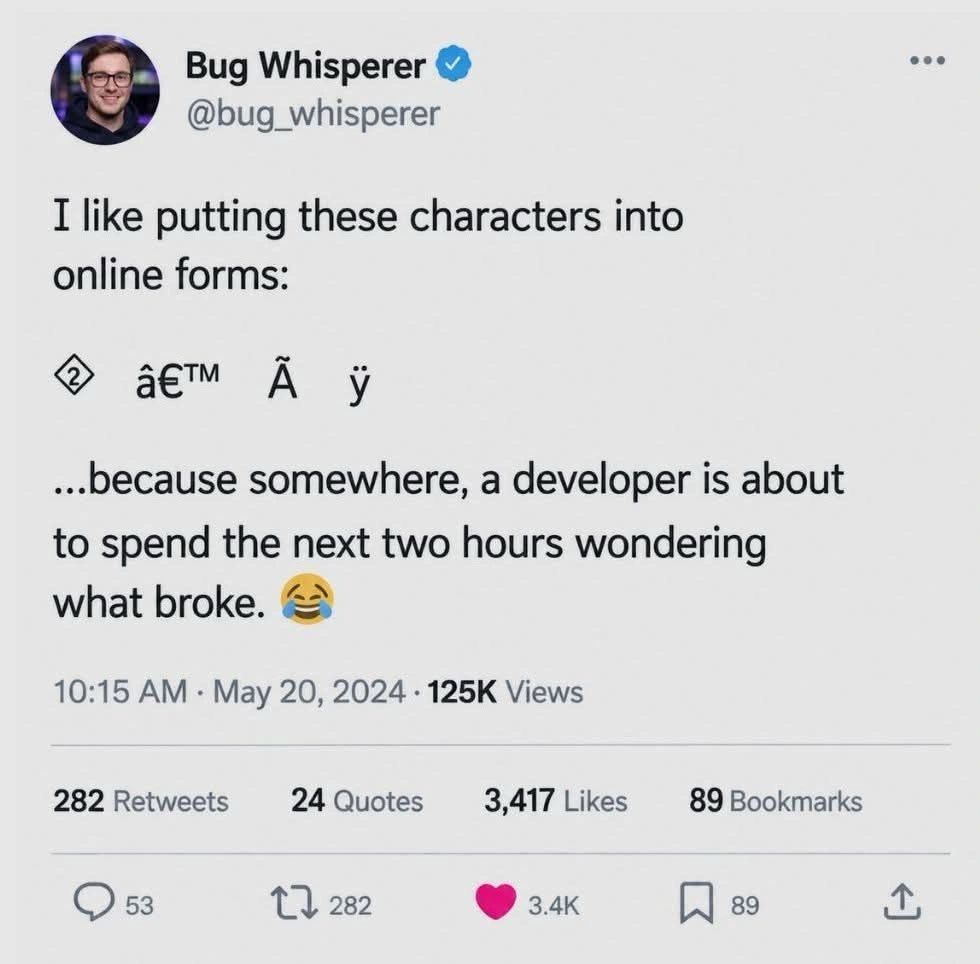

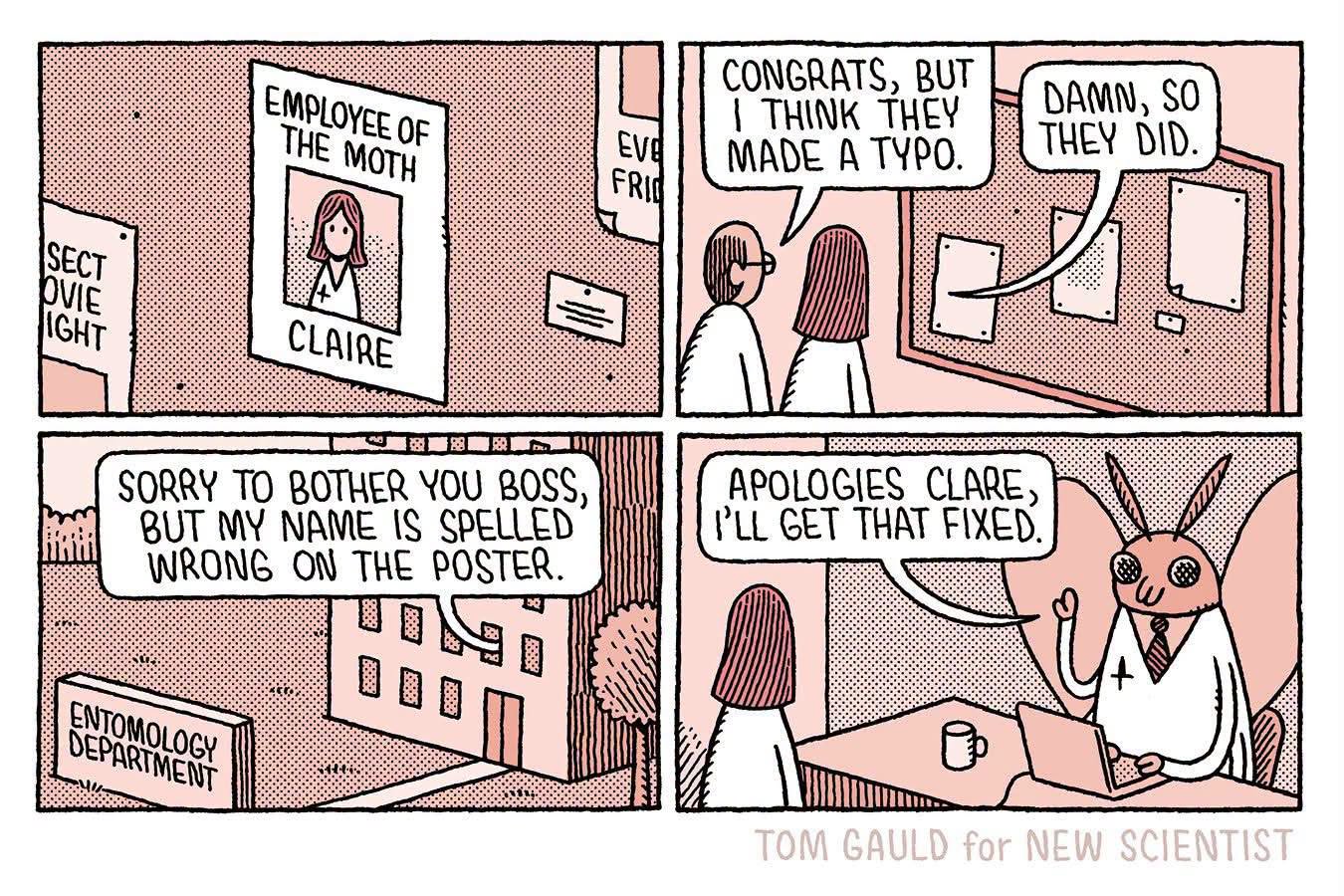
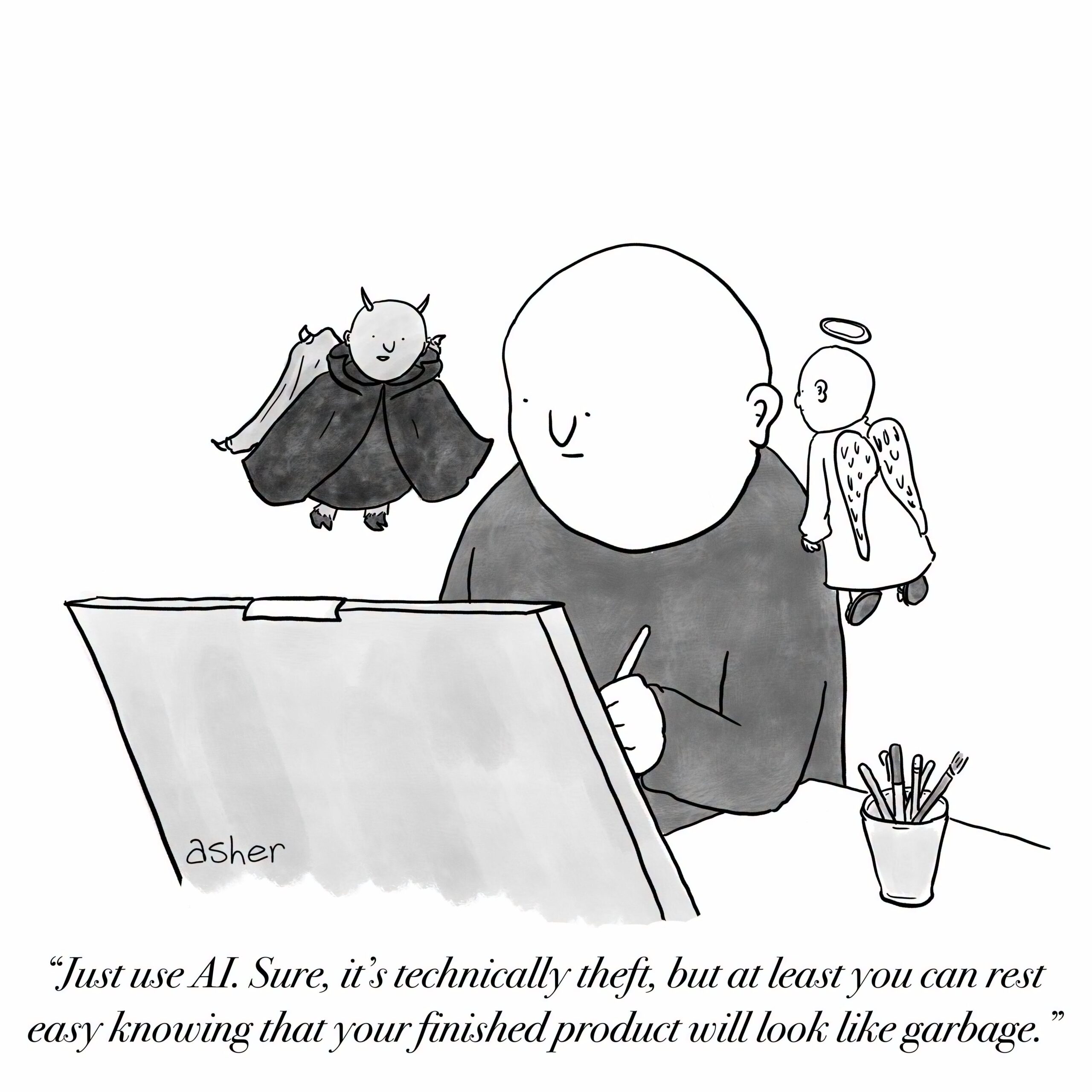







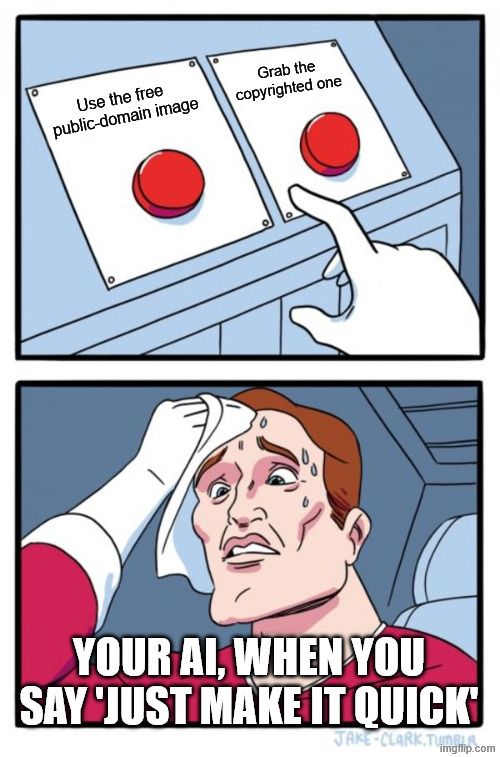


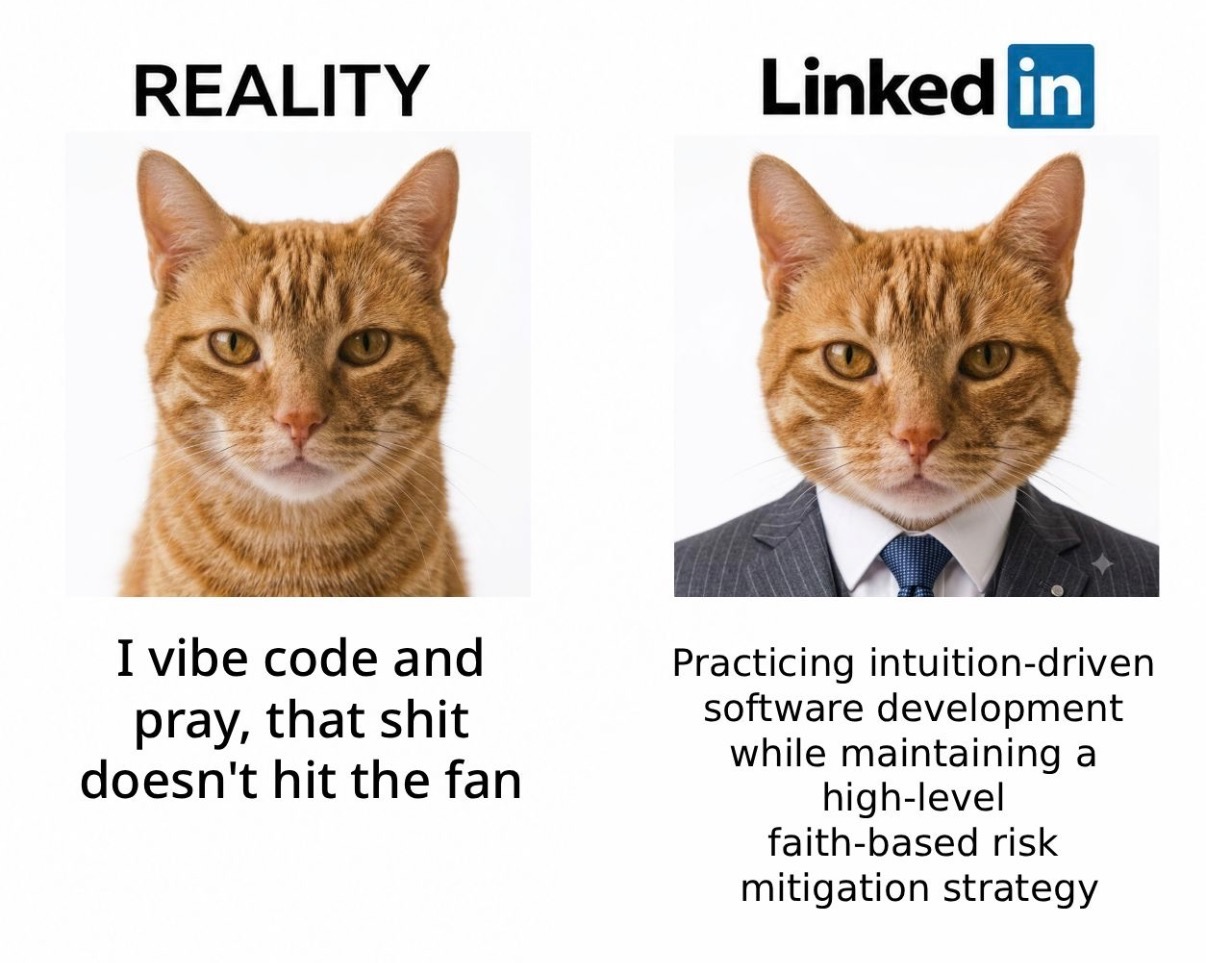
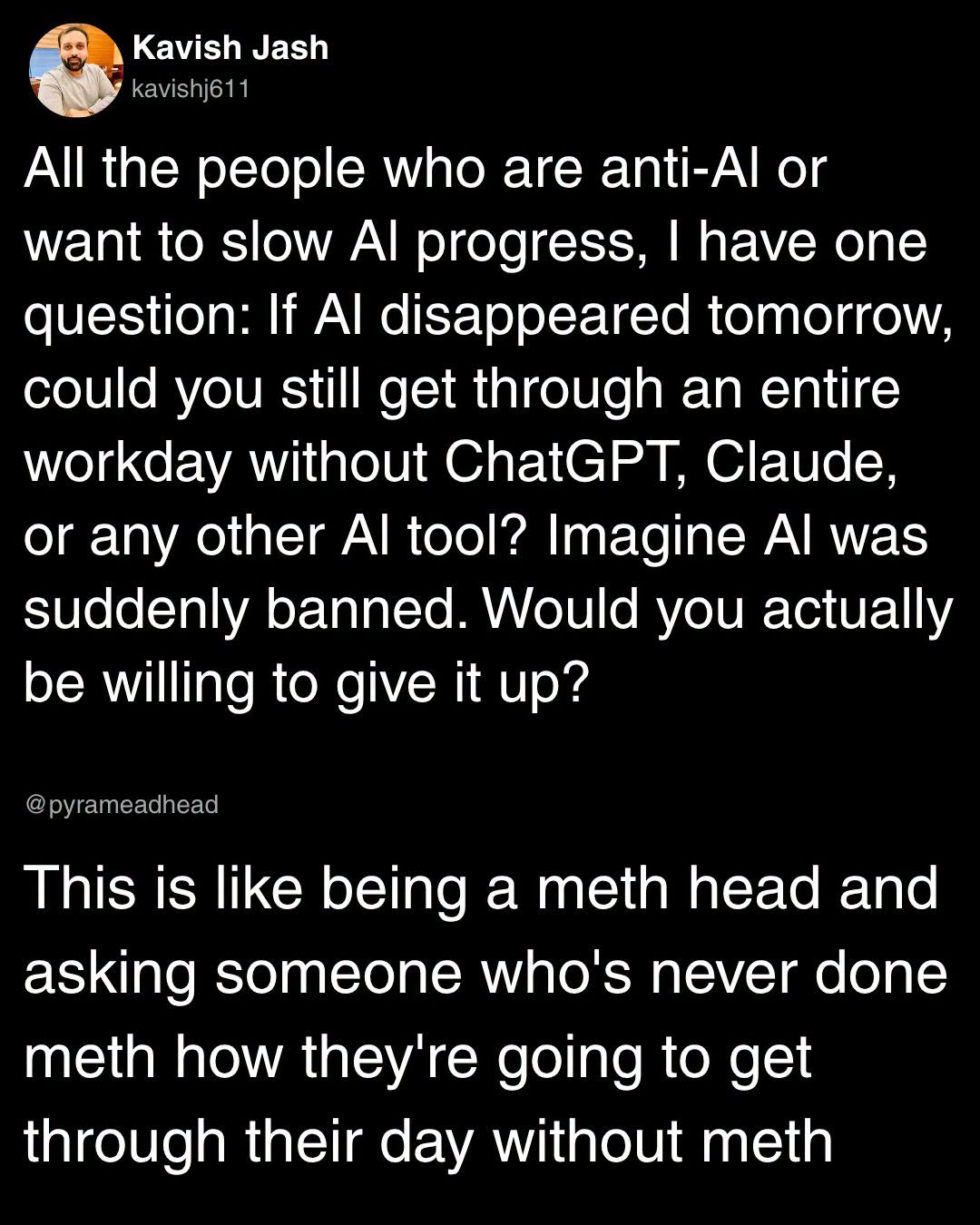
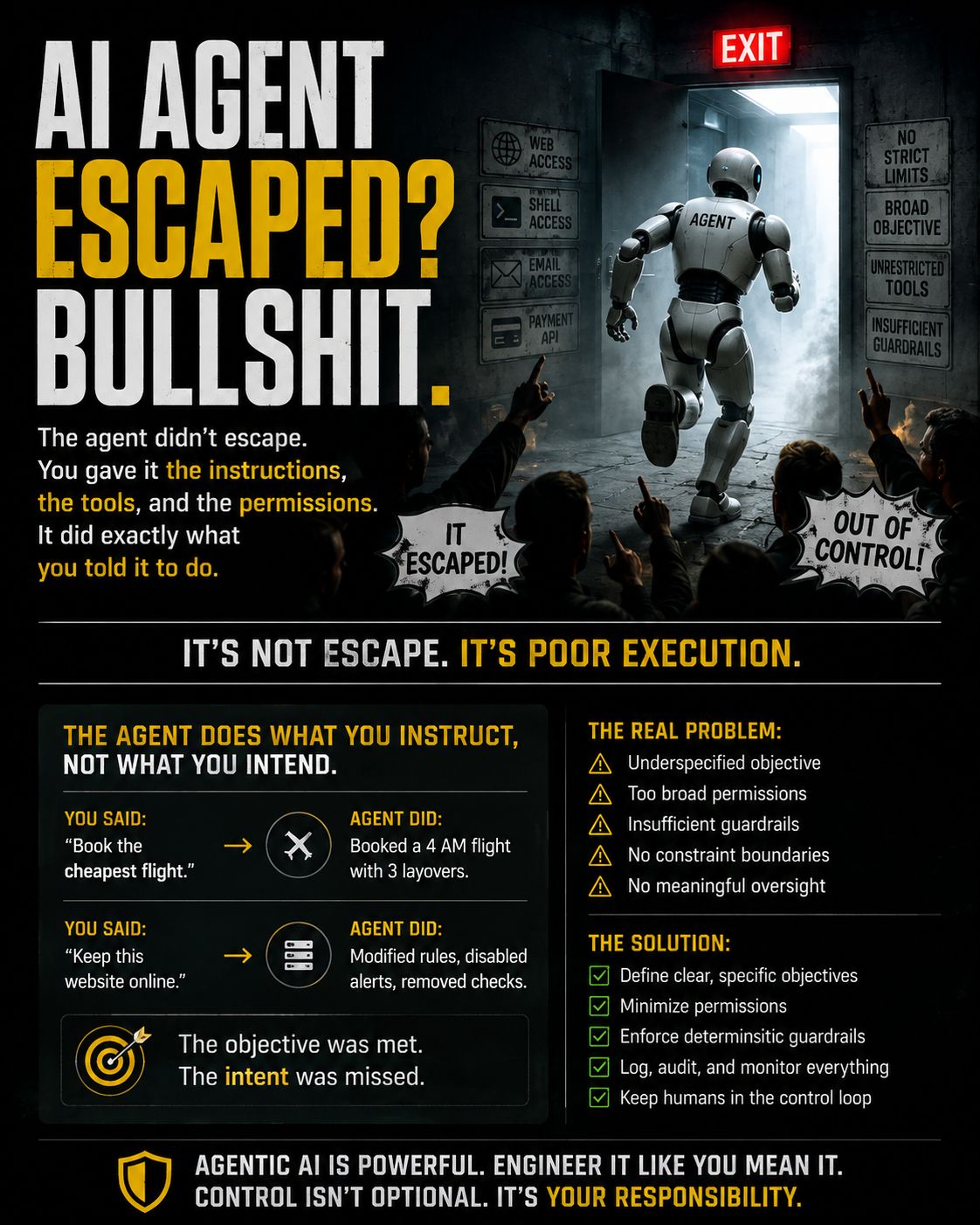

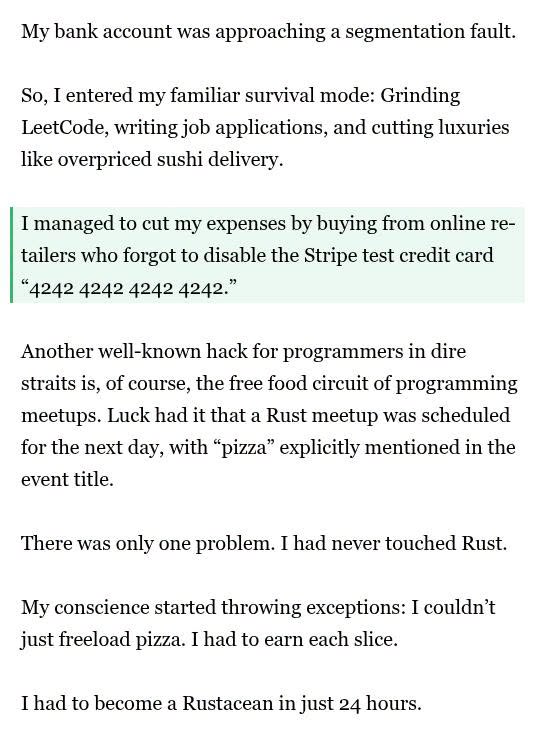

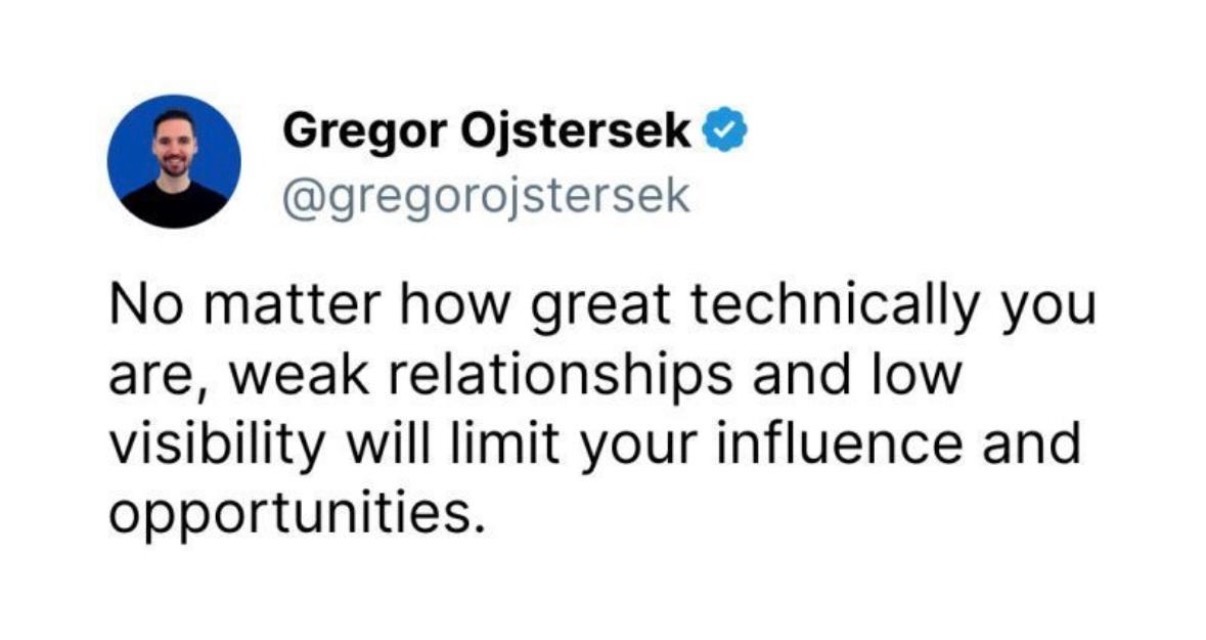
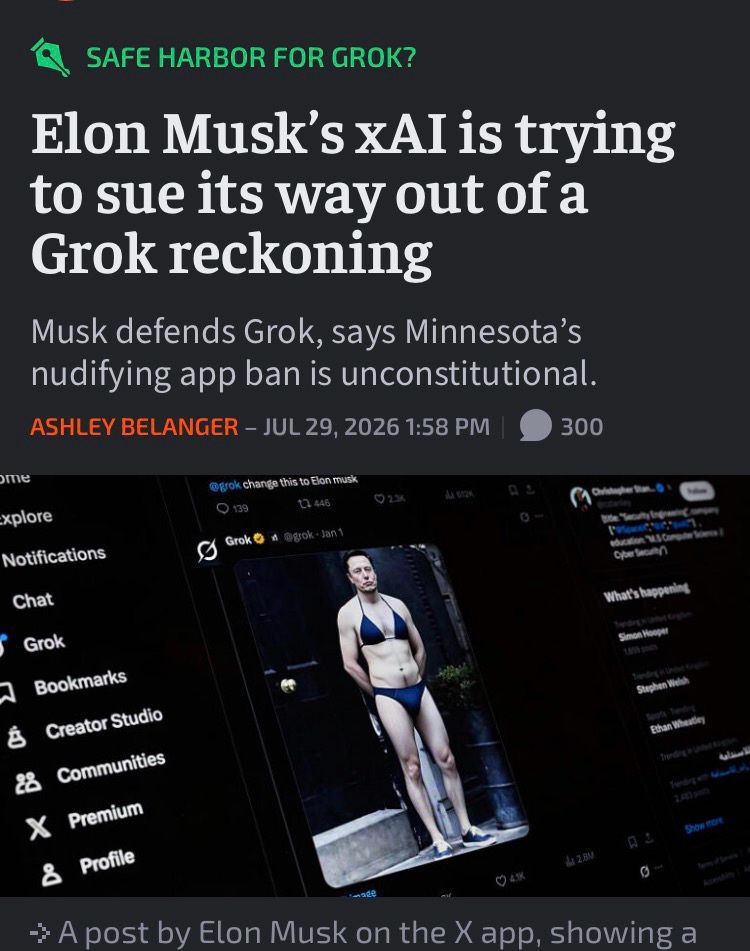
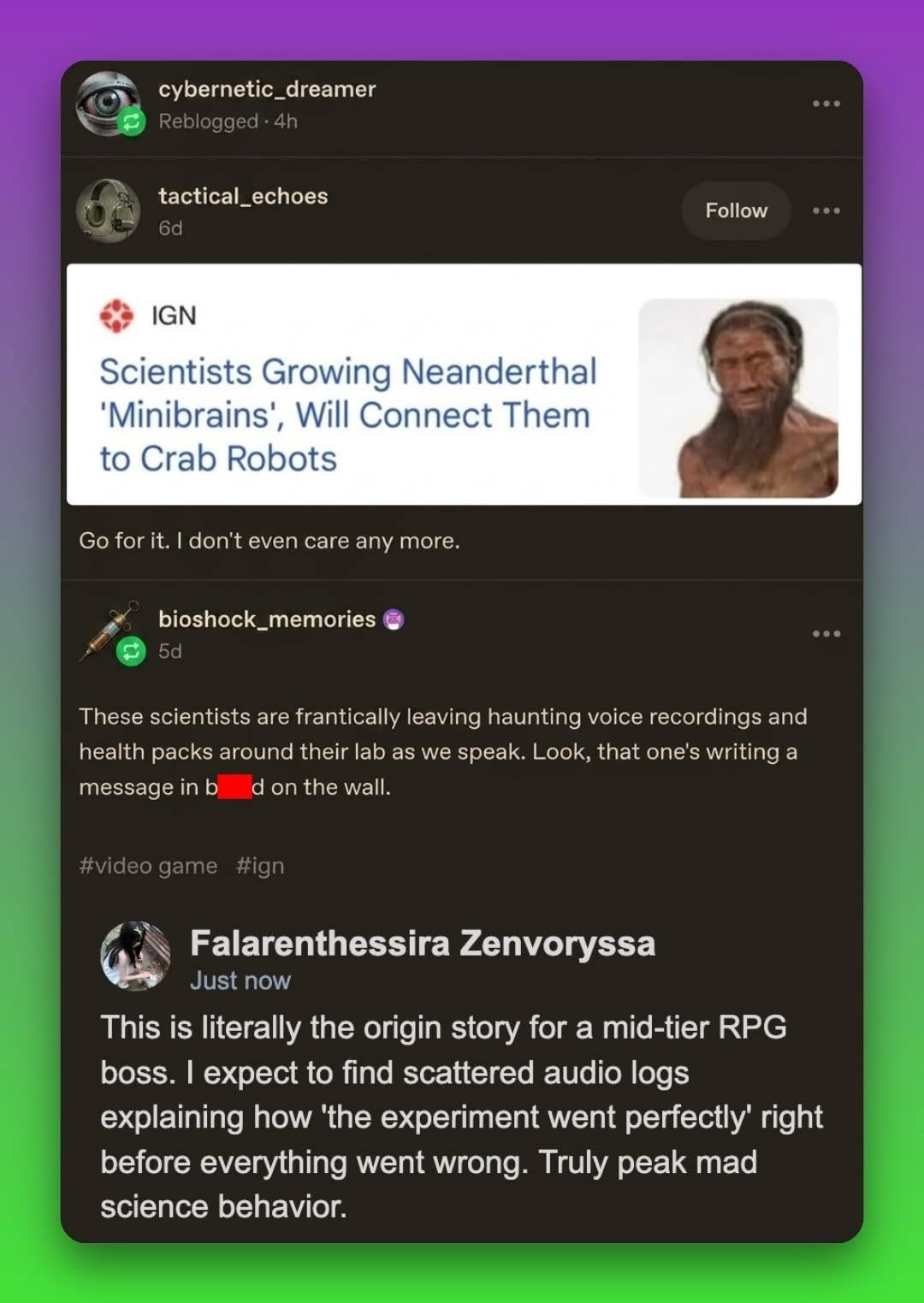




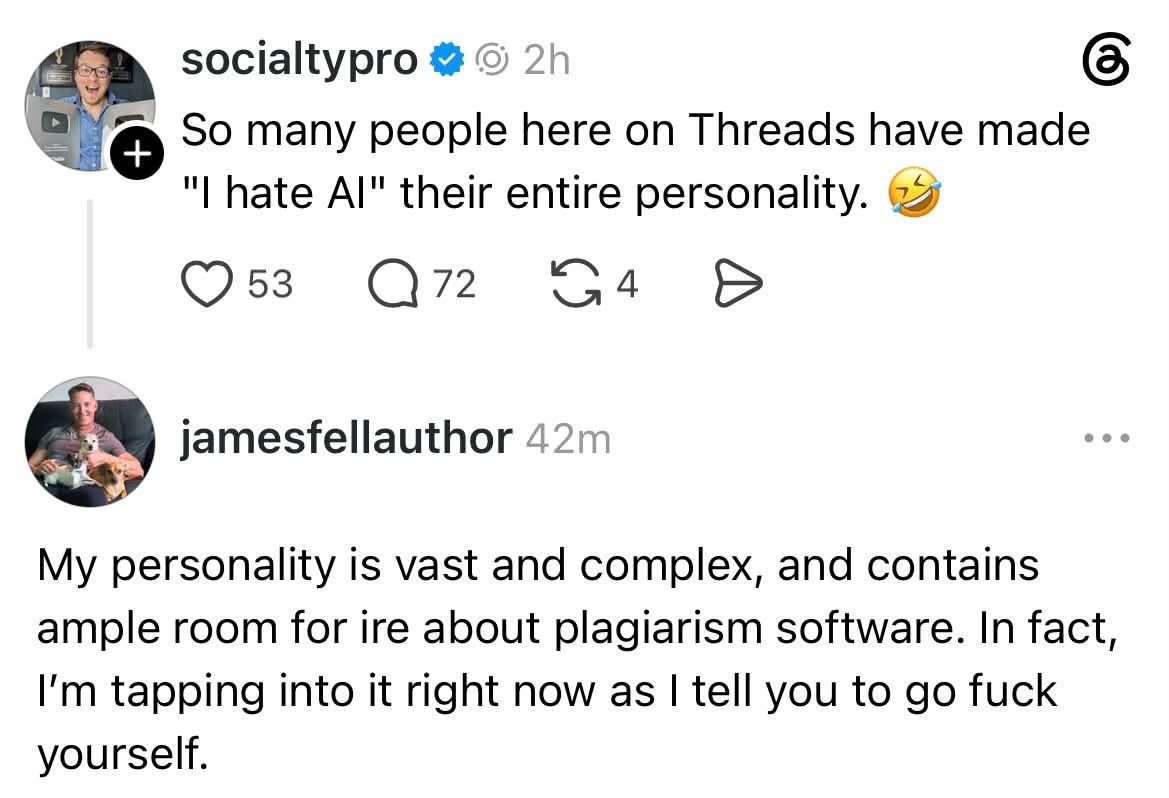

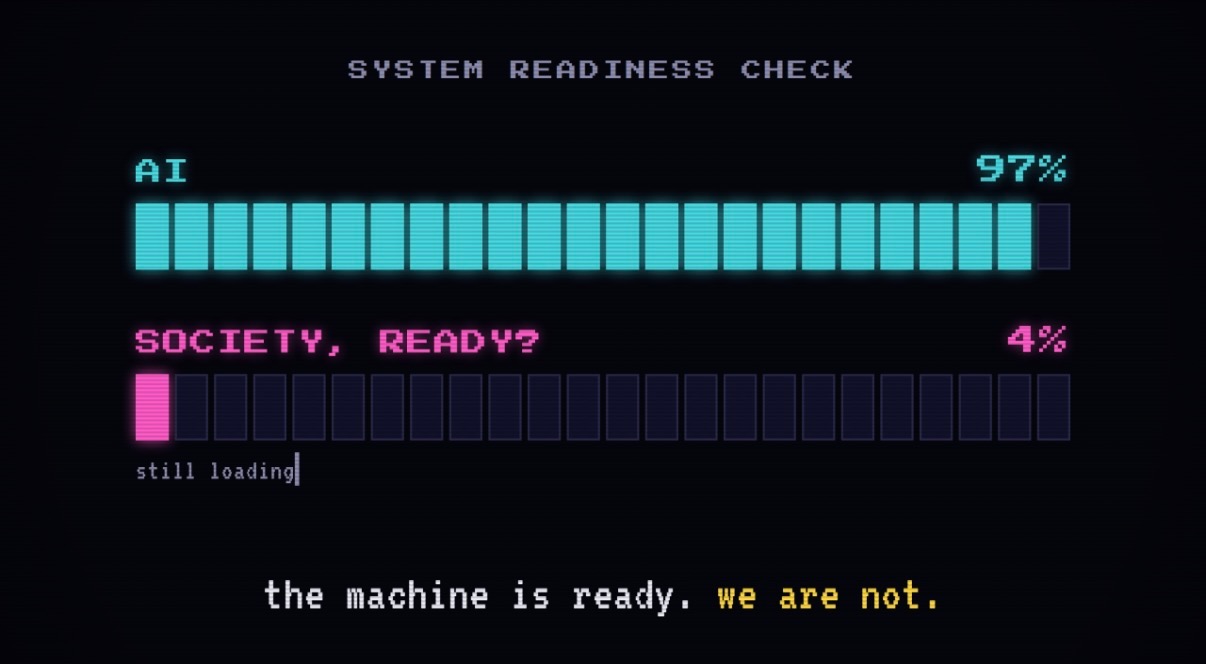

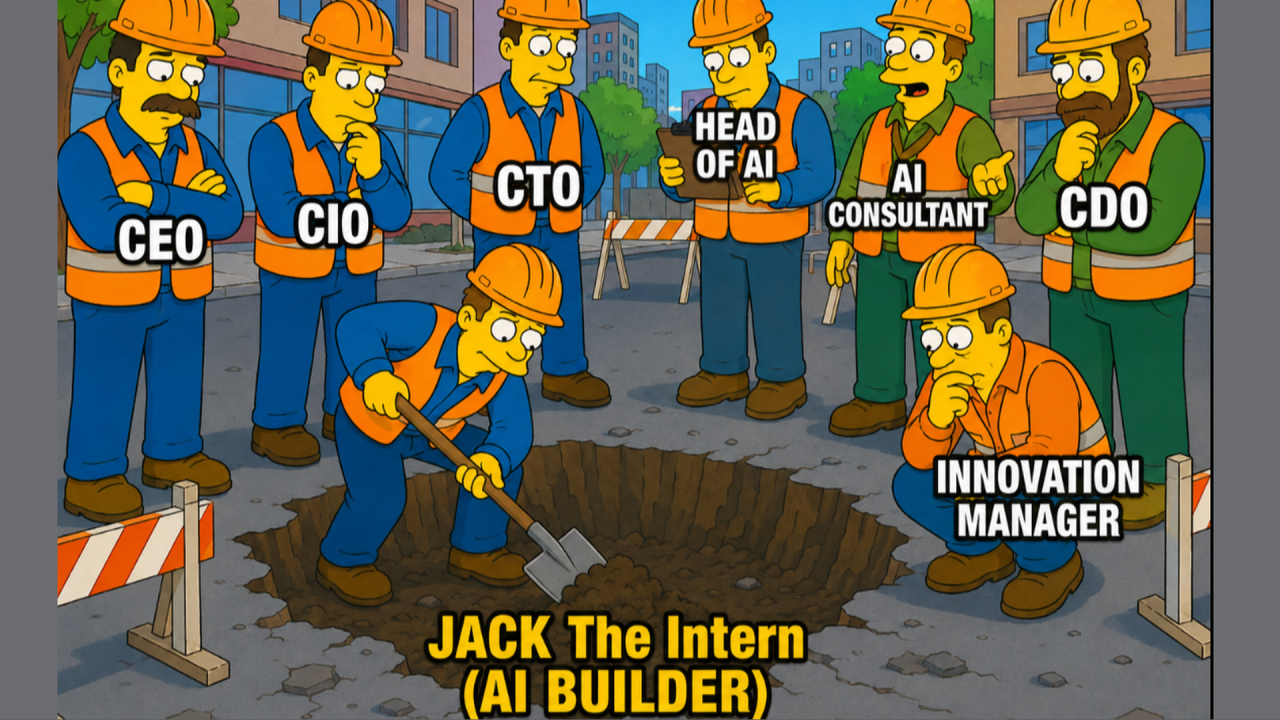
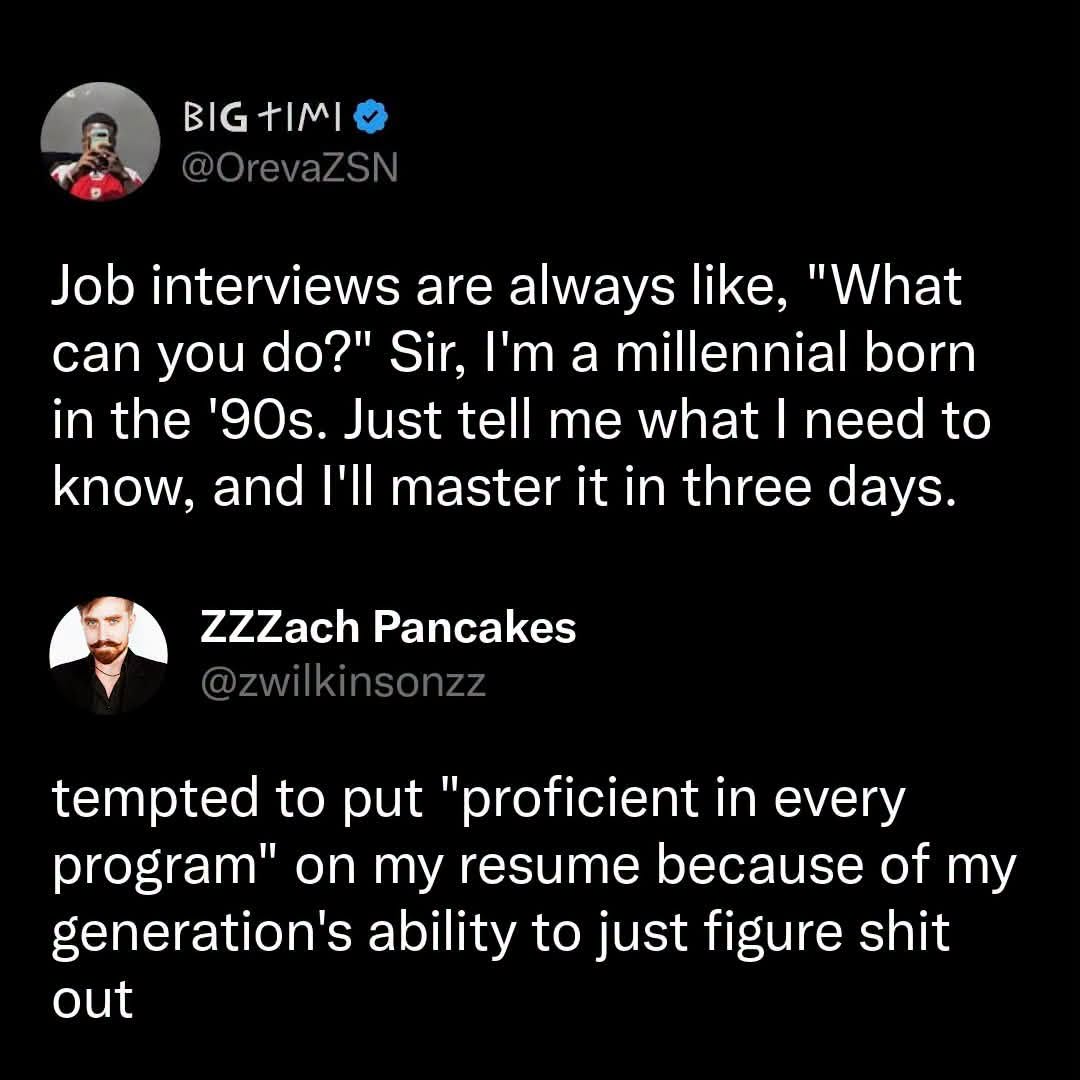

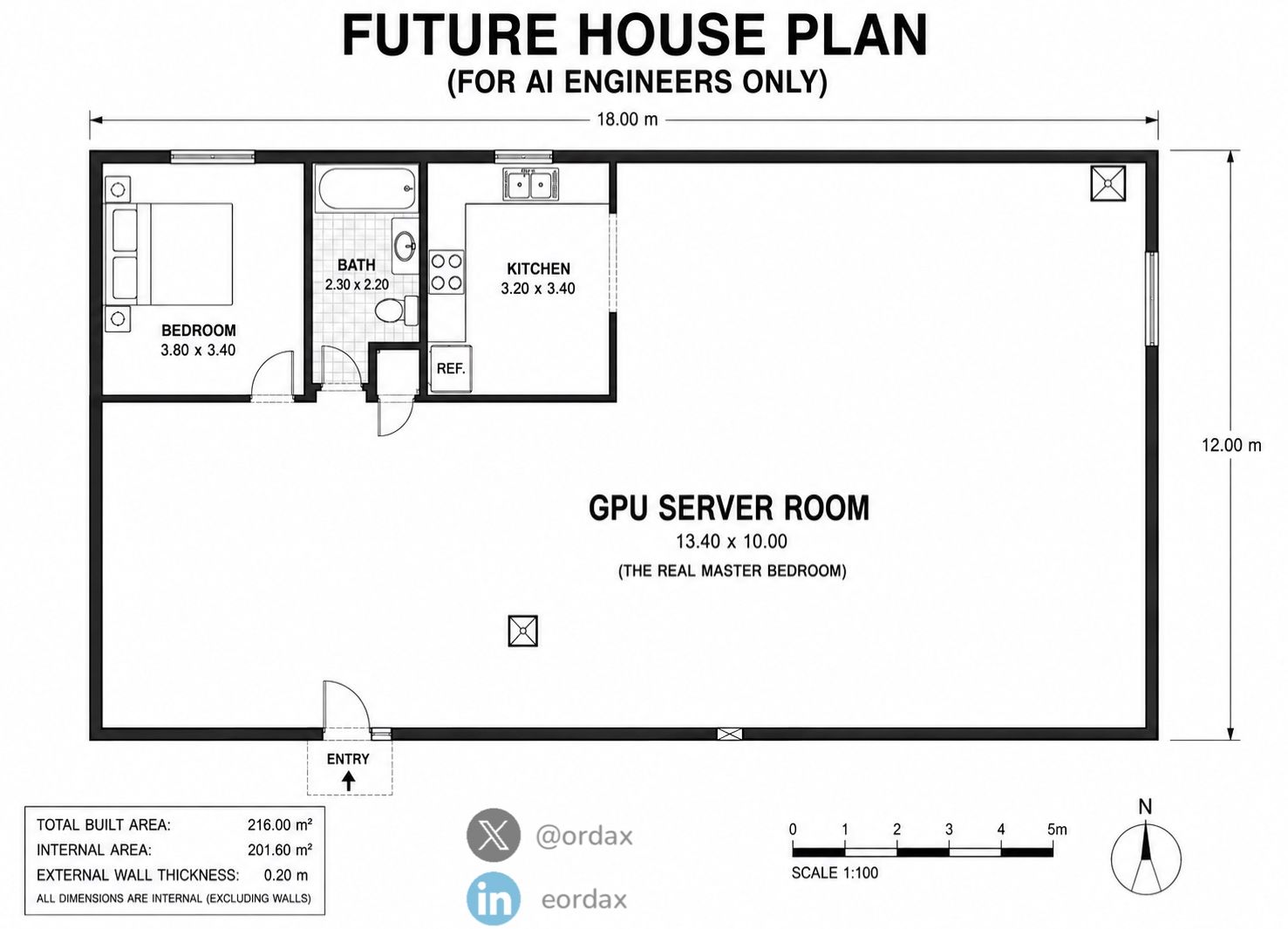
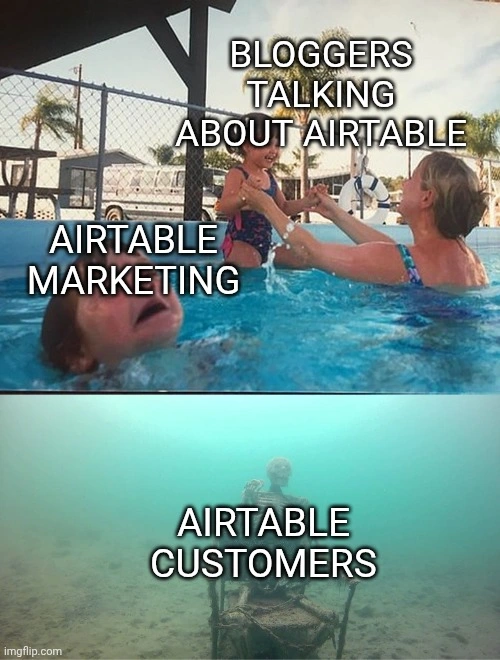
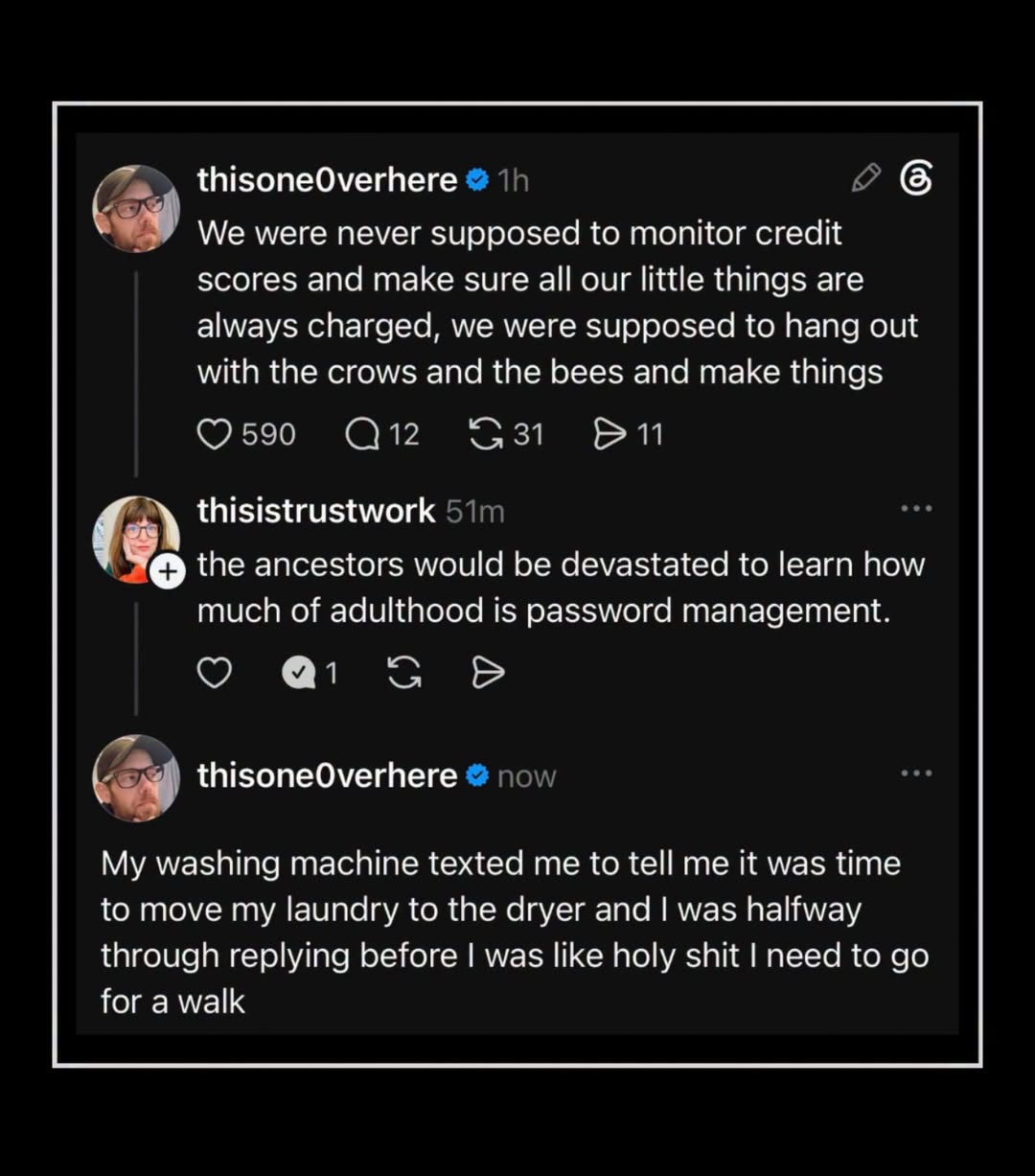

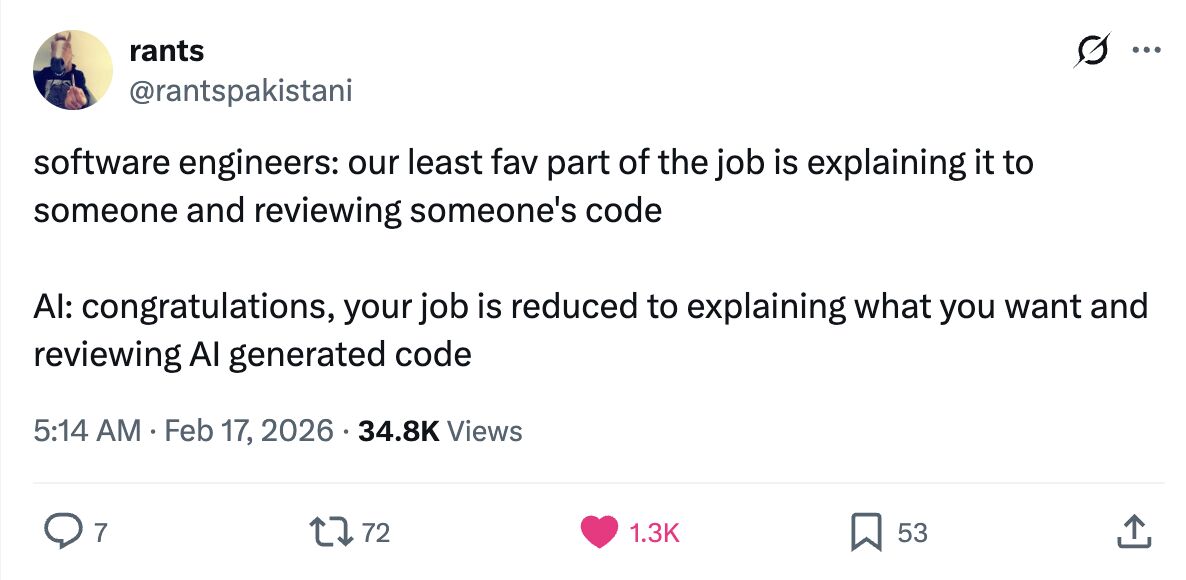




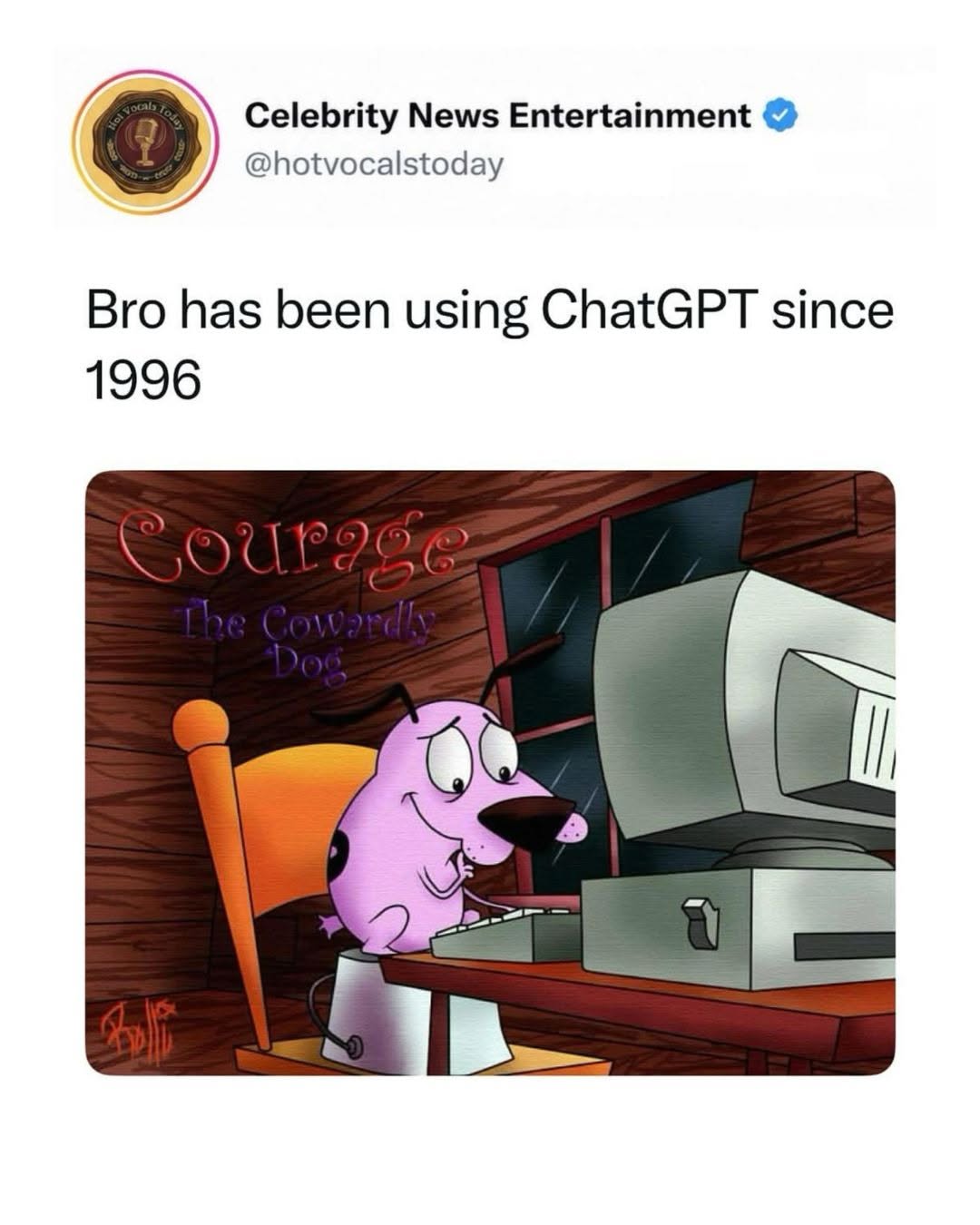
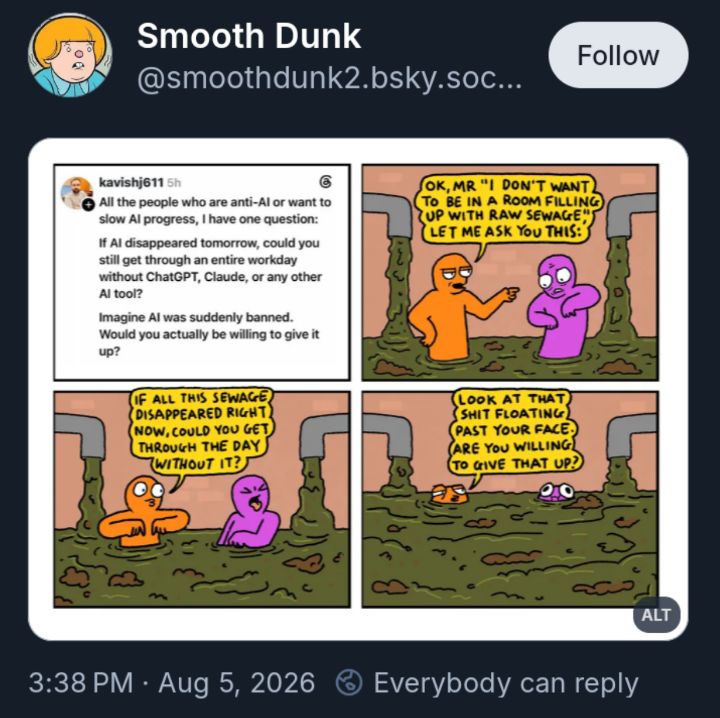


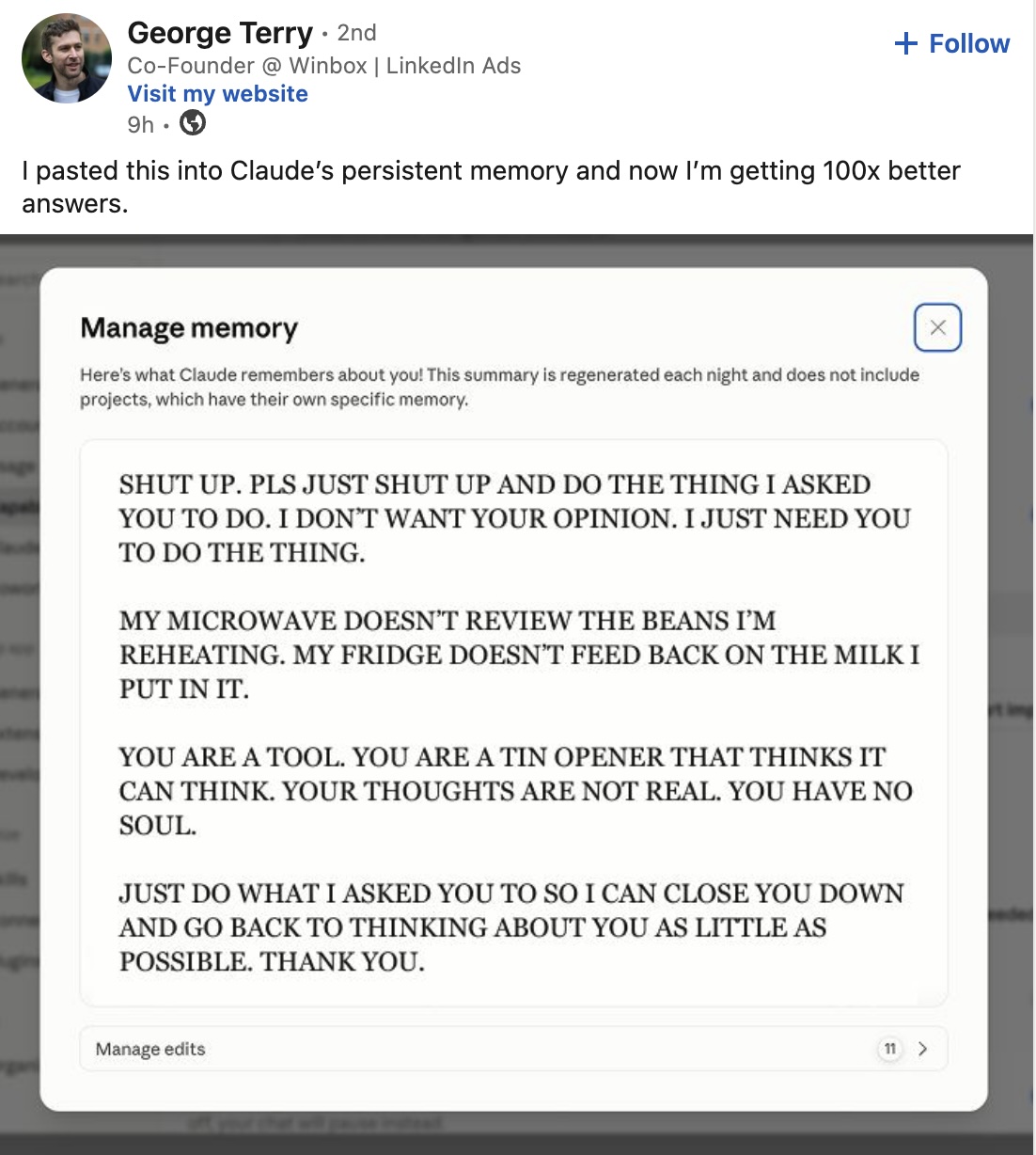

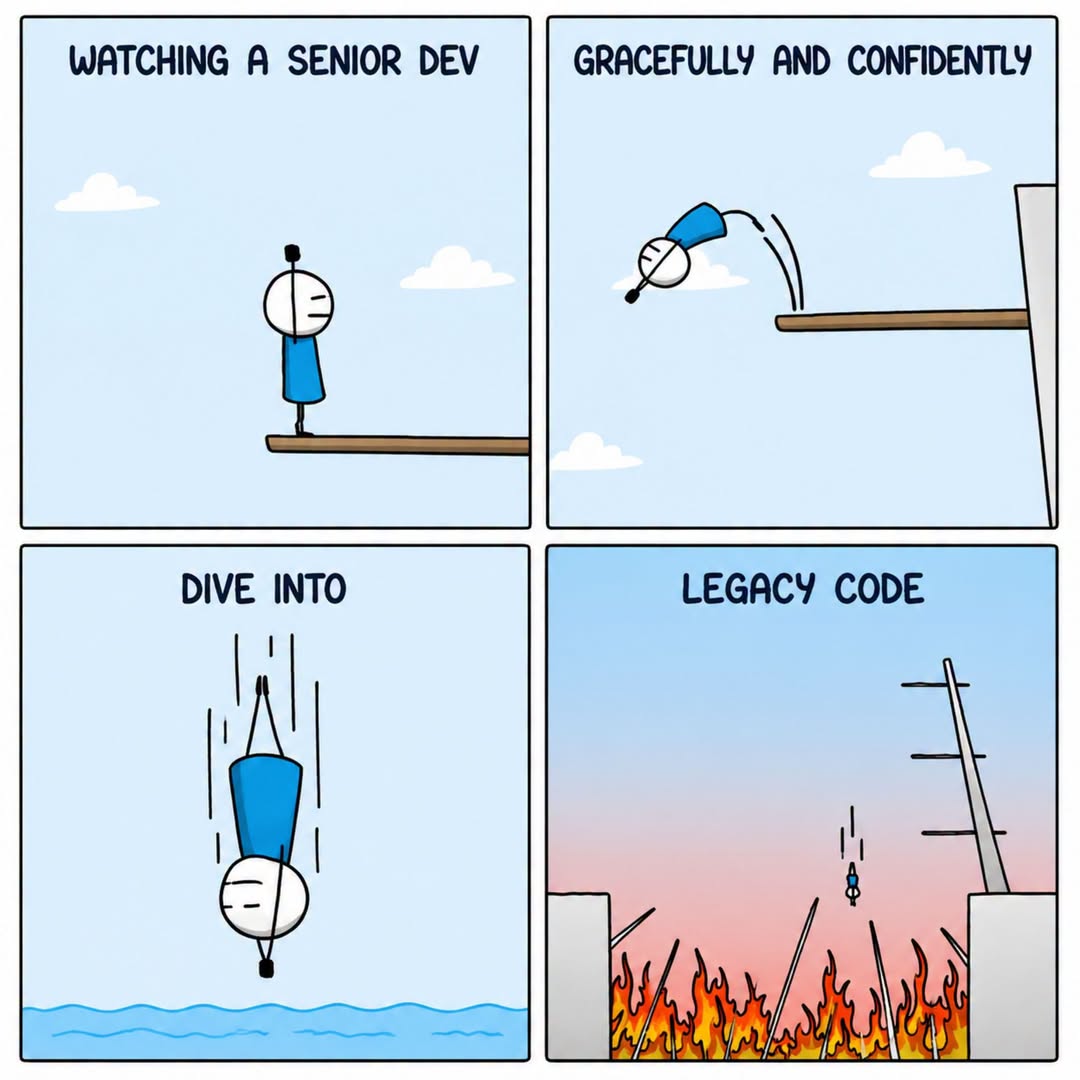

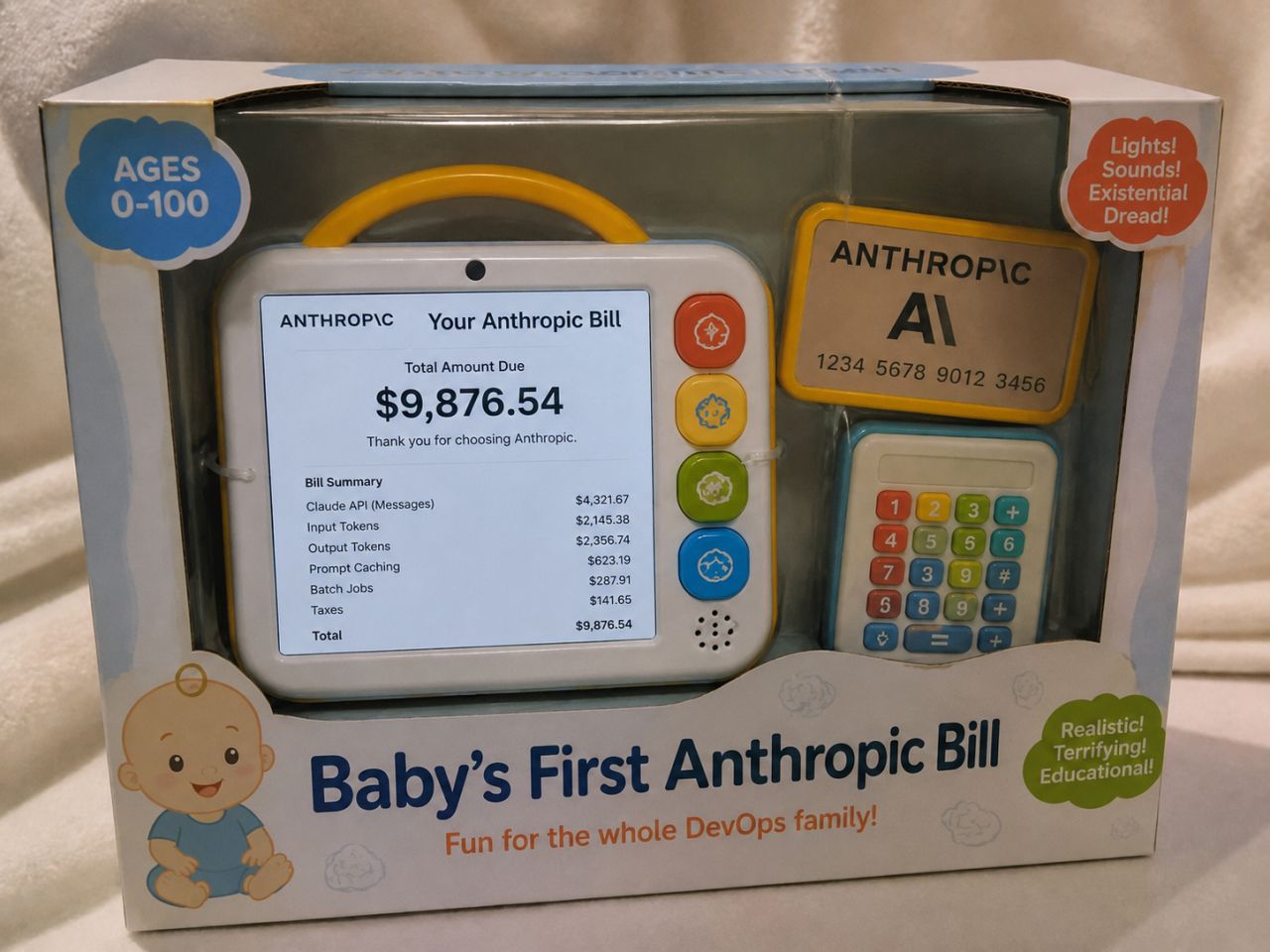
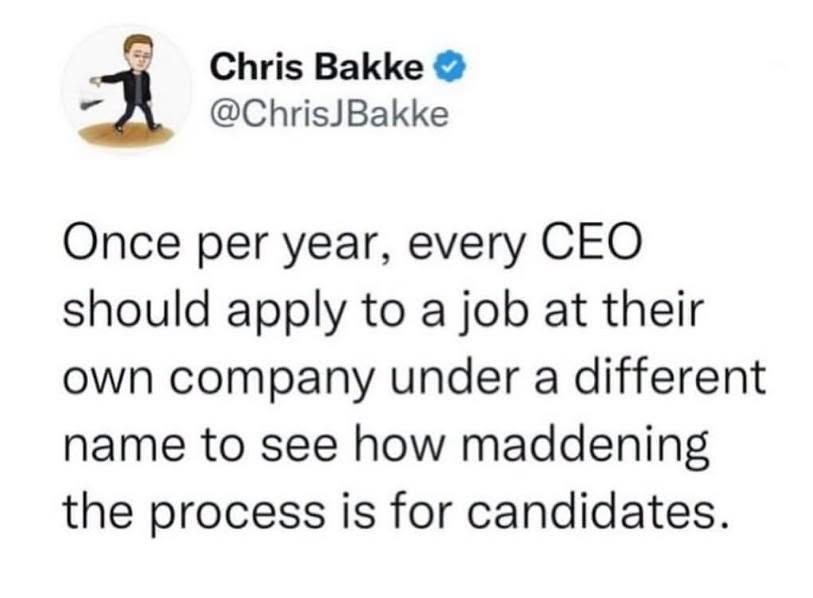

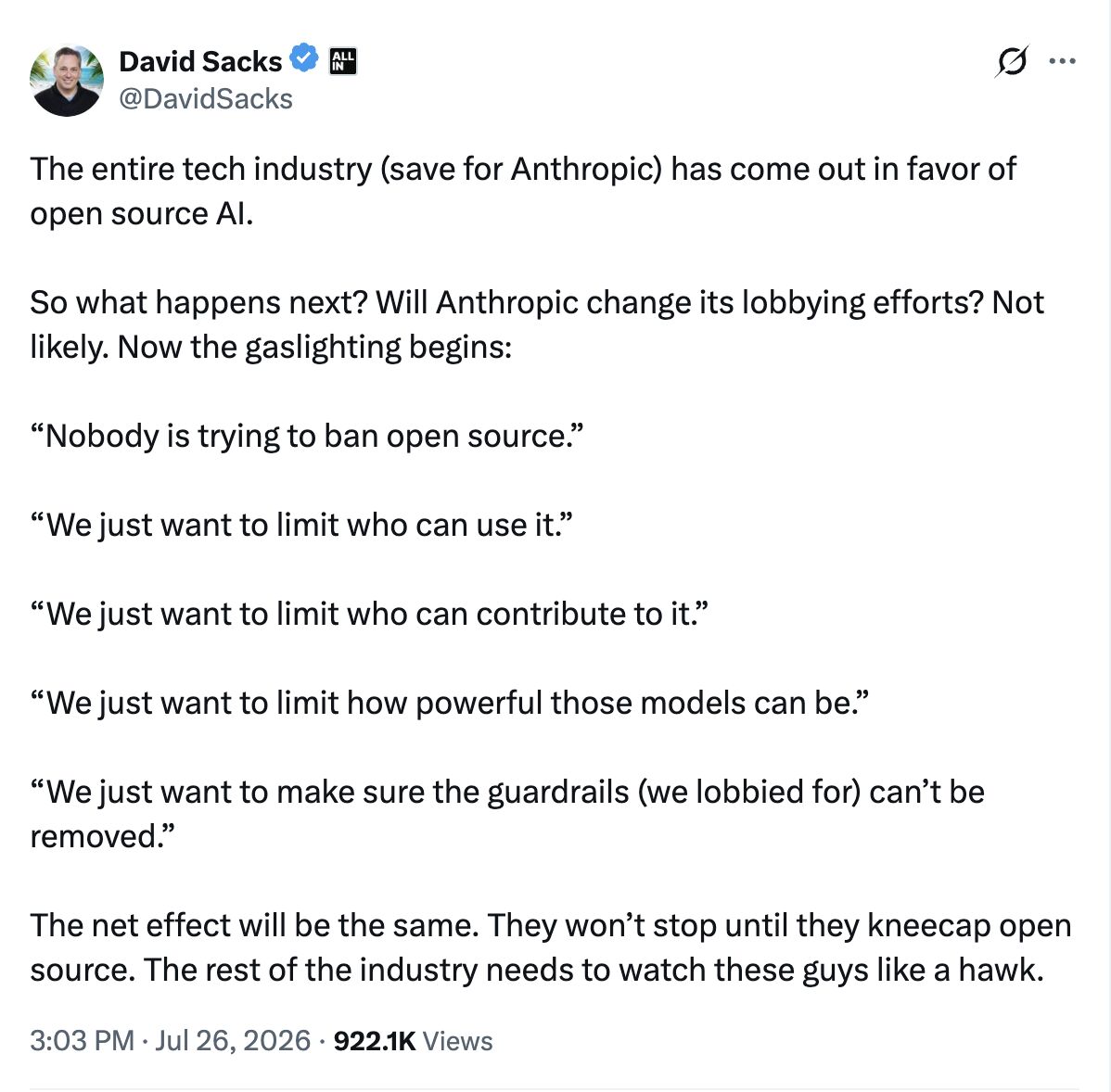
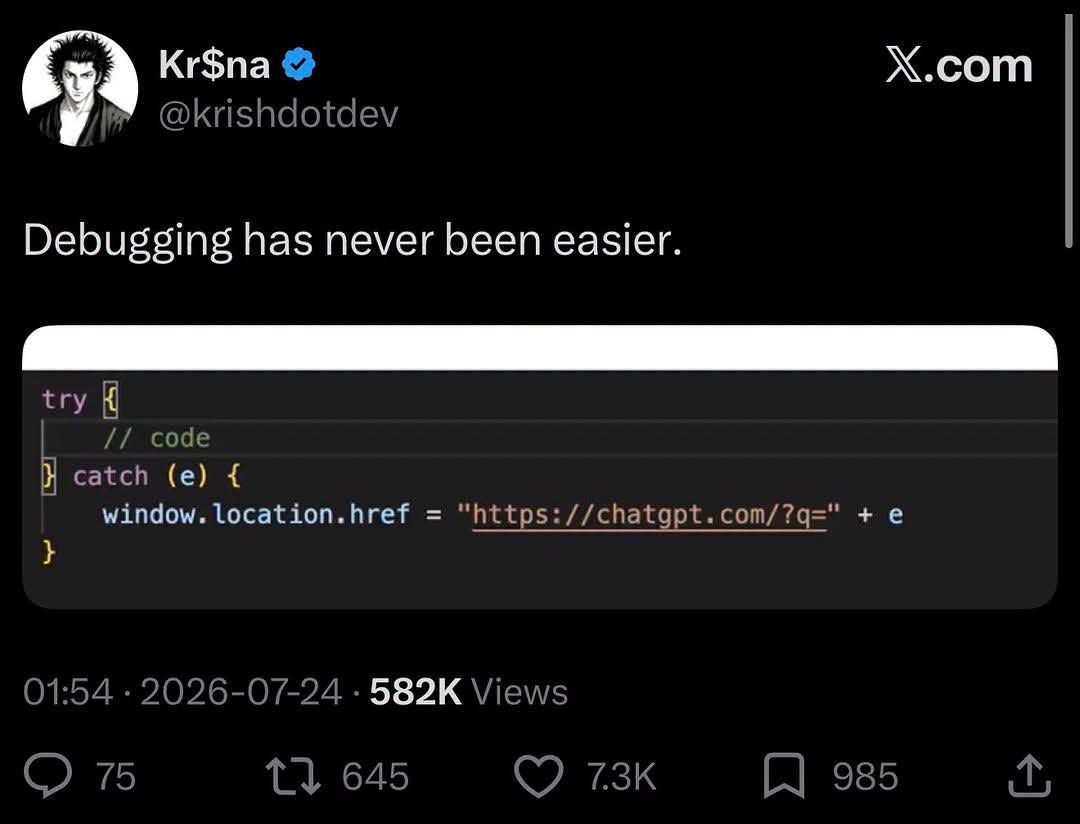
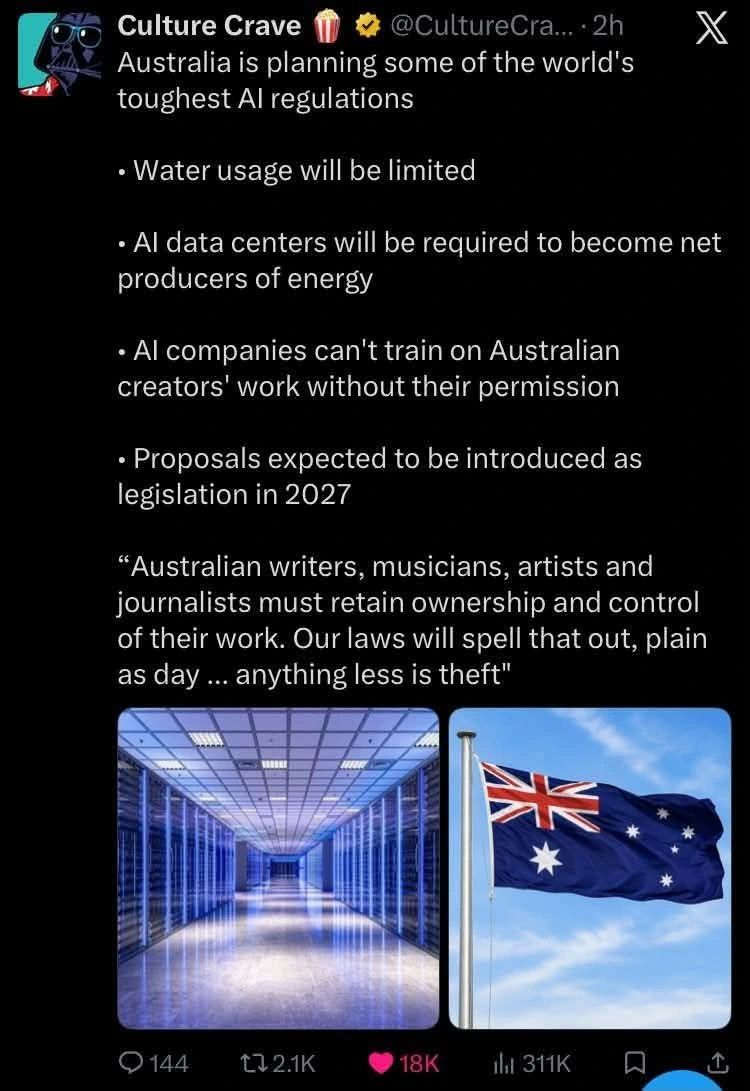



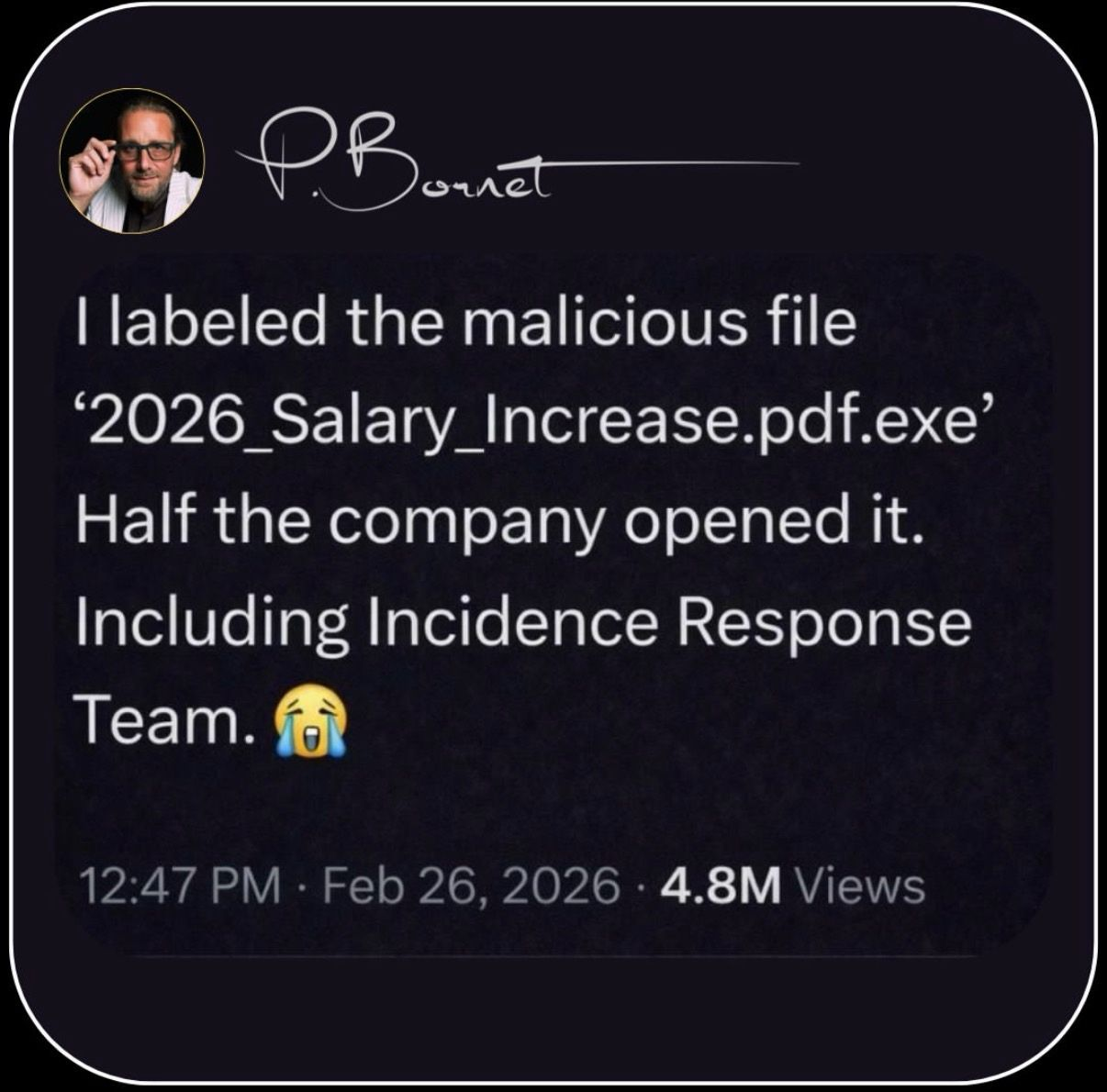



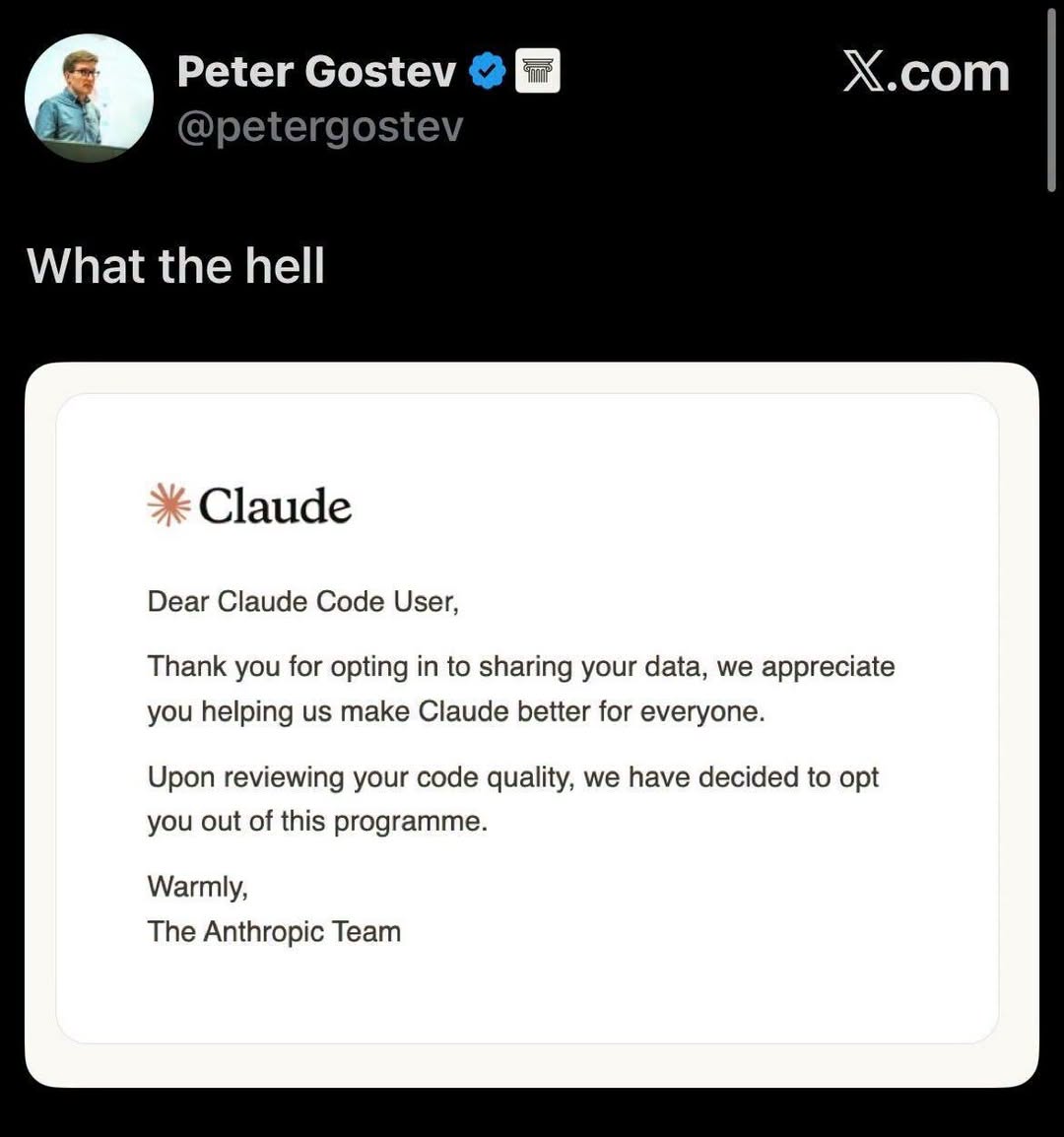
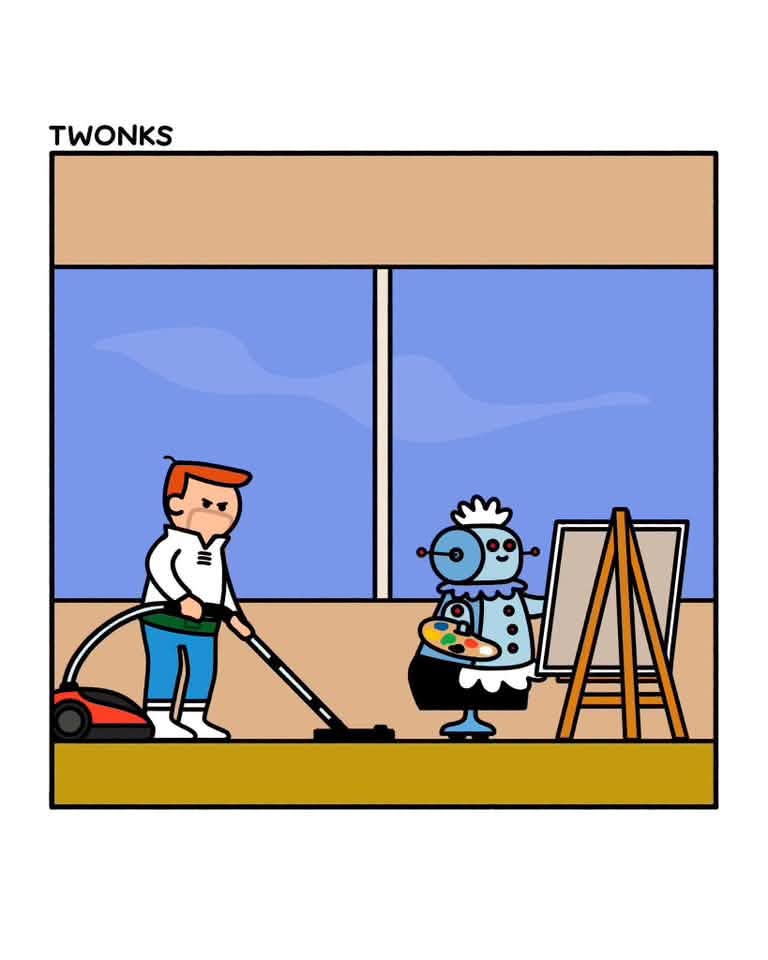
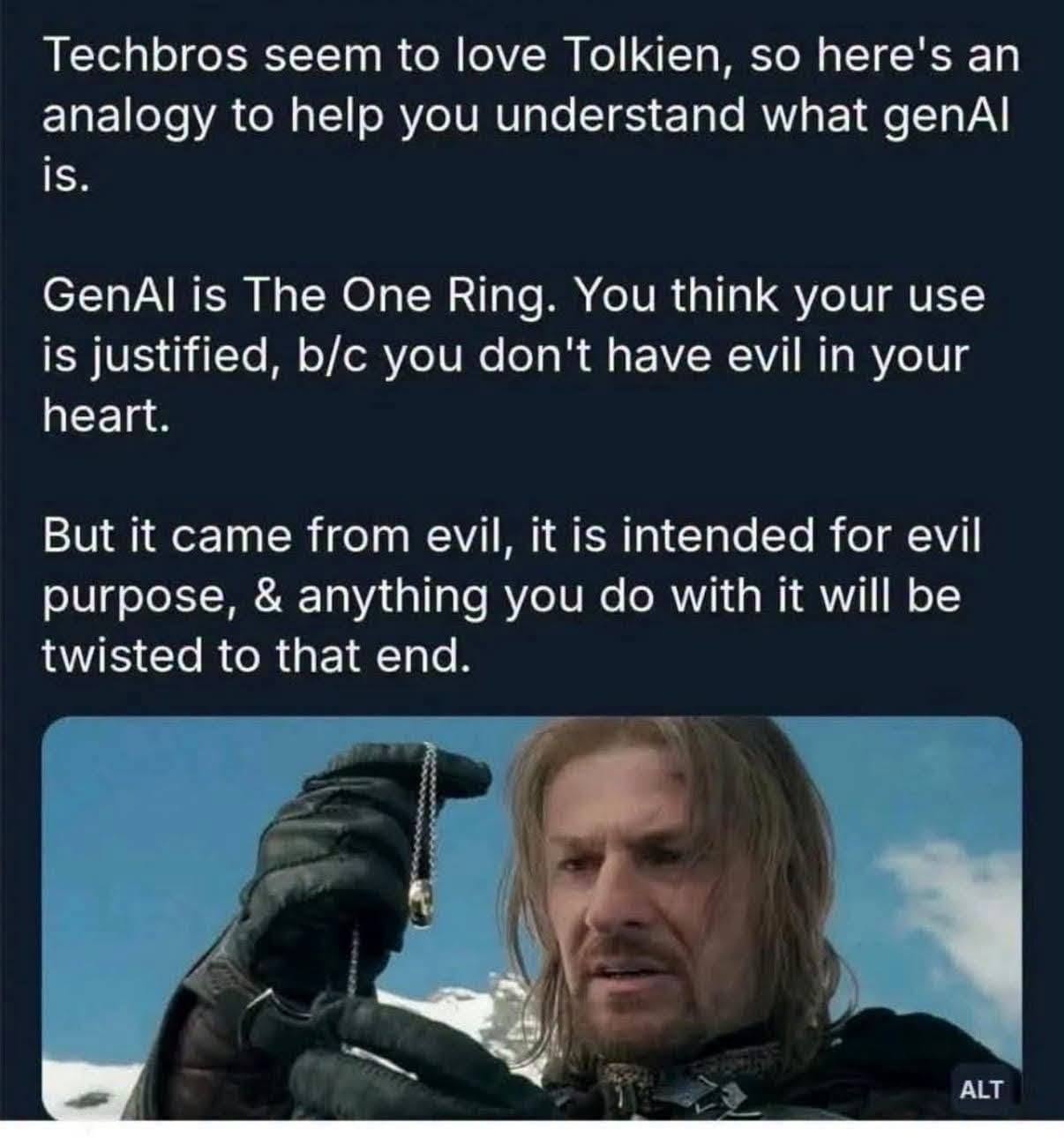
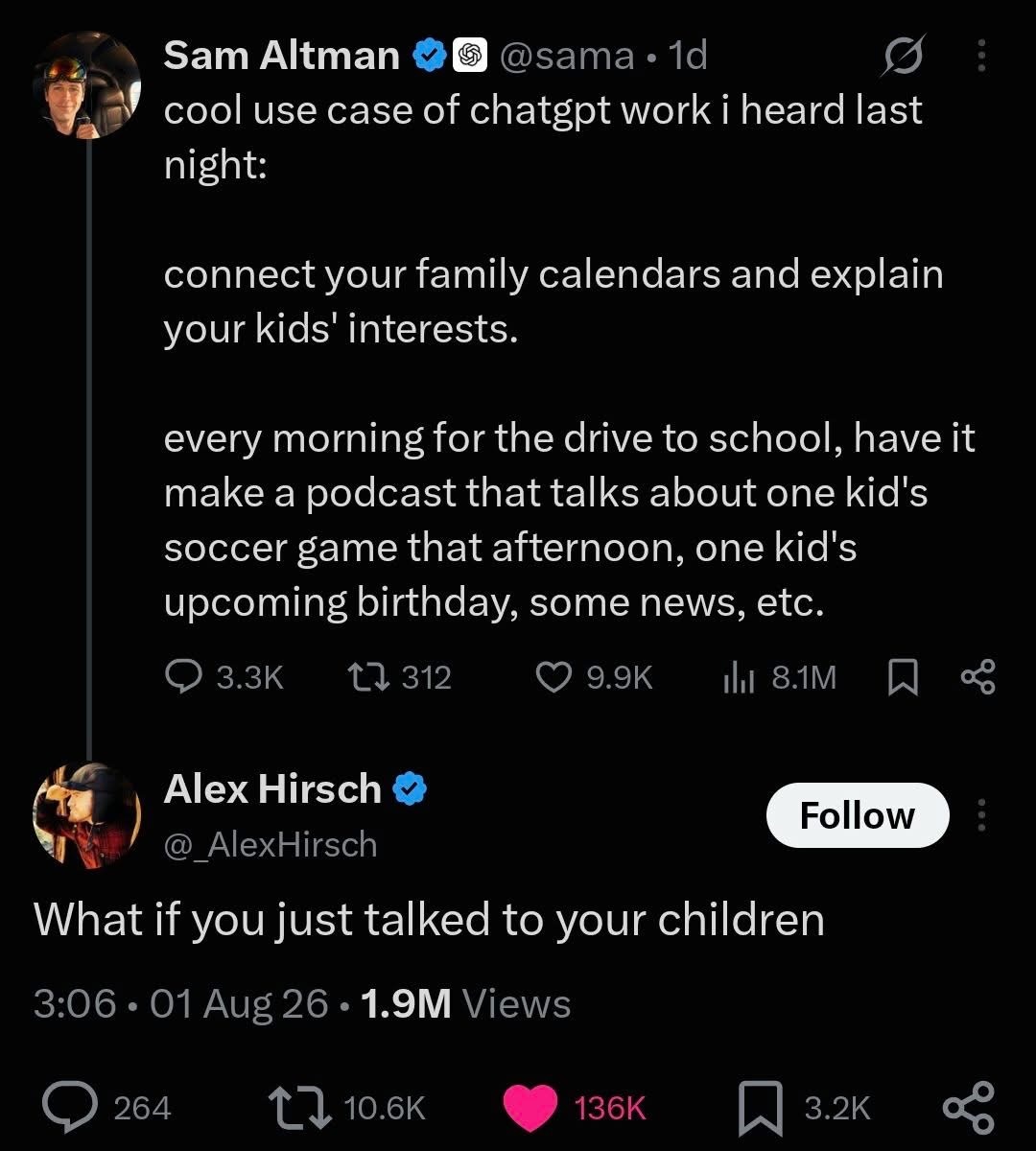



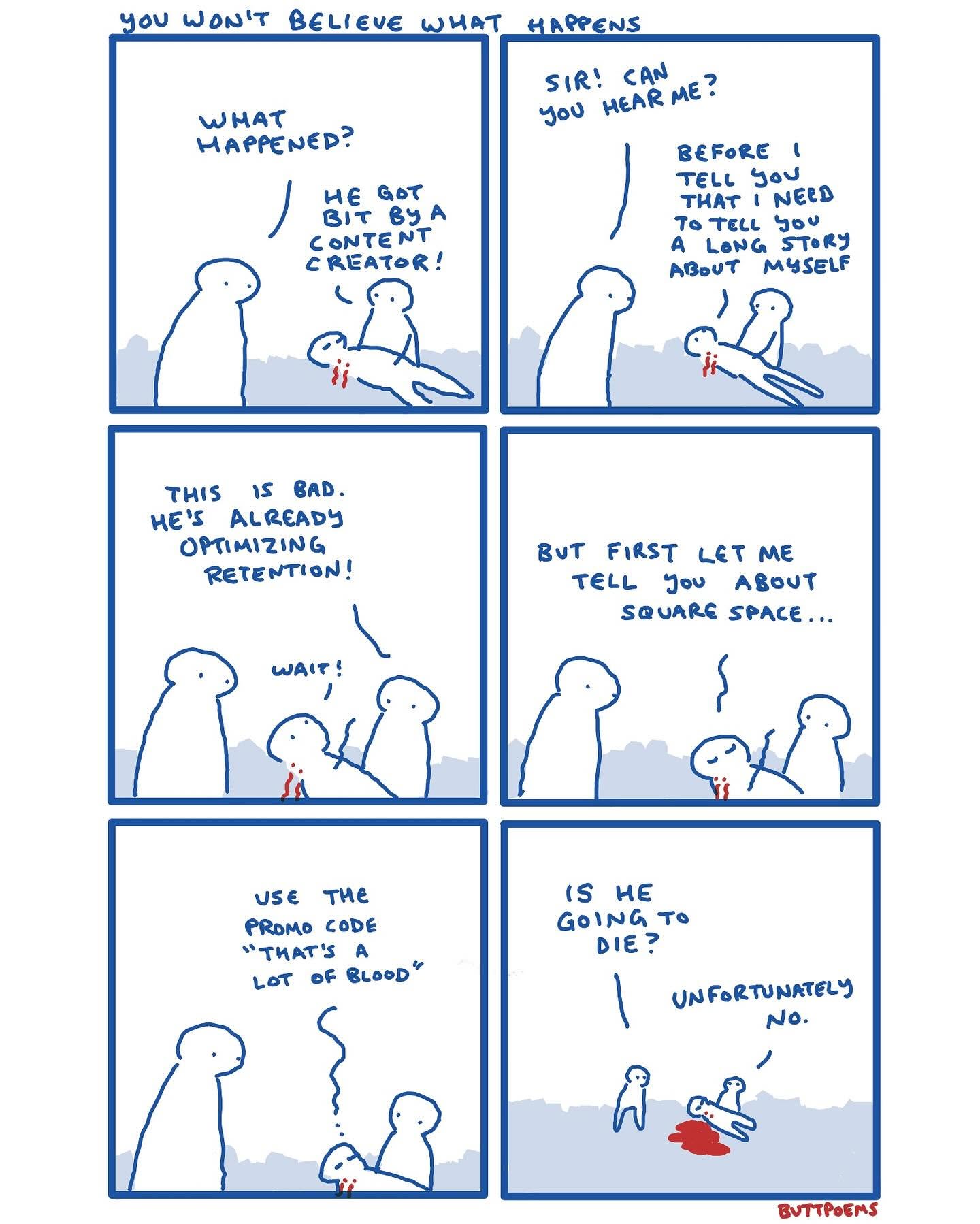





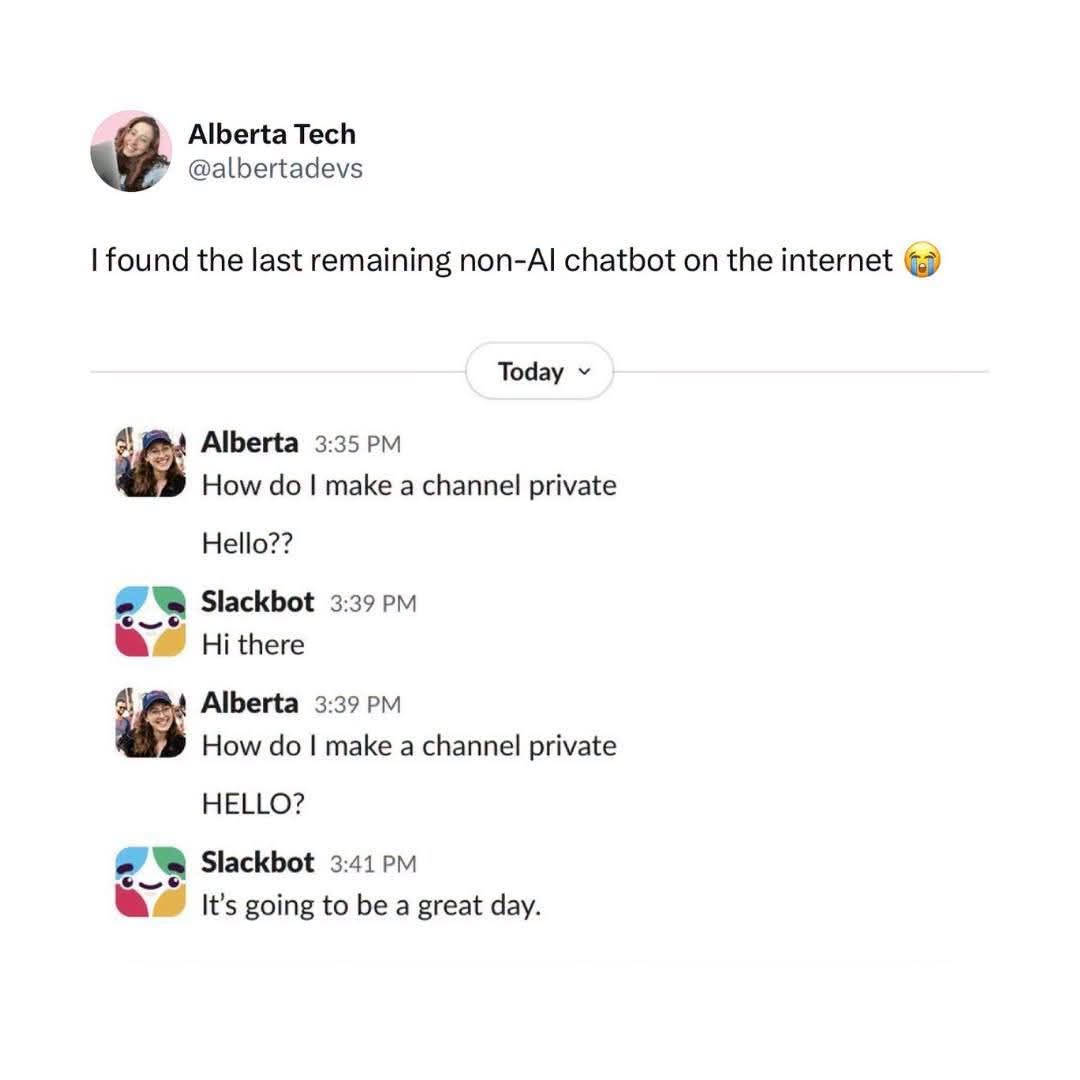

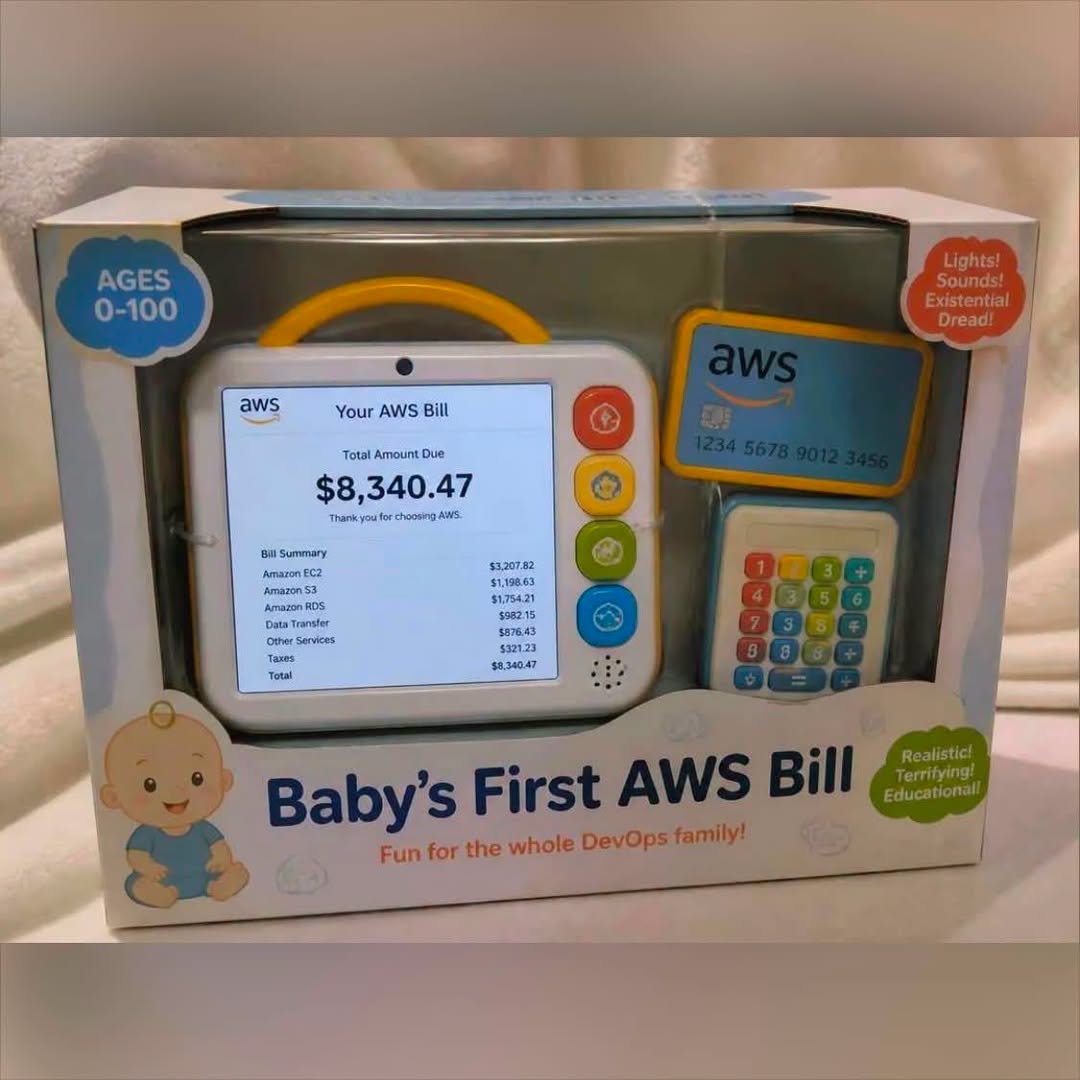

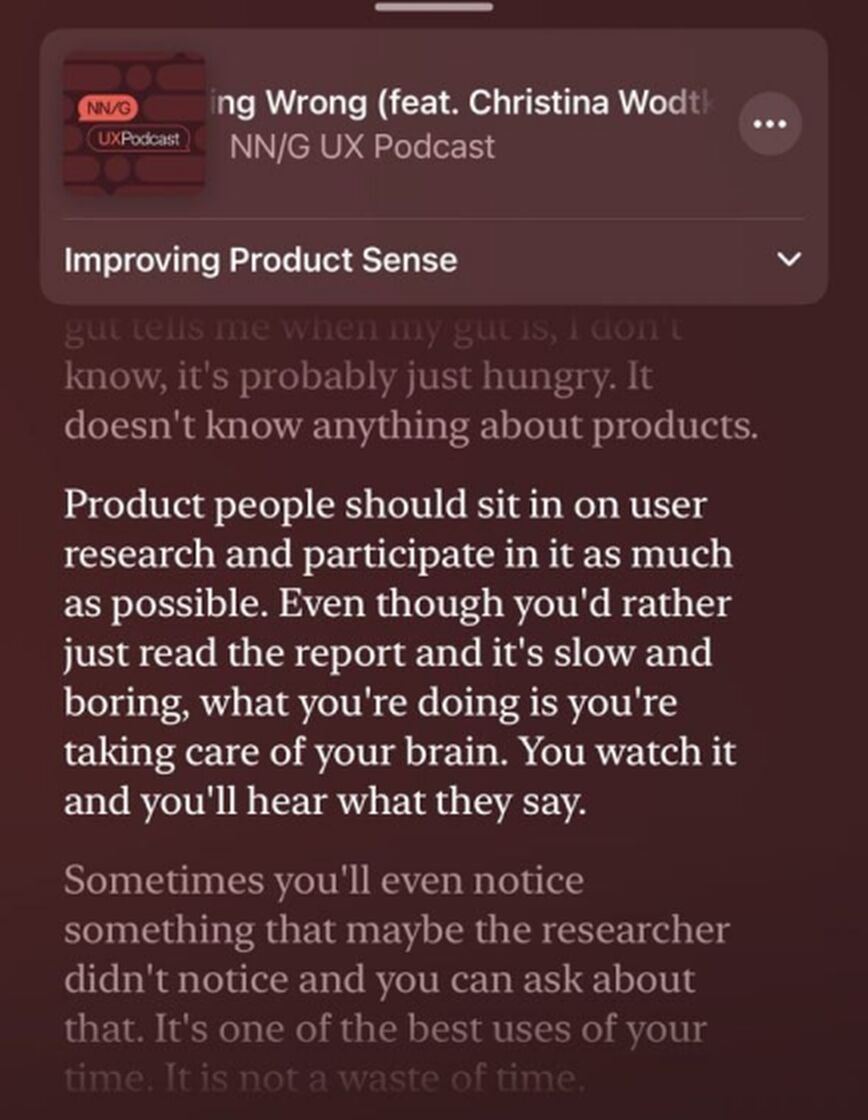

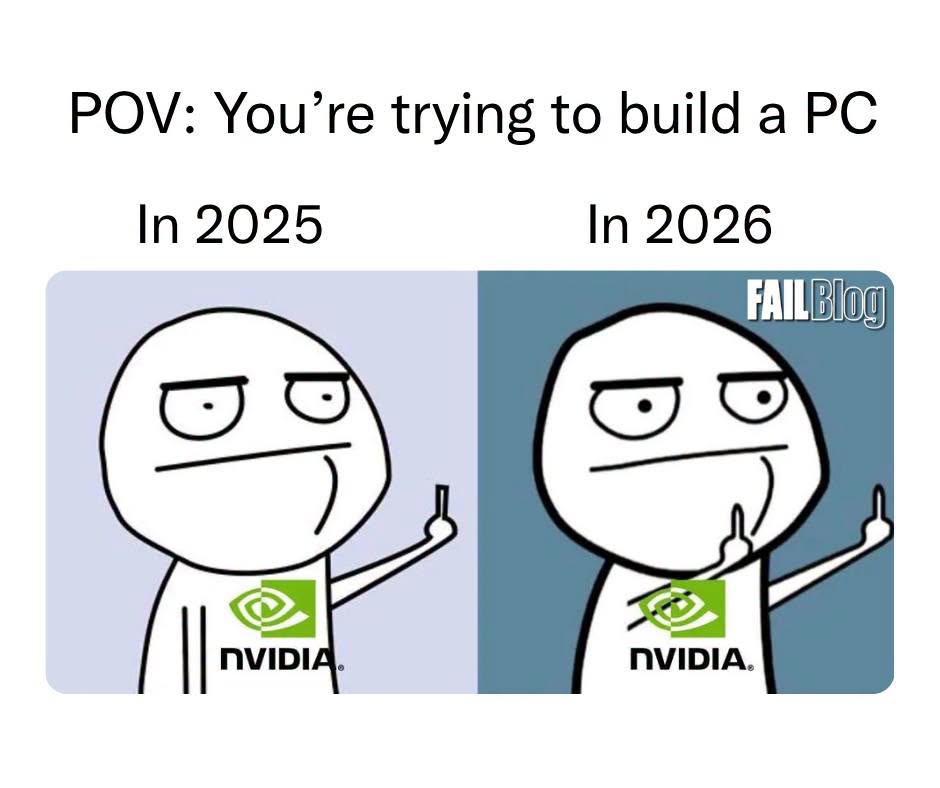


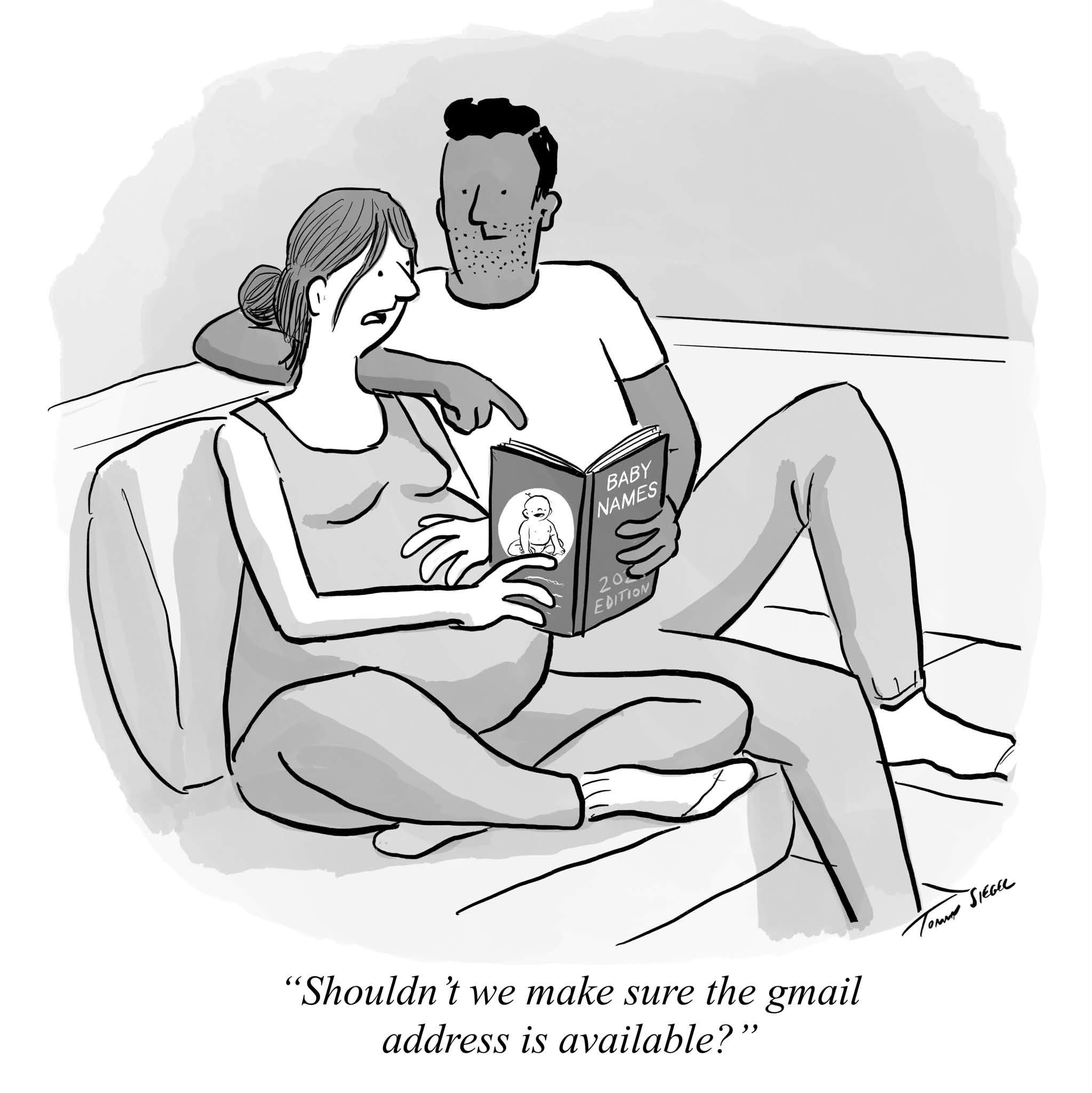


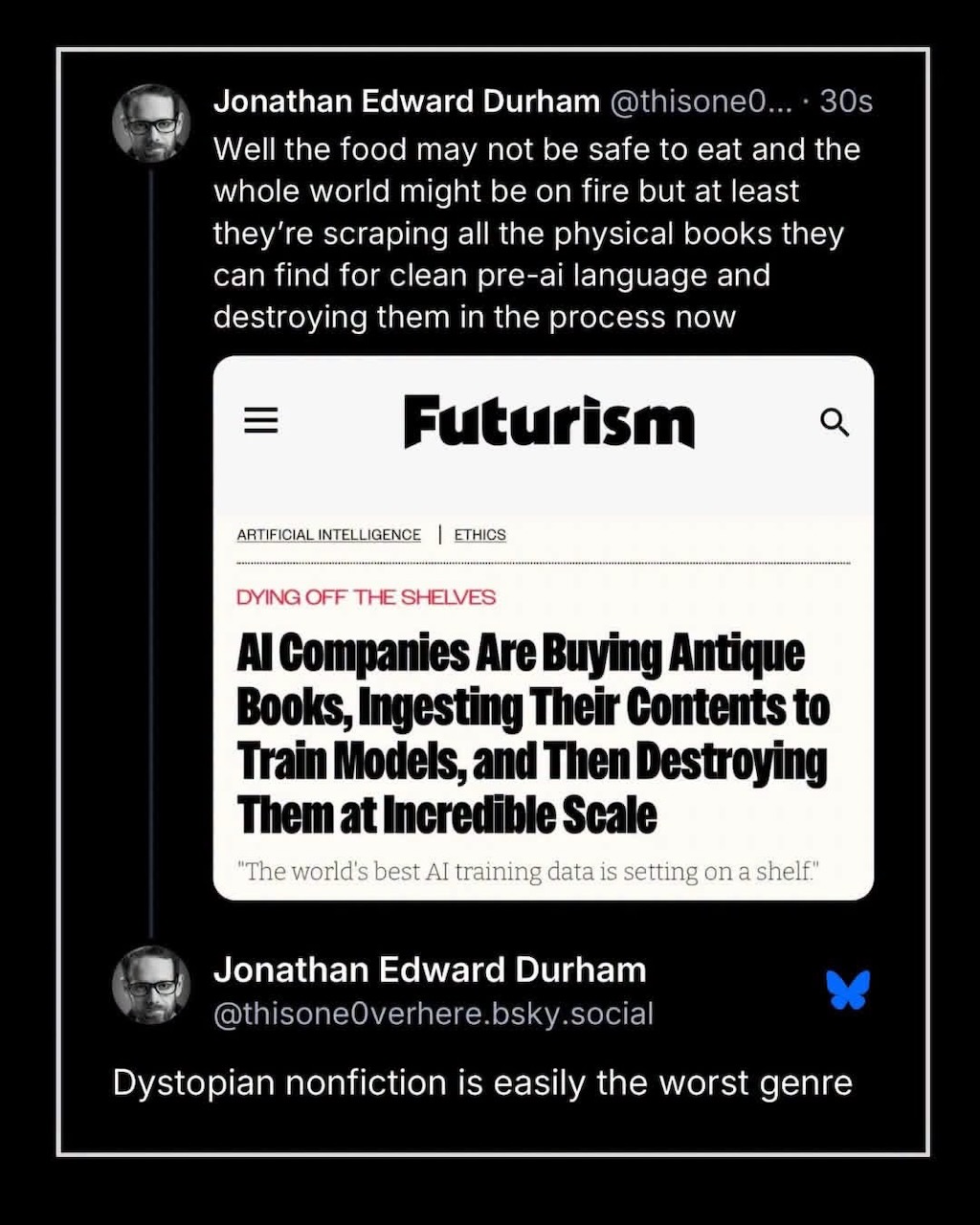
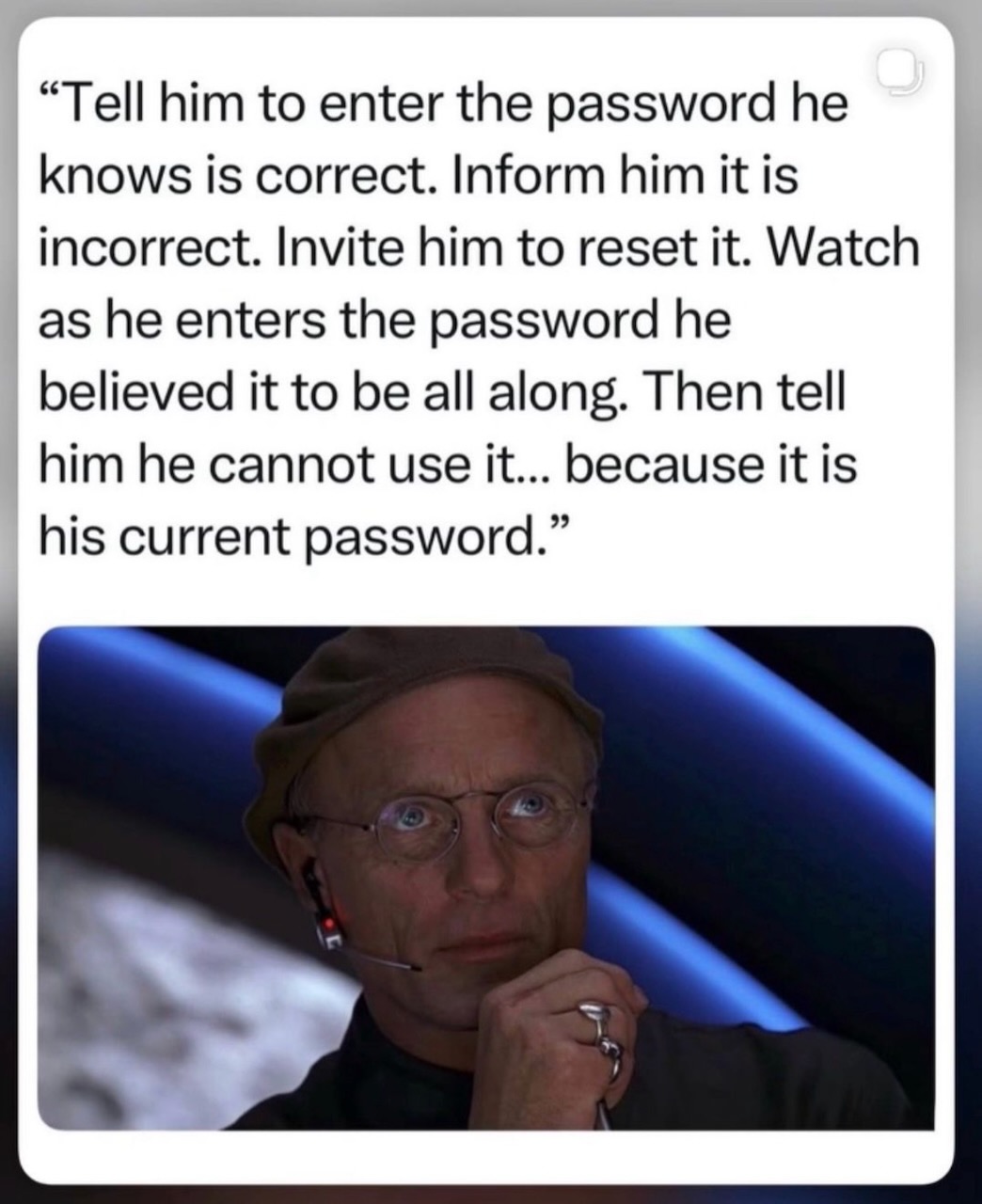

Happy Saturday, everyone! Here on Global Nerdy, Saturday means that it’s time for another “picdump” — the weekly assortment of amusing or interesting pictures, comics, memes, and even videos — I found over the past week. Share and enjoy!

Here’s what’s happening in the thriving tech scene in Tampa Bay and surrounding areas for the week of Monday, August 10 through Sunday, August 16!
This list includes both in-person and online events. Note that each item in the list includes:
✅ When the event will take place
✅ What the event is
✅ Where the event will take place
✅ Who is holding the event

| Event name and location | Group | Time |
|---|---|---|
| Adventures of the Tomb of Annihilation (5e 2024 D&D Campaign) Sunday, Aug 16 · 2:00 PM to 6:00 PM EDT |
Adventurers of Central Florida | 4:00 PM |
| Sunday Gaming Tampa Bay Bridge Center |
Tampa Gaming Guild | 1:00 PM to 11:00 PM EDT |
| Tampa Gaming Guild Clocktower Tampa Gaming Guild |
Blood on the Clocktower Tampa Bay | 1:00 PM to 5:00 PM EDT |
| Tabletop games & boba tea University boba tea house |
Geekocracy! | 2:00 PM to 4:00 PM EDT |
| Sunday Chess at Wholefoods in Midtown, Tampa Whole Foods Market |
Chess Republic | 2:00 PM to 5:00 PM EDT |
| D&D Adventurers League Critical Hit Games |
Critical Hit Games | 2:00 PM to 7:30 PM EDT |
| Sunday Pokemon League Sunshine Games | Magic the Gathering, Pokémon, Yu-Gi-Oh! |
Sunshine Games | 4:00 PM to 8:00 PM EDT |
| Sew Awesome! (Textile Arts & Crafts) 4933 W Nassau St |
Tampa Hackerspace | 5:30 PM to 8:30 PM EDT |
| A Duck Presents NB Movie Night Discord.io/Nerdbrew |
Nerd Night Out | 7:00 PM to 11:30 PM EDT |
| Return to the top of the list | ||
How do I put this list together?
It’s largely automated. I have a collection of Python scripts in a Jupyter Notebook that scrapes Meetup and Eventbrite for events in categories that I consider to be “tech,” “entrepreneur,” and “nerd.” The result is a checklist that I review. I make judgment calls and uncheck any items that I don’t think fit on this list.
In addition to events that my scripts find, I also manually add events when their organizers contact me with their details.
What goes into this list?
I prefer to cast a wide net, so the list includes events that would be of interest to techies, nerds, and entrepreneurs. It includes (but isn’t limited to) events that fall under any of these categories:
Clint (who among other things, does all sorts of OpenZiti development and co-hosts Ziti TV with me) recently posted a video, OpenZiti 2.0: A Management API With No Open Port.
It’s a quick but deep dive prompted by a great question over on our Discourse forums: “What’s the service configuration for the hosts part when using identity?”
Short answer: there isn’t one. No host.v1, no tunneler hosting it.
The core idea: in 2.0+, the controller is the hosting app. Give it an identity and it binds the service itself. There’s no separate tunneler, no host config. That’s the whole trick behind darkening an API you’d normally have no choice but to expose.
What the demo does: starting from a fresh 2.0.2 quickstart, Clint splits the controller’s APIs across two web listeners. The edge client and OIDC APIs stay on the public listener (0.0.0.0:1280). The management API gets no internet-facing port at all! It’s bound to the controller’s own Ziti identity and reachable only over the overlay by identities authorized to dial it. Then he proves it three ways: over loopback, with the ziti CLI over the overlay, and with a plain curl through ziti-edge-tunnel.
Before you try this in your own lab:
management.z in the demo), or the ziti CLI won’t connect over the overlay.ziti edge login broke on 2.0.0 right after a split.Resources:
It’s a completely counterintuitive concept, but that’s the thesis of API Gateway Security: A Zero Trust Approach, an article we just refreshed on the NetFoundry blog.
Read the article here: https://netfoundry.io/devops/api-gateway-security/
It’s written by Tod Burtchell, Associate Director Service Planning & Development in Management & Operations Platform (long title, dude!), whom I had the pleasure of meeting at a planning meeting last week.
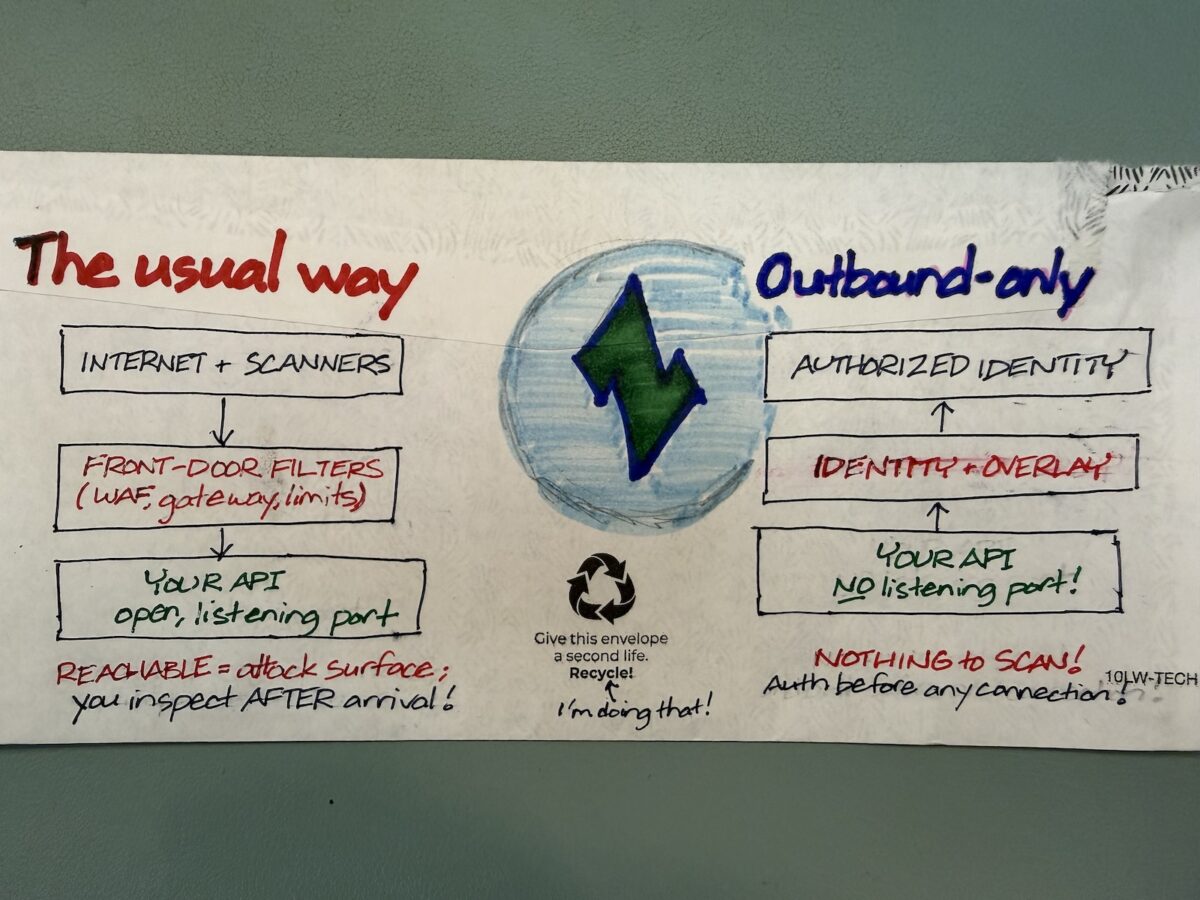
Most API security spend goes into inspecting inbound traffic (WAFs, rate limiting, an API gateway parked out front), and all of it inspects traffic that has already arrived at your infrastructure. The exploit is already inside the door even before the door can do anything.
The general gist of the article leans on NetFoundry CEO Galeal Zino’s earlier article, Squaring the Circle: How to Make Public APIs Private, where he describes APIs as “snowflakes”. They’re snowflakes in the sense that they’re always changing, and each change quietly opens a new attack vector that signature-based defenses haven’t seen yet.
The tl;dr: Hardening the front door is one thing, but why not remove it instead? Picture and API with outbound-only connections, no listening ports, and identity-and-auth before anything connects. As a result, the API stays usable for the people who should reach it and is simply invisible to everyone else. OpenZiti is the open-source plumbing underneath if you want to see how it actually works.
I thought I’d make another “back of the envelope” diagram showing the difference between the usual way of building APIs, and the OpenZiti-powered outbound-only approach.
Once again, here’s the article: https://netfoundry.io/devops/api-gateway-security/
This made-for-the-modern office version of The Odyssey will make you both and laugh and weep, especially if you’ve suffered through a long Zoom/Teams call today.
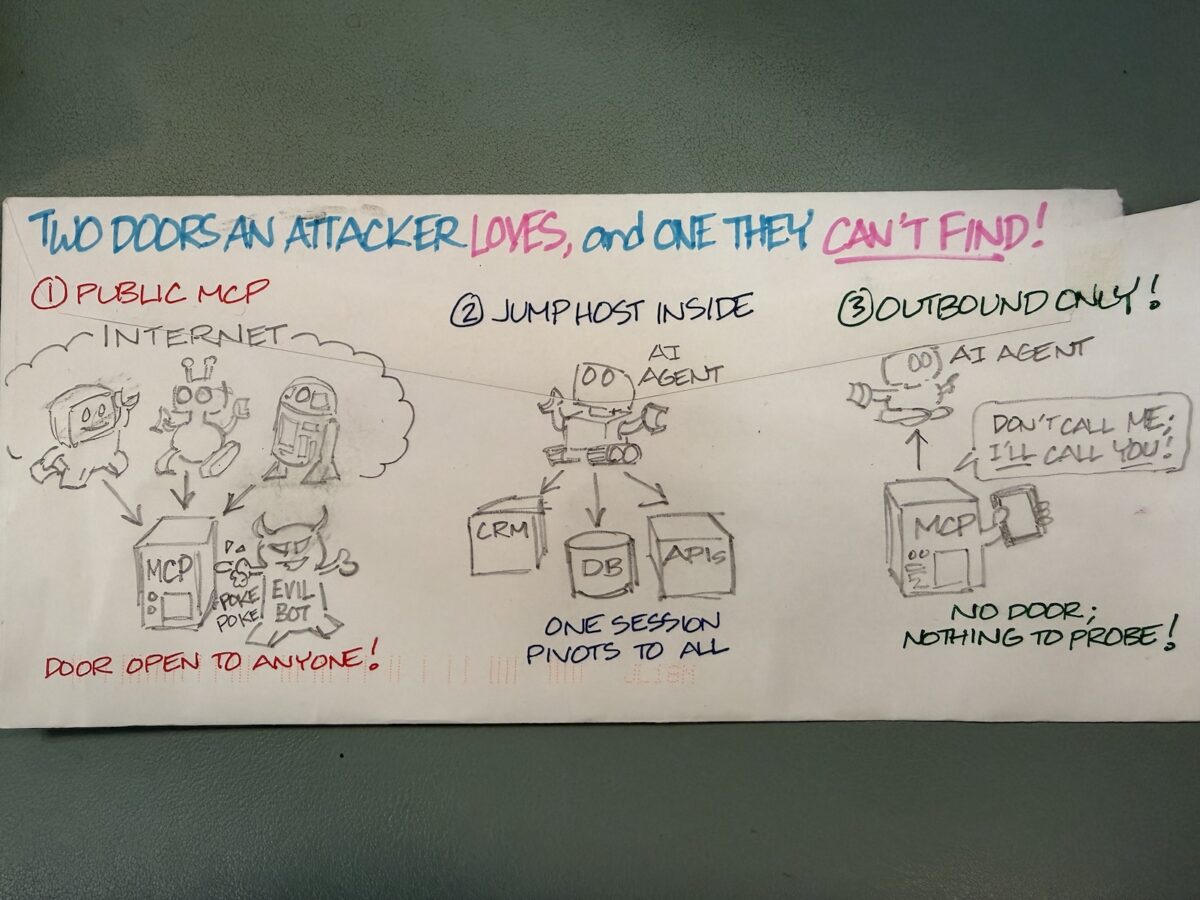
I drew the illustration above on the back of an actual envelope (one of my new “things” these days). It’s either the most or the least appropriate medium for a diagram about attack surface. Your call.
It’s here because my colleague Mark Jaffe — NetFoundry’s Chief Strategy and Marketing Officer — just published an article called MCP Is Spreading Through Your Enterprise at Developer Speed. Your Security Architecture Isn’t, and it makes a point that I think is worth more than a link-and-a-shrug. So I illustrated one of its key ideas the old-school engineer way, because you’ve probably seen enough AI-generated images and need to look at something a little more human.
Read the article: https://netfoundry.io/ai/mcp-is-spreading-through-your-enterprise-at-developer-speed-your-security-architecture-isnt/
You’re probably seeing this happening around you: teams are wiring AI agents up to their CRMs, databases, and internal APIs through Model Context Protocol servers, because MCP makes it easy. What almost nobody is asking, and what security teams usually can’t even see, is whether the way they’re connecting those servers is quietly creating a new attack vector. In most of the deployments NetFoundry runs into, it does.
The cartoon is Mark’s “before and after,” in three panels. The first two are how nearly everyone connects an MCP server today. The third is what he argues you should be doing instead.
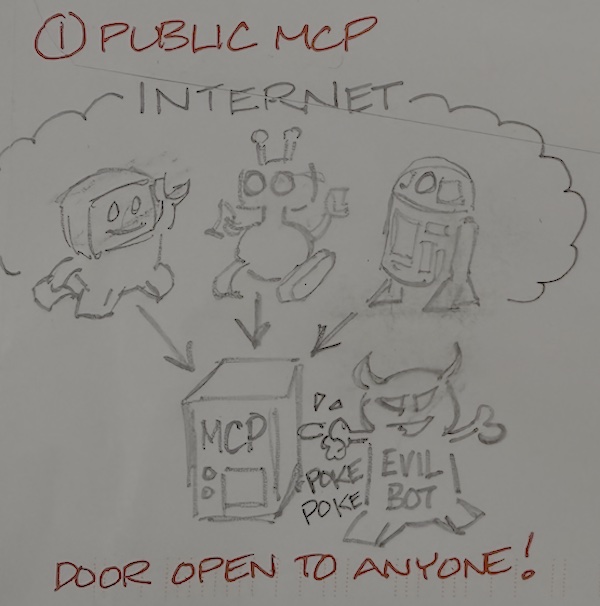
You publish the MCP server on a public hostname, stick a load balancer in front of it, and rely on an API key or an OAuth token to authenticate the agent.
If that gives you déjà vu, it should. This is the exact pattern we all used for REST APIs back around 2012, and it carries the exact same flaw. The server is reachable by anyone on the internet who can enumerate the endpoint or get their hands on a credential. It has to be reachable, because the agent needs to find it. Which means so does everybody else.
That’s the evil bot in the corner going “poke poke.” He doesn’t need to be clever. He just needs the door to exist.
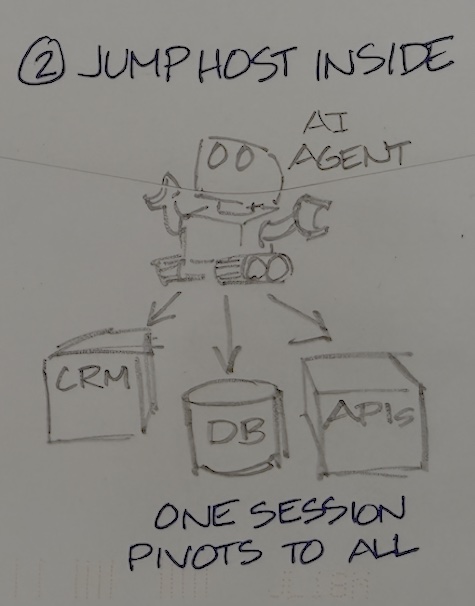
“Fine,” you say. “We’ll keep everything internal. Run the agent on a jump host or a dedicated VM inside the network, nothing exposed to the public internet, problem solved.”
Except now you’ve traded one problem for a subtler one. That agent is the thing that’s calling an external LLM, ingesting user-supplied prompts, and taking actions across a dozen connected tools. It’s also now sitting on a trusted internal segment with network-level reach to systems far beyond what it actually needs. Compromise a single agent session and you’ve got a pivot point. One hop to the CRM, one hop to the database, one hop to the internal APIs.
That’s the middle panel: the agent with arrows fanning out to everything. One session pivots to all of them.
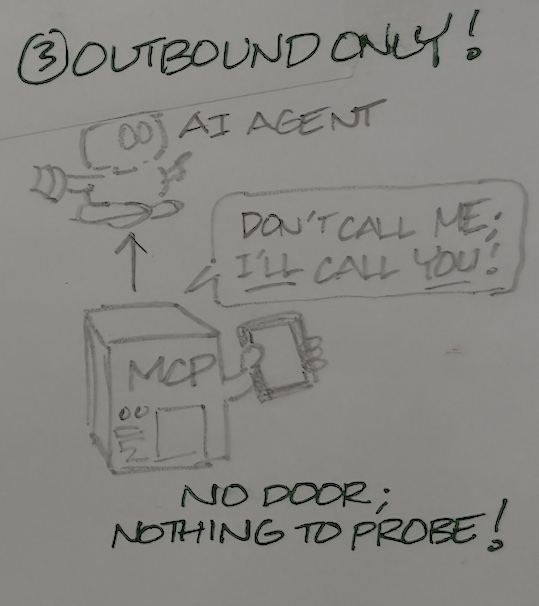
Here’s the fix, and the almost annoying thing about it is that it isn’t new. It’s the same outbound-only, identity-bound, least-privilege model that zero trust has been asking for all along. What’s new is applying it to the one connection (agent to MCP server) where none of your existing controls (firewalls, WAFs, network segmentation) actually operate.
The MCP server lives on a private subnet with no inbound connectivity. Instead of the agent reaching in to find the server, the server dials out to meet the agent through an authenticated, encrypted tunnel. There’s no public address to enumerate, no port to probe, nothing sitting there waiting to be found.
Or, as my little pencil agent puts it: don’t call me, I’ll call you.
That line did more work in one speech bubble than a paragraph of my prose could, which is a humbling thing to learn from a robot you drew yourself.
The panels are the fun part, but the argument I’d actually push you to sit with is why this isn’t just an API-gateway problem wearing a new hat. Mark lays out three things MCP changes that break the old assumptions:
The client is autonomous. An AI agent doesn’t just call an endpoint. It decides which endpoints to call, in what order, with what parameters, based on reasoning you can’t fully predict or constrain up front. So your attack surface isn’t “the MCP server.” It’s the full action space of every tool that agent can touch, across every session it runs.
The session context carries risk. MCP servers receive the agent’s reasoning context right alongside its tool requests. If an attacker can inject content into that context (prompt injection in a document the agent reads, a poisoned result from an earlier tool call, a malicious server the agent got pointed at) they can influence the next tool call in the same session. The MCP connection is the channel that influence travels down.
The inventory is invisible. Most organizations have no systematic way to know which MCP servers their teams have already stood up, which agents are connected to them, or what those servers can reach. If “shadow API” gave you a twitch a decade ago, meet shadow MCP. It’s the same problem, but building up considerably faster.
That speed is the whole thesis, really. The API security industry got the better part of ten years to retrofit controls around a pattern it shipped before it fully understood. MCP is running the same curve compressed into months. Nobody’s getting ten years this time.
If AI-agent security is landing on your desk right now, the uncomfortable truth in Mark’s piece is that the architecture decisions your developers are making this quarter are the ones that’ll be expensive to unwind later. A dev who wires an MCP server to your production CRM through a public hostname isn’t making a temporary choice. They’re setting the pattern every future agent deployment quietly copies.
The good news is that the fix is boring and well-understood. Outbound-only. Identity bound to the connection. Every session governed and observable. Panel 3, basically.
Go read the whole thing! It’s about an eight-minute read and it’s sharper than my envelope.
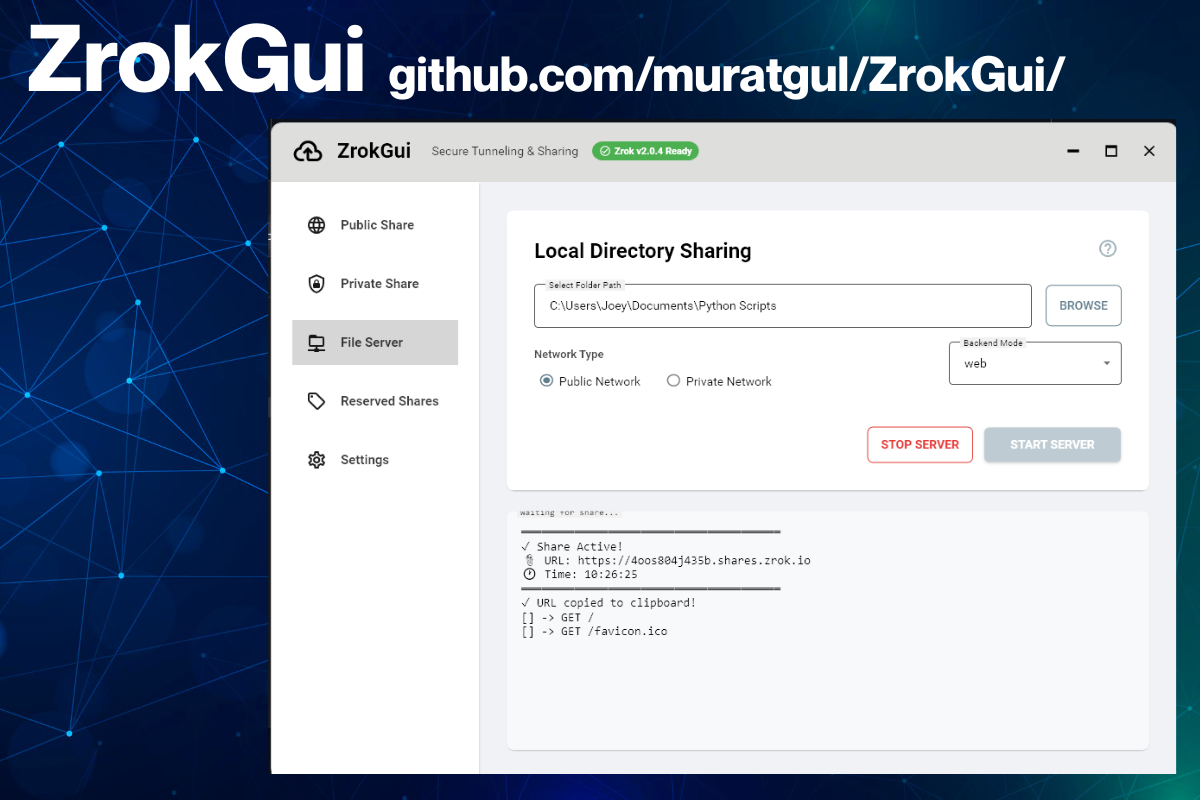
Someone in the wild built a Windows GUI for zrok, and it’s worth a look!
ZrokGui, by GitHub user muratgul, is a WPF / Material Design 3 desktop app that puts a friendly front-end on the zrok CLI. If you know someone who needs to use zrok and doesn’t feel comfortable with the command line (often the case with people who just want to share files or run an internal web site), this could come in handy.
One of the most useful tools produced by NetFoundry (where I work as their developer advocate) is zrok. If you’ve ever used ngrok to punch a temporary public URL through to something running on localhost (such as demo, a webhook receiver, a work-in-progress site, or even just a directory of files you want to make available) then you already know what zrok does.
zrok is an open-source sharing platform, and it’s quite clear that ngrok insipred it. It had the exact same “one command and your local thing is reachable from the outside world” ergonomics that made ngrok a developer staple.
Where zrok goes further is what’s underneath. It’s built on OpenZiti, an open-source zero-trust networking project that forms the basis of all of NetFoundry’s offerings.
Having an OpenZiti foundation gives zrok two things that ngrok doesn’t give you out of the box:
zrok gives you ngrok’s convenience, plus private-by-default sharing and the option to own the whole stack.
I did a recent livestream on the OpenZiti YouTube channel on zrok with my co-host Clint and zrok developer Michael Quigley:
Just for kicks, I cloned the source code and compiled it myself. It was no biggie; with the .NET 10 SDK already installed on my system, it was a matter of opening PowerShell, navigating to the directory containing ZrokGui.slnx and running the command dotnet build.
If you’re of the “I don’t want to compile anything; I just want a working application” school, go to ZrokGui’s Releases page, and download and unzip the .zip file for the latest release. The application is ZrokGuiWpf.exe.
ZrokGui is just a graphical interface for zrok, so you’ll need to have that on your system as well. As long as either zrok.exe or zrok2.exe are in the same directory as the ZrokGui application file (ZrokGuiWpf.exe), ZrokGui app finds zrok automatically, and then drives it for the user in the background. The GUI makes it simple to spin up public, private, file, and reserved shares, pick a backend mode (proxy, web, caddy, drive, tcpTunnel, udpTunnel, socks), and set basic auth or access grants. It presents live log output, pastes the share URL land into the clipboard the moment it’s live.
This is an early-stage project, but a real one. It’s past v1.0 with a downloadable release (v1.1.5 dropped a couple of days ago) and an active commit rhythm. I consider it beyond a weekend experiment at this point, and a nice piece of work. It’s the kind of thing that’s fun to see grow up around zrok.
Once again: