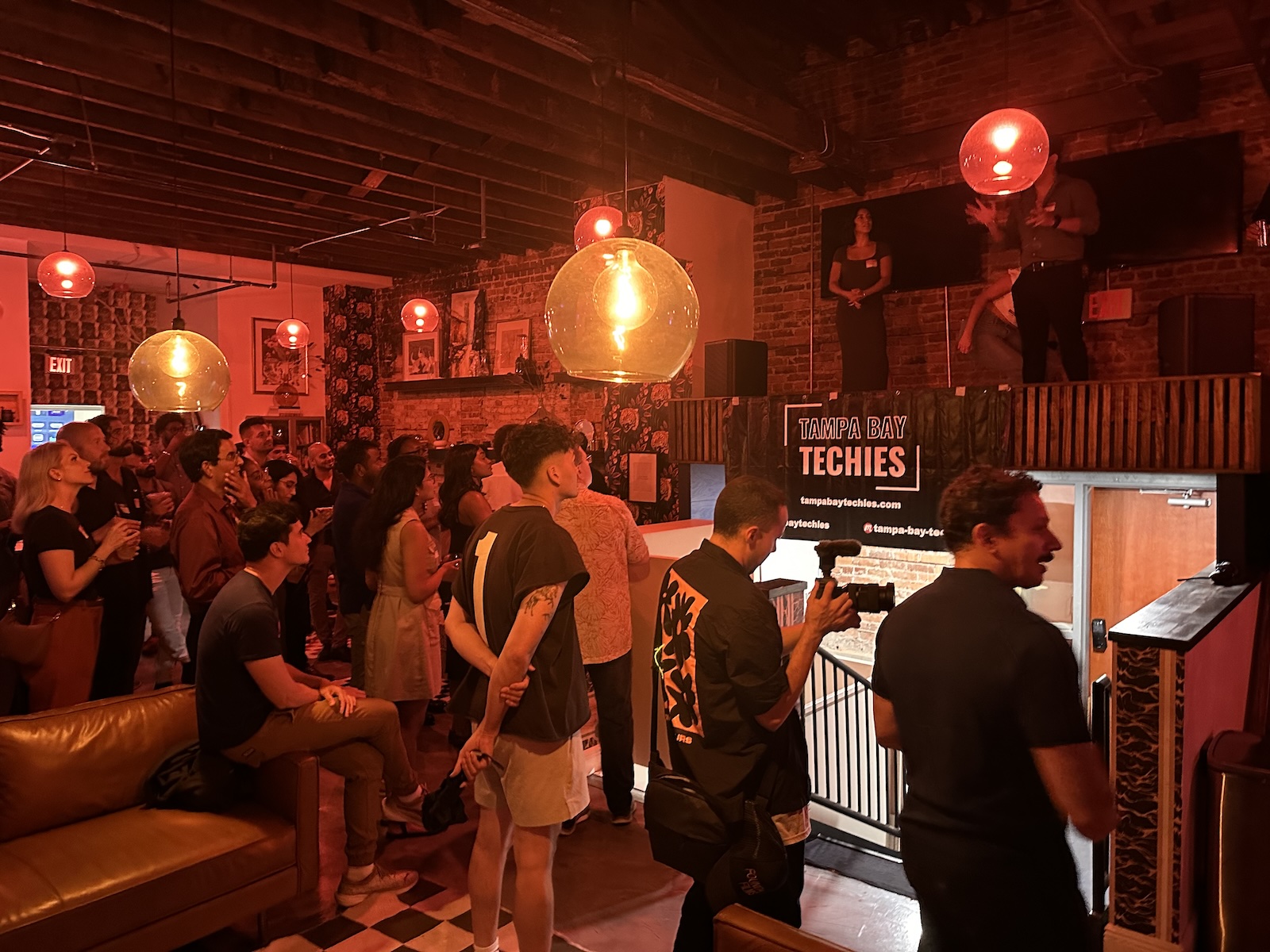
Last night, Anitra and I had the pleasure of attending Tampa Bay Techies’ Social Networking Happy Hour, which took place at the coworking space Sorry Not Public in downtown Tampa.
Tap to view at full size.
Tampa Bay Techies is a group whose goal is to bring the Tampa Bay tech community together through social and educational events, and promote personal and career growth through training, mentoring, and volunteer work.
Tap to view at full size.
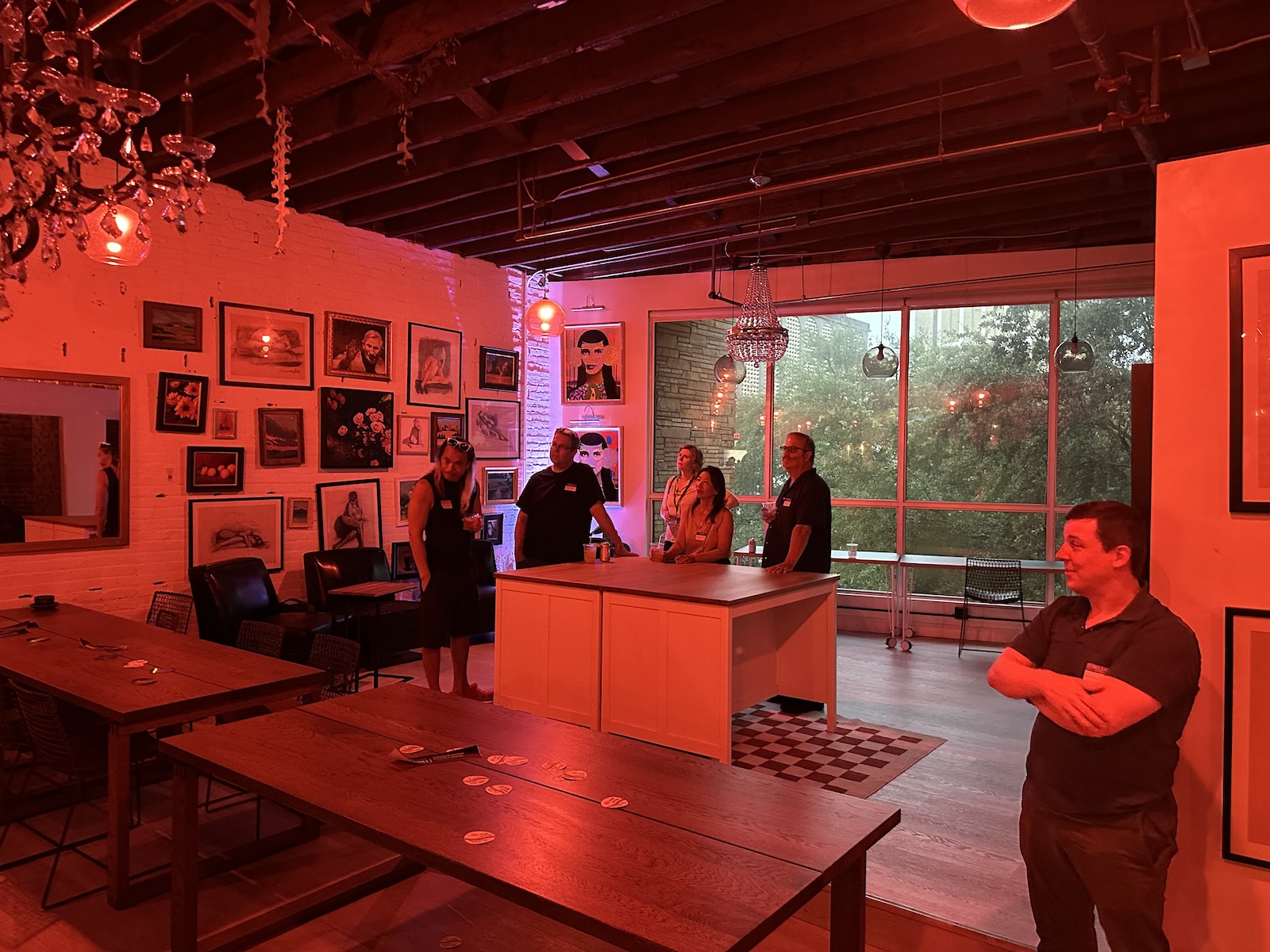
They picked an interesting venue for last night’s networking event: Sorry Not Public, a relatively new coworking space with a lo-fi startup vibe that had me convinced for a moment that I was in San Francisco or Toronto.
Tap to view at full size.
(They also had a lovely bar, and kudos to the bartender for making a great Bulleit-based whiskey sour.)
Tap to view at full size.
We had a great time chatting with old friends and meeting new ones. It’s great that Tampa Bay Techies events consistently attract new people and keep the scene lively!
Tap to view at full size.
We also had a chance to talk to the people who run Sorry Not Public. They’re expanding to incorporate different kinds of spaces to accommodate all kinds of working styles, and the amenities they provide are aimed squarely at creatives and techies, with meeting areas, a photo/video studio, and even a gym and sauna.
(YouTube titles and thumbnails can be changed even after the video is posted, and many YouTubers change them as they figure out which versions attract “search” and “browse” viewers.)
Selected moments from the video
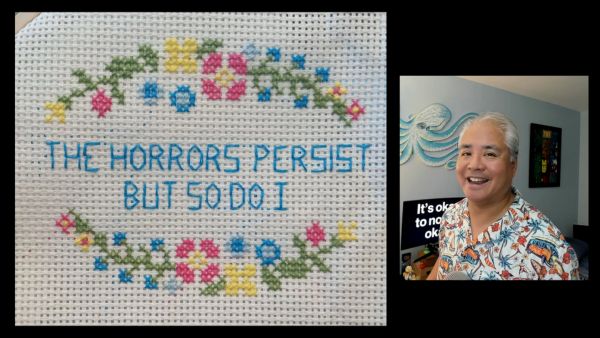
Near the start of the video, I suggest to viewers that they try to come up with their own mantra to help them through their layoff journey:
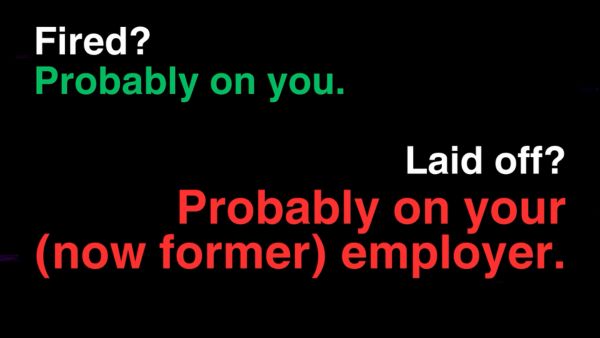
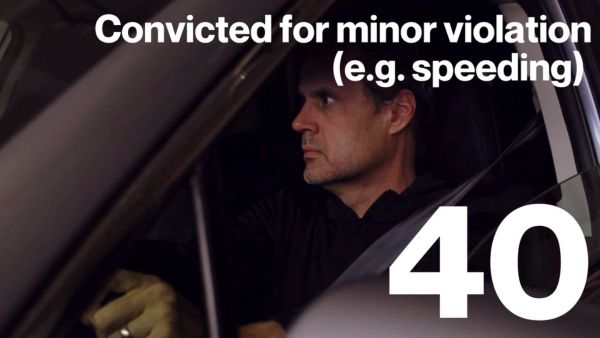
I also remind viewers that there’s a difference between being fired and being laid off:
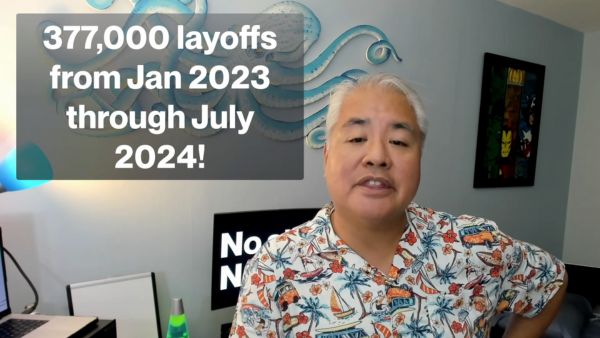
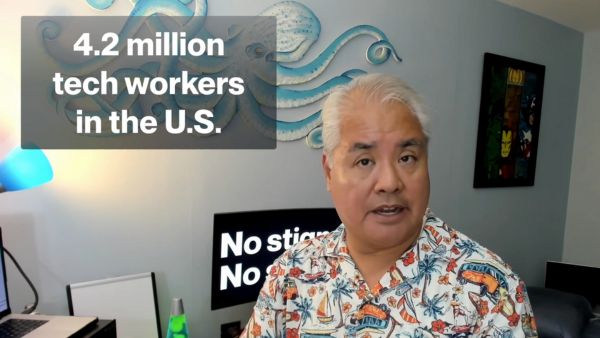
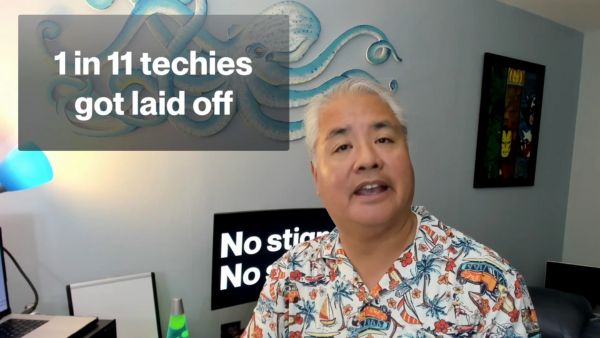
Here are some layoff stats to reassure you that if you’ve been laid off, you’re not alone:
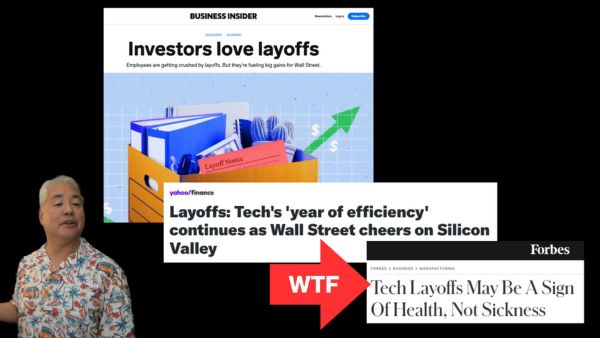
Making things worse is the fact that shareholders love layoffs — they’re cost savings, which can boost stock prices:
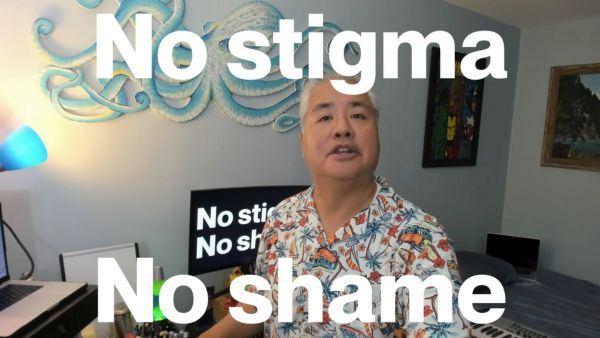
Remember this motto:
I also go through some of the items in the Life Events Inventory, a ranked list of the most stressful events in life. Guess where getting laid off is in the list — I won’t show you kere, though; you’ll have to watch the video!
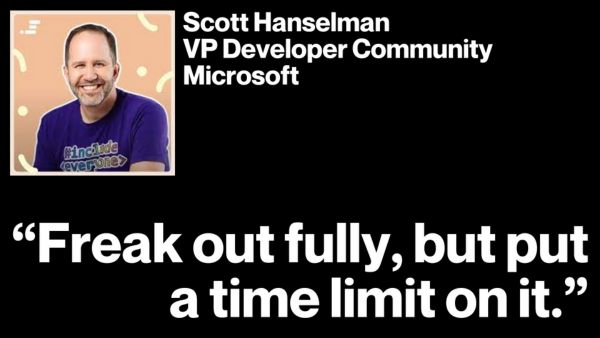
Here’s the most pithy advice I have for expressing the emotions you may have in the aftermath of being laid off, courtesy of Scott Hanselman:
I talk about the benefits of exercise…
…remind the viewer that it’s always 5 p.m. somewhere…
…and yes, I make a reference not just to “That Site,” but That Site’s identifying drum riff:
You don’t need a unicorn gratitude journal to make it through a layoff, but you should practice gratitude to help you through the process:
I suggest that it might be therapeutic to get rid of at least some of your (former) company swag, but hang on to the stuff that’s useful. I’m hanging on to the Patagonia sweater they sent to me (ironically, a week or so before they laid me off) because it’s nice and warm, and I’m willing to put up with the “VC Bro’ vibes it gives off:
And finally, here’s one of the images I use to explain that if you need therapy or counseling, get it:
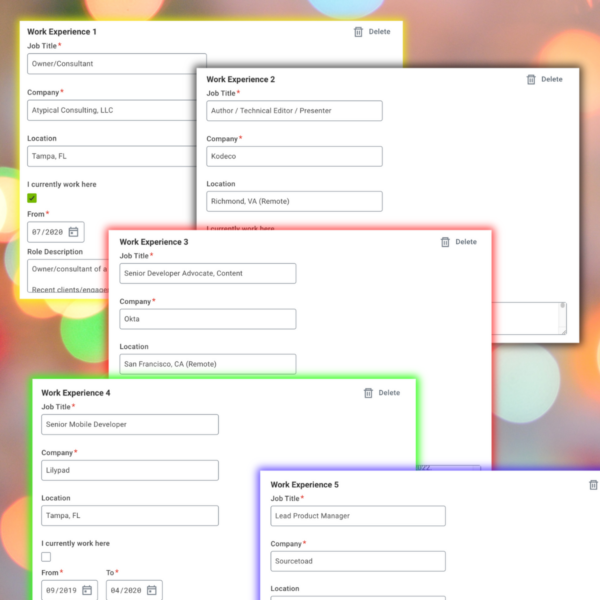
Because I’m in the middle of a job search — like about 1 in 11 techies who’ve been laid off since that start of 2023, I’ve been asked for links to my portfolio. Here’s the current version of my content portfolio as of August 2024, which showcases my developer relations / tech advocate / technical writing experience.
I’m currently contracted to create the first of several new courses for Kodeco that will be available in October. Kodeco is expanding beyond their usual mobile development tutorials and into tutorials covering the development of AI applications.
My course will be a thorough introduction to Python for experienced programmers who want to get into AI development.
Teaching Python for Computer Coach
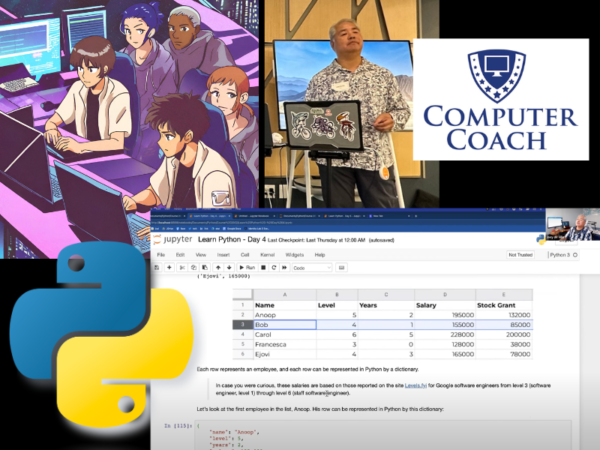
I’m nearly done teaching an online 40-hour / five-week / two-nights-per-week introductory Python course for Tampa Bay’s go-to tech training center, Computer Coach (it will conclude on August 14). This course is aimed at people who are new to programming, but by the end of the course, they’ll have built Python applications in Jupyter Notebook, command-line applications, and even web apps in Flask!
The Global Nerdy YouTube channel
I’ve recently been working on building up the Global Nerdy YouTube channel, where I plan to post long-form videos on technology, software development, and life as a developer.
I published this video in July 2024, the first in a series on surviving the recent tech industry layoffs:
In response to the recent CrowdStrike outage, I posted this video explaining how it happened:
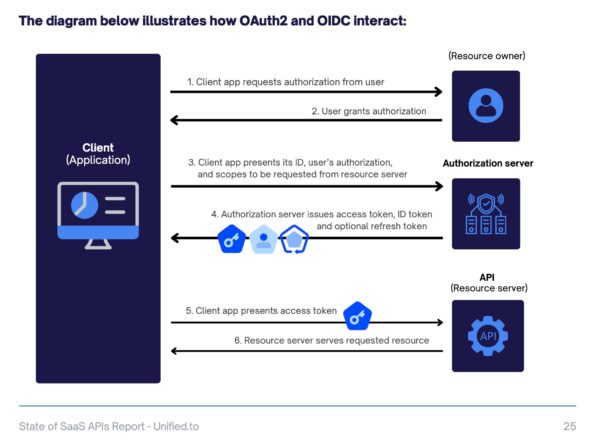
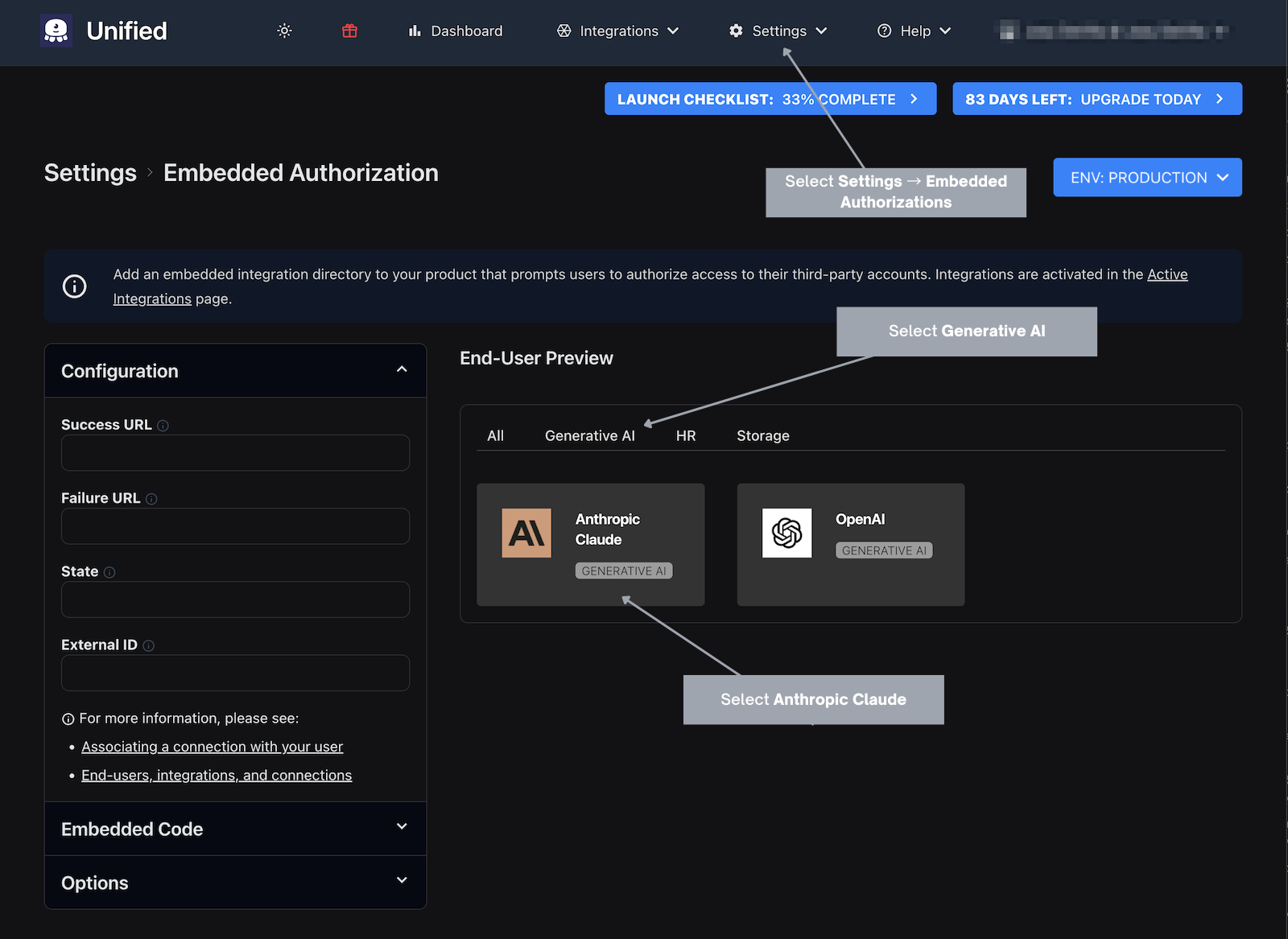
I had a short contract stint as the Developer Advocate for Toronto-based startup Unified.to during April and May 2024. My first assignment at Unified.to was to write their 2024 State of SaaS APIs, a 44-page white paper on various aspects of how APIs are designed and implemented. It covered a wide range of topics, including:
API designs and specification formats
API documentation — generated manually, or with automated tools?
URLs in APIs: static base URLS, custom domain-/subdomain-based URLs, and versioned URLs
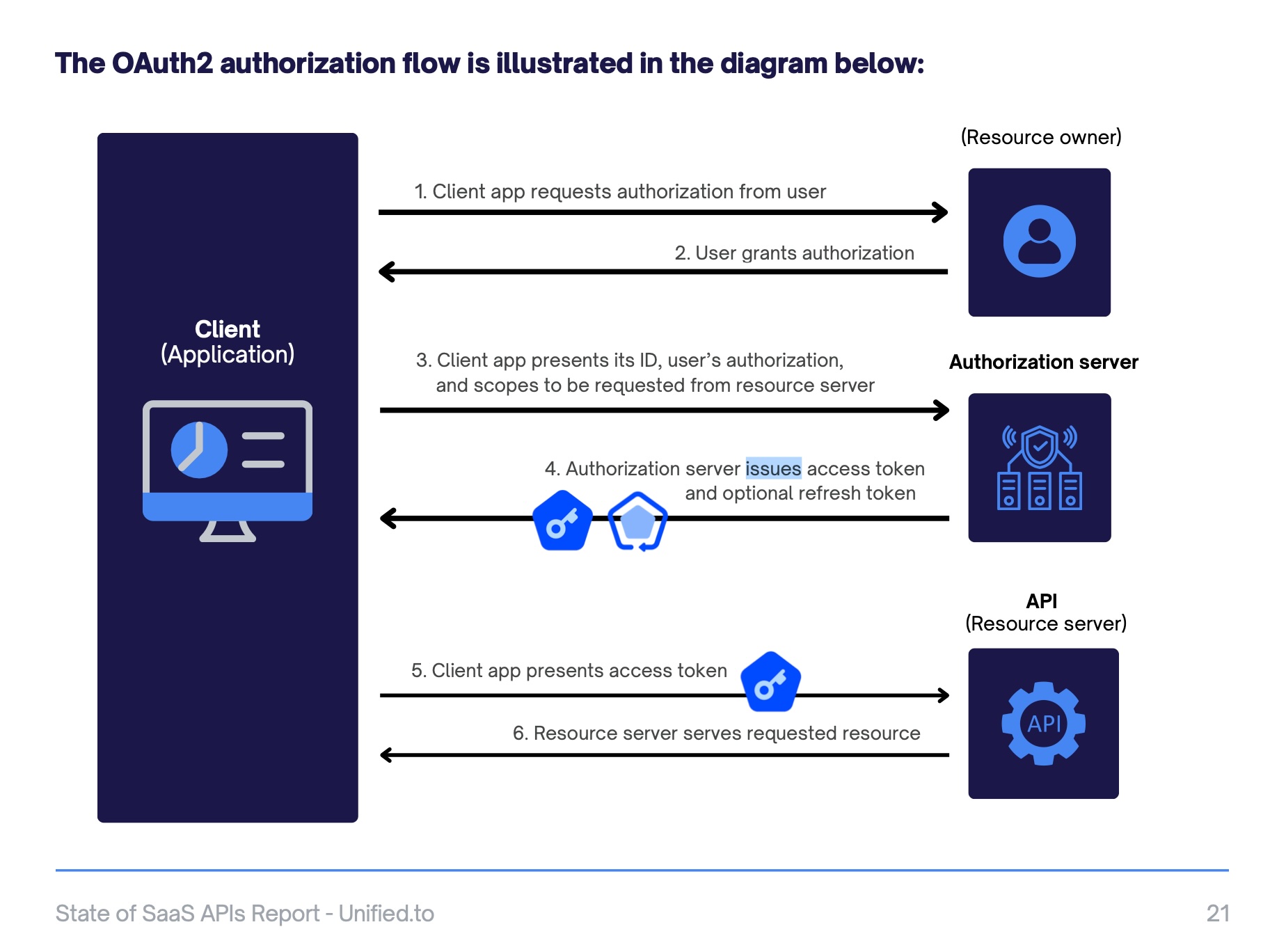
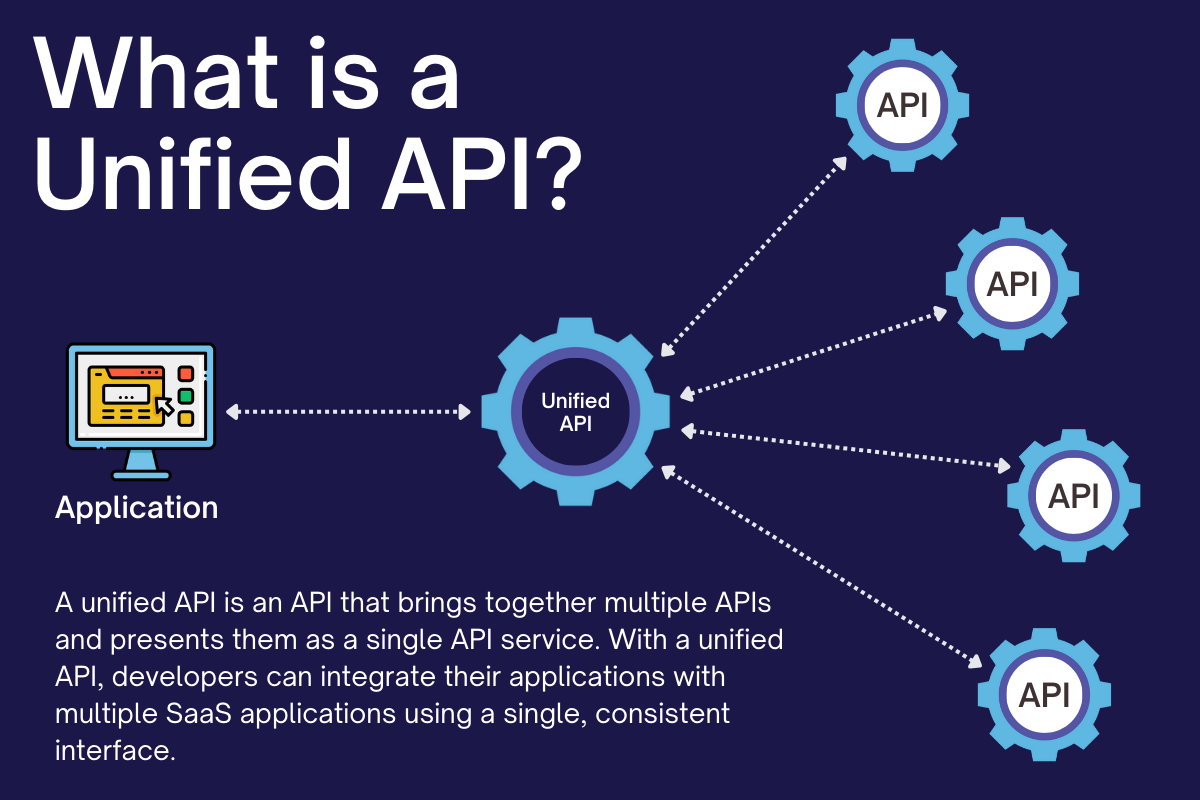
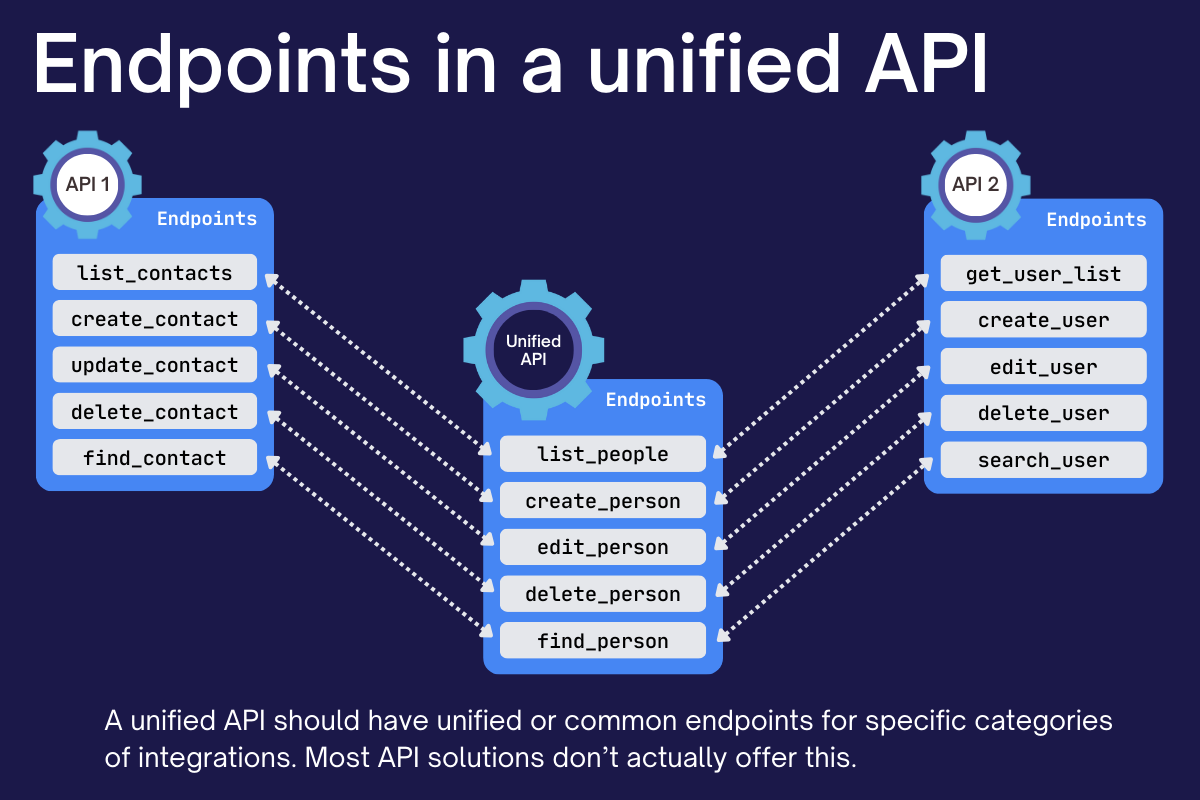
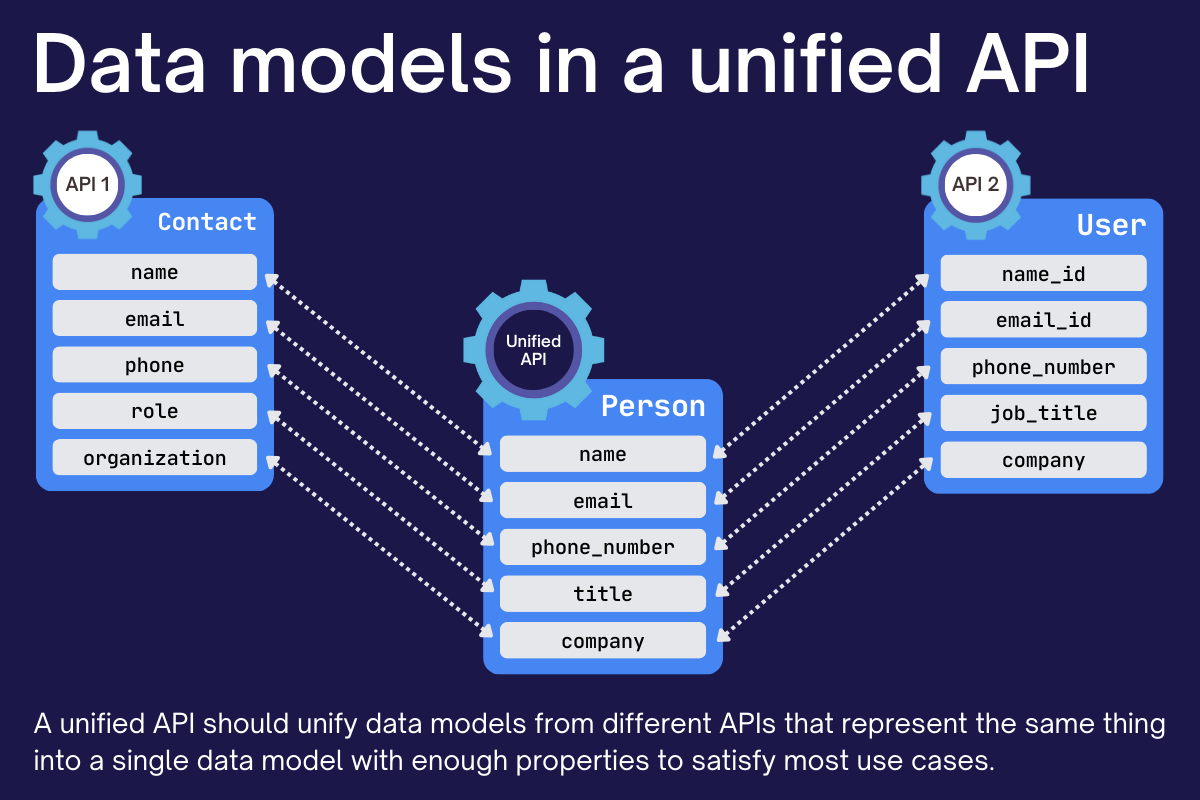
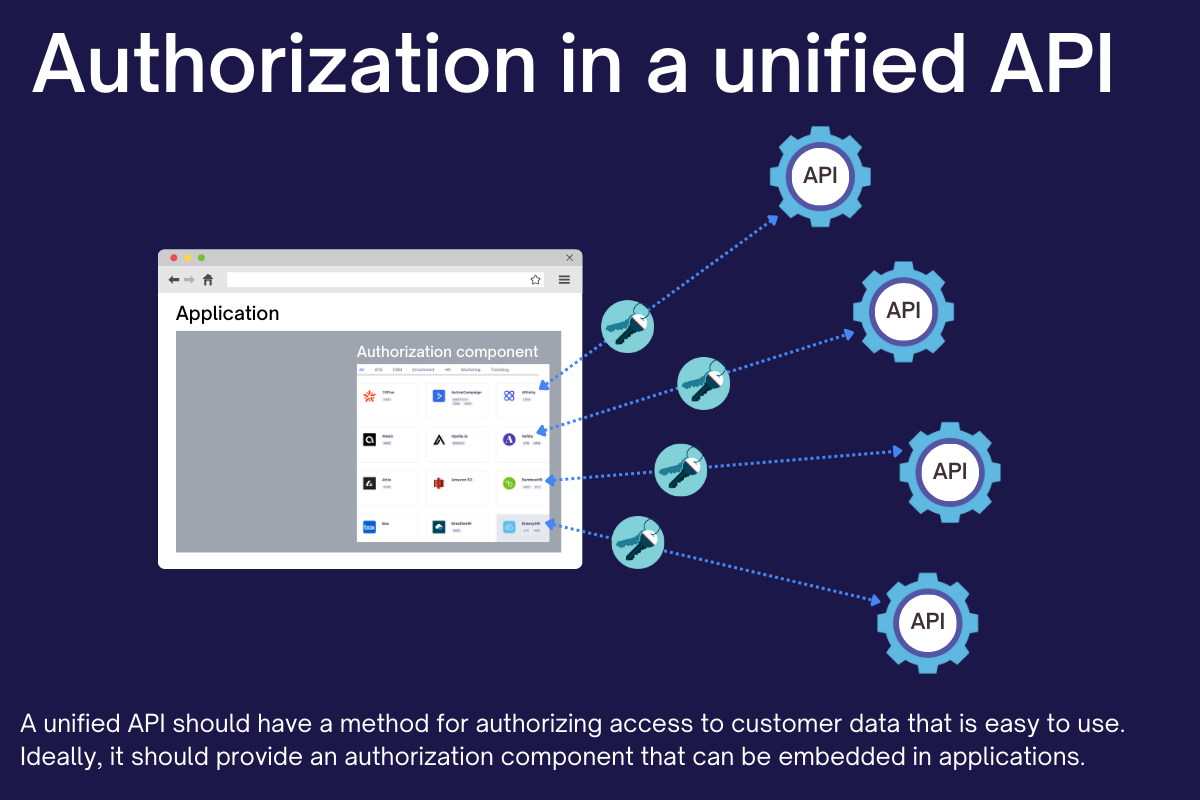
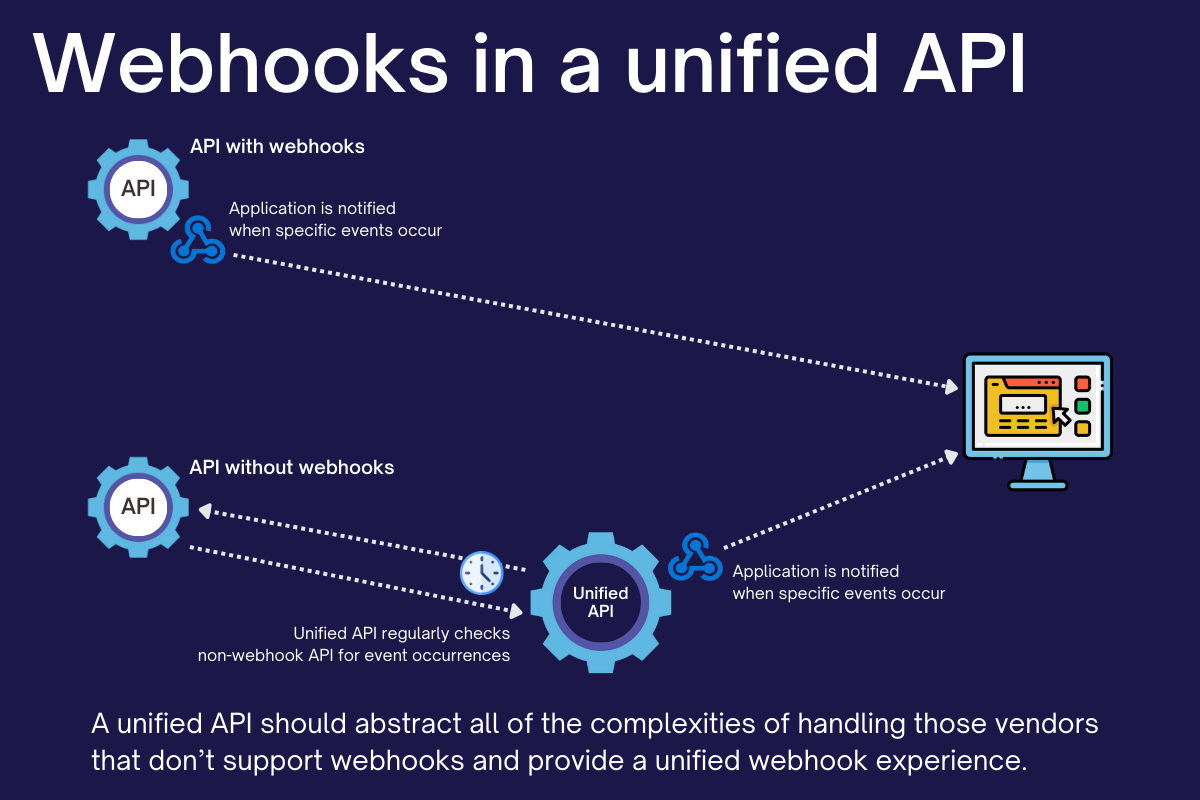
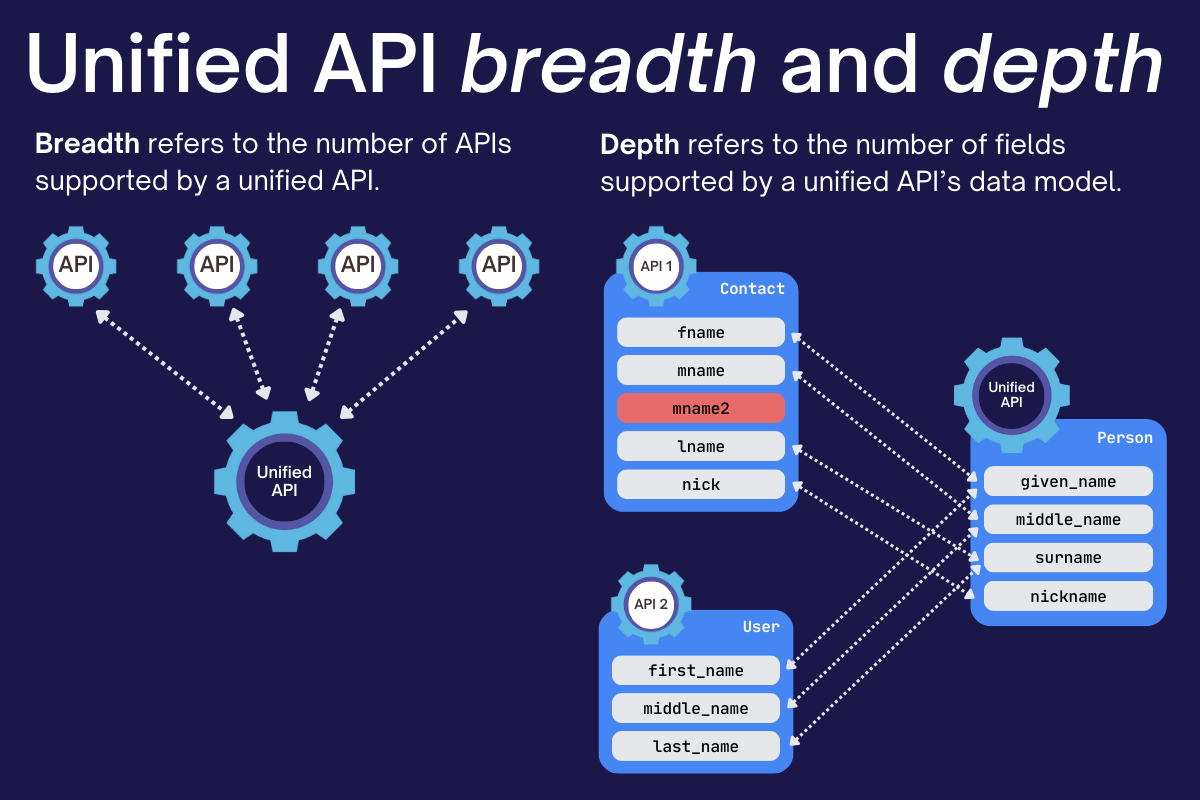
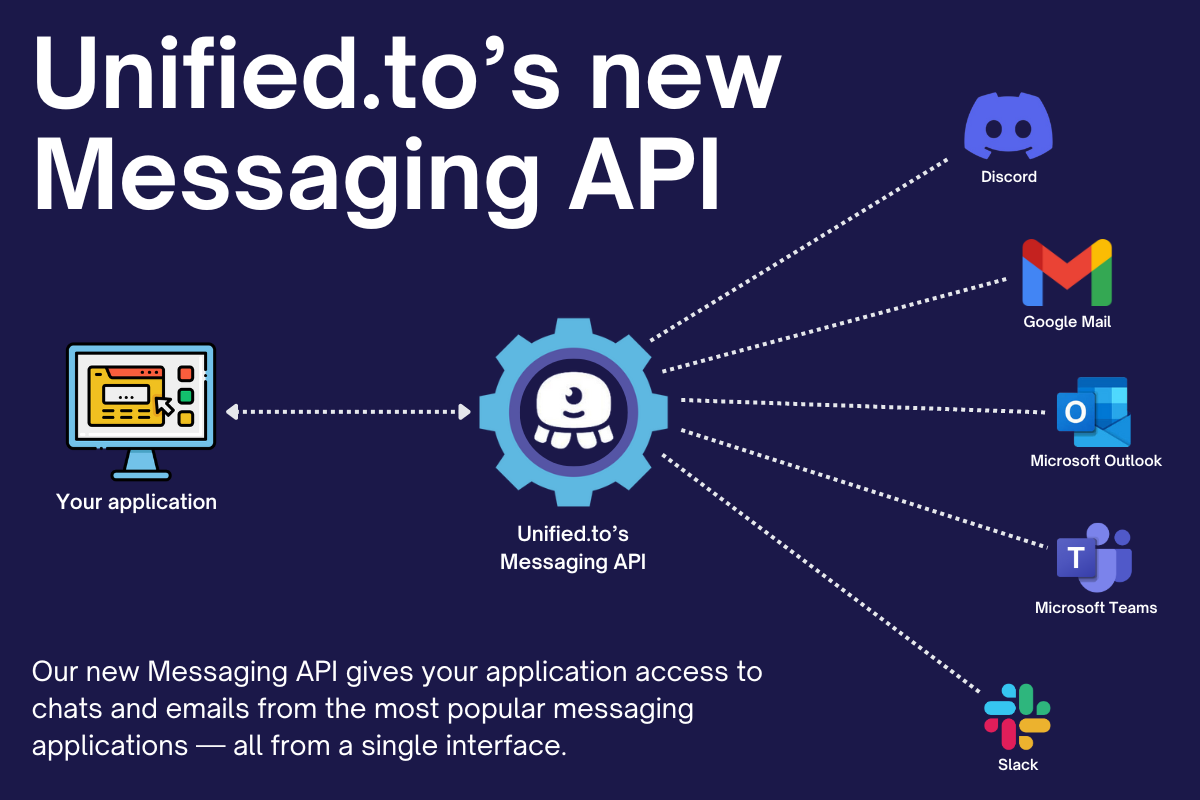
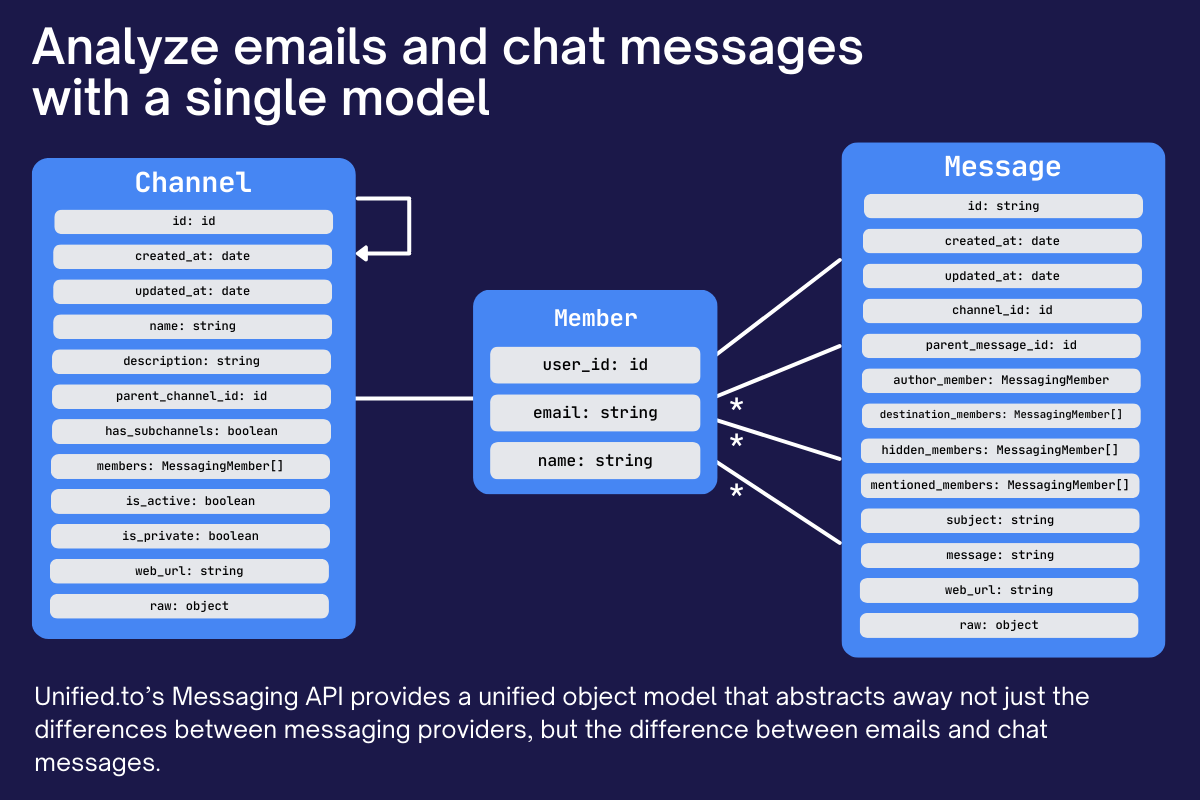
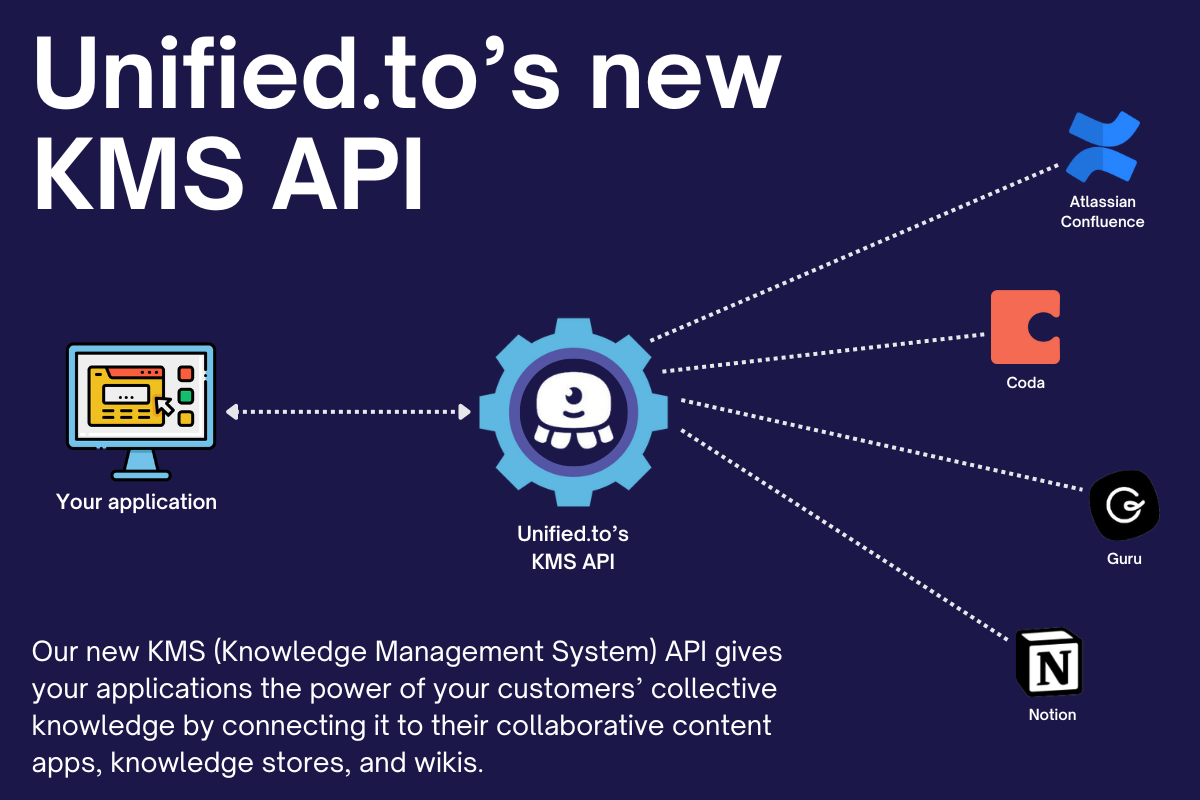
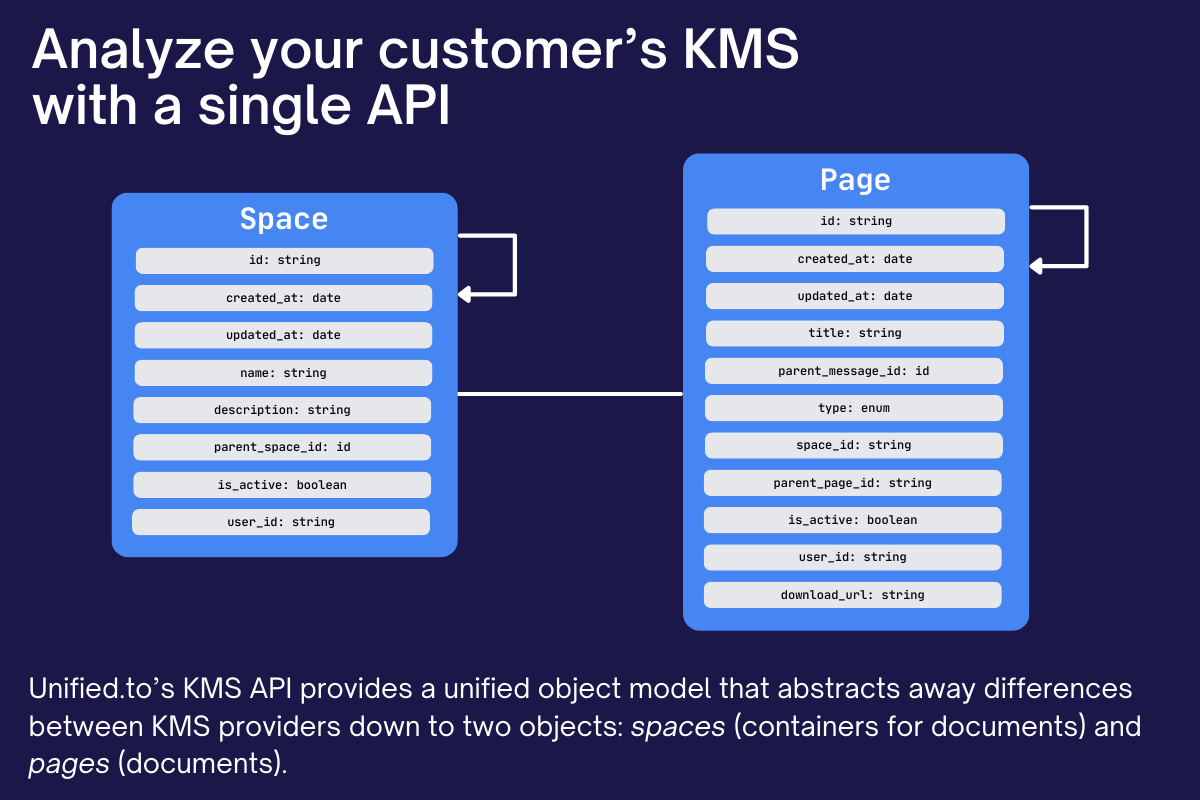
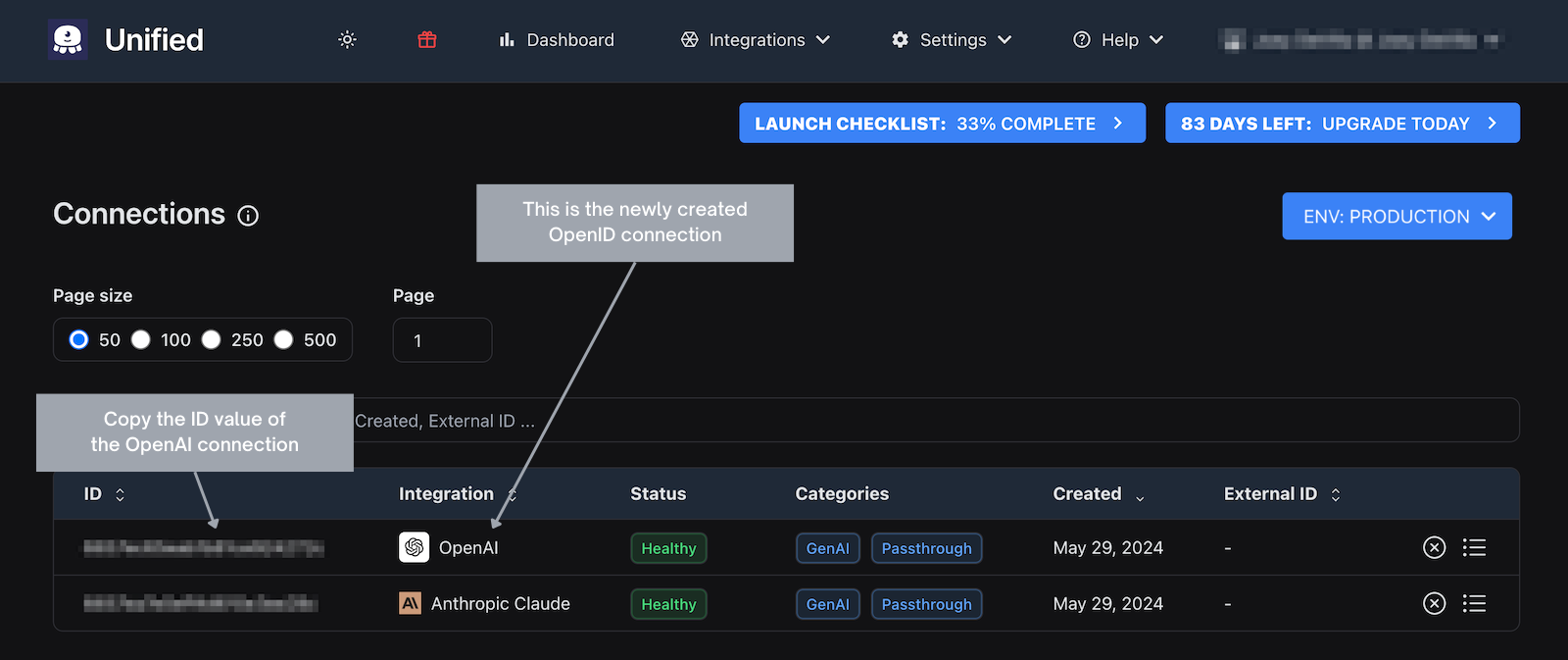
In addition to the 2024 State of SaaS APIs paper, I wrote articles for their blog at the rate of about one per week, including What is a Unified API?, for which I also made the diagrams (pictured below):
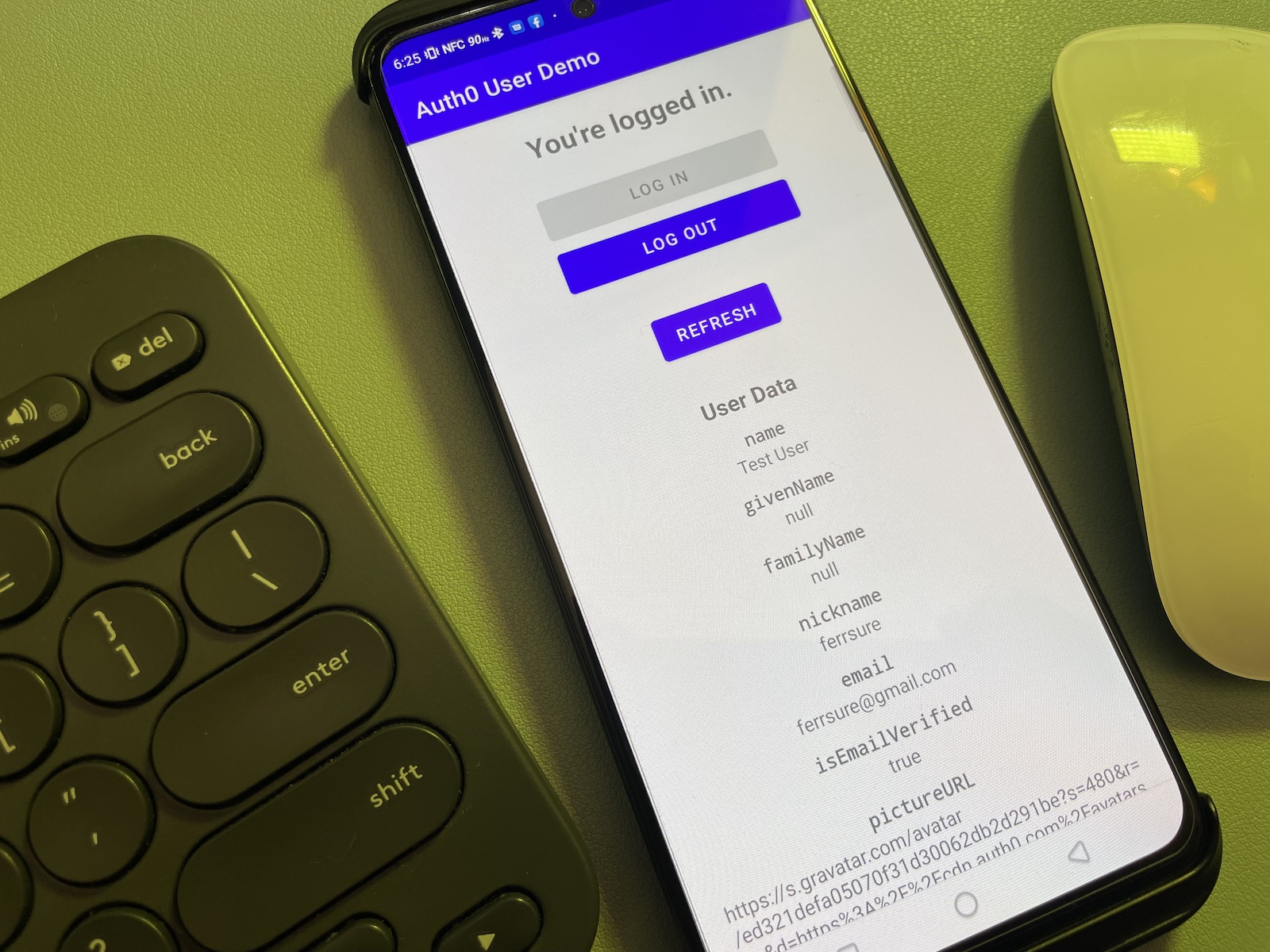
In my most recent full-time position, I was a member of Auth0 by Okta’s Content team in their Developer Engagement group. I was there for over three years, and my primary responsibility was to create content for mobile developers — articles, tutorials, videos, and other material.
Prior to my arrival at Auth0, there hadn’t been much new content for mobile developers for the prior three years, during which time Apple and Google had made significant changes to iOS and Android.
During my tenure as Senior Developer Advocate, I started writing Auth0’s first new mobile development articles in years, focusing on native iOS and Android development. For React Native and Flutter, I worked with guest authors to produce articles for developers building mobiel apps with those platforms. I also worked with the Developer Experience and SDK teams to update some long-neglected “quickstart” toolkits to help mobile developers become acquainted with Auth0’s “login as a service” more quickly and easily.
In my three years at Auth0, I brought the mobile development section of the Auth0 development blog from 0 pageviews/month to 20,000 pageviews/month.
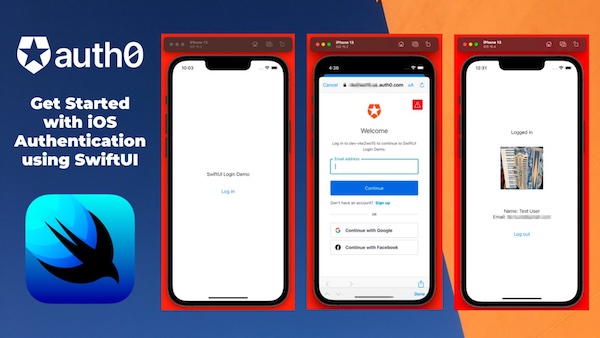
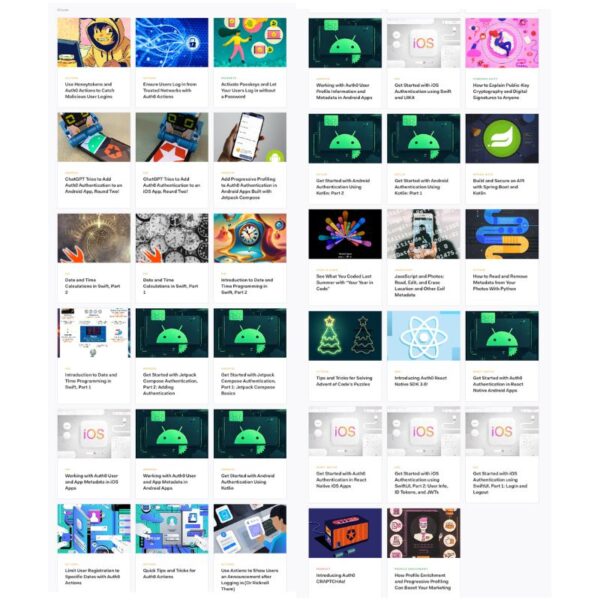
I ended up producing one long-form article a month that bore my name on the byline (I ended up rewriting or ghost-writing a number of guest articles as well). My Auth0 articles are listed below, with some annotations for notable articles.
Not all of my articles were about the Auth0 platform. I wrote some articles simply to gain the attention from mobile developers and on mobile development topics I felt didn’t receive enough attention.
My series of articles on working with dates and times in the Swift programming language remains popular among iOS developers — in fact, in Google searches for the search terms swift dates times still rank my articles in the top five:
I also wrote articles that went outside my usual topic of mobile development, including these two articles, which are still in the top five results for searches on EXIF and Python and EXIF and JavaScript:
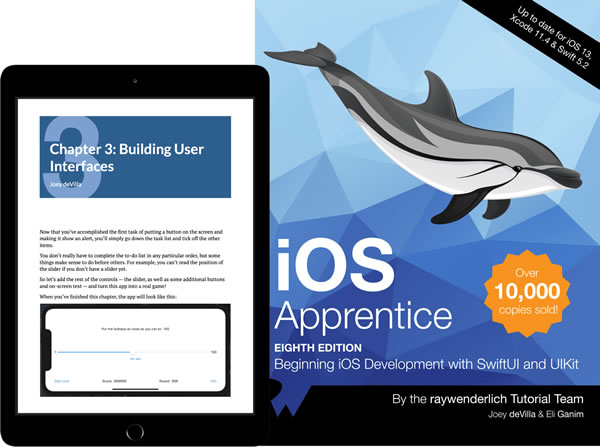
I learned mobile development from reading the first edition of The iOS Apprentice, a book produced by RayWenderlich.com (which eventually became Kodeco), the premier mobile development tutorial site, and I’ve been a fan ever since.
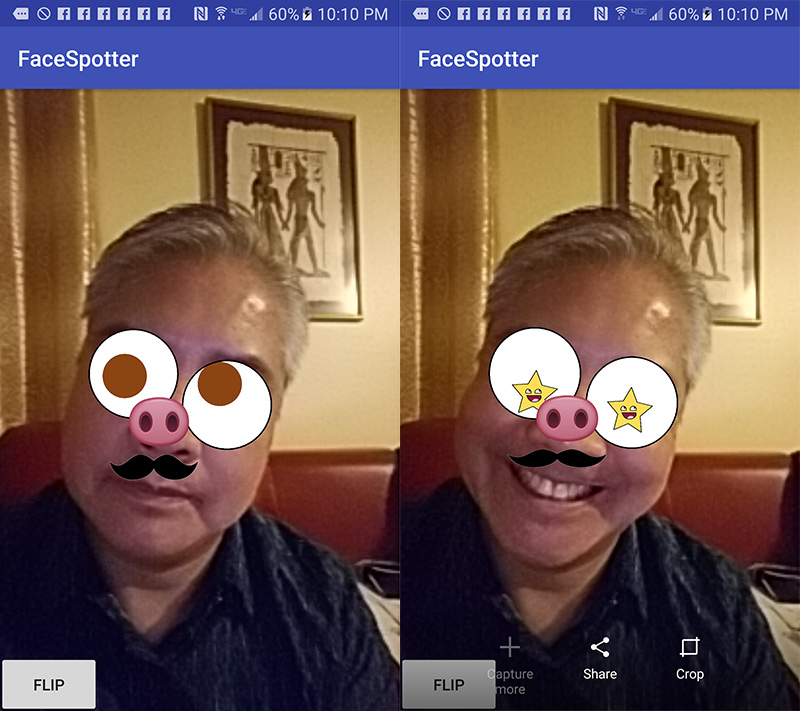
So when they put out a call for authors for Android articles, I took it as an opportunity to learn Android development so that I could be a contributor to the site. They gave me a choice of assignments that I could take on for my “audition,” and I chose one of the trickier ones: “Write an article showing how to make an augmented reality Android app.”
Thanks to my success with that augmented reality article, I was selected to be the technical editor for their book ARKIt by Tutorials. I was also selected to make not one, but two presentations at their RWDevCon 2018 conference: a two-hour presentation and a four-hour deep dive:
These presentations were the top two most highly-rated presentations at the conference.
When they sought out authors for the 8th edition of The iOS Apprentice, I threw my hat in the ring because I wanted to revise the book that taught me mobile development. Shortly after I was selected as one of the co-authors, Apple introduced the new SwiftUI framework, which necessitated completely rewriting major portions of the book.
I have also written the following articles for Kodeco, the most recent one in March 2024:
In November 2023, I gave an hour-long presentation to the Tampa Devs group that explained how computers work “under the hood.” I starting by explaining what transistors are and how they work, worked up to microprocessors, and finally covered programming in assembly language:
In February 2024, I gave a presentation on getting into AI development at the Civo Navigate North America 2024 conference. My time slot was on Day 1, immediately after the opening keynote:
Based on the success of my AI talk at Civo Navigate North America, the Austin Forum on Technology and Society invited me to give a more in-depth online version of the talk for their “AI April” event in April 2024:
A few days after the “backdoor” to the xz Utils utility was discovered, I proposed giving a last-minute lightning talk about the incident to the organizers of the BSides Tampa 2024 cybersecurity conference in April 2024. It ended up turning into a full presentation:
As a result of the response to my presentation at Civo Navigate North America 2024, Civo also invited me to give a lightning talk at Civo Navigate Local Tampa 2024 in April 2024:
I’ve been publishing Global Nerdy, my personal blog on technology, tech news, and software development since August 2006. To this day, it gets about 30,000 pageviews per month.
And finally, while this is from a while back, I’m including it in this portfolio simply because I’m sure no other candidate will be able to show you something like this: my short-lived children’s show about technology. Just like Sesame Street, there’s a puppet co-host:
How did the CrowdStrike Bug of July 19, 2024 take down 8.5 million Windows systems and cause the biggest global outage of all time? I’ll explain in this video, where you’ll also learn about operating systems, the kernel, device drivers, and more!
This will be an online course happening twice a week for 5 weeks, on Mondays and Wednesdays from 6:00 p.m. to 10:00 p.m. (with hourly breaks), from Monday, July 15 through Wednesday, August 14. The course will be aimed at beginning programmers who are new to Python, and I can adjust it based the skill and knowledge of the class.
If you find my Meetup presentations entertaining and informative, wait until you see the way I teach programming!
Computer Coach
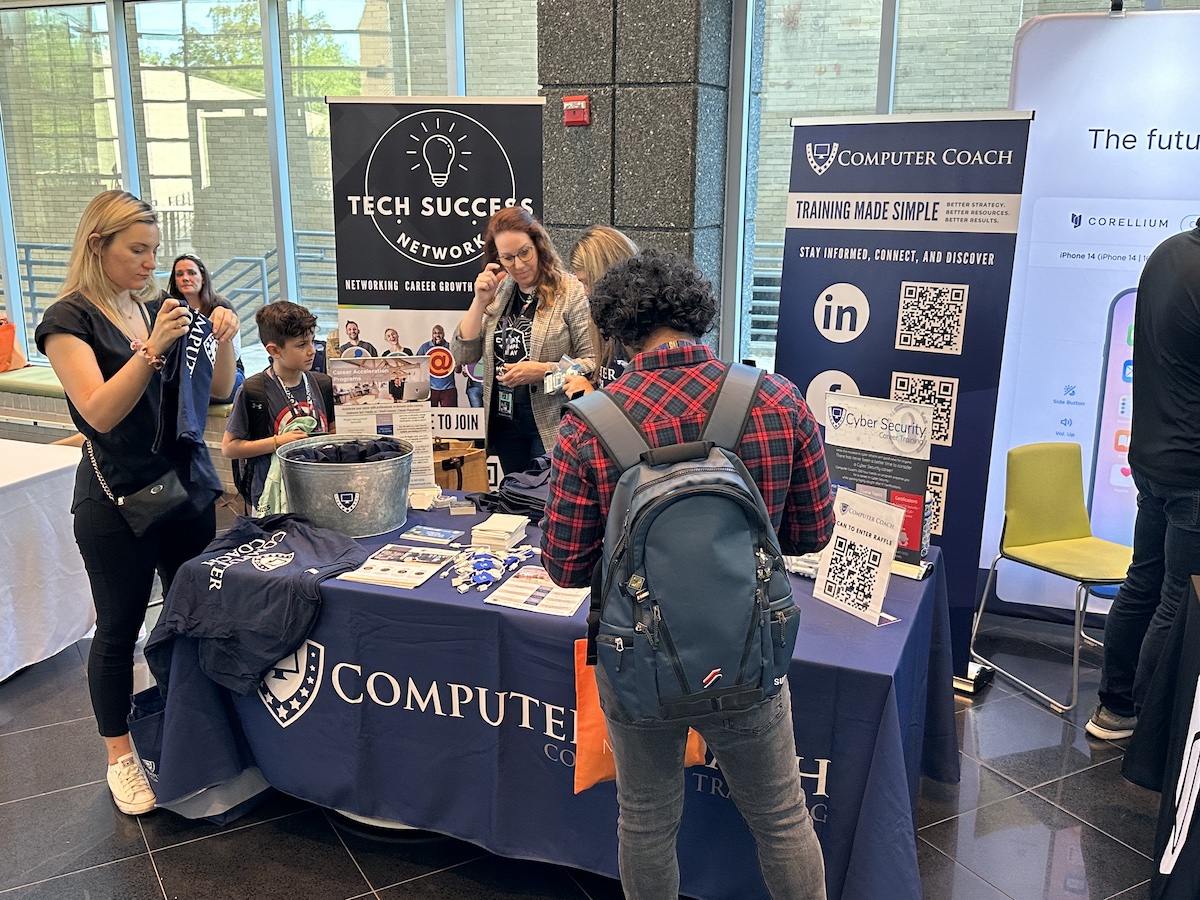
In my two decades doing developer relations work, I’ve found that every metropolitan area with a decent tech scene has a tech school whose people drive a lot of local tech events. Here in Tampa Bay, it’s Computer Coach!
If there’s a tech conference, meetup, or gathering happening in Tampa or St. Pete, Computer Coach is probably part of it — organizing it, sponsoring it, or providing volunteer support. If someone in the Tampa Bay area has recently picked up some tech skills, chances are that they got them via Computer Coach. Wherever Tampa Bay tech is, so is Computer Coach, and I’m always pleased to work with them.
Python
The TIOBE Programming Community Index is a measure of the popularity of programming languages, and Python has been in the top position for the past little while. With its growth in popularity and as the preferred language of data scientists and machine learning, Python is a must-learn language.
What more can I say about Python? It’s my overall favorite programming language, it helps generate the weekly list of Tampa Bay tech events that appears on this blog, and thanks to its prominence in the fields of data science and artificial intelligence, it’s the hot language of the moment — despite having been first released in 1991 and being eclipsed by Ruby in the 2000s.
How you learn programming matters
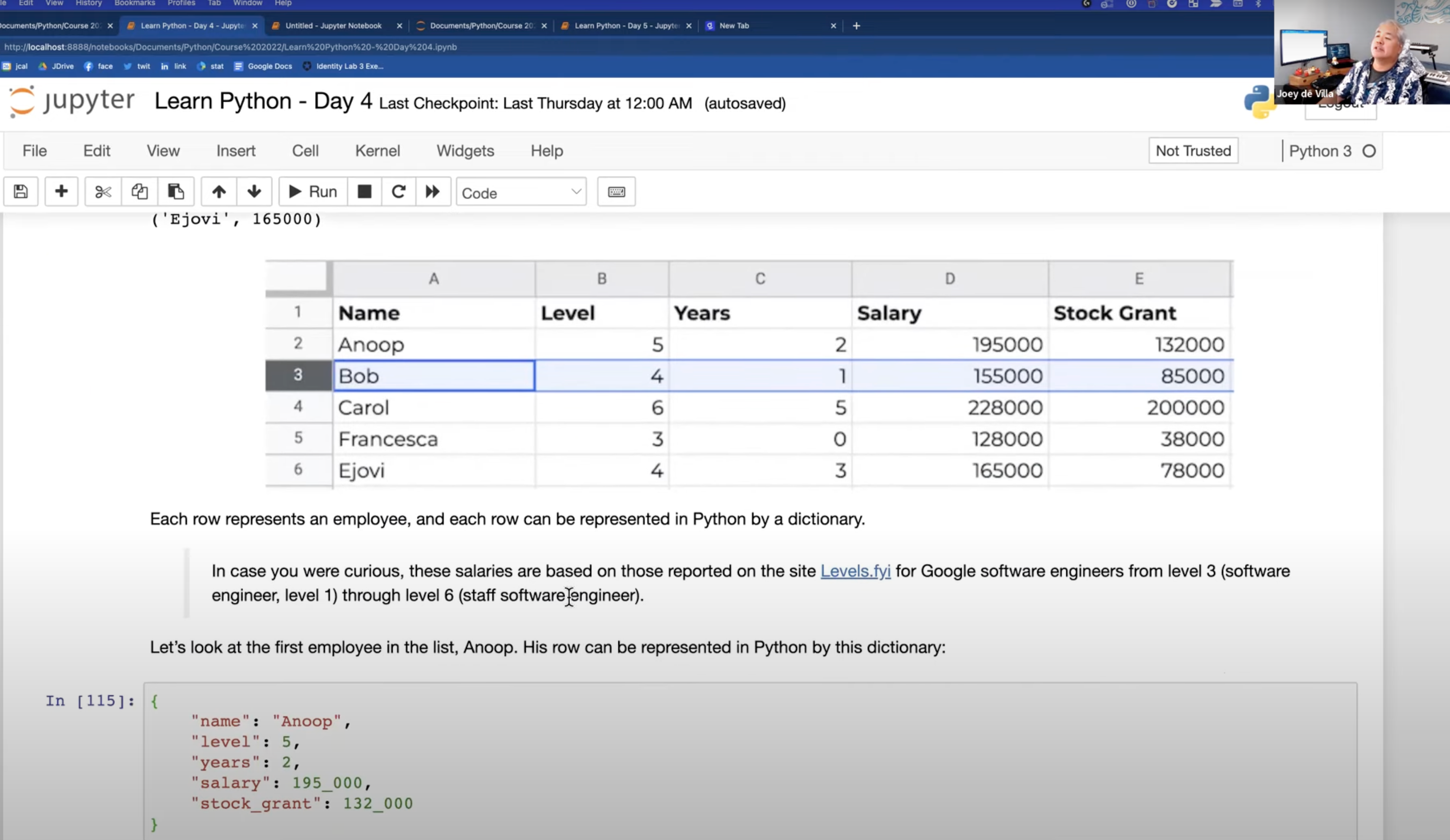
Consider this screenshot from the Python course I taught in November and December 2023:
It shows us using a spreadsheet classic — a list of employees and some of their attributes — represented as a Python data structure: a list of dictionaries, which for all intents and purposes is a spreadsheet. We used this to analyze the salaries and stock grants of anonymized software developers at Google, as listed on levels.fyi, a site where you can see the compensations and benefits for different jobs and levels across tech companies. This isn’t the sort of example you’ll see in most courses or textbooks, but my goal is to try and make the exercises as meaningful as possible to the people taking the course. And you’ll learn interesting non-Python things along the way, including the existence of sites like levels.fyi and the inner workings of large tech companies!
(And you’d better believe we’ll cover harnessing ChatGPT’s and DALL-E’s power via the OpenAI APIs…)
Most importantly, I want to show aspiring Python programmers how to think in a problem-solving manner. Programming is really about finding the intersection of “I have a specific problem I’m trying to solve” and “I know how to get the computer to perform a certain set of tasks.”
Does this sound like the kind of course you’d like to take? If so, head on over to Computer Coach’s page for the Python Programming course, which describes the course in a more official way, and sign up! Don’t forget that the class starts Monday, July 15th!
The laws of time, effort, and experience make it very clear: I’m in the middle of making my worst videos right now, and you’ll want to subscribe to see how bad they are!
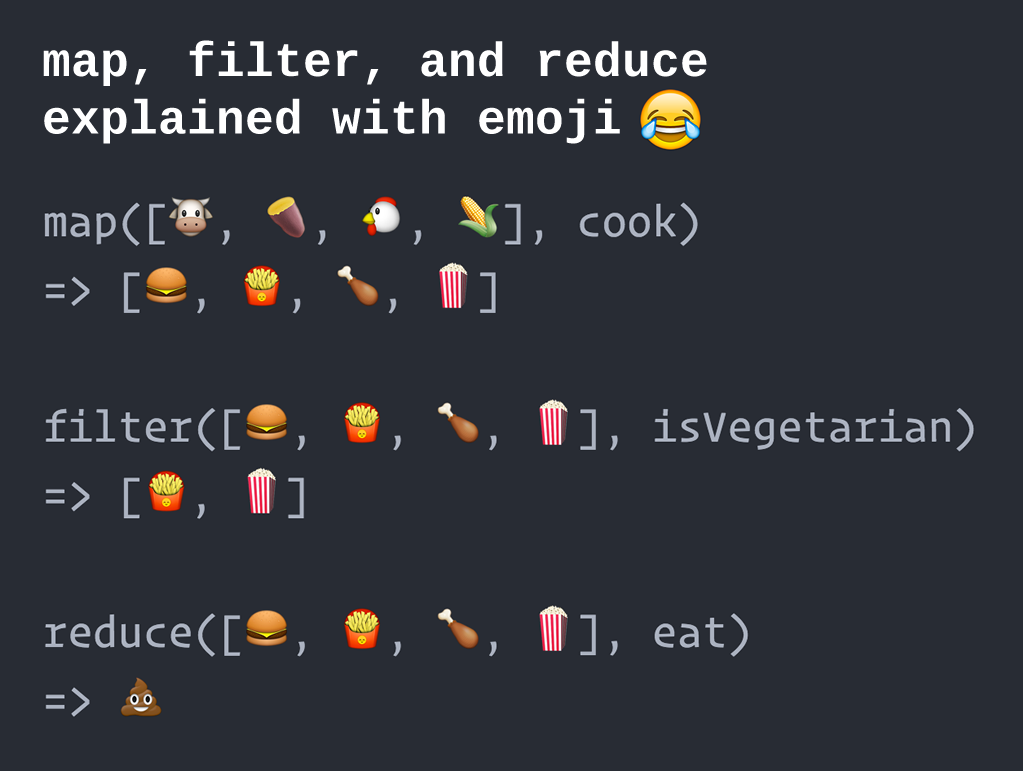
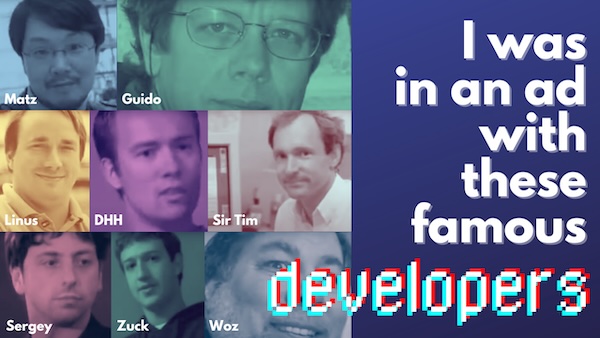
…and the second is a blast from the past — a promotional video featuring images of a lot of top-tier developers, followed by an image that’s supposed to represent you, the everyday developer…and guess whose image they used:
There’ll be a mix of short- and long-form videos, where I’ll cover software development topics and technology news in interesting, unusual, and amusing ways.
I’m spending the month of June working on the first set of videos, which I’ll release as quickly as I can, so you know they’ll be bad. And if you’re thinking “But HOW bad?”, there’s only one way to find out: visit the channel and subscribe!